
The Preservation of Ancient Inscriptions: Challenges and Innovations

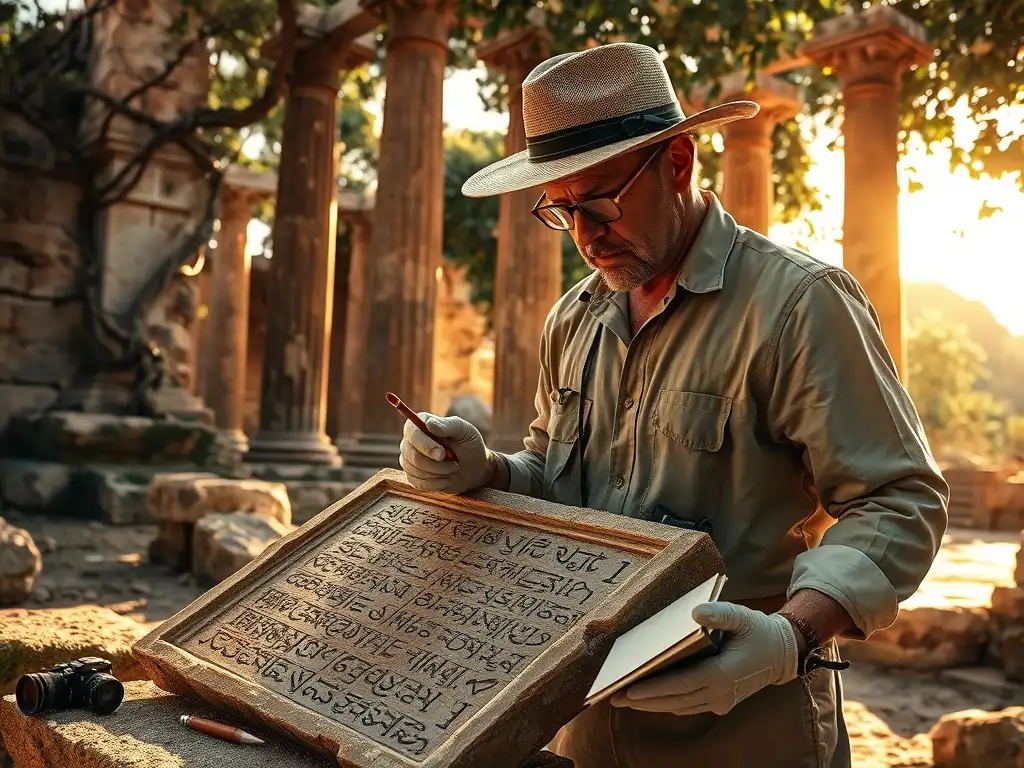
Welcome to Ancient India History, where we embark on a fascinating journey through the rich tapestry of ancient Indian civilizations. From the remarkable Indus Valley to the illustrious Gupta Empire, we delve into the diverse history and cultural contributions that have shaped India today. In our featured article, "The Preservation of Ancient Inscriptions: Challenges and Innovations," we uncover the intricate challenges in preserving ancient inscriptions—a vital link to our past.
Join us as we explore the innovative techniques and relentless efforts that breathe life into these invaluable relics, sparking curiosity about the stories they hold. Dive in and discover how the whispers of history are being safeguarded for future generations!

The preservation of ancient inscriptions is a critical aspect of understanding and safeguarding the rich tapestry of human history, particularly in the context of ancient Indian civilizations. As artifacts that provide invaluable insights into the social, cultural, and political life of their times, inscriptions serve as crucial historical documents. However, the challenges associated with their preservation are numerous and complex, ranging from environmental factors to technological limitations.
This article will delve into the various difficulties faced in preserving these ancient texts while also exploring innovative solutions that have emerged in recent years. By examining the intricate relationship between these inscriptions and the civilizations they represent, we can better appreciate their significance and the urgent need for their protection.
Understanding Ancient Inscriptions
Definition and Importance of Ancient Inscriptions
Ancient inscriptions are texts carved, engraved, or otherwise marked onto durable materials such as stone, metal, and pottery. They often include religious texts, royal edicts, or commemorative messages and serve as a window into the beliefs, governance, and daily life of ancient societies. The importance of these inscriptions lies in their ability to provide first-hand accounts of historical events, cultural practices, and societal norms, offering a direct link to our ancestral past.
Historical Context of Ancient Inscriptions in India
In India, the tradition of inscribing texts dates back to the Indus Valley Civilization (circa 2500–1900 BCE), where seals bearing symbols were discovered. Over the centuries, inscriptions evolved, with significant contributions from various dynasties such as the Mauryas, Guptas, and Cholas. Notable examples include the Ashoka Edicts, which convey moral instructions and governance principles, and inscriptions from temple complexes that reflect religious devotion and artistic expression. Understanding this historical context is essential for appreciating the breadth and depth of ancient inscriptions and their impact on contemporary Indian culture.
The Challenges in Preserving Ancient Inscriptions
Despite their significance, the preservation of ancient inscriptions faces multiple challenges that threaten their integrity and survival.
Environmental Factors Affecting Inscriptions
Environmental conditions play a pivotal role in the deterioration of inscriptions. Factors such as temperature fluctuations, humidity, and exposure to pollutants can lead to erosion and fading of the engraved texts. For instance, inscriptions located in coastal areas are particularly vulnerable to saline air and moisture, which can accelerate decay. Preservation efforts must consider these environmental variables to implement effective protective measures.
Physical Damage and Deterioration
In addition to environmental challenges, physical damage from natural disasters, human activities, and vandalism poses significant threats to ancient inscriptions. Earthquakes, floods, and other geological events can cause structural damage to the sites where these inscriptions are found. Moreover, neglect, tourism, and intentional destruction can result in the irreversible loss of invaluable historical texts. Addressing these issues requires a multifaceted approach that combines conservation techniques with public awareness and education.
Technological Limitations in Preservation
While advancements in technology have opened new avenues for the preservation of ancient inscriptions, there are still limitations to consider. Techniques such as 3D scanning, digital imaging, and chemical treatments offer promising solutions, yet they often come with challenges related to funding, expertise, and accessibility. Furthermore, the risk of altering the original material during preservation efforts raises ethical concerns among conservators. Thus, striking a balance between innovative methods and the preservation of authenticity remains a key challenge in this field.
Innovations in the Preservation of Ancient Inscriptions
The preservation of ancient inscriptions has witnessed remarkable innovations in recent years. As the understanding of materials, environmental impacts, and technological advancements evolves, experts are employing novel methods to safeguard these invaluable historical assets. One of the most significant innovations is the use of digital technologies, such as 3D scanning and imaging, which allows for detailed documentation and analysis of inscriptions without physical contact. This technique not only captures the intricate details of the inscriptions but also creates digital archives that can be shared globally, ensuring wider accessibility and study.
Moreover, the application of advanced materials science has led to the development of better protective coatings and cleaning processes that minimize damage to original surfaces. Researchers are now exploring nanotechnology to create micro-coatings that prevent moisture and pollutants from deteriorating inscriptions. These innovations represent a shift toward more sustainable preservation practices, ultimately enhancing the longevity of ancient inscriptions.
Modern Techniques for Inscription Preservation
Modern techniques in the preservation of inscriptions encompass a range of approaches that integrate technology and traditional methods. One prominent technique is photogrammetry, which involves capturing multiple images of an inscription from various angles and using software to create a three-dimensional model. This method not only aids in preservation but also allows for virtual reconstructions of damaged or eroded inscriptions.
Another significant approach is laser cleaning, which employs lasers to remove harmful layers of dirt and pollutants without affecting the underlying material. This technique is particularly beneficial for inscriptions made of sensitive materials, as it can be precisely controlled to avoid further degradation.
Additionally, chemical consolidation methods have been developed to stabilize crumbling inscriptions. These methods involve applying specially formulated solutions that penetrate the material, providing structural support while preserving the original appearance. Such techniques demonstrate a commitment to maintaining the integrity of ancient texts while adapting to contemporary preservation challenges.
Collaborative Efforts in Preservation
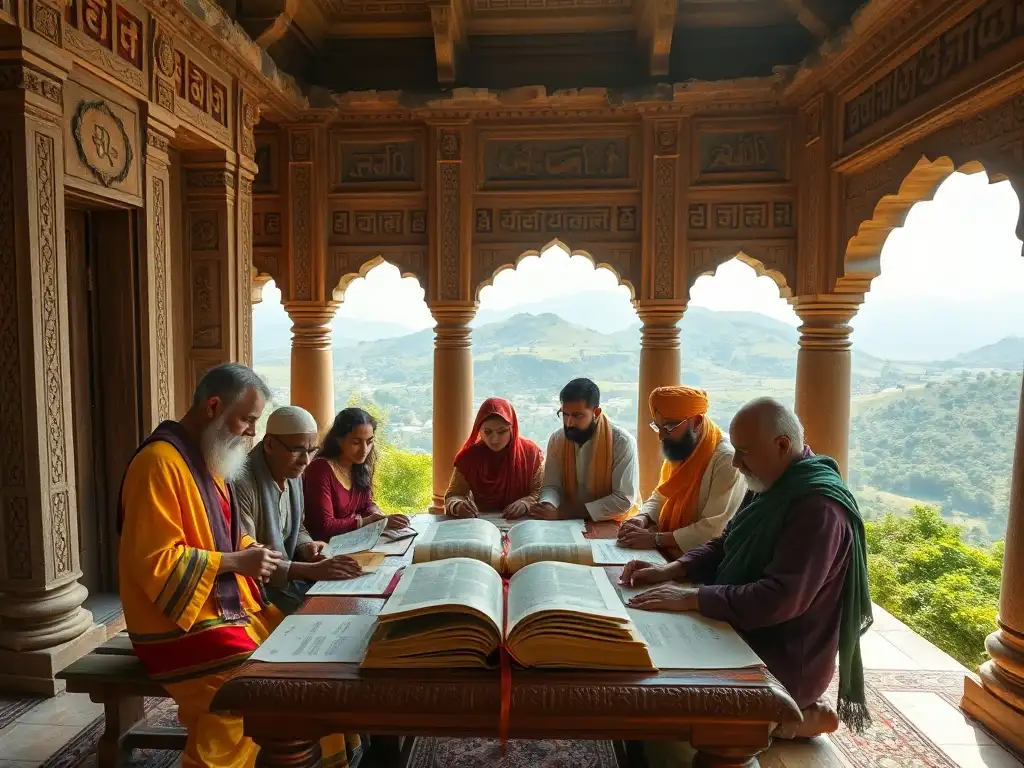
Collaboration plays a crucial role in the effective preservation of ancient inscriptions. Various stakeholders, including government agencies, academic institutions, and local communities, are increasingly coming together to address the challenges of preservation. Such cooperative efforts facilitate the sharing of resources, expertise, and best practices, leading to more comprehensive preservation strategies.
One notable example is the partnership between archaeological organizations and technology firms, which has resulted in the development of innovative preservation tools and methodologies. These collaborations often involve training local communities in preservation techniques, empowering them to take an active role in protecting their cultural heritage. By fostering a sense of ownership and responsibility, collaborative efforts not only enhance the preservation of inscriptions but also promote awareness and appreciation of ancient cultures.
Case Studies: Successful Preservation Efforts
Notable Examples of Inscription Restoration
Numerous successful preservation efforts have emerged as case studies, showcasing the effectiveness of innovative techniques and collaborative strategies. One prominent example is the restoration of the Ashoka Pillar inscriptions, where laser cleaning and digital documentation methods were utilized. This project not only restored the inscriptions to their former glory but also created a detailed digital archive accessible to researchers and the public.
Another significant case is the preservation of the Rock Edicts of Emperor Ashoka in Madhya Pradesh. This initiative involved a combination of chemical consolidation and community engagement, resulting in a sustainable preservation model. The involvement of local communities ensured ongoing maintenance and protection of the site, demonstrating the power of collaborative preservation.
Lessons Learned from Preservation Initiatives
The successful preservation of ancient inscriptions offers valuable lessons that can guide future efforts. One key takeaway is the importance of integrating modern technologies with traditional knowledge. While advanced techniques can significantly enhance preservation, understanding the historical context and material properties of inscriptions remains crucial.
Moreover, the active involvement of local communities has proven essential in fostering a sense of stewardship. Their participation not only ensures the sustainability of preservation efforts but also strengthens cultural identity and pride. Future initiatives should prioritize education and training for local stakeholders, equipping them with the skills needed to protect their heritage.
The preservation of ancient inscriptions is a multifaceted endeavor that benefits from innovations, collaboration, and lessons learned from successful initiatives. As we continue to confront the challenges of preserving these invaluable records of history, embracing a holistic approach will be essential to safeguard our cultural legacy for generations to come.
Future Directions in the Study of Ancient Inscriptions
The study of ancient inscriptions is entering a transformative phase, driven by advancements in technology and a growing awareness of the need for preservation. Future directions in this field will likely focus on several key areas, including interdisciplinary approaches that combine epigraphy with digital humanities, archaeology, and history. By integrating various methodologies, researchers can gain deeper insights into the context and significance of inscriptions.
Moreover, the emphasis on public engagement and education will become increasingly important. Initiatives that involve local communities in the preservation process not only help to protect cultural heritage but also foster a sense of ownership and pride among the populations connected to these artifacts. As the field evolves, there will be a greater push for sustainable practices that balance the need for preservation with the realities of modern development.
Emerging Technologies in Preservation
Emerging technologies are revolutionizing the preservation of ancient inscriptions, addressing many challenges in this field. Techniques such as 3D scanning and digital imaging allow for high-resolution documentation of inscriptions, capturing details that may be lost due to erosion or environmental factors. For instance, photogrammetry can create three-dimensional models that enable researchers and the public to study inscriptions without the risk of damaging the original artifacts.
Additionally, the use of Artificial Intelligence (AI) in analyzing inscriptions can help decipher forgotten languages and scripts. Machine learning algorithms can process vast datasets of ancient texts, identifying patterns and translating them into modern languages. These innovations not only enhance our understanding of ancient cultures but also facilitate the preservation of knowledge that might otherwise be lost.
The Role of Global Collaboration in Preservation Efforts
Global collaboration plays a crucial role in the preservation of ancient inscriptions. As many inscriptions are located in regions facing socio-political instability or environmental threats, international partnerships can provide the resources and expertise needed for effective conservation efforts. Institutions, universities, and non-profits can work together to share techniques, funding, and knowledge, creating a more unified approach to preserving these artifacts.
Moreover, collaborative projects often lead to the establishment of best practices in preservation. By learning from each other's successes and failures, global networks can develop comprehensive strategies that address the unique challenges posed by different types of inscriptions. This collective effort fosters a sense of responsibility and shared heritage among nations, underscoring the universal importance of ancient inscriptions in understanding human history.
Conclusion
Recap of Challenges and Innovations
The preservation of ancient inscriptions faces numerous challenges, including environmental degradation, political instability, and the inherent fragility of the materials used. However, innovations in technology and collaborative approaches provide hope for the future. Techniques such as 3D imaging and AI, along with global partnerships, are paving the way for more effective preservation strategies, ensuring that these invaluable artifacts are safeguarded for future generations.
The Importance of Sustaining Ancient Inscriptions for Future Generations
Sustaining ancient inscriptions is vital not only for preserving historical knowledge but also for maintaining cultural identity. These inscriptions serve as a bridge connecting us to our past, offering insights into the beliefs, practices, and languages of ancient civilizations. As custodians of this heritage, it is our responsibility to ensure that future generations can access and learn from these texts. By investing in preservation efforts today, we can foster a richer understanding of our shared history and cultivate appreciation for the diverse cultures that have shaped our world.
- Understanding Ancient Inscriptions
- The Challenges in Preserving Ancient Inscriptions
- Innovations in the Preservation of Ancient Inscriptions
- Modern Techniques for Inscription Preservation
- Collaborative Efforts in Preservation
- Case Studies: Successful Preservation Efforts
- Future Directions in the Study of Ancient Inscriptions
- Conclusion
- What are ancient inscriptions and why are they important?
- What are the main challenges in preserving ancient inscriptions?
- How do modern innovations aid in the preservation of these inscriptions?
- Why is it essential to preserve ancient inscriptions?
- How can individuals contribute to the preservation of ancient inscriptions?
Frequently Asked Questions
What are ancient inscriptions and why are they important?
Ancient inscriptions are writings carved on materials like stone or metal that provide insights into historical events, cultures, and languages of ancient civilizations. They are crucial for understanding the social, political, and religious aspects of the time.
What are the main challenges in preserving ancient inscriptions?
The main challenges include environmental factors, natural erosion, and human activities that can damage these artifacts. Additionally, political instability and lack of funding for preservation efforts further complicate the situation.
How do modern innovations aid in the preservation of these inscriptions?
Modern innovations such as digital imaging, 3D scanning, and restoration techniques help in documenting and preserving ancient inscriptions. These technologies allow for better analysis and conservation without causing damage to the original artifacts.
Why is it essential to preserve ancient inscriptions?
Preserving ancient inscriptions is essential to maintain cultural heritage and ensure that future generations can learn about their ancestors and civilizations. This preservation helps to foster a sense of identity and continuity in society.
How can individuals contribute to the preservation of ancient inscriptions?
Individuals can contribute by supporting local museums, participating in archaeological projects, and advocating for policies that protect cultural heritage sites. Additionally, raising awareness about the importance of these inscriptions can lead to increased community engagement in preservation efforts.
Final Reflection: Embracing the Challenges of Preserving Ancient Inscriptions
The preservation of ancient inscriptions is not merely an academic pursuit; it is a vital endeavor that connects us to our shared human history. In a world where rapid technological advancements often overshadow our cultural heritage, the challenges in preserving ancient inscriptions have never been more pressing. As we navigate the complexities of modernity, we must recognize that these inscriptions are not just relics of the past but are essential narratives that inform our present and future.
The ongoing struggle to protect these invaluable artifacts from environmental degradation, human interference, and the passage of time underscores their significance in our cultural and social landscapes. Each inscription tells a story, a glimpse into the lives and thoughts of those who came before us. As we face the challenges in preserving ancient inscriptions, we are reminded of the words of historian Will Durant: Civilization exists by geological consent, subject to change without notice.
This quote encapsulates the fragility of our heritage and the urgent need to innovate and adapt our preservation methods to ensure that these stories endure for generations to come.
As we reflect on the lessons learned from the challenges in preserving ancient inscriptions, I invite you to consider your role in this vital mission. What actions can you take to support the preservation of our shared history? Whether through advocacy, education, or simply fostering a deeper appreciation for cultural heritage, each of us has the power to contribute to this cause. Let us commit to being stewards of our past, ensuring that the voices of ancient civilizations continue to resonate in our modern world.
Unveil the Secrets of Ancient Inscriptions!
Thank you for exploring the fascinating world of ancient inscriptions with us! We hope you’ve gained valuable insights into the challenges they face and the innovative methods being developed for their preservation. Now it’s time to take action and become an advocate for the protection of our rich heritage.
Here's how you can make a difference:
- Join our community! Sign up for our newsletter to receive updates on preservation efforts and upcoming events.
- Share your passion! Post about ancient inscriptions on social media and tag us to spread awareness and spark engaging discussions.
- Explore further! Visit your local museum or historical site to deepen your understanding of ancient inscriptions and their significance.
What unique ancient inscription or site have you discovered that inspired you to delve deeper into history? We’d love to hear your thoughts in the comments below!