
Pongal: A Deep Dive into the Ancient Harvest Festival of South India

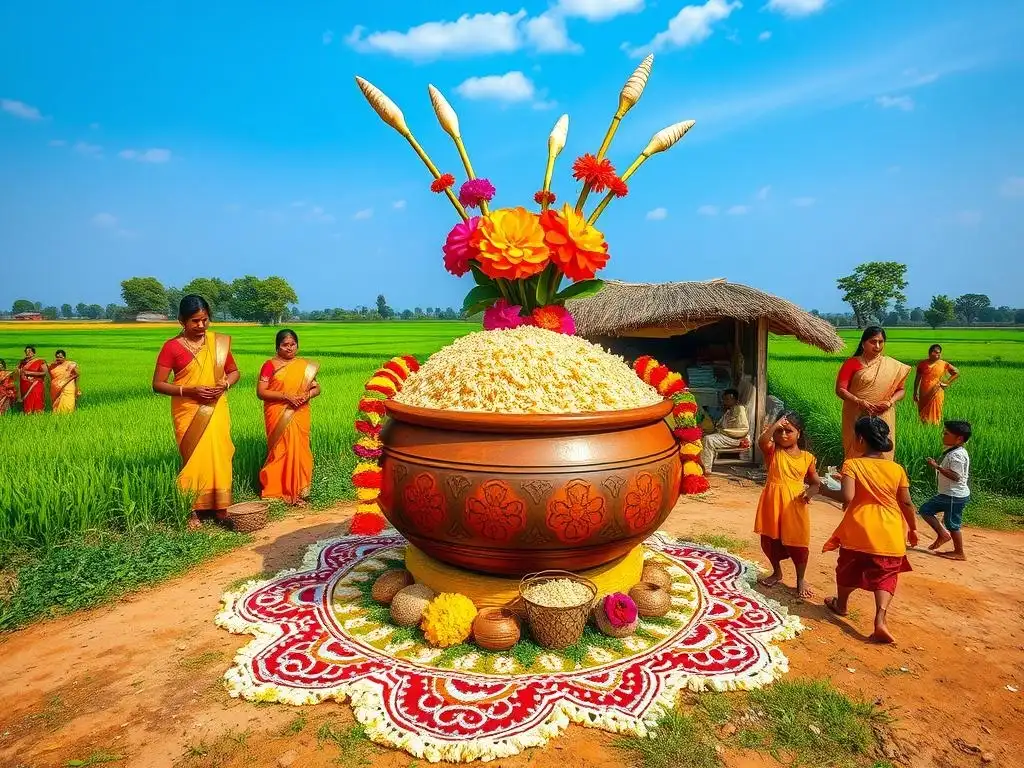
Welcome to Ancient India History, where we embark on a captivating journey through the rich tapestry of ancient Indian civilizations. Today, we invite you to explore the vibrant history and significance of the Pongal festival, a celebration that beautifully intertwines agriculture, culture, and tradition.
As we delve into the roots of this ancient harvest festival, you'll uncover fascinating insights that reveal how Pongal not only honors the bounty of the land but also reflects the values and customs of South Indian society. Join us as we unravel the layers of history and tradition surrounding this cherished festival, igniting your curiosity to learn more about the past that shapes our present.
- Pongal Festival History and Significance: An Overview of an Ancient Harvest Festival
- Historical Context of Pongal Festival
- Cultural Practices and Traditions Associated with Pongal
- The Agricultural Significance of Pongal
- Pongal Festival Today: Modern Celebrations and Practices
- Conclusion: The Enduring Legacy of Pongal Festival in South Indian Culture
- References: Sources on Pongal Festival History and Significance
- Frequently Asked Questions
- Final Reflection: Embracing the Rich Heritage of Pongal
- Embrace the Spirit of Pongal: Take Action Today!
Pongal Festival History and Significance: An Overview of an Ancient Harvest Festival
The Pongal festival is a vibrant and significant celebration rooted in the rich tapestry of ancient Indian traditions. This annual harvest festival, primarily celebrated in the southern state of Tamil Nadu, offers a glimpse into the agricultural heritage and cultural values of the region. Pongal, derived from the Tamil word meaning "to boil," symbolizes abundance and prosperity, marking the end of the harvest season for farmers.
The festival not only highlights the agricultural practices of ancient civilizations but also reflects the deep spiritual connection between the people and their land. As we explore the history and significance of the Pongal festival, we uncover the intricate rituals, community bonding, and the underlying themes of gratitude and reverence for nature that have persisted through centuries.
Introduction to Pongal Festival
Pongal is celebrated over four days, each day having its unique significance and rituals. The festival typically falls in mid-January, coinciding with the winter solstice and the sun's transition into the zodiac sign of Capricorn. This timing is significant, as it marks the end of the harvesting season and the beginning of the new agricultural cycle.
The festival begins with Bhogi Pongal, where old possessions are discarded, symbolizing a fresh start. The second day, Surya Pongal, is dedicated to the Sun God, where families prepare a special dish of rice boiled with milk and jaggery, known as "Pongal." This dish is offered as a gesture of gratitude for a bountiful harvest. The third day, Mattu Pongal, honors cattle, recognizing their vital role in farming through rituals and festivities. Finally, the fourth day, Kaanum Pongal, is a time for family reunions and community celebrations, where people visit relatives and friends to strengthen bonds.
Significance of Pongal in South Indian Culture
Pongal holds a profound place in South Indian culture, transcending mere agricultural celebration to embody values of unity, gratitude, and sustainability. The festival reinforces the importance of agriculture in the lives of the people, showcasing the traditional farming practices that have been passed down through generations.
The rituals associated with Pongal serve to strengthen community ties and foster a sense of belonging. Families come together to prepare the Pongal dish, participate in traditional games, and engage in cultural performances, creating an atmosphere of joy and togetherness. Furthermore, the festival emphasizes respect for nature, encouraging sustainable agricultural practices and celebrating the interdependence between humans and the environment.
In essence, the Pongal festival is not only a celebration of the harvest but also a reflection of the cultural ethos of South India, highlighting the harmonious relationship between the people, their traditions, and the land they cultivate.
Historical Context of Pongal Festival
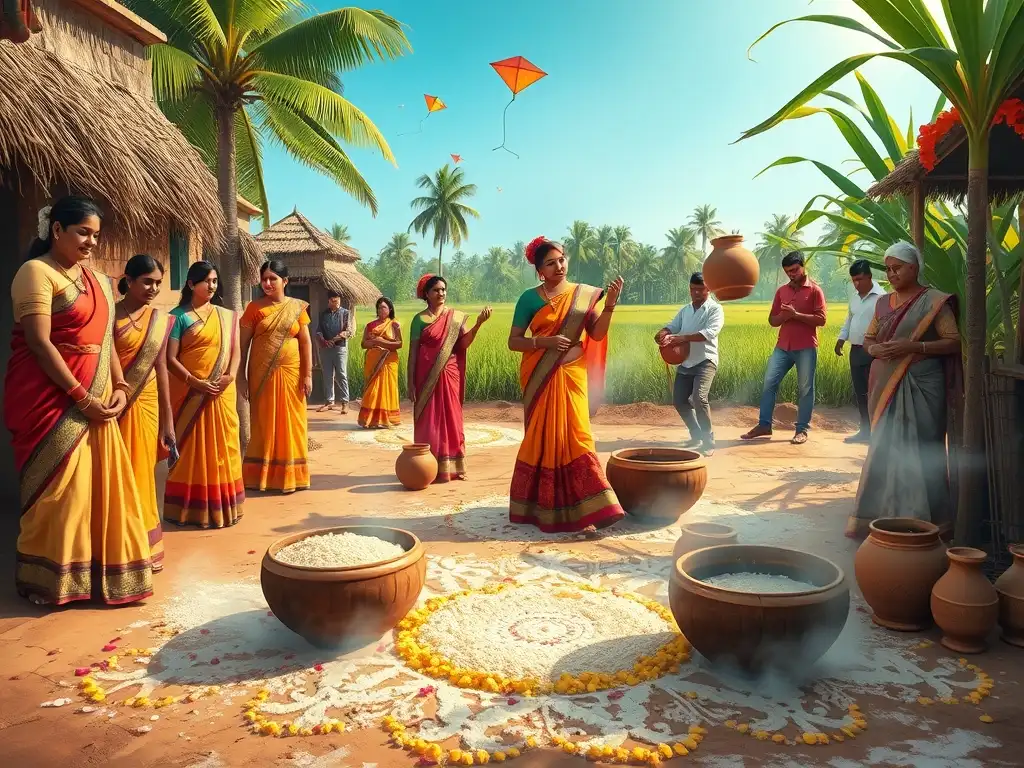
The Pongal festival, celebrated predominantly in the southern state of Tamil Nadu, has a rich historical backdrop that reflects the agricultural traditions and spiritual beliefs of ancient Indian civilizations. This festival, dedicated to the Sun God and the Earth, marks the end of the harvest season and is a celebration of gratitude for the bountiful yield. Its significance is deeply rooted in the socio-economic and cultural fabric of ancient South India.
Origins of the Pongal Festival
The origins of the Pongal festival can be traced back to ancient agrarian practices in South India. The term "Pongal" itself is derived from the Tamil word "pongu," which means "to boil over" or "to overflow," symbolizing abundance and prosperity. Historical evidence suggests that this festival has been observed for over a millennium, with references dating back to the Sangam period (approximately 300 BCE to 300 CE).
During this time, communities were primarily agrarian, and the festival served to honor the Sun and soil for their vital role in agriculture. As rice cultivation became a staple in the region, the Pongal festival evolved around the harvest of rice, specifically the new rice crop harvested in the month of Thai (January-February).
Pongal in Ancient Texts and Scriptures
Several ancient texts and scriptures provide insights into the significance of the Pongal festival. The Tirukkural, a classic Tamil text attributed to the poet and philosopher Thiruvalluvar, emphasizes the virtues of agriculture and the importance of gratitude towards nature. Verses from this text resonate with the essence of Pongal, highlighting the connection between humans and the natural world.
Additionally, the Silappatikaram, an ancient Tamil epic, mentions various rituals and festivals, including harvest celebrations similar to Pongal. These texts suggest that the festival was not merely an agricultural event but also a time for community bonding, spiritual reflection, and cultural expression through music, dance, and art.
Evolution of Pongal Celebrations Through the Ages
The celebration of Pongal has undergone significant transformations over the centuries, adapting to changing social and cultural dynamics. Initially a simple agrarian festival, it has morphed into a multi-day event filled with various rituals and customs.
- Historical Rituals:
- Bhogi Pongal: The first day of the festival, dedicated to discarding old possessions and celebrating new beginnings. This practice has roots in ancient traditions of purification and renewal.
- Surya Pongal: The second day, where rice is cooked in fresh pots and offered to the Sun God. This ritual underscores the importance of solar energy in agriculture.
- Cultural Significance:
- Over time, Pongal has incorporated various cultural elements, including folk music, dance forms such as Karagattam, and traditional games.
- The festival has also become a significant occasion for social gatherings, reinforcing communal ties among families and neighbors.
- Modern Adaptations:
- In contemporary times, while agricultural practices may have evolved, the essence of Pongal remains intact. The festival now includes urban celebrations, where families come together to prepare traditional dishes and engage in festive activities, blending ancient customs with modern life.
The Pongal festival's history and significance are deeply intertwined with the agricultural heritage of South India. As it continues to evolve, it remains a vibrant symbol of gratitude, community, and cultural identity. The traditions rooted in ancient practices serve as a reminder of the enduring relationship between humanity and nature.
Cultural Practices and Traditions Associated with Pongal
Rituals and Customs During Pongal
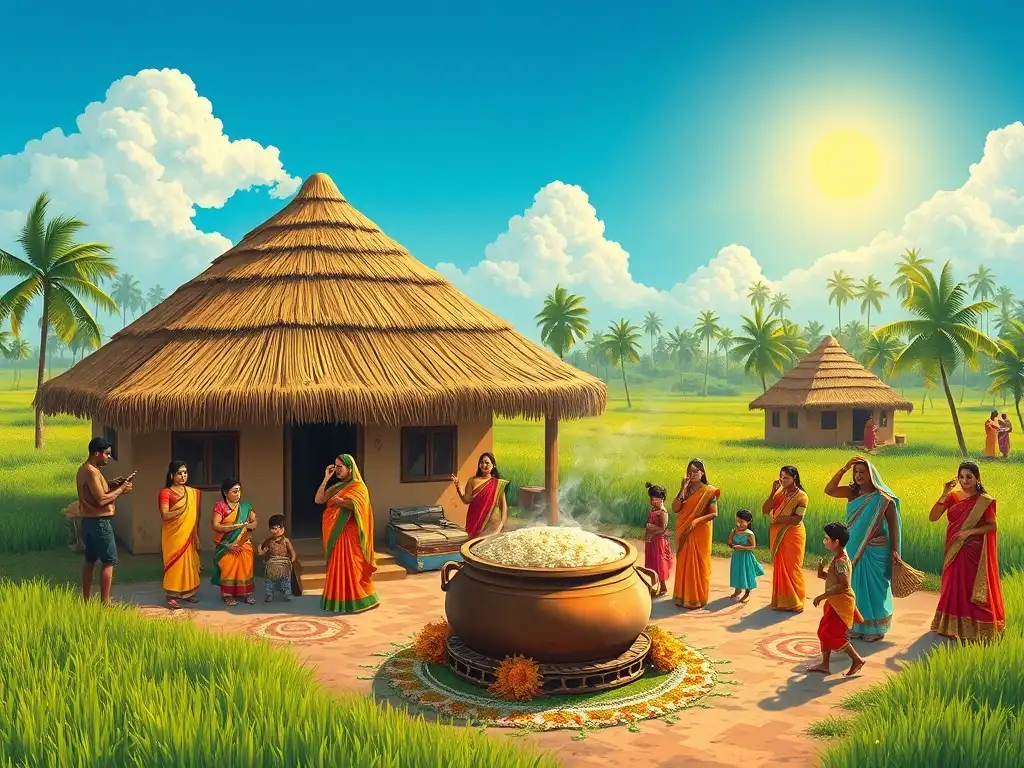
Pongal is not merely a festival but a celebration that encapsulates the agricultural roots and vibrant culture of South India. The festival is primarily celebrated over four days, each dedicated to specific rituals that honor the sun god, the earth, and the livestock that contribute to the harvest.
- Bhogi Pongal: The first day, known as Bhogi, is dedicated to discarding old belongings and celebrating new beginnings. Families gather to burn old items in a bonfire, symbolizing the cleansing of past negativity and welcoming prosperity.
- Surya Pongal: The second day is the most significant, known as Surya Pongal. On this day, families prepare the traditional Pongal dish made of newly harvested rice, jaggery, and milk, cooked in earthen pots. This dish is offered to the sun god, Surya, as a gesture of gratitude, as he is believed to bless the crops.
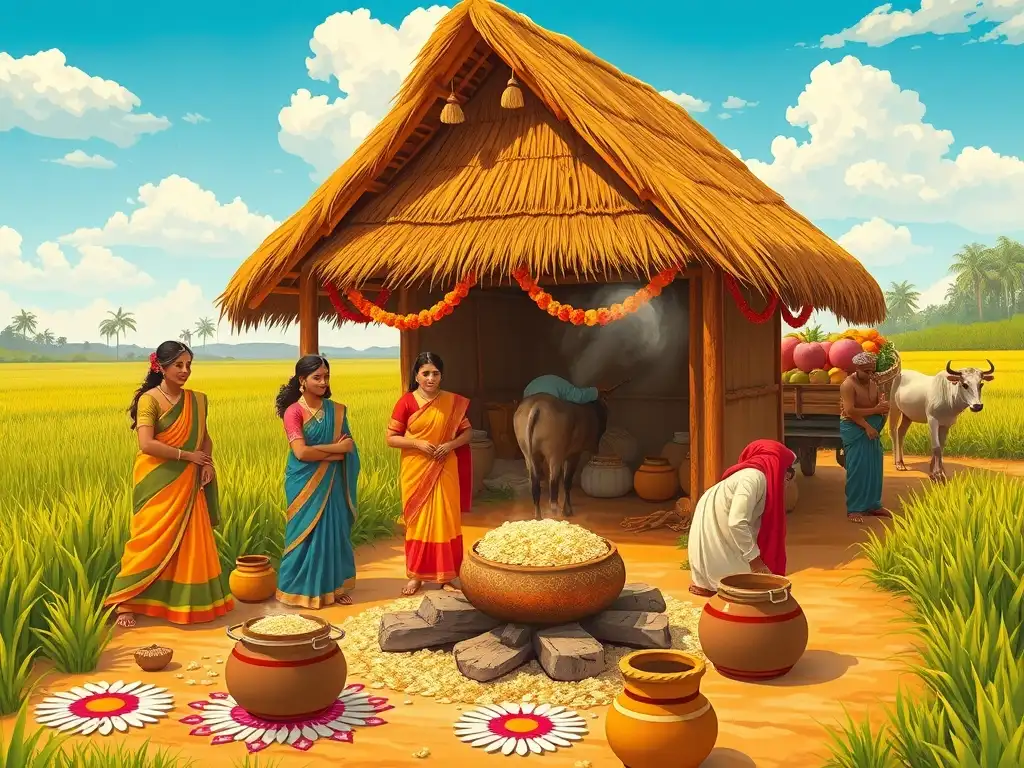
- Mattu Pongal: The third day, Mattu Pongal, is dedicated to honoring cattle, particularly cows and bulls, which play a crucial role in agriculture. Cattle are washed, adorned with garlands, and fed special treats. This day often includes traditional games, showcasing the strong bond between farmers and their livestock.
- Kanum Pongal: The final day, Kanum Pongal, is a time for family gatherings and socializing. People visit relatives and friends, exchanging gifts and sweet treats, reinforcing community ties.
These rituals are deeply rooted in ancient traditions, reflecting the agrarian lifestyle of South India and the reverence for nature and its bounties.
Traditional Foods and Offerings of the Pongal Festival
Food plays a central role in the Pongal festival, symbolizing abundance and gratitude for the harvest. Traditional dishes prepared during this time are not only delicious but also carry cultural significance.
- Pongal Rice: The star of the festival, Pongal rice, is made by boiling rice with milk and jaggery. It is often flavored with cardamom, cashews, and raisins, creating a sweet and aromatic dish that is offered to deities before being served to family members.
- Savory Pongal: Besides the sweet version, a savory Pongal is also prepared using rice, lentils, and spices. This dish is a hearty meal that represents the diversity of flavors in Tamil cuisine.
- Other Offerings: Families prepare a variety of other dishes, including vadas (fried lentil dumplings), sundal (seasoned legumes), and payasam (a sweet milk dessert). These dishes are often served on banana leaves, enhancing the traditional experience.
- Special Offerings to Cattle: On Mattu Pongal, rice, jaggery, and sugarcane are offered to cattle, signifying respect and appreciation for their contribution to agriculture.
The preparation of these foods is often a family affair, bringing together generations to participate in the cooking and celebration, reinforcing communal bonds and shared heritage.
Regional Variations in Pongal Celebrations Across South India
While Pongal is celebrated with great fervor across South India, distinct regional variations reflect the local customs, traditions, and agricultural practices.
- Tamil Nadu: The heart of Pongal celebrations, Tamil Nadu observes the festival with great enthusiasm, featuring vibrant kolams (rice flour drawings) at entrances, elaborate rituals, and community feasts. The grand celebration in cities like Madurai and Chennai often includes cultural performances.
- Karnataka: In Karnataka, Pongal is celebrated as "Makara Sankranti." The festival includes the preparation of Ellu Bella, a mixture of sesame seeds and jaggery, which symbolizes peace and prosperity. Kite flying is a popular activity during this time.
- Andhra Pradesh: Here, the festival is known as "Sankranti." One unique aspect is the preparation of pulihora, a tangy rice dish. The celebrations also include traditional dance forms like Kuchipudi, showcasing the rich cultural heritage.
- Kerala: Although Pongal is less pronounced in Kerala, it is celebrated as "Makaravilakku." The festival emphasizes rituals at temples and includes offerings of sweets and fruits.
These regional variations highlight the diverse cultural landscape of South India while maintaining the core essence of the Pongal festival—gratitude for the harvest and the celebration of life’s blessings.
The Agricultural Significance of Pongal
Importance of Harvesting in Ancient Indian Society
The agricultural practices of ancient India were deeply intertwined with the socio-economic fabric of society. Harvesting was not merely a seasonal activity; it was a pivotal moment that determined the livelihood of communities. The cultivation of crops like rice, millet, and pulses was central to sustaining populations, and thus, the successful harvest was celebrated with immense fervor.
In ancient texts, particularly the Vedas and Puranas, references to agricultural rituals highlight their importance. These texts often describe the Yajnas (sacrificial rituals) performed to appease deities for a bountiful harvest. The reverence for nature and the cyclical relationship between humans and the earth is evident in these celebrations.
Moreover, agricultural festivals, including Pongal, served as communal gatherings that strengthened social bonds. They provided opportunities for communities to come together, share resources, and celebrate collective achievements. The importance of these harvest festivals was not just economic but also spiritual, as they reinforced the connection between humanity and the divine.
Pongal as a Celebration of Bounty and Prosperity
Pongal, celebrated primarily in Tamil Nadu, is a vibrant festival symbolizing gratitude for the harvest. The term "Pongal" translates to "boiling over," which reflects the cooking of rice in milk and jaggery, a central dish prepared during the festival. The festival typically spans four days, each with distinct rituals and significance:
- Bhogi Pongal: The first day focuses on discarding old belongings, symbolizing a fresh start. It is a time for cleaning homes and celebrating new beginnings.
- Thai Pongal: The second day is the main event, where families prepare the traditional Pongal dish. This day includes rituals to honor the sun god, Surya, and is a time for family gatherings, marking the peak of festivities.
- Mattu Pongal: The third day celebrates cattle, particularly cows and bulls, which play a crucial role in agricultural practices. Cows are adorned and worshipped, emphasizing their contribution to farming and sustenance.
- Kaanum Pongal: The final day involves visiting relatives and friends, reinforcing social ties and community spirit.
The significance of Pongal lies not only in its agricultural roots but also in its embodiment of prosperity, gratitude, and community. The festival reflects the ancient Indian ethos of recognizing the divine presence in nature and celebrating the fruits of labor. Acknowledging the interdependence of all living beings, Pongal serves as a reminder of the importance of sustainable practices and respect for the environment.
The Pongal festival history and significance can be traced back to the core values of ancient Indian civilization, where agriculture was not just a means of survival but a celebration of life itself. This festival continues to thrive, preserving ancient traditions while adapting to modern times, showcasing the enduring legacy of India's rich cultural heritage.
Pongal Festival Today: Modern Celebrations and Practices
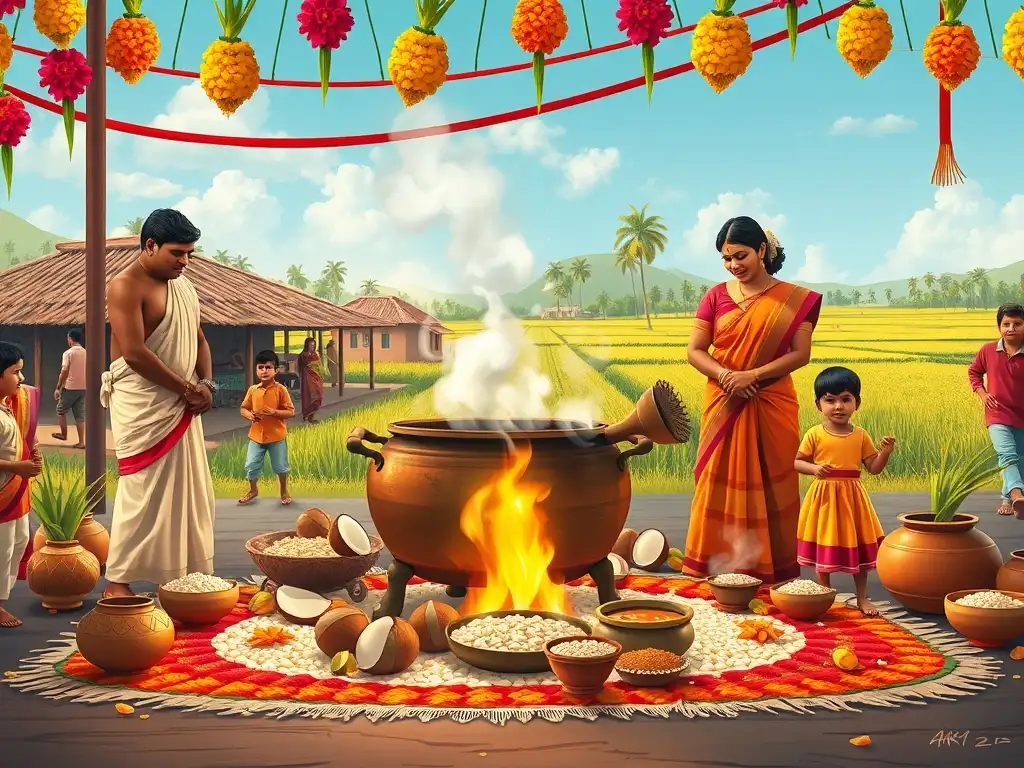
The Pongal festival, a time-honored celebration rooted in ancient agricultural traditions, continues to thrive in modern India, particularly in the southern states. This vibrant festival, which lasts for four days, has evolved while retaining its core significance as a means to express gratitude for the harvest. Today, Pongal is celebrated with a blend of traditional customs and contemporary innovations, reflecting the dynamic nature of Tamil culture.
Contemporary Interpretations of the Pongal Festival
Modern interpretations of the Pongal festival vary widely, influenced by regional practices and the socio-economic landscape. While the core elements remain, such as the preparation of the traditional dish Pongal, made from newly harvested rice, ghee, and jaggery, various contemporary practices have emerged:
- Cultural Programs: Many urban areas host cultural programs showcasing traditional music, dance, and art as a way to engage younger generations and preserve ancient customs. Events may include:
- Kolam competitions: Intricate designs created with rice flour are a visual highlight of the festival.
- Pongal fairs: These gatherings feature stalls selling traditional crafts, foods, and agricultural products, offering a platform for local artisans.
- Social Media Celebrations: With the advent of technology, social media plays a significant role in how people celebrate Pongal today. Families share their celebrations, recipes, and traditions online, fostering a sense of community among those who may be far apart. Hashtags like #Pongal2023 and #PongalFestival trend during the festival, connecting people globally.
- Eco-Friendly Practices: There is a growing awareness of environmental issues, leading many to adopt eco-friendly practices during Pongal. This includes using biodegradable materials for decorations, opting for sustainable agricultural practices, and minimizing waste during the festivities.
Overall, these contemporary interpretations reflect a balance between honoring tradition and embracing modernity, ensuring that the essence of the Pongal festival endures.
Influence of Urbanization on Pongal Celebrations
Urbanization has significantly impacted how Pongal is celebrated across South India. As more people migrate to cities for work and education, traditional practices have adapted to fit urban lifestyles. Key influences include:
- Simplified Rituals: In urban settings, where space and time may be limited, families often simplify their Pongal rituals. The elaborate preparations of yesteryears are sometimes condensed into essential practices, such as cooking Pongal on a stovetop rather than in an open fire.
- Community Gatherings: Urbanization has fostered a sense of community, where neighborhoods come together to celebrate Pongal collectively. This shift encourages shared meals, potluck-style gatherings, and community festivities, reinforcing social bonds.
- Market Availability: The availability of agricultural products in urban markets allows for easy access to the ingredients needed for Pongal celebrations. This accessibility often leads to a greater variety of dishes inspired by the traditional Pongal, showcasing regional flavors.
- Integration of Diverse Cultures: As cities become melting pots of various cultures, the Pongal festival sees influences from other traditions. This cultural exchange results in unique fusion dishes and practices, broadening the scope of the festival.
Urbanization continues to shape the Pongal festival, ensuring that while the celebration may look different in modern contexts, it retains its spirit of gratitude and community. The adaptability of Pongal showcases the resilience of ancient traditions as they navigate the complexities of contemporary life.
Conclusion: The Enduring Legacy of Pongal Festival in South Indian Culture
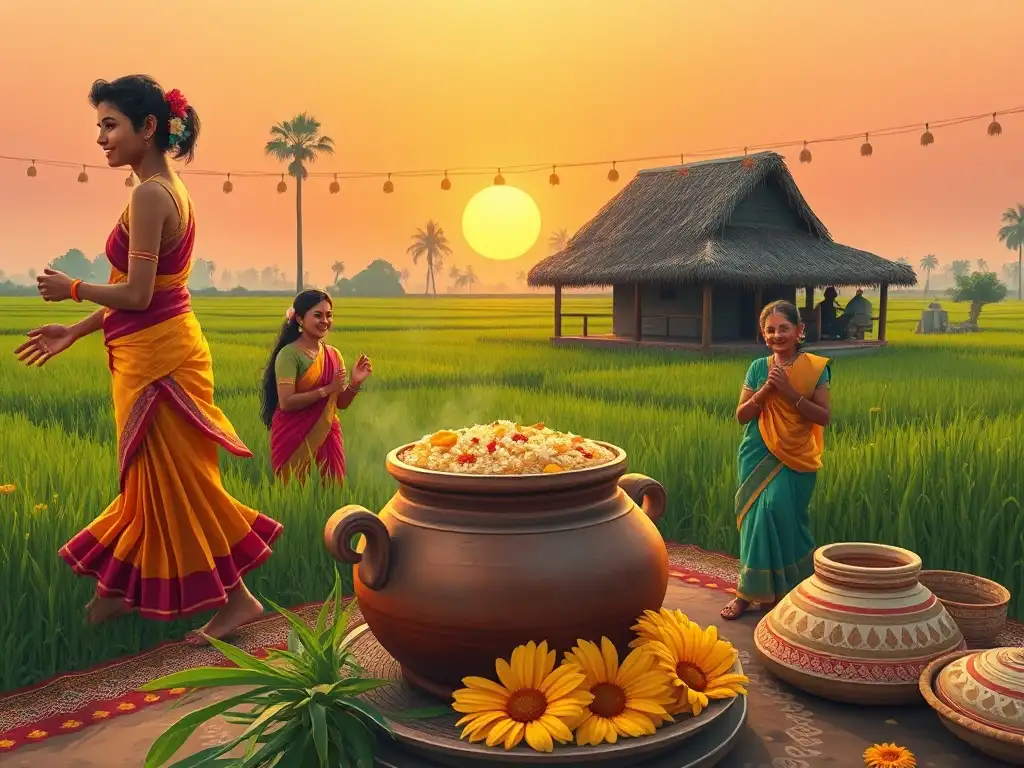
The Pongal festival, celebrated primarily in Tamil Nadu, holds a significant place in the cultural tapestry of South India. Its origins can be traced back to ancient agricultural practices, emphasizing the deep-rooted connection between the people and their land. This vibrant festival not only marks the end of the harvest season but also symbolizes gratitude towards nature, cattle, and the myriad forces that contribute to agricultural prosperity.
The enduring legacy of Pongal is evident in its rituals and customs, which have been passed down through generations. The preparation of the traditional dish, also called Pongal, signifies the culmination of hard work and the blessings of a bountiful harvest. The festival is celebrated over four days, each day dedicated to distinct rituals that reflect the agricultural calendar, showcasing the interdependence between man and nature.
The Role of Pongal in Preserving Ancient Traditions
Pongal plays a crucial role in preserving ancient traditions and practices that define South Indian culture. The festival serves as a platform for the transmission of values, beliefs, and customs from the older generation to the younger ones. Through the preparation of traditional foods, such as sweet Pongal and ven pongal, families come together, reinforcing familial bonds and cultural identity.
- Rituals and Offerings: The rituals associated with Pongal, including the ceremonial boiling of rice and the offering to the Sun God, Surya, underscore the festival's agricultural roots. These practices reflect the reverence for nature and the acknowledgment of the divine forces that govern agricultural life.
- Community Engagement: Pongal fosters community spirit, with neighbors coming together to celebrate, share meals, and partake in festive activities. This communal aspect reinforces social ties and promotes a sense of belonging among participants.
- Cultural Expressions: Traditional folk songs, dances, and decorative kolams (floor art) are integral to the festival, showcasing the artistic expressions that flourish during this time. These cultural elements not only enrich the festival but also serve as a means of preserving ancient art forms and storytelling traditions.
The significance of Pongal extends beyond mere celebration; it is a reminder of the agricultural heritage of South India and the importance of sustainable practices that honor the environment.
Future of Pongal Festival: Challenges and Opportunities
As the Pongal festival continues to evolve, it faces both challenges and opportunities in the modern context.
- Urbanization and Modernization: Rapid urbanization has led to changes in lifestyle and agricultural practices, which may affect the traditional ways in which Pongal is celebrated. The younger generation, influenced by globalization, might prioritize different forms of celebration, potentially leading to a dilution of traditional customs.
- Environmental Concerns: With the increasing impact of climate change on agriculture, the festival's agricultural significance may come under threat. It presents an opportunity for communities to engage in discussions about sustainable farming practices and environmental stewardship during the celebrations.
- Cultural Revival: Despite these challenges, there is a growing interest among younger generations to reconnect with their roots. Initiatives aimed at cultural education and heritage preservation can leverage the Pongal festival as a focal point for promoting ancient traditions, thus revitalizing interest in the festival's history and significance.
- Digital Engagement: The advent of digital platforms provides an opportunity for wider engagement with the Pongal festival. Social media campaigns can help spread awareness about the festival's cultural relevance, encouraging participation both locally and globally.
While the Pongal festival faces challenges in the face of modernization, it also presents numerous opportunities for cultural preservation and community engagement. The festival's rich history and significance serve as a foundation for its continued relevance in contemporary society, ensuring that the legacy of Pongal remains vibrant for generations to come.
References: Sources on Pongal Festival History and Significance
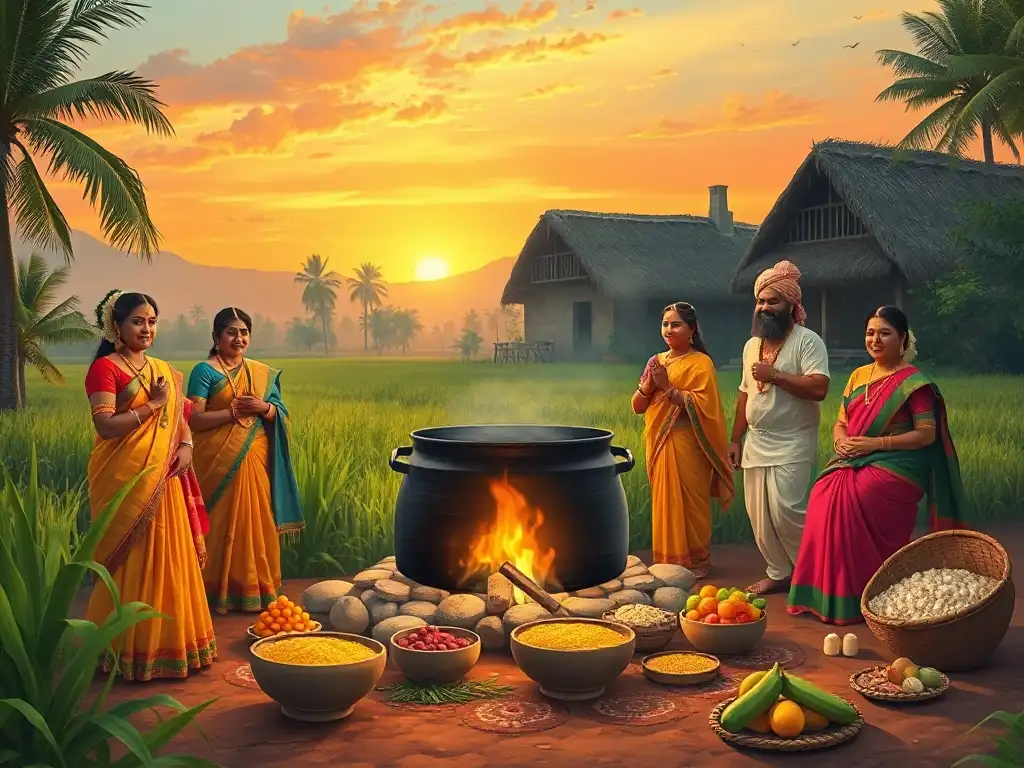
The Pongal festival, celebrated primarily in the southern state of Tamil Nadu, is imbued with rich cultural significance and historical roots that date back to ancient times. To fully grasp the depth of Pongal's history and its significance, several key references provide valuable insights:
- Historical Texts: Ancient scriptures such as the Silappatikaram and Manimekalai, which date back to the Sangam period, often reference agricultural practices and festivities similar to Pongal. These texts highlight the deep agricultural roots of the festival, emphasizing the importance of harvest in the lives of ancient Tamilians.
- Cultural Studies: Various studies and publications delve into the agrarian history of South India, detailing how harvest festivals like Pongal were essential for celebrating the bounty of the land. The works of renowned historians, such as Dr. K. R. Narayanan, offer comprehensive analyses of how these celebrations have evolved over the centuries.
- Anthropological Research: Anthropological research into South Indian customs sheds light on the rituals and practices associated with Pongal, showcasing its significance as a community event that fosters unity and gratitude. This includes examining the transition from ancient agricultural rites to contemporary celebrations.
- Festivals in Ancient Texts: Texts such as the Brahmanas and Puranas mention various harvest-related rituals that bear resemblance to modern-day Pongal practices. These ancient references provide context to the significance of the festival in honoring the sun god, Surya, and the agricultural deities.
- Modern Interpretations: Contemporary scholars and cultural commentators also explore the evolution of Pongal in modern society, considering how globalization and urbanization have influenced traditional practices.
This breadth of sources not only highlights the historical significance of the Pongal festival but also illustrates its ongoing relevance within the cultural fabric of South India.
Recommended Reading on Ancient Indian Festivals and Traditions
For those interested in further exploring the rich tapestry of ancient Indian festivals and their significance, the following recommended readings provide a wealth of information:
-
"Festivals of India: A Cultural Encyclopedia" by Dr. Smita R. Sinha
This comprehensive volume discusses various Indian festivals, including Pongal, contextualizing them within the broader spectrum of Indian culture.
-
"The Sacred and the Secular: Festivals and the Construction of Identity in India" by Dr. Arjun Rao
This book explores how festivals like Pongal contribute to the construction of cultural identity in ancient and modern India.
-
"Agricultural Festivals of India" by Prof. Ramesh Kumar
A detailed examination of different agricultural festivals across India, with significant sections dedicated to Pongal and its historical roots.
-
"Pongal: A Celebration of Harvest" by Dr. Lakshmi Narayanan
A focused study on the Pongal festival, detailing its origins, significance, and various rituals associated with it.
-
"The History of South Indian Agriculture" by Dr. Meera Srinivasan
This book provides an in-depth look at the agricultural practices in South India, which sets the backdrop for understanding the significance of harvest festivals like Pongal.
These readings not only deepen the understanding of Pongal but also offer insights into the broader context of ancient Indian festivals and their enduring legacy in contemporary society.
Frequently Asked Questions
What is the significance of the Pongal festival in South India?
The Pongal festival marks the end of the harvest season and is a time to express gratitude to nature and livestock. It symbolizes prosperity and abundance, reflecting the agricultural heritage of the region.
How is Pongal celebrated?
Celebrations include cooking a special dish called Pongal, made from freshly harvested rice. Families decorate their homes, perform rituals, and engage in traditional games to celebrate the festive spirit.
What are the different types of Pongal?
There are primarily three types of Pongal: Sakkarai Pongal (sweet), Venn Pongal (savory), and Khara Pongal (spicy). Each type reflects the unique flavors and traditions of the festival.
When is Pongal celebrated?
Pongal is celebrated over four days, typically in mid-January, during the Tamil month of Thai. Each day has its own significance, with specific rituals and practices.
What is the historical background of Pongal?
The festival has ancient roots and is linked to the agrarian practices of early civilizations. It was historically a time to honor the sun god and the earth for their contributions to agriculture.
Final Reflection: Embracing the Rich Heritage of Pongal
The Pongal festival is not just a celebration of the harvest; it is a vibrant tapestry woven with the threads of history, culture, and community. In today's fast-paced world, where traditions often fade into the background, the significance of Pongal serves as a powerful reminder of our roots and the importance of honoring the cycles of nature. As we gather to celebrate this ancient festival, we are not only acknowledging the bounty of our land but also reconnecting with the values that have sustained our communities for generations.
Celebrating Pongal transcends mere festivities; it is a profound expression of gratitude and unity that shapes our cultural identity. The festival's rituals and customs continue to inspire a sense of belonging and togetherness among families and communities. As poet and philosopher Rabindranath Tagore once said, The highest education is that which does not merely give us information but makes our life in harmony with all existence.
This sentiment resonates deeply with the essence of Pongal, reminding us that our connection to the earth and each other is fundamental to our well-being.
As you reflect on the lessons of Pongal, consider how you can incorporate gratitude and appreciation for nature into your daily life. Let this festival inspire you to cultivate a deeper connection with your surroundings and to celebrate the abundance that life offers. Whether through small acts of kindness, sustainable practices, or simply taking a moment to appreciate the beauty around you, each step you take can contribute to a more harmonious existence. Embrace the spirit of Pongal, and let it guide you toward a future where tradition and modernity coexist in a meaningful way.
Embrace the Spirit of Pongal: Take Action Today!
Thank you for journeying with us through the vibrant traditions and histories of Pongal! We hope you’ve gained a deeper appreciation for this joyous festival and the rich cultural heritage it represents. Now it’s time to bring the spirit of Pongal to life!
Here are some **exciting ways** you can celebrate and spread the joy of Pongal:
- Join a local Pongal celebration: Connect with your community and experience the festival firsthand by participating in local events or gatherings.
- Share your own Pongal traditions: Capture your family’s Pongal rituals and post them on social media using the hashtag #PongalCelebration to inspire others.
- Explore traditional Pongal recipes: Try your hand at cooking classic dishes like Sakkarai Pongal and share your culinary creations with friends and family.
What unique ways do you celebrate Pongal, and how can you inspire others to embrace this beautiful festival? **Share your thoughts in the comments below! **