
The Origins of Makar Sankranti: A Celebration of Harvest and Change

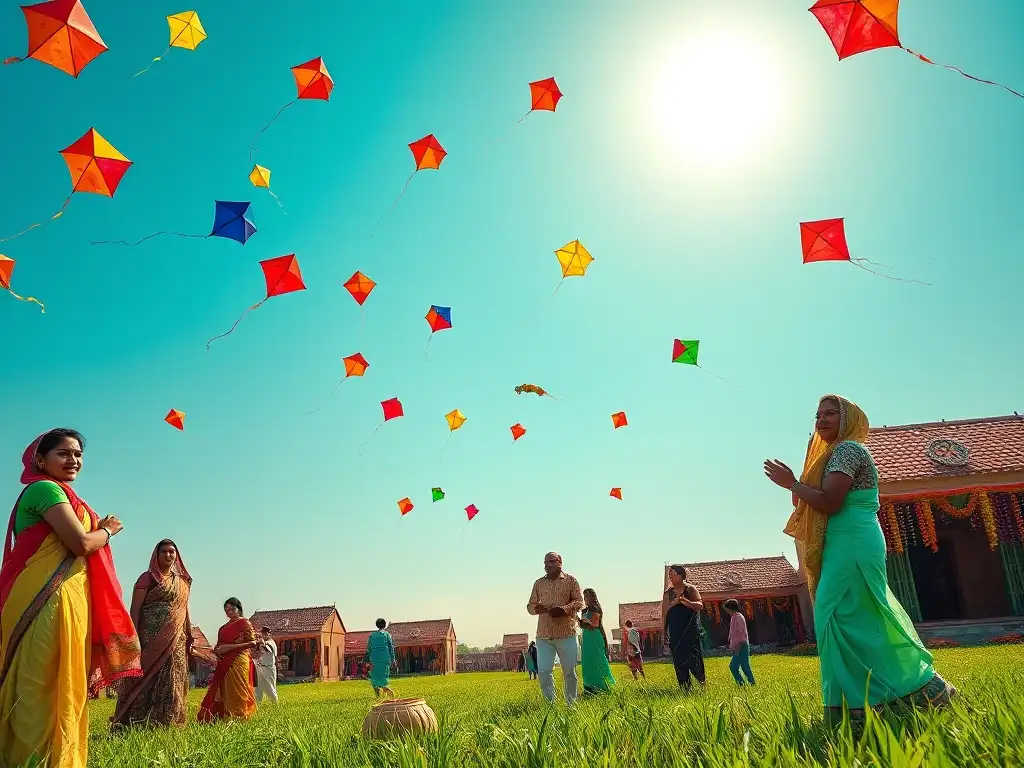
Welcome to Ancient India History, where we delve into the rich tapestry of Indian civilization and its profound contributions to the world. Today, we invite you to explore the fascinating history of the Makar Sankranti festival, a vibrant celebration that marks the transition of seasons and the joy of harvest. Why does this festival hold such significance across various cultures in India?
As we unravel the origins and traditions of Makar Sankranti, you'll discover how this ancient festival not only symbolizes change but also connects us to the agricultural roots of our ancestors. Join us on this enlightening journey through time and culture, and let the stories of the past inspire your present.
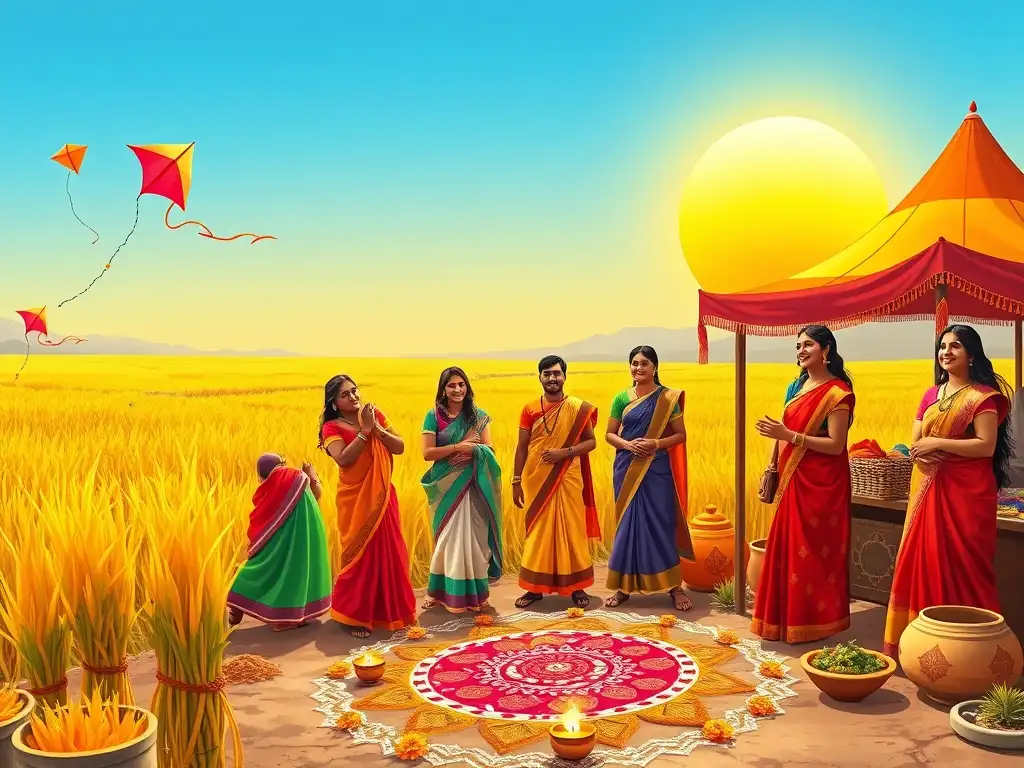
Introduction to Makar Sankranti Festival History
Makar Sankranti is one of the most significant and widely celebrated festivals in India, marking a pivotal moment in the agricultural calendar. This festival not only represents the end of the winter solstice but also symbolizes the transition towards longer days as the sun journeys northward. With roots that intertwine with ancient traditions, Makar Sankranti reflects the rich cultural tapestry of India, showcasing the interconnection between agriculture, astronomy, and spirituality. As we delve into the Makar Sankranti festival history, we will explore its origins, significance in ancient times, and the practices that have evolved over millennia.
Overview of Makar Sankranti
Celebrated on the 14th of January each year, Makar Sankranti heralds the arrival of longer days and the onset of the harvest season. The festival is characterized by various regional customs, including kite flying, bonfires, and the preparation of special dishes made from freshly harvested crops. This vibrant celebration serves as a reminder of the agrarian roots of Indian civilization, where the community comes together to express gratitude for the bountiful harvest.
Significance of the Festival in Ancient India
In ancient India, Makar Sankranti held profound spiritual and cultural significance. It was believed to be a time when the sun enters the zodiac sign of Capricorn (Makar), marking the end of the winter season and the beginning of warmer days. The festival is also associated with various mythologies and legends, often linked to the worship of the sun god, Surya, and the celebration of life, fertility, and prosperity. It served as a reminder of the cyclical nature of life and the importance of agriculture in sustaining communities.
Historical Roots of Makar Sankranti
The history of Makar Sankranti can be traced back to ancient agricultural practices, as well as astronomical observations made by early Indian civilizations. Understanding its origins provides insight into how the festival has evolved over time, reflecting changing societal values and agricultural techniques.
Ancient Agricultural Practices in India
The agrarian practices of ancient India were deeply entwined with the changing seasons and celestial events. Farmers relied heavily on the solar calendar to determine the right time for sowing and harvesting crops. Makar Sankranti, with its emphasis on the harvest, was celebrated as a time of thanksgiving for the successful yield, reinforcing the connection between the people and the land.
Transition of Seasons: The Winter Solstice
The festival coincides with the winter solstice, one of the most critical astronomical events for agrarian societies. Ancient Indians observed the gradual lengthening of days following the solstice, which signaled the improvement of agricultural conditions. This natural phenomenon was integrated into their cultural practices, further solidifying the importance of Makar Sankranti in the agricultural calendar.
Connection to the Sun’s Northward Journey (Uttarayana)
Makar Sankranti marks the commencement of Uttarayana, the sun’s northward journey, which is considered highly auspicious in Hindu philosophy. This transition is not only celebrated for its agricultural implications but also holds spiritual significance, symbolizing the movement towards enlightenment and knowledge. The festival serves as a reminder of the harmony between celestial cycles and earthly life, celebrating the interconnectedness of nature and humanity.
As we explore the origins of Makar Sankranti, it becomes evident that this festival is more than just a celebration of harvest; it embodies the essence of ancient Indian civilization, reflecting the profound relationship between culture, agriculture, and the cosmos.
Cultural Significance of Makar Sankranti
Makar Sankranti is not just a festival; it embodies the essence of cultural and agricultural continuity in ancient India. Celebrated on the winter solstice, this festival marks the transition of the sun into the zodiac sign of Capricorn (Makar), signifying the end of winter and the beginning of longer days. This change is seen as a moment of renewal and hope, symbolizing the victory of light over darkness. Traditionally, it serves as a time for families to come together, celebrate the harvest, and express gratitude for the bounties of nature.
The festival is deeply rooted in agricultural practices, emphasizing the importance of the harvest cycle in sustaining communities. It is a time when farmers rejoice over their harvests and seek blessings for future crops. The cultural significance of Makar Sankranti extends beyond agriculture; it promotes community bonds, respect for nature, and an appreciation for the changing seasons, making it a vital part of India's rich tapestry of festivals.
Harvest Celebration: Importance of Agriculture
Agriculture is at the heart of Makar Sankranti, reflecting the agrarian society of ancient India. The festival is celebrated during the harvesting season, signifying the time when farmers gather their crops and rejoice in their hard work. This celebration is not just about the fruits of labor but also about the connection between humans and the earth.
Historically, Makar Sankranti has served as a reminder of the agricultural calendar, which was crucial for ancient civilizations. The festival's rituals, such as preparing special foods from the new harvest, reflect an acknowledgment of the earth's generosity. It fosters community spirit as people share their harvest with neighbors, reinforcing social ties. This agricultural significance continues to resonate today, with celebrations often including traditional sweets made from jaggery and sesame, symbolizing prosperity and health.
Regional Variations of Makar Sankranti Celebrations
Makar Sankranti is celebrated across India, each region adding its unique flavor and customs to the festivities.
- Pongal in Tamil Nadu: This festival is celebrated with a three-day event, where the first day is dedicated to preparing "Pongal," a sweet dish made from newly harvested rice, jaggery, and ghee.
- Lohri in Punjab: The celebration involves a bonfire around which people gather to sing and dance, symbolizing the end of winter and the welcoming of longer days.
- Uttarayan in Gujarat: Known for its kite-flying events, this celebration showcases vibrant skies filled with kites, representing the joy of the season.
- Bihu in Assam: Here, Makar Sankranti coincides with the Bihu festival, where traditional dances and songs celebrate the harvest.
These regional variations highlight the diverse cultural fabric of India and reflect local customs, agricultural practices, and community values.
Mythological Context of Makar Sankranti
Makar Sankranti is steeped in mythological narratives that add depth to its celebrations. The festival is intertwined with various legends that explain its significance and the customs associated with it.
Legends Associated with Makar Sankranti
One of the prominent legends associated with Makar Sankranti is the tale of Lord Vishnu's victory over the demon Sankarasur. According to myth, Sankarasur disrupted the balance of nature, and to restore harmony, Lord Vishnu took the form of a fish and defeated him. The day of Makar Sankranti marks this victory, symbolizing the triumph of good over evil.
Another well-known story revolves around the Sun God, Surya, and his son, Shani. It is said that on this day, Surya visits his son Shani in Capricorn, which strengthens familial bonds and promotes harmony. These legends enrich the festival's narrative, emphasizing themes of balance, renewal, and familial ties.
Deities Worshipped During the Festival
During Makar Sankranti, various deities are honored, reflecting the festival's agricultural roots and the changing season. The Sun God, Surya, is primarily worshipped as he signifies light, warmth, and energy, essential for crop growth. Offerings of sweets and rice are made to him, thanking him for the harvest and seeking his blessings for future abundance.
In certain regions, people also worship deities like Ganga, the river goddess, and various local gods associated with agriculture, reflecting the festival's connection to nature and the environment. This practice underscores the spiritual aspect of Makar Sankranti, intertwining agriculture with divine grace.
Rituals and Customs in Ancient Texts
Ancient texts such as the Mahabharata and Puranas mention rituals associated with Makar Sankranti, providing insights into its historical significance. Rituals like taking holy dips in rivers, particularly the Ganges, are prescribed for spiritual purification.
Additionally, the practice of preparing specific foods, such as til (sesame seeds) and jaggery, is rooted in ancient customs, believed to bring prosperity and health. The festival encourages charitable acts, with many donating food and clothes, reflecting the principle of dana (charity) emphasized in ancient Indian scriptures. These rituals illustrate how Makar Sankranti serves as a bridge between the material and spiritual worlds, connecting the community through shared traditions and beliefs.
Makar Sankranti in Ancient Indian Society
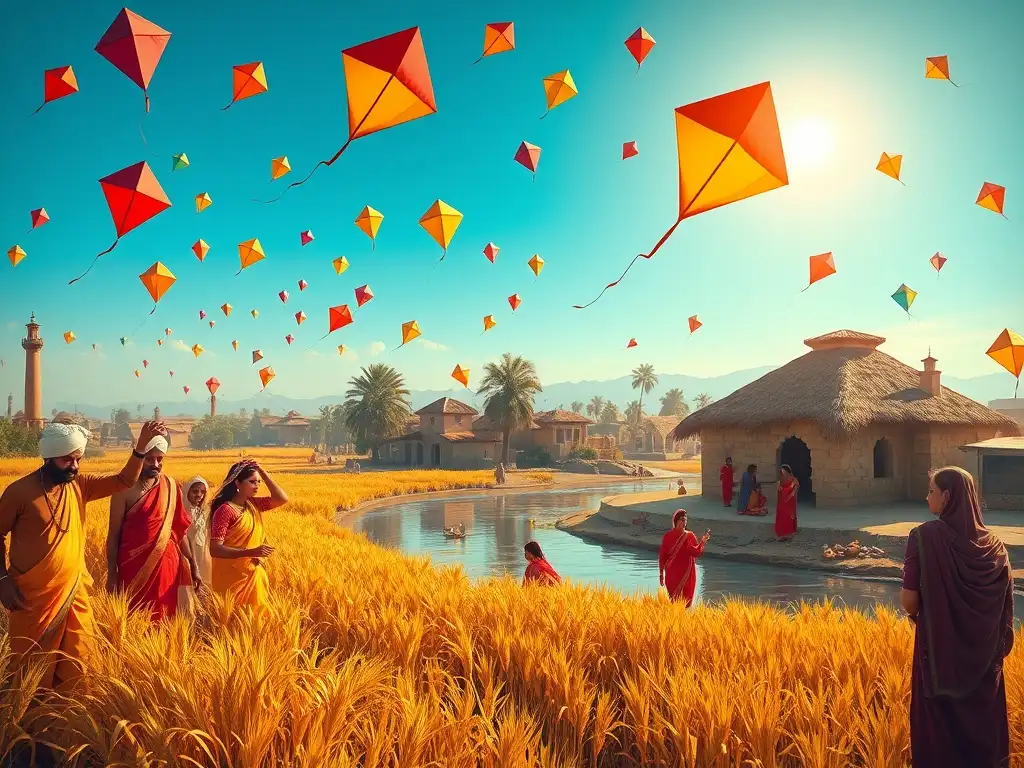
Makar Sankranti has deep roots in ancient Indian society, symbolizing the transition of the sun into the zodiac sign of Capricorn (Makara). This solar festival marks the end of the winter solstice and the beginning of longer days, reflecting a significant change in the agricultural calendar. In ancient texts, such as the Puranas and Vedic literature, Makar Sankranti is often mentioned as a period of rejuvenation and new beginnings, establishing its importance as both a seasonal and spiritual celebration.
During ancient times, practices associated with Makar Sankranti included rituals that connected communities with nature and the cycles of agriculture. Farmers would harvest their crops around this time, rejoicing in the fruits of their labor. This celebration was not merely a personal affair; it was a community-oriented festival that drew families and neighbors together, reinforcing social ties and shared agricultural practices.
Social Gatherings and Community Celebrations
Social gatherings during Makar Sankranti were vibrant affairs, characterized by communal feasting, music, and dance. Villagers would come together to celebrate the bounty of the harvest, often preparing traditional sweets like tilgul (made from sesame seeds and jaggery). These gatherings served as platforms for sharing stories, songs, and performances that highlighted local culture and traditions, fostering a sense of belonging among participants.
In addition to the communal feasting, various games and competitions were organized, such as kite flying, which served both as entertainment and a means of strengthening community ties. These activities encouraged cooperation and camaraderie, making Makar Sankranti not just a festival of harvest but also a celebration of human connections.
Role of Makar Sankranti in Strengthening Community Bonds
Makar Sankranti played a crucial role in strengthening community bonds in ancient India. The festival acted as a catalyst for social cohesion, as families and friends came together to celebrate shared agricultural success. It provided an opportunity for people to reconnect with one another, reinforcing existing relationships and fostering new friendships.
The rituals associated with Makar Sankranti, such as taking holy dips in rivers and offering prayers, were often performed collectively, enhancing the sense of unity among participants. This collective engagement not only deepened personal connections but also reinforced the cultural identity of communities, creating a legacy that persisted through generations.
Economic Impact of the Festival on Local Communities
The economic impact of Makar Sankranti on local communities was significant. As a harvest festival, it marked a time when farmers would sell their surplus crops, injecting money into the local economy. Markets would flourish with vendors selling seasonal produce, handicrafts, and traditional sweets, attracting people from surrounding areas.
This influx of commerce during the festival period provided a boost to local artisans and traders, enhancing their livelihoods. Additionally, the festival encouraged the exchange of goods and services, fostering economic interdependence among community members. Thus, Makar Sankranti not only celebrated agricultural success but also contributed to the economic vitality of ancient Indian societies.
Modern Celebrations of Makar Sankranti
As the years have progressed, Makar Sankranti has evolved while retaining its core significance as a harvest celebration. Modern celebrations showcase a blend of traditional practices and contemporary influences, reflecting the dynamic nature of cultural expressions in India today.
Evolution of Makar Sankranti Festivities Over Time
The evolution of Makar Sankranti festivities can be traced through various cultural transformations in Indian society. While traditional elements like kite flying and feasting remain central to the celebration, contemporary celebrations have expanded to include various forms of entertainment, such as cultural programs and fairs.
In urban areas, Makar Sankranti is often celebrated with grand public events, attracting large crowds and promoting cultural tourism. This evolution highlights the adaptability of the festival, allowing it to resonate with newer generations while honoring its historical roots.
Influence of Modernization on Traditional Practices
Modernization has significantly influenced the way Makar Sankranti is celebrated. Urbanization, changing lifestyles, and globalization have led to a shift in how communities engage with the festival. Traditional practices may be simplified or altered to fit contemporary contexts, where convenience and accessibility take precedence.
Despite these changes, many families strive to maintain the essence of Makar Sankranti by incorporating age-old customs into their modern celebrations. This fusion of tradition and modernity not only preserves cultural heritage but also ensures that the festival remains relevant in today's fast-paced world.
The Global Spread of Makar Sankranti Celebrations
The global spread of Makar Sankranti celebrations reflects the diaspora's efforts to maintain cultural ties despite geographical distances. Indian communities around the world celebrate this festival, often organizing events that showcase traditional practices, music, and cuisine.
These celebrations serve as a means of cultural expression for expatriates, allowing them to share their heritage with others while also educating non-Indians about the significance of the festival. The global observance of Makar Sankranti highlights its universal themes of renewal, gratitude, and community, showcasing the festival's enduring legacy beyond the borders of India.
Conclusion
Makar Sankranti stands as a significant festival within the tapestry of ancient Indian traditions, symbolizing the transition from winter to summer and celebrating the harvest season. Rooted in an array of historical and cultural narratives, this festival encapsulates the spirit of renewal and gratitude. Its observance across various regions of India showcases the diverse interpretations and practices associated with the festival, each reflecting the local customs and agricultural practices.
As we delve into the intricate history of Makar Sankranti, it becomes clear that this festival is not merely a day of celebration but a profound reminder of the agricultural cycles that shaped ancient Indian civilization. The rituals, festivities, and community gatherings associated with Makar Sankranti are imbued with meaning, drawing connections to the agrarian lifestyle that has sustained societies for centuries.
Reflection on the Importance of Makar Sankranti Festival History
The history of Makar Sankranti is woven with threads of mythology, agrarian significance, and astronomical phenomena. It is a time when the sun enters the zodiac sign of Capricorn, marking a pivotal moment in the solar calendar. This transition is celebrated with various traditions, such as kite flying, which symbolizes the spirit of joy and freedom.
Reflecting on the importance of Makar Sankranti allows us to appreciate its role in fostering community bonds and reinforcing cultural identity. The festive practices encourage social cohesion as families and communities come together to share meals, participate in rituals, and engage in traditional games. Moreover, the festival serves as a reminder of the interconnectedness of nature and human life, celebrating the bountiful harvest while honoring the cycles of the earth.
The Enduring Legacy of Makar Sankranti in Contemporary India
In contemporary India, Makar Sankranti continues to thrive as a vibrant celebration, transcending regional and cultural boundaries. The festival has evolved, incorporating modern elements while preserving its traditional essence. Across the country, people partake in various activities, from community feasts to cultural performances, reinforcing the rich heritage associated with this ancient festival.
The enduring legacy of Makar Sankranti is evident in its adaptability and relevance in today’s society. As urbanization spreads, the festival has retained its significance, serving as a bridge connecting urban dwellers to their agrarian roots. The festival's emphasis on gratitude, renewal, and community continues to resonate, making it a cherished occasion for many.
Furthermore, Makar Sankranti serves as a reminder of the importance of sustainability and respect for nature. As modern challenges arise, the festival underscores the need to honor agricultural traditions and promote environmental consciousness. Thus, Makar Sankranti not only celebrates the past but also inspires a vision for a harmonious future grounded in cultural values and ecological balance.
- Introduction to Makar Sankranti Festival History
- Historical Roots of Makar Sankranti
- Cultural Significance of Makar Sankranti
- Mythological Context of Makar Sankranti
- Makar Sankranti in Ancient Indian Society
- Modern Celebrations of Makar Sankranti
- Conclusion
- What is the significance of Makar Sankranti in ancient Indian culture?
- How did Makar Sankranti originate historically?
- What are the traditional customs associated with Makar Sankranti?
- How is Makar Sankranti celebrated in different regions of India?
- What are the agricultural implications of Makar Sankranti?
Frequently Asked Questions
What is the significance of Makar Sankranti in ancient Indian culture?
Makar Sankranti marks the transition of the sun into Capricorn, symbolizing harvest and the change of seasons, celebrated with various rituals and festivities across India.
How did Makar Sankranti originate historically?
The festival has ancient roots, linked to agricultural practices and the solar calendar, reflecting the cultural and spiritual evolution of Indian civilizations over time.
What are the traditional customs associated with Makar Sankranti?
Traditions include flying kites, preparing special dishes like tilgul, and performing rituals to honor the sun, highlighting the festival's connection to prosperity and thankfulness.
How is Makar Sankranti celebrated in different regions of India?
Celebrations vary by region, with unique names like Pongal in Tamil Nadu and Lohri in Punjab, each showcasing local customs and culinary delights that reflect the rich diversity of Indian culture.
What are the agricultural implications of Makar Sankranti?
As a harvest festival, Makar Sankranti signifies the end of the winter harvest season, promoting gratitude for the bounty and reinforcing the importance of agriculture in ancient and modern Indian society.
Final Reflection: Embracing Change Through the Makar Sankranti Festival
The celebration of Makar Sankranti is not just a tribute to the harvest; it embodies the essence of change that resonates deeply in our lives today. As we navigate through the complexities of modern existence, the festival serves as a reminder of the cyclical nature of life, urging us to embrace transitions and celebrate new beginnings. The historical roots of Makar Sankranti, steeped in agricultural traditions, highlight the importance of recognizing and honoring the shifts that occur in our environment and within ourselves.
Culturally, Makar Sankranti has transcended its agricultural origins to become a symbol of unity and renewal in our diverse society. The festival fosters a sense of community, encouraging people to come together, share joy, and reflect on their personal journeys. As the sun moves into the zodiac sign of Capricorn, it signifies a time for introspection and growth. Change is the only constant in life,
a saying that resonates profoundly during this festival, reminds us that embracing change can lead to personal and communal transformation.
As you reflect on the lessons of Makar Sankranti, consider how you can incorporate its spirit of renewal into your own life. Take a moment to appreciate the changes you have experienced and the growth they have fostered. Whether it’s setting new intentions, reconnecting with loved ones, or simply celebrating the beauty of the present moment, let this festival inspire you to embrace the cycles of life with open arms. Remember, just as the harvest brings forth abundance, so too can your willingness to change lead to a bountiful future.
Celebrate and Embrace the Spirit of Makar Sankranti!
Thank you for exploring the fascinating origins of Makar Sankranti! We hope you feel inspired by the rich traditions and meanings behind this vibrant harvest festival. Now is the perfect time to put that inspiration into action and fully engage with the celebration!
Here’s how you can connect with the spirit of Makar Sankranti:
- Join a local celebration: Find events in your area that embrace this joyous occasion. Experience the cultural richness and connect with your community.
- Try making traditional dishes: Explore recipes for til gul (sweet sesame and jaggery treats) or khichdi, and share your culinary creations with friends and family.
- Learn about the regional variations: Delve deeper into how different parts of India celebrate this festival and discover unique customs and practices.
As you embrace this festive season, we’d love to hear your thoughts: What’s your favorite way to celebrate Makar Sankranti, and how does it connect you to your heritage?