
The Rituals of Cooking in Ancient India: Food as a Sacred Practice

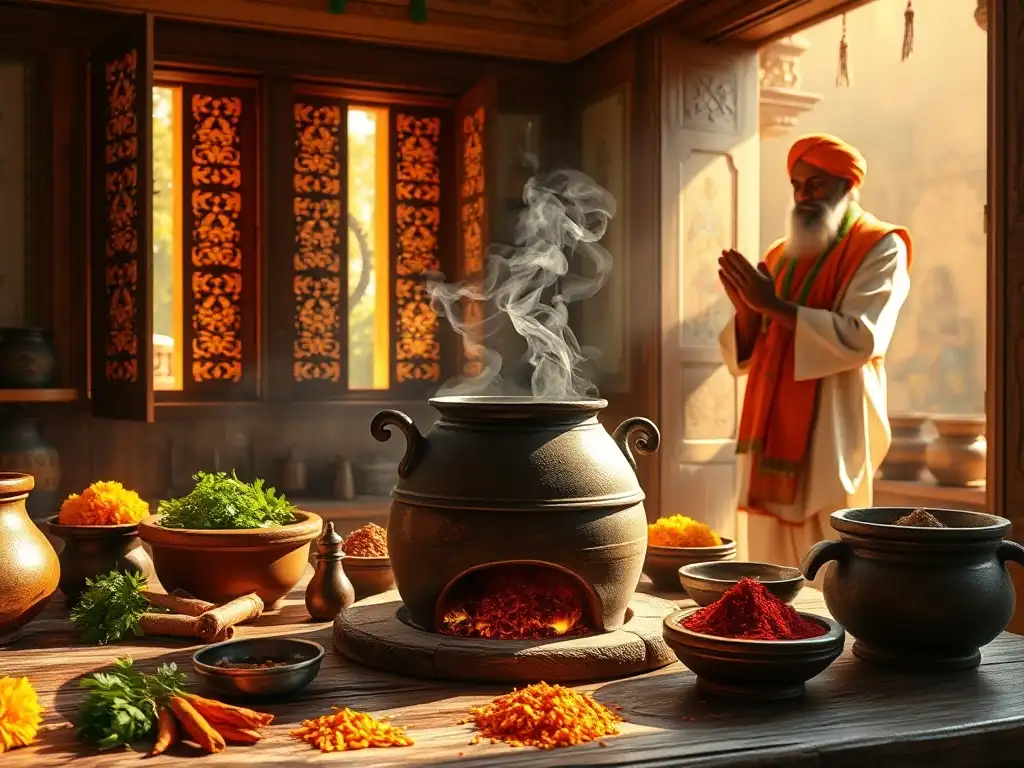
Welcome to Ancient India History, where we invite you to journey through the fascinating tapestry of India's rich past. In our featured article, "The Rituals of Cooking in Ancient India: Food as a Sacred Practice," we delve into the intricate ancient Indian cooking rituals that transformed mere sustenance into a profound spiritual experience. Discover how these time-honored traditions not only nourished the body but also connected people to the divine. Prepare to be captivated as we explore the sacred significance of food, and let your curiosity guide you deeper into the enchanting world of ancient Indian civilization.
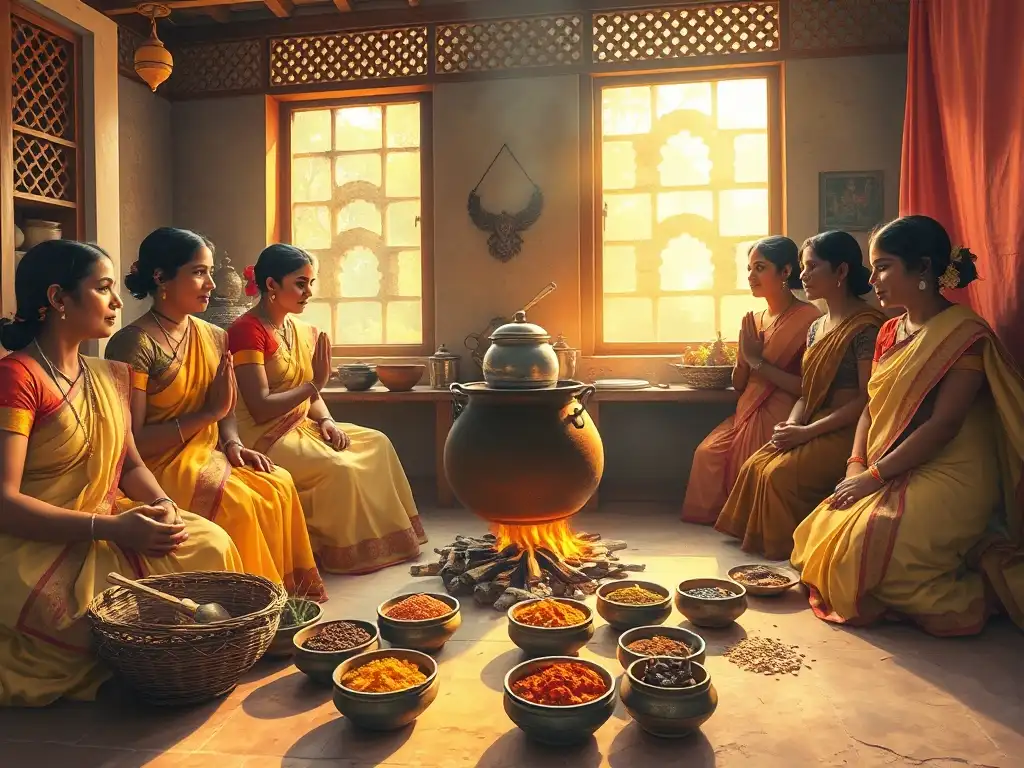
Introduction to Ancient Indian Cooking Rituals
Cooking in ancient India was far more than a mere necessity; it was a sacred practice intertwined with the spiritual and cultural fabric of society. From the earliest days of the Indus Valley Civilization to the flourishing Gupta Empire, food preparation was an art that encompassed rituals, offerings, and a deep reverence for the ingredients used. These ancient Indian cooking rituals were not only about sustenance but also served as a means of connecting with the divine, fostering community, and preserving cultural heritage.
The concept of ritualistic cooking is rooted in the belief that food has the power to purify and sanctify, making it a conduit for spiritual expression. Ancient texts, such as the Vedas and Upanishads, elaborate on the importance of proper cooking techniques, the selection of ingredients, and the intent behind each meal preparation. This article will explore the intricate tapestry of ancient Indian cooking rituals, highlighting how these traditions have shaped the modern culinary landscape, and continue to influence food practices today.
Historical Context of Cooking Rituals in Ancient India
The historical backdrop of ancient Indian cooking rituals is rich and diverse, reflecting the evolution of culinary practices over millennia. The earliest evidence of cooking in India can be traced back to the Indus Valley Civilization (circa 3300–1300 BCE), where archaeologists have discovered remnants of ovens and potteries that suggest a sophisticated understanding of cooking techniques. During this period, food was often prepared for communal gatherings and religious ceremonies, emphasizing the collective aspect of dining.
As we move through time, the Vedic period (circa 1500–500 BCE) marked a significant shift in the cultural perception of food. The rituals associated with cooking began to take on a more spiritual connotation, with offerings made to deities and the use of specific ingredients considered sacred. The concept of 'yajna', or fire sacrifice, became central to cooking rituals, where food was offered to the fire as a means of seeking blessings and favor from the gods.
The Maurya (322–185 BCE) and Gupta (circa 240–550 CE) empires further enriched these traditions. The royal courts became centers of culinary innovation, where chefs were revered for their skills in creating elaborate dishes that adhered to strict ritualistic guidelines. The integration of spices, herbs, and grains in cooking not only enhanced flavors but also imbued meals with medicinal and spiritual significance.
Through this historical lens, we can appreciate how ancient Indian cooking rituals were deeply interwoven with societal values, religious beliefs, and communal identity, laying the foundation for the diverse culinary practices that characterize India today.
Key Elements of Ancient Indian Cooking Rituals
Ancient Indian cooking rituals were deeply intertwined with the spiritual and cultural fabric of society. These rituals were not just about the act of preparing food; they encompassed a holistic approach that involved a reverence for nature, a connection to the divine, and a sense of community. Several key elements characterized these cooking rituals:
- Purity and Cleanliness: Before cooking, practitioners would often purify themselves and their cooking spaces. This included bathing, wearing clean clothes, and ensuring that utensils were ritually cleansed. The belief was that purity in body and mind would lead to the production of pure food, which was essential for spiritual nourishment.
- Mantras and Chants: Reciting specific mantras or chants was a common practice during cooking. These invocations were thought to invoke divine blessings upon the food, transforming it into 'Prasad'—a sacred offering. The use of sound was believed to imbue the food with positive energy and spiritual significance.
- Seasonal Ingredients: The choice of ingredients was not arbitrary; it was influenced by the seasons, local availability, and traditional knowledge. This practice respected the cycles of nature and emphasized the importance of using fresh, seasonal produce, which was believed to enhance the flavor and nutritional value of the meals.
- Offerings to Deities: Cooking often included preparing special dishes as offerings to deities. This act of devotion transformed the meal into a sacred practice, with the food symbolizing gratitude and reverence. After the offerings were made, the food was shared among family and community members, reinforcing social bonds.
- Symbolism of Food: Each ingredient and dish held symbolic meaning. For instance, rice symbolized fertility and prosperity, while ghee (clarified butter) represented purity and wealth. Understanding these symbols was crucial to the cooking process, as they enhanced the spiritual significance of the meals prepared.
Importance of Ingredients in Rituals
In ancient Indian cooking rituals, the significance of ingredients extended beyond their nutritional value. Each component was selected with care, reflecting both practical and spiritual considerations. The following aspects underline the importance of ingredients in these rituals:
- Sacredness of Ingredients: Many ingredients were considered sacred, such as grains, milk, and herbs. They were often associated with various deities and were believed to carry divine energy. For instance, turmeric, known for its vibrant color and health benefits, was often used in rituals to symbolize purity and prosperity.
- Regional Variations: Different regions of India had unique ingredients that were integral to their cooking rituals. For example, in temperate regions, mushrooms and wild greens were common, while coastal areas emphasized seafood and coconut. This diversity illustrated the deep connection between the land, its produce, and the rituals of cooking.
- Seasonal and Auspicious Timing: Ingredients were often chosen based on seasonal availability and auspicious timings as per the Hindu calendar. Certain dishes were prepared during specific festivals or seasons to align with the energies of nature, enhancing their spiritual potency.
- Healing Properties: Many ingredients were recognized for their medicinal properties. Spices like ginger, cumin, and coriander not only added flavor but were also valued for their health benefits. These properties contributed to the notion that food could heal, nourished the body, and uplifted the spirit.
The Role of Fire in Cooking and Rituals
Fire held a central place in ancient Indian cooking rituals, symbolizing transformation, purification, and divine presence. The significance of fire can be understood through the following aspects:
- Agni as a Divine Element: In Hindu philosophy, fire (Agni) is worshipped as a deity, representing energy and transformation. The act of cooking over fire was seen as a sacred practice, where offerings were made to Agni to seek blessings and ensure the food was imbued with divine energy.
- Purification Process: Fire was not only used for cooking but also for purifying ingredients and utensils. The heat of the flames was believed to cleanse and eliminate impurities, making the food suitable for sacred consumption.
- Symbolic Transformations: The process of cooking itself was viewed as a transformation, where raw ingredients underwent a metamorphosis into nourishing meals. This transformation was akin to spiritual growth, illustrating the connection between food preparation and personal development.
- Communal Aspect of Fire: Cooking over a communal fire fostered social interactions and bonding within families and communities. Gatherings around the hearth were an integral part of rituals, emphasizing the importance of sharing food and experiences.
Types of Rituals Involving Food in Ancient India
Ancient Indian cooking rituals were diverse and varied according to context, occasion, and significance. They can be broadly categorized into two main types: daily cooking rituals and those associated with festivals and ceremonies.
Daily Cooking Rituals
Daily cooking rituals were an integral part of life in ancient India, reflecting the spiritual significance of food in everyday situations. Some key characteristics include:
- Morning Rituals: The day often began with specific rituals to invoke blessings and set a positive tone. This included offering water to the Sun God, followed by preparing an auspicious meal, often consisting of simple yet wholesome dishes.
- Cooking as a Daily Worship: Cooking was considered an act of worship. The preparation of meals involved chanting mantras and offering gratitude for the ingredients, reinforcing the idea that food was a gift from the divine.
- Family Involvement: Daily cooking rituals were communal activities, often involving the participation of family members. This guided the younger generation in learning traditional recipes and practices, ensuring the continuity of culinary traditions.
- Offerings Before Meals: It was common to offer a portion of food to deities before consuming it. This practice, known as 'Naivedya,' emphasized the belief that the food was first offered to the divine and then shared among family members, enhancing its sacredness.
Festival and Ceremonial Cooking
Festivals and ceremonies in ancient India were marked by elaborate cooking rituals that celebrated cultural heritage and community bonds. Key features include:
- Special Dishes for Festivals: Each festival was associated with specific dishes that held cultural and religious significance. For example, during Diwali, sweets like 'Gulab Jamun' and 'Ladoo' were prepared as offerings and shared among friends and family.
- Ritual Feasts: Ceremonial cooking often led to grand feasts where communities came together to celebrate. These feasts included a wide variety of dishes, showcasing the region's culinary diversity and fostering a sense of unity.
- Symbolic Foods: Certain foods were prepared to symbolize prosperity, health, and good fortune. For instance, during harvest festivals, dishes made with fresh crops were prepared to express gratitude for the land's bounty.
- Rituals for Life Events: Important life events such as weddings, births, and religious rites involved specific cooking rituals. These occasions were marked by unique dishes that honored the significance of the event and the families involved.
Ancient Indian cooking rituals were a rich tapestry of spiritual practices and cultural values, reflecting the sacredness of food and its central role in daily life and communal celebrations. Through these rituals, ancient civilizations not only nourished their bodies but also their souls, fostering a profound connection to nature and the divine.
Regional Variations in Cooking Rituals
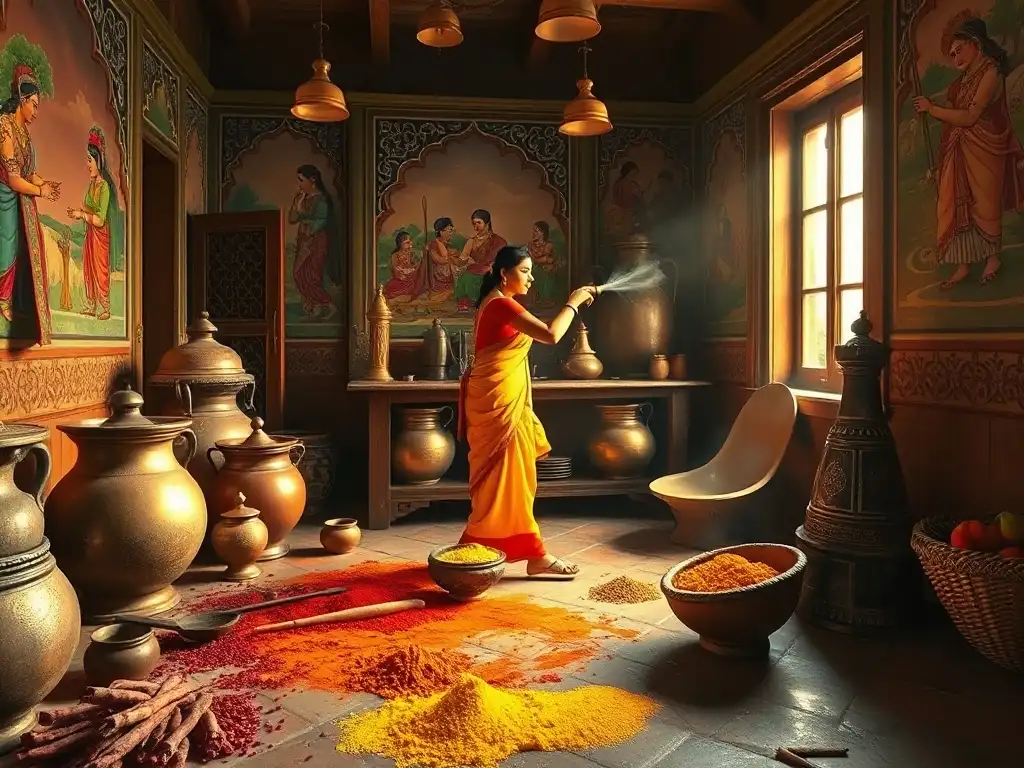
The diversity of ancient Indian cooking rituals reflects the varied cultural, geographical, and climatic conditions across the subcontinent. Each region has developed its unique practices and traditions, influenced by local ingredients, religious beliefs, and historical interactions. Understanding these regional variations provides insight into how food preparation was not merely a means of sustenance but also a vital part of social and spiritual life.
Cooking Rituals in Northern India
In Northern India, cooking rituals are often steeped in tradition, particularly influenced by Hindu customs. One of the most notable practices is the preparation of food during religious festivals, such as Diwali and Navratri. During these times, specific foods are cooked with great care, often accompanied by mantras and prayers. The act of cooking becomes a form of worship, with ingredients symbolizing various deities.
For example, during the festival of Navratri, people prepare 'satvik' meals, which exclude certain ingredients like onion, garlic, and meat, to purify the body and mind. Rituals such as 'bhog' involve offering the food to deities before consuming it, reinforcing the belief that food is a divine gift. Additionally, the use of specific cookware, such as earthen pots, is prevalent in many households, believed to enhance the spiritual quality of the food.
Cooking Rituals in Southern India
Southern Indian cooking rituals are characterized by their emphasis on rice and lentils, with preparation techniques that often incorporate ancient Ayurvedic principles. In this region, rituals are deeply connected to agricultural cycles and seasonal changes. For instance, the preparation of 'pongal' during the harvest festival is a significant ritual where new rice is cooked with jaggery and offered to the Sun God, symbolizing gratitude for the harvest.
Another noteworthy aspect is the practice of using banana leaves as serving plates, which is believed to impart a unique taste to the food. Additionally, rituals such as 'annadhanam,' or the act of feeding others, are considered highly auspicious. The cooking process here can be elaborate, often involving community participation, where families come together to prepare large quantities of food for distribution, emphasizing the communal aspect of sharing meals.
The Spiritual Significance of Cooking and Sharing Food
Cooking and sharing food in ancient India transcended the mere act of eating; it was imbued with spiritual significance that fostered connections among individuals and communities. Food served as a means to express love, hospitality, and gratitude, reinforcing social bonds and cultural identity.
Food as a Medium of Connection
In ancient Indian society, food was often seen as a sacred medium that connected individuals to their families, communities, and the divine. The communal meals, known as 'saatvik bhojan,' often included offerings to deities, signifying the belief that sharing food created a bond not only among people but also between humans and the divine.
Rituals surrounding the preparation and serving of food often involved chanting of mantras, which were believed to infuse the food with positive energy. This practice was particularly evident during weddings and religious ceremonies, where food served as a symbol of love and unity. The act of sharing food was seen as a way to cultivate harmony and foster relationships, with the belief that eating together could strengthen familial and social ties.
The Role of Cooking in Spiritual Practices
Cooking in ancient India was intrinsically linked to various spiritual practices. Many households maintained specific cooking rituals that aligned with astrological beliefs, ensuring that food was prepared during auspicious times to maximize its spiritual benefits. For instance, the preparation of 'prasad,' or consecrated food, was an essential ritual in temples; it was prepared with devotion and offered to deities before being shared with devotees.
Moreover, the practice of fasting and preparing simple meals during religious observances underscored the importance of mindfulness in cooking. This approach encouraged individuals to focus on purity, both of the ingredients and the intent behind the cooking. The use of certain spices and herbs was also believed to have healing properties, aligning culinary practices with Ayurveda, further emphasizing the spiritual aspect of cooking.
The ancient Indian cooking rituals were not just about nourishment; they embodied a rich tapestry of cultural, spiritual, and social elements, highlighting the sacredness of food in the fabric of Indian civilization.
Conclusion: The Legacy of Ancient Indian Cooking Rituals
The rituals of cooking in ancient India are not merely remnants of a bygone era; they represent a profound legacy that continues to shape culinary practices and cultural identities today. These rituals were deeply intertwined with spirituality, community, and the natural world, emphasizing the sacredness of food and the act of preparing it. By treating cooking as a ceremonial practice, ancient Indians infused their meals with meaning, ensuring that food was not just sustenance but a source of connection to the divine and to each other.
The meticulous attention to rituals—from the selection of ingredients to the invocation of deities—reflects an understanding of the relationship between food and life. This legacy is still evident in modern Indian cooking, where many of these practices are preserved, albeit often in modified forms. The incorporation of rituals in cooking reminds us of the importance of mindfulness and intention in our daily lives, fostering a deeper appreciation for the meals we prepare and share.
As we explore the vast landscape of ancient Indian cooking rituals, it becomes clear that these traditions offer valuable insights into the cultural fabric of India. They highlight the significance of communal gatherings, the respect for nature, and the reverence for food as a gift. By honoring these rituals, we not only celebrate our culinary heritage but also promote a sustainable and respectful approach to food that resonates across generations.
Suggested Reading and Resources
For those interested in delving deeper into the fascinating world of ancient Indian cooking rituals and their cultural implications, the following resources are highly recommended:
- Books:
- Food and Faith in Christian Culture by Ken Albala - This book explores the intersection of food practices and spirituality, offering insights relevant to understanding ancient Indian rituals.
- Culinary Traditions of India by Kanchan Mukherjee - A comprehensive exploration of the diverse culinary practices across India, including historical cooking rituals.
- Academic Journals:
- Journal of Ethnic Foods - This journal frequently features articles on traditional cooking practices, including studies on ancient Indian food customs and rituals.
- Asian Ethnology - Offers scholarly articles that delve into the cultural significance of food practices in Asia, including India.
- Online Resources:
- Culinary Histories - A blog dedicated to exploring the historical aspects of food practices across cultures, including ancient India.
- The Indian Food Blog - Features articles on traditional recipes and the historical context of various Indian cooking rituals.
- Documentaries and Films:
- The Spice Trail - This documentary explores the history of spices and their importance in ancient Indian cooking, highlighting the rituals surrounding their use.
- The Great Indian Food Trail - A series that showcases different regional cuisines of India, often touching on the cultural rituals associated with food preparation.
Engaging with these resources will provide a richer understanding of the rituals of cooking in ancient India and their lasting impact on contemporary culinary practices.
- Introduction to Ancient Indian Cooking Rituals
- Historical Context of Cooking Rituals in Ancient India
- Key Elements of Ancient Indian Cooking Rituals
- Types of Rituals Involving Food in Ancient India
- Regional Variations in Cooking Rituals
- The Spiritual Significance of Cooking and Sharing Food
- Conclusion: The Legacy of Ancient Indian Cooking Rituals
- Suggested Reading and Resources
- What were the main cooking rituals in ancient India?
- How did ancient Indian beliefs influence cooking methods?
- What role did food play in ancient Indian society?
- Were there specific ingredients used in ancient Indian cooking rituals?
- How did ancient Indian cooking rituals impact modern culinary practices?
Frequently Asked Questions
What were the main cooking rituals in ancient India?
Ancient Indian cooking rituals often involved sacred practices that connected food preparation to spiritual beliefs. Rituals included offerings to deities, chanting mantras, and using specific utensils that held cultural significance.
How did ancient Indian beliefs influence cooking methods?
Cultural beliefs shaped various cooking methods, emphasizing the importance of purity and hygiene. Techniques were often linked to seasonal changes and were believed to enhance the nutritional value of food.
What role did food play in ancient Indian society?
Food was not just sustenance; it played a crucial role in social and religious ceremonies. Meals were often shared during festivals, symbolizing community bonding and the sharing of blessings.
Were there specific ingredients used in ancient Indian cooking rituals?
Yes, certain ingredients held symbolic meanings and were used during rituals. For example, ghee, rice, and herbs were common, each believed to have unique properties contributing to spiritual cleansing and well-being.
How did ancient Indian cooking rituals impact modern culinary practices?
Many ancient rituals have influenced modern cooking methods and traditions in India. Elements such as spices, meal presentation, and the concept of sattvic food (pure vegetarian) continue to be integral in contemporary Indian cuisine.
Final Reflection: The Sacred Legacy of Ancient Indian Cooking Rituals
The rituals of cooking in ancient India serve as a profound reminder of how food transcends mere sustenance to become a sacred practice that connects us to our heritage and spirituality. In today’s fast-paced world, where convenience often overshadows tradition, revisiting these ancient Indian cooking rituals can inspire us to cultivate a deeper appreciation for the meals we prepare and consume. The act of cooking can be transformed into a mindful ritual, allowing us to reconnect with our roots and the cultural significance of food.
The influence of these ancient cooking rituals is still palpable in contemporary society, shaping not only culinary practices but also our social interactions and community bonds. The communal aspect of cooking and sharing meals fosters connections that are vital in our increasingly fragmented world. As noted by culinary historian K.T. Achaya, “Food is the thread that weaves together the fabric of society.” This sentiment underscores the importance of understanding and preserving these rituals as they continue to enrich our lives and cultural identities.
As we reflect on the teachings of ancient Indian cooking rituals, I invite you to embrace the sacredness of your own culinary practices. Consider how you can incorporate mindfulness and intention into your cooking, transforming each meal into a celebration of culture, community, and connection. Let us honor the legacy of our ancestors by making food not just a necessity, but a sacred act that nourishes both body and soul.
Embrace the Sacred Art of Cooking
Thank you for joining us on this delicious journey through the rituals of cooking in ancient India! We hope you found inspiration in the sacred practices that enrich not only the food we eat but also the lives we lead. Now, it’s time to take those insights and bring them into your own kitchen and community.
Here are some actions you can take to celebrate and deepen your connection with culinary traditions:
- Explore a traditional recipe from ancient India and recreate it in your kitchen to connect with the rich flavors of history.
- Share your culinary creations with friends and family, inviting them to experience the sacredness of food within your community.
- Dive deeper into the rituals by attending a local cooking class or workshop that focuses on ancient culinary practices and their significance.
Which ritual do you want to try in your kitchen, and how does it resonate with your personal cooking journey?