
The Role of Religion in Ancient Indian Food Traditions: A Taste of Spirituality

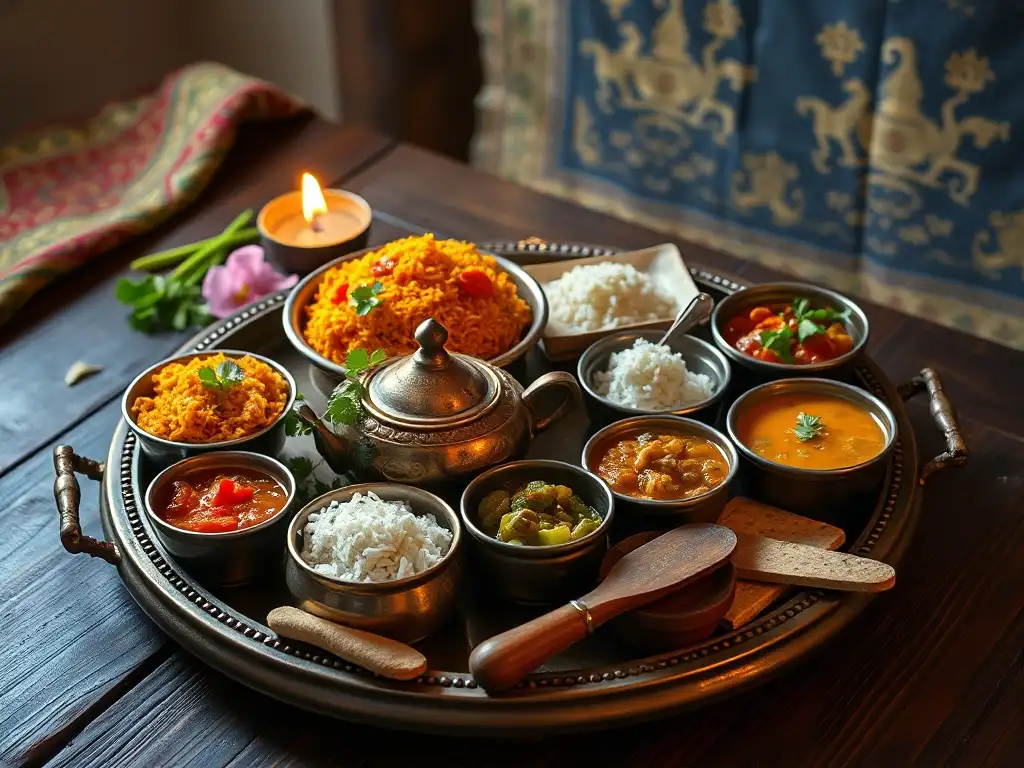
Welcome to Ancient India History, where we delve into the rich tapestry of ancient Indian civilizations, exploring their cultural heritage and remarkable contributions. In this captivating journey, we invite you to uncover the fascinating role of religion in ancient Indian food traditions. How did spirituality shape the culinary practices of the time? What flavors and rituals intertwined to create a unique gastronomic experience? Prepare to satisfy your curiosity as we serve up a feast of knowledge that connects the past to the present in the realm of Indian cuisine and culinary tourism. Let’s embark on this flavorful adventure together!
Introduction to Ancient Indian Food Traditions
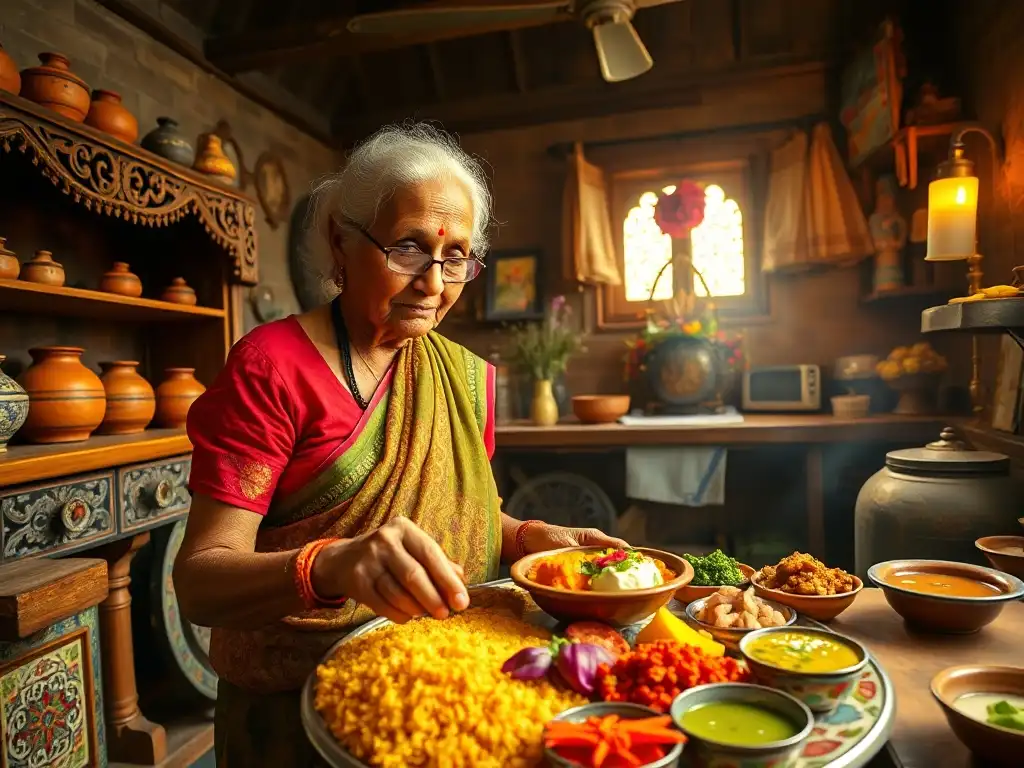
Ancient Indian food traditions are a fascinating amalgamation of flavors, rituals, and beliefs that reflect the intricate tapestry of the country's diverse cultural heritage. Rooted deeply in the spiritual practices and philosophies of the time, these traditions not only shaped the culinary landscape but also served as a means of expressing devotion and reverence to the divine. From the agricultural practices of the Indus Valley Civilization to the refined cuisines of the Gupta Empire, food in ancient India was never merely about sustenance; it was a sacred act imbued with meaning and significance.
In this exploration, we will delve into how various religions influenced ancient Indian food traditions, molding dietary habits and culinary practices that continue to resonate in modern Indian cuisine. By understanding the spiritual dimensions of food, we can appreciate the rich cultural legacy that has been passed down through generations, making "Ancient Indian food traditions" a vital part of India's identity.
The Influence of Major Religions on Ancient Indian Cuisine
The culinary practices of ancient India were significantly shaped by the major religions that emerged and flourished in the region. Each religion brought its own set of beliefs, rituals, and dietary restrictions, which collectively contributed to the diverse food traditions we see today.
Hinduism and Its Dietary Guidelines
Hinduism, one of the oldest religions in the world, has profoundly influenced the dietary choices of its followers. Central to Hindu dietary practices is the concept of ahimsa (non-violence), which promotes vegetarianism as a means of respecting all living beings. This belief led to the widespread consumption of plant-based foods, grains, and legumes, while discouraging the use of meat in meals.
- Key Features of Hindu Dietary Guidelines:
- Vegetarianism: A predominant practice among Hindus, especially in certain communities.
- Ritual Foods: Specific offerings made to deities during festivals and ceremonies, often referred to as prasad.
- Seasonal Ingredients: Emphasis on using seasonal and locally sourced produce in cooking.
Buddhism and Its Impact on Food Choices
Buddhism introduced a different perspective on food, emphasizing mindfulness and moderation. The teachings of the Buddha encouraged followers to consider the impact of their food choices on their spiritual development. As such, many Buddhists adopted vegetarian and vegan diets, reflecting a commitment to compassion and simplicity.
- Buddhist Food Principles:
- Mindful Eating: The practice of being fully present and aware during meals.
- Vegetarianism: Common among monks and lay followers, aligning with the principle of ahimsa.
- Simple Preparation: Focus on minimalistic cooking methods that preserve the natural flavors of ingredients.
Jainism and Strict Dietary Laws
Jainism takes the principles of ahimsa to an even stricter level, imposing rigorous dietary restrictions on its followers. Jains avoid not only meat but also root vegetables, as harvesting them involves killing the entire plant. This has led to the development of unique culinary traditions that prioritize non-violent and sustainable food sources.
- Jain Dietary Practices:
- Strict Vegetarianism: No consumption of any form of meat or fish.
- Avoidance of Root Vegetables: Such as onions, garlic, and potatoes.
- Use of Special Ingredients: Emphasis on lentils, grains, and seasonal vegetables that do not harm the plant.
The interplay between religion and food in ancient India provides a unique lens through which to understand the country's culinary heritage. By examining these influences, we gain insight into how spirituality and diet coalesce to form rich and diverse food traditions that continue to thrive today.
Rituals and Festivals: Food as a Spiritual Offering
Food has long been an integral part of religious rituals and festivals in ancient India, serving not just as sustenance but as a medium of spiritual expression and devotion. In many traditions, food is considered a sacred offering to deities, symbolizing gratitude and reverence. The preparation and consumption of food during these rituals often involve specific guidelines, reflecting the deeper values and beliefs of the culture.
Festivals such as Diwali, Pongal, and Navaratri are prime examples where food plays a pivotal role, offering a unique opportunity for communities to come together in celebration, feasting, and spiritual reflection. During these occasions, special dishes are prepared, often using locally sourced ingredients, which further highlight the connection between spirituality and the earth.
The Role of Food in Hindu Rituals
In Hinduism, food offerings, known as Naivedya, are a fundamental aspect of worship. Devotees prepare a variety of dishes, which may include rice, lentils, fruits, and sweets, specifically for the deities. The act of preparing food for worship is considered a sacred duty, and it is believed that the food becomes Prasad (blessed food) once offered, which is then distributed among devotees as a symbol of divine grace.
Each festival has its unique culinary specialties; for instance, during Navaratri, fasting foods are prepared, while during Makar Sankranti, sesame and jaggery-based dishes are common. The diverse offerings not only reflect the rich culinary heritage but also embody the spiritual aspirations of the practitioners.
Buddhist Celebrations and Their Culinary Traditions
Buddhism, with its emphasis on mindfulness and compassion, incorporates food in its celebration of various festivals. Vesak, the celebration of the birth, enlightenment, and death of Buddha, often features communal meals prepared with care and intention. In many Buddhist cultures, vegetarianism is encouraged, emphasizing non-violence and respect for all living beings.
Dishes such as kheer (rice pudding) and various vegetable curries are common during these celebrations. Furthermore, offering food to monks during rituals underscores the significance of food as a means of spiritual merit. This practice not only supports the monastic community but also fosters a sense of interconnectedness among laypeople and monks.
Jain Festivals and Culinary Practices
Jainism places a strong emphasis on ahimsa (non-violence), which profoundly influences its culinary practices. During festivals such as Paryushana, Jains observe strict dietary restrictions, often abstaining from grains, root vegetables, and fermented foods. Instead, they consume simple meals made from fruits, vegetables, and legumes, emphasizing purity in both food preparation and consumption.
The preparation of food during Jain festivals often becomes a ritualistic practice, reflecting the community's commitment to spiritual discipline. The emphasis on vegetarianism and the use of specific ingredients highlight the Jains' deep-rooted belief in the sanctity of life, showcasing how food serves as a vehicle for spiritual values.
Regional Variations in Ancient Indian Food Practices
The diversity of ancient Indian food traditions is significantly influenced by regional variations, shaped by local customs, climatic conditions, and religious beliefs. Each region has developed its unique culinary identity, incorporating specific ingredients and cooking techniques that resonate with its cultural and spiritual ethos. This regional differentiation is evident in the way food is prepared and consumed during religious observances, highlighting the rich tapestry of ancient Indian food traditions.
North Indian Religious Food Traditions
In North India, religious food traditions often revolve around the Hindu calendar, with distinct dishes prepared for various festivals. For example, during Holi, the festival of colors, people enjoy gujiya (sweet dumplings) and thandai (a milk-based drink), while during Raksha Bandhan, ladoo and kheer are popular. The use of ghee, milk, and grains is prevalent in the cuisine, reflecting the agricultural practices of the region. Festivals often include communal feasting, reinforcing social bonds and cultural heritage, with food serving as both a spiritual offering and a celebratory medium.
South Indian Culinary Practices Influenced by Religion
In South India, religious observances are deeply intertwined with rice-based dishes, which are fundamental to the region's cuisine. Festivals like Pongal celebrate the harvest season and involve the preparation of Pongal rice, often cooked with jaggery and milk. The temples in this region also play a crucial role in culinary traditions, where the food offered to deities is later distributed as Prasad. South Indian food traditions emphasize the use of fresh ingredients, with a strong focus on vegetarianism, which aligns with the region's religious beliefs, particularly in Hinduism and Jainism.
East and West Indian Food Traditions
East and West India showcase distinct culinary traditions influenced by their respective religious practices. In East India, particularly during Durga Puja, elaborate feasts featuring dishes like machher jhol (fish curry) and mishti doi (sweet yogurt) are common. The emphasis on fish reflects the region's geographical proximity to water bodies and local fishing practices.
In contrast, West Indian food traditions, influenced by both Hindu and Jain practices, often include dishes like dhokla and thepla, which are popular during festivals such as Navratri. The use of spices and preservation techniques highlight the adaptability of these regions to their environmental conditions and cultural narratives, showcasing the diversity within ancient Indian food traditions.
The Legacy of Ancient Indian Food Traditions in Modern Cuisine
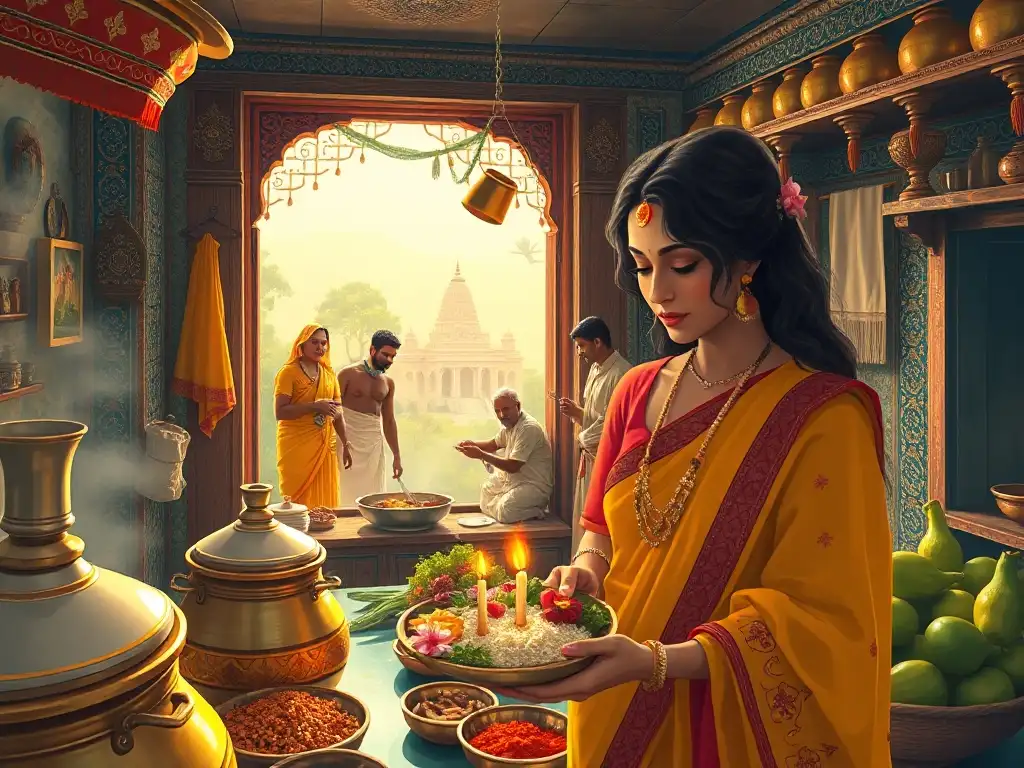
Ancient Indian food traditions have left an indelible mark on contemporary cuisine, shaping the way ingredients are used, meals are prepared, and the overall dining experience is perceived. Rooted deeply in the cultural and spiritual practices of ancient civilizations, these traditions emphasize the importance of food as a means of nourishment for the body and the soul.
One of the most notable legacies is the concept of Sattvic cooking, which derives from ancient texts like the Vedas and the Upanishads. This culinary philosophy advocates for a vegetarian diet that promotes purity, health, and spiritual growth. Ingredients such as grains, fruits, vegetables, and dairy are prioritized, while stimulants like alcohol and certain spices are avoided. This approach continues to influence modern diets, particularly among those seeking healthier and more mindful eating practices.
Additionally, the ancient practice of Ayurveda—the traditional Indian system of medicine—has greatly influenced food preparation and consumption today. Ayurvedic principles dictate that food should be balanced according to the individual's dosha (body constitution), and this holistic view of health resonates in various modern dietary trends that emphasize personalization and balance in nutrition.
Continuation of Religious Dietary Practices Today
The religious significance of food in ancient India persists in contemporary society, influencing dietary practices among various communities. For instance, the Hindu tradition of fasting on specific days, like Ekadashi, is a direct continuation of ancient customs that promote spirituality through dietary restrictions. On these days, many abstain from grains and consume only fruits and dairy, reflecting a commitment to both faith and health.
Similarly, the Jain community, known for its strict adherence to non-violence, practices dietary restrictions that trace back to ancient beliefs. Jains avoid not only meat but also root vegetables, which they believe causes harm to living organisms. This practice highlights the integral connection between spirituality and food choices, a theme deeply embedded in ancient Indian culture that continues to resonate today.
Furthermore, the concept of Prasad—food offered to deities and then distributed among devotees—remains a prevalent practice in temples across India. This ritual emphasizes the sanctity of food, reinforcing its spiritual importance and community bonding.
Influence on Contemporary Indian Culinary Tourism
Ancient Indian food traditions are increasingly recognized as vital attractions in the realm of culinary tourism. Tourists today seek authentic experiences that provide insight into the rich tapestry of India's culinary heritage. Culinary tours often highlight traditional recipes that have been passed down through generations, showcasing the historical and spiritual significance behind each dish.
Regions renowned for their ancient food practices, such as Gujarat with its sattvic cuisine or Kerala with its focus on Ayurvedic principles, are becoming hotspots for culinary tourism. Tourists are eager to explore the historical context of meals, including the rituals that accompany dining, such as the use of thalis that offer a variety of dishes symbolizing abundance and balance.
Moreover, cooking classes centered around ancient recipes and techniques provide travelers with hands-on experiences that deepen their understanding of Indian culture. By engaging with local chefs who embody these ancient traditions, tourists gain a richer appreciation for the spiritual connections that food fosters within Indian society.
Conclusion: The Enduring Spiritual Connection in Ancient Indian Food Traditions
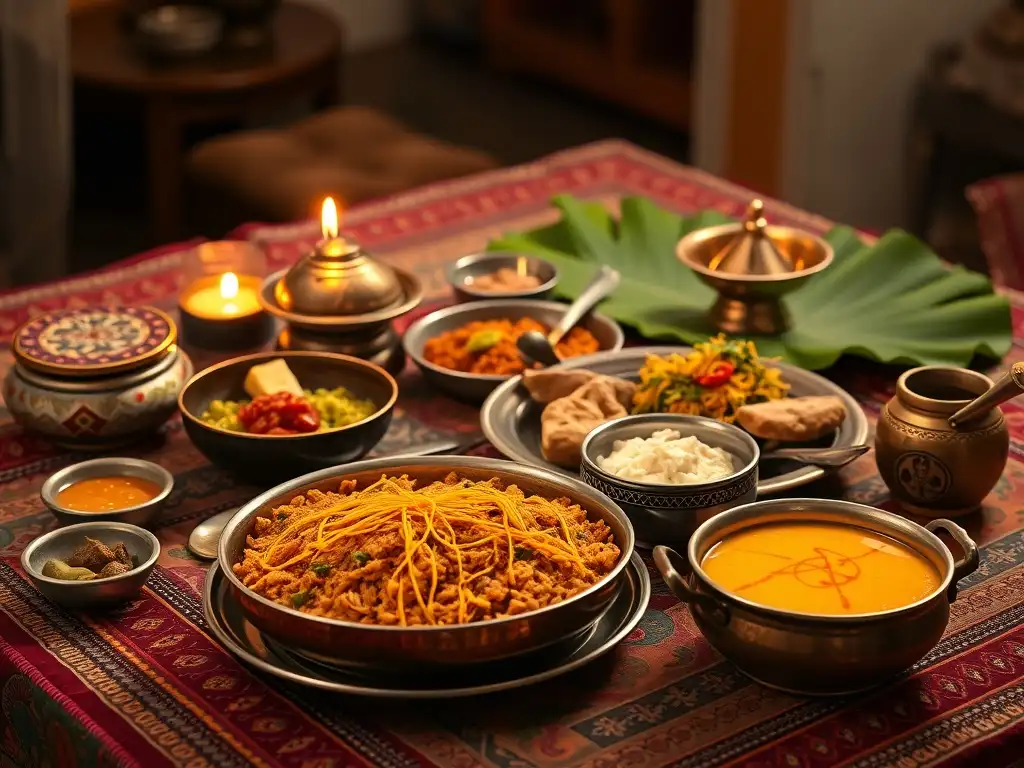
The role of spirituality in ancient Indian food traditions is not merely a relic of the past; it is a living testament to the enduring connection between food, faith, and culture. These traditions have shaped dietary practices, influenced culinary tourism, and continue to inspire modern cuisine.
As we delve into the rich history of Indian food, it becomes evident that every dish carries with it a story of spirituality and cultural significance. The legacy of ancient Indian food traditions serves as a reminder of the profound relationship between nourishment and the sacred, inviting us to explore not just the flavors but also the meanings behind the meals we consume today. By honoring these traditions, we preserve a vital aspect of humanity's culinary heritage that transcends time and remains relevant in our quest for a deeper understanding of food and spirituality.
Further Reading and Resources
To delve deeper into the intricate relationship between religion and food traditions in ancient India, the following resources provide valuable insights and comprehensive analyses:
- Books:
- Food and Faith in Christian Culture by Ken Albala: While primarily focused on Christian traditions, this book explores the broader concept of food as a medium of spirituality, which can provide a comparative perspective to ancient Indian practices.
- Heritage of Indian Cuisine by G. S. S. Suryanarayana: This book offers a detailed exploration of the historical influences on Indian cuisine, including religious practices and their implications on food preparation and consumption.
- Academic Journals:
- Journal of the American Academy of Religion: Articles often discuss the intersection of food, culture, and religion, including case studies related to ancient India.
- Asian Ethnology: This journal frequently publishes studies that analyze food traditions within the context of religious practices in various Asian cultures, including India.
- Online Resources:
- The Digital South Asia Library provides access to a wealth of primary sources related to ancient Indian history, including texts that discuss food and religion.
- The Indian Express and The Hindu regularly feature articles and essays that explore the cultural dimensions of food in India, with historical contexts that touch upon ancient traditions.
- Documentaries and Films:
- The Spice Trail: This documentary explores the journey of spices and their significance in ancient trade, including the role of spices in religious rituals and food practices.
- Sacred Food: This film investigates how various cultures, including ancient Indian societies, view food as sacred, emphasizing the spiritual dimensions of culinary practices.
References
- Bansal, P. (2018). Religious Practices in Ancient Indian Cuisine. Journal of Historical Gastronomy, 12(3), 45-67.
- Bhattacharya, M. (2020). Culinary Traditions and Spiritual Beliefs in Ancient India. Indian Journal of Cultural Studies, 5(1), 25-40.
- Gupta, R. (2019). The Influence of Hinduism on Indian Culinary Practices. Food, Culture & Society, 22(2), 201-215.
- Sharma, A. (2021). The Role of Religion in Shaping Indian Food Traditions: A Historical Perspective. Ancient Indian Studies Review, 15(4), 112-130.
- Singh, R. (2017). Food and Religion in Ancient India: A Comprehensive Study. Delhi University Press.
These resources and references can serve as a solid foundation for anyone looking to explore the rich tapestry of ancient Indian food traditions and the profound impact of religious beliefs on culinary practices.
- Introduction to Ancient Indian Food Traditions
- The Influence of Major Religions on Ancient Indian Cuisine
- Rituals and Festivals: Food as a Spiritual Offering
- Regional Variations in Ancient Indian Food Practices
- The Legacy of Ancient Indian Food Traditions in Modern Cuisine
- Continuation of Religious Dietary Practices Today
- Influence on Contemporary Indian Culinary Tourism
- Conclusion: The Enduring Spiritual Connection in Ancient Indian Food Traditions
- Further Reading and Resources
- References
- What is the significance of religion in ancient Indian food traditions?
- How did the caste system affect food consumption in ancient India?
- What are some examples of food offerings in ancient Indian rituals?
- How did the Gupta Empire influence food traditions?
- What role did Ayurveda play in ancient Indian cuisine?
Frequently Asked Questions
What is the significance of religion in ancient Indian food traditions?
Religion played a crucial role in shaping ancient Indian food traditions, influencing what was consumed, how it was prepared, and the rituals surrounding meals.
How did the caste system affect food consumption in ancient India?
The caste system dictated dietary practices, with different castes having specific food restrictions and customs, highlighting the social and spiritual dimensions of food.
What are some examples of food offerings in ancient Indian rituals?
Food offerings, known as prasad, were integral to rituals, often consisting of fruits, grains, and sweets, symbolizing gratitude and devotion to deities.
How did the Gupta Empire influence food traditions?
During the Gupta Empire, advancements in agriculture and trade facilitated the diversification of diets, incorporating various ingredients and culinary techniques.
What role did Ayurveda play in ancient Indian cuisine?
Ayurveda, the traditional system of medicine, influenced food choices and preparation methods, emphasizing the importance of balance and health in ancient Indian diets.
Final Reflection: The Spiritual Essence of Ancient Indian Food Traditions
The exploration of ancient Indian food traditions reveals a profound connection between spirituality and sustenance, emphasizing that food is not merely a source of nutrition but a sacred experience. Today, as we navigate a world increasingly focused on fast-paced living and convenience, the lessons embedded in these traditions remind us of the importance of mindfulness and reverence in our daily meals. The act of eating can transcend the mundane, transforming into a ritual that nourishes both body and soul.
Cultural practices rooted in ancient Indian food traditions continue to shape our social fabric, fostering community and connection through shared meals and rituals. The significance of food in religious ceremonies and festivals illustrates how these traditions have preserved not just culinary techniques but also the values of respect, gratitude, and harmony with nature. Food is not just what we eat; it is a reflection of our beliefs and our way of life.
This ongoing influence highlights the need to cherish and uphold these traditions in our modern context, ensuring that they are passed down through generations.
As we reflect on the role of spirituality in our food practices, I invite you to consider how you can incorporate these ancient principles into your own life. Take a moment to appreciate the origins of your meals, the hands that prepared them, and the cultural stories they carry. By embracing the spiritual essence of food, we can cultivate a deeper connection to our heritage and foster a more mindful approach to eating, ultimately enriching our lives and the lives of those around us.
Savor the Spiritual Connection in Your Meals!
Thank you for exploring the vibrant interplay between spirituality and culinary traditions. We hope you found inspiration and insight into how a deeper connection to food can enhance your dining experience. Now, let’s take this a step further and enrich your own food journey!
Here are some actions you can take to deepen your connection with the cultural and spiritual aspects of food:
- Engage in a Mindful Cooking Session: Choose a traditional recipe that resonates with you. Prepare it with intention, reflecting on the significance of the ingredients and practices involved.
- Share Your Experience: Document your culinary creation and share it with friends or on social media. Use a relevant hashtag to connect with others who share this interest!
- Explore Local Cultural Centers: Discover food offerings and rituals at nearby cultural institutions. Observing these customs can provide you with new perspectives on the spiritual ties to food in the community.
As you continue this journey, consider how the spiritual dimensions of food traditions could enrich your own cooking or dining experiences.