
The Role of Women in the Spread of Vaisheshika Philosophy

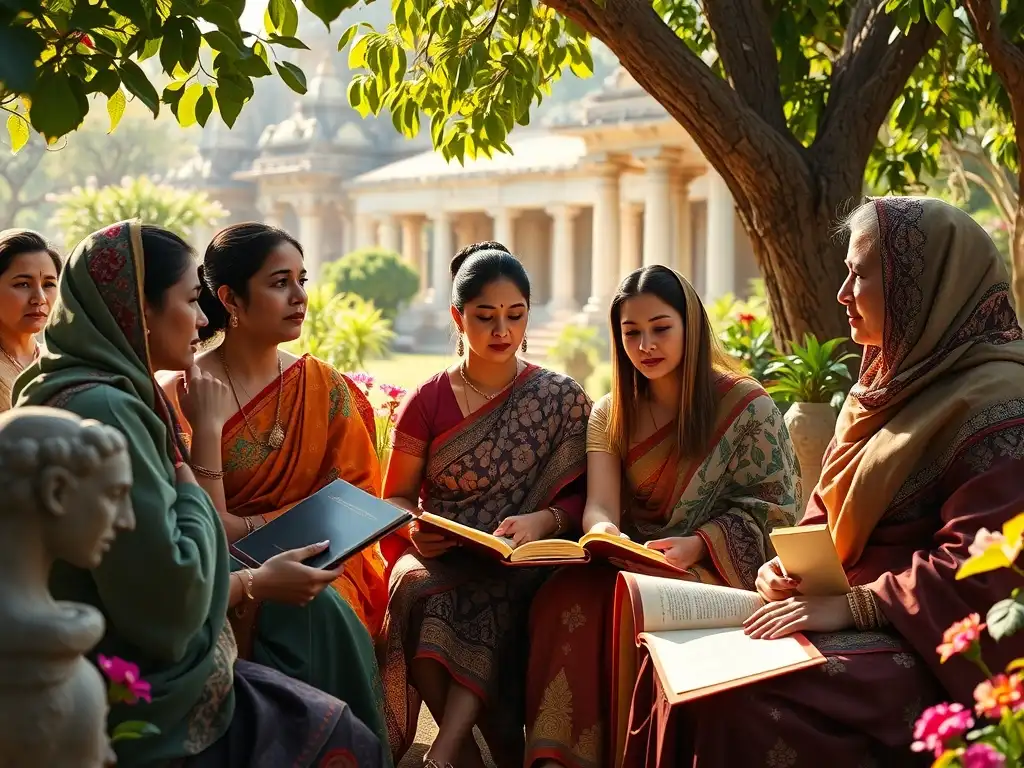
Welcome to Ancient India History, where we delve deep into the rich tapestry of India's past, exploring the remarkable civilizations that shaped its journey. Today, we invite you to uncover the profound role of women in Vaisheshika Philosophy, a topic that not only illuminates the philosophical landscape of ancient India but also highlights the vital contributions of women in intellectual thought.
As we navigate through this intriguing exploration, prepare to be captivated by the stories and insights that reveal how these remarkable figures influenced the spread of philosophical ideas during a transformative era. Join us as we embark on this enlightening journey into the heart of ancient wisdom.
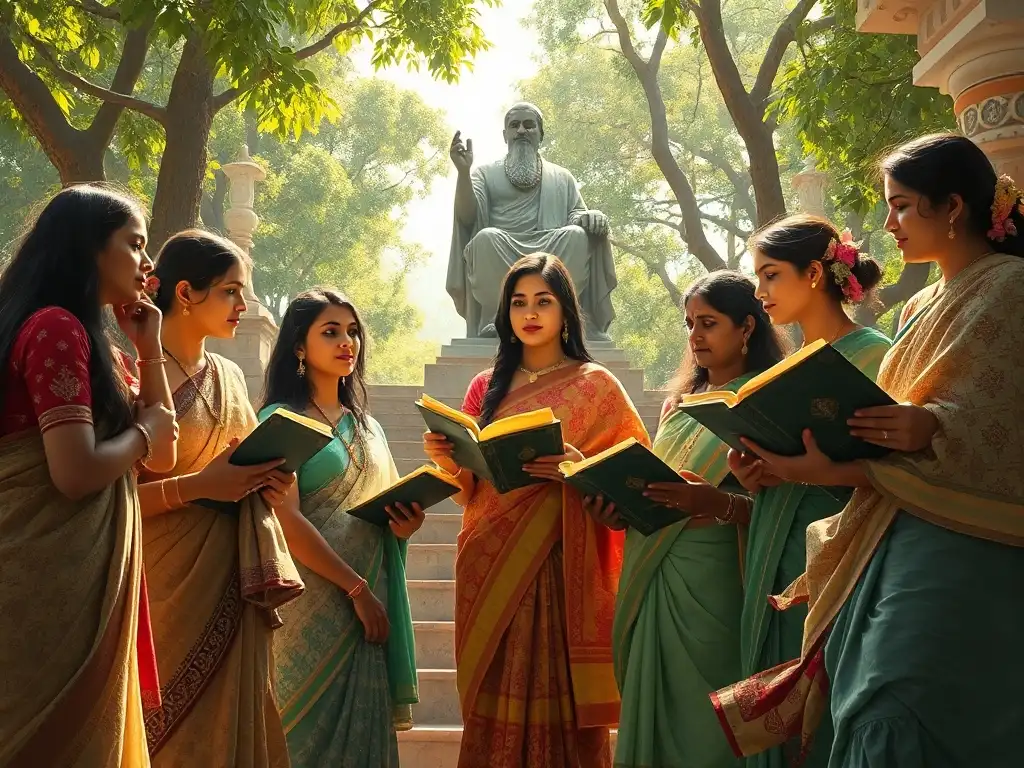
The Vaisheshika philosophy, one of the six classical schools of Indian philosophy, is known for its unique approach to metaphysics, epistemology, and ethics. Emerging around the 2nd century BCE, this philosophical system laid the groundwork for various scientific and philosophical inquiries in ancient India. While much has been discussed about the male figures who shaped this thought, the pivotal role of women in the spread and development of Vaisheshika philosophy remains underexplored.
This article delves into the contributions of women in this philosophical tradition, emphasizing their significance and influence in a predominantly patriarchal society. By examining historical contexts and key female figures, we aim to shed light on the often-overlooked narratives surrounding women in Vaisheshika philosophy.
Introduction to Vaisheshika Philosophy
Overview of Vaisheshika School of Thought
The Vaisheshika school, founded by the sage Kanada, is primarily concerned with the nature of reality and the classification of substances. It posits that the universe is composed of indivisible atoms (anu) and categorizes reality into different types of substances, qualities, actions, and relations. The philosophy emphasizes:
- Atomic Theory: The belief that all matter consists of atoms, which combine in various ways to form the diverse objects we perceive.
- Categories of Existence: It identifies categories such as substance, quality, action, generality, particularity, and inherence.
- Epistemology: Vaisheshika outlines various means of knowledge acquisition, including perception, inference, and testimony.
This systematic approach not only laid the foundation for later philosophical discourse but also influenced the scientific methodologies in ancient and medieval India.
Historical Context of Vaisheshika in Ancient India
The rise of Vaisheshika coincided with a period of significant intellectual activity in ancient India, marked by the emergence of various philosophical schools, including Nyaya, Samkhya, and Yoga. The interactions among these schools fostered rich debates and discussions that contributed to the evolution of Indian thought. Women, although often marginalized in historical texts, played crucial roles in this intellectual landscape.
During this era, India was characterized by a complex social structure where women were involved in various aspects of life, including education, spirituality, and philosophy. Despite societal constraints, some women emerged as thinkers and scholars, contributing to the philosophical discourse surrounding Vaisheshika.
Women in Vaisheshika Philosophy
The Significance of Women in Ancient Indian Philosophy
Women in ancient India had diverse roles, and their contributions to philosophy were significant despite societal limitations. They often served as educators, philosophers, and spiritual leaders, influencing not only their immediate communities but also the broader philosophical landscape. The presence of women in philosophical discussions highlights the inclusive nature of Indian philosophy, where dialogue and debate were essential for intellectual growth.
The recognition of women's roles opens up new avenues for understanding the development of philosophical thought, particularly in schools like Vaisheshika. Their perspectives often introduced alternative interpretations and encouraged a more holistic understanding of philosophical concepts, enriching the discourse.
Key Female Figures in Vaisheshika Thought
While specific historical records of women directly associated with Vaisheshika philosophy may be scarce, various texts and traditions indicate the presence of influential female figures. These women often embodied the ideals of knowledge and wisdom, paving the way for future generations of thinkers. Key contributions include:
- Philosophical Interpretations: Some women engaged with and interpreted the principles of Vaisheshika, offering unique insights that contributed to its evolution.
- Spiritual Leadership: Women played essential roles in spiritual practices and education, often guiding male philosophers and students in their philosophical pursuits.
The exploration of these women's contributions is critical for a comprehensive understanding of Vaisheshika philosophy and its dissemination in ancient Indian society.
The role of women in the spread of Vaisheshika philosophy is a testament to their resilience and intellectual prowess. By acknowledging their contributions, we can appreciate the richness of ancient Indian philosophy and the diverse voices that shaped its development.
The Impact of Women on the Spread of Vaisheshika Ideas
The influence of women on the dissemination of Vaisheshika philosophy is a significant yet often overlooked aspect of ancient Indian intellectual history. Women played an essential role in both nurturing and propagating philosophical ideas, serving as educators, thinkers, and active participants in philosophical discourse. Their involvement was crucial not only in the private sphere but also in public discussions, where they contributed to the evolution of philosophical thought.
Women in ancient India were not mere recipients of knowledge; they were instrumental in the transmission of ideas across generations. Through their interactions in familial and educational settings, they fostered discussions that helped in shaping and refining the tenets of Vaisheshika philosophy. The dialogues that occurred in domestic spaces often spilled over into broader societal contexts, creating a fertile ground for the philosophy to take root and flourish.
Moreover, their unique perspectives provided alternative interpretations of the concepts within Vaisheshika, enriching the philosophical landscape. As the philosophy emphasized the nature of reality and the categorization of substances, women brought insights that reflected their lived experiences, which were critical in expanding the understanding of these ideas.
Role of Women as Educators and Philosophers
Women in ancient India held positions as educators and philosophers, often at par with their male counterparts. They engaged in teaching the principles of Vaisheshika, utilizing their roles to impart knowledge not only to young boys but also to girls, thus ensuring a broader educational outreach. This dual role as both educators and learners allowed them to contribute significantly to philosophical discussions and debates.
In many cases, women were responsible for the transmission of philosophical texts and ideas within their families. They participated in scholarly discussions, where their insights and critiques helped shape the understanding of complex philosophical concepts. The presence of women in educational contexts fostered an environment of inclusivity that was conducive to the growth of philosophical thought.
Additionally, women such as Gargi and Maitreyi exemplified the integration of philosophy into their daily lives, demonstrating how philosophical inquiry could coexist with domestic responsibilities. Their contributions as philosophers challenged societal norms, paving the way for future generations of women to engage in intellectual pursuits.
The Intersection of Gender and Philosophy
The intersection of gender and philosophy in the context of Vaisheshika reveals a complex dynamic where women navigated societal expectations while asserting their intellectual capabilities. Philosophical discourse was not exclusively a male domain; women actively participated, often challenging the patriarchal structures that sought to limit their engagement.
The philosophical inquiries posed by women often addressed fundamental questions about existence, knowledge, and ethics from a unique vantage point, influenced by their experiences as women in society. This perspective was vital in the holistic development of Vaisheshika thought, as it introduced considerations about gender, identity, and the nature of reality that were often absent in male-centric discussions.
Moreover, the role of women in the philosophical realm can be seen as a precursor to later feminist philosophies that emerged in India. Their contributions laid the groundwork for a more inclusive philosophical discourse that recognizes the importance of diverse voices in the exploration of complex ideas.
Case Studies of Prominent Women in Vaisheshika
Gargi Vachaknavi's Contributions to Philosophical Discourse
Gargi Vachaknavi is celebrated as one of the foremost women philosophers of ancient India, known for her profound contributions to the fields of metaphysics and epistemology within the framework of Vaisheshika. She is often depicted as a formidable thinker who engaged directly with prominent philosophers of her time, notably in the context of the philosophical debates recorded in the Brahmanas.
Gargi's inquiries into the nature of the self and the cosmos showcased her deep understanding of Vaisheshika principles. She famously posed challenging questions to sage Yajnavalkya, prompting discussions that pushed the boundaries of philosophical thought. Her legacy is a testament to the intellectual rigor that women brought to the philosophical landscape, illustrating that their contributions were not merely peripheral but central to the development of philosophical ideas.
Contributions of Maitreyi in the Context of Knowledge and Wisdom
Maitreyi, another significant figure in ancient Indian philosophy, is known for her profound insights into knowledge and wisdom, particularly through her exchanges with her husband, the sage Yajnavalkya. Her dialogue in the Brihadaranyaka Upanishad reflects a deep engagement with the philosophical concepts of reality and the nature of the self, resonating with Vaisheshika thought.
Maitreyi questioned the nature of material wealth in comparison to the pursuit of ultimate truth, emphasizing that knowledge and wisdom are paramount. Her contributions illustrate the capability of women to engage critically with philosophical ideas, fostering a more nuanced understanding of existence and the pursuit of knowledge.
Historical Accounts of Women's Involvement in Vaisheshika
Historical accounts of women's involvement in Vaisheshika philosophy illustrate a vibrant tapestry of intellectual engagement that transcended traditional boundaries. Texts from ancient scriptures and philosophical treatises reveal that women were not only participants but also significant contributors to the discourse on metaphysics, ethics, and epistemology.
Women were often depicted as scholars and philosophers in texts, challenging the norm and asserting their right to philosophical inquiry. Their presence in philosophical discussions and debates is well-documented, indicating that they played a crucial role in shaping the philosophical landscape of ancient India. The acknowledgment of women's contributions to Vaisheshika philosophy is essential for understanding the full scope of intellectual achievements during this period, highlighting the importance of their voices in the evolution of thought.
Challenges Faced by Women in the Philosophical Sphere
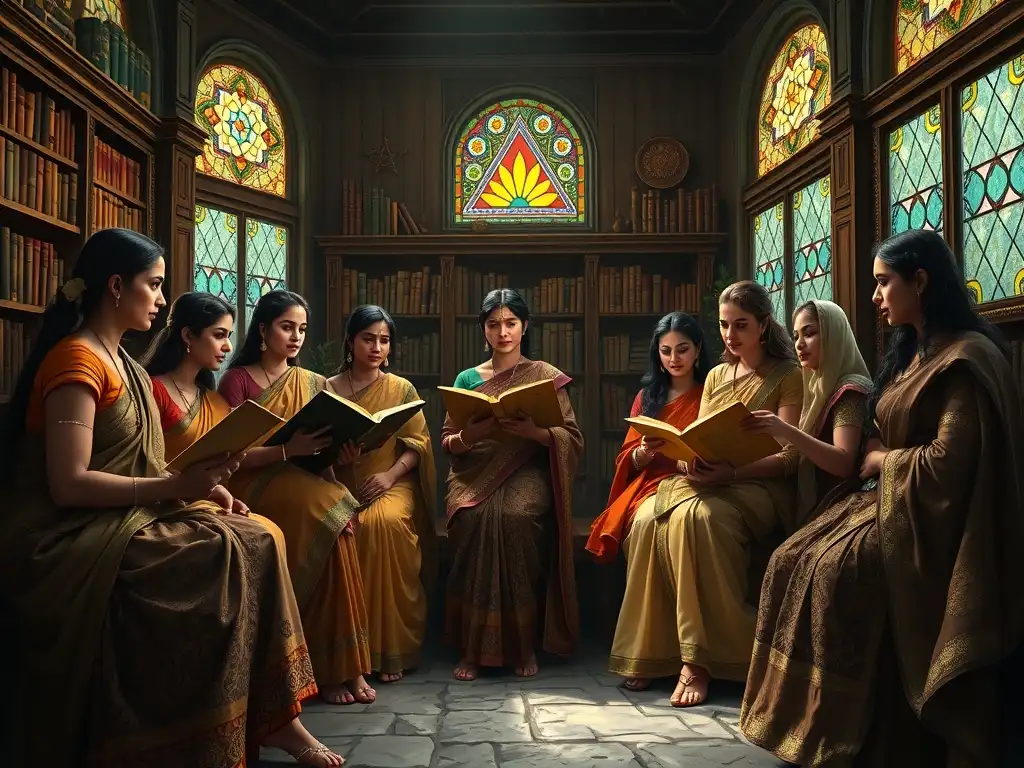
The journey of women in philosophy, particularly within the context of Vaisheshika philosophy, has been fraught with challenges. Despite their contributions, women historically faced significant obstacles that hindered their participation and recognition in philosophical discourse. These challenges stemmed from deeply rooted societal norms, cultural practices, and structural inequalities that often relegated women to the periphery of academic and intellectual life.
Societal Barriers to Women's Participation
One of the primary societal barriers to women's participation in the philosophical sphere was the pervasive patriarchal structure of ancient Indian society. Women's roles were largely confined to domestic responsibilities, and their access to education was severely limited. The focus on traditional roles often excluded women from engaging in philosophical discussions or studying complex theories.
- Limited Access to Education: Many women did not receive formal education, and those who did often faced restrictions on the subjects they could study. Philosophy, particularly in its intricate forms like Vaisheshika, was typically reserved for men.
- Cultural Norms and Expectations: Cultural beliefs reinforced the idea that women should prioritize home and family over intellectual pursuits. This societal expectation discouraged families from investing in their daughters' education or encouraging them to engage in philosophical debates.
- Lack of Institutional Support: The absence of female mentors and role models in philosophical circles further compounded the challenges. Women lacked opportunities to engage with established philosophers or to join scholarly communities where they could share and develop their ideas.
Historical Context of Gender Inequality in Philosophy
The historical context of gender inequality in philosophy is marked by a general undervaluation of women's intellectual capabilities. Ancient texts and teachings often reflect a male-centric perspective, which contributed to the marginalization of women's voices in philosophical discussions.
- Philosophical Canon Exclusion: Many prominent philosophical texts do not adequately recognize women's contributions or perspectives. This exclusion has perpetuated the notion that women were not significant players in the development of philosophical thought.
- Historical Narratives: Historical accounts have often overlooked or minimized the involvement of women in philosophical discussions. As a result, many influential female philosophers and their contributions remain largely unrecognized, leading to a skewed understanding of the philosophical landscape.
Conclusion: The Lasting Legacy of Women in Vaisheshika Philosophy
Despite the challenges they faced, women played a crucial role in the development and dissemination of Vaisheshika philosophy. Their intellectual contributions, though often unacknowledged, have left a lasting legacy that continues to inspire contemporary philosophical discourse.
Reflection on Women’s Contributions to Ancient Indian Philosophy
The contributions of women to ancient Indian philosophy, including Vaisheshika, are rich and multifaceted. Figures like Gargi and Maitreyi, although not directly associated with Vaisheshika, symbolize the intellectual vigor of women in philosophical discourse. Their participation in discussions about metaphysics and ethics laid the groundwork for later philosophical developments, demonstrating that women's insights were integral to the evolution of thought.
- Diverse Perspectives: Women's perspectives in philosophy offered a more holistic understanding of philosophical concepts, bridging the gap between traditional beliefs and emerging ideas.
- Influence on Future Generations: The legacy of female philosophers has influenced future generations, encouraging women to pursue philosophical inquiry and engage with complex ideas.
The Importance of Recognizing Women’s Roles in Philosophical Development
Recognizing the roles of women in the development of Vaisheshika philosophy is essential for a complete understanding of ancient Indian thought. Acknowledging their contributions not only enriches the narrative of philosophical history but also serves to inspire contemporary discussions on gender equality in philosophy.
- Cultural Validity: Highlighting women's contributions affirms the cultural validity of diverse voices in philosophical discourse, promoting inclusivity and diversity in the field.
- Inspiring Future Scholars: By bringing attention to the historical involvement of women in philosophy, we can inspire new generations of female scholars to explore and contribute to philosophical thought, ensuring that their voices are heard and valued in ongoing discussions.
Further Reading and Resources
Exploring the role of women in the spread of Vaisheshika Philosophy offers a nuanced understanding of how gender dynamics influenced philosophical discourse in ancient India. To delve deeper into this topic, a variety of resources can provide comprehensive insights, from scholarly articles to foundational texts. Below are some suggested readings that can enrich your understanding of women in Vaisheshika Philosophy and the broader context of the Vaisheshika School of Thought.
Suggested Books and Articles on Women in Vaisheshika Philosophy
- "Women in Indian Philosophy" by Mary Helen Tolbert
- This book examines the contributions of women in various philosophical traditions, including the Vaisheshika School. It highlights specific figures and their influence in shaping philosophical dialogue.
- "The Role of Women in the Development of Indian Philosophy" by Usha N. R.
- A critical analysis of how women interacted with and contributed to philosophical thoughts, including an exploration of lesser-known female philosophers within the Vaisheshika framework.
- "Gender and Philosophy: A Historical Perspective" by R. Jagannathan
- This article provides a historical overview of gender roles in Indian philosophy, with specific sections dedicated to the Vaisheshika tradition.
- "Philosophical Traditions in Ancient India" by K. B. Dutta
- This text provides a broader context to the Vaisheshika School, including discussions on female philosophers and their contributions, offering a holistic view of the philosophical landscape.
- "Women and Wisdom: The Role of Gender in Indian Philosophical Traditions" by Anita R.
- This work focuses on the intersection of gender and philosophy, exploring how women have historically navigated and contributed to philosophical debates, including those relevant to Vaisheshika.
Recommended Texts on the Vaisheshika School of Thought
- "Vaisheshika Sutra" by Kanada
- The foundational text of the Vaisheshika School, authored by the sage Kanada, articulates the principles of this philosophical system. Understanding this text is essential for contextualizing the contributions of women within the school.
- "Indian Philosophy: A Historical Survey" by S. R. Bhattacharya
- This comprehensive survey covers various schools of Indian philosophy, including Vaisheshika, with insights into how women participated in these philosophical traditions.
- "Logic and the Vaisheshika System" by D. P. Chattopadhyay
- An exploration of the logical aspects of the Vaisheshika philosophy, this book also discusses the implications of its teachings on gender and societal roles.
- "An Introduction to Vaisheshika Philosophy" by P. V. R. Rao
- This introductory text presents the key concepts and arguments of Vaisheshika philosophy, offering a solid foundation for understanding its evolution and the role of women within it.
- "Philosophical Foundations of the Vaisheshika School" by N. K. Shastri
- This work delves into the philosophical underpinnings of the Vaisheshika tradition, providing insights into how women scholars may have influenced its development.
These resources will provide a well-rounded foundation for anyone interested in the intersection of gender and philosophy within the Vaisheshika School of Thought, particularly in understanding the significant yet often overlooked contributions of women in this field.
- Introduction to Vaisheshika Philosophy
- Women in Vaisheshika Philosophy
- The Impact of Women on the Spread of Vaisheshika Ideas
- Case Studies of Prominent Women in Vaisheshika
- Challenges Faced by Women in the Philosophical Sphere
- Conclusion: The Lasting Legacy of Women in Vaisheshika Philosophy
- Further Reading and Resources
Frequently Asked Questions
What is Vaisheshika Philosophy?
Vaisheshika Philosophy is an ancient Indian school of thought that emphasizes the categorization of reality and the nature of existence. It focuses on atomism and the classification of substances.
How did women contribute to the spread of Vaisheshika Philosophy?
Women played a significant role in the dissemination of ideas and philosophical teachings within their families and communities, thereby influencing the acceptance and understanding of Vaisheshika concepts.
Were women allowed to study Vaisheshika Philosophy?
While the traditional roles of women were often limited, some historical texts indicate that women were educated in philosophical discourses, including Vaisheshika, contributing to its evolution.
What impact did women have on ancient Indian philosophy as a whole?
Women contributed to the intellectual discourse of ancient Indian philosophy, often serving as patrons or practitioners, which helped in the development and preservation of various philosophical traditions.
Why is exploring the role of women in Vaisheshika Philosophy important?
Understanding the role of women in Vaisheshika Philosophy highlights the diverse contributions to philosophical thought and challenges the narrative of women's exclusion from intellectual traditions in ancient India.
Final Reflection: The Enduring Legacy of Women in Vaisheshika Philosophy
The role of women in the spread of Vaisheshika philosophy is not just a historical footnote; it is a powerful testament to the resilience and influence of female thinkers in shaping intellectual traditions. In an era where women's contributions were often overlooked, the impact of their insights and teachings continues to resonate today. The exploration of their roles invites us to reconsider the narratives we hold about philosophical development and the diverse voices that have shaped our understanding of the world.
The influence of women in Vaisheshika philosophy has left an indelible mark on both cultural and social landscapes, encouraging a broader appreciation for inclusivity in philosophical discourse. Their contributions remind us that wisdom knows no gender and that the exchange of ideas thrives when diverse perspectives are welcomed. As philosopher Simone de Beauvoir once said, "> One is not born, but rather becomes, a woman." This quote encapsulates the transformative power of women's engagement in philosophy, highlighting how their active participation has redefined the field and inspired future generations.
As we reflect on the lessons from the roles women have played in Vaisheshika philosophy, let us take a moment to consider our own lives. How can we honor and amplify the voices of those who have been marginalized in our own communities? I invite you to engage with the ideas presented in this article and seek out opportunities to support and uplift diverse perspectives in your own intellectual pursuits. By doing so, we not only enrich our understanding but also contribute to a more inclusive future where all voices are valued and heard.
Empower Your Understanding of Vaisheshika Philosophy!
Thank you for diving into the intriguing role of women in Vaisheshika philosophy! Your curiosity and engagement are key to preserving and sharing our rich cultural heritage. As you reflect on this enlightening topic, consider taking further steps to deepen your exploration and inspire others.
- Join a discussion group focused on ancient Indian philosophies to share insights and broaden your perspective.
- Write your own reflections or essays on how the contributions of women can shape our understanding of philosophy today.
- Share this article with friends or on social media to spark conversations about the significance of women in historical contexts.
What new insights will you uncover as you continue to explore the profound influence of women in philosophy?