
The Role of Women in Sangam Literature: Voices from Ancient Tamil Nadu

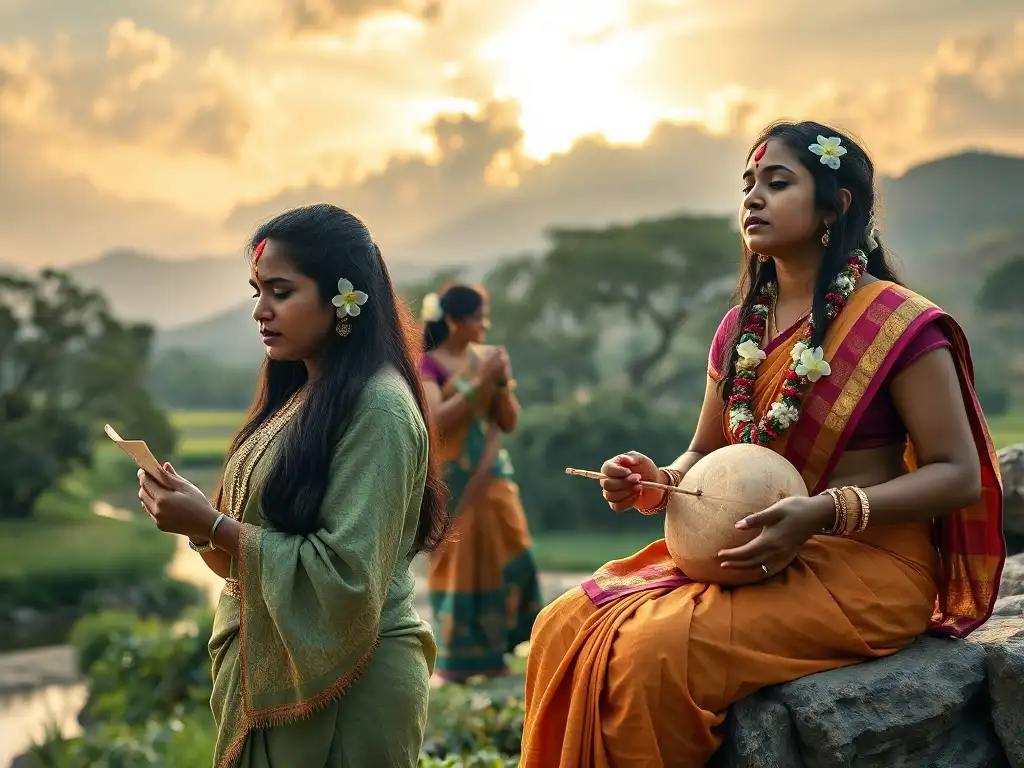
Welcome to Ancient India History, where we embark on a fascinating journey through the tapestry of time, exploring the rich and diverse heritage of ancient Indian civilizations. In this captivating article, we delve into the voices of women in Sangam literature, uncovering their pivotal roles and contributions in the vibrant cultural landscape of ancient Tamil Nadu. As we peel back the layers of history, prepare to be intrigued by the profound narratives that challenge our understanding of gender and society in the past.
Join us as we illuminate the significance of these voices and their enduring impact on literature beyond the epics. Dive in, and let the stories unfold!
Introduction to Women in Sangam Literature
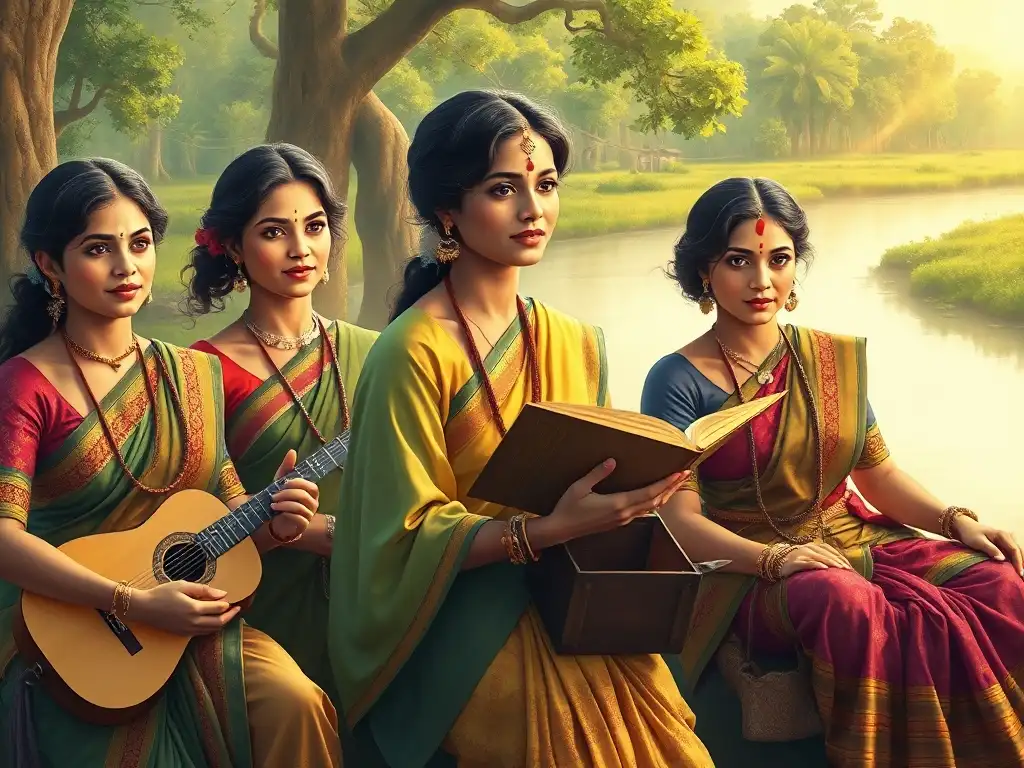
The role of women in Sangam literature is a compelling aspect of ancient Tamil Nadu's history, showcasing the myriad voices and experiences of women from a time that flourished between 300 BCE and 300 CE. This era is marked by a rich tapestry of poetry and prose that not only reflects the socio-cultural dynamics of the time but also elevates the feminine perspective, offering insights into their lives, struggles, and contributions.
Sangam literature serves as a critical lens through which we can explore the multifaceted roles women played in society, revealing their agency and influence in a predominantly patriarchal framework.
Overview of Sangam Literature
Sangam literature encompasses a vast collection of poems and texts composed by various poets, often categorized into four main types:
- Aham (inner or emotional themes)
- Puram (outer or social themes)
- Mixed (a combination of both)
- Didactic (poetry with moral lessons)
These literary works not only highlight the beauty of nature and human emotion but also delve into the societal norms and values of the time. The texts are a treasure trove of information that gives voice to both men and women, with notable contributions from female poets such as Avvaiyar and Kannagi, who are celebrated for their wisdom and strength.
Importance of Women’s Voices in Ancient Tamil Nadu
The inclusion of women's voices in Sangam literature is significant for several reasons:
- Cultural Representation: Women's perspectives provide a holistic view of society, enriching our understanding of ancient Tamil culture.
- Empowerment: The portrayal of women as articulate and influential figures challenges the traditional narratives that often marginalize female contributions.
- Social Commentary: Women's writings often critique societal norms and expectations, reflecting their awareness and engagement with the social issues of their time.
By examining these voices, we gain a deeper appreciation for the complexities of gender roles in ancient Tamil Nadu.
Historical Context of Women in Sangam Era
Social Structure of Ancient Tamil Nadu
Ancient Tamil society operated within a structured framework characterized by various social hierarchies, including caste, class, and gender. The society was largely agrarian, and while men typically handled external affairs, women played crucial roles in managing households and participating in cultural and religious practices.
- Caste Dynamics: Women's status often varied according to their caste, influencing their roles and the freedom they enjoyed.
- Economic Contributions: Women engaged in agricultural activities, handicrafts, and trade, contributing significantly to the economy.
Status of Women in Early Tamil Society
The status of women in early Tamil society was multifaceted. While some texts depict women as empowered figures with autonomy, others reveal the constraints they faced:
- Education and Literacy: Women had access to education, and many were literate, as evidenced by the poems attributed to them.
- Marriage and Family: Marital practices varied, with some women enjoying significant agency in choosing their partners, while others were subject to familial arrangements.
- Religious Roles: Women participated actively in religious rituals and held positions of reverence in certain cults and traditions.
This duality in the status of women reflects the complexities of Sangam society, where cultural nuances shaped their experiences and contributions.
Representation of Women in Sangam Poetry
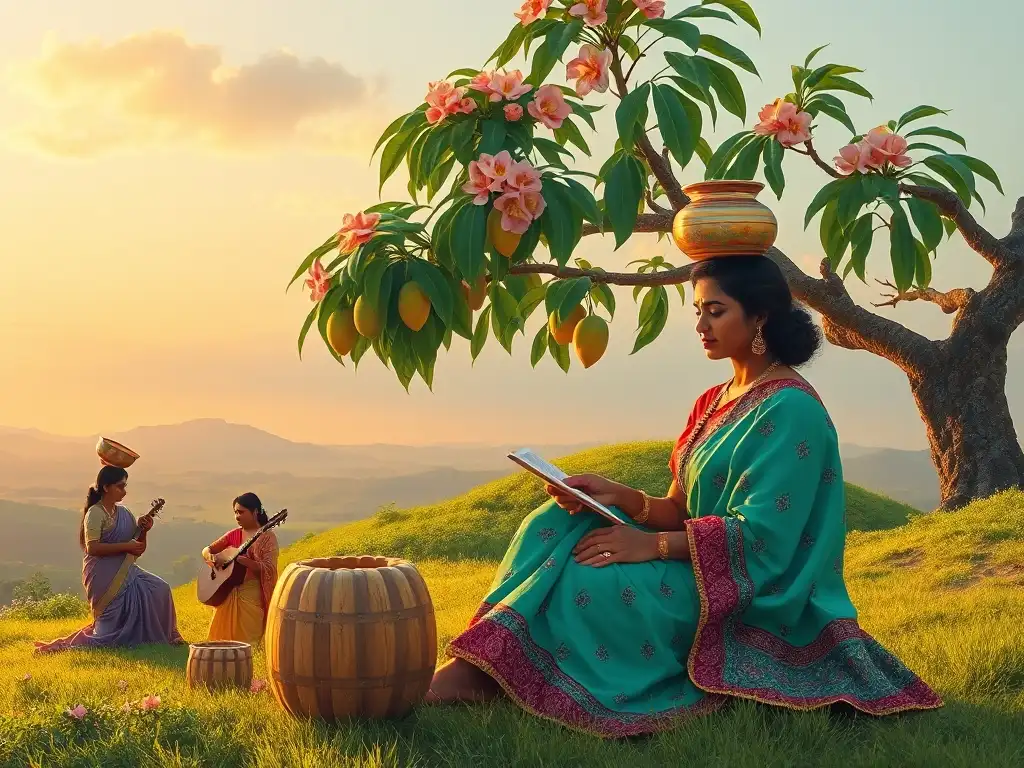
Sangam literature, a collection of Tamil poems composed between 300 BCE and 300 CE, offers a profound insight into the socio-cultural fabric of ancient Tamil Nadu. Women in Sangam literature are depicted with complexity and depth, often reflecting their multifaceted roles in society. The poems serve as a mirror to the lives of women, portraying them not merely as passive figures but as active participants in the social, emotional, and political spheres of their time.
Women are frequently depicted as embodiments of beauty, love, and virtue, but they also exhibit strength, wisdom, and resilience. This nuanced representation showcases the importance of women in the familial and societal structures of ancient Tamil culture. Furthermore, the personas of women in these poems vary widely, from devoted wives to independent warriors, highlighting the diverse experiences and contributions of women in Sangam society.
Roles and Characteristics of Female Figures
In Sangam literature, female figures assume a variety of roles that illustrate their integral presence in society. Prominent roles include:
- The Devoted Wife: Often idealized in poems, the devoted wife exemplifies loyalty and emotional strength. She embodies the values of love and fidelity, representing the societal expectation of women during this era.
- The Mother: The maternal figure is celebrated for her nurturing qualities and emotional depth. Poems often highlight the bond between mothers and their children, emphasizing the role of women in family and lineage.
- The Warrior and Leader: Some poems depict women as fierce warriors and leaders, challenging traditional gender norms. These representations demonstrate that women could also engage in the conflicts and responsibilities of their communities.
- The Wise Woman: Wisdom and intellect are attributes ascribed to several female characters, who offer counsel and guidance to male figures. This highlights the recognition of women's voices in matters of governance and decision-making.
Such diverse roles underline the complexity of women's identities in ancient Tamil society, as they navigated between domestic responsibilities and public life.
Themes Exploring Womanhood in Sangam Literature
Sangam literature delves into various themes that explore the essence of womanhood. Key themes include:
- Love and Longing: Many poems focus on romantic love and the anguish of separation, capturing the emotional landscape of human relationships. Women are portrayed as central figures in these narratives, expressing their desires and yearnings.
- Nature and Femininity: Nature often serves as a metaphor for femininity, with women likened to the beauty of flowers, rivers, and landscapes. This connection reinforces the idea of women as nurturers and life-givers.
- Social Status and Agency: The poems frequently reflect on women's social status, addressing issues of autonomy and agency. Women are depicted as having the capacity to influence their destinies, whether through marriage, choice, or engagement in society.
- Grief and Loss: Many verses express the themes of grief and loss, particularly in the context of love and separation. These emotional experiences are portrayed with sensitivity, reflecting the depth of women's experiences in Sangam society.
Overall, these themes contribute to a rich tapestry of narratives that reveal the complexities of women's lives and their roles within the cultural and social frameworks of ancient Tamil Nadu.
Notable Female Poets and Their Contributions
Sangam literature is not only notable for its portrayal of women but also for the contributions of female poets who left an indelible mark on Tamil literary tradition. Among these poets, several stand out for their unique voices and significant influence.
Avvaiyar: The Wise Woman of Tamil Nadu
Avvaiyar is perhaps the most celebrated female poet in Tamil literature, renowned for her wisdom and insight. She is often depicted as a figure of moral authority and philosophical depth, with her poems addressing themes of ethics, love, and the complexities of life.
Avvaiyar’s contributions include:
- Philosophical Insights: Her poetry often reflects profound philosophical thoughts, encouraging readers to reflect on their actions and the implications of their choices.
- Moral Lessons: Many of her works offer moral teachings, blending literature with lessons on virtue and ethics, making her an important figure in Tamil education and culture.
- Cultural Legacy: Avvaiyar's enduring legacy has made her a symbol of wisdom in Tamil Nadu, celebrated not just for her literary contributions but also for her role in shaping cultural values.
Her poems resonate with readers even today, illustrating the timelessness of her insights and the importance of female voices in literature.
Other Influential Women Poets in Sangam Literature
Beyond Avvaiyar, other women poets in Sangam literature also made significant contributions, enriching the literary landscape of ancient Tamil Nadu. Notable figures include:
- Kapilar's Wife: Though not a poet in her own right, she is referenced in works that highlight women's emotional strength and loyalty.
- Muthalikkar: Known for her poignant expressions of love and longing, her poetry often reflects the emotional intricacies of relationships.
- Kannagi: Although primarily known as a character in the epic "Silappatikaram," her story and representation in poetry illustrate the power and agency of women in ancient narratives.
These women, through their poetry and narratives, have contributed to a deeper understanding of the role of women in Sangam literature, showcasing their experiences, emotions, and influences on Tamil culture.
The exploration of women in Sangam literature reveals a rich tapestry of voices that speak to their complexities, roles, and enduring impact on society.
Thematic Analysis of Women in Sangam Literature
Sangam literature, a treasure trove of poetic expressions from ancient Tamil Nadu, presents a nuanced portrayal of women that transcends mere romanticization. The texts, dating back to between 300 BCE and 300 CE, reflect a society where women are depicted not only as muses but as individuals with agency, emotions, and intellect.
The themes explored in these poems reveal the multifaceted roles women played, shedding light on their experiences, aspirations, and challenges. This thematic analysis will delve into key motifs such as love and desire, strength and resilience, and spirituality, illustrating how these elements contribute to a rich understanding of women's roles in this literary tradition.
Love and Desire: Female Perspectives
In Sangam literature, love is a central theme that showcases the female perspective in matters of desire and romance. Unlike many contemporary literary works that often prioritize male voices, Sangam poetry provides insights into women's emotions and experiences in love. Women are portrayed as both passionate lovers and thoughtful individuals who navigate the complexities of relationships.
The poems often depict the longing and heartache of women waiting for their lovers, reflecting their emotional depth. For instance, the "Aham" poems focus on the intimate and personal aspects of love, revealing the inner thoughts of women as they express their desires and yearnings. This portrayal emphasizes women's autonomy in love, illustrating their ability to articulate their feelings and desires. Through vibrant metaphors and imagery, female poets convey the intensity of their emotions, marking a significant departure from traditional gender roles.
Strength and Resilience: Women in Adversity
Another prominent theme in Sangam literature is the strength and resilience of women, particularly in the face of adversity. Poets depict women enduring hardships, whether due to separation from their lovers, societal challenges, or personal loss. These narratives often highlight women's inner strength and their capacity to cope with difficult situations.
For example, many poems portray women as caretakers of their families, showcasing their resilience in maintaining social bonds and cultural practices despite challenges. The depiction of women in battle or as warriors in some texts further emphasizes their strength, challenging the notion of women as passive figures in society. These representations contribute to a broader understanding of gender roles in ancient Tamil society, illustrating that women were active participants in both the private and public spheres.
Spirituality and Devotion in Women’s Poetry
Spirituality and devotion also play a crucial role in the representation of women within Sangam literature. Many poems reflect women's deep connection to spirituality, showcasing their roles as devoted figures within the religious framework of the time. The portrayal of women as spiritual guides or as embodying divine qualities highlights their importance in the cultural and religious landscape of ancient Tamil Nadu.
For instance, female poets often invoke deities or express their devotion through lyrical expressions of faith. The intertwining of love and spirituality in these poems illustrates how women's experiences of devotion are deeply personal yet universally relatable. This thematic exploration reinforces the idea that women's voices in Sangam literature extend beyond romantic narratives, encompassing spiritual dimensions that enrich the overall literary tradition.
Comparative Analysis: Women in Sangam Literature vs. Other Ancient Texts
When comparing the portrayal of women in Sangam literature with other ancient texts, several similarities and distinct features emerge. This comparative analysis highlights the unique aspects of women’s roles in Sangam poetry while also acknowledging shared themes across various literary traditions.
Similarities with Other Indian Literary Traditions
Sangam literature shares common themes with other ancient Indian literary traditions, particularly in the portrayal of love and devotion. Similar to the epics like the Mahabharata and Ramayana, women in Sangam poetry are often depicted as central figures in the narrative of love, showcasing their emotions and relationships. The concept of "shringara" or romantic love resonates across these texts, illustrating a shared cultural understanding of women's experiences in love.
Additionally, the theme of women facing societal challenges and demonstrating resilience is also evident in other ancient texts. For instance, characters like Draupadi in the Mahabharata embody strength and agency in adversity, paralleling the depictions found in Sangam literature. This intertextual connection enriches the broader discourse on gender roles within ancient Indian literature.
Distinct Features of Women’s Roles in Sangam Poetry
Despite the similarities, Sangam literature presents distinct features that set it apart from other ancient texts. The emphasis on the female perspective in matters of love and desire is particularly pronounced in Sangam poetry. The poems often prioritize women's voices, allowing for a level of emotional expression that is less commonly found in other literary traditions, where male perspectives often dominate.
Moreover, the portrayal of women as both nurturers and warriors in Sangam literature highlights their multifaceted roles, reflecting a society that recognized women's contributions beyond traditional boundaries. The integration of spirituality into women's poetry also distinguishes Sangam literature, as it provides a unique lens through which to understand women's experiences of faith and devotion.
The examination of women's roles in Sangam literature reveals a rich tapestry of themes and narratives that celebrate their voices, resilience, and complexity. By exploring these elements, we gain valuable insights into the cultural fabric of ancient Tamil Nadu and the significant contributions of women to this literary tradition.
Legacy of Women in Sangam Literature
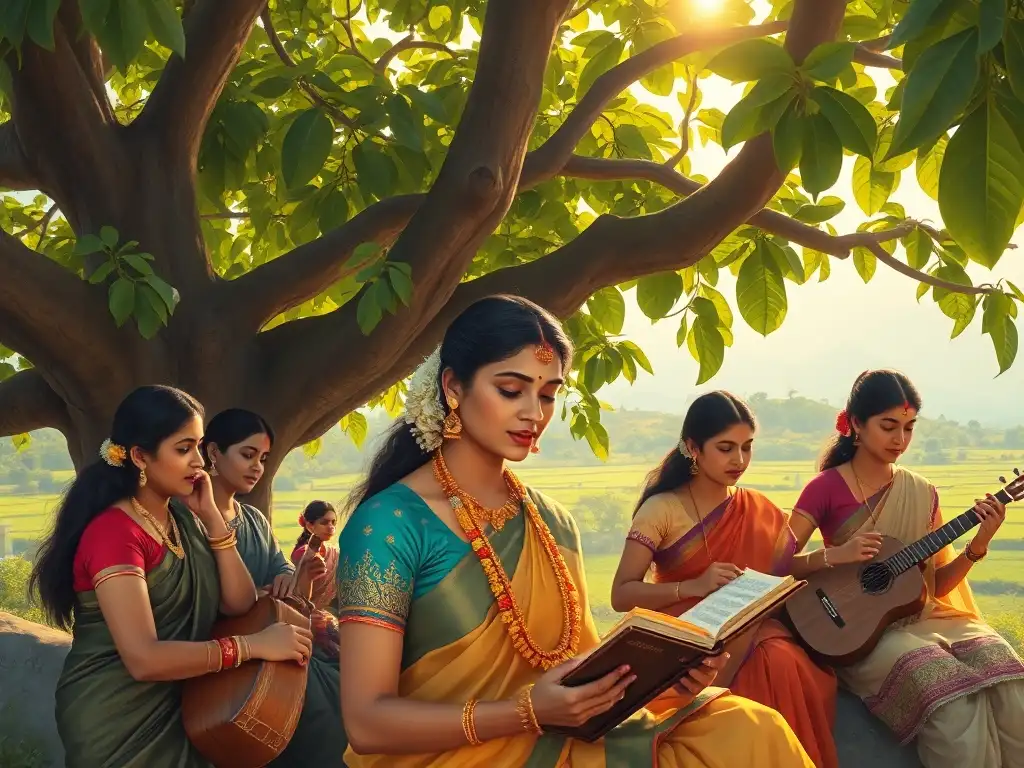
The legacy of women in Sangam literature is profound and multifaceted, showcasing their integral role in shaping the cultural and literary landscape of ancient Tamil Nadu. Composed between approximately 300 BCE and 300 CE, this body of work reflects not only the social fabric of the time but also the voices, aspirations, and experiences of women. Through poetic expressions, women emerge as both subjects and creators, contributing significantly to the themes of love, valor, and ethical dilemmas that permeate Sangam texts.
Women such as Kannagi, the legendary heroine of the Tamil epic "Silappatikaram," symbolize the strength and resilience of women in society. Their portrayals challenge the prevailing patriarchal norms, illustrating women as influencers in their communities. The verses often depict women as knowledgeable, wise, and pivotal in familial and social structures, thus laying the groundwork for future literary representations of women in Tamil literature.
Impact on Tamil Culture and Identity
The representation of women in Sangam literature has had a lasting impact on Tamil culture and identity. Women are celebrated not just as romantic figures but as embodiments of moral values and societal ideals. Their depictions in Sangam poetry contribute to the collective identity of the Tamil people, fostering a sense of pride in their heritage.
The poems often reflect various aspects of women's lives, including their roles as mothers, lovers, and warriors. This nuanced portrayal has influenced the cultural narratives surrounding femininity in Tamil society, challenging stereotypes and elevating the perception of women. The ideals of love (inbam) and valor (veerar) depicted in these texts resonate with contemporary discussions on gender roles, showcasing how historical representations continue to shape modern Tamil identities.
Influence on Later Tamil Literature and Feminine Discourse
The legacy of women in Sangam literature extends into later Tamil literature, where their influence is palpable in the themes and narratives that emerge. Subsequent literary works often draw upon the archetypes established during the Sangam period, reinforcing the importance of women's voices in storytelling. The celebration of feminine strength and intellect can be seen in works from the medieval period to modern Tamil literature, where female characters often reflect the complexities and struggles faced by women over the centuries.
Moreover, the poetic forms and styles developed during the Sangam era have inspired feminist discourse, prompting scholars to reassess gender dynamics in Tamil literature. This continuous dialogue encourages a reevaluation of women's contributions, not just as subjects but as pivotal figures in the evolution of Tamil literature itself, thus fostering a richer understanding of gender representation in the literary canon.
Conclusion: The Enduring Voices of Women in Sangam Literature
The voices of women in Sangam literature continue to resonate, offering invaluable insights into the lived experiences and societal roles of women in ancient Tamil Nadu. Their contributions are not merely historical; they serve as a testament to women's resilience and agency, influencing both literary traditions and cultural identities.
Summary of Key Insights
The exploration of women in Sangam literature reveals a vibrant tapestry of voices that speak to the complexities of gender in ancient society. The legacy established by these women has left an indelible mark on Tamil culture, influencing subsequent generations of writers and thinkers. Their stories, filled with emotion, strength, and moral integrity, continue to inspire and challenge the perceptions of women's roles in literature and society.
Reflections on the Importance of Women’s Representation in Literature
Reflecting on the importance of women’s representation in literature, it becomes evident that such portrayals are crucial for fostering understanding and empathy. The Sangam poets’ ability to articulate the inner lives of women not only enriches Tamil literature but also provides a framework for contemporary discussions on gender equity and representation. The enduring legacy of women in Sangam literature underscores the necessity of including diverse voices in the literary canon, promoting a more inclusive understanding of history and culture.
- Introduction to Women in Sangam Literature
- Overview of Sangam Literature
- Importance of Women’s Voices in Ancient Tamil Nadu
- Historical Context of Women in Sangam Era
- Representation of Women in Sangam Poetry
- Notable Female Poets and Their Contributions
- Thematic Analysis of Women in Sangam Literature
- Comparative Analysis: Women in Sangam Literature vs. Other Ancient Texts
- Legacy of Women in Sangam Literature
- Impact on Tamil Culture and Identity
- Influence on Later Tamil Literature and Feminine Discourse
- Conclusion: The Enduring Voices of Women in Sangam Literature
Frequently Asked Questions
What is Sangam Literature?
Sangam Literature is a collection of ancient Tamil texts composed during the Sangam period (approximately 300 BCE to 300 CE), showcasing the rich cultural and literary heritage of Tamil Nadu.
How are women portrayed in Sangam Literature?
Women in Sangam Literature are depicted as strong, influential figures, showcasing their roles in society, love, and family, emphasizing their agency and emotional depth.
The texts explore themes such as love, sacrifice, courage, and social status of women, reflecting their multifaceted roles in ancient Tamil society.
Why is the study of women in Sangam Literature important?
Studying women in Sangam Literature is vital for understanding the social dynamics and cultural values of ancient Tamil Nadu, highlighting their contributions and significance in history.
How does Sangam Literature contribute to our understanding of ancient Indian society?
Sangam Literature provides valuable insights into the lifestyles, beliefs, and social structures of ancient Indian society, particularly in Tamil Nadu, revealing the complexity of gender roles and relationships.
Final Reflection: Celebrating the Voices of Women in Sangam Literature
The exploration of women's roles in Sangam literature is not just a historical inquiry; it is a powerful reminder of the resilience and agency that women have exhibited throughout time. In an era where their voices were often marginalized, the literature from ancient Tamil Nadu showcases their profound influence on culture, society, and art. This relevance resonates today as we continue to strive for gender equality and recognition of women's contributions across all fields.
The impact of Sangam literature on our understanding of women's roles is profound and enduring. The poems and narratives reveal the complexities of women's experiences, their emotional depth, and their societal contributions, which continue to inspire contemporary discussions about gender and identity. As we reflect on these ancient texts, we recognize that the struggles and triumphs of women in Sangam literature echo in today's ongoing fight for women's rights. The past is not dead; it is not even past.
— William Faulkner. This quote encapsulates the idea that the voices of women from ancient Tamil Nadu still resonate, urging us to acknowledge and celebrate their legacy.
As we conclude our exploration of women in Sangam literature, I invite you to reflect on the lessons these ancient voices impart. Consider how you can amplify the voices of women in your own life, whether through advocacy, storytelling, or simply by listening. Let us honor the strength and resilience of women throughout history by ensuring their stories are told and celebrated in our modern narratives. Together, we can continue to uplift and empower women, drawing inspiration from the rich tapestry of their contributions in the past.
Unleash the Voices: Dive Deeper into Sangam Literature!
Thank you for exploring the fascinating roles women played in Sangam Literature with us! Your engagement with this rich history not only enhances your understanding but also connects you with the incredible narratives from ancient Tamil Nadu. Now, let's take that interest a step further!
Here are some actionable steps you can take today:
- Join a local or online book club dedicated to Tamil Literature to discuss insights and share interpretations.
- Explore translations of Sangam poems to uncover personal connections with ancient themes and stories.
- Share this article with friends and family to spark a conversation about the cultural significance of women in literature!
Which aspect of women's voices in Sangam Literature resonates with you the most, and how can you integrate these insights into your life or community?