
Feminine Symbols in Ancient Indian Architecture and Sculpture

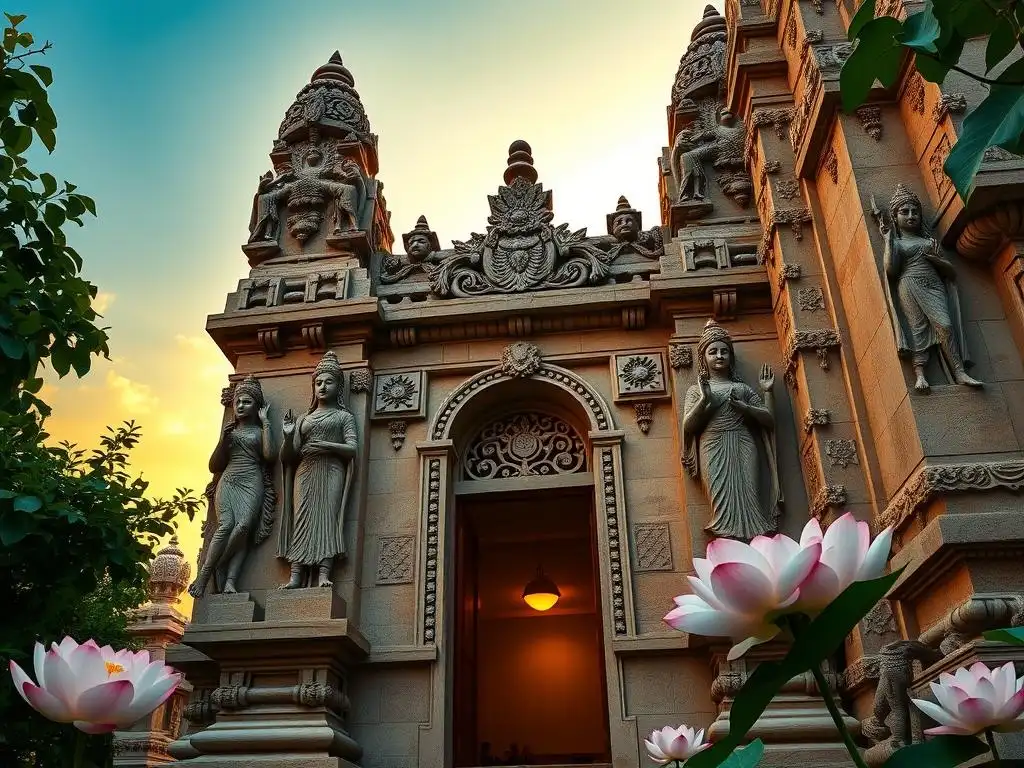
Welcome to Ancient India History, where we embark on a fascinating journey through the rich tapestry of India's past! Here, we delve deep into the incredible contributions of ancient Indian civilizations, exploring their culture, achievements, and untold stories.
In our featured article, we unravel the significance of feminine symbols in Indian architecture, revealing how these representations not only celebrate the divine feminine but also highlight the pivotal roles women played in shaping our architectural heritage. Prepare to be captivated as we uncover the layers of meaning embedded in these ancient structures and sculptures, inviting you to explore further the profound connections between gender and artistry in India's illustrious history.
- Introduction to Feminine Symbols in Indian Architecture
- Historical Background of Feminine Symbols in Indian Architecture
- Types of Feminine Symbols in Indian Architecture
- Significance of Feminine Symbols in Ancient Indian Society
- Regional Variations of Feminine Symbols in Indian Architecture
- Case Studies of Prominent Structures Featuring Feminine Symbols
- Conclusion: The Legacy of Feminine Symbols in Indian Architecture
- References and Further Reading on Feminine Symbols in Indian Architecture
- Frequently Asked Questions
- Final Reflection: The Enduring Legacy of Feminine Symbols in Indian Architecture
- Unveil the Power of Feminine Symbols in Your World!
Introduction to Feminine Symbols in Indian Architecture
Feminine symbols in Indian architecture and sculpture serve as profound representations of the societal values, religious beliefs, and cultural narratives of ancient civilizations. From the majestic temples of the Indus Valley to the intricate carvings of the Gupta Empire, these symbols not only celebrate the feminine divine but also reflect the integral roles women played in society.
This article delves into the significance of these symbols, exploring their multifaceted meanings and the contexts in which they were created. By examining the historical evolution and the cultural importance of feminine motifs, we gain insights into how ancient Indian societies perceived femininity and women's contributions, ultimately enriching our understanding of their complex socio-cultural tapestry.
Overview of Feminine Symbols in Ancient Indian Context
Feminine symbols in ancient Indian architecture encompass a broad spectrum of representations, including goddesses, female figures, and motifs that symbolize fertility, beauty, and strength. Notable examples include:
- Goddesses: Deities like Durga, Lakshmi, and Saraswati are often depicted in temples, embodying not just religious significance but also the virtues associated with womanhood.
- Dancing Figures: Carvings of celestial nymphs (Apsaras) engaging in dance illustrate the celebration of feminine grace and beauty, indicating the cultural appreciation of women's roles in art and spirituality.
- Fertility Symbols: Elements such as the Yoni, often paired with the Lingam, represent fertility and the creative power of women, highlighting their essential role in the cycles of life and nature.
These symbols are deeply interwoven with the spiritual and social narratives of the time, revealing how ancient Indian cultures revered and understood femininity.
Importance of Feminine Symbols in Cultural Representation
The presence of feminine symbols in ancient Indian architecture and sculpture is crucial for several reasons:
- Cultural Identity: These symbols are vital in understanding the cultural identity of ancient Indian societies, showcasing how femininity was celebrated and integrated into daily life and spirituality.
- Gender Roles: They provide insights into the roles women played within these societies, suggesting a nuanced understanding of gender dynamics that may differ from contemporary perceptions.
- Artistic Expression: The depiction of feminine forms reflects the artistic achievements of ancient craftsmen, revealing the sophistication and creativity of their techniques and styles.
- Spiritual Significance: Many feminine symbols embody spiritual concepts, bridging the material and divine realms, thus serving as a reminder of the sacred nature of femininity in these ancient cultures.
The exploration of feminine symbols in Indian architecture not only enriches our understanding of historical art forms but also highlights the vital contributions of women to the cultural and spiritual landscapes of their time. By appreciating these symbols, we can better grasp the legacy of femininity in ancient Indian history.
Historical Background of Feminine Symbols in Indian Architecture
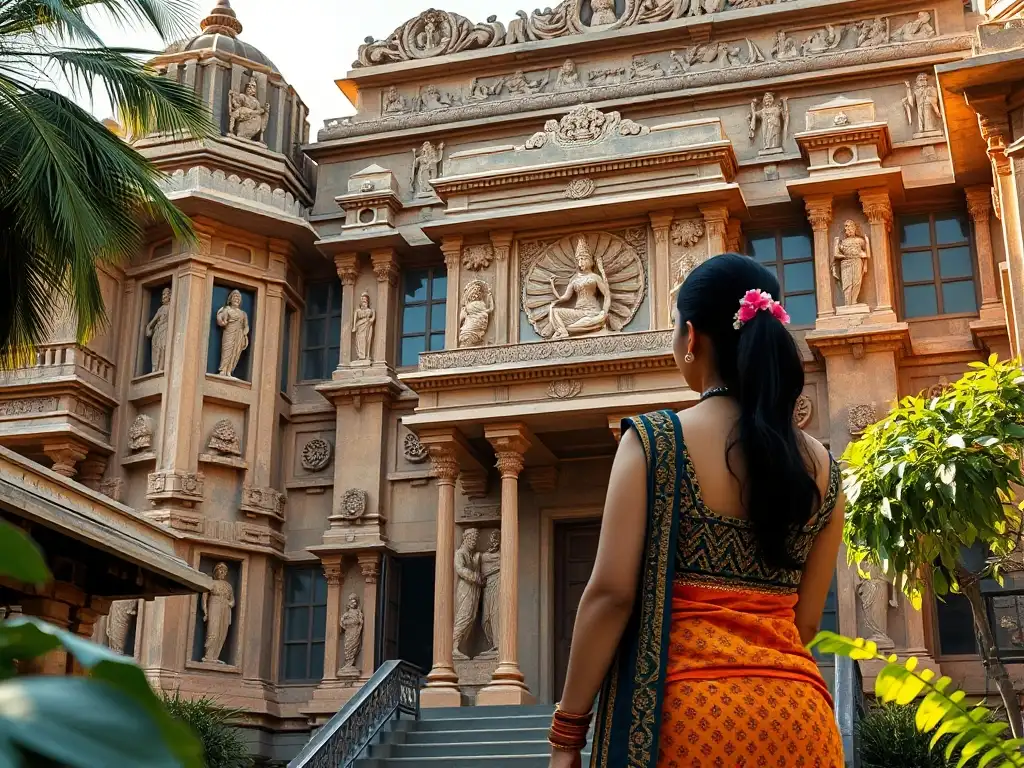
Feminine symbols in Indian architecture have a profound historical context that reflects the socio-cultural dynamics of ancient Indian civilizations. From the earliest structures of the Indus Valley Civilization to the intricate carvings of later periods, these symbols serve as a testament to the reverence for femininity and the roles women played in society.
The presence of feminine symbols often intertwines with religious beliefs, fertility, and the nurturing aspects associated with women. For instance, many ancient temples feature carvings of goddesses, which not only represent divine femininity but also embody the qualities associated with motherhood, protection, and prosperity. The iconography found in these structures often reflects the importance of women in both the domestic sphere and the spiritual realm.
Evolution of Architectural Styles in Ancient India
The evolution of architectural styles in ancient India is pivotal in understanding how feminine symbols were integrated into various structures. This evolution can be traced through several key architectural phases:
- Indus Valley Civilization (c. 3300–1300 BCE)
- The earliest evidence of feminine symbols can be traced back to the seals and terracotta figurines found in sites like Mohenjo-Daro and Harappa.
- Figurines, often depicting women in elaborate hairstyles and jewelry, suggest a veneration for femininity and fertility.
- Maurya Period (c. 322–185 BCE)
- During this period, the use of stone in architecture evolved, with significant influences from Persian architecture.
- The famous Ashoka Pillars feature motifs that embody feminine grace, symbolizing the nurturing aspect of leadership.
- Gupta Period (c. 320–550 CE)
- Known as the Golden Age of India, this era saw a flourishing of temple architecture, with intricate sculptures of deities, including female figures like Durga and Lakshmi.
- The depiction of feminine forms in dance poses and divine representations highlights the cultural appreciation for women as embodiments of power and grace.
- Medieval Period (c. 600–1200 CE)
- Temples such as those in Khajuraho and Hampi exhibit elaborate carvings of celestial maidens (apsaras) and various goddesses.
- These representations serve as both decorative elements and as embodiments of spiritual and earthly ideals associated with femininity.
Key Periods Influencing Feminine Symbolism in Sculpture
Several key periods significantly influenced the portrayal of feminine symbols in sculpture across ancient India:
- Early Religious Art (c. 3rd century BCE)
- Buddhist and Hindu art began to emerge, with significant representations of female figures in stupas and temples.
- The female form was often depicted in relation to male deities, highlighting both complementarity and the sacred nature of femininity.
- The Gupta Empire (c. 4th to 6th centuries CE)
- This period marked a peak in the artistic representation of feminine symbols, with sculptures showcasing intricate details and vibrant expressions.
- Sculptures of female deities became more prominent, emphasizing their divine qualities and the roles they played in mythology.
- Chola Dynasty (c. 9th to 13th centuries CE)
- The Chola period is noted for its exquisite bronze sculptures, particularly of dancing figures, which celebrated the grace and beauty of women.
- The representation of goddesses in dynamic poses reflects the artistic evolution and the societal reverence for feminine strength.
- Medieval and Later Periods (c. 13th century onwards)
- The introduction of Islamic influences led to a fusion of styles, seen in structures like the Taj Mahal, where feminine symbols were integrated into the architectural narrative.
- This era continued to embrace feminine motifs, representing both the spiritual and the earthly realms.
The rich tapestry of feminine symbols in Indian architecture and sculpture serves as a mirror to the evolving roles of women in society, showcasing their multifaceted contributions and the deep cultural reverence for femininity throughout ancient Indian history.
Types of Feminine Symbols in Indian Architecture
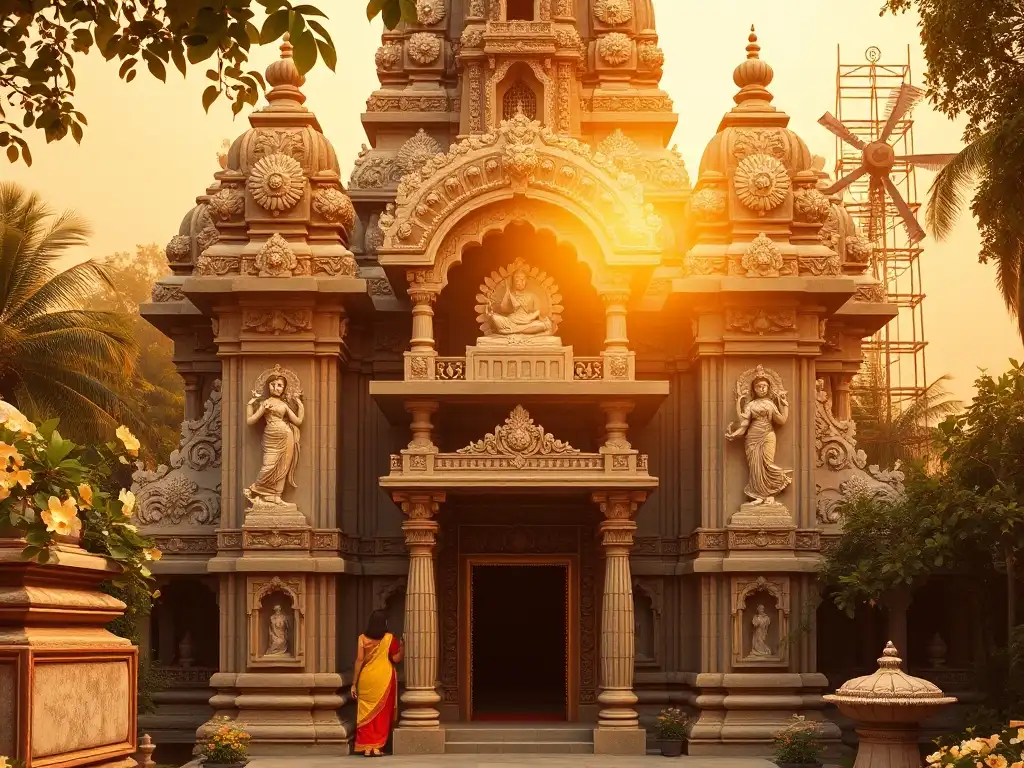
Feminine symbols in Indian architecture serve as a testament to the reverence for women and the feminine divine in ancient Indian society. These symbols manifest across various architectural styles and periods, revealing insights into societal values, religious beliefs, and cultural practices. Below are three primary categories of feminine symbols found in Indian architecture: Goddess representations in temples, female figures in sculpture and reliefs, and the symbolic use of natural elements.
Goddess Representations in Temples
Goddess representations are a prominent feature in the architecture of ancient Indian temples, where they embody the divine feminine. Temples dedicated to goddesses like Durga, Lakshmi, and Saraswati typically feature intricate carvings of these deities, reflecting their multifaceted nature and attributes.
- Durga: Often depicted in her fierce form as a warrior goddess, Durga is shown riding a tiger or lion, symbolizing strength and protection. The presence of her images in temples signifies the victory of good over evil.
- Lakshmi: Representing wealth and prosperity, Lakshmi is commonly depicted in a seated position, often surrounded by lotus flowers, which symbolize purity and spiritual enlightenment.
- Saraswati: As the goddess of knowledge and arts, Saraswati is frequently shown playing the veena, embodying the pursuit of wisdom and creativity.
These representations are not merely decorative; they are integral to the worship practices and rituals conducted in temples, reflecting the socio-religious significance of femininity in ancient Indian culture.
Female Figures in Sculpture and Reliefs
Female figures in sculpture and reliefs illustrate the roles of women beyond the divine, showcasing their importance in daily life and society. These sculptures can be found in various forms, from freestanding statues to intricate reliefs on temple walls.
- Nymphs (Apsaras): Apsaras are celestial nymphs often depicted in graceful poses, celebrating beauty, dance, and artistic expression. Their representation highlights the cultural significance of art and aesthetics in ancient Indian society.
- Matrikas: These mother goddesses, representing various aspects of femininity, are typically portrayed together, symbolizing the nurturing and protective qualities attributed to women. They often embody the earth's fertility and motherhood.
- Women in Daily Life: Sculptures depicting women engaged in everyday activities, such as farming, weaving, or playing musical instruments, provide insight into the roles women played in ancient Indian society and their contributions to cultural heritage.
The presence of these female figures in art not only enriches the architectural narrative but also underlines the recognition of women's societal contributions.
Symbolic Use of Natural Elements
In addition to direct representations of women, ancient Indian architecture often incorporates natural elements that symbolize femininity. These elements serve as metaphors for femininity and the nurturing aspects of nature.
- Lotus Flowers: The lotus is a powerful symbol of purity and beauty, often associated with various goddesses. It represents spiritual awakening and the idea that, like the lotus, one can rise above challenges and bloom in adversity.
- Trees and Vines: Architectural motifs featuring trees and vines often symbolize fertility and growth, linking the feminine principle to nature’s life-giving properties. They remind worshippers of the nurturing aspect of the earth and its connection to motherhood.
- Water: Water features, such as ponds and fountains, are common in temple complexes, symbolizing the flow of life and abundance. Water is often linked to female deities and signifies purification and fertility.
These symbolic uses of natural elements enhance the spiritual ambiance of architectural spaces, reinforcing the connection between femininity, nature, and the divine in ancient Indian culture.
The exploration of feminine symbols in Indian architecture reveals a complex interplay between gender, spirituality, and societal values, highlighting the enduring legacy of women's roles in shaping the cultural landscape of ancient India.
Significance of Feminine Symbols in Ancient Indian Society

The significance of feminine symbols in ancient Indian society is multifaceted, reflecting the complex interplay between gender, spirituality, and social structure. These symbols were not merely decorative; they served as vital representations of women's roles, status, and contributions to the cultural fabric of the time.
Feminine symbols often embodied the divine, with goddesses like Durga, Lakshmi, and Saraswati frequently represented in architecture and sculpture. These representations highlighted the reverence for female deities and their integral role in religious practices. As custodians of sacred knowledge and spiritual power, women were seen as essential to maintaining the cosmic order, which is vividly illustrated in the art and architecture of ancient India.
Moreover, these symbols provided insights into the societal values of the time. They indicated a recognition of women's strength and resilience, as well as their influence in various spheres of life. The depiction of feminine forms in temples, sculptures, and paintings often conveyed messages of fertility, abundance, and protection, which were crucial for the well-being of the community.
Role of Women in Religion and Spirituality
The role of women in ancient Indian religion and spirituality is underscored by the prominence of feminine symbols in religious texts and iconography. Women were not only worshipped as goddesses but also actively participated in rituals and spiritual practices. This duality illustrates their vital presence in the religious landscape.
- Goddess Worship:
- Women were often associated with various forms of the Divine Feminine, such as Shakti, symbolizing strength and power.
- Temples dedicated to female deities, such as the Kamakhya Temple in Assam, illustrate the reverence for feminine power.
- Ritual Participation:
- Women played significant roles in various rituals, including marriage and fertility rites, emphasizing their importance in sustaining cultural traditions.
- The presence of female priests and spiritual leaders in certain communities highlights the acceptance of women as spiritual authorities.
- Symbolism in Art:
- Artistic representations, such as sculptures of female figures in yoga poses, signify their spiritual prowess and connection to the divine.
- The intricate carvings in temples often depict scenes of women engaged in spiritual practices, reinforcing their roles as spiritual guides.
Feminine symbols in ancient Indian architecture and sculpture also served as indicators of social status and power. The representation of women in various forms was not only a reflection of their societal roles but also a means of expressing one's social standing and influence.
- Royalty and Nobility:
- Depictions of women adorned in elaborate jewelry and garments often signified their noble status. For example, the sculptures at Khajuraho frequently showcase women in luxurious attire, indicating their elevated social position.
- Patronage:
- Temples and monuments commissioned by royal families often featured feminine symbols as a way to legitimize their power and divine right to rule. The presence of sculptures depicting queens and princesses reinforced their roles as powerful figures in society.
- Cultural Identity:
- Different regions of India expressed their unique cultural identities through feminine symbols in their architecture. For instance, the use of specific motifs in South Indian temples compared to those in North India illustrates the diversity of representations and their connection to social hierarchy.
Influence of Feminine Symbols on Daily Life and Rituals
Feminine symbols permeated daily life and rituals, influencing how communities engaged with both the sacred and the secular. These symbols were not limited to religious contexts; they shaped everyday practices and societal interactions.
- Fertility and Agriculture:
- Symbols of fertility, such as the Yoni and the depiction of pregnant women in art, emphasized the importance of women in agricultural societies. These symbols were believed to ensure bountiful harvests and were often invoked during planting and harvest festivals.
- Craftsmanship and Domestic Life:
- Women were central to various crafts, and their skills were often celebrated through feminine motifs in pottery, textiles, and household items. The intricate designs found in everyday objects reflected the cultural significance of women’s roles in crafting and maintaining domestic spaces.
- Ceremonial Practices:
- Feminine symbols featured prominently in rituals, from birth to marriage to death. For example, the use of symbols like the Mangalsutra (a sacred necklace) during marriage ceremonies underscores the cultural importance of female identity in familial and societal structures.
Feminine symbols in ancient Indian architecture and sculpture provide profound insights into the roles of women in society, their spiritual significance, and their influence on daily life. These symbols not only reflect the past but also contribute to our understanding of the enduring legacy of women in Indian culture.
Regional Variations of Feminine Symbols in Indian Architecture
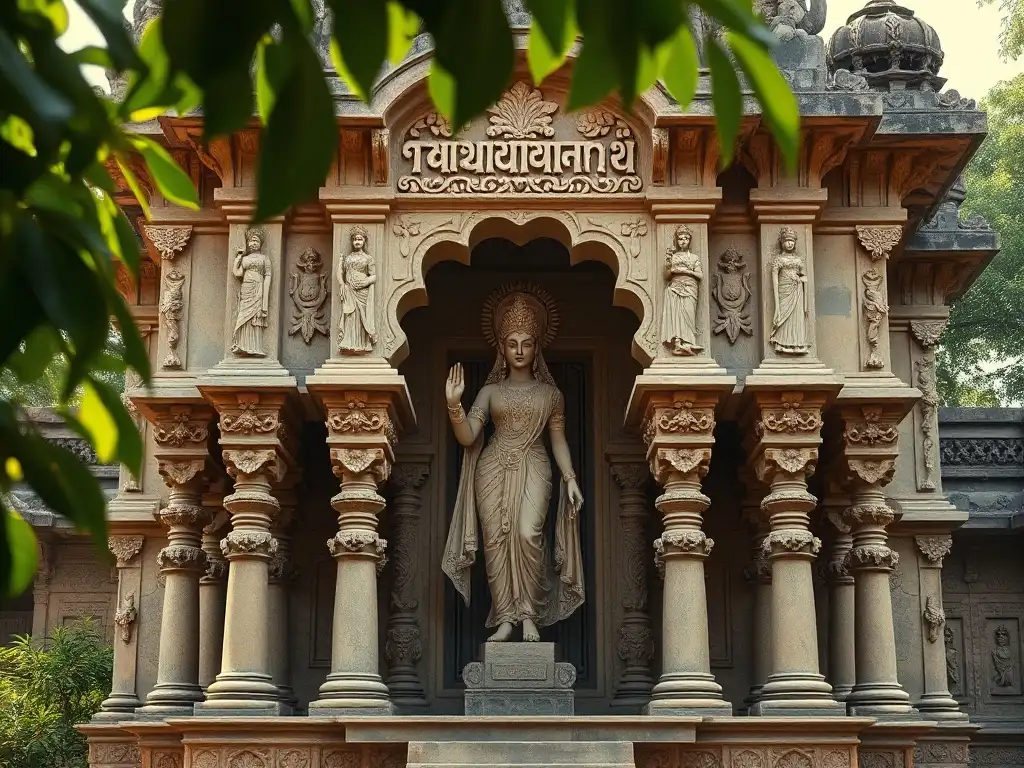
Indian architecture is a testament to the rich tapestry of cultural influences and regional variations that have shaped its history. Feminine symbols in Indian architecture serve as a reflection of the societal values, religious beliefs, and artistic expressions of the time. The representation of femininity varies significantly across different regions, each contributing its unique interpretation and significance.
Northern India: Temples and Sculptures
In Northern India, particularly in states like Rajasthan, Uttar Pradesh, and Madhya Pradesh, temples are adorned with intricate carvings that celebrate feminine forms.
- Kandariya Mahadeva Temple: This iconic temple in Khajuraho features numerous sculptures of women engaged in various activities, symbolizing fertility, love, and beauty. The Apsaras, or celestial nymphs, are prominently displayed, embodying grace and artistic finesse.
- Symbolism of Shakti: The worship of goddesses such as Durga and Kali is central to the spiritual life in Northern India. Temples dedicated to these deities often feature carvings that highlight their strength and nurturing qualities. The presence of Yoni and Lingam motifs signifies the divine feminine energy intertwined with creation.
Furthermore, the architectural style reflects a blend of Indo-Aryan influences, with ornate columns and detailed friezes that often depict women in various roles, from nurturing mothers to fierce warriors.
Southern India: Dravidian Influence on Feminine Symbolism
The architecture of Southern India is characterized by the Dravidian style, which showcases a distinct representation of feminine symbols.
- Brihadeeswarar Temple: Located in Thanjavur, this temple features exquisite carvings of Dancing Girls and Valkyries, symbolizing both grace and strength. The sculptures often depict women in dynamic poses, emphasizing movement and life.
- Goddess as Central Figure: In Southern Indian temples, the goddess is frequently the central figure, with her iconography reflecting local beliefs and practices. For instance, the goddess Meenakshi is depicted with fish-shaped eyes, symbolizing the connection to the water, fertility, and sustenance.
Moreover, the Gopurams (gateway towers) often display feminine motifs that highlight the nurturing aspects of goddesses, reinforcing their significance in the socio-religious fabric of the region.
Eastern India: Unique Interpretations in Architecture
Eastern India, particularly in West Bengal and Odisha, showcases unique interpretations of feminine symbols in its architectural endeavors.
- Konark Sun Temple: This UNESCO World Heritage Site is renowned for its intricate carvings of women, known as Mithunas, who are depicted in playful and intimate poses. These sculptures highlight the celebration of love and sensuality, reflecting the region's cultural ethos.
- Bengal's Terracotta Temples: In West Bengal, the terracotta temples often feature reliefs that depict women in domestic settings, illustrating their roles within the family and society. These representations serve as a narrative of women's contributions to cultural heritage and domestic life.
The feminine symbols in Eastern Indian architecture often emphasize the duality of strength and tenderness, showcasing women as both spiritual figures and integral community members.
Feminine symbols in Indian architecture are not merely decorative; they are rich with meanings and reflect the diverse roles women have played throughout history. Each region's unique interpretations contribute to a broader understanding of femininity in the ancient Indian context, celebrating women's strength, grace, and pivotal roles in society.
Case Studies of Prominent Structures Featuring Feminine Symbols

The Khajuraho Temples: Celebrating Feminine Divinity
The Khajuraho Temples, a UNESCO World Heritage Site located in Madhya Pradesh, India, are renowned for their stunning sculptures and intricate carvings that prominently feature feminine symbols. These temples, constructed between 950 and 1050 CE during the Chandela dynasty, reflect a unique blend of spirituality and sensuality, celebrating the divine feminine in various forms.
The sculptures depict not only deities but also women engaged in various activities such as dancing, playing musical instruments, and partaking in intimate moments. This portrayal signifies the societal reverence for womanhood and its integral role in the spiritual and cultural fabric of the time. The famous Kama Sutra motifs displayed in these temples highlight the celebration of love and desire, suggesting that feminine beauty and sensuality were embraced as essential facets of life.
In addition, the architectural layout of the temples themselves often aligns with the cosmic principles of Hindu philosophy, symbolizing the union of male and female energies. The recurring motifs of yoginis and goddesses throughout the temple complex reinforce the idea of feminine divinity, reflecting a society that honored and revered its women.
The Sun Temple at Konark: Symbolism and Architecture
The Sun Temple at Konark, built in the 13th century, is another remarkable example of feminine symbols in Indian architecture. Designed as a colossal chariot of the sun god Surya, this temple incorporates intricate carvings that showcase feminine forms and figures, emphasizing the role of women in the spiritual and natural worlds.
The temple's architecture is adorned with numerous sculptures of apsaras (celestial nymphs) and goddesses, illustrating the connection between divine femininity and the natural elements. These figures are often depicted in dynamic poses, dancing or playing musical instruments, which symbolize vitality and the celebration of life. The presence of feminine icons in the temple not only enhances its aesthetic appeal but also serves as a reminder of the importance of women in the spiritual hierarchy of ancient Indian society.
Moreover, the temple's layout and orientations are meticulously designed to capture sunlight at specific times, further linking the feminine symbols to the cycles of nature. This reflects a profound understanding of the interplay between the divine feminine and the natural world, reinforcing the idea that women were seen as integral to the harmony of life.
The Brihadeeswarar Temple: Women in Art and Architecture
The Brihadeeswarar Temple, located in Thanjavur, Tamil Nadu, is a monumental testament to the Chola dynasty's architectural prowess and artistic expression. Completed in the 11th century, this temple exhibits numerous feminine symbols, particularly through its intricate sculptures and reliefs.
One of the most striking aspects of the Brihadeeswarar Temple is the portrayal of female deities and shakti (divine feminine energy) in various forms. The temple features detailed carvings of goddesses such as Parvati and Durga, emphasizing their roles as powerful protectors and nurturers. This representation underscores the belief in feminine strength and the essential role of women in the spiritual landscape of the time.
Additionally, the temple's architecture is designed with a focus on symmetry and balance, often reflecting the duality of masculine and feminine principles. This architectural harmony suggests a deep appreciation for the interplay between genders, highlighting the cultural significance of women in both the domestic and public spheres.
The Brihadeeswarar Temple not only serves as a place of worship but also as a canvas that illustrates the reverence for femininity in ancient Indian culture. The incorporation of feminine symbols in its art and architecture signifies the enduring legacy of women's roles and contributions in society.
Conclusion: The Legacy of Feminine Symbols in Indian Architecture

The exploration of feminine symbols in Indian architecture not only unveils the aesthetic and spiritual dimensions of ancient structures but also highlights the profound cultural narratives surrounding women's roles in society. These symbols, intricately woven into the fabric of architectural designs and sculptures, serve as a testament to how ancient civilizations revered femininity as a source of strength, fertility, and divinity.
Through the lens of history, we can see that these feminine motifs were more than mere artistic expressions; they embodied societal values and beliefs, reflecting the importance of women in both domestic and public spheres. As we conclude this examination, it is essential to appreciate the legacy left by these symbols, which continue to inspire and inform modern interpretations of femininity.
Lasting Impact on Modern Interpretations of Feminine Roles
The influence of feminine symbols in Indian architecture has transcended time, leaving a lasting impact on contemporary understandings of gender roles. Modern interpretations often draw upon these ancient motifs to challenge existing stereotypes and celebrate the multifaceted nature of femininity. For instance, many contemporary artists and architects are revisiting traditional designs, integrating feminine symbols to create spaces that honor gender diversity and promote equality.
- Artistic Inspirations: Today, artists are inspired by ancient sculptures, infusing their works with motifs like the goddess Durga or the nurturing aspects of Mother Earth. This not only preserves historical significance but also redefines how women are represented in art.
- Architectural Practices: Modern architecture is increasingly acknowledging the importance of gender-sensitive designs. By incorporating feminine symbols, architects create environments that foster inclusivity and balance, echoing the values of ancient Indian civilization.
Continued Relevance of Feminine Symbols in Contemporary Society
Feminine symbols in Indian architecture remain relevant, acting as cultural touchstones that resonate with contemporary issues surrounding gender equality and women's empowerment. These symbols are not just relics of the past; they offer insights into the ongoing dialogue about women's roles and rights in society.
- Cultural Identity: In today's globalized world, feminine symbols serve as a means of cultural identity for many communities. They foster a sense of pride and continuity, reminding society of the strong historical foundations upon which modern values are built.
- Activism and Awareness: Feminine motifs often find their place in activism, symbolizing resistance against patriarchal structures. Movements advocating for women's rights utilize these symbols to connect historical struggles with current challenges, emphasizing the need for ongoing advocacy and change.
The legacy of feminine symbols in Indian architecture is profound and enduring. They not only reflect the past but also illuminate the path forward, encouraging a deeper understanding of femininity that is both rooted in history and relevant to contemporary society. As we continue to explore these themes, it is crucial to recognize and celebrate the contributions of women throughout history, ensuring their stories and symbols remain integral to our cultural narrative.
References and Further Reading on Feminine Symbols in Indian Architecture
Suggested Books and Articles
- "The Feminine Divine in Indian Art" by R. S. Sharma
- This comprehensive book delves into the representation of feminine symbols throughout various periods of Indian art and architecture. Sharma explores the spiritual and cultural significance of these symbols, providing insights from both historical and contemporary perspectives.
- "Sacred Spaces: The Female Element in Indian Architecture" by Aditi Rao
- Aditi Rao's work focuses on the architectural elements that embody feminine characteristics in ancient Indian structures. This book discusses temples, palaces, and public spaces, highlighting the role of women in the design and construction processes.
- "Goddesses in Indian Art" by John Smith
- Smith's exploration of goddess imagery in Indian sculpture provides a thorough analysis of the iconography associated with feminine symbols. This book is essential for understanding how these representations influenced architectural styles and cultural practices.
- "Women in Ancient India" by Kumud Sharma
- This article outlines women's roles in ancient Indian society, including their representation in architecture and sculpture. It offers a broader context for understanding the significance of feminine symbols in various cultural settings.
Online Resources and Documentaries
- The National Museum of India Virtual Tour
- This online resource offers a virtual tour of the National Museum of India, showcasing various sculptures and architectural elements that feature feminine symbols. Visitors can explore artifacts from different periods, providing an immersive experience of ancient Indian culture.
- Documentary: "Goddesses of India"
- This documentary explores the various representations of goddesses in Indian art and architecture. It features interviews with historians and art experts, shedding light on the significance of feminine symbols in ancient Indian society.
- Digital Archive of Indian Architecture
- A comprehensive online repository that includes images, descriptions, and analyses of significant architectural sites in India. This resource includes sections dedicated to feminine symbols and their relevance in historical contexts.
- "Feminine Symbols in Indian Sculpture" - YouTube Series
- This educational series discusses the role of feminine symbols in Indian sculpture, focusing on specific examples from ancient temples and monuments. The series features expert commentary and visual analyses that enhance understanding of the subject matter.
By exploring these resources, readers can gain a deeper understanding of the role of feminine symbols in Indian architecture, their cultural significance, and their contributions to the character of ancient Indian civilizations.
Frequently Asked Questions
What are feminine symbols in ancient Indian architecture?
Feminine symbols in ancient Indian architecture often represent goddesses, fertility, and prosperity. These symbols are intricately carved into temples and sculptures, reflecting the cultural significance of femininity in ancient society.
How did ancient Indian civilizations incorporate feminine symbols?
Ancient Indian civilizations, such as the Indus Valley and the Gupta Empire, incorporated feminine symbols in their architecture through sculptures, frescoes, and temple designs, showcasing the importance of women in religious and social contexts.
Are there specific examples of feminine symbols in temples?
Yes, many temples feature feminine symbols such as the Yoni, representing divine feminine energy, and sculptures of goddesses like Durga and Lakshmi, emphasizing their roles in protection and prosperity.
What materials were used to depict feminine symbols?
Ancient artisans utilized materials like stone, marble, and terracotta to create feminine symbols. The choice of materials often reflected the skill and artistic expression of the period, enhancing the spiritual significance of the symbols.
How do these symbols reflect the culture of ancient India?
Feminine symbols in architecture reflect the social values and religious beliefs of ancient India, indicating a reverence for femininity and the integral role of women in family and society, shaping the cultural landscape of the time.
Final Reflection: The Enduring Legacy of Feminine Symbols in Indian Architecture
The exploration of feminine symbols in Indian architecture reveals a profound connection between art, culture, and identity that remains relevant today. As we navigate a world increasingly focused on gender equality and representation, the significance of these symbols transcends their historical context, reminding us of the power of femininity in shaping societal values and beliefs. The intricate carvings and architectural designs that celebrate the feminine spirit not only reflect the past but also challenge contemporary narratives around gender.
The influence of feminine symbols in Indian architecture is a testament to the rich tapestry of cultural heritage that continues to inspire and provoke thought. These symbols serve as a bridge between ancient wisdom and modern sensibilities, encouraging us to rethink our understanding of femininity. As Mahatma Gandhi once said, "> A nation's greatness is measured by how it treats its weakest members." This quote resonates deeply in the context of feminine representation, urging us to honor and uplift the feminine voice in all aspects of life, including art and architecture.
As we reflect on the lessons drawn from the feminine symbols in Indian architecture, I invite you to consider how these themes resonate in your own life. How can you embrace and celebrate the feminine aspects within your community and personal experiences? Let the legacy of these symbols inspire you to advocate for balance and inclusivity, fostering a world where the feminine spirit is not only acknowledged but celebrated in every facet of society. Together, we can ensure that the echoes of the past continue to shape a more equitable future.
Unveil the Power of Feminine Symbols in Your World!
Thank you for joining us on this journey through the enchanting feminine symbols found in ancient Indian architecture and sculpture. You've explored how these powerful representations shape our understanding of culture and spirituality. Now, let’s take the next step together!
- Dive deeper into the significance of these symbols by visiting local museums or online galleries that showcase ancient Indian art.
- Share your newfound knowledge with friends and family— initiate a conversation about the impact of feminine symbolism across various cultures.
- Consider creating your own artwork inspired by these themes, and share it on social media using a unique hashtag!
As we continue to explore the influence of ancient cultures in today’s world, which feminine symbol resonates with you the most, and how do you see it reflected in modern society?