
The Role of Ancient Indian Merchants in Bridging Cultures

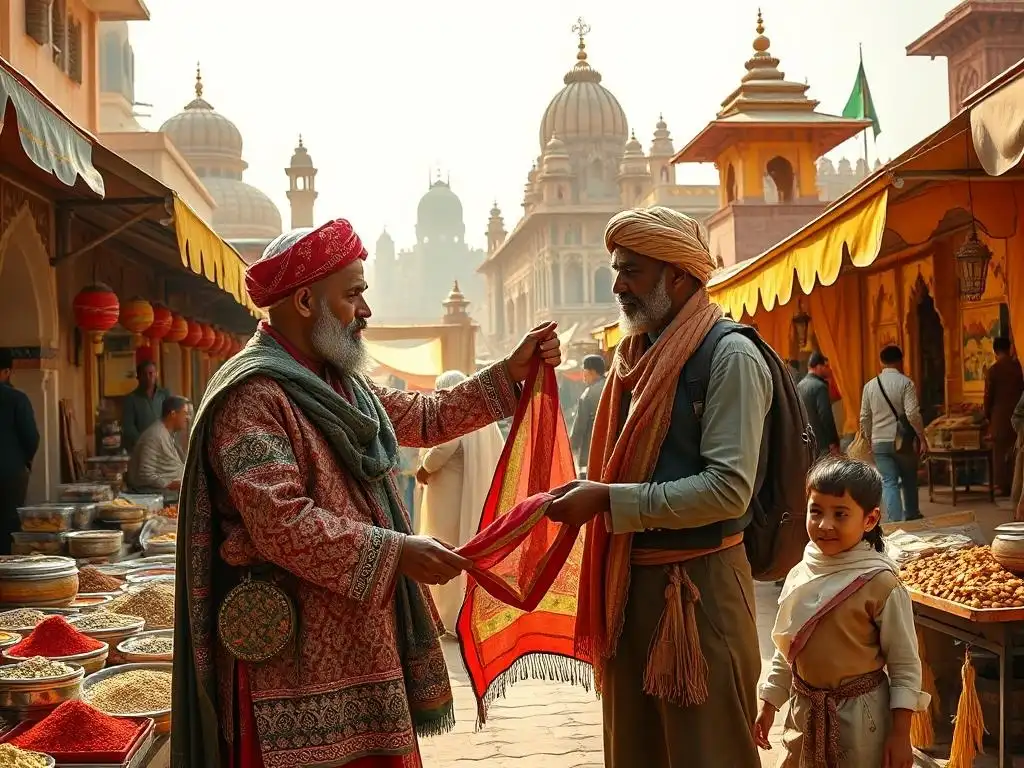
Welcome to Ancient India History, where we embark on a fascinating journey through time to uncover the rich tapestry of ancient Indian civilizations. In our featured article, "The Role of Ancient Indian Merchants in Bridging Cultures," we delve into the captivating world of cultural exchange and the pivotal role that merchants played in connecting diverse societies.
Discover how these enterprising individuals not only facilitated trade but also fostered a vibrant interchange of ideas, art, and beliefs that shaped the ancient world. Join us as we explore the legacy of these remarkable merchants and the profound impact they had on our shared human heritage.
Introduction to Ancient Indian Merchants
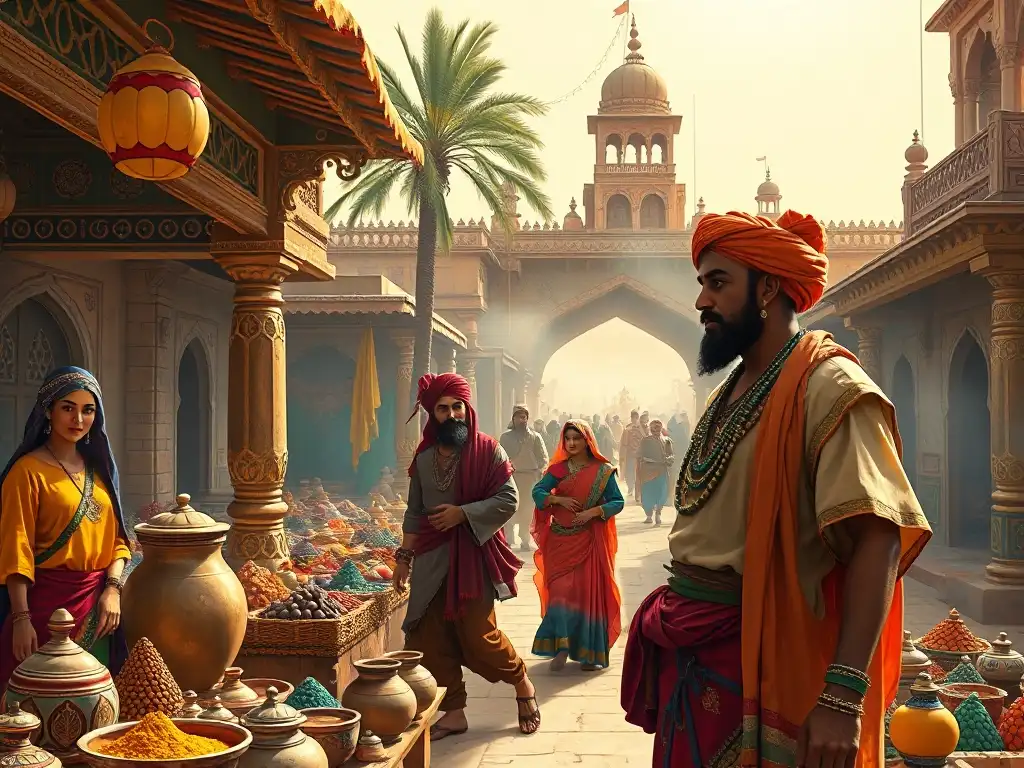
The history of ancient Indian merchants is a fascinating narrative that highlights their pivotal role in fostering cultural exchange between various civilizations. From the bustling marketplaces of the Indus Valley civilization to the expansive trade routes established during the Gupta Empire, these merchants were not merely traders of goods; they were crucial players in the intricate web of interactions that shaped ancient societies.
Through their ventures, they facilitated the exchange of not just commodities, but also ideas, art, and cultural practices, thereby enriching the tapestry of human civilization. Understanding the contributions of ancient Indian merchants allows us to appreciate their influence on the world stage, particularly in the context of ancient Indian merchants cultural exchange.
Overview of Ancient Indian Trade Practices
Ancient Indian trade practices were characterized by a sophisticated understanding of commerce and a diverse array of goods. Merchants engaged in both local and long-distance trade, dealing in a variety of products such as spices, textiles, precious stones, and metals. The Indus Valley civilization, which thrived around 2500 BCE, is one of the earliest examples of organized trading, with evidence of trade links established with Mesopotamia.
Key features of ancient Indian trade practices included:
- Barter System: Initially, trade was conducted through barter, with merchants exchanging goods directly.
- Use of Coins: The introduction of metal coins around 600 BCE revolutionized trade, facilitating easier transactions.
- Trade Routes: Merchants utilized both land and maritime routes, connecting India with regions such as Central Asia, the Middle East, and Southeast Asia.
The evolution of these practices laid the groundwork for a thriving economy that would influence neighboring civilizations significantly.
Significance of Merchants in Cultural Exchange
The role of merchants extended beyond economic transactions; they were instrumental in the cultural exchange that occurred between ancient India and its neighbors. As they traveled and traded, merchants carried with them not only goods but also ideas, beliefs, and cultural practices.
- Cultural Diffusion: Through their interactions, merchants facilitated the spread of religions such as Buddhism and Hinduism, influencing societies across Asia.
- Art and Architecture: The exchange of artistic styles and architectural techniques can be traced back to the interactions fostered by trade.
- Language and Literature: Merchants played a vital role in the exchange of languages, leading to the proliferation of various scripts and literary traditions.
The significance of these exchanges underscores the merchants' role as cultural ambassadors, bridging gaps between diverse civilizations.
Historical Context of Ancient Indian Merchants
The historical context of ancient Indian merchants reveals a complex network of trade that evolved over centuries, responding to changing socio-political landscapes and technological advancements.
Timeline of Trade Development in Ancient India
- Indus Valley Civilization (c. 2500-1900 BCE): Early evidence of trade with Mesopotamia; use of seals for trade documentation.
- Vedic Period (c. 1500-500 BCE): The emergence of new trade routes and the establishment of guilds.
- Mauryan Empire (c. 322-185 BCE): Expansion of trade networks, including overland routes to the Mediterranean.
- Gupta Empire (c. 320-550 CE): Peak of trade and cultural exchange, with merchants traveling as far as China and Southeast Asia.
This timeline illustrates the dynamic nature of trade and the evolving role of merchants throughout ancient Indian history.
Key Civilizations and Their Trade Networks
Ancient Indian merchants interacted with several key civilizations, forming extensive trade networks that facilitated cultural exchanges:
| Civilization | Key Trade Goods | Trade Routes |
|---|---|---|
| Indus Valley | Cotton textiles, beads | Trade with Mesopotamia via the Arabian Sea |
| Persian Empire | Spices, jewels | Overland routes through Central Asia |
| Roman Empire | Silk, ivory | Maritime routes connecting India and Rome |
| Southeast Asian Kingdoms | Spices, aromatic woods | Sea routes linking India to the Malay Archipelago |
Through these interactions, ancient Indian merchants not only contributed to their economy but also played a crucial role in the cultural exchange that shaped the history of the region and beyond.
Major Trade Routes and Their Impact on Cultural Exchange
Ancient Indian merchants played a pivotal role in facilitating cultural exchange through various trade routes that connected India with neighboring civilizations. The intricate network of land and maritime routes enabled not just the movement of goods, but also the exchange of ideas, philosophies, and cultural practices. The major trade routes, particularly the Silk Road and maritime routes, served as conduits for interactions between diverse cultures, leading to a rich tapestry of shared traditions and innovations.
The impact of these trade routes on cultural exchange was profound. As merchants traversed long distances, they brought back exotic items and new concepts, which influenced local customs and lifestyles. This cross-cultural interaction led to the diffusion of art, religion, and technology, ultimately shaping the cultural landscape of ancient India and its neighbors. The blend of influences can be seen in archaeological findings, historical texts, and even in the remnants of trade settlements that highlight this vibrant interchange.
The Silk Road and Its Influence on Indian Merchants
The Silk Road, a vast network of trade routes connecting the East and West, was instrumental in the cultural exchange between ancient India and other civilizations. Indian merchants actively participated in this trade, transporting not only silk and spices but also ideas and cultural practices. The interaction with Central Asian and Middle Eastern cultures enriched Indian society, leading to the introduction of new philosophies, religious beliefs, and artistic styles.
One notable influence was the spread of Buddhism. As Indian traders traveled along the Silk Road, they disseminated Buddhist teachings, leading to the establishment of monasteries and the proliferation of Buddhist art in Central Asia. This cultural exchange fostered a shared spiritual heritage that transcended geographical boundaries. Furthermore, the arrival of foreign goods and technologies, such as paper-making and glassware, significantly impacted Indian craftsmanship and trade practices.
Maritime Routes and Cultural Interactions with Neighboring Regions
In addition to overland trade, ancient Indian merchants engaged in vibrant maritime trade across the Indian Ocean. Key ports like Lothal, Sopara, and Kalyan served as bustling hubs for traders from various regions, including Africa, the Arabian Peninsula, and Southeast Asia. These maritime routes facilitated not only the exchange of goods but also the mingling of cultures.
The sea trade routes allowed for the exchange of agricultural products, textiles, and metals, while also promoting cultural interactions among diverse societies. Merchants brought back stories, art forms, and religious practices from their voyages, leading to the integration of foreign influences into Indian culture. For instance, the spread of Hinduism and Islam in Southeast Asia can be attributed to the maritime trade networks established by Indian merchants. This interaction not only enriched the cultural fabric of India but also contributed to the globalization of ancient civilizations.
Goods and Commodities Facilitating Cultural Exchange
The exchange of goods has always been a cornerstone of cultural interaction among ancient Indian merchants and their trading partners. Various commodities not only served economic purposes but also acted as vehicles for cultural exchange. Spices, textiles, and precious stones were among the most sought-after goods that played a significant role in shaping cultural ties between societies.
Spices, Textiles, and Precious Stones as Cultural Connectors
Spices have long been a defining feature of Indian trade. The demand for Indian spices like black pepper, cardamom, and cinnamon was so high that they became a symbol of luxury and refinement in foreign markets. These spices did not merely enhance culinary practices; they also influenced cultural traditions surrounding food, medicine, and rituals in different regions.
Similarly, Indian textiles, known for their intricate patterns and vibrant colors, became highly prized items in global trade. The exchange of textiles facilitated the sharing of artistic techniques, leading to the fusion of styles and motifs across cultures. Precious stones, including diamonds and emeralds, further exemplified this cultural exchange, as their trade introduced different societies to Indian craftsmanship and aesthetics, creating a legacy of shared artistry.
The Role of Currency in Trade and Cultural Integration
Currency played a crucial role in ancient trade, facilitating smoother transactions and enhancing economic interactions. The use of standardized coins, such as those from the Maurya and Gupta empires, not only simplified trade but also encouraged cultural integration. Merchants from different regions began to adopt these currencies, fostering a sense of shared economic identity.
Moreover, the circulation of currency led to the establishment of trade networks that transcended regional borders. As merchants exchanged currency alongside goods, they also exchanged cultural ideas and practices. The introduction of new forms of currency often prompted discussions about value, artistry, and societal norms, further enriching the cultural dialogue among ancient civilizations. The interplay between trade, currency, and culture highlights the significance of ancient Indian merchants in bridging diverse cultures through economic means.
Ancient Indian Merchants as Cultural Ambassadors
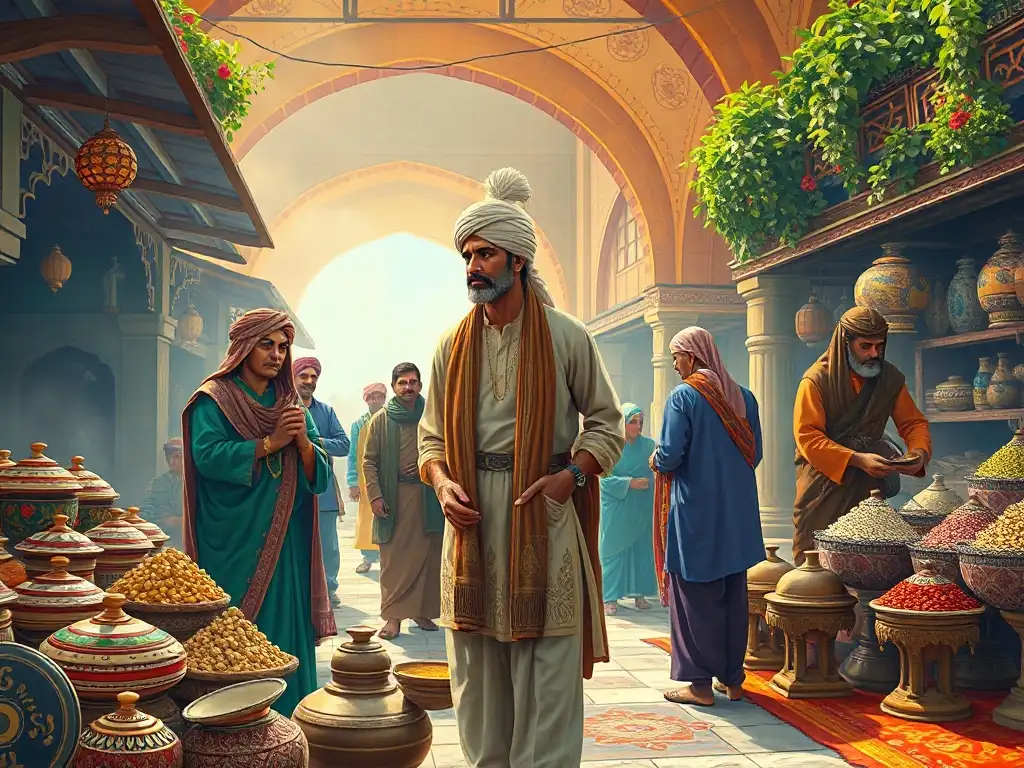
Ancient Indian merchants played a crucial role in the cultural exchange between India and neighboring civilizations, acting as vital conduits for the flow of ideas, customs, and goods. As they traversed vast trade routes, these merchants not only transported commodities like spices, textiles, and precious stones but also carried with them cultural artifacts, religious beliefs, and innovative concepts that enriched the societies they interacted with.
Merchants often settled in foreign lands, establishing trade posts and communities that served as melting pots of cultural interaction. In these new environments, they shared knowledge about Indian philosophies, arts, and sciences, while also absorbing the local customs and practices. This two-way exchange fostered a rich tapestry of cultural intermingling that had lasting impacts on both Indian and foreign societies.
Moreover, the presence of Indian merchants in diverse regions facilitated the spread of languages, culinary traditions, and religious practices. Their activities contributed significantly to the diffusion of Hinduism, Buddhism, and Jainism, as merchants often served as informal ambassadors of these religions, promoting their beliefs in distant lands.
Case Studies of Influential Merchants in History
Throughout history, several notable Indian merchants have emerged as influential figures in the realm of cultural exchange. One such merchant was Kanishka, a Kushan emperor who not only expanded trade routes but also facilitated the spread of Buddhism along the Silk Road. His patronage of Buddhist art and architecture led to significant cultural exchanges between India and Central Asia.
Another example is Sindhu, a prominent merchant from the Indus Valley civilization, who is believed to have engaged in extensive trade with Mesopotamia. His interactions with Sumerian traders led to the exchange of goods such as cotton textiles and beads, establishing a foundation for early trade networks.
The Marwari merchants of the medieval period are also noteworthy. They were instrumental in establishing trade links between India and regions such as East Africa and the Arabian Peninsula. Their ability to adapt and integrate local customs while maintaining their Indian identity exemplifies the role of merchants as cultural ambassadors.
Contributions to Art, Science, and Religion through Trade
The influence of ancient Indian merchants extended beyond mere trade; they were pivotal in the dissemination of art, science, and religious thought. Through their journeys, they introduced various artistic styles and techniques that blended Indian aesthetics with local traditions. For instance, the intricate carvings and motifs found in ancient Southeast Asian temples often reflect Indian artistic influence, showcasing the cross-cultural interactions facilitated by these merchants.
In the realm of science, Indian merchants played a crucial role in the spread of mathematical concepts, including the decimal system and the concept of zero, which were adopted and further developed by various cultures. The translation of Indian astronomical texts into Arabic during the early medieval period significantly influenced the development of astronomy in the Islamic world.
Religiously, the travels of merchants contributed significantly to the spread of Buddhism and Hinduism. Trade routes became avenues for missionaries and scholars, leading to the establishment of monasteries and temples in foreign lands, which in turn fostered deeper cultural exchanges and understanding.
The Influence of Ancient Indian Merchants on Neighboring Civilizations
The impact of ancient Indian merchants on neighboring civilizations was profound, as they played a key role in shaping cultural landscapes through their extensive networks. The interactions they cultivated laid the groundwork for a shared cultural heritage that transcended geographical boundaries.
Cultural Exchanges with Persia and the Middle East
Merchants from ancient India established robust trade relationships with Persia and the Middle East, facilitating a rich exchange of goods and ideas. The trade in spices, textiles, and precious stones was complemented by the sharing of cultural practices and technological innovations.
The influence of Indian merchants is evident in Persian art and literature, where motifs and themes reflective of Indian culture emerged. The Silk Road served as a crucial artery for these exchanges, enabling not just the movement of material goods but also fostering the spread of philosophical ideas, such as those found in Zoroastrianism, which saw influences from Indian spirituality.
Additionally, the Arabic numeral system, which has its origins in ancient Indian mathematics, was introduced to the Middle East through trade, demonstrating the lasting contributions of Indian merchants to global knowledge.
Interactions with Southeast Asia and Their Lasting Effects
The interactions between ancient Indian merchants and Southeast Asia were particularly transformative. Indian traders sailed across the Indian Ocean, establishing trade routes that connected India with regions such as modern-day Indonesia, Malaysia, and Thailand.
The cultural impact of these interactions is evident in the spread of Hinduism and Buddhism throughout Southeast Asia. Temples like Angkor Wat in Cambodia and Borobudur in Indonesia are testament to the architectural and religious influences of Indian culture.
Moreover, Indian merchants introduced agricultural practices and innovations, such as rice cultivation techniques, which significantly shaped the agricultural landscape of Southeast Asian societies. The blending of Indian and local cultures produced unique hybrid traditions, enriching the cultural diversity of the region and creating legacies that continue to resonate today.
Ancient Indian merchants were not merely traders; they were cultural ambassadors who bridged civilizations, facilitating a rich exchange of ideas, beliefs, and artistic expressions that shaped the course of history across continents.
Challenges Faced by Ancient Indian Merchants
The role of ancient Indian merchants in facilitating cultural exchange was fraught with various challenges. These hurdles not only tested their resilience but also shaped the nature of trade and interactions with neighboring civilizations. Understanding these challenges is crucial to appreciating the complex dynamics of ancient Indian commerce.
Navigating Political and Economic Barriers
Ancient Indian merchants often found themselves navigating a landscape marked by political instability and economic fluctuations. The subcontinent was divided into numerous kingdoms and empires, each with its own rulers and policies. This fragmentation meant that merchants had to adapt to different taxation systems, trade regulations, and foreign policies, which could vary drastically from one region to another.
For instance, during the Mauryan Empire, trade flourished under the stable governance of Chandragupta Maurya and his successors. However, during periods of conflict or transition, such as the post-Mauryan fragmentation, trade routes became perilous. Merchants faced risks of banditry, tariffs, and changing allegiances among local rulers, which could disrupt the flow of goods and affect their livelihoods.
Moreover, economic barriers such as currency fluctuations and the availability of resources also impacted trade. Different regions used various forms of currency, which necessitated complex exchange systems. Merchants had to be well-versed in these systems to ensure profitable transactions and minimize losses.
Adapting to Cultural Differences in Trade Practices
Cultural differences presented another layer of challenge for ancient Indian merchants. When engaging in trade with diverse civilizations, they encountered varying norms, values, and practices that influenced commercial interactions.
For example, merchants trading with the Persians had to navigate their unique customs of trade, which included specific rituals and legal frameworks. Similarly, when dealing with the Chinese, Indian merchants needed to adapt to the practice of bartering and the use of silk as a valuable commodity. These cultural nuances required merchants to be not only skilled traders but also astute diplomats, capable of building trust and rapport with their foreign counterparts.
Language barriers further complicated matters. To successfully communicate and negotiate, merchants often learned multiple languages or relied on interpreters, which added another layer of complexity to their operations. The ability to navigate these cultural differences was essential for building long-lasting trade relationships and ensuring successful exchanges.
Conclusion: The Lasting Legacy of Ancient Indian Merchants
The contributions of ancient Indian merchants to cultural exchange continue to resonate through history. Their ability to connect diverse civilizations facilitated the sharing of goods, ideas, and traditions, leaving a profound impact on the cultural landscape of ancient India and beyond.
Reflections on Cultural Exchange in Ancient India
The cultural exchanges initiated by ancient Indian merchants were not merely transactional; they were transformative. The introduction of foreign goods, such as spices, textiles, and precious metals, enriched local cultures and economies. Moreover, these interactions fostered the exchange of ideas, philosophies, and artistic expressions, which contributed to the vibrant tapestry of ancient Indian civilization.
For instance, the spread of Buddhism and Jainism across Asia was significantly influenced by the travels and trade of Indian merchants. The diffusion of these religious philosophies highlighted the merchants' role as cultural ambassadors, bridging gaps between diverse societies and facilitating mutual understanding.
Lessons from Ancient Indian Merchants for Modern Trade and Cultural Relations
Modern trade and cultural relations can draw valuable lessons from the experiences of ancient Indian merchants. Their adaptability, resilience, and commitment to fostering relationships across cultures demonstrate the importance of understanding and respecting cultural differences in today's globalized world.
As businesses navigate the complexities of international trade, embracing cultural diversity and promoting dialogue can lead to more effective partnerships and sustainable growth. By learning from the strategies employed by ancient Indian merchants, contemporary traders can enhance their ability to bridge cultural divides, fostering a more interconnected and harmonious global community.
- Introduction to Ancient Indian Merchants
- Historical Context of Ancient Indian Merchants
- Major Trade Routes and Their Impact on Cultural Exchange
- Goods and Commodities Facilitating Cultural Exchange
- Ancient Indian Merchants as Cultural Ambassadors
- The Influence of Ancient Indian Merchants on Neighboring Civilizations
- Challenges Faced by Ancient Indian Merchants
- Conclusion: The Lasting Legacy of Ancient Indian Merchants
- What was the role of ancient Indian merchants in cultural exchange?
- How did ancient Indian trade routes contribute to cultural interactions?
- What goods did ancient Indian merchants typically trade?
- How did the Gupta Empire influence trade and cultural exchange?
- What impact did ancient Indian merchants have on modern cultures?
Frequently Asked Questions
What was the role of ancient Indian merchants in cultural exchange?
Ancient Indian merchants played a crucial role in facilitating cultural exchange by connecting diverse civilizations through trade routes, sharing ideas, goods, and traditions.
How did ancient Indian trade routes contribute to cultural interactions?
The extensive trade routes, such as the Silk Road, allowed ancient Indian merchants to engage with various cultures, resulting in the exchange of not only commodities but also philosophies, art, and technology.
What goods did ancient Indian merchants typically trade?
Ancient Indian merchants traded a variety of luxury goods, including spices, textiles, and precious stones, which were highly sought after by foreign markets, enhancing cultural interactions.
How did the Gupta Empire influence trade and cultural exchange?
During the Gupta Empire, trade flourished, leading to increased cultural interactions with neighboring regions, which helped to spread Indian innovations in mathematics, science, and art across the globe.
What impact did ancient Indian merchants have on modern cultures?
The legacy of ancient Indian merchants is evident in many modern cultures, as they not only facilitated economic trade but also paved the way for cultural diffusion that continues to influence societies today.
Final Reflection: The Enduring Legacy of Ancient Indian Merchants in Cultural Exchange
The role of ancient Indian merchants in cultural exchange is more relevant today than ever, as we navigate an increasingly interconnected world. These early traders were not merely conduits of goods; they were pioneers of ideas, beliefs, and traditions that shaped civilizations. Their journeys across vast landscapes remind us that commerce has always been a powerful vehicle for cultural dialogue and understanding, fostering connections that transcend borders and time.
The influence of ancient Indian merchants continues to resonate in our modern cultural and social landscape. Their ability to blend diverse traditions and practices has laid the groundwork for the multicultural societies we inhabit today. As we reflect on their legacy, we recognize that the spirit of exchange they embodied is crucial in addressing contemporary global challenges. Trade is not just about goods; it is about the exchange of ideas and the building of relationships.
This quote encapsulates the essence of what these merchants achieved and serves as a reminder of the importance of fostering connections in our own lives.
As we conclude our exploration of ancient Indian merchants and their role in cultural exchange, I invite you to reflect on how you can embody this spirit in your daily interactions. Consider the ways in which you can bridge cultures in your community, whether through sharing stories, supporting local businesses, or embracing diversity. By doing so, you not only honor the legacy of those ancient traders but also contribute to a more harmonious and interconnected world. Let us carry forward the lessons of the past and strive to create a future where cultural exchange thrives.
Unveil the Legacy of Ancient Trade!
Thank you for diving into the fascinating world of ancient Indian merchants and their incredible role in shaping cultural connectivity! By exploring their impact, you’ve gained insight into a vibrant chapter of history that still resonates today. Now, it's time to take your newfound knowledge a step further!
Here are some powerful actions you can take:
- Dive deeper: Explore our curated list of resources and books on ancient trade routes to enrich your understanding even more.
- Share your thoughts: Join our community forum and discuss how the trade practices of ancient India can inspire modern commerce.
- Connect with history: Visit a local museum with exhibits on trade or cultural exchange, and share your experience with us!
How do you believe ancient trade practices can influence today’s global interactions? Let’s get the conversation started!