
The Transformative Impact of Women on Ancient Indian Society and Culture

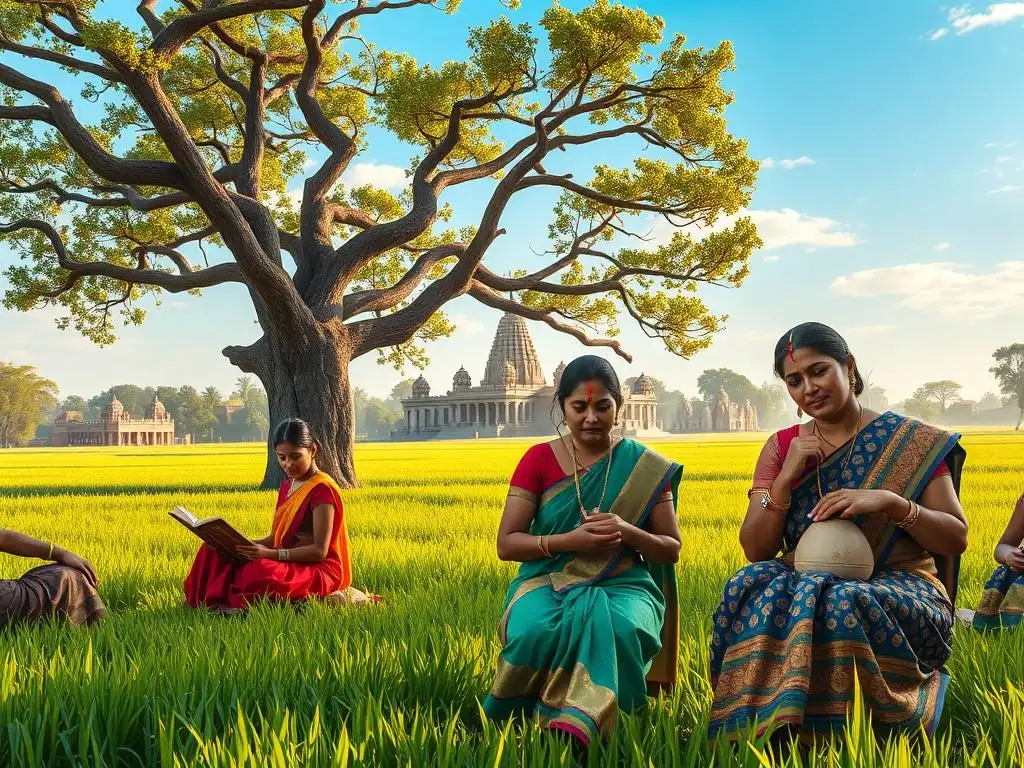
Welcome to Ancient India History, where we embark on a fascinating journey through the vibrant tapestry of ancient Indian civilizations. In this exploration, we shine a light on the often-overlooked yet transformative role of women in ancient Indian society. Discover how the contributions of women shaped cultural norms, influenced social structures, and left an indelible mark on history.
As you delve into our featured article, "The Transformative Impact of Women on Ancient Indian Society and Culture," prepare to uncover stories that will challenge your perceptions and inspire a deeper appreciation for the powerful women who helped forge the path of India's illustrious past. Join us as we unravel the threads of history and celebrate the legacy of these remarkable figures!
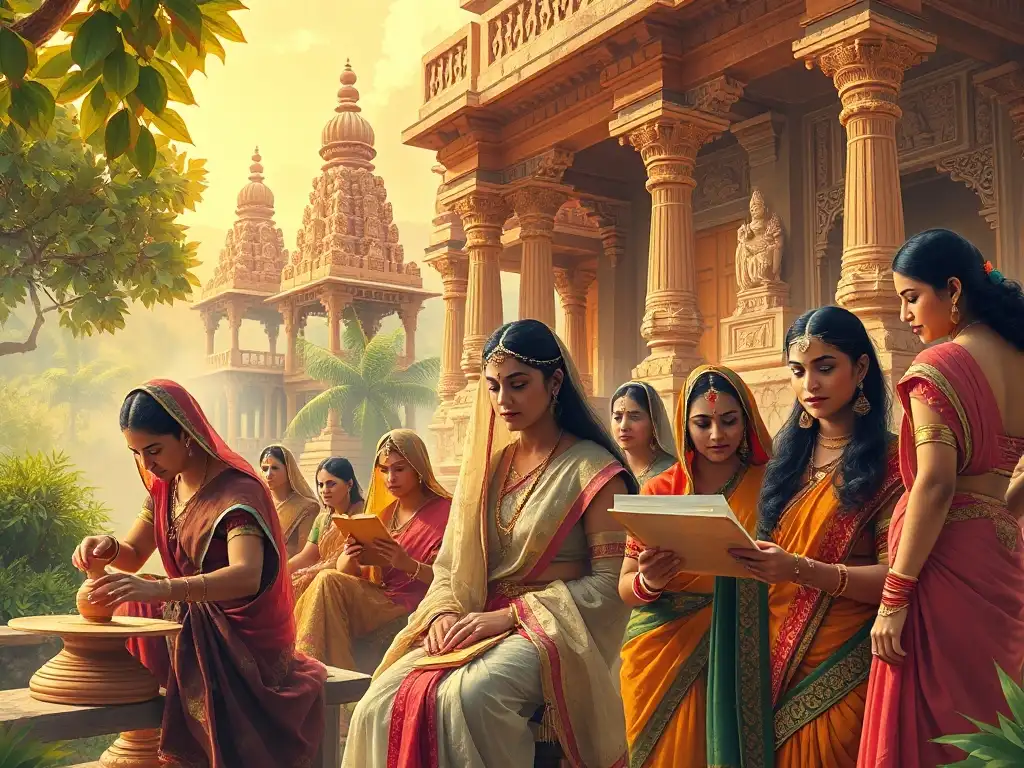
Introduction to Women in Ancient Indian Society
The history of ancient India is not just a narrative of kings, empires, and wars; it is also a rich tapestry woven with the stories of women who played vital roles in shaping society and culture. From the Indus Valley civilization to the Gupta Empire, women in ancient India influenced various facets of life, such as family, religion, education, and governance.
Understanding their contributions allows us to appreciate the complexities of ancient Indian society and recognize the pivotal positions women held, despite often being overshadowed by their male counterparts. This article delves into the transformative impact of women throughout ancient Indian history, exploring their roles, contributions, and the socio-cultural dynamics that shaped their experiences.
Overview of Women's Roles in Ancient India
In ancient Indian society, women's roles were multifaceted and evolved over time. They were not merely confined to the domestic sphere; many women participated actively in various domains, including:
- Education and Scholarship: Women such as Gargi and Maitreyi were renowned philosophers who engaged in intellectual discourses.
- Religious Leadership: Certain texts indicate that women could perform rituals and hold significant positions within religious communities.
- Political Influence: Some women exercised power directly or indirectly, influencing decisions at court through their relationships with kings and rulers.
Despite varying degrees of freedom and influence across different periods and regions, the presence of women in these key areas illustrates their importance in ancient Indian society.
Importance of Studying Women’s Contributions
Studying the contributions of women in ancient India is crucial for several reasons:
- Challenging Historical Narratives: Traditional histories often marginalize women's roles. Highlighting their contributions helps create a more balanced historical narrative.
- Understanding Social Dynamics: Women's positions and roles provide insights into the socio-economic and cultural contexts of ancient societies.
- Inspiration for Modern Times: The stories of influential women can inspire contemporary discussions about gender roles and equality.
Recognizing the transformative impact of women in ancient India not only enriches our understanding of the past but also highlights the ongoing relevance of women's contributions in shaping societies today.
Historical Context of Women in Ancient Indian Society
To appreciate the role of women in ancient Indian society fully, it is essential to examine the historical context in which they lived. This includes understanding the socio-economic conditions and cultural norms that defined gender roles during various periods.
Socio-Economic Status of Women in Ancient India
The socio-economic status of women in ancient India varied significantly across different regions and epochs. In general, women were involved in household management and agricultural work, contributing to the family’s economic stability. However, their opportunities for economic independence were often limited. Key points include:
- Property Rights: Women could inherit property, particularly in the Vedic period, which showcased a relatively progressive stance on women's rights.
- Workforce Participation: Many women worked alongside men in agricultural and artisanal sectors, although their contributions were often unrecognized.
The evolution of women’s socio-economic status reflects broader societal changes and the complexities of gender dynamics throughout ancient Indian history.
Cultural Norms and Gender Roles
Cultural norms and gender roles heavily influenced the status of women in ancient India. Society was predominantly patriarchal, with expectations that women fulfill specific roles, such as:
- Wives and Mothers: Women's primary identity was often tied to their roles as nurturing figures within the family.
- Cultural Patrons: Women were instrumental in preserving and promoting cultural practices, often acting as custodians of traditions and rituals.
Despite the constraints posed by cultural norms, many women found ways to assert themselves and make significant contributions to their communities. Understanding these dynamics provides a foundation for appreciating the broader impact women had on ancient Indian society and culture.
Influential Women in Ancient Indian History
The role of women in ancient Indian society was multifaceted and influential, spanning various domains such as governance, arts, education, and spirituality. Women were not merely passive recipients of cultural norms; they were active contributors to the development and transformation of society. Historical texts and archaeological findings reveal significant figures whose legacies continue to resonate in contemporary discussions about gender roles in India.
Women like Gargi and Maitreyi, renowned philosophers of the Vedic period, are celebrated for their intellect and contributions to philosophical discourse. Their engagement in debates demonstrates that women were respected for their knowledge and wisdom at that time. Additionally, during the Mauryan and Gupta periods, women like Chandragupta Maurya's mother played pivotal roles in political spheres, influencing decision-making processes and governance.
Moreover, the arts flourished under the patronage of women. The devadasis, women dedicated to temple service, were not only spiritual figures but also skilled performers in music and dance, preserving and transmitting cultural narratives. These contributions illustrate the integral role women played in shaping the cultural landscape of ancient India.
Prominent Figures and Their Contributions
Several prominent women have left indelible marks on the history of ancient India through their contributions across various fields:
- Gargi Vachaknavi: A philosopher known for her theological debates recorded in the Brihadaranyaka Upanishad, Gargi challenged male scholars and emphasized the importance of knowledge and intellect.
- Maitreyi: Another philosopher mentioned in the Upanishads, she is celebrated for her discussions on the nature of the self and the universe, asserting that understanding the self leads to true knowledge.
- Vasavadatta: The protagonist of the play "Vasavadatta," she exemplifies the complexity of women’s roles in literature, representing themes of love, valor, and loyalty.
- Rani Durgavati: A warrior queen of Gondwana who fought valiantly against the Mughal Empire, her leadership showcases women's capabilities in governance and warfare.
- Charulata: A poetess whose literary works contributed to the rich tapestry of ancient Indian literature, highlighting women's perspectives and creativity.
These women not only excelled in their respective fields but also inspired future generations, challenging societal norms and expanding the scope of women's roles in society.
Women in ancient Indian society were pivotal in shaping social structures, influencing family dynamics, cultural practices, and community cohesion. Their roles were often defined by a blend of tradition and agency, allowing them to impact society significantly.
The stratification of society often saw women as custodians of culture and values, responsible for nurturing the next generation. This nurturing role was not confined to the home; women also participated in religious and social rituals, reinforcing community bonds and cultural identity.
The impact of women extended beyond family and kinship, as they were also involved in economic activities, such as agriculture and trade. Their participation in these domains contributed to the overall prosperity of their communities and facilitated the exchange of ideas and goods.
The Role of Women in Family and Kinship Systems
In ancient Indian families, women were central to the kinship structure. They were responsible for maintaining social harmony and continuity within families and clans. This role was often formalized through marriage alliances, which were strategically arranged to strengthen familial ties and social status.
Women were typically seen as the primary caretakers of children, imparting cultural values, traditions, and education. The mother’s role as the first teacher was crucial in shaping the moral and ethical foundations of future generations. Additionally, women participated in rituals and ceremonies that solidified family connections and social obligations.
In many communities, women also had a say in inheritance and property rights, particularly in matrilineal societies where lineage was traced through the female line. This practice provided women with a measure of economic independence and agency, challenging the notion of women solely as dependents.
Women’s Influence on Education and Knowledge Transmission
Education in ancient India was not exclusively a male domain. Women played a significant role in the transmission of knowledge and were involved in educational practices, especially in the context of the Gurukul system. Although formal education for girls was limited, many women gained knowledge through familial and community teachings.
The presence of female scholars, such as Gargi and Maitreyi, highlights the importance of women's intellectual contributions. They engaged in philosophical inquiries and debates, making substantial contributions to the body of knowledge in ancient India. This intellectual engagement not only challenged gender norms but also paved the way for more inclusive educational practices.
Additionally, women were responsible for preserving oral traditions, folklore, and songs that conveyed moral lessons and cultural heritage. Through storytelling, women ensured that knowledge and culture were passed down through generations, thus playing a critical role in the continuity of societal values.
The transformative impact of women on ancient Indian society and culture is undeniable. From their contributions to philosophy and governance to their roles in family and education, women were at the heart of societal development, shaping the rich tapestry of ancient Indian history.
Women in Ancient Indian Religion and Philosophy
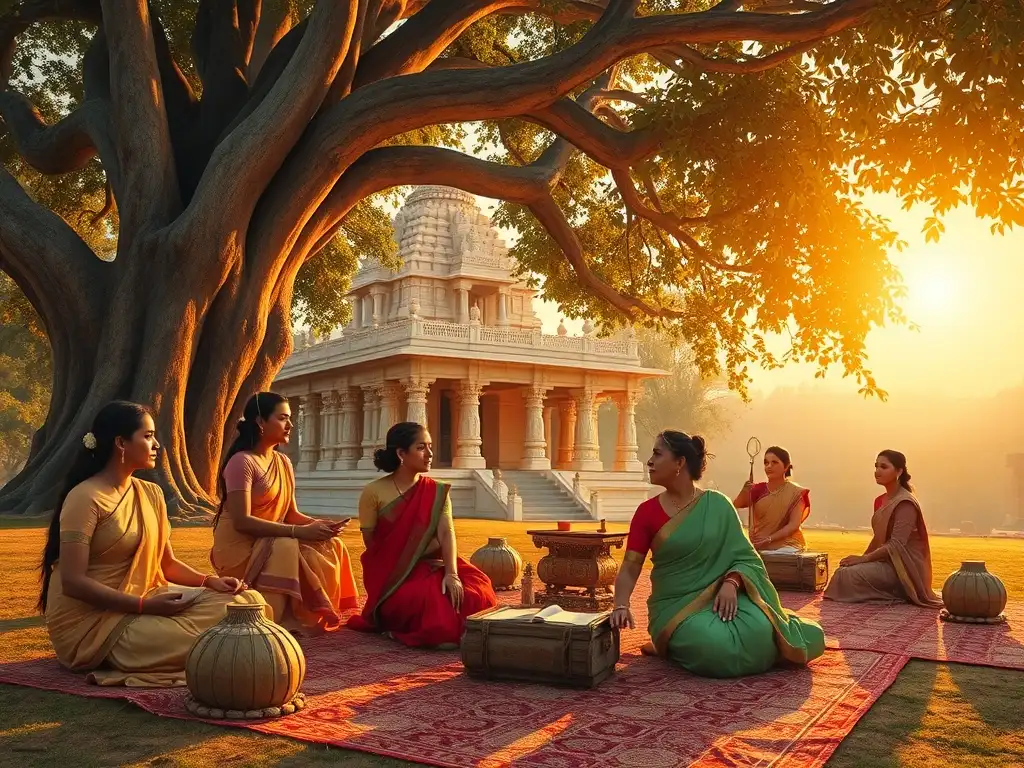
Women in ancient Indian society played a vital role in shaping religious thought and philosophical discourse. As custodians of spiritual wisdom and tradition, they contributed significantly to various religious practices and philosophical schools of thought. The reverence for the feminine divine in Hinduism, manifested through goddesses like Durga, Saraswati, and Lakshmi, highlights the intrinsic value placed on women within spiritual contexts. Furthermore, texts such as the Upanishads and various Puranas often depict women as both seekers of knowledge and bearers of spiritual truths, underscoring their importance in the religious fabric of ancient India.
Women were not just passive participants in religious rituals; they were active practitioners, scholars, and leaders within their communities. Temples often had female priestesses, and many ancient texts attribute profound wisdom and insight to female sages and rishikas. The Vedic literature, in particular, reveals that women like Gargi and Maitreyi were renowned for their intellectual prowess and spiritual authority. Such narratives illustrate that women were integral to the religious and philosophical discourse, challenging the notion of their marginalization in these domains.
The Spiritual Contributions of Women
The spiritual contributions of women in ancient India are manifold and deeply rooted in the cultural ethos of the time. Women held significant roles in the performance of rituals, the transmission of oral traditions, and the preservation of sacred texts. They were often tasked with the responsibility of educating the young in spiritual and moral values, acting as the primary figures in the religious upbringing of children.
Moreover, the concept of Shakti, or the divine feminine energy, is a cornerstone of Hindu philosophy. This acknowledgment of women's power and influence can be seen in various spiritual practices and texts, where female deities are revered as embodiments of strength, wisdom, and compassion. Women such as the poet-saint Mirabai, who composed devotional songs and expressed deep spiritual longing through her poetry, further exemplify how women were pivotal in fostering a rich spiritual culture.
Women as Philosophers and Thinkers
Women philosophers and thinkers in ancient India contributed to the intellectual landscape in profound ways. Figures like Gargi and Maitreyi not only participated in philosophical debates but also posed critical questions that challenged contemporary thought. Gargi, known for her profound insights during the Vedic period, famously engaged in discussions about the nature of the universe and existence, showcasing the intellectual capabilities of women.
Additionally, the philosophical teachings of women often emphasized the importance of ethics, morality, and the pursuit of knowledge. Texts like the Yoga Sutras and the Bhagavad Gita reflect the influence of women's thoughts and perspectives, particularly in discussions surrounding dharma (duty) and personal conduct. Their contributions laid the groundwork for future generations, reinforcing the idea that women were significant players in the philosophical discourse of ancient India.
The Legacy of Women in Ancient Indian Society
The legacy of women in ancient Indian society is profound, influencing various aspects of culture, religion, and social organization. Their roles as educators, spiritual leaders, and thinkers established a framework for future generations, emphasizing the importance of women's contributions in shaping societal norms and values. This legacy is evident in the continuing reverence for female deities and the acknowledgment of women's historical roles in religious texts and practices.
Long-term Effects on Subsequent Indian Cultures
The long-term effects of women's contributions to ancient Indian society have been significant, resonating through subsequent cultures and societal structures. The recognition of women's roles in religious and philosophical contexts paved the way for a more nuanced understanding of gender dynamics in Indian history. This acknowledgment influenced later movements, such as Bhakti and Sufi traditions, where women took on central roles in spiritual practices and community leadership.
Moreover, the historical accounts of women in ancient texts continue to inspire contemporary discussions around gender equality and women's rights in India. The narratives of powerful and influential women serve as a reminder of the potential for women to impact society positively, encouraging modern movements advocating for gender justice and empowerment.
Modern Reflections on Women’s Historical Roles
Modern reflections on women’s historical roles in ancient Indian society reveal a growing recognition of their contributions and significance. Scholars and activists alike are increasingly highlighting the importance of reevaluating historical narratives that often overlooked or marginalized women's roles. This reflects a broader movement towards recognizing the complexities of gender dynamics in history and the need for inclusive historiography.
In contemporary India, the legacy of women from ancient times continues to influence cultural, social, and political landscapes. Women today draw inspiration from historical figures, challenging traditional norms and asserting their rights in various spheres of life. The ongoing discourse surrounding women's empowerment is enriched by an understanding of the historical context of women's contributions, providing a foundation for future progress and equality.
Conclusion: The Lasting Impact of Women in Ancient Indian Society
The influence of women in ancient Indian society is profound and enduring, shaping various facets of culture, religion, and daily life. Their roles were not confined to the domestic sphere; women were integral to the socio-political landscape, influencing governance, philosophy, and the arts. From the revered figures of Vedic literature to the powerful queens of the Maurya and Gupta empires, women contributed to the foundational elements of Indian civilization.
Their impact can be seen in the preservation of knowledge, traditions, and practices that continue to resonate in contemporary Indian culture. The recognition of women as scholars, leaders, and innovators underscores their transformative role in shaping a society that, despite historical constraints, flourished with creativity and intellectual vigor. By examining this rich legacy, we not only honor their contributions but also encourage a more balanced understanding of history that includes all voices.
Summary of Key Contributions
Women in ancient India made significant contributions across various domains:
- Education and Scholarship: Female scholars like Gargi and Maitreyi are celebrated for their intellectual contributions to philosophy and spirituality. Their dialogues in the Upanishads highlight the intellectual equality and respect afforded to women in ancient texts.
- Political Influence: Queens such as Chandragupta Maurya's wife, Durdhara, and others wielded considerable political power. They were often involved in decisions of statecraft and diplomacy, exemplifying women's roles beyond traditional confines.
- Cultural Contributions: Women played vital roles in the arts, including music, dance, and literature. The creation and performance of various art forms often featured women as central figures, reflecting their importance in cultural expression.
- Religious Leadership: Women were not only participants in religious rituals but also held positions of authority in spiritual practices. Goddesses like Durga and Saraswati were venerated, symbolizing the divine feminine and influencing societal attitudes towards women.
- Social Reforms: Figures like Savitribai Phule emerged as pioneers in advocating for women's education and rights, setting the stage for future movements toward gender equality.
Call to Recognize and Celebrate Women’s Roles in History
It is essential to acknowledge and celebrate the roles of women in ancient Indian society as part of a broader understanding of history. Recognizing their contributions helps dismantle the narrative that often relegates women to the periphery.
- Education and Awareness: Curriculum reforms in educational institutions can integrate the stories of influential women, ensuring that future generations appreciate their roles in shaping history.
- Cultural Celebrations: Festivals and cultural events can highlight the achievements of women, providing visibility and fostering appreciation for their contributions.
- Research and Documentation: Ongoing research into women's history in ancient India should be encouraged, with a focus on uncovering lesser-known stories that reflect their diverse experiences.
By acknowledging the transformative impact of women in ancient Indian society, we not only honor their legacy but also inspire a more equitable future where both men and women are recognized for their contributions to civilization. This recognition is crucial for fostering a society that values diversity and inclusivity in its historical narrative.
- Introduction to Women in Ancient Indian Society
- Historical Context of Women in Ancient Indian Society
- Influential Women in Ancient Indian History
- Impact of Women on Social Structures in Ancient India
- Women in Ancient Indian Religion and Philosophy
- The Legacy of Women in Ancient Indian Society
- Conclusion: The Lasting Impact of Women in Ancient Indian Society
Frequently Asked Questions
What role did women play in ancient Indian society?
Women in ancient Indian society held significant roles as caregivers, educators, and participants in religious rituals. Their contributions were pivotal in shaping family structures and community values.
Were women in ancient India allowed to own property?
Yes, women in ancient India could inherit and own property, particularly during the Vedic period. This legal right enabled them to have economic independence and contribute to their families.
How did the status of women change over time in ancient India?
The status of women in ancient India fluctuated, influenced by religious texts and societal norms. While early texts promoted gender equity, later periods saw a decline in women’s rights and freedoms.
What were some notable women in ancient Indian history?
Prominent women such as Gargi and Maitreyi are recognized for their contributions to philosophy and education. Their influence showcases the intellectual prowess of women in ancient Indian society.
How did women's roles in ancient Indian culture influence modern society?
The historical contributions of women in ancient Indian culture continue to inspire contemporary discussions about gender equality and women's rights, reflecting the enduring legacy of their impact.
Final Reflection: The Enduring Legacy of Women in Ancient Indian Society
The transformative impact of women in ancient Indian society is not just a relic of the past; it resonates profoundly in our contemporary world. As we explore the roles and contributions of women in shaping cultural, social, and spiritual landscapes, we uncover a narrative that challenges the often one-dimensional portrayal of their history. This legacy is a testament to the strength and resilience of women, reminding us that their influence is woven into the very fabric of society, and their stories deserve to be celebrated and acknowledged.
Clearly, the contributions of women in ancient Indian society continue to influence our cultural and social dynamics today. From the revered figures of sages and scholars to the powerful queens and leaders, the impact of these women is evident in modern discussions about gender equality and empowerment. Their stories inspire movements for change and serve as a reminder of the potential that lies within every individual. The history of women is not just a history of oppression; it is a history of resistance and resilience.
This observation highlights the ongoing relevance of their contributions, urging us to recognize and honor the legacy they have left behind.
As we reflect on the lessons from the past, I invite you to consider how the stories of these remarkable women can inspire your own journey. Embrace the spirit of resilience and empowerment that they embodied, and let it guide your actions in today's world. Whether through advocacy, education, or personal development, each of us has the opportunity to contribute to a more equitable society. By honoring the legacy of women in ancient Indian society, we not only celebrate their achievements but also pave the way for future generations to thrive.
Embrace the Legacy: Take Action Today!
Thank you for exploring the rich tapestry of women's transformative roles in ancient Indian society and culture. Your interest in this significant theme not only highlights their achievements but also inspires us to carry forward their legacy. Now, let's turn this inspiration into action!
Here are a few steps you can take to further explore and honor this impactful topic:
- Dive deeper into history: Read books or articles that spotlight influential women in ancient India to gain a broader perspective on their contributions.
- Share your insights: Engage in discussions with friends or family to spark conversations about the evolution of gender roles throughout history.
- Engage with the community: Participate in online forums or social media groups focused on women's history in India to connect with others who share your interests.
How will you celebrate and share the incredible stories of women in ancient Indian society?