
The Role of Language and Literature in Gupta Identity

Welcome to Ancient India History, your portal into the captivating world of one of the most influential civilizations in human history. Here, we delve into the rich tapestry of ancient Indian culture, where the Gupta Empire stands as a testament to brilliance in language and literature. In our featured article, "The Role of Language and Literature in Gupta Identity," we invite you on a journey to uncover how these elements shaped a unique cultural identity that resonates to this day.
Curious about how ancient texts and eloquent expressions contributed to the flourishing of the Gupta Empire? Join us as we explore the profound impact of literature in ancient India, igniting your interest in this remarkable era!
Introduction to the Gupta Empire
The Gupta Empire, often referred to as the Golden Age of India, flourished from approximately 320 to 550 CE, marking a period of remarkable advancements in various fields, particularly in language and literature. During this era, the Gupta rulers established a vast empire that encompassed much of the Indian subcontinent, fostering a cultural milieu that emphasized the importance of linguistic expression and literary achievements. This article delves into how language and literature played a crucial role in shaping Gupta identity, reflecting the empire's ethos and contributing to its rich tapestry of cultural heritage.
Overview of the Gupta Empire's Historical Context
The Gupta Empire emerged after the decline of the Maurya Empire, setting the stage for a new era characterized by stability, economic prosperity, and cultural flourishing. Under the reign of notable emperors like Chandragupta I, Samudragupta, and Chandragupta II, the empire expanded its territorial boundaries and established a centralized administration. This period witnessed significant developments in art, science, mathematics, and philosophy, with language and literature serving as essential vehicles for communication and cultural expression.
- Key Features of the Gupta Empire:
- Territorial Expansion: The Gupta Empire expanded across northern India, establishing control over key regions.
- Cultural Flourishing: A golden age of arts, literature, and science marked by notable figures such as Kalidasa and Aryabhata.
- Political Stability: The centralized governance allowed for the growth of trade and urbanization.
Importance of Language and Literature in Ancient Civilizations
Language and literature have long been fundamental to the identity and cohesion of ancient civilizations. They serve not only as tools for communication but also as mediums through which cultural values, religious beliefs, and historical narratives are transmitted. In the context of the Gupta Empire, the prominence of language and literature was pivotal in fostering a sense of unity and shared cultural identity among diverse populations.
- Functions of Language and Literature:
- Cultural Transmission: Preserving and transmitting knowledge across generations.
- Social Cohesion: Fostering a sense of belonging and shared identity among people.
- Political Propaganda: Serving as a means for rulers to communicate their ideologies and legitimize their power.
The Significance of Language in Gupta Identity
Language was a cornerstone of Gupta identity, shaping the empire's cultural landscape and influencing its societal norms. The Gupta rulers recognized the power of language in governance, education, and cultural expression, leading to the promotion of both official and regional languages.
Official Languages of the Gupta Empire
Sanskrit emerged as the primary official language during the Gupta period, reflecting the empire's commitment to cultural heritage and intellectual pursuits. Sanskrit was the language of administration, scholarship, and literature, facilitating communication among the educated elite and serving as a unifying force across the diverse regions of the empire.
- Key Aspects of Sanskrit's Role:
- Literary Expression: The composition of profound literary works, including poetry and drama.
- Academic Discourse: Use in scholarly texts across various fields, including mathematics and astronomy.
- Religious Texts: Sanskrit as the medium for sacred texts and rituals, enhancing its significance in society.
Influence of Sanskrit on Gupta Culture and Society
The prominence of Sanskrit during the Gupta Empire had far-reaching effects on culture and society. It not only enriched the literary landscape but also influenced social structures and educational systems. Scholars and poets such as Kalidasa and Bhasa produced timeless works that remain integral to Indian literature today.
- Cultural Impact:
- Literary Masterpieces: The creation of enduring classics that reflect the values and aesthetics of Gupta society.
- Intellectual Growth: The establishment of centers of learning that attracted scholars from across the region.
- Social Stratification: Sanskrit literacy often correlated with social status, influencing educational access and societal roles.
Regional Languages and Dialects in the Gupta Period
While Sanskrit served as the official language, the Gupta Empire was home to a diverse array of regional languages and dialects. These languages played a vital role in local administration, trade, and cultural expression. The coexistence of multiple languages not only enriched the empire's linguistic landscape but also fostered a sense of local identity among various communities.
- Diversity of Languages:
- Prakrit Languages: Commonly spoken dialects that were used in everyday life and literature.
- Regional Variations: Local languages that contributed to the cultural richness of different regions within the empire.
- Literary Contributions: Emergence of literary works in regional languages, reflecting local customs and traditions.
The interplay of language and literature in the Gupta Empire was instrumental in forging a cohesive Gupta identity, highlighting the empire's cultural achievements and its legacy that continues to resonate in contemporary Indian society.
Literary Achievements during the Gupta Empire
The Gupta Empire, often referred to as the Golden Age of India, was a period marked by remarkable advancements in various fields, particularly in language and literature. This era saw the flourishing of Sanskrit as a dominant literary language, which played a vital role in the cultural identity of the Gupta civilization. Scholars, poets, and playwrights emerged, producing an array of works that not only showcased literary excellence but also reflected the socio-political and philosophical landscape of the time.
The literary achievements of the Gupta Empire are characterized by a rich diversity of genres, including poetry, drama, and prose. The era witnessed the rise of significant literary figures such as Kalidasa, who is often hailed as one of the greatest poets and dramatists in Sanskrit literature. His works, alongside those of other notable authors, contributed profoundly to the cultural heritage of India, encapsulating themes of love, nature, and mythology.
Moreover, the Gupta period also saw the establishment of extensive literary traditions that promoted the use of Sanskrit in various forms of writing, including epics, fables, and philosophical texts. These contributions not only enriched the Gupta identity but also laid the groundwork for future literary developments in Indian culture.
Major Literary Works of the Gupta Period
The Gupta period produced several major literary works that have had a lasting impact on Indian literature and culture. Among the most renowned are:
- Shakuntala by Kalidasa: This play is a classic example of Sanskrit drama and is celebrated for its poetic beauty and deep emotional resonance. It tells the story of Shakuntala and King Dushyanta, exploring themes of love and destiny.
- Meghaduta by Kalidasa: A lyrical poem that narrates the tale of a separated couple, using the metaphor of a cloud as a messenger. This work is notable for its exquisite imagery and expression of longing.
- Kumarasambhava by Kalidasa: An epic poem that recounts the birth of the god Kartikeya, showcasing the rich tapestry of mythology and the divine.
- Vikramorvasiyam by Kalidasa: A play that intertwines romance with themes of heroism and sacrifice, highlighting the complexities of human emotions.
Other significant works include the fables of Panchatantra and various commentaries on earlier texts that contributed to the intellectual discourse of the time. These literary masterpieces reflect the artistic and cultural milieu of the Gupta Empire, embodying its values and ideals.
The Role of Playwriting and Drama in Gupta Literature
Playwriting and drama played a crucial role in the literary landscape of the Gupta Empire, serving as both entertainment and a medium for conveying moral lessons and societal values. The era saw the emergence of sophisticated theatrical forms, characterized by intricate plots, poetic dialogues, and elaborate character development.
Sanskrit drama often drew upon themes from mythology and folklore, allowing playwrights to explore complex human emotions and relationships. Notable playwrights like Kalidasa not only entertained audiences but also provoked thought regarding ethics, love, and duty. The performance of these plays was an essential part of cultural life, often staged during festivals and royal court gatherings, thus enhancing the cultural identity of the Gupta people.
Moreover, drama served as a reflection of the societal norms and aspirations of the time, often highlighting the roles of men and women, the importance of dharma (duty), and the interplay between the divine and the mortal. Through the lens of drama, the Gupta Empire reinforced its cultural values while simultaneously fostering a vibrant artistic community.
Contributions of Scholars and Poets to Gupta Identity
The contributions of scholars and poets during the Gupta Empire were fundamental in shaping the cultural identity of this period. Intellectuals such as Aryabhata and Varahamihira made significant advancements in mathematics, astronomy, and science, which were often documented in poetic form, blending literature with scholarly pursuits.
Poets like Kalidasa not only enriched the literary tradition but also elevated the status of Sanskrit as the language of the elite and educated. Their works often served as a means of cultural expression, celebrating the beauty of nature, human love, and the intricacies of life.
Furthermore, the patronage from Gupta rulers encouraged literary activity, leading to the establishment of literary schools and the compilation of anthologies that preserved and propagated the rich literary heritage of the time. This confluence of scholarship and artistry contributed to a cohesive Gupta identity that was both intellectually and culturally vibrant.
The Interconnection between Language and Identity
Language served as a powerful indicator of identity during the Gupta Empire, reflecting the socio-cultural dynamics of the time. Sanskrit, as the literary and scholarly language, became a symbol of prestige and cultural sophistication. The use of Sanskrit in literature, philosophy, and administration fostered a sense of unity among the diverse populations of the Gupta Empire.
The promotion of Sanskrit also played a role in the preservation and propagation of ancient Indian texts, ensuring that the philosophical and cultural insights of previous generations continued to influence contemporary thought. This linguistic continuity helped to forge a collective identity rooted in a shared literary heritage.
Language as a Tool for Cultural Expression in the Gupta Empire
Language functioned as a vital tool for cultural expression in the Gupta Empire, enabling individuals to articulate their thoughts, beliefs, and values. Sanskrit literature flourished, providing a means for poets and playwrights to explore a wide range of human experiences and emotions.
The richness of the Sanskrit language allowed for intricate expression, with its vast vocabulary and grammatical nuances enabling writers to convey subtle meanings and complex ideas. This literary tradition not only facilitated artistic expression but also served as a vehicle for the transmission of cultural values, ethical teachings, and philosophical concepts.
Furthermore, the emphasis on Sanskrit in religious texts and rituals reinforced its significance as a sacred language, elevating the spiritual and cultural identity of the Gupta people. The result was a vibrant literary culture that celebrated the interplay between language, art, and identity.
How Literature Shaped Gupta Social Norms and Values
Literature during the Gupta Empire played a pivotal role in shaping social norms and values, reflecting the aspirations and ideals of society. The themes portrayed in literary works often mirrored the societal structure and expectations, addressing issues such as duty, honor, and moral conduct.
Epic narratives and dramatic portrayals provided models of behavior for individuals, emphasizing the importance of dharma (duty) and the pursuit of righteousness. Through the lens of literature, the Gupta Empire communicated its values, promoting ideals such as respect for authority, familial loyalty, and the significance of education.
Additionally, literature served as a means of social critique, allowing authors to explore the complexities of human relationships and societal challenges. By addressing moral dilemmas and ethical questions, Gupta literature contributed to ongoing dialogues about societal norms, ultimately shaping the cultural landscape of the empire.
The Impact of Language on Gupta Religion and Philosophy
Language had a profound impact on religion and philosophy in the Gupta Empire, particularly through the medium of Sanskrit. The use of this language in religious texts, hymns, and philosophical treatises facilitated the dissemination of spiritual and philosophical ideas, allowing for a deeper engagement with concepts such as karma, dharma, and moksha.
Sanskrit scriptures, including the Vedas and Upanishads, were crucial in shaping religious thought, while literary works often incorporated philosophical reflections that influenced both popular and scholarly discourse. The interplay between language and religious practice fostered a rich intellectual tradition that encouraged inquiry and debate.
Moreover, the prominence of Sanskrit in religious rituals and ceremonies underscored its role as a sacred language, reinforcing the connection between linguistic identity and spiritual beliefs. This linguistic framework not only shaped the religious landscape of the Gupta Empire but also contributed to the broader philosophical dialogues that characterized this period of cultural flourishing.
Preservation and Transmission of Gupta Literature
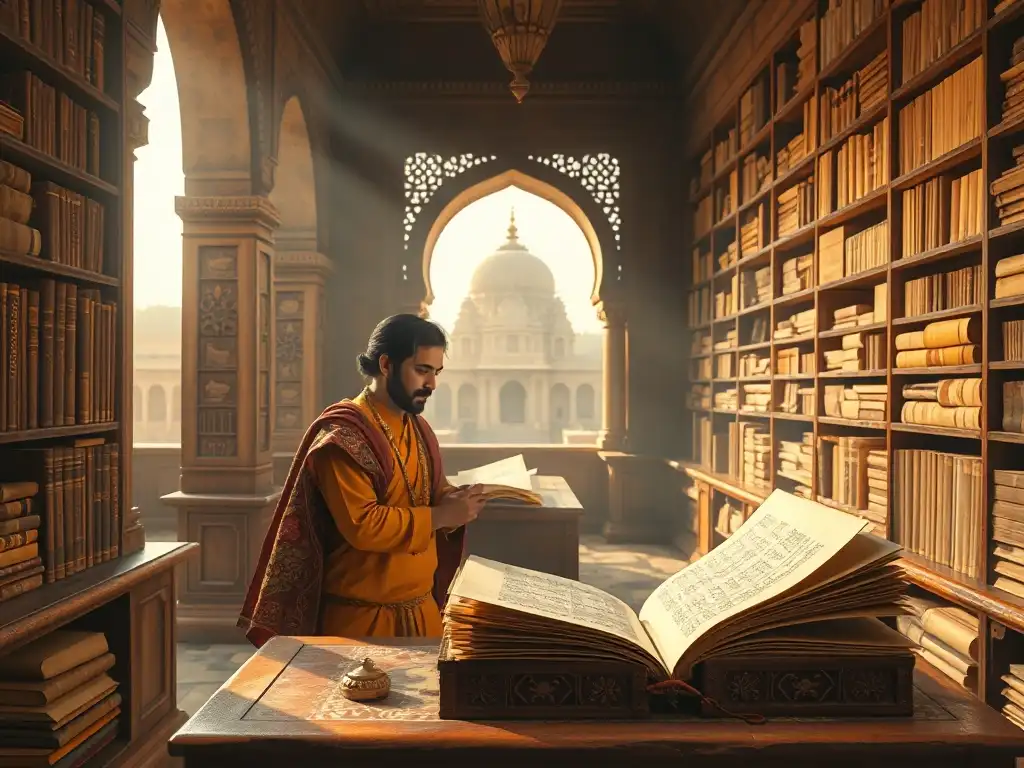
The Gupta Empire, often referred to as a golden age of Indian civilization, saw remarkable advancements in language and literature. The preservation and transmission of Gupta literature were pivotal in ensuring that the rich cultural and intellectual heritage of this period was preserved for future generations. Various methods and practices played a role in documenting works, which contributed significantly to the identity and legacy of the Gupta Empire.
Methods of Documenting and Preserving Texts
During the Gupta period, several methods were employed to document and preserve texts. Palm leaves and birch bark were commonly used as writing materials, with inscriptions made using ink derived from natural sources. The script used during this time was predominantly Brahmi, which allowed for the transcription of a variety of languages including Sanskrit, the literary language of the period.
The meticulous process of copying texts helped to ensure their survival. Scribes trained in the art of writing played a crucial role in the duplication of important manuscripts. Additionally, the establishment of monasteries and centers of learning served as hubs for the preservation of literary works. These institutions not only safeguarded texts but also facilitated their circulation among scholars and students, promoting a vibrant intellectual environment.
Influence of Oral Traditions on Gupta Literature
Oral traditions held significant sway in the Gupta Empire, influencing the literature produced during this time. Storytelling and oral recitation were vital methods for sharing knowledge and culture before the widespread availability of written texts. The Mahabharata and Ramayana, which were initially transmitted orally, found their way into written form during the Gupta period, highlighting the transition from oral to written literature.
The integration of oral traditions into Gupta literature enriched the narrative styles and thematic elements of texts. Poets and playwrights often drew upon folklore, myths, and legends, weaving them into their works to create a sense of cultural continuity. This blend of oral and written forms not only contributed to the diversity of literature but also reinforced the Gupta identity through shared cultural narratives.
The Role of Manuscripts and Libraries in Gupta Society
Manuscripts and libraries played a crucial role in the cultural and intellectual life of Gupta society. The establishment of libraries in monasteries and royal courts became instrumental in the collection and preservation of literary works. These libraries housed a diverse array of texts, including religious scriptures, philosophical treatises, and poetry, which were accessible to scholars and the educated elite.
Additionally, the Gupta rulers patronized scholars and poets, encouraging the creation of new works and the preservation of existing literature. This royal patronage not only facilitated the production of significant texts like Kalidasa's plays and the Aryabhatiya, a seminal work in mathematics and astronomy, but also enhanced the status of literature in society. The respect afforded to writers and scholars helped to establish a culture of intellectualism that left a lasting impact on subsequent generations.
Conclusion: The Lasting Impact of Gupta Language and Literature
The contributions of Gupta language and literature are profound, shaping the cultural landscape of India and influencing literary traditions for centuries to come. The emphasis on education, the arts, and the preservation of knowledge during this period has left an indelible mark on Indian civilization.
Summary of Key Contributions to Indian Culture
The Gupta Empire's literary achievements included the flourishing of Sanskrit literature, which became a standard for literary excellence. Authors like Kalidasa, Bhasa, and Bhavabhuti produced works that not only entertained but also explored complex themes of love, duty, and morality. Additionally, the period saw advancements in poetics and drama, with the establishment of new genres and styles that enriched Indian literature.
Moreover, the Gupta period's emphasis on language as a vehicle for cultural expression fostered a sense of identity that resonated beyond its timeline. The literary works produced during this era continue to be studied and revered, forming a crucial part of India's cultural heritage.
The Legacy of Gupta Language and Literature in Modern India
The legacy of Gupta language and literature is evident in contemporary Indian society. Many of the literary forms and genres established during the Gupta period have persisted, influencing modern Indian writers and playwrights. The revival of interest in Sanskrit literature and the continued scholarly pursuit of ancient texts reflect the enduring impact of this golden age.
Furthermore, the themes explored in Gupta literature, such as the complexities of human emotions and the interplay of duty and ethics, remain relevant today. The rich tapestry of narratives woven during this time continues to inspire and inform modern literature, showcasing the Gupta Empire's lasting contributions to Indian culture and identity.
References for Further Reading on Gupta Empire Language and Literature
The Gupta Empire, often regarded as a golden age of Indian history, witnessed remarkable advancements in language and literature. To gain a deeper understanding of this vibrant period, numerous academic sources and literary texts can provide invaluable insights. Below are some suggested readings that illuminate the significance of language and literature in shaping Gupta identity.
Suggested Academic Sources
-
"The Gupta Empire: A Historical Overview" by Romila Thapar
This comprehensive work delves into the political, cultural, and social facets of the Gupta Empire. Thapar's analysis of literature and its role in society offers a nuanced understanding of how language was intertwined with Gupta identity.
-
"A History of Indian Literature" by Sukanta Chaudhuri
Chaudhuri's scholarly exploration focuses on the evolution of Indian literature, including the contributions made during the Gupta period. This book provides a critical assessment of literary forms and their cultural implications.
-
"Literature and Society in Ancient India" by M. K. Dhavalikar
In this detailed study, Dhavalikar examines the relationship between literature and the socio-political landscape of ancient India, particularly during the Gupta era. The book highlights key texts and their influence on identity and culture.
-
"The Concept of Rasa in Indian Aesthetics" by Ananda K. Coomaraswamy
This work discusses the aesthetic theories prevalent in Gupta literature, focusing on the concept of 'rasa' (emotional flavor) that shaped artistic expression. Coomaraswamy's insights are crucial for understanding the literary culture of the time.
-
"Gupta Art and Architecture" by Susan Huntington
While primarily focused on art, this book also touches upon the inscriptions and literature of the Gupta Empire, providing context for the language used during this period and its artistic expressions.
Recommended Literary Texts from the Gupta Period
-
"Shakuntala" by Kalidasa
This renowned play is one of the finest examples of classical Sanskrit literature. Kalidasa's poetic language and intricate character development reflect the cultural ethos of the Gupta Empire, making it a must-read for anyone interested in this period.
-
"The Hitopadesha" by Narayana
A collection of fables that impart moral lessons, this text showcases the use of simple yet elegant Sanskrit language. It highlights the Gupta emphasis on education and ethical values, revealing the era's literary trends.
-
"The Meghaduta" by Kalidasa
Another masterpiece by Kalidasa, this lyrical poem tells the story of a lovesick yaksha (nature spirit) and his message to his beloved. The vivid imagery and emotional depth illustrate the aesthetic achievements of Gupta literature.
-
"Panchatantra" (Various authors)
This ancient collection of interrelated animal fables was compiled during the Gupta period. The stories convey wisdom and morality, showcasing the narrative skill and linguistic richness of the time.
-
"Kumarasambhava" by Kalidasa
This epic poem narrates the birth of Lord Kartikeya and celebrates love, beauty, and nature. Kalidasa’s eloquent verses demonstrate the sophistication of Gupta literary forms and themes.
These references and texts not only enrich our understanding of the Gupta Empire's language and literature but also serve as a testament to the cultural legacy that continues to influence Indian literature today.
- Introduction to the Gupta Empire
- The Significance of Language in Gupta Identity
- Literary Achievements during the Gupta Empire
- The Interconnection between Language and Identity
- Preservation and Transmission of Gupta Literature
- Conclusion: The Lasting Impact of Gupta Language and Literature
- References for Further Reading on Gupta Empire Language and Literature
Frequently Asked Questions
What was the primary language spoken during the Gupta Empire?
The primary language of the Gupta Empire was Sanskrit, which played a crucial role in administration, literature, and scholarship.
How did literature contribute to the Gupta identity?
Literature during the Gupta period, particularly in Sanskrit, fostered a sense of cultural unity and identity, showcasing the empire's rich heritage and philosophical ideas.
What are some notable literary works from the Gupta period?
Significant works include Kalidasa's plays and poems, such as Shakuntala, and the Puranas, which reflect the values and beliefs of the time.
How did the Gupta Empire influence language development?
The Gupta Empire is credited with the standardization of Sanskrit, which influenced subsequent languages and literary traditions in India, laying the foundation for future linguistic evolution.
What role did poetry and drama play in Gupta culture?
Poetry and drama were essential in Gupta culture, serving both as entertainment and as a means to convey moral lessons and philosophical reflections, enriching the cultural landscape.
Final Reflection: Embracing the Legacy of Gupta Language and Literature
The exploration of language and literature within the Gupta Empire is not merely a historical inquiry; it is a vital lens through which we can understand the enduring influence of cultural identity today. In a world increasingly defined by globalization, the unique narratives and linguistic heritage of the Gupta period remind us of the power of words and stories to shape our identities and connect us to our roots.
The Gupta Empire serves as a testament to how language and literature can foster a sense of belonging and continuity across generations, emphasizing that our cultural legacies are as relevant now as they were then.
The impact of Gupta language and literature extends far beyond its historical context, influencing contemporary discourse and cultural expressions. The rich tapestry of Sanskrit poetry, drama, and philosophical texts from this era continues to inspire modern writers and thinkers, urging us to reflect on our own narratives and the languages we use. As we navigate our complex social landscapes, we can draw from the wisdom of the past to enrich our present. Literature is the most agreeable way of ignoring life.
— Fernando Pessoa. This quote resonates deeply as it highlights the dual role of literature: both as a reflection of life and as a means to transcend it, a concept that was masterfully embodied by the Gupta literary tradition.
As we conclude this exploration, I invite you to reflect on your own relationship with language and literature. Consider how the stories you tell and the words you choose shape your identity and connect you to others. Embrace the lessons from the Gupta Empire, recognizing that every language holds a universe of meaning and every piece of literature is a bridge to understanding. Let us honor the past by nurturing our cultural narratives and ensuring that the legacy of language and literature continues to thrive in our lives and communities.
Embrace Your Gupta Heritage and Discover More!
Thank you for diving into the fascinating world of Gupta identity shaped by language and literature! You've unlocked insights into how these cultural elements have influenced history and identity. Now, let’s take the next step in enriching your understanding and connection to this vibrant past.
- Explore the ancient texts and literature from the Gupta period that resonate with you—seek out translations and discussions online to deepen your appreciation.
- Share your newfound knowledge with friends or on social media; spark conversations about the significance of language in shaping culture.
- Join an online discussion group or forum dedicated to ancient Indian history—engage with others who are passionate about Gupta heritage and exchange ideas.
What aspect of Gupta literature or language intrigues you the most, and how do you think it continues to influence our cultural identity today?