
How the Indus Valley Civilization Revolutionized Textile Production and Dyeing Techniques

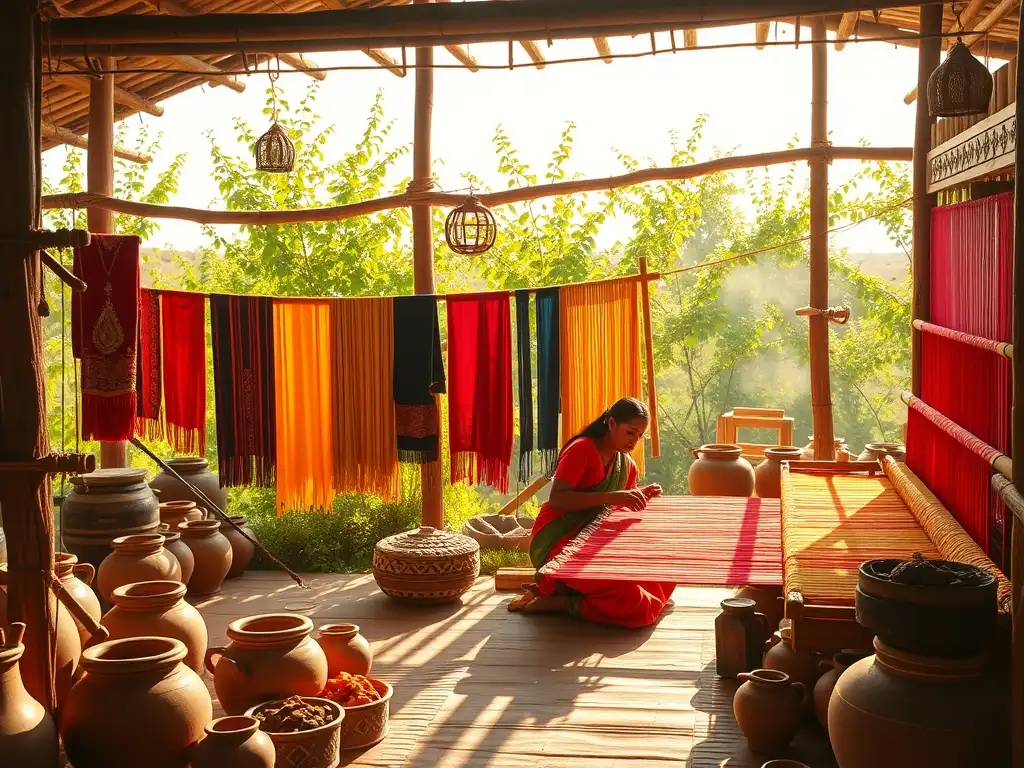
Welcome to Ancient India History, where we embark on a fascinating journey through the rich tapestry of India’s past. Here, we delve into the remarkable achievements of ancient civilizations, uncovering their cultural legacies and innovations. In our featured article, “How the Indus Valley Civilization Revolutionized Textile Production and Dyeing Techniques,” we explore the groundbreaking methods that transformed textile production in one of the world's earliest urban societies.
Prepare to be intrigued as we unravel the secrets behind the sophisticated craftsmanship that set the stage for centuries of artistry and trade. Join us as we discover how these ancient techniques continue to influence modern practices!
- Introduction to the Indus Valley Civilization and Textile Production
- The Evolution of Textile Production Techniques in the Indus Valley
- Dyeing Techniques of the Indus Valley Civilization
- Comparative Analysis: Indus Valley Textile Techniques vs. Other Ancient Civilizations
- The Socio-Economic Impact of Textile Production in the Indus Valley
- Legacy of Indus Valley Textile Production Techniques
- Conclusion: The Lasting Influence of Indus Valley Textile Production Techniques
-
Frequently Asked Questions
- What innovations did the Indus Valley Civilization contribute to textile production?
- How did dyeing techniques in the Indus Valley differ from those of other ancient civilizations?
- What materials were primarily used in textile production by the Indus Valley Civilization?
- How did the textile production of the Indus Valley influence later civilizations?
- What role did trade play in the development of textile techniques in the Indus Valley?
- Final Reflection: The Enduring Legacy of Indus Valley Textile Production Techniques
- Unveil the Legacy of Textile Innovation!
Introduction to the Indus Valley Civilization and Textile Production
The Indus Valley Civilization, one of the world's earliest urban cultures, flourished between 3300 BCE and 1300 BCE in what is now Pakistan and northwest India. Renowned for its advanced city planning, architecture, and social organization, this civilization also made remarkable contributions to textile production and dyeing techniques.
The sophisticated methods of textile production practiced by the Indus Valley people not only laid the groundwork for future innovations but also played a vital role in their economy and cultural identity. Understanding these techniques provides insight into the daily lives, trade practices, and artistic expressions of the people of this ancient civilization.
Overview of the Indus Valley Civilization
The Indus Valley Civilization, also known as the Harappan Civilization, covered a vast area, encompassing major urban centers such as Harappa and Mohenjo-Daro. This civilization is notable for its:
- Urban Planning: Cities were meticulously laid out with grid patterns, sophisticated drainage systems, and public baths.
- Trade and Economy: The civilization thrived on trade, both internal and external, with evidence of connections to Mesopotamia and other regions.
- Craftsmanship: Artisans produced a variety of goods, including pottery, jewelry, and textiles, showcasing their skills and creativity.
Textile production was a significant industry in the Indus Valley, with archaeological findings indicating the presence of cotton cultivation and advanced weaving techniques. The use of natural dyes for coloring fabrics further exemplifies their innovative spirit and mastery over materials.
Significance of Textile Production in Ancient Cultures
Textile production has always held a central place in ancient cultures, serving not only as a means of clothing but also as a reflection of social status, trade dynamics, and cultural identity. In the context of the Indus Valley Civilization, textile production played several critical roles:
- Economic Impact: Textiles were a major commodity in trade, contributing to the economic prosperity of the civilization. The ability to produce high-quality fabrics allowed for robust trade networks.
- Cultural Expression: Clothing often conveyed cultural significance, with patterns and colors reflecting social norms and values. The intricate designs found in Indus textiles reveal artistic expression and cultural storytelling.
- Technological Advancement: Innovations in weaving and dyeing techniques set the foundation for future textile industries, influencing neighboring regions and civilizations.
The mastery of these techniques not only facilitated day-to-day living but also established a lasting legacy in textile arts throughout ancient history.
Purpose of the Article: Exploring Textile Techniques
This article aims to delve into the intricate textile production techniques of the Indus Valley Civilization, highlighting the innovative practices that revolutionized the industry. By examining the methods used in weaving, dyeing, and fabric production, we will uncover how these ancient artisans contributed to one of the earliest and most significant textile industries in history.
The exploration of these techniques will not only enhance our understanding of the technological prowess of the Indus Valley people but also illustrate the broader cultural implications of textile production in ancient societies. As we embark on this journey through history, we will reveal the enduring influence of Indus Valley textile production techniques on subsequent civilizations and modern practices.
The Evolution of Textile Production Techniques in the Indus Valley
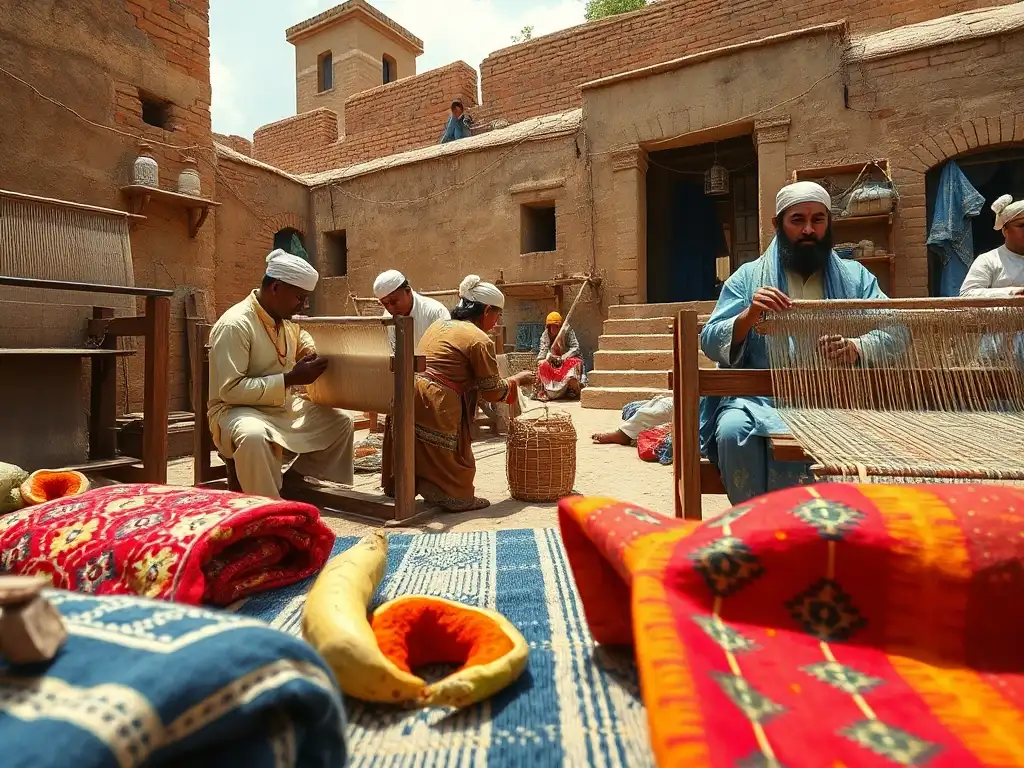
The Indus Valley Civilization, one of the world's earliest urban cultures, made significant advancements in various fields, including textile production techniques. The evolution of these techniques played a critical role in shaping the economic and cultural landscape of the region. Through innovative methods and the utilization of local resources, the Indus Valley artisans created textiles that not only served practical purposes but also held aesthetic value, influencing later textile production in India and beyond.
Early Innovations in Textile Manufacturing
Textile production in the Indus Valley can be traced back to around 3000 BCE, where archaeological evidence suggests the presence of advanced techniques. The civilization's urban centers, such as Mohenjo-Daro and Harappa, showcased sophisticated workshops that utilized both hand-spinning and weaving processes.
The use of the spindle wheel, a pivotal invention, allowed for efficient spinning of fibers into thread. This innovation drastically reduced the time required for textile production and increased the quality of the yarn. The weaving process benefited from the use of simple looms, which enabled artisans to create intricate patterns and structures.
Notably, the dockyards of Lothal indicate a robust trade network, allowing for the exchange of textiles with other civilizations. This commerce not only facilitated the spread of Indus Valley textile production techniques but also introduced new materials and styles, enriching the local textile repertoire.
Materials Used in Indus Valley Textile Production
The Indus Valley Civilization was resourceful in the selection and use of materials for textile production. The availability of various fibers contributed to the diversity of their textiles, showcasing both practicality and artistry.
Cotton Cultivation and Its Impact
Cotton holds a special place in the history of textile production, as the Indus Valley Civilization is believed to be one of the first cultures to cultivate this fiber. Evidence from archaeological sites indicates that cotton was grown as early as 2500 BCE.
- Cotton's Advantages:
- Breathability: The lightweight nature of cotton made it suitable for the hot climate of the region.
- Dye Absorption: Cotton fibers readily absorbed natural dyes, allowing artisans to create vibrant and varied colors.
- Durability: Cotton textiles had considerable longevity, making them valuable for trade and everyday use.
The cultivation of cotton not only revolutionized textile production techniques but also had a profound socio-economic impact, fostering trade relationships with neighboring regions.
Wool and Other Fibers
In addition to cotton, the Indus Valley civilization utilized other fibers, most notably wool, which was obtained from domesticated sheep. The use of wool introduced different textures and qualities to their textiles, evident in archaeological finds of woolen garments and blankets.
- Wool's Characteristics:
- Insulation: Wool provided warmth, making it ideal for colder climates and evening wear.
- Weaving Techniques: The texture of wool allowed for various weaving techniques, resulting in complex patterns and durable fabrics.
Other fibers, such as silk and flax, were also likely used, although evidence is less extensive than for cotton and wool. The combination of these materials demonstrates the Indus Valley artisans’ innovative approaches to textile production and their ability to adapt to available resources.
The Indus Valley textile production techniques were characterized by early innovations in manufacturing, a diverse range of materials, and an enduring impact on subsequent textile practices in India and beyond. The advancements made during this civilization laid the groundwork for a rich tradition in textile arts that continues to this day.
Dyeing Techniques of the Indus Valley Civilization
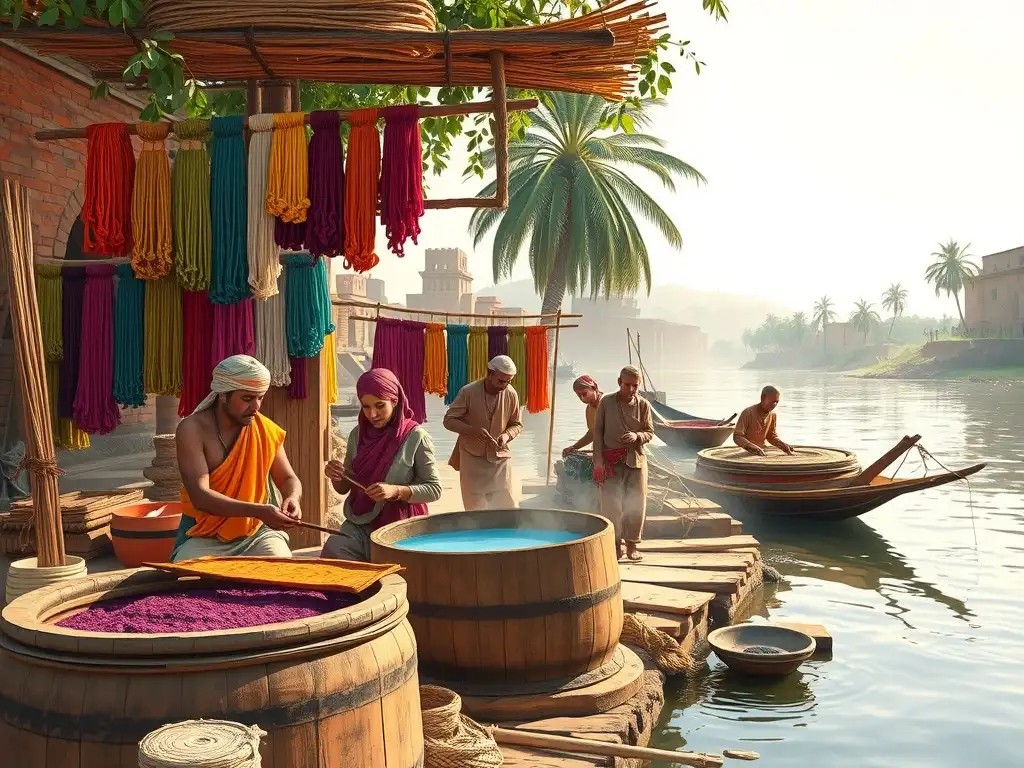
The Indus Valley Civilization, known for its advanced urban planning and craftsmanship, exhibited remarkable innovation in textile production and dyeing techniques. The dyeing methods employed by these ancient artisans not only enhanced the aesthetic appeal of textiles but also played a crucial role in trade and cultural expression.
Natural Dyes: Sources and Methods
Dyeing in the Indus Valley was primarily achieved using natural dyes derived from various organic sources. The artisans utilized both plant and animal materials to create vibrant colors that adorned their textiles.
Plant-Based Dyes
Plant-based dyes were the cornerstone of the dyeing industry in the Indus Valley. The following plants were commonly used:
- Indigo (Indigofera tinctoria): This plant was critical for producing a deep blue dye, which was highly valued in ancient trade. The leaves were fermented to extract the indigo pigment, which was then applied to textiles.
- Madder (Rubia tinctorum): Known for its red hues, madder roots were crushed and boiled to release the dye. This method created a range of colors from pink to deep red.
- Turmeric (Curcuma longa): This bright yellow dye was derived from the rhizome of the turmeric plant. It was often used in combination with other dyes to create a spectrum of colors.
- Pomegranate (Punica granatum): The rind and bark produced a yellow to golden hue, which was also used in conjunction with mordants to enhance color depth.
Animal-Based Dyes
In addition to plant sources, animal-based dyes contributed to the palette of the Indus Valley textile artisans:
- Cochineal (Dactylopius coccus): Though more commonly associated with later civilizations, there is evidence suggesting that early forms of this red dye, derived from scale insects, might have been utilized in the Indus Valley.
- Shellfish (Murex species): Purple dyes obtained from specific types of shellfish were rare and expensive, often used for high-status textiles. The process involved crushing the shells to extract the dye, which required skill and patience.
Advances in Dyeing Techniques
The sophistication of dyeing techniques in the Indus Valley Civilization showcased their understanding of chemistry and materials. These advances allowed for more vibrant colors and durable textiles.
Mordanting Processes
Mordants, substances used to fix dyes onto fabrics, played a crucial role in the dyeing process. The Indus Valley artisans employed various mordants, including:
- Alum (Potassium aluminum sulfate): This was the most common mordant, enhancing the brightness and longevity of dyes. It was derived from naturally occurring minerals.
- Tannins: Extracted from plants like oak and sumac, tannins were used to fix colors, particularly in conjunction with iron to create darker shades.
The mordanting process involved pre-treating the fabric before dyeing, ensuring that the colors adhered better and lasted longer.
Colorfastness and Longevity of Dyes
One of the remarkable features of the textiles from the Indus Valley Civilization was their colorfastness. The combination of natural dyes and effective mordanting techniques resulted in textiles that retained their vibrant colors over time.
- Testing Methods: Artisans would often test the effectiveness of their dyes by exposing them to sunlight and water to ensure durability before applying them to finished textiles.
- Trade and Legacy: The reputation for high-quality, colorfast textiles allowed the Indus Valley to engage in extensive trade networks, influencing dyeing practices in neighboring regions and contributing to the legacy of textile production techniques throughout ancient India.
The dyeing techniques of the Indus Valley Civilization epitomized their innovative spirit and understanding of natural resources, leading to vibrant textiles that were not only functional but also culturally significant. The mastery of both plant and animal-based dyes, along with advanced mordanting processes, laid the groundwork for future developments in textile technology and continues to inspire modern practices.
Comparative Analysis: Indus Valley Textile Techniques vs. Other Ancient Civilizations
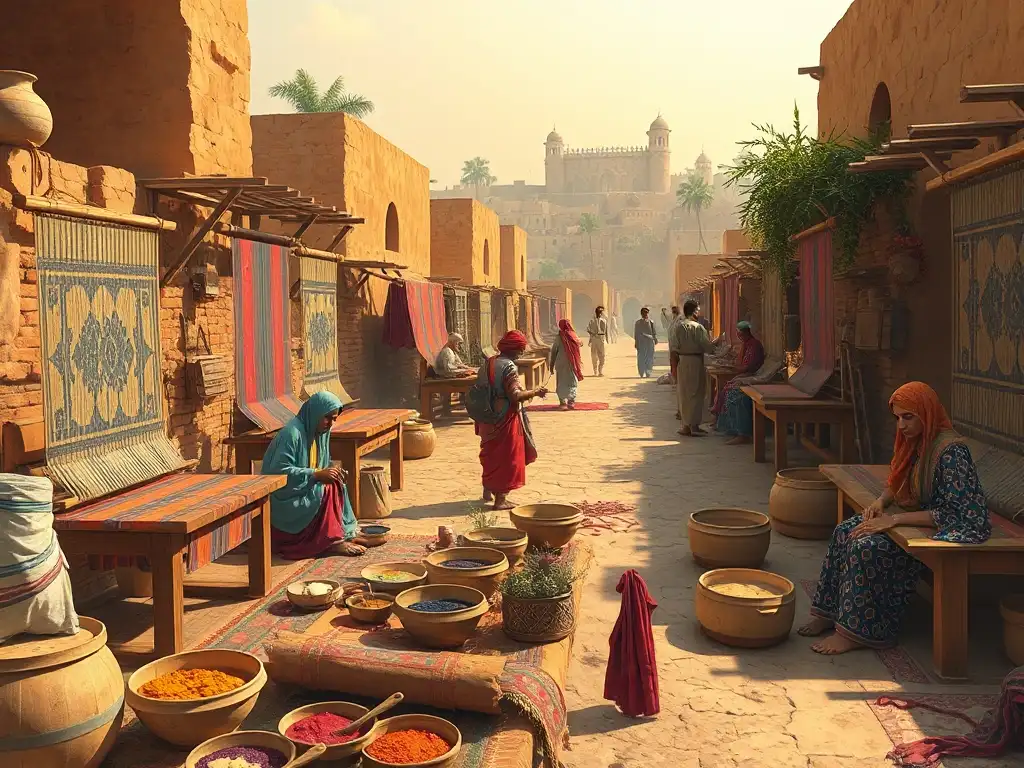
Similarities with Mesopotamian Textile Production
The textile production techniques of the Indus Valley Civilization exhibit several notable similarities with those of Mesopotamia, particularly in the use of raw materials and weaving methods. Both civilizations relied heavily on plant fibers, such as cotton and flax, which were cultivated in their respective regions.
- Materials Utilization:
- Cotton: While the Indus Valley is renowned for the early cultivation of cotton, Mesopotamia primarily utilized flax. However, both regions benefited from the natural abundance of these fibers, facilitating the development of textile industries.
- Animal Fibers: Wool was predominantly used in Mesopotamia, whereas the Indus Valley utilized animal fibers such as sheep wool, which were spun into yarn for weaving.
- Weaving Techniques:
- Both civilizations employed similar weaving techniques, including the use of vertical looms. This enabled the production of intricate patterns and designs on textiles, showcasing the artisanship of both cultures.
- Dyeing Practices:
- The dyeing processes in both regions involved the use of natural dyes derived from plants, minerals, and insects. For instance, indigo was commonly used in both Indus Valley and Mesopotamian textiles to achieve vibrant blue hues.
The shared practices in textile production highlight a cultural exchange and mutual influence between these ancient civilizations, suggesting a broader network of trade and interaction.
Distinctions from Egyptian Dyeing Methods
While the Indus Valley Civilization and Egypt both engaged in sophisticated dyeing methods, several key distinctions set them apart.
- Dye Sources:
- The Egyptians primarily relied on vibrant mineral-based dyes, such as ochres and malachite, which provided a palette rich in colors like red and green. In contrast, the Indus Valley Civilization favored organic dyes, such as those derived from plants like indigo and madder, resulting in a more varied color spectrum but less permanence compared to mineral dyes.
- Techniques of Application:
- Egyptian textiles often featured a technique known as resist dyeing, where certain areas of fabric were treated to resist dye penetration, creating intricate patterns. Conversely, the Indus Valley artisans were more inclined toward direct dyeing methods, which allowed for the even application of colors across the fabric.
- Cultural Significance:
- In Egypt, color symbolism played a significant role, with specific colors representing deities and elements of the afterlife. In the Indus Valley, while colors were also significant, the practical application of dyeing techniques was often linked to the functionality and aesthetics of everyday clothing and trade goods.
These distinctions underscore the unique approaches to dyeing within these two ancient civilizations and reflect their respective cultural values and environmental resources.
Influence on Subsequent Indian Textile Traditions
The textile production techniques of the Indus Valley Civilization laid a foundational framework that significantly influenced subsequent Indian textile traditions, which can still be seen in modern practices.
- Continuity of Techniques:
- Many weaving and dyeing techniques developed during the Indus period persisted through the ages, influencing various regional styles across India. The use of handlooms, spinning wheels, and natural dyes continued to be central to Indian textile production, echoing the practices of the Indus artisans.
- Regional Styles:
- The legacy of Indus Valley textile techniques can be observed in the regional textile traditions that emerged in India, such as Khadi, Banarasi silk, and Kalamkari. Each of these styles incorporates elements of the original techniques while adapting to local resources and cultural narratives.
- Cultural Significance:
- Textiles from the Indus Valley were not only functional but also held significant cultural importance, often used in rituals and trade. This notion of textiles as culturally significant objects has persisted in Indian society, where textiles continue to play a vital role in festivals, weddings, and traditional attire.
The Indus Valley textile production techniques have left an indelible mark on the fabric of Indian culture, influencing both the craftsmanship and the socio-cultural narratives surrounding textiles throughout history.
The Socio-Economic Impact of Textile Production in the Indus Valley
Role of Textile Production in Trade and Economy
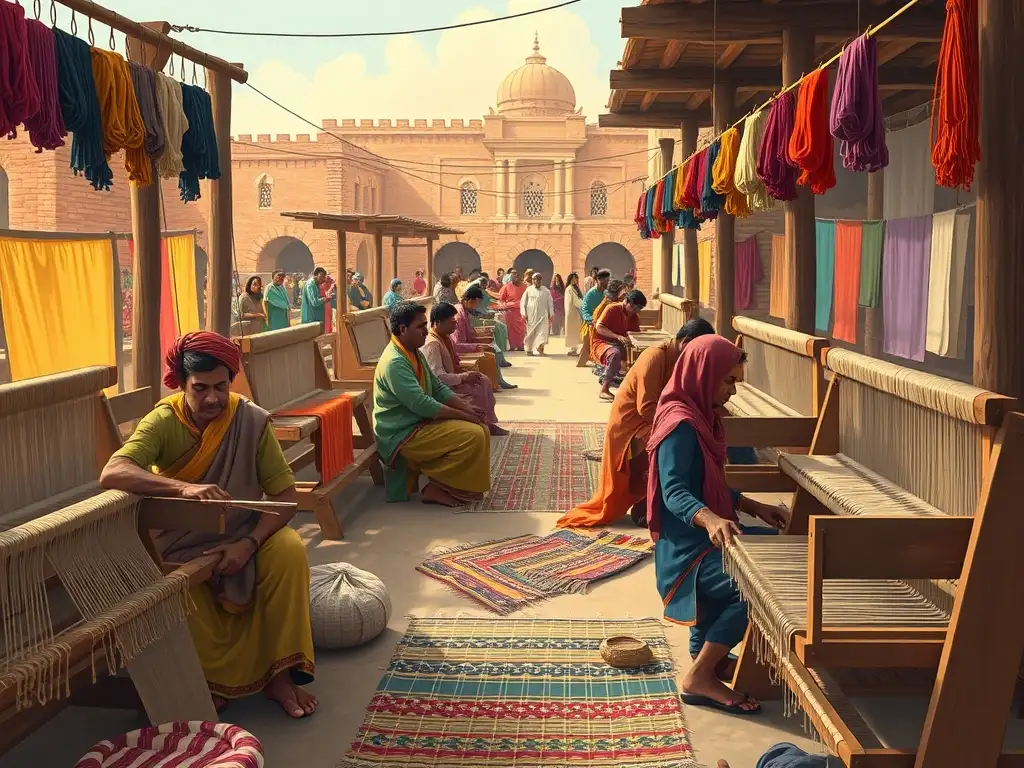
Textile production in the Indus Valley Civilization (IVC) played a pivotal role in shaping the economic framework of this ancient society. The sophistication in Indus Valley textile production techniques allowed for the creation of high-quality fabrics, primarily cotton, which became a valuable commodity in trade. Evidence suggests that the IVC was one of the earliest cultivators of cotton, with archaeobotanical findings indicating domesticated cotton plants dating back to around 5000 BCE.
Trade networks extended beyond the subcontinent, reaching regions such as Mesopotamia and Egypt. The textiles produced in the Indus Valley were not merely functional; they were seen as luxury items, often adorned with intricate patterns and dyes. This demand fueled inter-regional trade, with textiles being exchanged for goods such as precious metals, semi-precious stones, and other raw materials.
| Trade Partner | Main Exports | Main Imports |
|---|---|---|
| Mesopotamia | Cotton textiles | Silver and tin |
| Persia | Dyed fabrics | Gold and ivory |
| Egypt | Artistic textiles | Papyrus and grains |
The prominence of textile production significantly influenced the economic status of urban centers like Harappa and Mohenjo-Daro, where specialized workshops and trade guilds emerged, underscoring the importance of textiles in the overall economic landscape of the IVC.
Textile Craftsmen: Skills and Societal Status
The artisans responsible for textile production in the Indus Valley were highly skilled craftsmen. Their expertise in spinning, weaving, and dyeing extended beyond mere functional production; it encompassed artistry and cultural expression. The IVC's textile craftsmen were adept at using both manual techniques and rudimentary tools, signifying advanced craftsmanship for their time.
- Key Skills:
- Spinning: The use of spindle whorls, often made from terracotta or stone, indicates a sophisticated understanding of thread production.
- Weaving: Evidence of large loom weights found in excavations suggests the presence of complex weaving techniques, producing textiles of various patterns and textures.
- Dyeing: The discovery of dyeing pits and remnants of natural dyes, such as indigo, points to a rich tradition of fabric coloration.
The societal status of textile craftsmen varied, but they generally occupied a respected position within the social hierarchy. Their skills were essential for both domestic use and trade, creating a demand for their expertise. The production of textiles was not only a means of livelihood but also a reflection of cultural identity and prestige.
Influence on Daily Life and Cultural Practices
Textile production in the Indus Valley significantly impacted daily life and cultural practices. Clothing served not only practical purposes but also conveyed social status and identity. The variety of textiles produced—ranging from simple cotton garments to intricately embroidered pieces—highlighted the diversity and complexity of the society.
- Everyday Clothing: Common people typically wore simple cotton garments, while wealthier individuals adorned themselves in elaborate fabrics, often dyed in vibrant colors.
- Cultural Significance: Textiles played a key role in rituals and ceremonies. For instance, particular fabrics were likely reserved for religious purposes or significant life events, such as marriages.
- Artistic Expression: The motifs and patterns woven into textiles often reflected the natural world and spiritual beliefs, serving as a canvas for artistic expression.
The integration of textile production into the daily lives of the Indus Valley people illustrates how essential this craft was to their identity and cultural practices. The legacy of these ancient techniques continues to influence contemporary textile practices in the region, showcasing the enduring impact of the IVC on the fabric of Indian culture.
Legacy of Indus Valley Textile Production Techniques
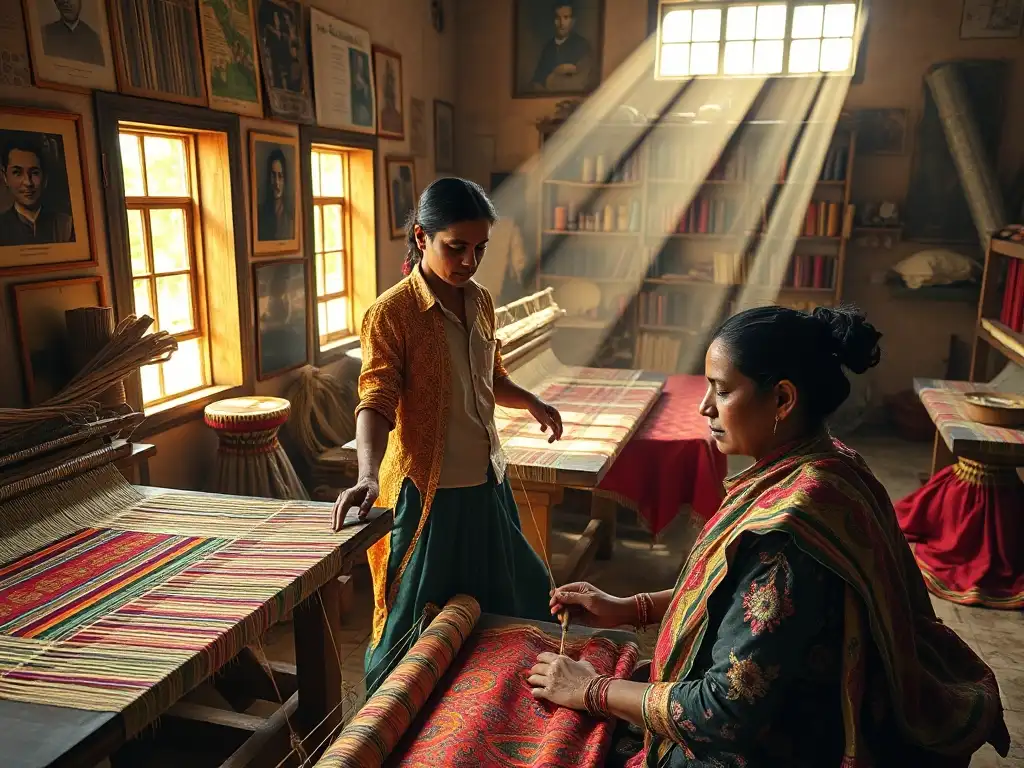
The Indus Valley Civilization (IVC), flourishing around 3300 to 1300 BCE, is renowned not only for its urban planning and architecture but also for its advanced textile production techniques. The legacy of these ancient practices has reverberated through centuries, influencing not just the regional textile industry but also setting benchmarks for quality and craftsmanship that continue to be admired today.
Modern Implications of Ancient Techniques
The textile production techniques of the Indus Valley, particularly their methods of spinning, weaving, and dyeing, have laid the groundwork for modern textile industries. Artisans of the IVC utilized locally sourced materials like cotton, which they cultivated and processed with remarkable efficiency. This early use of cotton has had profound implications:
- Sustainability: The natural dyeing processes used by the Indus Valley artisans, such as indigo and madder, are now being revisited in contemporary sustainable fashion. These techniques are seen as eco-friendly alternatives to synthetic dyes, which have harmful environmental impacts.
- Textile Innovation: The intricate weaving patterns discovered in archaeological sites, such as those in Harappa and Mohenjo-Daro, showcase a level of sophistication that inspires modern textile designers. The use of complex geometric designs and motifs can be seen in contemporary textile art, resonating with the rich heritage of the IVC.
- Global Influence: The IVC's textile techniques have had a lasting impact on global textile production. As trade routes expanded, so did the influence of Indus Valley textiles, which reached far-off lands, integrating their unique qualities into various cultures and practices.
Preservation of Traditional Methods in Contemporary India
In India today, the preservation of traditional textile production methods can be traced back to the innovations of the Indus Valley Civilization. Various regions in India continue to uphold these ancient practices, ensuring that the legacy of IVC techniques endures in the modern era.
- Handloom Weaving: Many Indian states, such as Gujarat and West Bengal, are known for their handloom weaving traditions, which echo the ancient techniques of the IVC. Craftsmen often employ similar methods of spinning and dyeing, creating textiles that are not only beautiful but also rich in cultural significance.
- Cultural Festivals and Workshops: Initiatives to promote traditional textile crafts are prevalent in contemporary India. Festivals celebrating handloom and textile arts often include workshops where artisans demonstrate ancient techniques, ensuring that knowledge is passed down to younger generations.
- Government Support: Several government programs aim to revitalize and promote traditional weaving and dyeing techniques. This not only helps preserve the cultural heritage but also supports local economies by providing livelihoods to artisans.
The commitment to preserving these ancient practices highlights the enduring legacy of the Indus Valley Civilization in contemporary society, ensuring that the rich tapestry of its textile production techniques continues to thrive and inspire future generations.
Conclusion: The Lasting Influence of Indus Valley Textile Production Techniques
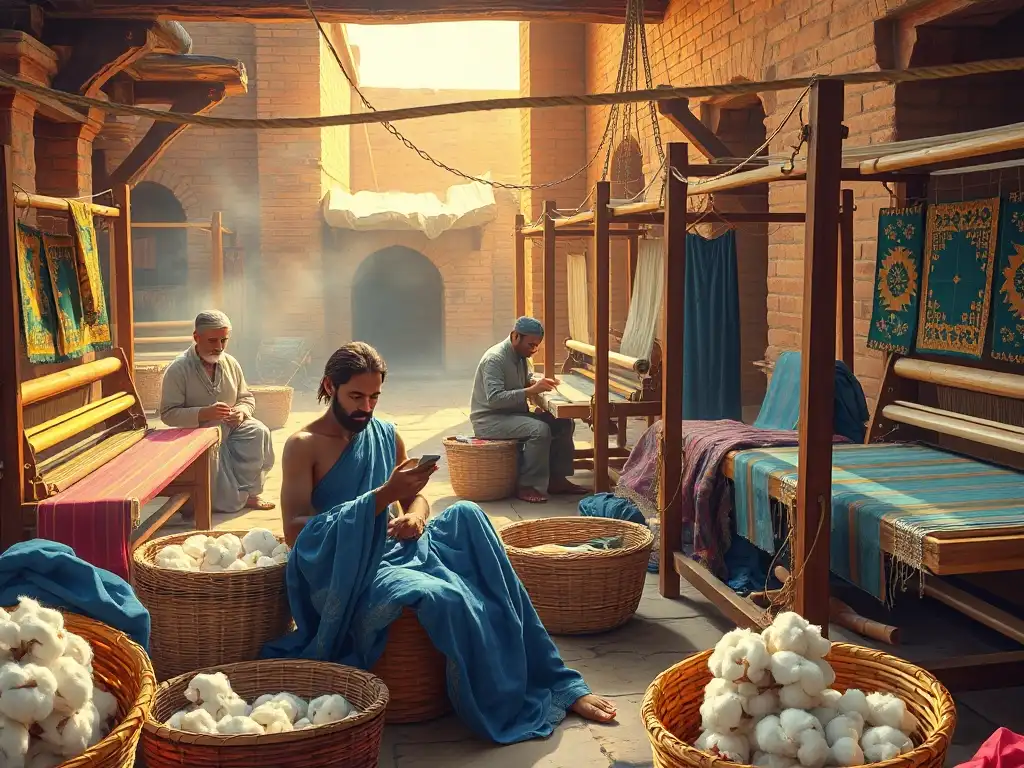
The legacy of the Indus Valley Civilization (IVC) in textile production and dyeing techniques is profound and continues to resonate throughout history. The innovative practices established by the IVC not only laid the groundwork for future textile industries in India but also influenced global textile production techniques. The mastery of spinning, weaving, and dyeing in this ancient civilization exemplifies a sophisticated understanding of materials and craftsmanship that was ahead of its time.
Summary of Key Contributions
The IVC is credited with several key advancements in textile production, which can be summarized as follows:
- Advanced Spinning Techniques: The use of spindle whorls, which have been excavated at various IVC sites, indicates a high level of skill in spinning threads from cotton and other fibers. This facilitated the production of fine, durable fabrics.
- Weaving Innovations: Evidence suggests that the IVC employed both simple and complex looms. The resulting textiles were not only practical but also featured intricate designs, showcasing artistic expression.
- Dyeing Methods: The IVC pioneered the use of natural dyes, derived from local plants and minerals. The vibrant colors produced were not only visually appealing but also durable, enhancing the longevity of the textiles.
- Trade and Cultural Exchange: Textiles produced in the IVC were highly sought after, contributing to extensive trade networks. This exchange not only spread their textile production techniques but also facilitated cultural interactions with neighboring civilizations.
These contributions are critical to understanding the technological advancements of the time and the cultural significance of textiles in the IVC.
Reflection on the Importance of Textile Heritage in Ancient Indian History
The textile heritage of the Indus Valley Civilization serves as a testament to the ingenuity and creativity of ancient Indian societies. Textiles were not merely functional items; they played a significant role in social and cultural practices. Here are some reflections on their importance:
- Cultural Identity: Textiles were often used to signify status, identity, and cultural affiliation. The variety of textiles produced reflected the diversity and richness of the society, contributing to a sense of community and belonging.
- Economic Impact: The textile industry was a vital component of the IVC's economy. The production and trade of textiles created jobs and supported local artisans, illustrating the economic interdependence within the civilization.
- Artistic Expression: The intricate designs and patterns found in IVC textiles reveal a deep appreciation for artistry. These textiles were not only utilitarian but also expressions of cultural narratives and beliefs.
- Influence on Future Generations: The techniques developed during the IVC laid the foundation for subsequent Indian textile traditions. The skills and practices evolved but remained rooted in the innovative methods pioneered by the IVC.
The Indus Valley textile production techniques represent a remarkable chapter in ancient Indian history, characterized by innovation and cultural significance. Their influence continues to inspire contemporary textile practices and remains a vital part of India's rich heritage.
Frequently Asked Questions
What innovations did the Indus Valley Civilization contribute to textile production?
The Indus Valley Civilization was known for its advanced textile production techniques, including the use of cotton and dyeing methods that were innovative for their time.
How did dyeing techniques in the Indus Valley differ from those of other ancient civilizations?
The dyeing techniques in the Indus Valley utilized natural dyes derived from plants and minerals, which were more environmentally friendly compared to synthetic dyes used later.
What materials were primarily used in textile production by the Indus Valley Civilization?
The primary materials included cotton, which was cultivated locally, and wool, showcasing the civilization's adeptness in utilizing natural fibers for their textiles.
How did the textile production of the Indus Valley influence later civilizations?
The textile production techniques of the Indus Valley laid the groundwork for trade, influencing textile craftsmanship in subsequent cultures, particularly in South Asia.
What role did trade play in the development of textile techniques in the Indus Valley?
Trade was crucial, as it facilitated the exchange of materials, techniques, and designs with other cultures, enhancing the sophistication of textile production and dyeing methods.
Final Reflection: The Enduring Legacy of Indus Valley Textile Production Techniques
The Indus Valley Civilization's innovative textile production techniques not only laid the groundwork for future advancements in fabric and dyeing but also resonate profoundly in today's global textile industry. As we navigate a world increasingly focused on sustainability and ethical practices, the ancient methods of the Indus Valley serve as a reminder of the ingenuity and resourcefulness that can inspire modern practices. The legacy of this civilization is not merely historical; it is a call to embrace and adapt these time-honored techniques in our contemporary context.
The influence of the Indus Valley's textile production extends beyond mere craftsmanship; it has woven itself into the cultural and social fabric of societies around the world. The intricate designs and natural dyeing methods used by the artisans of this ancient civilization continue to inspire contemporary textile artists and manufacturers. As we witness a resurgence in interest for sustainable and artisanal practices, we can reflect on the words of historian John M. Rosenfield: The art of textiles is not just about fabric; it is a narrative of culture, identity, and innovation.
This observation underscores how the techniques developed thousands of years ago still inform our understanding of art and craftsmanship today.
As we conclude our exploration of the Indus Valley's textile production techniques, I invite you to reflect on how these ancient practices can inform your own life and choices. Consider how you can incorporate sustainable practices into your daily routine, whether through supporting ethical brands, exploring DIY dyeing techniques, or simply appreciating the artistry behind textiles. Let the ingenuity of the Indus Valley Civilization inspire you to seek out and celebrate the stories woven into the fabric of our lives, reminding us that history has much to teach us about the future we are crafting.
Unveil the Legacy of Textile Innovation!
Thank you for diving into the fascinating world of the Indus Valley Civilization and their groundbreaking contributions to textile production and dyeing techniques! Your interest not only keeps these ancient innovations alive but also inspires continued exploration of our shared history.
Now, let’s take action to celebrate and learn more from this incredible legacy:
- Explore your closet—discover a piece of clothing or fabric that intrigues you, and research its history and production methods.
- Join online forums or local workshops focused on traditional dyeing techniques to connect with fellow textile enthusiasts.
- Share your findings! Discuss the influence of ancient styles on contemporary fashion on social media or in community groups.
In what ways do you think the ancient techniques of the Indus Valley could inspire modern textile practices today?