
The Influence of Kautilya's Arthashastra on Mauryan Politics and Warfare

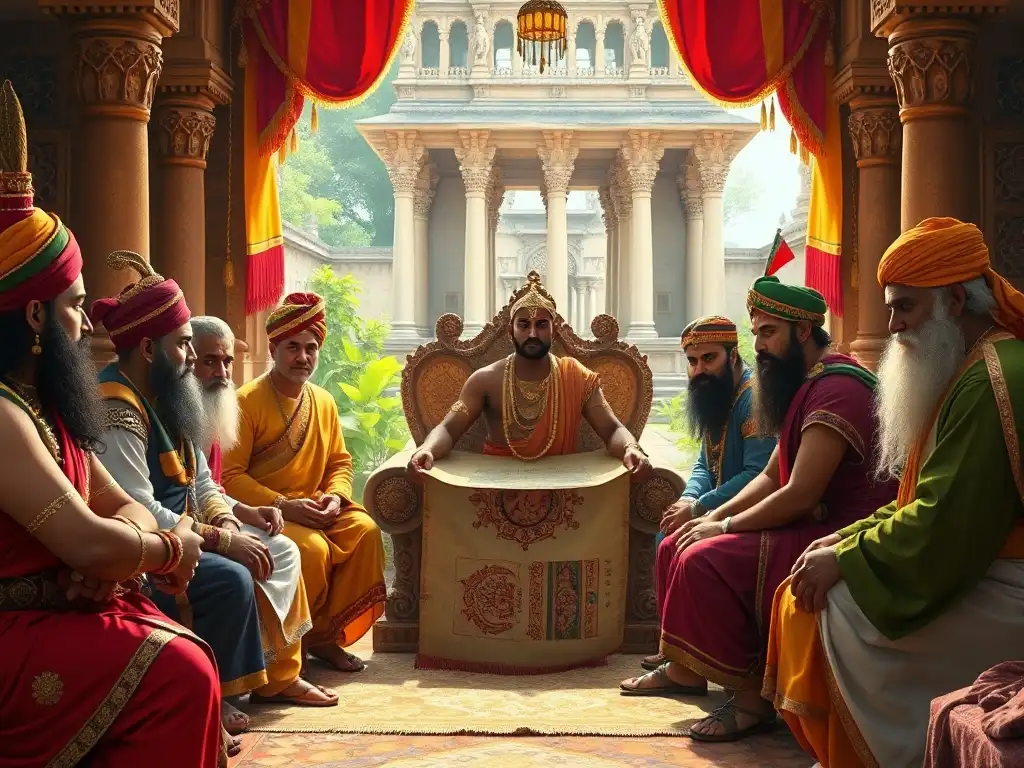
Welcome to Ancient India History, where we embark on an enlightening journey through the vast tapestry of ancient Indian civilizations. Today, we delve into the profound influence of Kautilya's Arthashastra on Mauryan politics and warfare—a pivotal text that shaped strategies and governance in one of history's most remarkable empires. Discover how this ancient manuscript not only reflects the ingenuity of its time but also continues to resonate in modern contexts.
Prepare to unravel the complexities of power, diplomacy, and military tactics as we explore the legacy of Kautilya and its impact on the Mauryan dynasty. Are you ready to uncover the secrets behind this influential work? Let's dive in!
Introduction to Kautilya and the Arthashastra
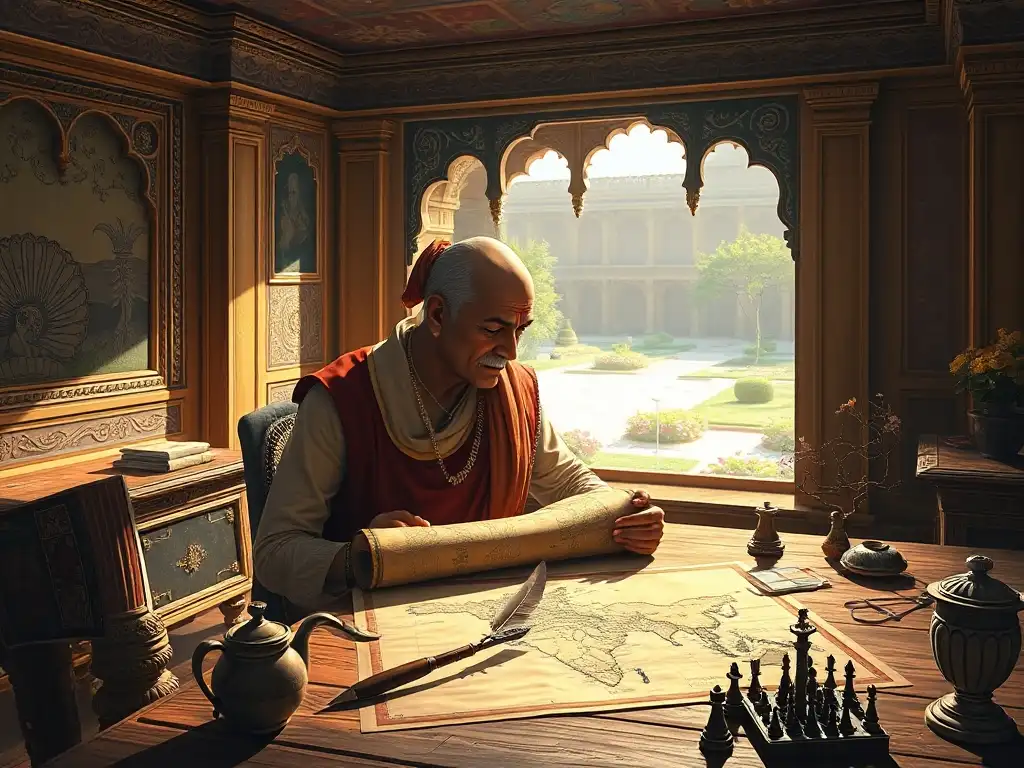
Kautilya, also known as Chanakya, is a towering figure in the history of ancient India, renowned for his profound intellect and astute political acumen. His seminal work, the Arthashastra, serves as a comprehensive guide to statecraft, economics, and military strategy. Composed in the 4th century BCE, this treatise not only outlines the principles of governance but also reflects the socio-political landscape of its time.
Kautilya's insights into power dynamics, statecraft, and the intricacies of human behavior have had a lasting impact on the Mauryan Empire, particularly under the reign of Chandragupta Maurya and his successors. This article delves into the significant influence of Kautilya’s Arthashastra on Mauryan politics and warfare, exploring its key concepts, methodologies, and historical relevance.
Who was Kautilya?
Kautilya was a philosopher, economist, and statesman who is often regarded as the architect of the Mauryan Empire's rise to power. Born in a Brahmin family in ancient India, he was educated in the Vedas and various sciences, which equipped him with a unique blend of knowledge and practical wisdom. His most notable contribution, the Arthashastra, is a testament to his understanding of political science and military strategy.
Kautilya served as an advisor to Chandragupta Maurya, playing a pivotal role in overthrowing the Nanda Dynasty and establishing the Mauryan Empire. His teachings emphasize the importance of pragmatism in governance and the utilization of intelligence and strategy in political affairs.
Overview of the Arthashastra
The Arthashastra is an ancient Indian treatise that covers a wide array of topics related to statecraft, including governance, economics, law, and military strategy. Structured in 15 books, it delves into the complexities of political power, the role of the king, the importance of diplomacy, and the art of warfare. Kautilya's work is characterized by its realistic approach, often advocating for cunning and strategic manipulation to achieve political objectives. The text serves as a manual for rulers, providing them with practical advice on maintaining sovereignty, managing resources, and engaging in warfare, reflecting the turbulent political environment of the time.
Historical Context of the Arthashastra
The Arthashastra was composed during a period of significant political upheaval in ancient India. The decline of the Nanda Dynasty and the subsequent rise of the Mauryan Empire created a fertile ground for Kautilya's ideas on governance and strategy. The text draws from historical events and the prevailing socio-economic conditions of the era, offering insights into the challenges faced by rulers.
Kautilya’s work was not just a theoretical framework; it was a response to the realities of political power struggles, invasions, and the need for a cohesive state apparatus. The relevance of the Arthashastra transcends its time, as it addresses fundamental issues of governance and strategy that remain pertinent in various forms throughout history.
Kautilya's Arthashastra: Key Concepts
Political Philosophy in the Arthashastra
Kautilya's political philosophy is grounded in realism and pragmatism. He emphasized that the ultimate goal of a ruler should be to maintain power and ensure the stability of the state. Unlike idealistic views that prioritize ethical governance, Kautilya advocated for a more flexible approach, urging rulers to adapt their strategies based on circumstances. His concept of Dharma (moral duty) coexists with Artha (material prosperity), suggesting that the pursuit of power must be balanced with ethical considerations. This duality forms the basis of his political thought, influencing the governance model of the Mauryan Empire.
The Role of Economics in Governance
Economics plays a crucial role in Kautilya's Arthashastra, where he outlines the importance of wealth as a foundation for political power. He believed that a strong economy is essential for maintaining a robust state, as it provides the resources necessary for governance, military campaigns, and public welfare. Kautilya's work addresses various economic aspects, including taxation, trade, and resource management. His insights into economic policy guided the Mauryan rulers in establishing a centralized administration that effectively managed the empire's vast resources, contributing to its prosperity.
Strategies of Warfare and Diplomacy
Kautilya's approach to warfare and diplomacy is characterized by a blend of strategic maneuvering and pragmatic decision-making. He emphasizes the importance of intelligence gathering, espionage, and the use of deception in warfare. His strategies include forming alliances, exploiting the weaknesses of enemies, and employing psychological tactics to gain an advantage. Moreover, Kautilya highlights the significance of diplomacy as a tool for conflict resolution, suggesting that negotiation can often be more effective than direct confrontation. This nuanced understanding of warfare and diplomacy shaped the military strategies of the Mauryan Empire and contributed to its expansion and consolidation of power.
The Mauryan Empire: A Brief Overview
The Mauryan Empire, one of the largest and most powerful empires in ancient India, emerged in the 4th century BCE. Spanning a significant portion of the Indian subcontinent, it laid the foundations for a centralized and sophisticated political entity. The empire is renowned for its remarkable achievements in governance, economy, and military strategy. Its establishment marked a pivotal point in Indian history, characterized by the unification of diverse regions under a single political umbrella, leading to advancements in trade, culture, and infrastructure.
The Mauryan Empire reached its peak under the reign of Emperor Ashoka, who is remembered for his promotion of Buddhism and the spread of its teachings across Asia. The empire's influence extended beyond mere territorial expansion, affecting various aspects of life, including art, architecture, and social structure. The political theories articulated by Kautilya in the Arthashastra played a vital role in shaping the Mauryan political framework, making it a significant subject of study for historians and political theorists alike.
Founding of the Mauryan Empire
The Mauryan Empire was founded by Chandragupta Maurya in 322 BCE, following the decline of the Nanda dynasty. With the help of Kautilya, who was also known as Chanakya, Chandragupta orchestrated a series of strategic moves to overthrow the Nandas. Kautilya's expertise in statecraft and military tactics was instrumental in this endeavor. The initial phase of the empire focused on consolidating power in the northern regions of India, gradually expanding southwards.
Chandragupta's rise to power was not merely a military achievement; it was also marked by astute political maneuvering. He established a centralized administration that allowed for efficient governance and resource management. The establishment of the Mauryan Empire set a precedent for future Indian rulers, emphasizing the significance of a strong central authority supported by a well-defined bureaucratic structure.
Major Rulers of the Mauryan Dynasty
The Mauryan Dynasty comprised several notable rulers, each contributing to the empire's legacy in distinct ways.
- Chandragupta Maurya (322–297 BCE): The founder of the empire, he is credited with laying the foundation for a unified Indian state and establishing a strong administrative system.
- Bindusara (297–273 BCE): The son of Chandragupta, he expanded the empire further and maintained the stability initiated by his father.
- Ashoka the Great (273–232 BCE): Perhaps the most famous Mauryan ruler, Ashoka is known for his conversion to Buddhism and his efforts to spread its message, as well as for his edicts promoting moral governance.
These rulers, particularly Ashoka, left an indelible mark on the political and cultural landscape of India, intertwining governance with ethical considerations, which resonated through the ages.
The Political Landscape of Ancient India
Before the rise of the Mauryan Empire, ancient India was characterized by a fragmented political landscape, with various kingdoms and republics vying for power. This decentralization often led to conflicts and instability. The existence of multiple local rulers and tribal confederacies created a complex web of alliances and rivalries. The political theories and practices that emerged during this period, particularly those articulated in Kautilya's Arthashastra, were a response to these dynamics.
Kautilya emphasized the importance of a well-structured state apparatus, advocating for the use of diplomacy, espionage, and military strategy to maintain power. His ideas on governance, statecraft, and warfare were revolutionary for their time, offering a pragmatic approach that resonated deeply within the context of the Mauryan Empire's rise and consolidation.
Kautilya's Influence on Mauryan Politics
Kautilya, through his seminal work Arthashastra, provided a blueprint for effective governance and statecraft that heavily influenced Mauryan politics. His insights into administration, economics, and military strategy became foundational to the political apparatus of the Mauryan Empire, especially under Chandragupta and Ashoka.
Implementation of Arthashastra Principles in Governance
The principles outlined in Arthashastra were systematically implemented in the governance of the Mauryan Empire. Kautilya advocated for a centralized administration, which facilitated efficient decision-making and resource allocation. Key concepts included:
- Realpolitik: Kautilya's emphasis on pragmatism over idealism influenced rulers to adopt flexible strategies in both diplomacy and warfare.
- Intelligence and Espionage: The use of spies and informants was crucial for maintaining internal security and understanding external threats.
- Economic Management: Kautilya stressed the importance of controlling trade and agriculture, which became vital to the Mauryan economy.
These principles not only shaped the governance of the Mauryan Empire but also established a template for political leadership in India for centuries to come.
Kautilya's Role in the Mauryan Administration
Kautilya served as the chief advisor to Chandragupta Maurya, playing a pivotal role in the establishment and administration of the empire. His expertise in governance and strategy made him an indispensable figure in the early Mauryan administration.
Kautilya's influence extended to various aspects, including:
- Formation of Policies: He was instrumental in formulating policies that enhanced state control over trade and resources.
- Training of Officials: Kautilya emphasized the need for a skilled bureaucracy, ensuring that officials were well-trained in matters of governance, law, and economics.
- Military Strategy: His insights into military tactics were crucial for the expansion and defense of the Mauryan Empire.
Kautilya’s role was not merely advisory; he actively shaped the administrative framework that would sustain the empire through various challenges.
Case Study: Chandragupta Maurya's Reign
Chandragupta Maurya's reign serves as a prime example of Kautilya's influence on Mauryan politics and military strategy. Upon ascending the throne, Chandragupta implemented many of Kautilya's strategies that were pivotal for the empire’s success.
- Consolidation of Power: Drawing on Kautilya’s teachings, Chandragupta focused on unifying the Indian subcontinent by defeating rival states and establishing a robust centralized authority.
- Military Campaigns: His military campaigns, notably against the Nandas and later against the territories of Alexander the Great’s former satraps, were characterized by strategic planning and efficient execution, hallmarks of Kautilya’s military doctrine.
- Administrative Reforms: Chandragupta adopted a system of governance that mirrored Kautilya’s vision, involving a strong bureaucracy and effective taxation systems.
The successful application of Arthashastra principles during Chandragupta's reign not only solidified his rule but also set the stage for the Mauryan Empire's expansion and enduring legacy in ancient Indian history.
Kautilya's Impact on Mauryan Warfare
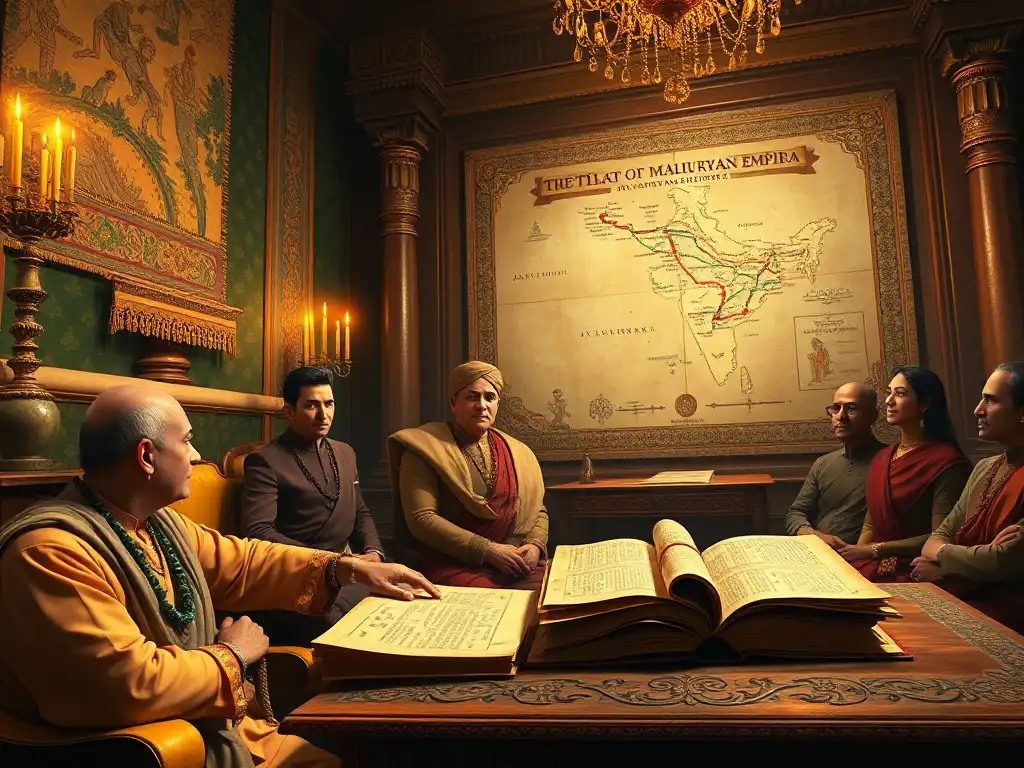
Kautilya, also known as Chanakya, played a pivotal role in shaping the military strategies of the Mauryan Empire through his seminal work, the Arthashastra. This ancient text not only provided insights into political governance but also laid a strong foundation for military tactics and strategies that were crucial for the success of the Mauryan Empire. Under the reign of Chandragupta Maurya, Kautilya's teachings were instrumental in transforming the Mauryan military into a formidable force capable of expanding and protecting its vast territories.
Kautilya emphasized the importance of a well-organized military structure, advocating for a disciplined army that incorporated various units such as infantry, cavalry, and war elephants. His strategies highlighted the need for adaptability in warfare, allowing the Mauryan forces to effectively respond to different combat scenarios. This adaptability was key to their success against rival kingdoms and in maintaining internal stability.
Military Strategies Derived from the Arthashastra
The Arthashastra outlines a range of military strategies that were directly implemented during the Mauryan campaigns. One of the primary strategies was the use of deception and psychological warfare, where Kautilya advised rulers to create confusion among enemy ranks. This included tactics such as feigned retreats and misinformation, which proved effective in many battles.
Additionally, Kautilya stressed the importance of fortifications and the strategic placement of troops. He advocated for the establishment of fortified cities and strongholds, which not only protected the empire’s borders but also served as bases for launching offensives. The Mauryan military utilized these principles to build an extensive network of fortifications, enhancing their defensive capabilities against invasions.
Moreover, the Arthashastra also discusses the importance of logistics and supply chains, advising that an army must be well-equipped and provisioned to sustain prolonged campaigns. This practical approach to military logistics ensured that the Mauryan forces could maintain their operational readiness during extensive military engagements.
Notable Battles and Military Campaigns
Kautilya's strategies and teachings were put into practice during several notable battles of the Mauryan Empire. One of the most significant campaigns was against the Nanda Dynasty, which laid the foundation for Chandragupta Maurya's rise to power. The Mauryan forces employed Kautilya's strategies of espionage and deception to undermine the Nanda's strength, ultimately leading to their defeat.
Another key military engagement was the conquest of the northern territories, including parts of present-day Afghanistan and Pakistan. The Mauryan Empire’s ability to extend its influence into these regions was largely attributed to Kautilya’s tactical acumen as laid out in the Arthashastra. The use of war elephants, combined with infantry and cavalry formations, showcased the innovative military tactics that were characteristic of this period.
The expansion into the Deccan region further exemplifies the effectiveness of Kautilya's military doctrine. The Mauryan forces faced significant resistance but were able to outmaneuver their opponents through strategic planning and execution, leading to the consolidation of their empire.
The Importance of Espionage and Intelligence
One of the most significant contributions of Kautilya's Arthashastra to Mauryan warfare was the emphasis on espionage and intelligence gathering. Kautilya believed that knowledge of the enemy was essential for successful military campaigns. He proposed a systematic approach to espionage, which included recruiting spies, utilizing informants, and conducting reconnaissance missions.
The insights gained through intelligence operations allowed the Mauryan commanders to anticipate enemy movements and strategies, giving them a crucial advantage in battle. This focus on intelligence not only aided in military success but also helped in political maneuvering and maintaining control over the vast empire.
Kautilya’s insights into the art of spying and information warfare marked a significant evolution in military strategy, influencing future generations of rulers. His methods became a blueprint for integrating espionage into statecraft, reinforcing the idea that knowledge is power.
The Legacy of Kautilya's Arthashastra in Subsequent Indian History
The impact of Kautilya's Arthashastra extended well beyond the Mauryan Empire, influencing political and military thought throughout subsequent periods of Indian history. Its principles continued to resonate with rulers and scholars who sought to understand the dynamics of power, governance, and warfare.
Influence on Later Indian Dynasties
After the decline of the Mauryan Empire, the Arthashastra served as a guiding text for various Indian dynasties, including the Gupta Empire. Rulers such as Samudragupta and Chandragupta II drew upon Kautilya’s strategies to navigate the complexities of governance and military campaigns. The emphasis on statecraft, economic management, and diplomatic relations found in the Arthashastra became foundational to the functioning of these later empires.
Furthermore, the text provided frameworks that were adopted in various regional kingdoms across India, illustrating its broad appeal and adaptability to different political contexts. The legacy of Kautilya's teachings ensured that his insights into warfare and governance remained relevant for centuries.
Relevance in Modern Political Thought
In contemporary times, Kautilya's Arthashastra is often referenced in discussions surrounding political strategy and statecraft. Scholars and political leaders alike have drawn parallels between Kautilya's insights and modern theories of diplomacy, governance, and military strategy. The text's pragmatic approach to power dynamics and statecraft continues to be studied in various political science and international relations programs worldwide.
Additionally, Kautilya's ideas on realpolitik resonate with modern political leaders who navigate the complexities of global politics. His emphasis on pragmatism over idealism offers valuable lessons for contemporary governance and conflict resolution.
Continuing Studies and Interpretations of the Arthashastra
The Arthashastra remains a subject of extensive scholarly research and interpretation. Academics and historians continue to explore its themes, analyzing its relevance to ancient and modern political practices. Various translations and commentaries have emerged, providing insights into Kautilya's thought processes and methodologies.
Additionally, interdisciplinary studies that incorporate insights from philosophy, economics, and military science have enriched the understanding of the Arthashastra. This ongoing scholarly engagement illustrates the enduring significance of Kautilya's work in both historical and contemporary contexts, emphasizing its role as a foundational text in the study of political strategy and governance.
Conclusion
The influence of Kautilya's Arthashastra on Mauryan politics and warfare represents a pivotal turning point in the governance and military strategy of ancient India. Kautilya, also known as Chanakya, provided a comprehensive framework that not only guided the Mauryan Empire's internal administration but also shaped its external relations and military tactics. The principles outlined in the Arthashastra, including statecraft, espionage, and realpolitik, empowered Emperor Chandragupta Maurya to establish a vast empire that laid the foundations for a powerful and centralized political system.
The strategic insights from the Arthashastra were instrumental in the Mauryan conquest of rival kingdoms and in maintaining stability within the empire. Kautilya’s emphasis on pragmatism and adaptability in political matters allowed the Mauryan rulers to respond effectively to changing circumstances, ensuring the longevity and success of their rule.
Summary of Kautilya's Influence on Mauryan Politics and Warfare
Kautilya's Arthashastra serves as a critical text that encapsulates the principles of governance and military strategy during the Mauryan Empire. Key aspects of Kautilya's influence include:
- Realpolitik and Statecraft: Kautilya advocated for a pragmatic approach to governance, emphasizing the importance of power dynamics and the necessity of sometimes employing cunning tactics over moral considerations. This was evident in Chandragupta's rise to power and subsequent consolidation of his empire.
- Military Strategy: The Arthashastra provided detailed strategies for warfare, including the use of spies and intelligence to outmaneuver opponents. This tactical advantage played a crucial role in the Mauryan military campaigns, allowing them to effectively subdue rival kingdoms.
- Economic Management: Kautilya highlighted the importance of economic stability as a foundation for political power. His insights on taxation, resource management, and trade facilitated the Mauryan administration in generating wealth and sustaining their military endeavors.
- Diplomacy and Alliances: The text outlines the significance of diplomacy, advising on how to form alliances and manage relationships with neighboring states. This diplomatic acumen was vital for the Mauryan Empire in securing its borders and expanding its influence.
Kautilya's Arthashastra not only informed the political and military strategies of the Mauryan Empire but also established enduring principles that would influence future generations of rulers.
The Enduring Relevance of the Arthashastra in Historical Scholarship
The Arthashastra continues to be a subject of extensive study and discussion among historians, political scientists, and scholars of ancient Indian history. Its relevance transcends the ancient context and resonates with contemporary political theory and practice. Some key areas of enduring relevance include:
- Political Realism: Kautilya's insights into power dynamics and the often harsh realities of statecraft have contributed significantly to the field of political realism. His ideas challenge idealistic views of governance and emphasize the importance of understanding human nature and societal dynamics.
- Strategic Studies: Modern strategic studies frequently reference Kautilya’s military strategies and principles, particularly in the context of intelligence operations and asymmetric warfare. The emphasis on espionage and information warfare in the Arthashastra remains pertinent in contemporary military doctrines.
- Economic Policies: The economic theories outlined in the Arthashastra provide valuable lessons on resource allocation, taxation, and state-sponsored economic interventions. These principles are applicable in discussions around economic governance in both historical and modern contexts.
- Leadership and Governance: Kautilya’s reflections on leadership qualities, including decisiveness, intelligence, and adaptability, are timeless in their application to effective governance. His teachings continue to inspire leaders seeking to navigate complex political landscapes.
The Arthashastra not only played a foundational role in shaping the Mauryan Empire but also continues to influence a wide array of disciplines, demonstrating its lasting significance in the study of ancient and modern political thought.
- Introduction to Kautilya and the Arthashastra
- Kautilya's Arthashastra: Key Concepts
- The Mauryan Empire: A Brief Overview
- Kautilya's Influence on Mauryan Politics
- Kautilya's Impact on Mauryan Warfare
- The Legacy of Kautilya's Arthashastra in Subsequent Indian History
- Conclusion
Frequently Asked Questions
The Arthashastra is an ancient Indian treatise on statecraft, economics, and military strategy, authored by Kautilya, also known as Chanakya. It outlines various tactics for governance and warfare.
How did Kautilya influence Mauryan politics?
Kautilya's insights in the Arthashastra significantly shaped Mauryan political strategies, emphasizing the importance of realpolitik and effective governance to maintain power and stability.
What are some key themes in the Arthashastra?
Key themes include statecraft, diplomacy, economics, and military strategy. Kautilya discusses the balance between war and peace and the utilization of resources for the state’s benefit.
How did the Mauryan Empire implement Kautilya's ideas?
The Mauryan Empire, especially under Chandragupta Maurya, implemented Kautilya's strategies by establishing a strong central government, efficient tax systems, and a powerful military to expand and protect the empire.
What lasting impact did Kautilya’s Arthashastra have on Indian governance?
Kautilya's Arthashastra laid the groundwork for future Indian political thought, influencing both medieval and modern governance practices, with its principles still relevant in contemporary political strategy.
Final Reflection: The Enduring Legacy of Kautilya's Arthashastra
The principles laid out in Kautilya's Arthashastra continue to resonate profoundly in today's political and strategic landscapes. As we navigate the complexities of modern governance and international relations, the timeless wisdom of Kautilya reminds us that the art of statecraft is as relevant now as it was during the Mauryan Empire. The intricate balance of power, diplomacy, and warfare that Kautilya articulated serves as a guiding framework for leaders and strategists in an increasingly interconnected world.
The influence of Kautilya's Arthashastra extends beyond historical analysis; it shapes contemporary thought on governance and strategy. Its teachings have permeated various aspects of political discourse, inspiring leaders to adopt a pragmatic approach to statecraft. As Kautilya wisely noted, “There is some self-interest behind every friendship. There is no friendship without self-interests.” This observation underscores the importance of understanding motives in both personal and political relationships, a lesson that remains crucial in our interactions today.
As we reflect on the teachings of Kautilya, let us consider how we can apply these insights in our own lives and communities. Embrace the principles of strategic thinking, ethical governance, and the pursuit of knowledge, as these are not just relics of the past but vital tools for shaping a better future. I invite you to ponder how the lessons from the Arthashastra can inspire your actions and decisions, fostering a more thoughtful and impactful approach to the challenges we face in our personal and collective journeys.
Unveil the Wisdom of Kautilya: Take Action Now!
Thank you for exploring the profound teachings of Kautilya's Arthashastra and its remarkable impact on Mauryan politics and warfare. Your interest in this ancient text not only enriches your knowledge but also connects you to a pivotal piece of India's history. Now, let’s harness this insight and take some inspiring next steps!
- Dive deeper into Kautilya's strategies: Consider reading sections of the Arthashastra to discover how its teachings can be applied in today's world.
- Join a local history group or online forum: Engage with fellow history enthusiasts to discuss the relevance of Kautilya's principles in modern governance and strategy.
- Share your insights: Write a blog or social media post about how Kautilya's wisdom relates to contemporary issues. You never know who you might inspire!
Which aspect of Kautilya's teachings do you believe is most relevant in our current political landscape? Let’s discuss!