
Symbols and Meanings: Decoding Indus Valley Artistic Motifs

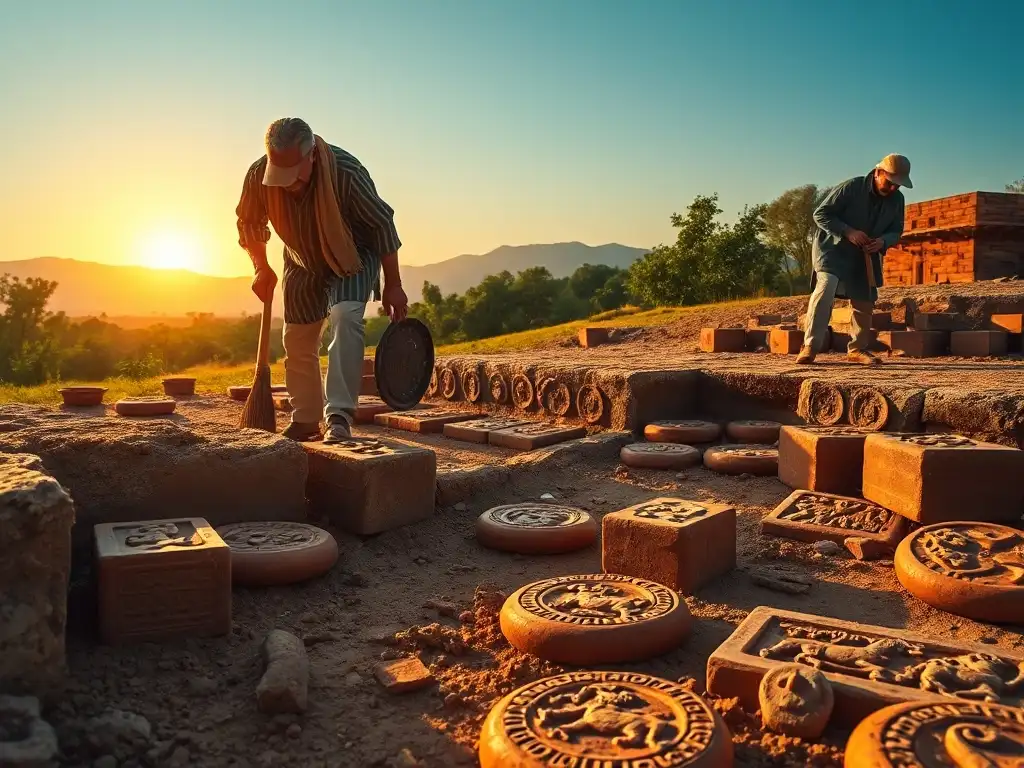
Welcome to Ancient India History, where we invite you to embark on a fascinating journey through the rich tapestry of ancient Indian civilizations. In our latest exploration, we delve into the enigmatic world of the Indus Valley artistic symbols, unraveling their profound meanings and the cultural narratives they convey. What secrets do these motifs hold, and how do they connect us to a civilization that thrived thousands of years ago? Join us as we decode the artistry that shaped a vibrant society, igniting your curiosity and inspiring you to uncover even more about the legacies of the past.
- Introduction to Indus Valley Artistic Symbols
- Understanding Indus Valley Artistic Symbols Meaning
- Common Artistic Motifs in the Indus Valley Civilization
- Decoding the Meaning Behind Specific Indus Valley Symbols
- The Role of Indus Valley Artistic Symbols in Daily Life
- Comparing Indus Valley Artistic Symbols with Other Ancient Cultures
- Conclusion: The Legacy of Indus Valley Artistic Symbols
- References and Further Reading on Indus Valley Artistic Symbols Meaning
-
Frequently Asked Questions
- What are the primary artistic symbols found in the Indus Valley Civilization?
- How do artistic motifs in the Indus Valley relate to their culture?
- What is the significance of geometric patterns in Indus Valley art?
- Are there any mythological references in Indus Valley artistic symbols?
- How can we interpret the meanings behind these artistic symbols today?
- Final Reflection: The Enduring Legacy of Indus Valley Artistic Symbols
- Unveil the Rich Tapestry of Indus Valley Artistry!
Introduction to Indus Valley Artistic Symbols
The Indus Valley Civilization, one of the world's earliest urban cultures, flourished around 2500 BCE in what is now modern-day Pakistan and northwest India. This remarkable civilization is renowned not only for its sophisticated city planning and advanced engineering but also for its rich artistic expressions.
Among these, the artistic symbols found in various artifacts provide profound insights into the cultural and spiritual life of the people. In this article, we will delve into the Indus Valley artistic symbols meaning, exploring the motifs that adorned seals, pottery, and other forms of art, and uncovering the narratives they conveyed about society, beliefs, and daily life in this ancient civilization.
Overview of Indus Valley Civilization
The Indus Valley Civilization (IVC) was characterized by its well-planned cities, such as Harappa and Mohenjo-Daro, which featured advanced drainage systems, standardized baked bricks, and impressive public buildings. Its urban centers were strategically located along the Indus River, facilitating trade and agriculture. The civilization thrived between 3300 BCE and 1300 BCE and is noted for its ability to adapt to the challenges posed by the environment, including flooding and drought.
- Key Features of IVC:
- Urban Planning: Grid layout of cities, with streets intersecting at right angles.
- Architecture: Multi-storied houses with ventilation systems and bathrooms.
- Trade: Extensive trade networks connecting the IVC with Mesopotamia and other regions.
The IVC is also distinguished by its script, which remains undeciphered, but numerous seals and inscriptions suggest a complex society with a rich linguistic tradition. The artistic motifs found within this civilization are not merely decorative; they reflect the values, beliefs, and social structures of the time.
Importance of Artistic Symbols in Ancient Cultures
Artistic symbols have always played a crucial role in ancient cultures, serving as a means of communication and expression. In the context of the Indus Valley Civilization, these symbols often held significant meanings, encapsulating religious, social, and economic aspects of life.
- Functions of Artistic Symbols:
- Cultural Identity: Symbols helped to establish a sense of belonging and community among the people.
- Religious Significance: Many motifs were likely associated with deities or spiritual beliefs, reflecting the civilization's worldview.
- Trade and Economy: Seals bearing artistic symbols were used in trade, showcasing the civilization's economic interactions and practices.
The study of these symbols not only enhances our understanding of the Indus Valley Civilization but also contributes to the broader narrative of ancient art and culture. By decoding the meanings behind these artistic expressions, we can gain deeper insights into the lives and values of one of history's most intriguing civilizations.
Understanding Indus Valley Artistic Symbols Meaning
Definition of Artistic Symbols in the Indus Valley
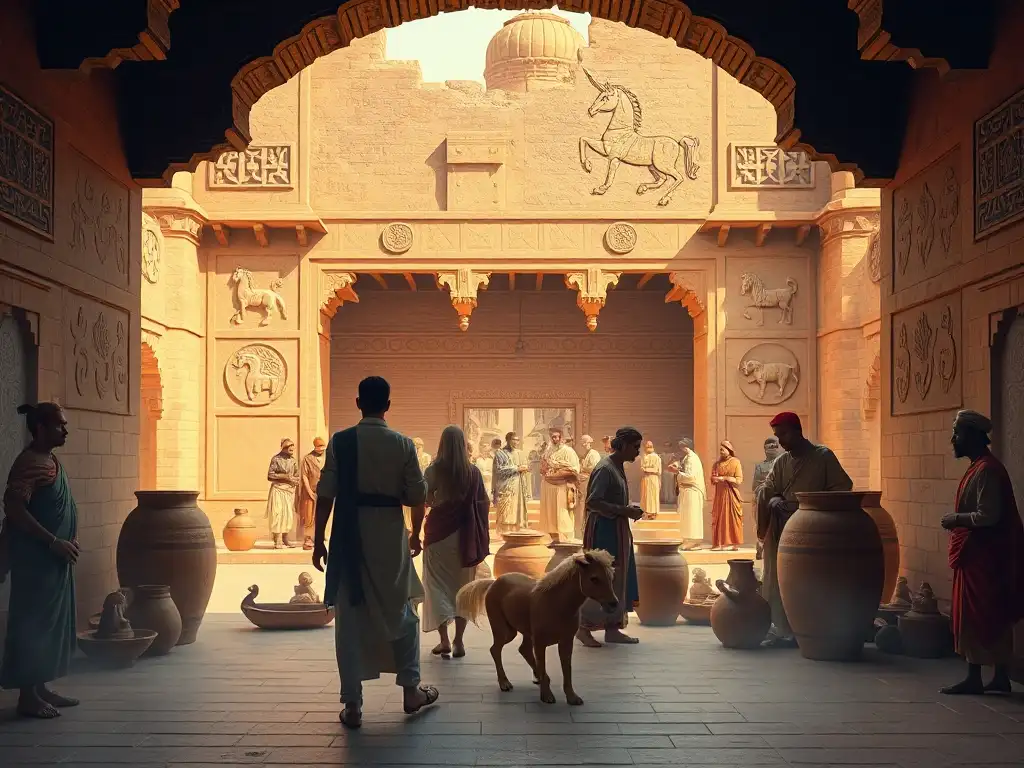
Artistic symbols in the Indus Valley Civilization are intricate representations that encapsulate the beliefs, values, and everyday life of its people. These symbols often manifest in various forms, including pottery, seals, and wall paintings, and serve as crucial visual language within the cultural context of the civilization.
The artistic symbols can be broadly categorized into several types:
- Geometric Patterns: These include motifs such as circles, triangles, and grids, which often represent cosmic concepts and natural phenomena.
- Animal Figures: Many seals feature animals, indicating their significance in the daily life and spiritual beliefs of the Indus people. Commonly depicted animals include elephants, tigers, and mythical creatures.
- Human Figures: Sometimes stylized, these figures may represent deities, priests, or common people, reflecting social hierarchies and religious practices.
- Abstract Symbols: These include motifs that may not have a clear representation but are believed to have spiritual or ritual significance.
The meaning behind these symbols often requires context, as they are not solely decorative but carry deeper insights into the civilization’s worldview, trade practices, and religious beliefs.
Significance of Symbols in Indus Valley Art and Architecture
The significance of Indus Valley artistic symbols extends beyond mere aesthetics; they play a vital role in understanding the civilization’s cultural and social framework. Here are several key aspects highlighting their significance:
- Cultural Identity: The symbols reflect a cohesive cultural identity among the various urban centers of the Indus Valley, such as Harappa and Mohenjo-Daro. Different motifs may signify specific communities or regions, thereby fostering a sense of belonging.
- Religious and Spiritual Insights: Many symbols are believed to have spiritual meanings, often associated with fertility, prosperity, and protection. For instance, the depiction of certain animals like the bull is thought to have agricultural significance, symbolizing strength and sustenance.
- Communication and Trade: Seals, adorned with artistic symbols, were widely used in trade. They served not only as markers of ownership but also as a means of communication across diverse linguistic groups. The symbols on these seals could convey messages related to trade, security, and cultural exchange.
- Societal Structure and Roles: The variety of symbols found in artifacts reveals insights into social roles and hierarchies. Artistic depictions of ritualistic practices or specific occupations might indicate the division of labor and societal organization within the civilization.
- Architectural Integration: Artistic symbols were not confined to portable objects; they were also integrated into the architecture of the time. Intricate carvings and motifs on the walls of public buildings and homes demonstrate the significance of art in daily life and communal spaces.
The Indus Valley artistic symbols meaning encapsulates a wealth of information about the civilization’s identity, beliefs, and social structure, making them invaluable for historians and archaeologists in reconstructing ancient life. Understanding these symbols allows for a deeper appreciation of the artistic heritage of the Indus Valley Civilization, highlighting its complexity and richness.
Common Artistic Motifs in the Indus Valley Civilization
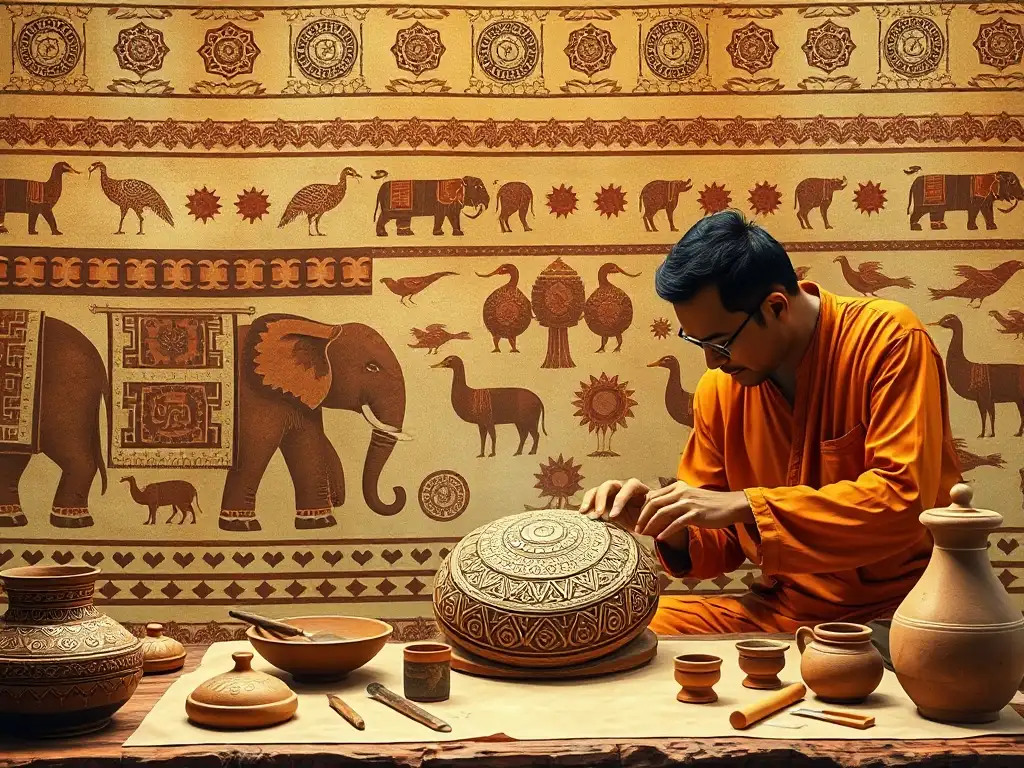
The Indus Valley Civilization, one of the earliest urban cultures in the world, is renowned for its sophisticated art forms that reflect the complex social, religious, and economic structures of its society. Common artistic motifs found in this civilization's artifacts reveal much about their beliefs, values, and everyday life. These motifs include geometric patterns, animal imagery, and representations of human figures and deities, each carrying distinct meanings and cultural significance.
Geometric Patterns and Their Meanings
Geometric patterns are prevalent in Indus Valley art, appearing in pottery, seals, and textiles. These designs often include chevrons, circles, squares, and triangles, and they served not only decorative purposes but also held symbolic meanings.
- Symbol of Order and Harmony: The use of geometric shapes is believed to represent the desire for order in a rapidly developing urban environment. The repetitive nature of these patterns suggests a connection to the natural world and the cosmos, embodying concepts of balance and symmetry.
- Cultural Significance: Some scholars suggest that specific geometric motifs may have been linked to particular deities or religious practices, acting as a form of communication or ritualistic expression. For instance, the circle is often regarded as a symbol of eternity and unity, while the triangle can represent the connection between the earthly and the divine.
The intricate designs found on seals and ceramics highlight the advanced artistic skills of the Indus Valley artisans and their keen understanding of aesthetics.
Animal Imagery: Symbolism and Cultural Relevance
Animal imagery is a predominant theme in Indus Valley artistic expressions, prominently featured in seals, pottery, and sculpture. Various animals, including elephants, tigers, and bulls, were depicted, each carrying rich symbolism and cultural relevance.
- Representation of Power and Divinity: Animals like the bull were often associated with fertility and strength, symbolizing agricultural prosperity. In contrast, the depiction of tigers may have conveyed notions of power and dominance, reflecting the natural environment's influence on the civilization’s culture.
- Religious and Mythological Connections: Certain animals are believed to have been linked to specific deities or mythological tales within the Indus Valley context. For instance, the unicorn motif, which remains enigmatic, could symbolize a mythical creature representing purity or divine power.
The prevalence of animal motifs underscores the connection between the Indus Valley people and their surroundings, illustrating both reverence for nature and a complex belief system intertwined with daily life.
Human Figures and Deities in Indus Valley Art
The representation of human figures and deities in Indus Valley art is less common but carries significant implications regarding societal structure and religious beliefs. These depictions can be analyzed through various artifacts, such as figurines, seals, and terracotta sculptures.
- Social Roles and Status: Human figures often reflect various roles within society, including laborers, merchants, and possibly priests. The attire and accessories depicted can provide insights into social hierarchy and cultural practices, suggesting that clothing styles may have indicated status or occupation.
- Deities and Spiritual Practices: Some artifacts hint at the worship of deities, with figures resembling mother goddesses or fertility symbols. These representations may have played a role in religious rituals aimed at ensuring fertility and prosperity, demonstrating the significance of spirituality in the daily lives of the Indus Valley people.
The nuanced portrayal of human figures and deities reveals the complex interplay between art, religion, and societal values in the Indus Valley Civilization, encapsulating a rich tapestry of beliefs and practices that continue to intrigue historians and archaeologists alike.
Decoding the Meaning Behind Specific Indus Valley Symbols
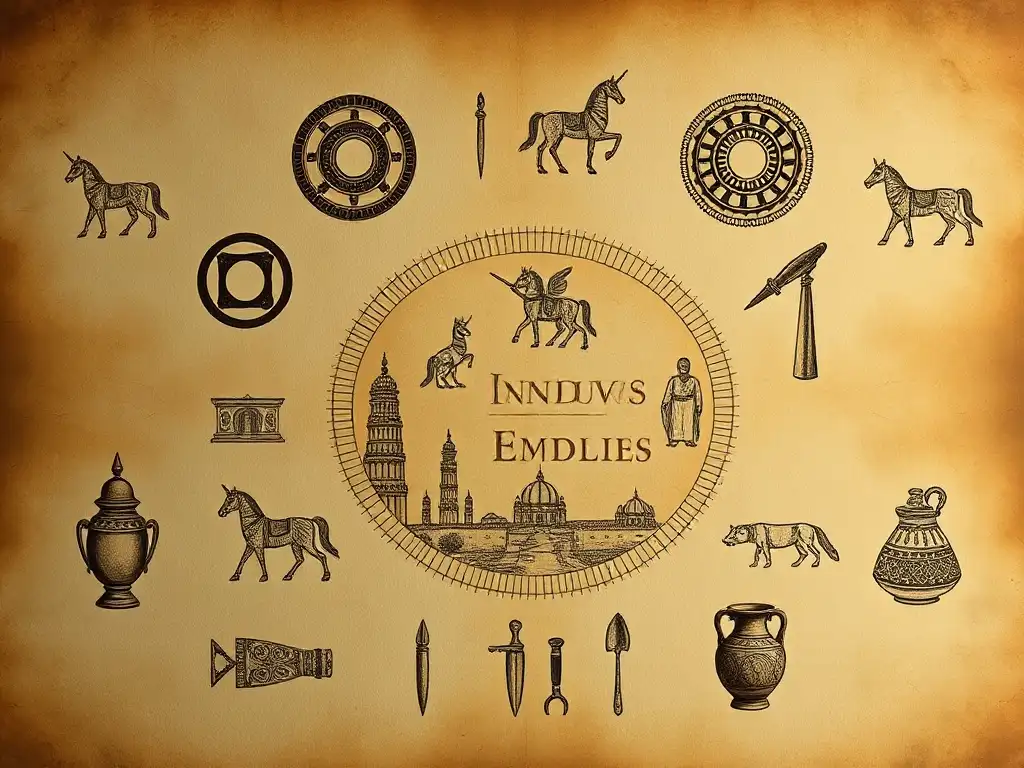
The Unicorn Seal: Interpretation and Importance
The Unicorn Seal, one of the most iconic artifacts from the Indus Valley Civilization, features a singular, mythical creature that has sparked considerable intrigue among historians and archaeologists. The seal typically depicts a long-horned animal, often interpreted as a unicorn, standing in a specific posture, often with a short body and an elongated neck.
Symbolic Interpretations
The meaning behind the Unicorn Seal has been the subject of various interpretations, including:
- Divine Representation: Some scholars suggest that the unicorn symbolizes a deity or a sacred animal, indicative of the religious beliefs prevalent in the Indus Valley.
- Royal Authority: The presence of the unicorn on seals, which were used for trade and administrative purposes, could signify authority and power, perhaps belonging to a ruler or a prominent figure within the society.
- Cultural Identity: The seal may also represent a unique cultural identity, distinguishing the people of the Indus Valley from neighboring civilizations.
The Unicorn Seal's prevalence in archaeological findings highlights its importance, serving not only as a form of artistic expression but also as a vehicle for conveying complex societal values and beliefs.
The Tree of Life: Symbolism in Indus Valley Culture
The Tree of Life is another significant motif found in Indus Valley art, representing a connection between the material and spiritual worlds. This symbol often appears in various forms, including pottery, seals, and other artifacts.
Elements of the Tree of Life
The Tree of Life can be broken down into several components that enhance its interpretation:
- Roots: Symbolizing stability and nourishment, roots often represent the connection to ancestors and the importance of heritage.
- Trunk: The trunk signifies strength and growth, embodying the community's resilience and the continuity of life.
- Branches and Leaves: These elements represent fertility, prosperity, and the cycle of life, echoing themes of regeneration and abundance.
The Tree of Life serves as a powerful reminder of the interconnectedness of all living things and the importance of nature in Indus Valley culture. This symbol reflects the civilization's deep reverence for the environment and its role in sustaining life.
Swastika Motifs: Historical Context and Significance
The Swastika is a motif that has transcended time and culture, yet its origins can be traced back to ancient civilizations, including the Indus Valley. This symbol, characterized by its distinctive cross shape with bent arms, carries profound meanings.
Historical Context
The Swastika has been found on various artifacts, indicating its significance in the daily life and spiritual beliefs of the Indus Valley people. Some key aspects include:
- Symbol of Prosperity: In ancient Indian traditions, the Swastika is often associated with good fortune, wealth, and well-being. Its presence in Indus Valley artifacts suggests that these values were integral to their society.
- Spiritual Significance: The Swastika is also linked to various deities and cosmological concepts, representing the cyclical nature of life and the universe. It may have been used in rituals or as a protective symbol.
Modern Interpretations
While the Swastika has been misappropriated in modern times, its origins in the Indus Valley reflect a rich cultural heritage that celebrated life, prosperity, and spirituality. The enduring legacy of the Swastika serves as a testament to the sophisticated understanding of symbols and their meanings within ancient Indian civilizations.
In exploring these Indus Valley artistic symbols, we gain valuable insights into the values, beliefs, and cultural identity of one of the world's earliest urban civilizations. The Indus Valley artistic symbols meaning not only enrich our understanding of their art but also illuminate the complexity of their societal structures and spiritual life.
The Role of Indus Valley Artistic Symbols in Daily Life
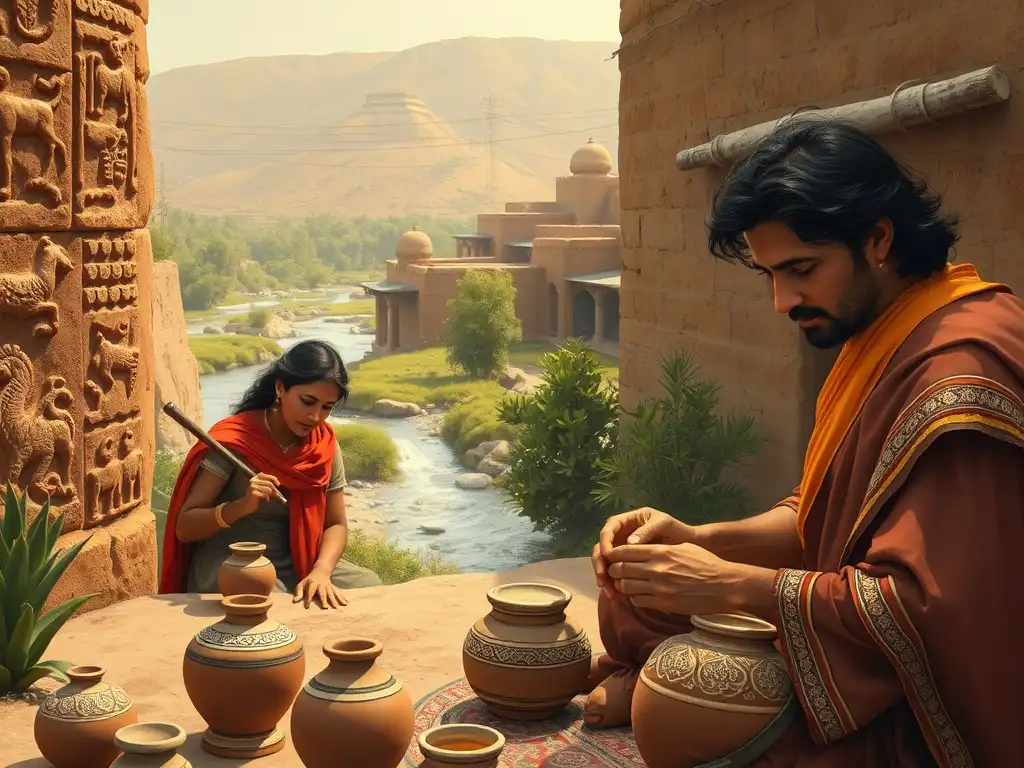
Indus Valley artistic symbols played a crucial role in the daily lives of its inhabitants, serving as a means of communication, expression, and cultural identity. The motifs found on seals, pottery, and various artifacts provide insight into the social, economic, and spiritual aspects of this ancient civilization. Understanding the meanings behind these artistic symbols can reveal how they influenced trade, commerce, and religious practices, reflecting the complex interplay between art and daily life.
Use of Symbols in Trade and Commerce
The Indus Valley Civilization was known for its vibrant trade networks, which extended across regions and even reached far-off lands. Artistic symbols were integral to these commercial activities, primarily through the use of seals. These seals often featured intricate motifs alongside inscriptions, which served several purposes:
- Identification of Goods: The symbols helped merchants identify and authenticate products. For instance, motifs depicting animals or specific designs could denote the origin or quality of goods.
- Cultural Branding: Certain symbols became associated with specific communities or trade groups, functioning as a form of branding. This helped in establishing trust among traders and consumers.
- Standardization: The use of common symbols across various seals facilitated smoother transactions. Merchants could easily recognize and validate the seals on goods, ensuring they conformed to trade standards.
Some notable motifs used in trade included the "unicorn" symbol, which is speculated to represent rarity and exclusivity, enhancing the perceived value of the goods associated with it. Additionally, geometric patterns, such as circles and squares, may have been employed to signify quantity or quality, making them essential for effective commerce.
Ritualistic and Religious Significance of Artistic Motifs
Artistic motifs in the Indus Valley also played a vital role in ritualistic and religious practices, reflecting the civilization's spiritual beliefs and social structures. These symbols often conveyed deeper meanings and were closely tied to the community's identity and values. Key aspects include:
- Depictions of Deities: Certain motifs are believed to represent deities or spiritual beings, suggesting that the Indus Valley people engaged in religious practices that honored these figures. For example, some seals feature figures in yogic postures, hinting at early forms of meditation or worship.
- Symbols of Fertility and Abundance: Many motifs depict fertility symbols, such as plants and animals, which were likely significant in agricultural rituals. These symbols represented the community's connection to the land and the cyclical nature of life.
- Ritual Objects: Artistic motifs were often incorporated into ritual objects, such as pottery and figurines, which played a role in ceremonies. The designs on these items could denote their purpose, whether for offerings, celebrations, or funerary practices.
The interconnectedness of these artistic symbols with the spiritual lives of the Indus Valley people illustrates how art transcended mere decoration to embody cultural beliefs and practices. The meanings behind these motifs continue to interest researchers and enthusiasts alike, offering a window into the rich tapestry of Indus Valley civilization.
Comparing Indus Valley Artistic Symbols with Other Ancient Cultures
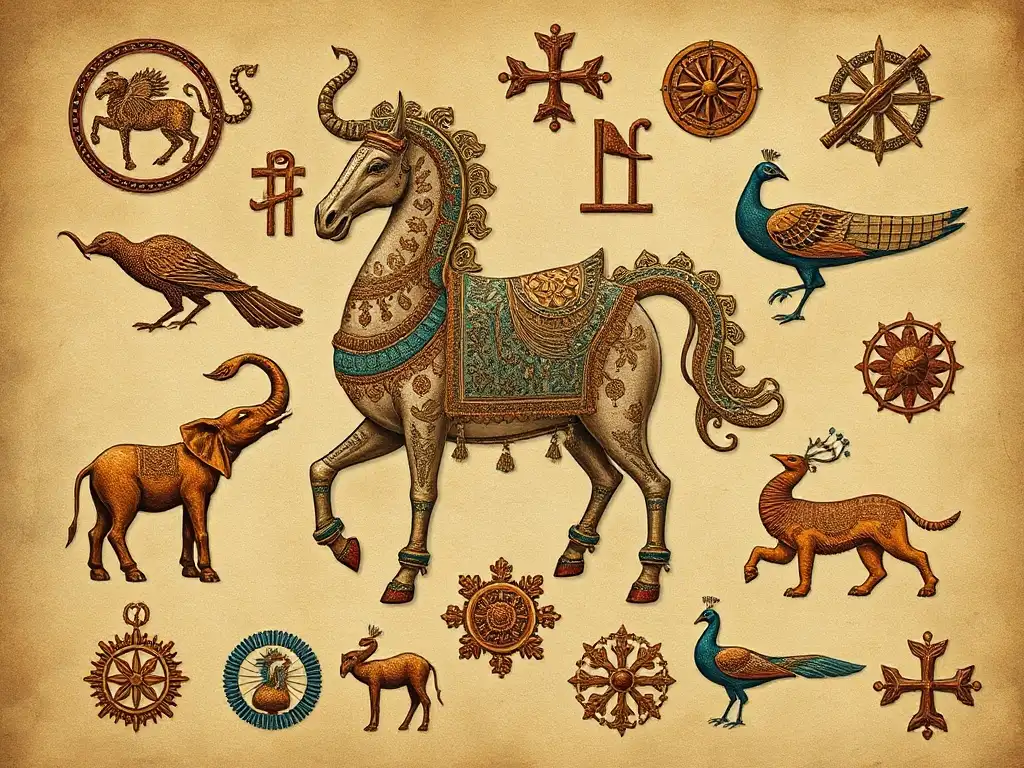
Similarities with Mesopotamian Symbols
The artistic symbols of the Indus Valley Civilization exhibit notable parallels with those of ancient Mesopotamia, revealing shared cultural elements and influences. Both civilizations utilized symbols to convey complex ideas and societal values, often employing geometric shapes and stylized representations in their art.
- Geometric Patterns: Both Indus Valley and Mesopotamian art extensively feature geometric motifs. For instance, the use of repeated circles, triangles, and squares serves not only an aesthetic purpose but also symbolizes concepts such as harmony and balance. These patterns can often be found in pottery and seals from both cultures.
- Mythological Representations: Similar to Mesopotamian cylinder seals that depict mythological figures, the Indus Valley seals showcase animals and deities, which may reflect spiritual beliefs. For example, the famous unicorn motif from the Indus seals suggests a potential commonality in the portrayal of mythical creatures, possibly serving as a protector or symbol of power.
- Trade and Cultural Exchange: Archaeological evidence indicates that there was trade between the Indus Valley and Mesopotamia. This exchange likely facilitated the sharing of artistic ideas and techniques. Certain motifs, such as the sacred tree or fertility symbols, appear in both cultures, hinting at a shared understanding of nature's role in life and spirituality.
Contrasts with Egyptian Artistic Motifs
While the Indus Valley Civilization shares some artistic traits with ancient Mesopotamia, it displays distinct differences when compared to Egyptian artistic motifs. These contrasts reflect divergent cultural values and artistic priorities.
-
Representation of the Human Form: Egyptian art is characterized by its strict adherence to proportion and the frontal portrayal of figures, often in a hierarchical scale that underscores social status. In contrast, Indus Valley art tends to focus on stylization rather than strict representation. For example, human figures in Indus Valley seals are often depicted in a more abstract manner, emphasizing symbolic meaning over realistic portrayal.
Element Indus Valley Artistic Motifs Egyptian Artistic Motifs Human Representation Stylized, abstract forms Realistic, proportional forms Use of Color Earthy tones, less vibrant Bright colors, hierarchical use Symbolism Geometric and abstract Narrative and figurative -
Cultural Significance of Animals: In Egyptian art, animals often symbolize specific deities and have distinct narratives associated with them. In contrast, the Indus Valley Civilization features animals in a more generalized, abstract context. For instance, the presence of a bull motif in Indus Valley seals is less about mythology and more about the animal's importance in agriculture and daily life.
-
Functionality of Art: Egyptian art was often created for monumental purposes, serving religious and funerary functions. In contrast, Indus Valley art, especially on seals and pottery, appears to have served more practical and everyday purposes, suggesting a different approach to the role of art in society.
While the Indus Valley artistic symbols share some similarities with Mesopotamian symbols, they diverge significantly from Egyptian motifs. These differences highlight the unique cultural identity of the Indus Valley Civilization and its distinct approach to artistic expression. Understanding these contrasts and similarities enriches our comprehension of ancient civilizations and their interconnected histories.
Conclusion: The Legacy of Indus Valley Artistic Symbols
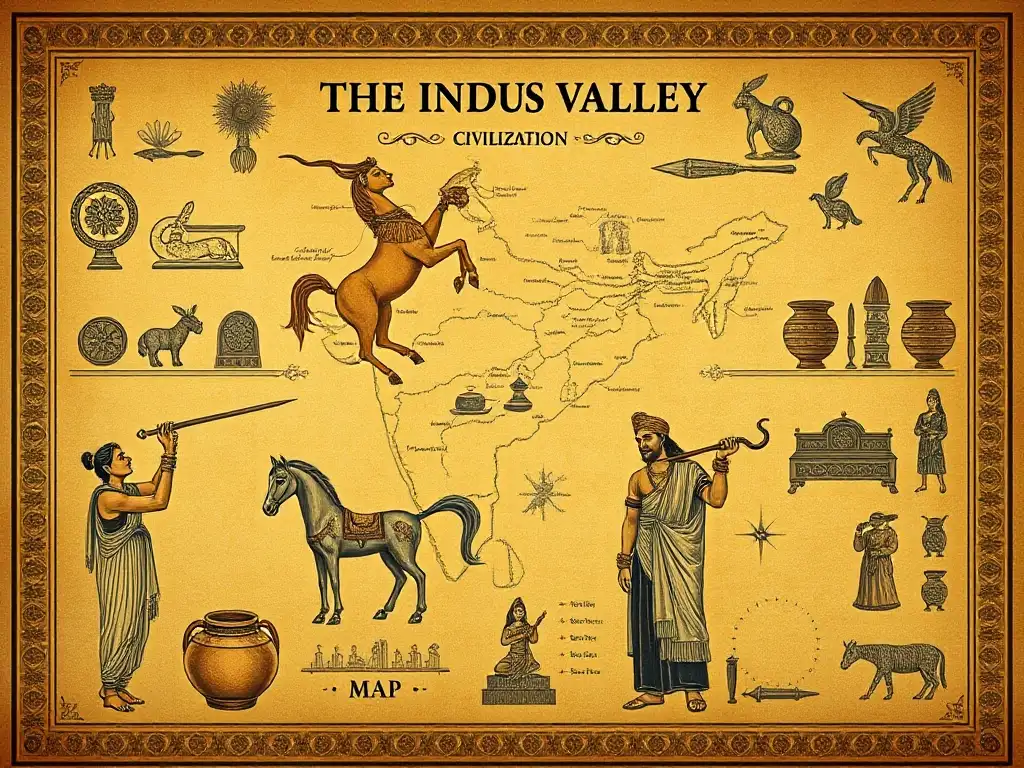
The Indus Valley Civilization, renowned for its advanced urban planning and sophisticated societal structures, also leaves behind a rich tapestry of artistic symbols that provide insight into its culture and beliefs. These symbols, intricately woven into various forms of art—be it pottery, seals, or textiles—serve as a crucial link between the past and present, influencing subsequent artistic expressions throughout Indian history.
Lasting Impact on Subsequent Indian Art Forms
The motifs and symbols originating from the Indus Valley have had a profound impact on later Indian art forms, shaping aesthetic sensibilities and iconographic traditions. For instance:
- Continuity of Motifs: Many symbols, such as the swastika and the lotus, have transcended time, appearing in various forms of Indian art, from temple carvings to modern paintings. These motifs are often interpreted to signify auspiciousness and purity.
- Integration into Religious Art: The artistic symbols of the Indus Valley found a place in the religious art of subsequent dynasties, including the Maurya and Gupta empires. The depiction of deities often incorporated these ancient symbols, demonstrating a continuity of spiritual themes.
- Regional Variations: Different regions of India have adapted Indus Valley aesthetics to create unique artistic expressions. For example, the use of geometric designs in textiles from Gujarat can trace its roots back to the artistic conventions of the Indus Valley.
- Architectural Influences: The principles of symmetry and proportion evident in Indus Valley urban planning influenced later architectural styles, particularly in temple construction, where intricate carvings often include motifs reminiscent of those found in ancient seals.
The Relevance of Indus Valley Symbols in Modern Cultural Context
In contemporary India, the artistic symbols of the Indus Valley continue to resonate within cultural practices and identity formation. Their relevance can be observed in several areas:
- Cultural Revival: There is a growing interest in reviving ancient art forms and practices, with artists and scholars drawing inspiration from the motifs of the Indus Valley. This revival not only honors the past but also fosters a sense of national pride.
- Educational Importance: Understanding the meanings behind Indus Valley artistic symbols is essential in educational curricula, as it provides insights into the region’s historical context and cultural heritage. Workshops and exhibitions dedicated to this theme promote awareness among younger generations.
- Symbolic Use in Modern Art: Contemporary artists often incorporate Indus Valley symbols into their works, infusing traditional motifs with modern interpretations, thus keeping the dialogue between past and present alive. This practice not only enhances artistic innovation but also serves as a reminder of cultural roots.
- Tourism and Heritage: Sites associated with the Indus Valley Civilization have become focal points for heritage tourism, where visitors are educated about the significance of these symbols. The representation of these motifs in souvenirs and crafts further cements their place in modern cultural identity.
The legacy of Indus Valley artistic symbols is not merely historical; it is a dynamic force that continues to shape and enrich the cultural landscape of India, bridging the ancient with the contemporary and ensuring that these symbols remain meaningful in today's society.
References and Further Reading on Indus Valley Artistic Symbols Meaning
Suggested Books and Articles
-
"The Indus Civilization: A Contemporary Perspective" by Gregory L. Possehl
This comprehensive work examines the artistic expressions of the Indus Valley Civilization, highlighting the significance of symbols in understanding their cultural and social structures.
-
"Indus Valley Civilization: An Encyclopedia" by S. P. Gupta
This encyclopedia provides an extensive overview of the Indus Valley Civilization, including detailed discussions on various artistic motifs and their meanings.
-
"The Art of Ancient India: Buddhist, Hindu, Jain" by Susan L. Huntington and John C. Huntington
Although focusing on a broader spectrum of Indian art, this book references the influences of Indus Valley artistic motifs on later Indian art forms.
-
"Symbols and Meanings in Ancient India" by Richard H. Davis
This text delves into the specific symbols used in ancient Indian cultures, including a dedicated section on the interpretations of motifs found in Indus Valley artifacts.
-
"Indus Valley: The Forgotten Civilization" by Michael D. Cohen
This book explores the lesser-known aspects of the Indus Valley Civilization, with insights into the artistic symbols and their relevance to understanding daily life and spirituality.
Online Resources for Indus Valley Civilization Studies
-
The Archaeological Survey of India (ASI)
The ASI website offers a wealth of information, including research papers and excavation reports related to the Indus Valley Civilization. This resource can provide valuable insights into the artistic symbols and their meanings.
-
Indus Valley Civilization Research Network
This online platform connects scholars and enthusiasts of the Indus Valley Civilization, featuring articles, discussions, and resources about artistic motifs and their interpretations.
-
Online Museum Archives
Many museums with collections on ancient Indian civilizations, such as the National Museum in New Delhi, have digitized their archives. These can include high-resolution images of artifacts bearing Indus Valley artistic symbols, along with detailed descriptions of their significance.
-
Academic Journals
Journals such as Journal of South Asian Studies and Asian Art often publish articles focused on the artistic elements of the Indus Valley Civilization, providing scholarly insights into the meanings behind various symbols.
-
YouTube Educational Channels
Channels dedicated to archaeology and history, such as "History Time" and "The Great Courses," often feature lectures and documentaries that discuss Indus Valley art and its symbols, making complex topics accessible to a wider audience.
By utilizing these references and resources, readers can deepen their understanding of the Indus Valley artistic symbols meaning and appreciate the rich cultural heritage of this remarkable civilization.
Frequently Asked Questions
What are the primary artistic symbols found in the Indus Valley Civilization?
The Indus Valley Civilization is known for its intricate seals, pottery designs, and figurines that often feature geometric patterns and animal motifs, reflecting their cultural beliefs and practices.
How do artistic motifs in the Indus Valley relate to their culture?
These artistic motifs serve as a window into the society’s values, religious beliefs, and daily life, often depicting themes of fertility, nature, and urban life.
What is the significance of geometric patterns in Indus Valley art?
Geometric patterns are prevalent in Indus Valley art, symbolizing order and harmony. They reflect the civilization's advanced understanding of mathematics and aesthetics.
Are there any mythological references in Indus Valley artistic symbols?
While specific mythological references are not well-documented, certain motifs may suggest connections to contemporary religious practices and beliefs, hinting at a rich tapestry of spiritual life.
How can we interpret the meanings behind these artistic symbols today?
Modern scholars utilize archeological evidence, comparative analysis, and cultural context to decode the meanings of these symbols, providing insights into the social structure and worldview of the Indus Valley people.
Final Reflection: The Enduring Legacy of Indus Valley Artistic Symbols
The exploration of Indus Valley artistic symbols meaning reveals not only the sophistication of ancient civilizations but also their profound relevance in today's world. As we navigate a rapidly changing cultural landscape, the motifs and symbols from this remarkable civilization remind us of the universal human experiences that transcend time and geography. The intricate designs and meanings embedded in these artifacts serve as a bridge connecting us to our shared history and cultural heritage, emphasizing that art is not merely an aesthetic pursuit but a vital expression of identity and values.
The influence of Indus Valley artistic motifs continues to resonate, shaping contemporary discussions around cultural identity and artistic expression. These symbols invite us to reflect on the narratives we construct in our own lives and societies. As we engage with these ancient meanings, we find echoes of our own struggles, aspirations, and connections. Art is the most beautiful of all lies.
This quote encapsulates the essence of how art, including the symbols of the Indus Valley, can convey deeper truths about our existence, even when they are shrouded in mystery.
As we conclude this journey into the world of Indus Valley artistic symbols, I encourage you to take a moment to reflect on the symbols that resonate with you in your own life. Consider how the meanings we assign to our personal and cultural symbols shape our identities and relationships.
Let the rich tapestry of the past inspire you to explore your own artistic expressions and to seek deeper meanings in the symbols that surround you. Embrace the opportunity to decode your own narratives and contribute to the ongoing dialogue of human experience, just as the artisans of the Indus Valley did thousands of years ago.
Unveil the Rich Tapestry of Indus Valley Artistry!
Thank you for diving into the fascinating world of Indus Valley artistic motifs! We hope you’ve discovered valuable insights into the complex symbols and meanings of this ancient civilization. Now, let's take those insights and turn them into action.
Here are some clear steps you can take today:
- Dive deeper: Visit a local museum or explore online exhibits dedicated to Indus Valley art. **Experiencing the beauty firsthand will enhance your connection with history. **
- Share your knowledge: Discuss what you’ve learned with friends or on social media. **Use your voice to spark curiosity in others about this incredible ancient culture! **
- Join a community: Engage with history enthusiasts by joining forums or groups that focus on ancient civilizations. **Exchanging ideas and insights will help expand your understanding. **
As you reflect on these amazing artistic expressions, we invite you to ponder: What aspect of Indus Valley art resonates with you the most, and how does it connect to our present-day culture?