
The Gupta Empire: A Model of Tolerance and Pluralism


Welcome to Ancient India History, where we embark on an enlightening journey through the rich tapestry of ancient Indian civilizations. Today, we delve into the remarkable cultural contributions of the Gupta Empire, a period often celebrated as a golden age of tolerance and pluralism. What innovations and artistic achievements flourished during this era? As we unveil the fascinating stories and insights of this transformative time, prepare to be captivated by the profound impact of the Gupta Empire on the fabric of Indian culture. Join us as we explore the legacy that continues to resonate through history!
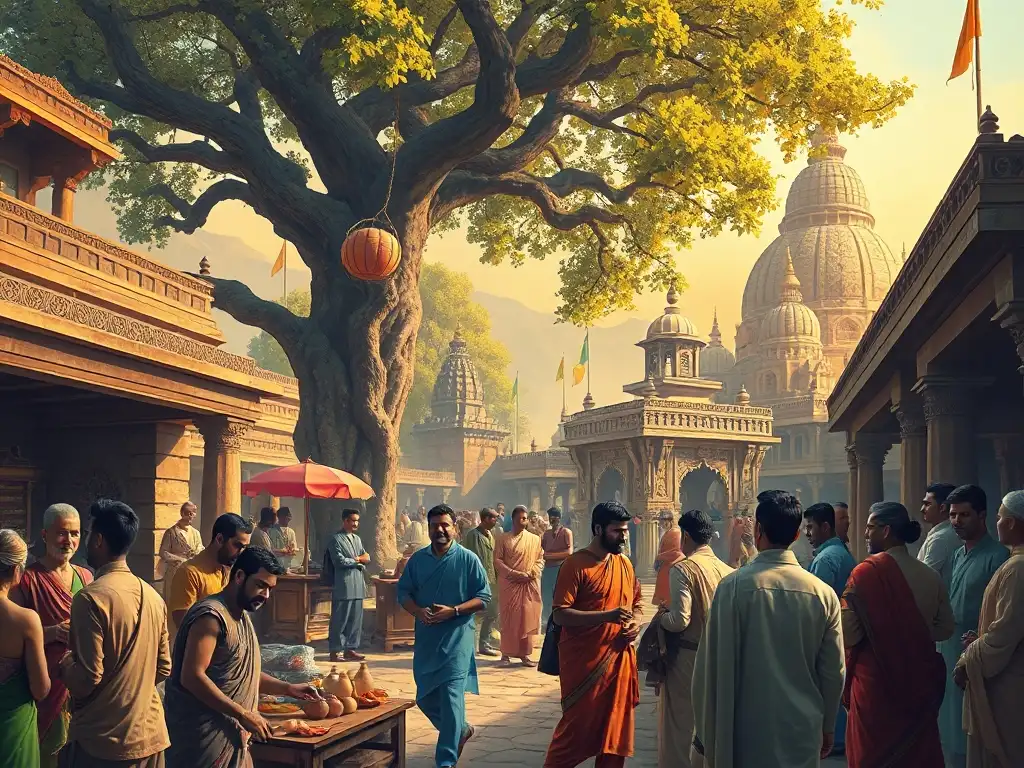
Introduction to the Gupta Empire
The Gupta Empire, often heralded as the "Golden Age" of ancient India, represents a significant period marked by exceptional advancements in various fields, including art, science, mathematics, and philosophy. Spanning from approximately 320 to 550 CE, this era was characterized by a unique model of governance that embraced tolerance and pluralism.
The Gupta rulers not only fostered a thriving cultural milieu but also promoted an environment where diverse religious and philosophical ideas could coexist harmoniously. This article delves into the cultural contributions of the Gupta Empire, examining how its principles of tolerance laid the groundwork for a prosperous and inclusive society.
Overview of the Gupta Empire
The Gupta Empire emerged in the wake of the Maurya Empire's decline, with its foundation attributed to Maharaja Sri Gupta. Under the reign of notable emperors such as Chandragupta I, Samudragupta, and Chandragupta II, the empire expanded its territory across northern India, encompassing regions such as modern-day Uttar Pradesh, Bihar, and West Bengal.
Key features of the Gupta Empire included:
- Political Stability: Strong centralized governance allowed for efficient administration.
- Economic Prosperity: Trade flourished, both internally and with neighboring regions, leading to increased wealth and cultural exchange.
- Cultural Flourishing: The period witnessed remarkable achievements in literature, art, and science, with scholars like Aryabhata and Kalidasa emerging as luminaries.
Significance of the Gupta Empire in Ancient India
The Gupta Empire is significant not only for its political and economic achievements but also for its enduring cultural contributions. This period is often recognized for:
- Advancements in Science and Mathematics: The introduction of the concept of zero and advancements in astronomy.
- Literature and Arts: The creation of classical Sanskrit literature and exquisite temple architecture.
- Philosophical Developments: The flourishing of various schools of thought, including Hinduism and Buddhism, which coexisted and thrived.
The empire's legacy remains influential, shaping the cultural and intellectual landscape of India for centuries to come.
The Concept of Tolerance in the Gupta Empire
The Gupta Empire is often noted for its embrace of tolerance and pluralism, principles that were crucial for maintaining harmony in a culturally diverse society. This section explores how these concepts were integrated into the empire's governance and daily life.
Definition of Tolerance and Pluralism
- Tolerance refers to the acceptance of differing views, beliefs, and practices without prejudice.
- Pluralism embraces diversity, recognizing the coexistence of various cultural, religious, and social groups within a society.
In the context of the Gupta Empire, tolerance allowed for a mosaic of beliefs and practices to flourish, contributing to a rich cultural tapestry.
Historical Context of Religious Tolerance in Ancient India
The roots of religious tolerance in ancient India can be traced back to earlier periods, but the Gupta Empire exemplified this ethos on a grand scale. Key aspects include:
- Support for Multiple Religions: The Gupta rulers patronized various religious communities, including Hinduism, Buddhism, and Jainism, promoting an environment where different faiths could thrive.
- Cultural Syncretism: Festivals, rituals, and artistic expressions from diverse traditions influenced one another, leading to a unique blend of cultural practices.
This historical context not only fostered an atmosphere of peace but also encouraged innovation and creativity, allowing the Gupta Empire to flourish as a beacon of civilization in ancient India.
Cultural Contributions of the Gupta Empire
The Gupta Empire, often referred to as the Golden Age of India, marked a period of remarkable cultural prosperity and innovation. This era, which lasted from approximately 320 to 550 CE, witnessed significant advancements across various fields including literature, science, mathematics, art, and religion. The contributions made during this time laid the foundational elements of Indian culture and had a long-lasting impact on subsequent generations. The Gupta period is characterized by a spirit of inquiry and creativity, fostering an environment where diverse ideas could flourish, thus embodying the ideals of tolerance and pluralism.
Gupta Empire Cultural Contributions Overview
The cultural contributions of the Gupta Empire are noteworthy for their breadth and depth. This period saw the emergence of a sophisticated literary tradition, groundbreaking scientific discoveries, and exquisite artistic expressions. The Gupta rulers were patrons of the arts and scholars, creating a conducive environment for intellectual growth. Not only did the empire thrive in its own right, but it also facilitated the exchange of ideas across regions, enriching the cultural tapestry of ancient India. The emphasis on education and scholarship led to the establishment of universities, such as Nalanda, which attracted students from various parts of the world.
Literature and Poetry during the Gupta Period
The Gupta Empire is celebrated for its remarkable contributions to literature and poetry, marked by the works of eminent poets and playwrights. One of the most significant figures from this era is Kalidasa, whose plays and poems, including "Shakuntala" and "Meghaduta," are revered for their lyrical beauty and depth of emotion. These works often explored themes of love, nature, and mythology, reflecting the rich cultural ethos of the time.
In addition to Kalidasa, various other writers contributed to the flourishing of Sanskrit literature. The period also saw the emergence of prose narratives and the refinement of poetic forms, such as the epic poetry found in texts like the "Mahabharata" and "Ramayana." This literary renaissance not only enriched Indian culture but also influenced literature beyond the subcontinent, showcasing the Gupta Empire's role as a cultural beacon of its time.
Scientific and Mathematical Advancements
The Gupta Empire is renowned for its remarkable advancements in science and mathematics, characterized by significant innovations that laid the groundwork for future discoveries. Notable scholars like Aryabhata made groundbreaking contributions in mathematics and astronomy, including the concept of zero as a numeral and the calculation of the value of pi. His work, "Aryabhatiya," provided insights into arithmetic, algebra, and spherical astronomy, demonstrating the Gupta's profound understanding of mathematics.
Additionally, the Gupta period saw advancements in medicine, with texts such as the "Sushruta Samhita" and "Charaka Samhita" laying the foundations for Ayurveda, emphasizing the importance of holistic health practices. These scientific endeavors reflect the Gupta Empire's commitment to knowledge and inquiry, contributing significantly to the intellectual heritage of India.
Artistic Expressions and Architectural Achievements
Artistic expression flourished during the Gupta Empire, as evidenced by exquisite sculptures, intricate carvings, and stunning architectural achievements. The period is particularly noted for its advancements in temple architecture, with structures exhibiting intricate designs and elaborate ornamentation. Notable examples include the Dashavatara Temple in Deogarh and the temples of Khajuraho, which are celebrated for their detailed sculptures depicting various aspects of life and spirituality.
In addition to architecture, the Gupta period is known for its distinctive style in paintings, especially those found in the Ajanta and Ellora caves. These murals, characterized by their vibrant colors and intricate details, depict scenes from Buddhist and Hindu mythology, illustrating the rich cultural narratives of the time. The artistic legacy of the Gupta Empire continues to inspire and influence artists and architects to this day.
Religious Pluralism in the Gupta Empire

The Gupta Empire stands out for its remarkable religious pluralism, characterized by the coexistence and mutual respect of various faiths. This period was marked by a unique approach to governance that embraced diverse beliefs, fostering an atmosphere of tolerance and acceptance. The state supported multiple religious practices, allowing for the flourishing of Hinduism, Buddhism, and Jainism, among others. This pluralistic environment not only enriched the spiritual landscape of ancient India but also contributed to the overall harmony within the empire.
Promotion of Various Religions: Hinduism, Buddhism, and Jainism
During the Gupta Empire, there was a notable promotion of various religions, particularly Hinduism, Buddhism, and Jainism. The Gupta rulers themselves were predominantly Hindu, and many temples were constructed to honor Hindu deities, reflecting the faith's significance in the empire. However, Buddhism and Jainism also enjoyed patronage, with many stupas and monasteries being established, indicating the empire's commitment to religious diversity.
The Gupta period saw a synthesis of religious practices and beliefs, where various traditions coexisted and influenced one another. This cultural exchange enriched the spiritual life of the empire, resulting in the development of new philosophical ideas and artistic expressions that integrated elements from multiple religions. Festivals and rituals from different faiths were celebrated alongside one another, promoting a sense of unity among the populace.
The Role of the State in Supporting Diverse Beliefs
The Gupta rulers played a crucial role in supporting diverse beliefs through policies that encouraged religious tolerance and pluralism. The state actively patronized scholars, artists, and religious leaders from various backgrounds, fostering an environment where different faiths could thrive. This approach not only helped to maintain peace and stability within the empire but also encouraged intellectual and spiritual advancements.
Furthermore, the Gupta administration recognized the importance of religious institutions, providing resources and land for the construction of temples and monasteries. This state support was instrumental in the flourishing of religious communities, allowing them to engage in scholarly pursuits and community service. By promoting a culture of acceptance and coexistence, the Gupta Empire set a precedent for future Indian civilizations, highlighting the enduring legacy of tolerance and pluralism in Indian history.
The Impact of Gupta Empire Cultural Contributions on Future Generations
The cultural contributions of the Gupta Empire have had a profound and enduring impact on subsequent generations, shaping the socio-political and cultural landscape of India and beyond. This period, often referred to as the Golden Age of India, was marked by significant advancements in various fields, including art, science, literature, and philosophy. These achievements didn't merely serve their time; they laid the groundwork for future developments that would echo throughout Indian history and influence neighboring cultures.
One of the most notable impacts was in the realm of education and scholarship. The Gupta era saw the establishment of renowned centers of learning, such as Nalanda and Takshashila, which attracted scholars from across Asia. These institutions became pivotal in the dissemination of knowledge, particularly in subjects like mathematics and astronomy. The teachings and texts produced during this time would influence educational practices for centuries, not just in India but also in the Islamic Golden Age and in medieval Europe.
Moreover, the Gupta Empire's emphasis on tolerance and pluralism fostered an environment where diverse beliefs and practices could flourish. This cultural openness facilitated the exchange of ideas, leading to advancements in literature and philosophy that would be revisited and built upon by later generations.
Influence on Later Indian Dynasties
The legacy of the Gupta Empire's cultural contributions significantly influenced later Indian dynasties. The subsequent rise of empires such as the Chola and the Vijayanagara can be traced back to the foundations laid during the Gupta period. These dynasties adopted and adapted Gupta art and architecture, evident in temple designs and sculpture styles that reflect Gupta aesthetics.
Furthermore, the Gupta's administrative practices, which emphasized local governance and cultural autonomy, were mirrored by later rulers. This approach not only promoted stability but also encouraged the flourishing of regional cultures and languages, contributing to India's rich tapestry of diversity.
The literary achievements of the Gupta Empire also served as a model for later poets and playwrights. Works like Kalidasa's "Shakuntala" set high standards for classical Sanskrit literature, influencing generations of writers who sought to emulate the Gupta's artistic sophistication.
Lasting Legacy of Gupta Tolerance and Pluralism
The Gupta Empire's commitment to tolerance and pluralism established a framework for coexistence that resonated for centuries. This legacy can be seen in the subsequent acceptance of various religious practices, including Hinduism, Buddhism, and Jainism, which continued to thrive in India. The Gupta rulers themselves practiced religious tolerance, often patronizing multiple faiths simultaneously, which encouraged a culture of dialogue and exchange.
This pluralistic ethos not only enriched Indian culture during the Gupta period but also served as a model for future societies facing similar challenges of diversity. The idea that different beliefs could coexist peacefully became a cornerstone of Indian civilization, influencing social norms and governance in the region long after the fall of the Gupta Empire.
Conclusion
Summary of Gupta Empire Cultural Contributions
The Gupta Empire's cultural contributions were vast and varied, encompassing advancements in art, literature, science, and philosophy. The establishment of centers of learning, the development of classical Sanskrit literature, and the promotion of artistic excellence are just a few examples of the empire's significant achievements. These contributions not only enhanced the cultural fabric of their time but also set the stage for future developments in Indian civilization.
Reflection on the Importance of Tolerance and Pluralism in Ancient Civilizations
Reflecting on the importance of tolerance and pluralism in ancient civilizations, the Gupta Empire serves as a prime example of how embracing diversity can lead to a flourishing society. The empire's ability to integrate various cultural influences while promoting a shared identity is a lesson that resonates even today. In an increasingly globalized world, the principles of tolerance and pluralism remain essential for fostering understanding and cooperation among different communities. The Gupta Empire's legacy serves as a reminder that cultural richness is often born from the harmonious coexistence of diverse perspectives.
- Introduction to the Gupta Empire
- The Concept of Tolerance in the Gupta Empire
- Cultural Contributions of the Gupta Empire
- Religious Pluralism in the Gupta Empire
- The Impact of Gupta Empire Cultural Contributions on Future Generations
- Conclusion
- What were the key cultural contributions of the Gupta Empire?
- How did the Gupta Empire promote tolerance and pluralism?
- What role did literature play during the Gupta Empire?
- How did the Gupta Empire contribute to science and mathematics?
- What impact did the Gupta Empire have on art and architecture?
Frequently Asked Questions
What were the key cultural contributions of the Gupta Empire?
The Gupta Empire is renowned for its significant advancements in arts, literature, and science, greatly influencing future generations in India and beyond.
How did the Gupta Empire promote tolerance and pluralism?
The Gupta rulers fostered an environment of religious tolerance, allowing multiple faiths to coexist, which enriched the cultural landscape of the empire.
What role did literature play during the Gupta Empire?
Literature flourished during this period, with notable works like Kalidasa's plays and poetry that showcased the richness of Indian culture and thought.
How did the Gupta Empire contribute to science and mathematics?
The Gupta period saw remarkable progress in mathematics, including the concept of zero and the decimal system, laying the groundwork for future scientific advancements.
What impact did the Gupta Empire have on art and architecture?
The art and architecture of the Gupta Empire, characterized by intricate sculptures and temples, reflected the era's cultural richness and has had a lasting influence on Indian artistic traditions.
Final Reflection: Embracing Tolerance and Pluralism in the Gupta Empire
The Gupta Empire stands as a beacon of cultural contributions that resonate profoundly in today's society. In an era marked by division and conflict, the principles of tolerance and pluralism exemplified by the Gupta Empire remind us of the power of unity in diversity. As we navigate our contemporary world, the lessons from this ancient civilization urge us to foster understanding and acceptance among different cultures and beliefs, highlighting that our strength lies in our differences.
The cultural contributions of the Gupta Empire have left an indelible mark on the social landscape, influencing art, science, and philosophy across generations. The legacy of this empire serves as a reminder that embracing various perspectives can lead to remarkable advancements and a richer societal tapestry. As Mahatma Gandhi once said, “Our ability to reach unity in diversity will be the beauty and the test of our civilization.” This quote encapsulates the essence of what the Gupta Empire achieved and the ongoing relevance of its ideals in our quest for a harmonious society.
As we reflect on the Gupta Empire's legacy, let us take a moment to consider how we can embody the values of tolerance and pluralism in our daily lives. I invite you to explore the richness of diverse cultures around you, engage in meaningful conversations, and challenge preconceived notions. By doing so, we not only honor the contributions of the Gupta Empire but also pave the way for a more inclusive and understanding future. Together, we can create a world that celebrates diversity, just as the Gupta Empire once did.
Embrace Pluralism: Take Your Journey Beyond!
Thank you for joining us on this exploration of the Gupta Empire's remarkable model of tolerance and pluralism. We hope you've gained insights into how diverse beliefs can coexist harmoniously, enriching society as a whole. Now, it's your turn to put those learnings into action!
Here are some engaging ways you can continue this journey:
- Start a dialogue: Share your thoughts on pluralism with friends or family. Open conversations about diverse cultures and beliefs can spark understanding and compassion.
- Explore further: Dive into the rich histories of other ancient civilizations that embraced diversity. Choose one and research how their values can inspire modern society.
- Get involved: Participate in a local group or organization that promotes cultural exchange and community building. Engaging with different cultures can enhance your own perspective!
What does pluralism mean to you, and how can it shape your everyday life? We invite you to share your reflections in the comments below!