
Exploring the Literary Works of the Gupta Era: A Cultural Treasure

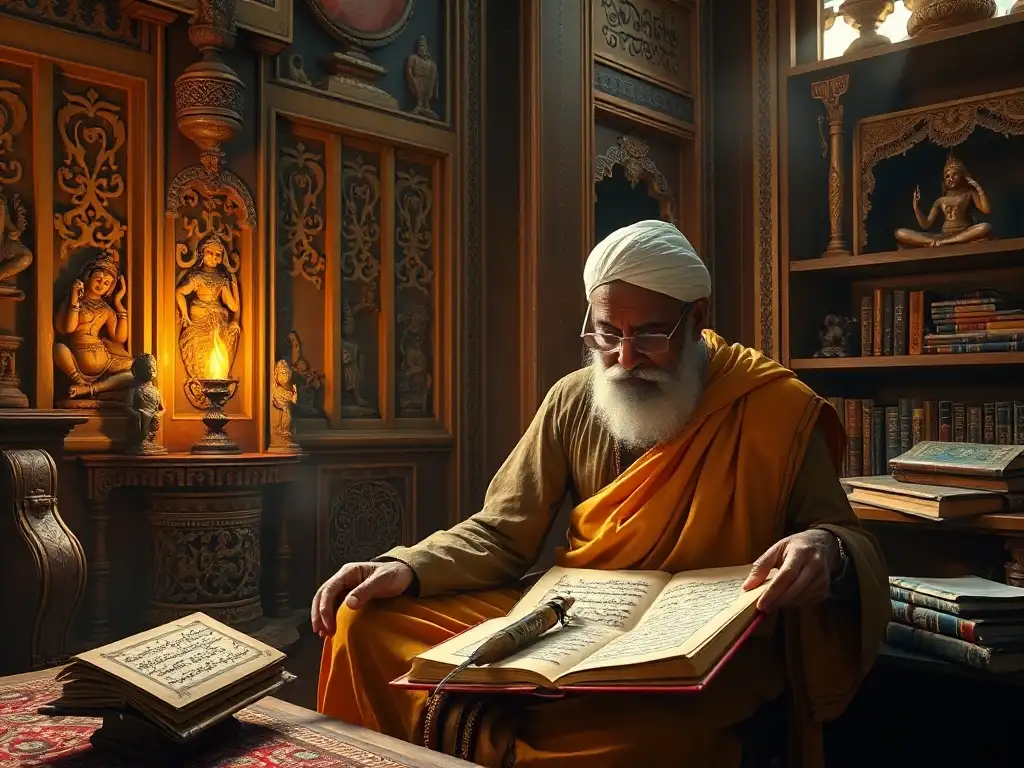
Welcome to Ancient India History, where we embark on an enlightening journey through the rich tapestry of ancient Indian civilizations. In this exploration, we invite you to delve into the remarkable literary contributions of the Gupta Era, a time renowned for its cultural brilliance and intellectual advancements. What masterpieces emerged from this golden age, and how did they shape the literary landscape of India? Join us as we unlock the treasures of the past and uncover the profound impact of Gupta literature on our world today. Your adventure through history begins here!
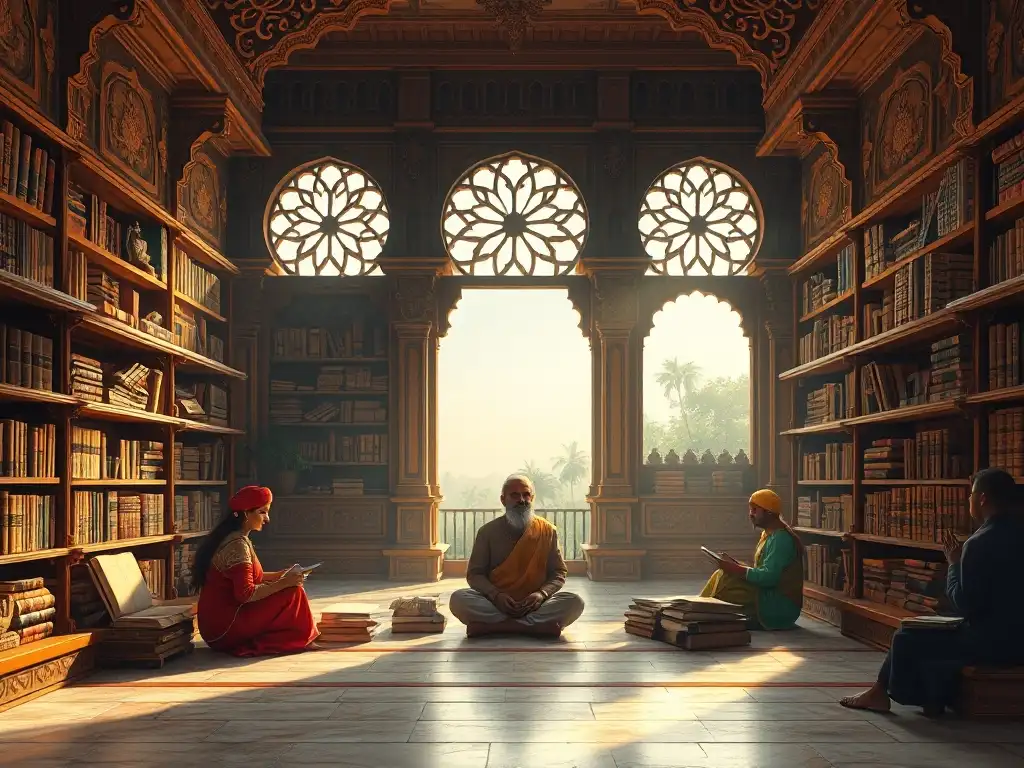
Introduction to the Gupta Era Literary Contributions
The Gupta Era, often referred to as the Golden Age of India, flourished from approximately the 4th to the 6th century CE, marking a period of significant advancements in various fields including science, mathematics, and the arts. However, one of the most remarkable aspects of this era is its literary contributions, which laid the foundation for much of Indian literature that followed.
The Gupta period was characterized by a renaissance in literature, with poets, playwrights, and scholars producing works that not only reflected the cultural and philosophical ethos of the time but also influenced subsequent generations. This article delves into the literary treasures of the Gupta Era, exploring the key features and the profound impact of Sanskrit literature during this remarkable period.
Overview of the Gupta Period in Ancient India
The Gupta Empire, established by Maharaja Sri Gupta, is often celebrated for its political stability and economic prosperity. This era saw the unification of various Indian territories under a centralized rule, which facilitated the growth of trade, urbanization, and cultural exchange. The Guptas were great patrons of the arts and education, leading to the establishment of universities such as Nalanda, where scholars from various regions came to study and exchange ideas.
The literature of the Gupta period was diverse, encompassing poetry, drama, and philosophical texts. Notable figures such as Kalidasa, who is often regarded as one of the greatest Sanskrit poets, emerged during this time, producing masterpieces that continue to be revered today.
Importance of Literature in Gupta Culture
Literature during the Gupta Era played a pivotal role in shaping the cultural and intellectual landscape of ancient India. It served not only as a means of entertainment but also as a vehicle for the dissemination of knowledge, values, and societal norms. The literary works of this period often explored themes such as love, morality, and the human experience, providing insights into the philosophical and spiritual beliefs of the time.
Moreover, the prominence of literature contributed to the standardization and refinement of the Sanskrit language, which became the medium of scholarly communication. This linguistic development further solidified the significance of literature in Gupta culture, as it allowed for the preservation and transmission of knowledge across generations.
Key Features of Gupta Era Literature
Characteristics of Literary Works during the Gupta Period
The literary works produced during the Gupta Era are distinguished by several key characteristics:
- Rich Use of Language: Gupta literature is marked by its eloquent and expressive use of Sanskrit, showcasing the linguistic prowess of its authors.
- Diverse Genres: The period produced a variety of literary forms, including poetry, drama, and prose, each reflecting the vibrant cultural milieu.
- Intertwining of Art and Literature: Many literary works were complemented by artistic expressions, such as sculptures and paintings, which enriched the overall narrative.
- Philosophical Depth: Many texts delved into philosophical and spiritual themes, often drawing from earlier traditions while innovating new ideas.
These characteristics not only highlight the creativity of Gupta writers but also their ability to engage with complex concepts, making their works timeless.
Influence of Sanskrit in Gupta Literature
Sanskrit emerged as the dominant literary language during the Gupta Era, significantly influencing the development of Indian literature. The use of Sanskrit allowed for:
- Widespread Accessibility: As Sanskrit became more standardized, it allowed for a broader audience to access literary works, fostering a culture of reading and scholarship.
- Cultural Exchange: Sanskrit literature facilitated interactions between different regions and cultures, as scholars and poets exchanged ideas and themes.
- Preservation of Knowledge: The use of Sanskrit played a crucial role in the documentation of scientific, mathematical, and philosophical texts, ensuring their preservation for future generations.
Overall, the Gupta Era's literary contributions, deeply rooted in the Sanskrit language, laid a rich foundation for future literary traditions in India, making this period a cornerstone of ancient Indian cultural and intellectual history.
Prominent Literary Figures of the Gupta Era
The Gupta Era is renowned for its profound literary contributions, marked by the emergence of several key figures whose works have left an indelible mark on the landscape of Indian literature. This period, often referred to as the Golden Age of India, saw the flourishing of creativity and intellectual pursuits that inspired generations. Among these luminaries, Kalidasa and Bhasa stand out, while numerous other authors contributed rich narratives and philosophical texts that encapsulated the essence of their time.
Kalidasa: The Master of Classical Sanskrit Poetry
Kalidasa is widely regarded as one of the greatest poets and playwrights in classical Sanskrit literature. His works, such as Shakuntala and Meghaduta, reflect not only his mastery of language but also his deep understanding of human emotions and nature. Shakuntala, a poignant tale of love and loss, explores themes of destiny and separation, capturing the hearts of readers with its lyrical beauty.
Kalidasa's poetry is characterized by its vivid imagery and intricate metaphors, often drawing inspiration from the natural world. His ability to weave together romantic and philosophical elements has made his work timeless, influencing countless poets and playwrights in India and beyond. His legacy is celebrated through various adaptations in theater, dance, and literature, cementing his status as a cultural icon of the Gupta Era.
Bhasa: The Pioneer of Sanskrit Drama
Bhasa is another towering figure of Gupta-era literature, credited with laying the groundwork for Sanskrit drama. His plays, which include Svapnavasavadatta and Pratima-Nataka, are notable for their dynamic characters and intricate plots that delve into themes of love, rivalry, and morality. Bhasa's writing style is marked by its accessibility, making his works popular among various audiences.
What distinguishes Bhasa from his contemporaries is his innovative approach to dramatic structure. He often employed a blend of humor and tragedy, allowing for a richer exploration of human emotions and societal norms. His contributions significantly influenced later playwrights, including Kalidasa, solidifying Bhasa's role as a pioneer of the theatrical arts in ancient India.
Other Notable Authors and Their Works
In addition to Kalidasa and Bhasa, the Gupta Era witnessed the emergence of other notable authors who enriched Sanskrit literature. Writers like Harsha and Bhavabhuti produced significant works that spanned various genres, including poetry and drama. Harsha's Nagananda is a celebrated play that illustrates the complexities of love and devotion, while Bhavabhuti's Malati-Madhava combines romance with philosophical inquiry.
Moreover, scholars such as Vishnu Sharma, known for the Panchatantra, contributed to the literary landscape by blending fables with moral lessons, thus promoting ethical values through storytelling. These authors collectively highlight the diversity of thought and expression during the Gupta Era, making the period a crucial chapter in the development of Indian literary traditions.
Major Literary Genres during the Gupta Era
The Gupta Era was characterized by a rich tapestry of literary genres, each reflecting the socio-cultural values and intellectual currents of the time. This period saw a flourishing of poetry, drama, and prose, which together encapsulated the complexities of human experience and societal norms.
Poetry: A Reflection of Socio-Cultural Values
Poetry during the Gupta Era served as a mirror to the society of the time, reflecting its values, beliefs, and emotions. Poets like Kalidasa crafted verses that celebrated love, nature, and spirituality, often intertwining personal experiences with broader societal themes. The lyrical quality of Gupta poetry not only entertained but also educated, instilling moral and ethical values in readers through allegorical narratives and aesthetic expressions.
Moreover, the use of sringar (the theme of love) and veer (heroism) in poetry emphasized the cultural ideals of the period, promoting the appreciation of beauty and valor. The blending of classical forms with local dialects and folk themes further enriched the poetic tradition, making it accessible and relatable to a wider audience.
Drama: Theatrical Innovations and Contributions
The Gupta Era marked a significant evolution in Indian drama, characterized by innovative narrative techniques and the exploration of diverse themes. Playwrights like Bhasa and Kalidasa brought forth a new form of theatrical expression that combined dialogue, music, and dance, creating immersive experiences for audiences.
The structure of Gupta-era dramas often included intricate plots with well-defined characters, reflecting the complexities of human relationships. The incorporation of various elements, such as rasa (emotional flavors) and bhava (mood), allowed playwrights to convey profound philosophical ideas while captivating the audience's emotions. This era's theatrical innovations laid the groundwork for future developments in Indian drama, influencing both classical and contemporary forms of performance.
Prose: Philosophical and Historical Writings
Prose literature during the Gupta Era encompassed a wide range of genres, including philosophical treatises, historical accounts, and fables. Works like the Panchatantra by Vishnu Sharma exemplified the use of prose to impart moral lessons through engaging narratives featuring animal characters. This genre not only entertained but also educated readers about ethical conduct and practical wisdom.
Philosophical texts from this period, influenced by schools of thought such as Vedanta and Buddhism, explored metaphysical concepts and the nature of existence. Authors like Aryabhata and Varahamihira contributed to scientific prose literature, discussing astronomy and mathematics in accessible formats. This blend of philosophical and scientific inquiry reflects the Gupta Era's intellectual vibrancy, making it a cornerstone in the evolution of Indian literature and thought.
Themes Explored in Gupta Era Literature
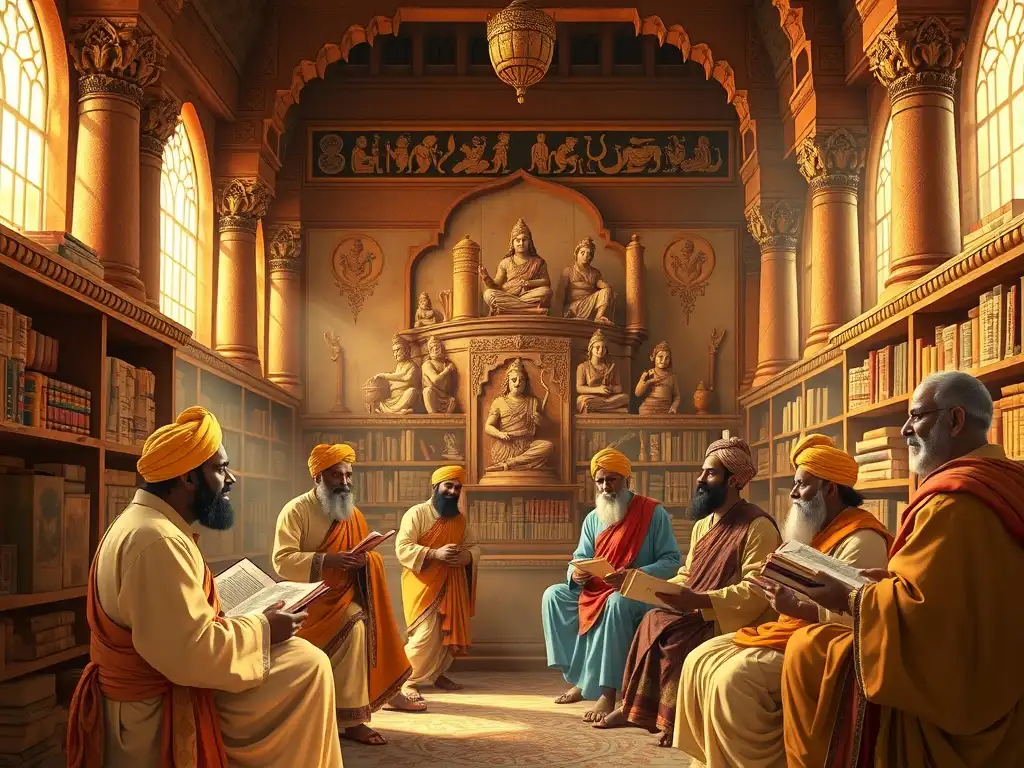
The Gupta Era, often referred to as the Golden Age of India, was marked by significant advancements in various fields, particularly literature. The literary contributions from this period reflect the diverse themes that resonated with the society of the time. Central to Gupta literature are themes such as love, nature, religion, philosophy, and history. These themes not only highlight the aesthetic sensibilities of the era but also provide insight into the socio-political and cultural milieu.
Gupta literature often embodies a harmonious blend of worldly and spiritual concerns. Poets and prose writers alike expressed the beauty of love and nature, while also delving into profound religious and philosophical ideas. This duality in themes allowed for a rich exploration of human emotions and experiences, making the literary works of the Gupta period timeless in their appeal.
The philosophical underpinnings of Gupta literature are particularly notable, as they intertwined with religious thought, providing a framework for understanding existence and morality. Historical narratives also emerged as significant literary forms during this time, chronicling the achievements of rulers and the cultural ethos of the Gupta Empire. Together, these themes contributed to a vibrant literary heritage that continues to inspire scholars and readers alike.
Love and Nature in Gupta Poetry
In the realm of Gupta poetry, love and nature are intertwined motifs that reflect the era's appreciation for beauty and emotional depth. Poets like Kalidasa, one of the most celebrated figures of this period, masterfully depicted the nuances of love through his lyrical verses. His works, such as "Shakuntala" and "Meghaduta," not only explore romantic relationships but also draw vivid imagery from nature, illustrating how the two are interconnected.
Nature serves as a backdrop for expressing human emotions, with descriptions of blooming flowers, serene landscapes, and the changing seasons often symbolizing the phases of love. The use of metaphors derived from nature allows poets to convey complex feelings in a way that resonates universally. As such, Gupta poetry often becomes an exploration of the human psyche, revealing the delicate interplay between love, desire, and the natural world.
Moreover, nature in Gupta poetry is not just a passive setting; it actively participates in the emotional landscape of the characters. The changing weather, the blooming of flowers, and the songs of birds serve as reflections of the characters' inner experiences, enhancing the reader's connection to the poetic themes. This deep-seated appreciation for love and nature underscores the cultural ethos of the Gupta Era.
Religion and Philosophy in Prose Literature
The prose literature of the Gupta Era is rich with religious and philosophical discourse, representing the era's intellectual sophistication. Works such as the "Panchatantra" and "Hitopadesha" are prime examples of how storytelling was used as a medium for imparting moral lessons and philosophical insights. These texts often incorporate fables and parables that convey ethical principles, demonstrating the importance of dharma (duty) and karma (action) in daily life.
Religion, particularly Hinduism, played a pivotal role in shaping the philosophical narratives of the time. Texts such as the "Brahmanas" and "Upanishads" influenced literary works, embedding spiritual concepts within the prose. The exploration of existential questions, the nature of the self, and the pursuit of knowledge are recurrent themes that resonate throughout Gupta prose literature.
The philosophical discourse of the Gupta Era is characterized by its inclusivity, often incorporating ideas from Buddhism and Jainism alongside Hindu thought. This pluralistic approach not only enriched the literary tradition but also fostered a dialogue among various philosophical schools, encouraging a broader understanding of human existence and the universe.
Historical Narratives and Their Significance
Historical narratives from the Gupta Era serve as vital records of the period and provide insights into the political, social, and cultural developments of the time. Texts such as "Harshacharita" by Banabhatta document the lives of rulers and their contributions to society, highlighting the significance of leadership in the flourishing of art and culture.
These narratives often blend history with mythological elements, creating a compelling storytelling style that captivates readers. The portrayal of kings as both rulers and moral exemplars reflects the values of the Gupta society, where governance was closely tied to ethical conduct and the welfare of the people.
Moreover, historical narratives played a crucial role in shaping collective memory and identity. By chronicling the achievements of the Gupta Empire, these texts fostered a sense of pride and continuity among the people, reinforcing the idea of a glorious past. The significance of these narratives extends beyond their historical content; they also serve as literary masterpieces that exemplify the artistic and intellectual achievements of the Gupta Era.
The Role of Patronage in Gupta Literary Development
The flourishing of literature during the Gupta Era can be attributed in large part to the role of patronage. Rulers and affluent patrons recognized the importance of art and literature in elevating their status and promoting cultural cohesion. This patronage created an environment conducive to literary creativity, enabling writers and poets to produce works that have stood the test of time.
Patrons not only provided financial support but also offered a platform for intellectual exchange, fostering a community of writers, thinkers, and artists. This collaborative environment encouraged the exploration of new ideas and themes, leading to innovative literary forms and styles. The impact of patronage is evident in the richness and diversity of Gupta literature, which reflects the tastes and aspirations of its supporters.
Royal Support and Its Impact on Literary Production
Royal support was instrumental in the literary production of the Gupta Era. Emperors like Chandragupta II and Samudragupta were known for their patronage of scholars and poets, often inviting them to their courts. This not only elevated the status of literature but also ensured that the works produced during this period were of high quality and enduring significance.
The royal endorsement of literature often manifested through the commissioning of grand epics and poetic compositions, with the intent to immortalize the rulers' legacies. Such support not only provided the necessary resources for literary pursuits but also encouraged writers to engage with themes that would resonate with both the court and the broader society. This dynamic interplay between royal patronage and literary production helped to establish a vibrant cultural atmosphere that characterized the Gupta Empire.
The Influence of the Court and Intellectual Circles
The Gupta court was a melting pot of intellectual activity, where scholars, poets, and philosophers converged to exchange ideas and collaborate on literary projects. This vibrant intellectual circle fostered an environment where creativity thrived, leading to breakthroughs in various literary forms. The interactions among these thinkers not only enriched individual works but also contributed to the overall sophistication of Gupta literature.
The court's influence extended beyond mere patronage; it served as a catalyst for new literary styles and genres. The presence of diverse voices and perspectives within the court allowed for a rich tapestry of narratives, blending various cultural and philosophical influences. This resulted in a body of work that was not only reflective of the Gupta ethos but also resonated with wider audiences.
Furthermore, the intellectual circles of the Gupta Era were marked by debates and discussions that challenged existing norms and ideas. This spirit of inquiry and exploration encouraged writers to push boundaries and explore complex themes, resulting in a literary legacy that remains relevant and appreciated today. The collaborative nature of these circles underscores the importance of community in the development of Gupta literature, highlighting how collective efforts shaped the cultural landscape of the time.
Legacy of Gupta Era Literary Contributions
The Gupta Era, often referred to as the "Golden Age" of India, saw an extraordinary flourishing of literature that has left an indelible mark on the cultural landscape of the subcontinent. This period, spanning from approximately 320 to 550 CE, was characterized by remarkable advancements in various fields, including philosophy, poetry, and drama. Writers such as Kalidasa, Bhasa, and Ashvaghosha produced works that not only entertained but also conveyed profound philosophical insights and cultural values.
The legacy of Gupta literary contributions can be seen in the rich tapestry of genres that emerged during this era. Epic poetry, such as the Shakuntala by Kalidasa, introduced themes of love and duty that resonated through subsequent generations. Furthermore, the proliferation of Sanskrit as a literary language established a standard that influenced later Indian authors and poets. This period's literary output served as a foundation for the development of regional languages and dialects, thus broadening the scope of literature in India.
Lasting Impact on Later Indian Literature
The works produced during the Gupta Era had a transformative impact on later Indian literature. The stylistic and thematic richness of Gupta writings influenced numerous subsequent authors, shaping their narratives and poetic expressions. For instance, the intricate use of metaphors and similes in Kalidasa's poetry became a benchmark for poets in the medieval period and beyond.
Moreover, the philosophical themes explored in Gupta literature, particularly in the works of writers like Ashvaghosha, laid the groundwork for later spiritual and philosophical writings in India. The Buddhacarita, a biography of the Buddha, exemplifies how Gupta literature intertwined narrative and philosophy, inspiring later biographical literature in both Buddhist and Hindu traditions.
The dramatic narratives and character development found in Gupta plays also influenced the evolution of theatrical traditions in India. The classical drama structure established during this period continues to inform contemporary Indian theatre, illustrating the enduring relevance of Gupta literary contributions.
Preservation and Transmission of Gupta Literary Works

The preservation and transmission of Gupta literary works were facilitated by several factors, including the patronage of kings and scholars who recognized the importance of literature in their courts. Manuscripts were meticulously copied and preserved in monasteries and libraries, ensuring that these texts survived through the centuries.
The establishment of educational institutions, such as the famed Nalanda University, played a crucial role in the transmission of Gupta literature. Here, scholars not only studied but also engaged in the critical analysis and commentary on these works, further embedding them into the intellectual fabric of Indian culture. The influence of Gupta literature also spread beyond India's borders, reaching regions like Southeast Asia, where Indian epics and dramas were adapted and integrated into local cultures.
Conclusion: The Enduring Significance of Gupta Era Literature
The Gupta Era's literary contributions represent a pinnacle of artistic achievement in ancient India, with effects that can still be felt today. These works not only reflect the cultural ethos of the time but also offer insights into the philosophical and ethical concerns that continue to resonate with modern readers.
Reflection on the Cultural Treasures of the Gupta Period
Reflecting on the cultural treasures of the Gupta period reveals a rich legacy of literature that serves as a testament to the intellectual and creative spirit of ancient India. The narratives, poetry, and dramatic works produced during this time are not merely artifacts of the past; they are living embodiments of the values, beliefs, and aspirations of a civilization that celebrated art and knowledge.
Encouragement to Explore Gupta Literary Heritage Further
As we delve deeper into the literary heritage of the Gupta Era, it is essential to encourage exploration and appreciation of these works. Engaging with texts like Kalidasa's Shakuntala or Ashvaghosha's Buddhacarit not only enriches our understanding of ancient Indian culture but also offers timeless lessons on humanity, love, and moral integrity. Whether through academic study or personal reading, the Gupta literary contributions invite readers to connect with a vibrant historical narrative that continues to influence contemporary thought and culture.
- Introduction to the Gupta Era Literary Contributions
- Key Features of Gupta Era Literature
- Prominent Literary Figures of the Gupta Era
- Major Literary Genres during the Gupta Era
- Themes Explored in Gupta Era Literature
- The Role of Patronage in Gupta Literary Development
- Legacy of Gupta Era Literary Contributions
- Lasting Impact on Later Indian Literature
- Preservation and Transmission of Gupta Literary Works
- Conclusion: The Enduring Significance of Gupta Era Literature
- Reflection on the Cultural Treasures of the Gupta Period
- Encouragement to Explore Gupta Literary Heritage Further
Frequently Asked Questions
What are the key literary contributions of the Gupta Era?
The Gupta Era literary contributions are characterized by significant works in Sanskrit literature, including poetry, drama, and scientific texts. Notable figures include Kalidasa and Bhasa.
How did the Gupta Empire influence literature?
The Gupta Empire fostered an environment of intellectual growth and cultural exchange, leading to advancements in literature, which reflected the values and philosophies of the time.
What genres of literature were prominent during the Gupta Era?
Prominent genres included epic poetry, drama, and philosophical texts. Works often explored themes of love, morality, and dharma.
Kalidasa, known for his plays and poetry, and Aryabhata, who made significant contributions to mathematics and astronomy, are among the most celebrated authors of this period.
How has Gupta Era literature impacted modern Indian culture?
The literary works of the Gupta Era continue to influence modern Indian literature and the arts, serving as a foundation for subsequent cultural developments and inspiring contemporary writers.
Final Reflection: The Enduring Legacy of Gupta Era Literary Contributions
The literary contributions of the Gupta Era remain a cornerstone of cultural heritage, illustrating the profound impact of this period on contemporary literature and thought. As we navigate through a world increasingly shaped by digital narratives, the timeless wisdom and creativity of Gupta-era texts remind us of the power of storytelling to transcend time and connect us to our roots. The richness of this literary tradition not only enriches our understanding of history but also serves as a beacon for future generations seeking inspiration in their own creative endeavors.
Clearly, the Gupta Era has left an indelible mark on the cultural landscape, influencing not just literature but also philosophy, art, and social thought. The works produced during this golden age continue to resonate, fostering a deeper appreciation for the complexities of human experience. As noted by literary scholar R. N. Sharma, The Gupta period was not merely an era of artistic achievement; it was a time when the very essence of human expression was redefined.
This ongoing influence underscores the importance of preserving and engaging with these texts, as they offer invaluable insights into the human condition that remain relevant today.
As we reflect on the Gupta Era's literary contributions, I invite you to explore these works and consider how they can inform your own life and creativity. Take a moment to ponder how the themes of love, morality, and the quest for knowledge found in these texts can inspire your personal journey. By engaging with this rich literary heritage, we not only honor the past but also empower ourselves to create meaningful narratives in our own lives, ensuring that the legacy of the Gupta Era continues to thrive in the modern world.
Unveil the Rich Tapestry of Gupta Literature!
Thank you for diving into the fascinating world of Gupta literature! We hope you’ve uncovered the cultural treasures that shaped ancient Indian history and sparked your curiosity about this golden era. Now, let’s keep that momentum going with some actionable steps to deepen your exploration.
- Engage with a Gupta poem or text: Take a moment to reflect on a notable work, such as Kalidasa's Shakuntala, examining its themes and language.
- Join a book club or online forum dedicated to ancient literature. This is a great way to share insights and discover new perspectives with fellow enthusiasts.
- Share your reflections on social media or discuss them with friends—let's ignite a conversation about the incredible influence of Gupta literature on modern storytelling!
What insights or reflections do you have about the literary themes from the Gupta Era that resonate with today’s culture?