
Festivals and Celebrations: How the Indus Valley Civilization Embraced Joy

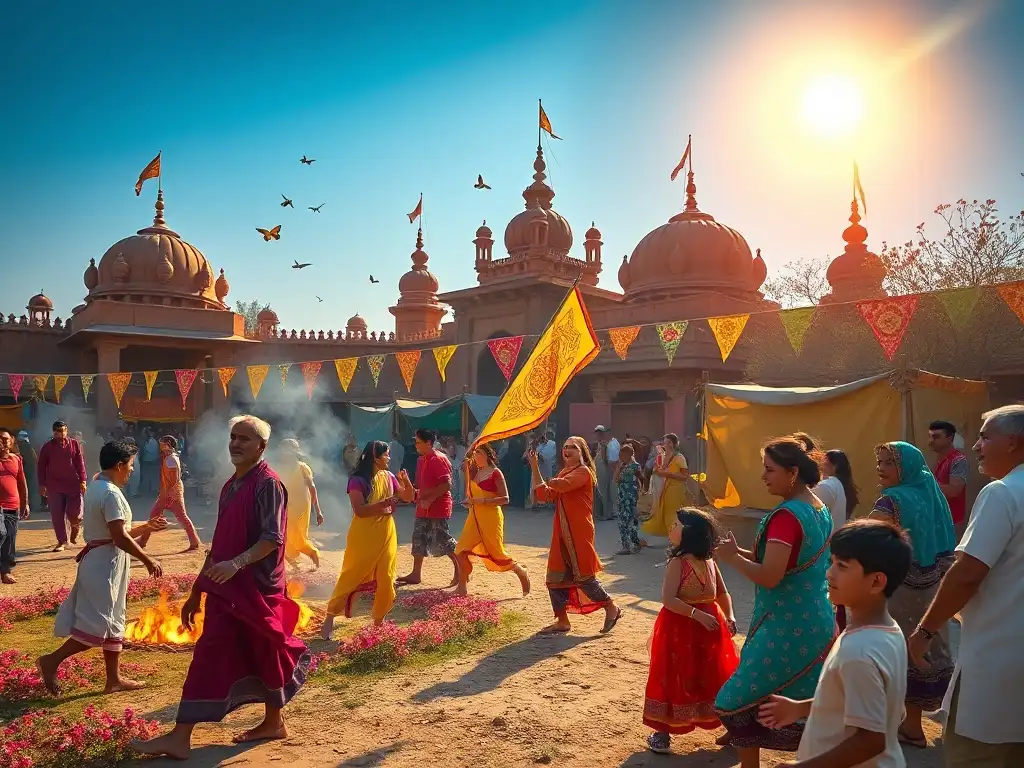
Welcome to Ancient India History, where we embark on a fascinating journey through the vibrant tapestry of ancient Indian civilizations! In this exploration, we delve into the Indus Valley civilization festivals, uncovering how these early societies celebrated joy and community through their unique traditions. What secrets lie behind their vibrant festivities? Join us as we unveil the rich cultural heritage that shaped one of the world's most remarkable civilizations, and prepare to be captivated by the stories that await you!
- Introduction to Festivals and Celebrations in the Indus Valley Civilization
- The Role of Festivals in Indus Valley Society
- Major Festivals Celebrated in the Indus Valley Civilization
- Artifacts and Evidence of Celebrations
- Comparisons with Other Ancient Civilizations
- The Legacy of Indus Valley Civilization Festivals
- Conclusion
-
Frequently Asked Questions
- What were some key festivals celebrated in the Indus Valley civilization?
- How did festivals reflect the culture of the Indus Valley civilization?
- Were festivals important in the daily life of the Indus Valley people?
- Did the Indus Valley civilization have any specific deities associated with their festivals?
- How do modern festivals in India relate to those of the Indus Valley civilization?
- Final Reflection: Celebrating Joy Through the Lens of the Indus Valley Civilization
- Dive Deeper into the Joys of the Past!
Introduction to Festivals and Celebrations in the Indus Valley Civilization
The Indus Valley Civilization, one of the world's earliest urban cultures, flourished around 2500 BCE in what is now modern-day Pakistan and northwest India. Known for its advanced city planning, architecture, and trade networks, this civilization also had a rich tapestry of cultural practices, among which festivals and celebrations played a pivotal role.
These events not only provided a much-needed respite from daily life but also served as a means of reinforcing community bonds and celebrating significant agricultural cycles, religious beliefs, and seasonal changes. In this article, we will delve into the festivals of the Indus Valley Civilization, exploring how they embraced joy and togetherness, and examining their importance within the context of their daily life and society.
Overview of the Indus Valley Civilization
The Indus Valley Civilization, also known as the Harappan Civilization, emerged around 3300 BCE and reached its zenith between 2600 and 1900 BCE. Spanning across a vast area that included major cities such as Harappa and Mohenjo-Daro, this civilization was marked by its sophisticated urban planning, including grid layouts, advanced drainage systems, and impressive architecture. The people of the Indus Valley engaged in agriculture, trade, and craftsmanship, which contributed to a prosperous society.
While the exact details of their festivals remain somewhat elusive due to the limited decipherment of their script, archaeological findings suggest a vibrant culture that celebrated various aspects of life. Artifacts such as pottery, seals, and figurines indicate that the people of this civilization likely engaged in rituals and ceremonies that marked significant events in their lives, including agricultural harvests and seasonal changes.
Importance of Festivals in Ancient Cultures
Festivals have always played a crucial role in the fabric of ancient societies, serving multiple functions that extend beyond mere celebration. In the context of the Indus Valley Civilization, festivals likely provided a platform for:
- Cultural Expression: Festivals allowed communities to express their artistic and cultural identities through music, dance, and visual arts. This expression helped to strengthen community ties and foster a sense of belonging.
- Religious Significance: Many festivals were closely tied to religious beliefs and practices, offering opportunities to honor deities, seek blessings for crops, and ensure community prosperity.
- Agricultural Cycles: Given the agrarian nature of the Indus Valley society, festivals often coincided with agricultural milestones such as planting and harvest seasons. This connection ensured that communities came together to celebrate the fruits of their labor.
- Social Cohesion: Festivals facilitated social interaction among community members, helping to build relationships and reinforce social structures. They served as a reminder of shared values and collective identity.
Overall, festivals were integral to the social, cultural, and spiritual life of ancient societies, including the Indus Valley Civilization, where joy and celebration were intertwined with daily existence.
The Role of Festivals in Indus Valley Society
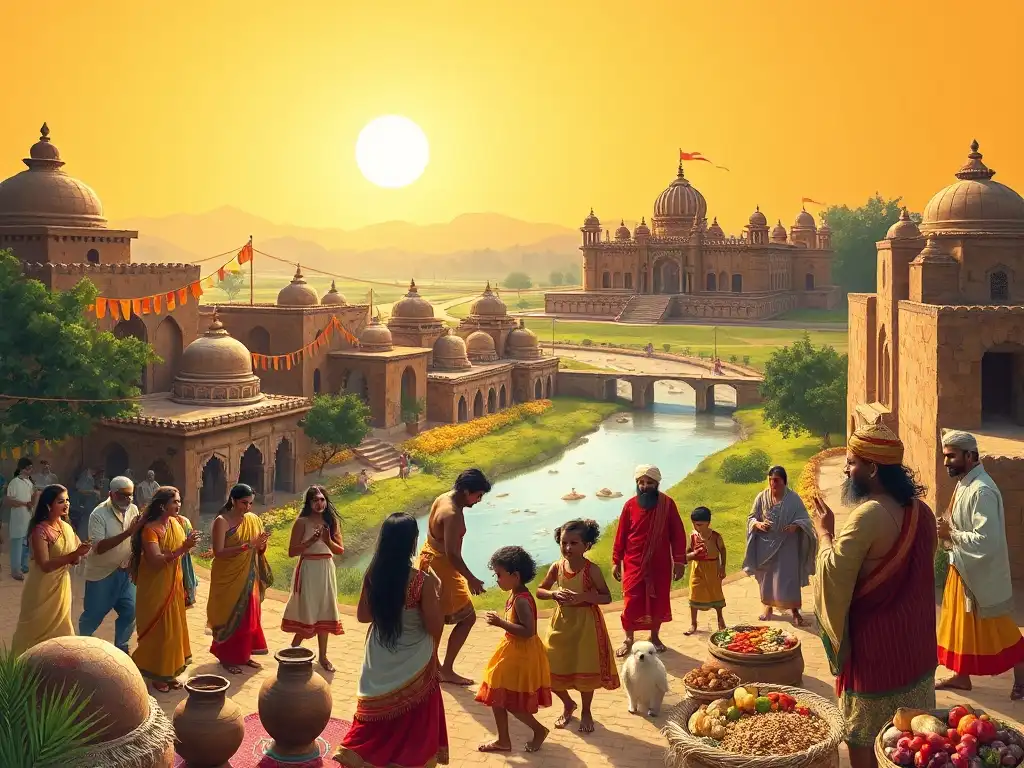
The Indus Valley civilization, one of the world's earliest urban cultures, flourished between 3300 and 1300 BCE and is renowned for its advanced city planning, social organization, and cultural richness. Festivals played a crucial role in the daily life of its inhabitants, reflecting their values, beliefs, and social structures. These celebrations were not mere events; they were pivotal in shaping the community's identity and reinforcing social cohesion.
Festivals often revolved around agricultural cycles, religious observances, and seasonal changes. They provided a structured way for communities to express gratitude to deities, celebrate harvests, and mark significant life events. Through these communal gatherings, the people of the Indus Valley civilization were able to cultivate a sense of belonging, ensuring that their rich traditions and values were passed down through generations.
The social significance of festivals in the Indus Valley civilization cannot be overstated. These celebrations served as vital opportunities for people to come together, fostering a sense of unity and collective identity. The shared experiences during festivals allowed individuals to bond over common beliefs and traditions, reinforcing social hierarchies and community roles.
- Cultural Expression: Festivals provided a platform for expressing cultural identity. This was often seen in the form of music, dance, and art, which were integral to celebrations. Statues, pottery, and seals from this era showcase the artistic expressions that likely played a role in festival activities.
- Religious Observance: Many festivals were deeply rooted in the spiritual beliefs of the Indus Valley civilization. These events often included rituals dedicated to deities, signifying the importance of religion in everyday life. The presence of numerous seals depicting animals and symbols suggests that these may have been associated with particular gods or goddesses worshipped during festivals.
- Lifecycle Events: Festivals also marked significant lifecycle events such as births, marriages, and funerals. These celebrations not only honored individuals but also served to strengthen familial and communal ties, as families would come together to participate in these important rituals.
Festivals as a Means of Community Bonding
The communal aspect of festivals in the Indus Valley civilization was essential for fostering relationships among inhabitants. These events were characterized by participation from all societal layers, promoting inclusivity and cooperation.
- Gathering Spaces: Public spaces, such as large courtyards or plazas, were often utilized for festival activities. These areas served as social hubs where community members could gather, share food, and engage in festivities, thus reinforcing communal ties.
- Collaborative Activities: Festivals included various collaborative activities, such as communal feasting, games, and performances. This collective participation not only enhanced social bonds but also encouraged teamwork and collaboration among community members.
- Conflict Resolution: Festivals provided an avenue for resolving disputes and fostering reconciliation among individuals or families. The joyful atmosphere encouraged dialogue and understanding, allowing communities to mend rifts and build stronger relationships.
Economic Impact of Festivals in the Indus Valley
The economic influence of festivals in the Indus Valley civilization was significant, affecting various aspects of daily life. These celebrations stimulated trade, agriculture, and craftsmanship, playing a crucial role in the community's economic framework.
- Trade and Barter: Festivals often attracted merchants and traders from surrounding regions, facilitating trade. This influx of people created opportunities for bartering goods such as textiles, pottery, and food items, enhancing the economic vitality of urban centers.
- Agricultural Productivity: Agricultural festivals, typically held post-harvest, celebrated the bounty of the land. These events encouraged farmers to participate in communal activities, reinforcing their connection to the land and the importance of sustainable practices.
- Craftsmanship and Artisanship: Festivals provided opportunities for artisans to showcase their crafts, leading to an increase in demand for handmade goods. This not only promoted local craftsmanship but also contributed to the economic development of the region, as unique products became sought after during festive seasons.
Festivals in the Indus Valley civilization were multifaceted events that played a vital role in social cohesion, community bonding, and economic stability. They were integral to the cultural fabric of this ancient society, leaving a legacy that underscores the importance of communal celebrations in fostering unity and prosperity.
Major Festivals Celebrated in the Indus Valley Civilization
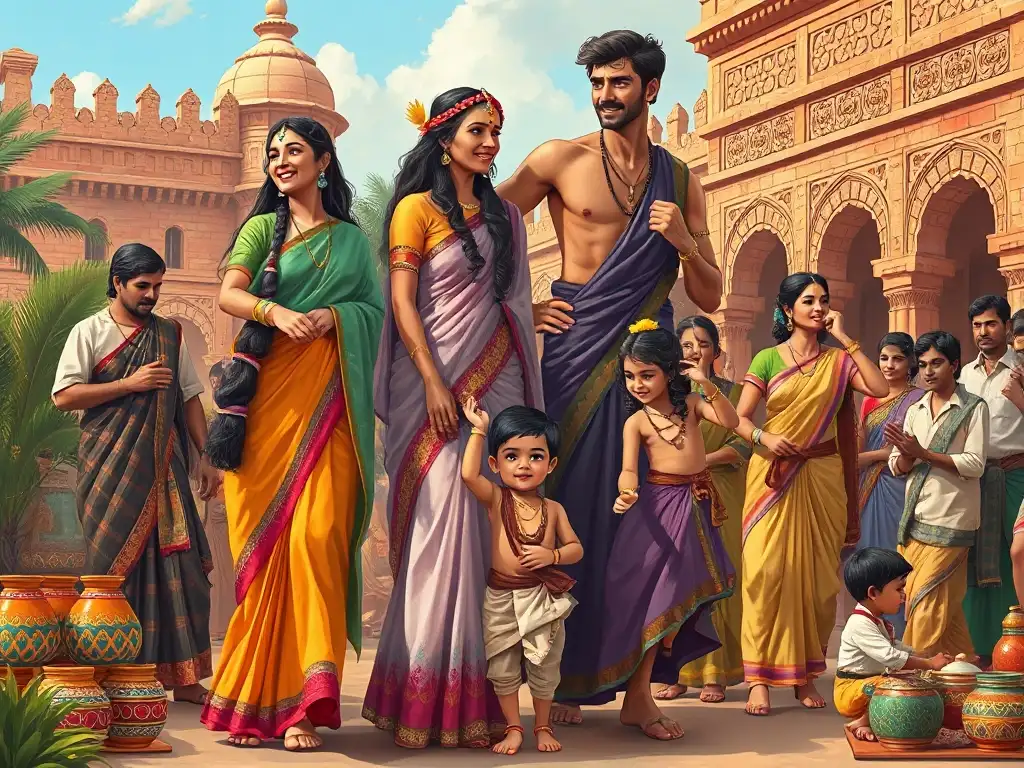
The Indus Valley Civilization, known for its advanced urban planning and rich cultural heritage, also had a vibrant festival calendar that reflected its agrarian lifestyle and spiritual beliefs. Festivals were not just communal celebrations; they played a crucial role in reinforcing social bonds and cultural identity among the inhabitants. The major festivals celebrated in this civilization were primarily linked to agriculture and religious practices, marking the cyclical nature of life, death, and rebirth.
Harvest Festivals and Agricultural Celebrations
Significance of the Harvest Cycle
The agricultural festivals in the Indus Valley Civilization were deeply intertwined with the seasonal changes and the agricultural cycle. The primary crop cultivated was barley, along with wheat, pulses, and cotton. The harvest festival was a crucial event that celebrated the bounty of nature and expressed gratitude to the earth for its sustenance.
These celebrations often coincided with the end of the harvest season, typically around late summer or early autumn, when crops were gathered. The success of the harvest was vital for the community's survival, and hence, these festivals served to strengthen the social fabric by uniting families and communities in a shared sense of achievement and gratitude.
Rituals and Offerings during Harvest Festivals
During harvest festivals, a variety of rituals and offerings were performed to honor both the deities and the agricultural cycle. Farmers would create elaborate offerings made from the first fruits of their harvest, which were presented at altars made from mud and clay. These offerings could include:
- Grain Bundles: Symbolizing prosperity and abundance.
- Flowers and Leaves: Used to decorate the altars, emphasizing the connection to nature.
- Clay Figurines: Often created to represent agricultural deities.
Communities would gather for communal feasts, sharing dishes made from the harvested crops, which reinforced community ties and allowed for the celebration of shared labor. Singing, dancing, and storytelling would often accompany these gatherings, reflecting the joy and gratitude felt by the people.
Religious Festivals and Spiritual Observances
Deities Worshiped in the Indus Valley
The spiritual life of the Indus Valley Civilization was rich and varied, with a pantheon of deities that reflected the natural world and human endeavors. While specific records of religious practices are scarce, archaeological findings suggest the worship of a mother goddess, possibly associated with fertility and agriculture.
Additionally, seals depicting various animals, such as bulls and elephants, indicate that these creatures may have held spiritual significance. The reverence for nature and its elements was likely central to their religious practices, leading to festivals that honored the deities believed to control the forces of nature and agriculture.
Ceremonial Practices and Rites
Ceremonial practices during religious festivals were marked by a variety of rites that included purification rituals, offerings, and communal gatherings. These practices may have involved:
- Ritual Cleansing: Individuals would partake in acts of purification to prepare for participation in the festivities.
- Processions: Communities might have organized processions to honor deities, showcasing clay idols adorned with flowers and jewelry.
- Music and Dance: Celebratory music and dance played a crucial role in bringing people together, fostering a sense of unity and joy.
The ceremonies likely concluded with communal prayers and offerings to ensure blessings for the upcoming agricultural cycles, reinforcing the connection between spirituality and daily life in the Indus Valley Civilization.
The festivals and celebrations of the Indus Valley Civilization were a reflection of their societal values, agricultural practices, and spiritual beliefs. These events not only marked the seasons but also reinforced community bonds and cultural identity, highlighting the civilization's rich cultural tapestry.
Artifacts and Evidence of Celebrations
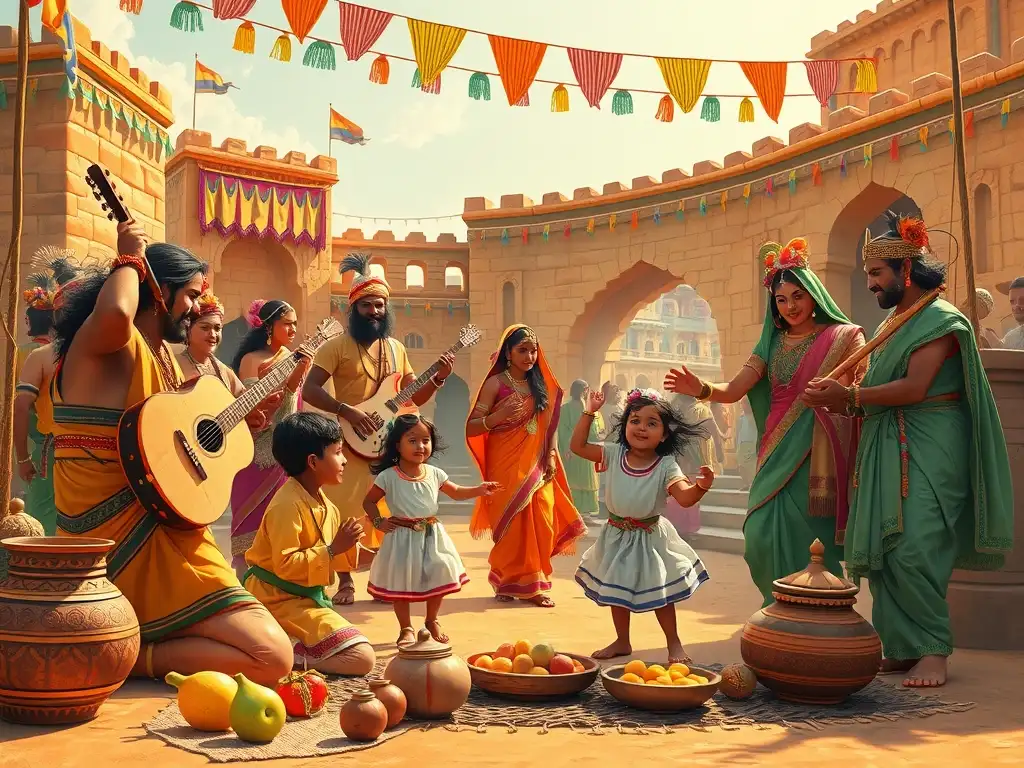
The exploration of Indus Valley civilization festivals is enriched by the artifacts and evidence uncovered through archaeological endeavors. These remnants of past societies illuminate the customs and celebrations that likely took place in the bustling cities of this ancient civilization. By examining various artifacts, we can piece together a picture of how joy and community were expressed among these early urban dwellers.
Archaeologists have unearthed numerous sites across the Indus Valley that provide critical insights into the festivals and celebrations of its inhabitants. Key discoveries include:
- Ceremonial Structures: Excavations in cities like Mohenjo-Daro and Harappa revealed large public spaces that may have served as venues for communal gatherings and festivities. These include:
- Great Bath of Mohenjo-Daro: A large, well-constructed bath that suggests ritualistic cleansing, potentially linked to festival celebrations.
- Public Granaries: Structures that indicate surplus food storage, which would have facilitated communal feasting during festivals.
- Ritual Objects: The presence of various tools and ceremonial items, such as:
- Fire altars: Indicating the possibility of fire rituals during significant occasions.
- Figurines and sculptures: Representations of dancers, musicians, and deities, hinting at the artistic expressions prevalent during celebrations.
- Burial Practices: Graves containing offerings, ornaments, and pottery suggest that certain festivals may have involved honoring ancestors or celebrating life cycles.
Artistic Expressions in Festival Celebrations
Artistic expressions play a pivotal role in understanding how the Indus Valley civilization celebrated life. These expressions can be observed in various forms:
- Terracotta Figurines: Many figurines discovered in archaeological sites depict dancers and musicians, suggesting that performing arts had a place in festival celebrations. Some notable aspects include:
- Dance and Music: The figurines often exhibit dynamic poses, indicating that dance was an integral part of festivities.
- Instruments: Pottery items resembling musical instruments imply that music accompanied these celebrations.
- Pottery Designs: The intricate designs on pottery found in domestic and ceremonial contexts reveal much about the artistic sensibilities of the civilization. Features include:
- Geometric Patterns: These designs may have held symbolic meanings related to harvests or seasons, possibly connecting to specific festivals.
- Depictions of Nature: Motifs depicting flora and fauna could symbolize abundance and fertility, themes often celebrated during festivals.
Insights from Indus Valley Seals and Pottery
Indus Valley seals and pottery provide a wealth of information regarding the cultural practices, including festivals. Notable insights include:
- Seals: Many seals feature images of animals, deities, and symbols that likely held religious significance. They offer clues about:
- Ritualistic Use: Seals may have been used to mark goods or participants in festivals, indicating a form of organization during communal celebrations.
- Social Hierarchies: The iconography on seals suggests that certain individuals (possibly priests or leaders) may have played central roles in festival activities.
- Pottery Evidence: The variety of pottery styles and decorations enhances our understanding of material culture related to celebrations:
- Ceremonial Vessels: Specialized pottery likely used for offerings or rituals during festivals indicates the significance of communal sharing.
- Functional vs. Decorative: The distinction between utilitarian and decorative pottery reflects social practices and the aesthetic value placed on festival-related items.
The artifacts and evidence from the Indus Valley civilization reveal a vibrant tapestry of celebrations that were woven into the daily lives of its people. From architectural structures to artistic expressions, these remnants underscore the importance of Indus Valley civilization festivals as occasions of joy, community bonding, and cultural identity.
Comparisons with Other Ancient Civilizations
The festivals and celebrations of the Indus Valley Civilization (IVC) reflect a unique cultural identity that both parallels and diverges from contemporary ancient civilizations, such as Mesopotamia and Egypt. Understanding these comparisons not only highlights the distinctive characteristics of the IVC but also underscores the interconnectedness of ancient societies.
Similarities and Differences with Mesopotamian Festivals
The festivals of the Indus Valley Civilization exhibit both similarities and differences when compared to those of Mesopotamia.
Similarities:
- Agricultural Celebrations: Both civilizations celebrated festivals centered around agriculture. For instance, the IVC likely held harvest festivals to honor deities associated with fertility and abundance, much like Mesopotamians celebrated the New Year (Akitu) to welcome the harvest season.
- Religious Significance: Festivals in both cultures served religious purposes. In Mesopotamia, festivals were often dedicated to gods such as Marduk, while in the IVC, evidence suggests reverence towards female deities, indicative of a matrifocal aspect in their spirituality.
Differences:
- Cultural Expressions: While Mesopotamian festivals often included grand public spectacles and processions, the Indus Valley's celebrations appear to have been more localized and community-focused, with less emphasis on grandeur. This could be attributed to the IVC's urban planning which favored smaller, intertwined communities.
- Lack of Written Records: The absence of written records in the IVC hampers a comprehensive understanding of their festivals, unlike Mesopotamia, where cuneiform inscriptions provide detailed accounts of their celebrations. Thus, much of what we know about IVC festivals is inferred from archaeological findings, such as seals and pottery, which depict symbols and motifs that may represent festive occasions.
Influence of the Indus Valley Civilization on Neighboring Cultures
The Indus Valley Civilization's festivals and cultural practices likely influenced neighboring cultures, particularly in the regions of modern-day Punjab and Sindh, as well as further afield into ancient Iran.
- Cultural Exchange: The trade routes established by the IVC facilitated the exchange of goods and cultural practices. Items such as pottery and textiles found in Mesopotamia, reminiscent of IVC styles, suggest a sharing of festive customs and celebrations.
- Religious Practices: The reverence for female deities observed in the Indus Valley may have permeated into neighboring cultures, influencing the worship practices in regions like the Iranian Plateau. This can be seen in the later emergence of goddess worship in various Indo-Iranian traditions.
- Artistic Representations: The motifs found in Indus Valley artifacts, such as dancing figures and animals, may have inspired artistic expressions in subsequent cultures, including the use of similar themes in festivals celebrated by later Indian civilizations. The continuity of certain symbols could indicate a lasting legacy of IVC cultural elements.
The festivals of the Indus Valley Civilization represent a rich tapestry of cultural practices that not only reflect the society's values and beliefs but also demonstrate its influence on neighboring civilizations. Understanding these aspects enhances our appreciation of the IVC's contributions to ancient cultural heritage.
The Legacy of Indus Valley Civilization Festivals
The festivals of the Indus Valley Civilization (IVC) hold a significant place in the tapestry of ancient Indian history, revealing insights into the social, religious, and cultural practices of one of the world's earliest urban societies. The archaeological findings provide glimpses into various aspects of life during this era, with festivals likely playing a central role in community cohesion and the celebration of agricultural cycles.
How Festivals Shaped Modern Celebrations in India
The festivals celebrated in the Indus Valley Civilization laid the groundwork for many of the traditions observed in contemporary India. The agrarian nature of the civilization meant that seasonal changes were significant, leading to celebrations that honored harvests and agricultural practices.
- Agricultural Festivals: Much like today’s harvest festivals, such as Pongal or Baisakhi, it is believed that the IVC people celebrated the harvest in a similar fashion. Evidence suggests they might have engaged in rituals to appease deities associated with fertility and abundance. This tradition of celebrating harvests continues to thrive in Indian culture, emphasizing gratitude and community.
- Religious Significance: The presence of figurines and seals depicting deities hints at the spiritual practices surrounding festivals. The worship of nature, fertility, and possibly proto-Shiva figures suggest that these early celebrations involved rituals aimed at ensuring prosperity. Modern Hindu festivals often echo these sentiments, showcasing a continuity of reverence for nature.
- Community Bonding: Festivals served as a time for communal gatherings, fostering social ties among different groups. The IVC likely had communal feasts and gatherings that are reflected in today’s celebrations, where family and friends come together. This aspect of social cohesion remains a cherished part of Indian culture, reinforcing bonds through shared experiences.
The transition from the festivals of the Indus Valley to present-day celebrations illustrates a remarkable continuity in the cultural fabric of India. Although the specifics may have evolved, the underlying themes of gratitude, community, and spirituality remain constant.
Continuing Traditions and Cultural Heritage
The rich cultural heritage of the Indus Valley Civilization continues to influence modern practices, making them an integral part of India's identity. Recognizing the cultural roots of ancient festivals enhances our understanding of their significance today.
- Art and Craftsmanship: Artifacts from the IVC, such as pottery and jewelry, showcase the aesthetic sensibilities of the time. These artistic expressions often found their way into festival decorations and attire, a tradition that persists in contemporary celebrations. The intricate designs and craftsmanship continue to inspire modern artisans, reflecting a legacy that values beauty in everyday life.
- Culinary Traditions: The diet of the IVC was diverse, with evidence of agriculture-based foods such as wheat and barley. This emphasis on locally sourced ingredients is echoed in modern Indian festivals, where traditional dishes are prepared to celebrate the occasion. The use of seasonal produce not only honors the agricultural practices of the past but also emphasizes sustainability in contemporary cooking.
- Rituals and Customs: Many rituals observed today can trace their origins back to the practices of the Indus Valley people. For instance, the lighting of lamps during festivals may have roots in ancient rituals aimed at dispelling darkness and inviting prosperity. Such customs connect modern celebrators to their ancient ancestors, creating a sense of continuity over millennia.
The legacy of the Indus Valley Civilization festivals is deeply woven into the cultural heritage of India. By examining these ancient practices, we gain valuable insights into the evolution of celebrations, illustrating how the past continues to resonate in the present. The enduring nature of these traditions serves as a testament to the rich cultural tapestry that defines Indian identity today.
Conclusion
The Enduring Joy of Festivals in the Indus Valley Civilization
The Indus Valley civilization, known for its advanced urban planning and sophisticated socio-economic structures, also had a vibrant cultural life marked by various festivals. These celebrations were not merely occasions for joy but integral to their societal fabric. Evidence from archaeological sites such as Harappa and Mohenjo-Daro suggests that festivals likely revolved around agricultural cycles, seasonal changes, and significant life events.
- Agricultural Festivals: The agrarian nature of the Indus Valley civilization meant that harvests were celebrated with communal festivities. These festivals would include rituals to honor deities associated with fertility and agriculture, reflecting the community's gratitude and reliance on the land.
- Seasonal Celebrations: The changing seasons were significant in the lives of the Indus people. Festivities could have included ceremonies to welcome the monsoon or to celebrate the onset of spring, symbolizing renewal and prosperity.
- Rituals and Offerings: Archaeological findings hint at the practice of making offerings to gods, which were likely accompanied by music, dance, and feasting. These rituals not only strengthened community bonds but also reinforced cultural identities.
The evidence of pottery, terracotta figurines, and seals depicting festive scenes supports the notion that joy was a vital part of daily life, illustrating how the Indus Valley civilization celebrated their existence through vibrant festivals.
Reflection on the Importance of Celebrations in Ancient Societies
Celebrations in ancient societies, particularly in the Indus Valley civilization, served multifaceted purposes. They were essential for reinforcing social cohesion, transmitting cultural values, and creating shared identities. Festivals acted as a mechanism for community building, where individuals came together, transcending daily struggles to partake in collective joy.
- Cultural Transmission: Festivals were a means of passing down traditions, stories, and rituals from one generation to the next. This continuity helped maintain cultural integrity and fostered a sense of belonging among community members.
- Social Cohesion: The communal aspect of festivals promoted unity and cooperation among the inhabitants. Participating in celebrations allowed individuals to forge relationships, strengthen kinship ties, and enhance communal support systems.
- Emotional Expression: Celebrations provided an outlet for emotional expression, allowing people to celebrate not just joyous occasions but also to find solace in community during times of hardship. This emotional aspect of festivals contributed to the overall well-being of the society.
- Religious Significance: Many festivals had deep religious connotations, serving to honor the gods and seek their blessings. This reverence for the divine was crucial in shaping the worldview of the Indus Valley civilization, highlighting their connection to spirituality and nature.
The Indus Valley civilization festivals were more than just events; they were vital threads woven into the fabric of society, reflecting the civilization's values, beliefs, and social structures. Understanding these celebrations provides deeper insights into how joy and community were interlinked in ancient Indian societies.
Frequently Asked Questions
What were some key festivals celebrated in the Indus Valley civilization?
The Indus Valley civilization celebrated various festivals that were likely tied to agricultural cycles, harvests, and religious rites. However, specific details about these celebrations remain largely speculative due to limited archaeological evidence.
How did festivals reflect the culture of the Indus Valley civilization?
Festivals in the Indus Valley civilization mirrored their social structure, religious beliefs, and community values. They often involved rituals, music, and dance, showcasing the civilization's rich cultural heritage.
Were festivals important in the daily life of the Indus Valley people?
Yes, festivals played a significant role in the daily life of the Indus Valley people, as they fostered community bonding, strengthened social ties, and provided a break from routine agricultural work.
Did the Indus Valley civilization have any specific deities associated with their festivals?
While the exact deities remain unknown, it is believed that the Indus Valley civilization had various gods and goddesses associated with natural elements, which were likely honored during festivals related to fertility and harvest.
How do modern festivals in India relate to those of the Indus Valley civilization?
Many modern festivals in India have roots that can be traced back to ancient traditions, including those from the Indus Valley civilization. They often celebrate similar themes of harvest, nature, and community values.
Final Reflection: Celebrating Joy Through the Lens of the Indus Valley Civilization
The festivals and celebrations of the Indus Valley Civilization remind us that joy is a universal language that transcends time and culture. In a world often overshadowed by division and strife, the vibrant traditions of this ancient civilization serve as a poignant reminder of our shared humanity. These festivities were not merely events; they were expressions of community, spirituality, and the celebration of life itself, echoing the importance of joy in our lives today.
The legacy of the Indus Valley civilization's festivals continues to resonate in our cultural and social landscapes, shaping how we perceive and engage with celebrations in our own communities. The way they integrated agriculture, spirituality, and social bonding into their festivities illustrates the profound impact of joy on societal cohesion. As we reflect on their traditions, we can draw inspiration from their ability to unite people through shared experiences. Festivals are a time for reflection, connection, and the celebration of life’s simple joys.
As we conclude this exploration of the Indus Valley civilization's festivals, I invite you to reflect on how you can embrace joy in your own life. Consider the ways in which you can celebrate your community, your culture, and your relationships. Whether through organizing a gathering, participating in local traditions, or simply taking a moment to appreciate the beauty around you, let the spirit of celebration inspire you to create lasting connections. Remember, joy is not just found in grand festivities; it can be woven into the fabric of our everyday lives.
Dive Deeper into the Joys of the Past!
Thank you for joining us on this journey through the vibrant festivals and celebrations of the Indus Valley Civilization! We hope you gained insights into how joy was woven into their everyday life and culture. Now, let’s take a step further to engage with this fascinating topic!
Here’s how you can continue exploring the wonders of ancient celebrations:
- Delve into your own community: Attend a local festival or celebration and reflect on how it connects to the spirit of the Indus Valley festivities.
- Share your knowledge: Discuss your newfound insights or this article with friends or post about it on social media to spark a conversation about ancient cultures.
- Join a community group: Explore online forums or social media groups dedicated to ancient history— contribute your thoughts and learn from others!
Which aspects of the Indus Valley celebrations resonate most with you, and how do you plan to incorporate joy into your life today?