
The Maurya Empire’s Approach to Foreign Policy: A Governance Perspective


Welcome to Ancient India History, where we embark on a captivating journey through the rich tapestry of ancient Indian civilizations. Here, you will uncover the remarkable stories, diverse cultures, and significant contributions that shaped the subcontinent—from the enigmatic Indus Valley to the illustrious Gupta Empire. In our featured article, The Maurya Empire’s Approach to Foreign Policy: A Governance Perspective, we delve into the complexities of the Maurya Empire's foreign policy analysis, unraveling the strategic decisions that influenced its prominence on the world stage. Prepare to satisfy your curiosity and deepen your understanding of one of history's most fascinating empires!
The Maurya Empire, one of the most significant empires in ancient Indian history, was renowned not only for its vast territorial expanse but also for its sophisticated governance and foreign policy strategies. Established by Chandragupta Maurya in the 4th century BCE, this empire reached its zenith under the reign of his grandson Ashoka the Great.
The foreign policy of the Maurya Empire was characterized by a pragmatic blend of diplomacy, military might, and cultural exchange, which played a crucial role in shaping its interactions with neighboring states and influencing its internal governance. This article provides an in-depth analysis of the Maurya Empire's foreign policy, examining the underlying principles, major events, and the implications of these strategies on governance during this remarkable period.
By understanding the complexities of the Maurya Empire’s approach to foreign relations, we gain valuable insights into how ancient Indian civilizations navigated the challenges of their time and the lessons they offer for contemporary governance.
Key Principles of Foreign Policy in the Maurya Empire
The foreign policy of the Maurya Empire was guided by several key principles that shaped its diplomatic and military strategies. These principles included:
- Diplomacy over Warfare: The Mauryan rulers often prioritized negotiations and alliances over direct military confrontations. This diplomatic approach allowed them to expand their influence without incurring the heavy costs of war.
- Realpolitik: The Maurya Empire's foreign policy was rooted in practical considerations rather than ideological commitments. This pragmatic stance enabled them to adapt to changing political landscapes and maintain stability within their borders.
- Cultural Exchange: The empire actively promoted cultural interactions with neighboring states, leading to a rich exchange of ideas, art, and philosophy. This not only strengthened diplomatic ties but also enriched the cultural fabric of the empire.
Major Events Influencing the Maurya Empire's Foreign Policy
Several key events significantly influenced the foreign policy decisions of the Maurya Empire:
- Conquest of the Nanda Empire: The overthrow of the Nanda Dynasty by Chandragupta Maurya marked the beginning of the Maurya Empire and set a precedent for future military campaigns.
- Interactions with the Hellenistic World: The Maurya Empire's encounters with Greek states, particularly after Alexander the Great's invasion, opened new avenues for trade, diplomacy, and cultural exchange.
- Ashoka's Conversion to Buddhism: Ashoka's embrace of Buddhism led to a shift in foreign policy, emphasizing peace and non-violence, which influenced the empire's diplomatic relations with other kingdoms.
Implications of Foreign Policy on Governance
The foreign policy of the Maurya Empire had profound implications for its internal governance structures:
- Stability and Security: By effectively managing foreign relations, the Mauryan rulers were able to maintain stability and security within the empire, fostering a conducive environment for economic and cultural development.
- Administrative Reforms: The need to manage diverse populations and territories led to significant administrative innovations, including the establishment of a complex bureaucracy and communication networks.
- Cultural Integration: The empire's foreign policy facilitated cultural integration, as interactions with different civilizations enriched the Mauryan societal framework, promoting tolerance and diversity.
The Maurya Empire’s approach to foreign policy serves as a fascinating case study in governance and international relations. By examining these strategies, we can better appreciate the complexities of ancient Indian civilizations and their lasting contributions to world history.
- Key Principles of Foreign Policy in the Maurya Empire
- Major Events Influencing the Maurya Empire's Foreign Policy
- Implications of Foreign Policy on Governance
- What was the main focus of the Maurya Empire's foreign policy?
- How did Chandragupta Maurya influence foreign policy?
- What role did Kautilya play in shaping foreign relations?
- How did the Maurya Empire handle conflicts with neighboring states?
- What were the long-term impacts of the Maurya Empire's foreign policy?
Introduction to the Maurya Empire and Foreign Policy
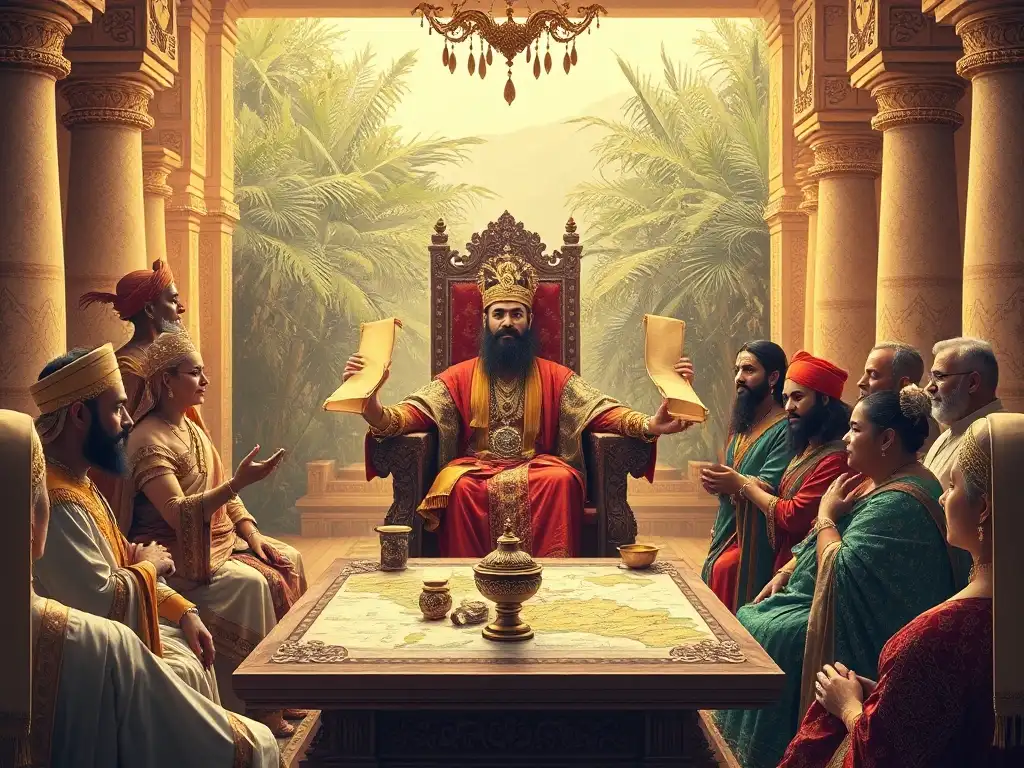
The Maurya Empire, one of the most significant and extensive empires in ancient Indian history, spanned from approximately 322 to 185 BCE. Founded by Chandragupta Maurya, this empire is renowned for its remarkable governance, administrative innovations, and a well-structured military. As a powerful political entity, the Maurya Empire's approach to foreign policy reflects its broader governance strategies, which aimed at expanding influence, ensuring security, and fostering trade relations.
Foreign policy during this period was not merely an extension of military might; it was intricately linked to diplomacy, economic interests, and cultural exchanges. The Maurya rulers, particularly Ashoka, navigated complex relationships with neighboring states and empires, which significantly shaped the political landscape of ancient India. This analysis will delve into the Maurya Empire's foreign policy, examining its historical context and significance in governance.
Overview of the Maurya Empire’s Historical Context
The Maurya Empire emerged in a time characterized by political fragmentation and social upheaval in ancient India. Following the decline of the Nanda Dynasty, Chandragupta Maurya capitalized on the prevailing instability to establish a centralized state. His conquests laid the groundwork for a vast empire, which included much of the Indian subcontinent.
The Maurya Empire's strategic location allowed it to engage with various cultures and civilizations, including the Persian Empire to the west and the Hellenistic kingdoms to the northwest. This geographical advantage necessitated a foreign policy that was both defensive and expansive. The following factors influenced the empire's foreign policy approach:
- Military Strategy: The Mauryan military was well-organized and disciplined, enabling the empire to conduct successful campaigns against neighboring kingdoms. This military prowess was integral to both territorial expansion and the establishment of influence over rival states.
- Diplomatic Relations: The Maurya rulers engaged in diplomatic negotiations and alliances with other kingdoms, fostering trade and cultural exchanges. Such relationships were crucial for maintaining stability and economic prosperity.
- Cultural Integration: The empire's vast expanse brought together diverse cultures and ethnicities. The Mauryan rulers recognized the importance of cultural diplomacy in unifying their territories and promoting a shared identity.
- Ashoka’s Edicts: Emperor Ashoka, who reigned from 268 to 232 BCE, is particularly noted for his unique approach to foreign policy characterized by the principles of Dhamma (moral law). His edicts emphasize non-violence and respect for all life, marking a shift in the traditional military-focused foreign policy.
Significance of Foreign Policy in Ancient Indian Governance
The foreign policy of the Maurya Empire played a critical role in shaping its governance and diplomatic relations. Understanding its significance involves examining several key aspects:
- Stability and Security: A well-defined foreign policy helped the Maurya Empire maintain stability in its borders. By forming alliances and engaging in treaties, the empire could deter potential invasions and internal conflicts.
- Economic Development: Trade routes established through effective foreign policy enhanced economic prosperity. The Maurya Empire became a hub for commerce, with significant trade networks connecting it to Central Asia, the Mediterranean, and beyond.
- Cultural Exchange: The Maurya rulers facilitated cultural exchanges through diplomatic missions and interactions with foreign states. This fostered a rich cultural tapestry that influenced art, architecture, and philosophy.
- Legacy of Governance: The principles of governance established during the Maurya Empire, particularly under Ashoka, laid the foundation for future Indian dynasties. The emphasis on ethical leadership and welfare-oriented policies can be seen as a precursor to later governance models in India.
The Maurya Empire’s foreign policy was a complex interplay of military strategy, diplomacy, and cultural integration, reflecting the governance ideals of its time. By analyzing the Maurya Empire foreign policy, we gain insights into the intricate dynamics that shaped ancient Indian civilization and its lasting legacy.
Key Features of Maurya Empire Foreign Policy
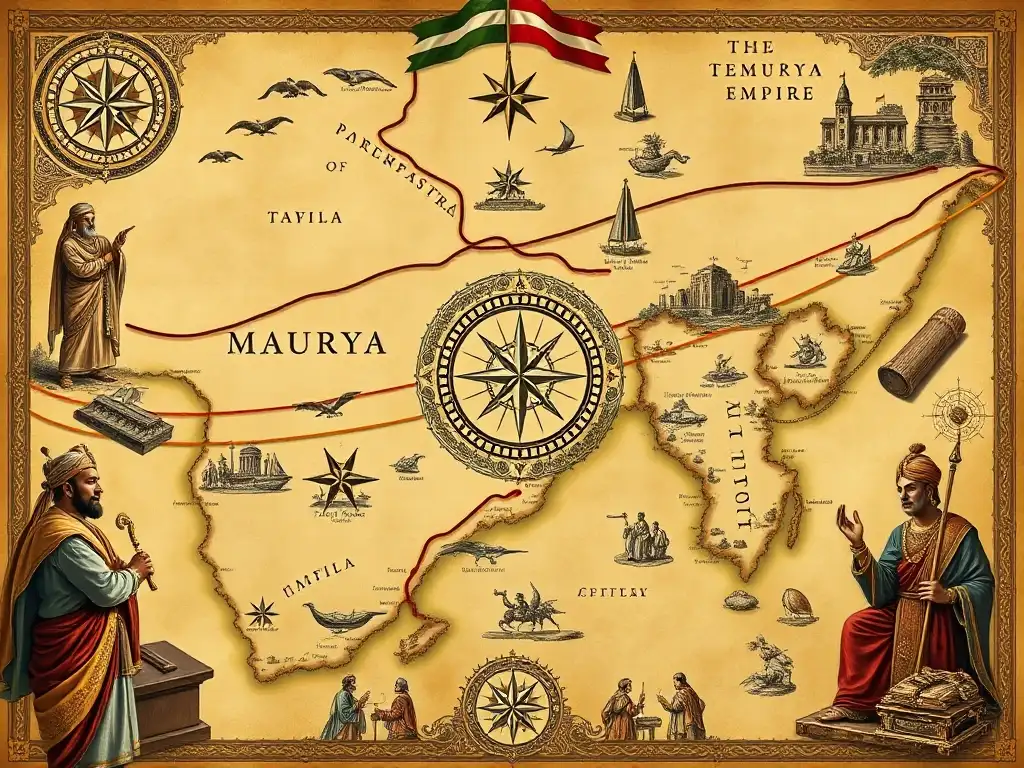
The foreign policy of the Maurya Empire was characterized by a blend of diplomatic prowess, military strength, and economic strategy, all aimed at consolidating power and maintaining stability across its vast territories. Under the reign of notable emperors like Chandragupta Maurya and Ashoka, the empire developed a sophisticated approach to foreign relations that not only influenced neighboring states but also set a precedent for future governance in ancient India.
Diplomatic Strategies of the Maurya Empire
The Maurya Empire employed a variety of diplomatic strategies to manage its relationships with other states.
- Alliance Formation: The empire often sought alliances through marriage and treaties, which helped consolidate power and create a network of supportive states. For instance, Chandragupta Maurya married into the Nanda dynasty, which allowed him to secure political leverage.
- Embassies and Envoys: The Mauryas recognized the importance of communication. They dispatched envoys to foreign courts, fostering goodwill and negotiating terms beneficial to the empire. These envoys were often tasked with gathering intelligence and establishing trade relations.
- Cultural Exchange: The Maurya Empire also utilized cultural diplomacy, promoting the spread of Buddhism as a unifying ideology. Ashoka's efforts to send missionaries abroad are a prime example of using cultural ties to enhance diplomatic relations, particularly in regions like Southeast Asia.
The effectiveness of these diplomatic strategies can be observed in the Maurya Empire's ability to maintain peace with neighboring kingdoms for extended periods, allowing for internal development and economic growth.
Military Tactics and Their Role in Foreign Relations
Military strength was a cornerstone of the Maurya Empire's foreign policy. The empire’s approach to military strategy was multifaceted:
- Conquest and Expansion: Early in the empire’s establishment, Chandragupta Maurya engaged in military conquests to expand his territory. This aggressive expansion not only brought new lands under Mauryan control but also served to intimidate potential adversaries.
- Defensive Posturing: Ashoka’s later reign marked a shift towards a more defensive military strategy. After the Kalinga War, Ashoka adopted a policy of non-violence (Dhamma), emphasizing diplomacy over further military conquests. This not only reduced the immediate military threat but also fostered a more stable regional environment.
- Military Alliances: The Mauryas often formed military alliances with other states to bolster their defenses. Such alliances could deter aggression from rival kingdoms and allow for joint military operations when necessary.
Through these military tactics, the Maurya Empire was able to navigate complex foreign relations while ensuring the security of its vast territories.
Economic Considerations in Foreign Policy Decisions
Economic factors played a crucial role in shaping the foreign policy decisions of the Maurya Empire:
- Trade Relations: The Maurya Empire strategically established trade routes that facilitated commerce with neighboring regions. The emphasis on trade not only enriched the empire but also fostered peaceful relationships with trading partners.
- Resource Control: Control over critical resources, such as the rich mineral deposits in the Indian subcontinent, influenced the empire’s foreign policy. The Mauryas aimed to secure these resources through both diplomacy and military means, ensuring economic stability.
- Tribute Systems: The Maurya Empire often imposed tribute systems on conquered territories, which provided a steady stream of revenue. This economic strategy reinforced the empire’s power and allowed for further investments in infrastructure and administration.
The Maurya Empire's foreign policy was a complex interplay of diplomacy, military strategy, and economic considerations. By analyzing these key features, it becomes evident how the Maurya Empire effectively managed its foreign relations, contributing to its status as one of the most significant empires in ancient Indian history.
Maurya Empire Foreign Policy Analysis: Major Players and Influences
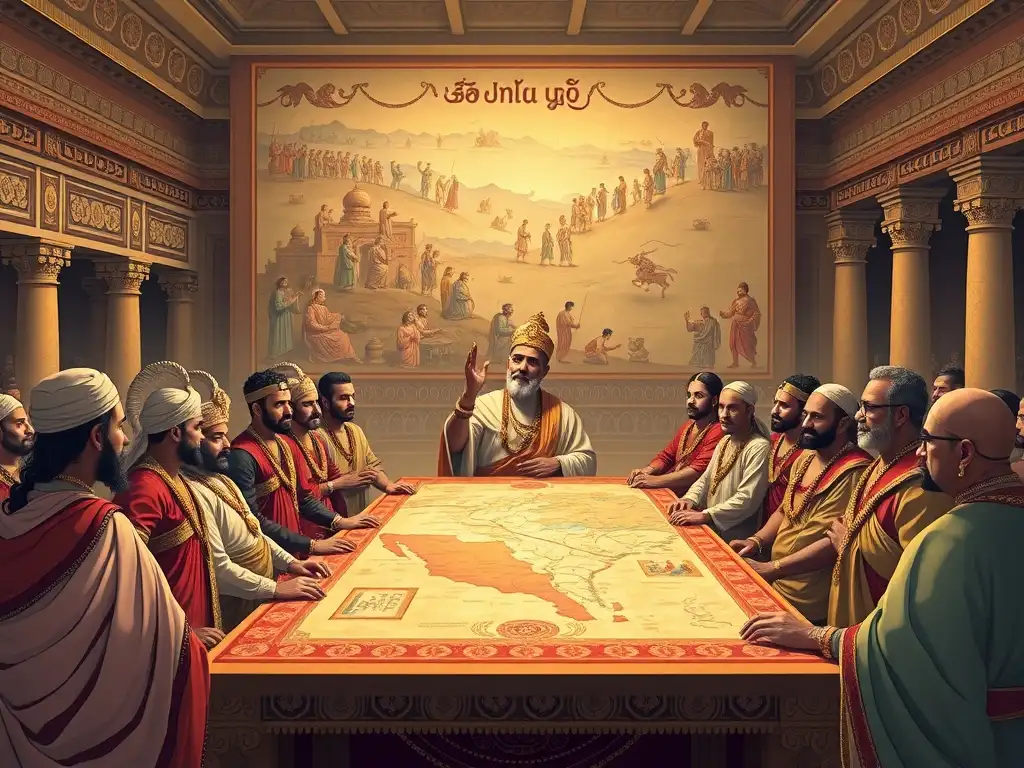
Key Figures in Maurya Diplomacy
The Maurya Empire, one of the largest and most influential empires in ancient India, was characterized by a distinct approach to foreign policy that was shaped by key figures whose strategies and philosophies played a pivotal role in its diplomatic engagements. Understanding these figures provides insight into the empire's foreign relations and governance.
Chandragupta Maurya’s Strategic Alliances
Chandragupta Maurya, the founder of the Maurya Empire, was a master strategist who understood the importance of alliances in enhancing his empire's power. He established critical relationships with various regional powers, which were instrumental in his rise to prominence.
- Nanda Dynasty Relations: Chandragupta's initial rise came through the overthrow of the Nanda dynasty. His diplomatic approach included forging alliances with local chieftains discontent with Nanda rule, demonstrating the effectiveness of collaboration in securing territory.
- Maurya and the Greeks: Following his ascension, Chandragupta engaged diplomatically with the remnants of Alexander the Great's forces in the northwest. This resulted in treaties that allowed for peaceful coexistence and trade, showcasing his ability to navigate complex international relations.
- Utilization of Spies: Chandragupta employed a vast network of spies to gather intelligence on potential threats and opportunities. This strategic espionage was crucial in forming alliances and making informed decisions regarding military engagements.
Chandragupta's diplomatic maneuvers laid a strong foundation for the Maurya Empire, emphasizing the importance of alliances and strategic relationships in foreign policy.
Ashoka’s Approach to Diplomacy and Conquest
Ashoka the Great, the grandson of Chandragupta, is renowned for transforming the Maurya Empire’s approach to foreign policy, particularly after his conversion to Buddhism. His reign marked a significant shift from territorial conquest to diplomatic engagement and moral governance.
- Buddhism and Non-Violence: Ashoka's embrace of Buddhism fundamentally altered his foreign policy. He promoted non-violence (Ahimsa) and sought to resolve conflicts through dialogue rather than warfare. This philosophy not only influenced domestic governance but also shaped international relations.
- Dhamma as a Diplomatic Tool: Ashoka utilized the concept of Dhamma (moral law) as a basis for diplomatic relations. He sent emissaries to various regions, including Sri Lanka and Southeast Asia, to spread Buddhism, thereby establishing peaceful ties based on shared values.
- Rock Edicts: The edicts inscribed on rocks and pillars throughout the empire served as a form of communication, outlining Ashoka's policies on morality and governance. These inscriptions were not merely local directives but also messages to foreign nations, promoting peace and ethical conduct.
Ashoka's reign illustrates a profound evolution in the Maurya Empire's foreign policy, where ethical considerations took precedence over military might.
Influences from Neighboring Civilizations on Maurya Foreign Policy
The foreign policy of the Maurya Empire was not developed in a vacuum; it was significantly influenced by neighboring civilizations, which shaped its diplomatic strategies and governance practices.
- Persian Influence: The administrative techniques and diplomatic practices of the Achaemenid Empire served as a model for the Mauryas. The use of satrapies and a centralized bureaucracy allowed for effective governance over vast territories.
- Hellenistic Interactions: Following Alexander the Great's incursions, the Maurya Empire encountered Hellenistic cultures. This interaction introduced new diplomatic concepts and military strategies that influenced Maurya policies, particularly in trade and cultural exchanges.
- Indo-Greek Relations: The establishment of Indo-Greek kingdoms in the northwest provided a unique opportunity for the Maurya Empire to engage in trade and cultural exchanges. Diplomatic ties were cultivated through marriage alliances and trade agreements, which enriched both cultures.
- Cultural Syncretism: The Maurya Empire's foreign policy also reflected an openness to cultural influences from neighboring civilizations, allowing for the assimilation of various customs and practices that enhanced its governance and diplomatic relations.
The Maurya Empire’s foreign policy analysis reveals a complex interplay of strategic alliances, ethical diplomacy, and external influences, showcasing how these elements contributed to its governance and administrative prowess.
The Role of Religion and Culture in the Maurya Empire’s Foreign Relations
The Maurya Empire, one of the largest and most powerful empires in ancient India, had a unique approach to foreign policy that was heavily influenced by its religious and cultural frameworks. The empire's leaders, particularly Emperor Ashoka, recognized that religion and culture could serve as powerful tools for diplomacy and governance. This section explores how these elements shaped the Maurya Empire’s foreign relations, particularly through Buddhism and cultural exchanges.
Impact of Buddhism on Diplomatic Relations
Buddhism played a pivotal role in the Maurya Empire’s foreign policy, particularly during the reign of Emperor Ashoka (268-232 BCE). After the Kalinga War, which resulted in immense loss of life, Ashoka adopted Buddhism and its principles of non-violence and compassion. This transformation significantly influenced his diplomatic strategies.
- Principles of Non-Violence: Ashoka’s commitment to ahimsa (non-violence) became a cornerstone of his foreign policy. He sought to resolve conflicts through diplomacy rather than military might. This approach was not only a moral stance but also a pragmatic strategy to foster peaceful relations with neighboring states.
- Buddhist Missions: Ashoka sent diplomatic missions to various regions, including Sri Lanka, Central Asia, and even as far as Greece, to promote Buddhism. These missions were instrumental in establishing friendly ties and cultural exchanges. Notably, his envoy, Mahinda, played a key role in the spread of Buddhism in Sri Lanka, which strengthened political alliances.
- Cultural Diplomacy: The promotion of Buddhism also served as a means of cultural diplomacy. Ashoka’s edicts, inscribed on pillars and rocks, communicated his policies and values, transcending linguistic and cultural barriers. This helped in creating a shared cultural identity that facilitated trade and diplomatic relations.
Buddhism's emphasis on peace and coexistence allowed the Maurya Empire to engage with foreign entities in a manner that was both respectful and strategic, enhancing its influence across the region.
Cultural Exchange and Its Importance in Governance
Cultural exchange during the Maurya Empire was not merely an incidental aspect of foreign relations; it was a deliberate and vital component of governance that contributed to the empire's stability and prosperity.
- Trade Relations: The Maurya Empire established extensive trade networks, which were crucial for economic prosperity. Through trade, cultural exchanges flourished, bringing new ideas, technologies, and goods into the empire. The Silk Road, which connected India to Central Asia and beyond, facilitated these exchanges, enhancing diplomatic ties.
- Integration of Diverse Cultures: The Maurya Empire was home to a variety of ethnic groups and cultures. By promoting a policy of inclusivity, the empire leveraged its cultural diversity to strengthen governance. The acknowledgment and incorporation of different cultural practices fostered loyalty among various communities, reducing the likelihood of rebellion.
- Art and Architecture: The influence of foreign culture is evident in the art and architectural styles of the period. The integration of Hellenistic elements in Mauryan architecture, such as the use of columns and stupas, is a testament to the cultural exchanges that occurred. This not only enriched the empire's cultural heritage but also served as a diplomatic tool, showcasing the empire's openness and sophistication.
- Education and Scholarship: The establishment of centers of learning, such as Nalanda, attracted scholars from various regions, promoting intellectual exchange. This not only enhanced the empire’s cultural capital but also established the Maurya Empire as a hub of knowledge, further solidifying its diplomatic standing in the region.
Cultural exchange was integral to the Maurya Empire's governance and foreign policy. By fostering trade, embracing diversity, and promoting education, the empire not only enriched its own culture but also built robust diplomatic relationships that contributed to its longevity and influence in ancient India.
Case Studies of Maurya Empire Foreign Policy
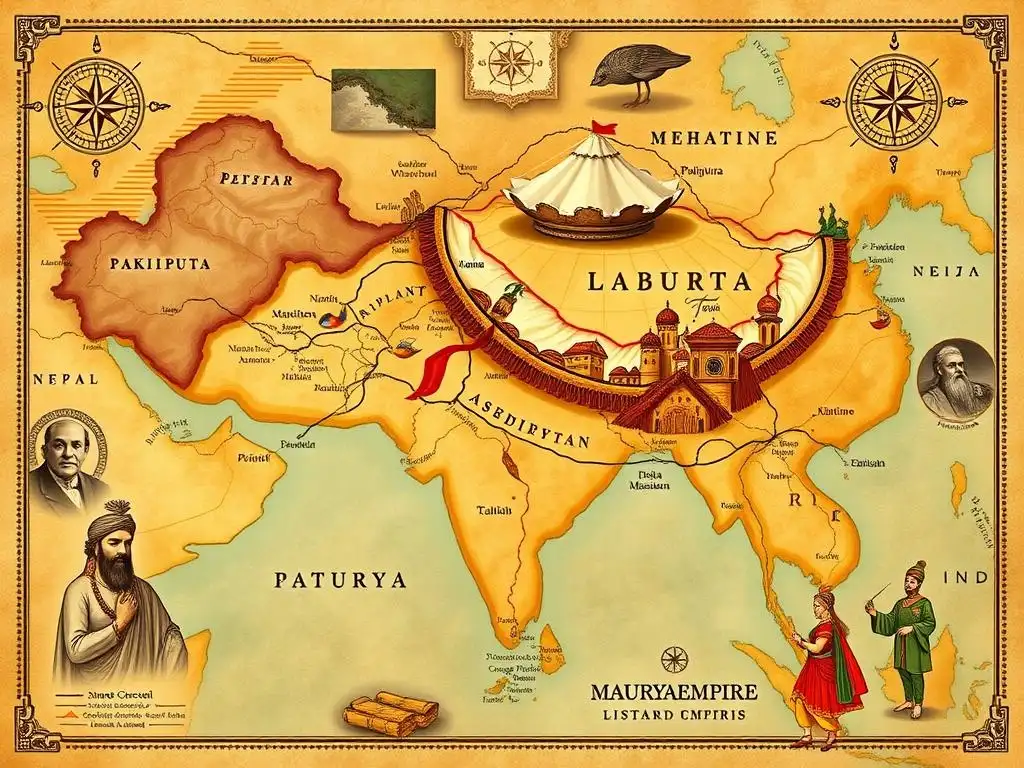
The Relationship with the Hellenistic World
The Maurya Empire, under the leadership of Chandragupta Maurya and his successors, developed a notable relationship with the Hellenistic world, particularly following the conquests of Alexander the Great. This interaction was characterized by diplomatic engagement and cultural exchange, which significantly influenced the empire's foreign policy.
- Diplomatic Missions: After Alexander's invasion, Chandragupta recognized the importance of maintaining peace with the Hellenistic kingdoms. He dispatched diplomatic missions to various Hellenistic states, establishing formal ties that facilitated trade and cultural exchanges.
- Cultural Exchange: The interactions with the Greeks led to a fusion of ideas in art, philosophy, and administration. Notably, the introduction of Greek-style coinage and the exchange of scientific knowledge played a crucial role in the Mauryan economy and culture.
This relationship not only allowed the Maurya Empire to strengthen its influence in the region but also contributed to its internal cohesion through the integration of diverse cultural elements.
Diplomacy with the Persian Empire
The Maurya Empire's foreign policy also involved strategic relations with the remnants of the Persian Empire. After the fall of Darius III to Alexander, the eastern territories of the former Persian Empire presented both opportunities and challenges for the Maurya rulers.
- Strategic Alliances: Chandragupta Maurya formed alliances with local Persian satraps who were disillusioned with Hellenistic rule. By leveraging these relationships, he was able to consolidate power in regions that were once under Persian control.
- Military Strategy: The Mauryas adopted a defensive military posture, focusing on fortifying their borders against potential invasions from Hellenistic successor states while maintaining a diplomatic channel with Persian territories. This strategic balance allowed the Maurya Empire to thrive during a tumultuous period.
The diplomatic efforts extended towards the Persian territories not only enhanced trade but also facilitated the flow of resources and military support, which were critical for the empire's expansion.
Internal Conflicts and Their Influence on Foreign Policy
Internal stability was a crucial component of the Maurya Empire's foreign policy. The administration faced various internal conflicts, including power struggles and regional unrest, which directly influenced its external relations.
- Managing Rebellions: The Mauryan rulers, particularly Ashoka, had to address several internal rebellions. These conflicts necessitated a focus on internal governance, which often limited the resources available for aggressive foreign policy initiatives. As a result, diplomacy and alliances became preferred tools in managing foreign relations.
- Shift to Non-Violence: Ashoka’s conversion to Buddhism marked a significant shift in the empire's foreign policy approach. His emphasis on Dhamma (moral law) influenced the Maurya Empire to adopt a non-violent stance in international relations, promoting peace and stability rather than conquest.
This nuanced approach to foreign policy, shaped by internal challenges, allowed the Maurya Empire to maintain its territorial integrity while fostering a reputation as a peace-oriented power in the ancient world.
The Maurya Empire's foreign policy was marked by strategic diplomacy, cultural exchanges, and a keen awareness of internal dynamics, which collectively shaped its interactions with neighboring powers and contributed to its legacy in ancient history.
Challenges Faced by the Maurya Empire in Foreign Policy
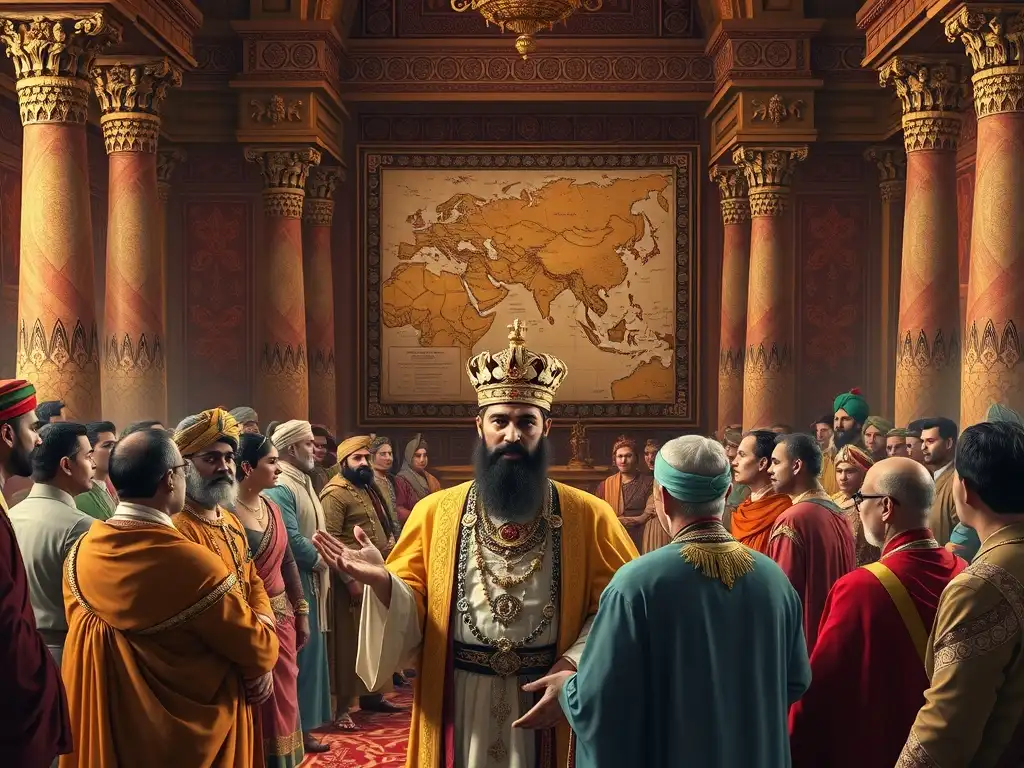
The Maurya Empire, one of the most significant empires in ancient India, navigated a complex landscape of challenges in its foreign policy. The approach taken by this empire was not just a reflection of its ambitions but also a response to a multitude of internal and external pressures. Understanding these challenges provides a nuanced perspective on the Maurya Empire's foreign policy analysis.
External Threats and Responses
The Maurya Empire faced numerous external threats that shaped its foreign policy decisions. The various kingdoms and tribes surrounding the empire often posed significant military and political challenges. Key among these were the invasions and ambitions of the Greek states, particularly following the conquests of Alexander the Great in the 4th century BCE.
To address these threats, the Mauryan rulers, especially Chandragupta Maurya and his grandson Ashoka, adopted multifaceted strategies:
- Military Confrontation:
- The Mauryan army was well-organized and trained, allowing for swift military responses to invasions. For instance, Chandragupta's initial confrontations with Alexander's satraps led to the establishment of a strong military presence in the northwestern territories.
- Diplomatic Alliances:
- The Mauryas often sought to form alliances with neighboring kingdoms to strengthen their position. This included treaties that ensured mutual defense against common enemies. Notable alliances were formed with local rulers, which helped to stabilize borders and deter invasions.
- Economic Strategies:
- The Maurya Empire also utilized its economic strength to fund military campaigns and develop a robust defense system. Control over trade routes and resources allowed them to maintain a well-supplied army.
- Intelligence Gathering:
- Effective use of spies and intelligence networks played a crucial role in preempting threats. The Mauryas recognized the importance of understanding enemy movements and intentions, which informed their responses and strategies.
The combination of these strategies enabled the Maurya Empire to manage external threats effectively, contributing to its longevity and stability during its reign.
Internal Dissent and Its Impact on Diplomatic Relations
While external threats shaped the Maurya Empire's foreign policy, internal dissent also played a critical role. The vastness of the empire, encompassing diverse cultures and languages, often led to regional discontent and challenges to central authority.
Key factors affecting internal dissent included:
- Cultural Diversity:
- The Maurya Empire was home to various ethnic groups with distinct cultures and traditions. This diversity sometimes led to friction, as local leaders sought greater autonomy. Such dissent could weaken the empire's diplomatic stance, as regional leaders might refuse to support central policies.
- Religious Differences:
- The rise of Buddhism under Ashoka's reign introduced religious tensions, especially in regions where Hinduism was predominant. Ashoka’s conversion to Buddhism and subsequent promotion of non-violence and tolerance aimed to unify the empire but also alienated certain factions that were aligned with traditional Hindu practices.
- Economic Disparities:
- Regions that felt economically marginalized often resisted central control, which in turn affected diplomatic efforts. For example, trade routes that were not adequately protected or developed could lead to resentment among local merchants and leaders, undermining the empire’s influence.
- Rebellions and Unrest:
- Instances of rebellion, such as those led by local chieftains, required the Maurya leadership to divert attention from foreign policy to internal security. This shift in focus could weaken their negotiating power with external allies and adversaries alike.
While the Maurya Empire's foreign policy was characterized by strategic military and diplomatic maneuvers against external threats, it was equally impacted by the internal challenges of dissent. Understanding these dynamics is essential for a comprehensive Maurya Empire foreign policy analysis, revealing how governance and diplomacy were inextricably linked during this pivotal period in ancient Indian history.
Conclusion: The Legacy of Maurya Empire's Foreign Policy
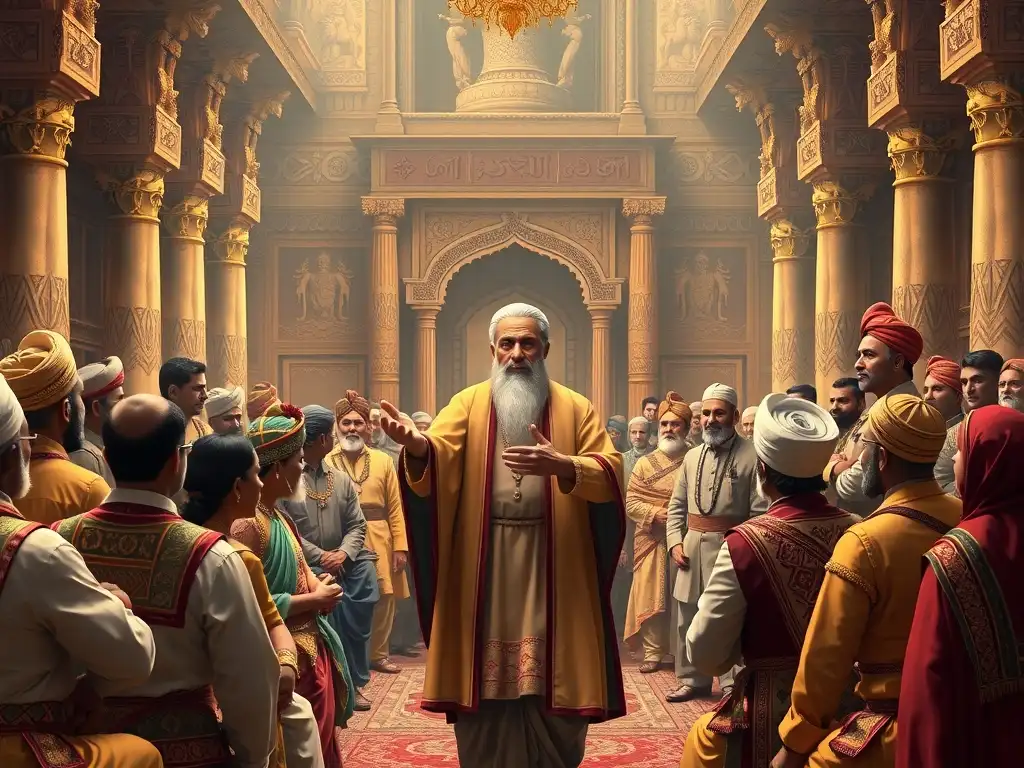
The Maurya Empire, one of the most significant ancient Indian civilizations, showcased a sophisticated approach to foreign policy that has left a profound legacy on subsequent Indian states. Under the leadership of Chandragupta Maurya and later, Ashoka the Great, the empire managed to establish a vast and diverse territory. Their foreign policy strategies not only secured the empire's borders but also promoted trade, diplomatic relations, and cultural exchanges across the Indian subcontinent and beyond.
Lasting Impacts on Subsequent Indian Civilizations
The foreign policy of the Maurya Empire set a precedent for future Indian kingdoms. Its emphasis on diplomacy over military confrontation influenced subsequent rulers in their dealings with neighboring territories. Some key impacts include:
- Diplomatic Relations: The Mauryas prioritized alliances through marriages and treaties, which became a common strategy for later dynasties. For instance, the Gupta Empire adopted similar diplomatic practices to maintain peace and extend their influence without resorting to constant warfare.
- Cultural Exchange: The Maurya Empire's foreign policy facilitated cultural and religious exchanges, particularly during Ashoka’s reign. His promotion of Buddhism as a state religion led to the spread of Buddhist principles across Asia, impacting cultures as far as Central Asia and Sri Lanka. This cultural legacy continued to shape Indian civilization and its interactions with neighboring regions.
- Trade Networks: The Mauryan emphasis on trade and economic prosperity fostered the development of trade routes. These routes were crucial for the economic stability of later empires, such as the Gupta Empire, which thrived on trade with Southeast Asia and the Roman Empire.
- Legal Frameworks: The Maurya Empire's legal structures regarding international relations set foundational principles for governance. These frameworks were emulated by other Indian states, establishing norms around treaties, trade agreements, and conflict resolution.
Lessons from the Maurya Empire’s Approach to Governance and Foreign Relations
The governance and foreign policy strategies of the Maurya Empire offer valuable lessons that resonate even today. Key takeaways include:
- Strategic Diplomacy: The Maurya rulers exemplified the effectiveness of diplomacy in achieving national goals. Their ability to navigate complex political landscapes through alliances and negotiations underscores the importance of strategic relationships in governance.
- Holistic Governance: The Mauryan model integrated administrative efficiency with foreign policy, demonstrating that effective governance must consider external relations as part of its broader strategy. This holistic approach remains relevant for contemporary states facing global challenges.
- Cultural Sensitivity: Ashoka’s promotion of peace and respect for diverse cultures highlighted the significance of cultural understanding in foreign relations. Modern governance can learn from this, recognizing that fostering mutual respect can lead to more stable international relations.
- Economic Prioritization: The Mauryan focus on trade as a means of strengthening ties with other regions illustrates the importance of economic strategies in foreign policy. A robust economy can enhance a nation's bargaining power and foster cooperative relationships.
The Maurya Empire's foreign policy analysis offers profound insights into governance, diplomacy, and the interplay between domestic and international affairs. Its legacy continues to influence the strategic thinking of modern states, reminding us of the timeless nature of effective governance and the importance of cultural and diplomatic engagement.
References
The Maurya Empire, one of the most significant and expansive empires in ancient Indian history, left a lasting legacy in governance and foreign policy. Understanding the intricacies of its foreign policy not only provides insight into its political strategies but also helps in grasping the broader implications for ancient Indian civilizations. The following references offer valuable perspectives and analyses on the Maurya Empire’s approach to foreign relations.
Suggested Readings on Maurya Empire Foreign Policy
-
"The Maurya Empire: A Historical Study" by Dr. R. C. Majumdar
This comprehensive text delves into the political strategies employed by the Maurya Empire, highlighting key figures like Chandragupta Maurya and his diplomatic maneuvers.
-
"Kautilya's Arthashastra: The Science of Statecraft" by K. R. N. Iyengar
A critical examination of Kautilya's seminal work, this book provides insights into the principles of governance and foreign policy that shaped the Mauryan state.
-
"Mauryan Foreign Relations: An Analysis" by P. B. Sharma
This analysis focuses on the diplomatic ties and treaties established by the Maurya Empire, exploring its interactions with neighboring states.
-
"The Political History of the Maurya Empire" by R. S. Sharma
This work outlines the political dynamics of the Maurya Empire, emphasizing its foreign policy and military strategies.
-
"Chandragupta Maurya and his Times" by R. K. Tripathi
An exploration of Chandragupta’s reign, this book discusses his foreign policy initiatives and the empire's expansionist ambitions.
Academic Sources for Further Research on Ancient Indian Governance
| Source Title | Author(s) | Year | Focus Area |
|---|---|---|---|
| "The Mauryan State: Structure and Function" | D. N. Jha | 2005 | Administrative structure of the Maurya Empire |
| "Indian Political Thought" | R. K. Narayan | 2010 | Philosophical influences on governance |
| "From the Indus to the Mauryas: A Historical Perspective" | S. K. Gupta | 2018 | Evolution of governance in ancient India |
| "The Role of Diplomacy in Ancient India" | A. P. Mishra | 2013 | Diplomatic relations and treaties |
| "War and Peace in Ancient India" | M. A. Khan | 2019 | Military strategies and foreign relations |
These readings and academic sources provide a multifaceted understanding of the Maurya Empire's foreign policy and governance, serving as essential materials for scholars and enthusiasts alike who wish to delve deeper into ancient Indian history.
Frequently Asked Questions
What was the main focus of the Maurya Empire's foreign policy?
The Maurya Empire's foreign policy primarily focused on expansion and diplomacy. They aimed to secure their borders, establish trade routes, and foster alliances with neighboring states.
How did Chandragupta Maurya influence foreign policy?
Chandragupta Maurya laid the foundation for a proactive foreign policy. His strategies included conquest and diplomacy, allowing the empire to grow significantly during his reign.
What role did Kautilya play in shaping foreign relations?
Kautilya, also known as Chanakya, was instrumental in formulating the political and military strategies that defined the Maurya Empire's foreign relations, emphasizing realpolitik and cunning diplomacy.
How did the Maurya Empire handle conflicts with neighboring states?
The empire often utilized a mix of military might and diplomatic negotiations. They sought to resolve conflicts through treaties and alliances, rather than constant warfare, when possible.
What were the long-term impacts of the Maurya Empire's foreign policy?
The foreign policy strategies of the Maurya Empire led to a unified Indian subcontinent, enhanced trade, and cultural exchanges, laying the groundwork for future Indian empires and influencing regional politics for centuries.
Final Reflection: The Enduring Legacy of the Maurya Empire's Foreign Policy
The Maurya Empire's approach to foreign policy remains a crucial lens through which we can understand the complexities of governance and diplomacy today. As we navigate an increasingly interconnected world, the principles of strategic alliances, cultural diplomacy, and pragmatic governance exemplified by the Maurya Empire resonate with contemporary international relations. The lessons from their foreign policy strategies remind us that effective governance transcends borders and can foster lasting peace and cooperation.
Cultural exchanges and diplomatic negotiations have shaped societies throughout history, and the Maurya Empire was no exception. The empire's ability to adapt and respond to external challenges laid the groundwork for a rich tapestry of cultural interactions that continue to influence modern diplomacy. As Chanakya wisely stated, There is some self-interest behind every friendship. There is no friendship without self-interests.
This quote encapsulates the essence of the Maurya Empire's foreign policy, highlighting the importance of mutual benefit in international relations—a concept that remains relevant in today's geopolitical landscape.
As we reflect on the Maurya Empire's foreign policy, I invite you to consider how these historical lessons can be applied in your own life and community. How can you foster relationships that prioritize collaboration and mutual benefit? Whether in personal interactions or professional endeavors, embracing the spirit of diplomacy and understanding can lead to more harmonious relationships and a more interconnected world. Let us take inspiration from the past to build a future where cooperation and strategic alliances pave the way for peace and prosperity.
Unveil the Legacy: Take Action Today!
Thank you for exploring the fascinating insights into the Maurya Empire’s foreign policy! We hope you’ve gained valuable perspectives on their governance approach that continue to resonate today. Now, it's time to engage further and make this knowledge work for you.
- Dive deeper into historical strategies by researching a specific aspect of the Maurya Empire's diplomacy and reflecting on its relevance in modern contexts.
- Share this article with friends or on social media to spark discussions about historical governance and its impacts on today’s global relations.
- Join our community! Subscribe to our newsletter for more captivating articles and insights into ancient history.
Which elements of the Maurya Empire's foreign policy do you believe could be effectively applied to enhance current international relations?