
The Life of Ksitigarbha: The Bodhisattva of the Earth Store

Welcome to Ancient India History, where we embark on a fascinating journey through the rich tapestry of India's past, exploring its diverse cultures and remarkable contributions. In this article, we delve into the intriguing history of Ksitigarbha Bodhisattva, the revered figure known as the Bodhisattva of the Earth Store. Discover the profound significance of Ksitigarbha in ancient Indian religions and how his teachings continue to resonate today. Prepare to uncover layers of wisdom and insight that will inspire you to dive deeper into the captivating world of ancient Indian civilization!
Introduction to Ksitigarbha Bodhisattva History
The figure of Ksitigarbha, known as the Bodhisattva of the Earth Store, occupies a significant place within Buddhist traditions, particularly in the context of Mahayana Buddhism. Revered for his compassionate commitment to saving all sentient beings from suffering, Ksitigarbha embodies the virtues of patience, dedication, and selflessness.
His legend is interwoven with themes of salvation and the alleviation of suffering, making him a pivotal figure in the spiritual landscape of ancient Indian religions. This article delves into the rich history and cultural significance of Ksitigarbha, exploring his origins, evolution in Buddhist texts, and the enduring impact of his teachings on followers across the centuries.
Overview of Ksitigarbha in Buddhist Tradition
Ksitigarbha's role in Buddhist tradition is multifaceted, often depicted as a guardian of the realm of the dead and a guide for souls navigating the afterlife. His name translates to "Earth Store," reflecting his profound connection to the earth and his promise to remain in the cycle of rebirth until all beings are liberated from suffering. Central to his narrative is the Ksitigarbha Sutra, a key text that outlines his vows and the depths of his compassion.
- Key Attributes of Ksitigarbha:
- Compassion: He is often portrayed as a figure of unyielding compassion, devoted to helping those in need.
- Patience: Ksitigarbha is known for his determination to assist every being, regardless of the time it may take.
- Protection: He serves as a protector for the souls of the deceased, guiding them through their spiritual journey.
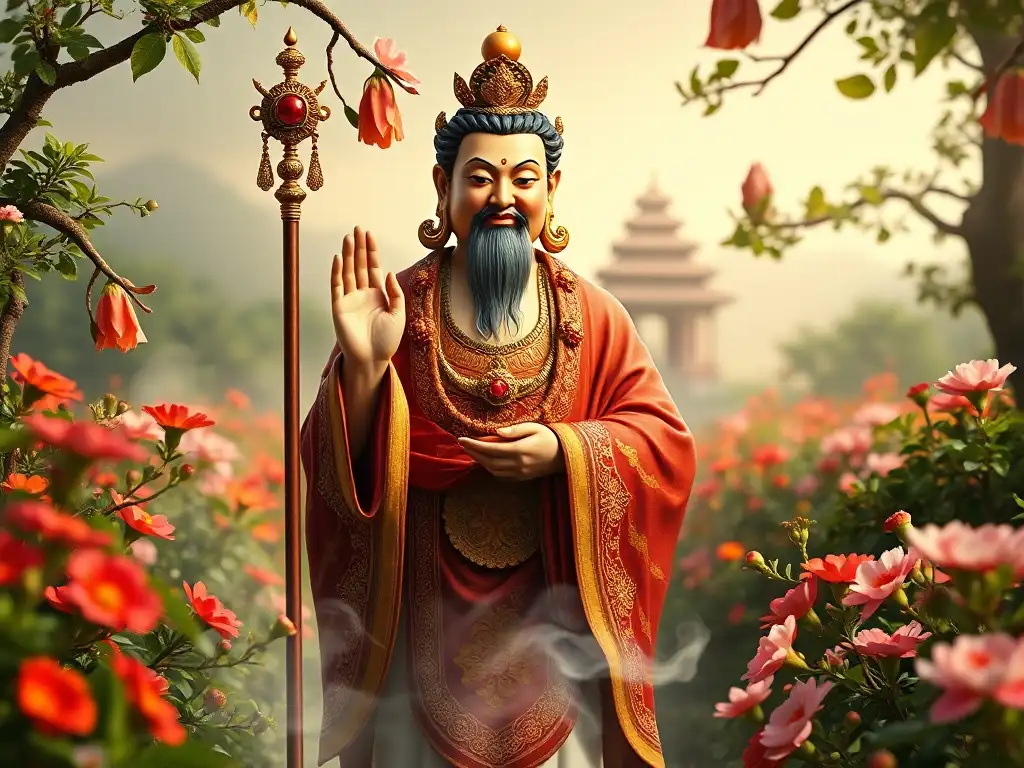
This bodhisattva's influence extends beyond texts to iconography, where he is frequently depicted holding a staff and a jewel, symbolizing his role as a guide and a source of enlightenment.
Importance of Ksitigarbha in Ancient Indian Religions
Ksitigarbha's importance transcends the boundaries of Buddhism, influencing various aspects of ancient Indian religions. His teachings resonate with the core principles of compassion and altruism found in Hinduism and Jainism, highlighting a shared belief in the value of selfless service.
- Cultural Significance:
- Interfaith Influence: Ksitigarbha's attributes are mirrored in figures across different faiths, emphasizing a common thread of compassion in Indian spirituality.
- Ritual Practices: His veneration is integral to various rituals and practices, particularly those related to funerals and ancestor worship, reflecting societal values around death and rebirth.
Through the lens of ancient Indian religions, Ksitigarbha emerges not just as a figure of Buddhism, but as a universal symbol of hope and support for all beings, reinforcing the interconnectedness of life and the sacred duty of care.
Origins and Historical Context of Ksitigarbha
Historical Background of Ksitigarbha Bodhisattva
The origins of Ksitigarbha can be traced back to the early centuries of Buddhism, where his character began to take shape through oral traditions and written texts. While specific historical records are sparse, references to Ksitigarbha can be found in texts dating back to the 6th century CE, during which the Bodhisattva's narrative began to crystallize within the Mahayana tradition.
- Timeline of Ksitigarbha's Development:
- Early Mentions: Initial references in Buddhist scriptures hint at the existence of a compassionate figure aiding the deceased.
- Formal Recognition: By the Tang Dynasty (618-907 CE), Ksitigarbha gained significant recognition and was depicted in various forms of art and sculpture.
Ksitigarbha's evolution reflects broader trends in Buddhism, particularly the shift towards a more inclusive and compassionate approach to spiritual practice, positioning him as a protector of the vulnerable.
The Emergence of Ksitigarbha in Early Buddhist Texts
The emergence of Ksitigarbha in early Buddhist texts marks a crucial development in the understanding of bodhisattvas. The Ksitigarbha Sutra serves as the primary source of his teachings, detailing his vows and the immense compassion he embodies.
- Key Themes in the Ksitigarbha Sutra:
- Vows of Compassion: Ksitigarbha vows to remain in the cycle of birth and death until all beings are liberated.
- Guidance for the Deceased: The text emphasizes his role in guiding souls through the afterlife, offering solace and support.
The portrayal of Ksitigarbha in these texts not only enriches the narrative of Mahayana Buddhism but also highlights the spiritual ideals of empathy and care that permeate ancient Indian religions. As such, Ksitigarbha stands as a testament to the enduring power of compassion in the face of suffering, a theme that resonates through the ages.
Key Attributes and Symbolism of Ksitigarbha
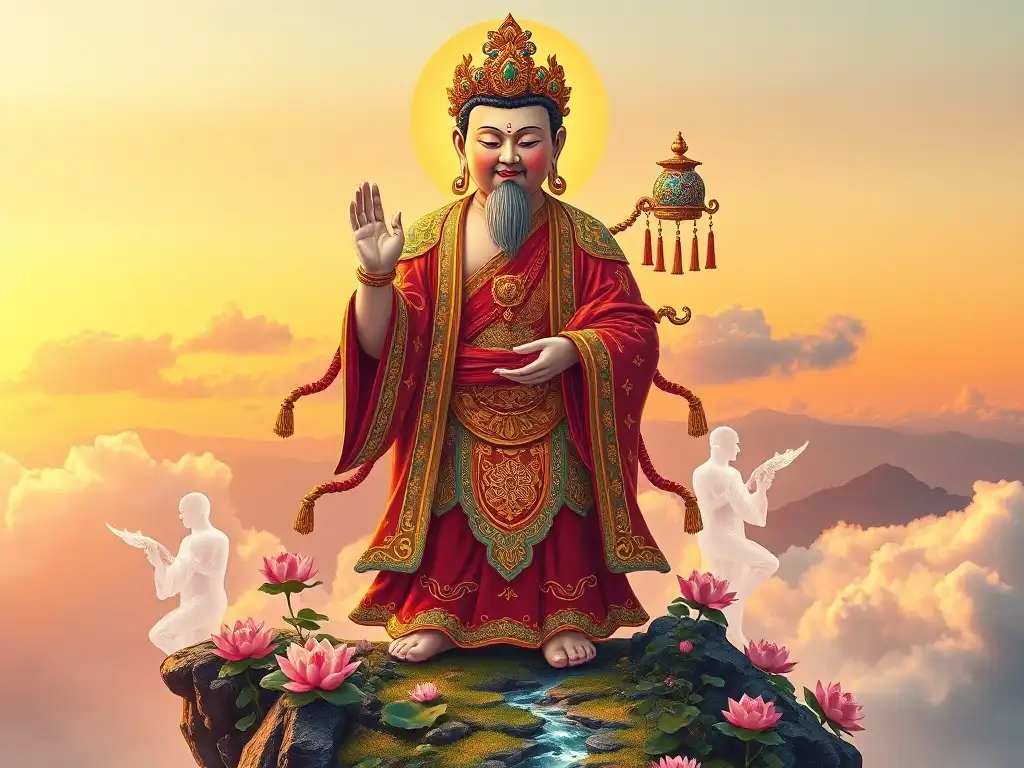
Ksitigarbha, known as the Bodhisattva of the Earth Store, holds a unique and significant place in Mahayana Buddhism. His attributes emphasize compassion, patience, and a profound commitment to alleviating the suffering of beings in various realms, particularly those in hell. Often depicted as a monk, Ksitigarbha is characterized by his shaved head, simple robes, and sometimes carries a staff (khakkhara) and a wish-granting jewel. These elements symbolize his role as a guide and protector of souls.
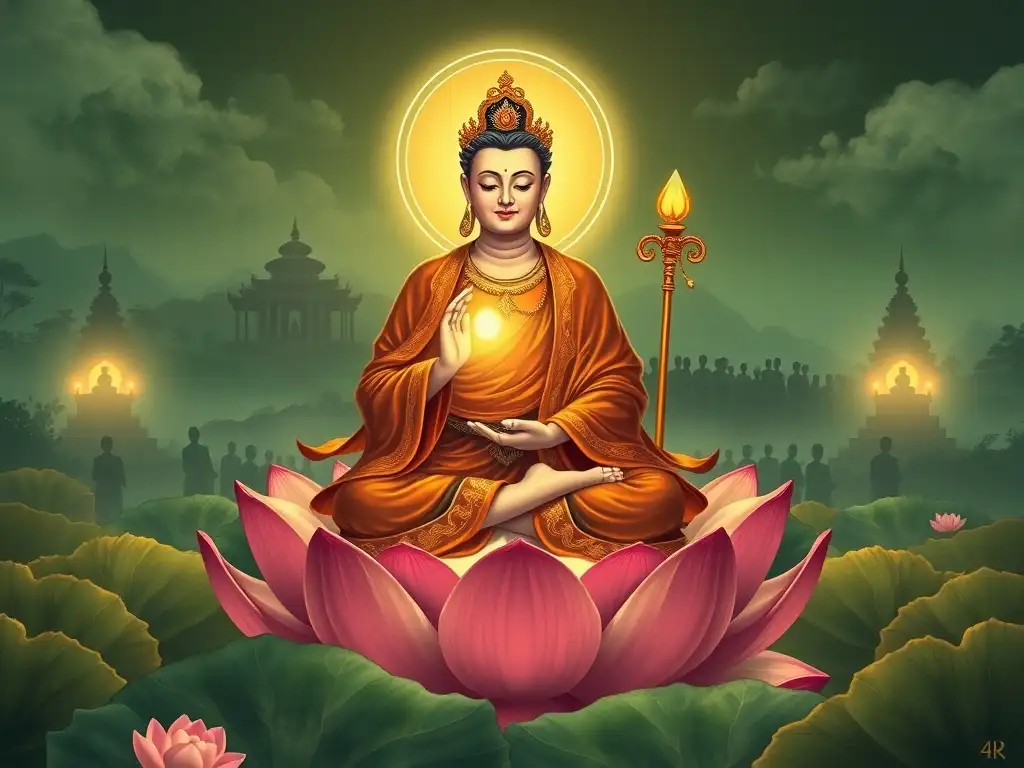
In many artistic representations, Ksitigarbha is shown standing on a lotus, signifying purity and enlightenment. His serene expression reflects his dedication to helping others, while the presence of flames in some depictions symbolizes the purification of suffering. The Bodhisattva's physical form and attributes serve not only as artistic elements but also as visual reminders of his compassionate nature and his vow to assist all sentient beings until enlightenment is achieved.
Understanding the Iconography of Ksitigarbha
The iconography of Ksitigarbha is rich and layered, often reflecting the various aspects of his character and teachings. Commonly, he is portrayed with a halo or aura that signifies his spiritual greatness. The staff he wields is not merely a tool but a powerful symbol used to guide lost souls and dispel ignorance. In addition, the jewel he holds in his other hand is believed to represent the fulfillment of desires and the attainment of enlightenment.
Ksitigarbha's attire typically consists of a monastic robe, which underscores his commitment to the Buddhist path. His visual representations can vary across cultures, with East Asian depictions often emphasizing his gentle demeanor, while Tibetan art might present him with more elaborate features. Regardless of the style, the underlying message remains consistent: Ksitigarbha epitomizes the ideal of selfless service and unwavering dedication to helping others.
Symbolism of Ksitigarbha as the Earth Store Bodhisattva
The title "Earth Store" conveys the essence of Ksitigarbha's mission. Symbolically, he embodies the earth itself—stable, nurturing, and supportive. Just as the earth provides sustenance to all life, Ksitigarbha is viewed as a source of compassion and refuge for beings suffering in the lower realms. His role as the Earth Store Bodhisattva emphasizes the importance of grounding oneself in compassion and unwavering support for those in distress.
Ksitigarbha's vow to save all beings from suffering is a central theme in his symbolism. He is often invoked in prayers for the deceased, as many followers believe that he can assist souls trapped in the cycles of rebirth, particularly those in hell realms. This aspect of his character reinforces the idea of mercy and the belief that enlightenment is attainable for all, regardless of their current situation.
The Role of Ksitigarbha in Buddhist Literature
Ksitigarbha occupies a prominent role in various Buddhist texts, where his teachings and stories illustrate the principles of compassion and the importance of aiding those in need. His presence in literature serves to inspire practitioners to cultivate a deep sense of empathy and commitment to helping others. The narratives surrounding Ksitigarbha often emphasize themes of dedication, moral integrity, and the transformative power of compassion.
Ksitigarbha in the Sutras: An Overview
The Ksitigarbha Bodhisattva is prominently featured in multiple sutras, which explore his life, vows, and the significance of his teachings. One of the key texts is the "Ksitigarbha Sutra," which outlines his remarkable journey and the compassionate actions he undertakes to help beings suffering in the hell realms. These teachings serve as a guide for practitioners, encouraging them to embody the qualities of Ksitigarbha in their daily lives.
In addition to the Ksitigarbha Sutra, references to Ksitigarbha can be found in other texts, including the "Avatamsaka Sutra" and the "Lotus Sutra." In these scriptures, Ksitigarbha's role is often linked to the concepts of rebirth and the moral implications of one's actions, reinforcing the idea that every individual can contribute to the alleviation of suffering through their choices and intentions.
Notable Texts Featuring Ksitigarbha: The Ksitigarbha Sutra
The "Ksitigarbha Sutra" is perhaps the most important text dedicated to Ksitigarbha, detailing his vows and the methods he employs to help wandering souls. The sutra presents Ksitigarbha as a figure of immense compassion, making his vows before the Buddha to never achieve Buddhahood until all beings have been saved from suffering. This selfless commitment highlights the ideal of the Bodhisattva path, where personal enlightenment is secondary to the liberation of others.
The teachings within the Ksitigarbha Sutra also address the nature of karma and its implications for rebirth. It emphasizes the importance of virtuous actions and the power of repentance, providing readers with a framework for understanding how one's actions can influence the cycle of birth and death. As such, the "Ksitigarbha Sutra" serves as both a spiritual guide and a call to action for practitioners, encouraging them to follow Ksitigarbha's example in their pursuit of compassion and enlightenment.
Ksitigarbha's Influence on Buddhist Practices
Ksitigarbha, also known as the Bodhisattva of the Earth Store, holds a significant place in Buddhist practices, particularly within the Mahayana tradition. His influence is profound, extending beyond mere veneration and permeating various rituals and spiritual offerings. Ksitigarbha embodies the ideal of compassion and selfless service, which inspires devotees to engage in practices that reflect these qualities in their daily lives. His role as a protector of the deceased and a guide for souls in the afterlife has shaped rituals surrounding death and mourning, encouraging followers to seek his intercession for the well-being of the departed.
In many Buddhist communities, Ksitigarbha is invoked during specific ceremonies designed to assist the souls of the deceased in their journey through the afterlife. His teachings emphasize the importance of compassion, both for oneself and for others, fostering a sense of community among practitioners. This collective approach to spirituality is a hallmark of Ksitigarbha's influence, as his narratives often highlight the interconnectedness of all beings and the shared responsibility of supporting one another on the path to enlightenment.
Rituals and Devotional Practices Related to Ksitigarbha
Rituals and devotional practices centered on Ksitigarbha are rich and varied, reflecting the diverse cultural contexts in which he is revered. One common practice is the recitation of the Ksitigarbha Sutra, which outlines his vows and the significance of his compassionate actions. This text serves not only as a source of inspiration but also as a guide for practitioners seeking to cultivate virtues such as patience, generosity, and wisdom.
In addition to scripture recitation, many devotees engage in ceremonial offerings, such as food, flowers, and incense, at Ksitigarbha altars or shrines. These offerings symbolize gratitude and respect, reinforcing the connection between the practitioners and the Bodhisattva. Furthermore, specific festivals dedicated to Ksitigarbha, such as the "Ksitigarbha Day" celebrated in various Asian cultures, involve communal gatherings where prayers, chants, and meditative practices are performed collectively to honor his compassionate nature.
The practice of making merit is also closely associated with Ksitigarbha. Followers believe that by performing good deeds and dedicating the merit gained to Ksitigarbha, they can aid the deceased in their journey to a favorable rebirth. This practice highlights the Bodhisattva's role as a conduit of compassion, bridging the gap between the living and the dead.
Ksitigarbha's Role in the Cycle of Rebirth and Salvation
Ksitigarbha plays a critical role in the understanding of the cycle of rebirth and salvation within Buddhist philosophy. As a Bodhisattva, he exemplifies the ideal of postponing his own enlightenment to assist sentient beings trapped in the cycle of samsara. His unwavering commitment to saving souls from suffering resonates with the core tenets of Buddhism, which emphasize the impermanence of life and the importance of compassion.
In the context of rebirth, Ksitigarbha is often depicted as a guiding figure for those who have died, helping them navigate the challenges of the afterlife. His teachings encourage practitioners to cultivate wisdom and compassion in their current lives, which can significantly influence their rebirth. By embodying these virtues, individuals can break free from the cycles of suffering and achieve a favorable rebirth, ultimately progressing toward enlightenment.
Moreover, Ksitigarbha's vow to save all beings, particularly those in the lower realms, highlights his integral role in the salvation narrative of Buddhism. He serves as a reminder of the interconnectedness of all life and the importance of aiding others, reinforcing the belief that through compassion and altruism, one can transcend the limitations of existence.
Ksitigarbha in Different Buddhist Traditions
Ksitigarbha's presence and significance extend across various Buddhist traditions, each interpreting his teachings and role in unique ways. While his core attributes as a protector and guide remain consistent, the cultural and regional adaptations of Ksitigarbha reflect the diverse expressions of Buddhist thought and practice.
Ksitigarbha in Mahayana Buddhism
In Mahayana Buddhism, Ksitigarbha is revered as a central figure embodying compassion and the aspiration to alleviate suffering. The Ksitigarbha Sutra, a fundamental text in this tradition, outlines his vows and the profound impact of his compassionate actions on the lives of sentient beings. Mahayana practitioners often view Ksitigarbha as a symbol of the Bodhisattva ideal, emphasizing the importance of selflessness and the commitment to helping others attain enlightenment.
Rituals dedicated to Ksitigarbha within Mahayana contexts often involve group ceremonies, where practitioners gather to recite prayers and perform rituals aimed at generating merit. His influence is particularly notable during funeral rites, where Ksitigarbha is invoked to guide the deceased and ensure their safe passage in the afterlife. The themes of rebirth and compassion resonate deeply in Mahayana teachings, reinforcing Ksitigarbha’s role as a guardian and guide for all beings.
Ksitigarbha in East Asian Buddhism
In East Asian Buddhism, particularly in countries such as China, Japan, and Korea, Ksitigarbha has gained immense popularity and is often depicted in various artistic forms, including statues and paintings. His imagery is a common sight in temples, symbolizing hope and protection for the living and the deceased alike. In this cultural context, Ksitigarbha is frequently associated with the afterlife and is considered a benevolent figure who helps souls navigate the challenges they face post-mortem.
East Asian traditions often celebrate Ksitigarbha through festivals and observances that emphasize his compassionate nature. For instance, during the Ghost Festival in China, offerings are made to Ksitigarbha to appease wandering spirits and ensure their well-being. Such practices illustrate the deep-rooted connection between Ksitigarbha and the cultural concept of ancestor veneration, enhancing his significance in community life.
In Japan, Ksitigarbha is often linked with the protection of children and travelers, further expanding his role beyond the afterlife. The Bodhisattva is seen as a compassionate figure who offers solace and guidance in times of need, embodying the spirit of care and protection that resonates with many practitioners. This multifaceted representation of Ksitigarbha in East Asian Buddhism underscores his importance as a central figure of compassion and support across diverse cultures and traditions.
Modern Interpretations and Cultural Significance of Ksitigarbha
Ksitigarbha, known as the Bodhisattva of the Earth Store, holds a significant place in contemporary Buddhist practice and cultural narratives. His role as a protector of beings in the afterlife and as a guide for those navigating moral and existential challenges resonates deeply within Buddhist communities today. Modern interpretations often highlight Ksitigarbha's compassion and dedication to alleviating the suffering of all sentient beings, particularly those in the realms of lower existence. This emphasis on compassion reflects broader themes within Buddhism, where the focus is on alleviating suffering and promoting enlightenment for all.
In various cultures, Ksitigarbha is revered not just as a figure of spiritual significance but also as an embodiment of the values of charity and kindness. His image is often invoked in rituals and prayers, especially in East Asian Buddhist traditions, where he is seen as a source of comfort and guidance. The cultural significance of Ksitigarbha extends beyond religious practices; he is also a symbol of hope, representing the idea that no one is beyond redemption, and that even those who have strayed can find their way back.
Contemporary Understanding of Ksitigarbha in Buddhist Communities
In contemporary Buddhist communities, Ksitigarbha is often viewed through the lens of social engagement and activism. Many practitioners see him not just as a celestial figure but as an inspirational model for humanitarian efforts. Various organizations have adopted Ksitigarbha's principles to address social issues such as poverty, education, and mental health, particularly in regions heavily influenced by Buddhism.
Moreover, the Bodhisattva's role in afterlife beliefs continues to influence modern understandings of death and rebirth. In many traditions, Ksitigarbha is invoked during funerals and memorial services, symbolizing the belief in the continuity of life and the possibility of rebirth. This contemporary understanding fosters a sense of community and support among practitioners, emphasizing the importance of collective responsibility for the well-being of all beings.
Ksitigarbha's Influence on Art and Culture in Ancient India
Ksitigarbha's impact on art and culture in ancient India is profound and multifaceted. His depictions in sculptures, paintings, and literary works reflect the rich tapestry of Buddhist iconography and theology. Ancient Indian art frequently portrays Ksitigarbha holding a jewel or a staff, symbolizing his role as a protector and guide. These artistic representations not only serve religious purposes but also convey deeper philosophical teachings about compassion and the pursuit of enlightenment.
In addition to visual arts, Ksitigarbha has inspired numerous texts and scriptures throughout the centuries. The "Ksitigarbha Sutra," for example, is a key text that outlines his vows and the significance of his actions in the context of the Bodhisattva path. Through literature, Ksitigarbha's narratives have permeated the cultural consciousness, influencing moral teachings and ethical frameworks within ancient Indian society.
Conclusion: The Enduring Legacy of Ksitigarbha
Summary of Ksitigarbha Bodhisattva History and Impact
Ksitigarbha Bodhisattva's history is rich and layered, tracing his origins back to early Buddhist texts and evolving through centuries of cultural interpretations. As a figure of compassion and dedication, Ksitigarbha has played a crucial role in the development of Buddhist ethics and practice. His commitment to helping lost souls and guiding them towards enlightenment resonates across cultures and continues to inspire modern practitioners. The enduring legacy of Ksitigarbha reflects the timeless values of compassion, kindness, and the pursuit of enlightenment, making him a pivotal figure in the narrative of Buddhism.
Final Thoughts on Ksitigarbha's Relevance Today
The relevance of Ksitigarbha in today's world cannot be overstated. In a time marked by challenges and uncertainties, the values embodied by Ksitigarbha—selflessness, compassion, and the commitment to alleviating suffering—serve as guiding principles for individuals and communities alike. His teachings remind us of the interconnectedness of life and the moral responsibilities we share towards one another. As we navigate the complexities of modern existence, Ksitigarbha stands as a beacon of hope, encouraging us to strive for a more compassionate world where every being is valued and cared for.
- Introduction to Ksitigarbha Bodhisattva History
- Origins and Historical Context of Ksitigarbha
- Key Attributes and Symbolism of Ksitigarbha
- The Role of Ksitigarbha in Buddhist Literature
- Ksitigarbha's Influence on Buddhist Practices
- Ksitigarbha in Different Buddhist Traditions
- Modern Interpretations and Cultural Significance of Ksitigarbha
- Conclusion: The Enduring Legacy of Ksitigarbha
- What is the significance of Ksitigarbha Bodhisattva in Buddhism?
- How does Ksitigarbha's history relate to ancient Indian civilizations?
- What are the main teachings of Ksitigarbha Bodhisattva?
- How is Ksitigarbha depicted in art and literature?
- What contributions did Ksitigarbha make to Buddhist practices?
Frequently Asked Questions
What is the significance of Ksitigarbha Bodhisattva in Buddhism?
Ksitigarbha, also known as the Bodhisattva of the Earth Store, plays a vital role in Buddhist beliefs, particularly in Mahayana Buddhism. He is revered for his vow to assist all sentient beings in the afterlife, ensuring their safe passage to enlightenment.
How does Ksitigarbha's history relate to ancient Indian civilizations?
Ksitigarbha's history is intertwined with the cultural and spiritual developments in ancient India. As Buddhism spread, his teachings and stories became integral to the spiritual landscape, influencing various forms of art and literature.
What are the main teachings of Ksitigarbha Bodhisattva?
Ksitigarbha's teachings emphasize compassion, selflessness, and the importance of helping those in suffering. He is particularly associated with guiding souls in hell realms, reflecting a deep commitment to alleviating suffering.
How is Ksitigarbha depicted in art and literature?
In art, Ksitigarbha is often depicted as a monk holding a staff and a wish-fulfilling jewel, symbolizing his role as a protector of souls. Literature surrounding him often highlights his compassion and the power of vows.
What contributions did Ksitigarbha make to Buddhist practices?
Ksitigarbha significantly influenced Buddhist rituals and practices, particularly those related to ancestor worship and funerary rites. His teachings encourage followers to engage in meritorious acts to help the deceased attain rebirth.
Final Reflection: Embracing the Legacy of Ksitigarbha
In exploring the Ksitigarbha Bodhisattva history, we uncover a profound narrative that resonates deeply with our contemporary world. Ksitigarbha, often depicted as a compassionate figure dedicated to alleviating the suffering of all beings, serves as a reminder of the enduring power of selflessness and dedication in the face of adversity. His teachings and stories are not merely relics of the past; they are vital lessons that challenge us to reflect on our responsibilities toward one another in today's society.
The impact of Ksitigarbha's teachings extends far beyond religious texts; they shape cultural and social landscapes, inspiring countless individuals to engage in acts of kindness and service. As we navigate the complexities of modern life, the essence of Ksitigarbha's compassion becomes increasingly relevant. The greatest gift is the gift of love.
This quote encapsulates the spirit of Ksitigarbha, urging us to embody love and compassion in our daily interactions, fostering a sense of community and support in a world often marked by division.
As we conclude this exploration of Ksitigarbha, I invite you to reflect on how his legacy can inspire your own journey. Consider the ways in which you can embody the spirit of Ksitigarbha in your life—through acts of kindness, understanding, and support for those in need. Let his story be a guiding light, encouraging you to cultivate compassion and make a meaningful impact in the lives of others. Together, we can honor the teachings of the Ksitigarbha Bodhisattva and create a more compassionate world for all.
Embrace the Wisdom of Ksitigarbha Today!
Thank you for exploring the life and teachings of Ksitigarbha with us! You've delved into the profound journey of this compassionate Bodhisattva, gaining insights into how his wisdom can guide us in our own lives. Now, let’s take the next step to deepen your understanding and connection.
Here are some powerful actions you can take:
- Reflect on Ksitigarbha’s teachings: Dedicate a few moments each day to meditate on his values of service and compassion, allowing them to inspire your interactions with others.
- Share this wisdom: Engage in discussions about Ksitigarbha’s significance with friends or family, or share this article on social media to ignite conversations about compassion and caregiving.
- Explore related texts: Immerse yourself in Buddhist literature by reading about other Bodhisattvas or practices that resonate with Ksitigarbha, enriching your spiritual journey.
Which insights from Ksitigarbha's life will you incorporate into your daily actions and relationships? Let's discuss!