
Upanishads as a Guide to Modern Spirituality: Lessons from the Past

Welcome to Ancient India History, where we embark on a fascinating journey through the rich tapestry of ancient Indian civilizations. Here, we explore the profound Upanishads and their impact on modern spirituality, unveiling timeless lessons that resonate even today. Discover how these ancient texts not only shaped the spiritual landscape of the past but also continue to inspire contemporary seekers. Join us as we delve deeper into this captivating topic, and unlock the wisdom of the ages that awaits you in our featured article!
- Understanding the Upanishads and Their Significance in Hinduism
- Upanishads and Modern Spirituality: An Overview
- Lessons from the Upanishads for Modern Spiritual Seekers
- The Influence of Upanishads on Global Spiritual Movements
- Integrating Upanishadic Wisdom into Daily Life
- Conclusion: Embracing Upanishads as a Guide to Modern Spirituality
- Frequently Asked Questions
- Final Reflection: Embracing Ancient Wisdom for Modern Spirituality
- Embrace Timeless Wisdom: Transform Your Spiritual Journey!
Understanding the Upanishads and Their Significance in Hinduism
The Upanishads, a collection of ancient Indian texts, serve as a cornerstone of Hindu philosophy and spirituality. Composed around 800-400 BCE, these texts delve into profound metaphysical concepts, exploring the nature of reality, the self, and the ultimate purpose of existence. Their teachings emanate from the Vedas, the oldest sacred scriptures of India, and mark a pivotal transition from ritualistic practices to more introspective spiritual inquiry.
In today's fast-paced world, the insights of the Upanishads resonate deeply, offering guidance and clarity on the path of modern spirituality. This article aims to illuminate how the timeless wisdom of the Upanishads can inform and enrich contemporary spiritual practices, bridging the ancient with the modern.
The Historical Context of the Upanishads
The Upanishads emerged during a transformative period in ancient India, characterized by significant philosophical evolution. This era, known as the Axial Age, witnessed the questioning of traditional rituals and the emergence of more personal and experiential approaches to spirituality.
- Origins: The Upanishads were primarily composed in the late Vedic period, evolving from the earlier Brahmanas, which focused on rituals and ceremonies. They represent a shift towards knowledge and self-realization, moving away from mere external practices.
- Cultural Influence: The socio-political landscape of ancient India, marked by the rise of urban centers and complex societies, facilitated intellectual exchange. This environment nurtured diverse philosophical schools, leading to the development of the Upanishads as critical texts that addressed existential queries.
- Key Texts: There are over 200 Upanishads, with the Isha, Kena, and Chandogya Upanishads being among the most renowned. Each text contributes unique perspectives on the nature of Brahman (the ultimate reality) and Atman (the individual self), forming a comprehensive philosophical framework.
Key Philosophical Concepts in the Upanishads
The Upanishads articulate several fundamental concepts that underpin Hindu philosophy and spirituality. These ideas have transcended time and continue to influence modern spiritual thought.
- Brahman and Atman:
- Brahman: The concept of an all-encompassing, unchanging reality. It is the source and essence of the universe.
- Atman: The individual soul or self, which is ultimately identical to Brahman, emphasizing the interconnectedness of all existence.
- Maya and Illusion:
- The Upanishads introduce the concept of Maya, often translated as illusion. This refers to the deceptive nature of the material world, which obscures the true understanding of Brahman.
- Karma and Rebirth:
- The texts delve into Karma, the law of cause and effect, and its implications for rebirth. They illustrate how actions in this life influence future existences, encouraging ethical living.
- Meditation and Self-Realization:
- The Upanishads advocate for meditation as a means to realize the unity of Atman and Brahman, highlighting practices that lead to inner peace and enlightenment.
The Role of Upanishads in Ancient Indian Spirituality
The Upanishads played a transformative role in shaping spiritual practices and beliefs in ancient India. Their influence can be observed in various aspects:
- Philosophical Schools: The teachings of the Upanishads laid the groundwork for subsequent philosophical schools, including Advaita Vedanta and Samkhya, which further explored concepts of duality and non-duality.
- Rituals and Practices: While the Upanishads critique ritualistic practices, they also inform the spiritual disciplines of yoga and meditation that became central to Hindu spirituality.
- Cultural Legacy: The wisdom encapsulated in the Upanishads has not only influenced Hinduism but also resonated with other spiritual traditions, fostering a cross-cultural dialogue on the nature of existence and consciousness.
The Upanishads serve as a profound source of wisdom that continues to inspire and guide seekers in their spiritual journeys. As we explore their teachings, we uncover lessons that are not only relevant to ancient Indian spirituality but also to modern spiritual practices, illuminating the timeless quest for truth and understanding.
Upanishads and Modern Spirituality: An Overview
The Upanishads, a collection of ancient Indian texts that form the concluding part of the Vedas, offer profound insights into the nature of reality, the self, and the universe. These texts, dating back to around 800-400 BCE, delve deep into metaphysical concepts, ethics, and the pursuit of spiritual knowledge. In the context of modern spirituality, the teachings of the Upanishads provide a rich tapestry of philosophical thought that resonates with contemporary seekers of truth.
The Upanishads emphasize the quest for self-realization and the understanding of Brahman (the ultimate reality) and Atman (the individual soul). This quest remains relevant today as individuals navigate the complexities of life, looking for deeper meaning beyond material existence. By integrating these ancient teachings into modern spiritual practices, individuals can cultivate a more profound connection with themselves and the universe.
Defining Modern Spirituality
Modern spirituality is often characterized by a personalized approach to spiritual practices that prioritize individual experience over dogma. Unlike traditional religious frameworks, modern spirituality embraces a diverse array of beliefs and practices, drawing from various traditions, philosophies, and personal insights. Key elements include:
- Personal Growth: Many individuals seek spirituality as a means of self-improvement and inner peace. Modern spirituality often incorporates practices such as meditation, mindfulness, and yoga, which have roots in ancient Indian traditions.
- Universal Connection: A prominent theme in modern spirituality is the belief in a shared connection among all beings. This concept echoes the Upanishadic idea of unity between Atman and Brahman, suggesting that realizing this connection can lead to a more compassionate and harmonious existence.
- Eclecticism: Modern spiritual seekers tend to blend practices from different traditions, creating a unique spiritual path. This eclectic approach mirrors the Upanishadic teaching of exploring multiple paths to reach the ultimate truth.
- Experiential Knowledge: Emphasizing personal experience over theoretical knowledge, modern spirituality encourages individuals to engage directly with spiritual practices, similar to the Upanishadic focus on direct experience and realization of the self.
The Relevance of Upanishads in Contemporary Spiritual Practices
The teachings of the Upanishads have a significant impact on contemporary spiritual practices, offering timeless wisdom that can guide individuals on their spiritual journeys. Key aspects of this relevance include:
- Meditation and Mindfulness: The Upanishads advocate for meditation as a means to attain self-realization. Techniques such as Dhyana (meditative absorption) are foundational in both the texts and modern spiritual practices, illustrating the importance of stillness and inner reflection.
- Philosophical Inquiry: The Upanishads encourage profound questioning of existence, identity, and the nature of reality. This intellectual engagement fosters critical thinking and introspection, essential components of modern spirituality. Phrases such as "Tat Tvam Asi" (That Thou Art) challenge individuals to explore their true essence and potential.
- Ethical Living: The Upanishadic emphasis on Dharma (righteousness) contributes to the ethical frameworks adopted by modern spiritual seekers. By aligning actions with moral principles, individuals can cultivate harmony within themselves and their communities.
- Interconnectedness: The Upanishadic teachings on the interconnectedness of all beings resonate in modern spiritual movements that advocate for environmental consciousness and social justice. Understanding that the self is not separate from the universe inspires compassionate action toward others and the planet.
- Transformational Wisdom: The transformational insights found in the Upanishads encourage individuals to transcend ego and material attachments, aligning with the goals of modern spiritual practices focused on liberation and enlightenment.
The Upanishads serve as a profound source of wisdom for individuals navigating modern spirituality. By integrating these ancient teachings into contemporary practices, seekers can cultivate a deeper understanding of themselves and their place within the universe, fostering a spirituality that is both rich in tradition and relevant to today's world.
Lessons from the Upanishads for Modern Spiritual Seekers
The Concept of Brahman and Atman in Today's Context
The Upanishads introduce profound philosophical concepts that resonate deeply with modern spiritual seekers, particularly the ideas of Brahman and Atman. Brahman is often described as the ultimate reality, the universal consciousness that pervades everything, while Atman refers to the individual soul or self. The relationship between these two concepts is pivotal in understanding the essence of existence.
In contemporary spirituality, the notion of Brahman can be correlated with ideas of universal interconnectedness and the collective consciousness recognized in various spiritual practices. The realization that everything in the universe is part of a singular divine essence can inspire modern seekers to cultivate a sense of unity with all beings. This perspective encourages an eco-spirituality that values nature and promotes environmental stewardship, recognizing it as an extension of the divine.
Moreover, the exploration of Atman invites individuals to embark on an inward journey of self-discovery. In today's fast-paced world, many are seeking authenticity and purpose. The Upanishadic teaching that Atman is Brahman—that the individual self is not separate from the universal self—empowers seekers to understand their true nature beyond societal roles and superficial identities. This self-inquiry is echoed in various modern practices, including mindfulness and self-reflection, fostering a deeper connection to one's essence.
The Practice of Meditation: Insights from the Upanishads
Meditation is a cornerstone of spiritual practice, and the Upanishads offer timeless insights into its significance and techniques. One of the key teachings is the concept of Dhyana, or meditation, which is seen as a pathway to realizing the unity of Brahman and Atman.
In the Upanishads, meditation is not merely a technique but a holistic practice that encompasses concentration, contemplation, and absorption in the divine. Modern spiritual seekers can draw from these teachings to enhance their meditation practices. By focusing on the breath and cultivating awareness, practitioners can create a space for inner peace and clarity, aligning with the Upanishadic goal of transcending the ego and realizing one's true self.
Additionally, the Upanishads emphasize the importance of silence and stillness as essential components of meditation. In an age characterized by constant distractions, these teachings encourage individuals to carve out time for solitude and reflection. This practice not only aids in attaining mental clarity but also facilitates a deeper connection to spiritual truths, allowing seekers to experience moments of profound insight and tranquility.
Ethical Living and Dharma: Upanishadic Teachings for Modern Life
The Upanishads impart valuable lessons on ethical living and Dharma, which are crucial for modern spiritual seekers. Dharma, often translated as duty or righteousness, encompasses the moral and ethical principles guiding individual actions. The teachings of the Upanishads encourage followers to live in harmony with their true nature and the world around them.
For contemporary practitioners, understanding Dharma means aligning personal actions with universal principles of truth, compassion, and integrity. This alignment fosters a sense of responsibility toward oneself and society, promoting ethical decision-making in personal and professional spheres. Modern spirituality increasingly emphasizes the importance of ethical living, and the Upanishadic insights provide a robust framework for this endeavor.
Furthermore, the Upanishads advocate for selfless action (Karma Yoga) as a means to transcend the ego and realize the interconnectedness of all beings. This teaching encourages modern spiritual seekers to engage in acts of service and generosity, cultivating a mindset of giving without attachment to outcomes. Such practices not only enrich individual lives but also contribute positively to the community and the world.
The lessons from the Upanishads remain relevant, providing guidance for modern spiritual seekers as they navigate the complexities of contemporary life. By embracing the concepts of Brahman and Atman, engaging in meditation, and adhering to ethical living, individuals can cultivate a profound and meaningful spiritual practice rooted in ancient wisdom.
The Influence of Upanishads on Global Spiritual Movements
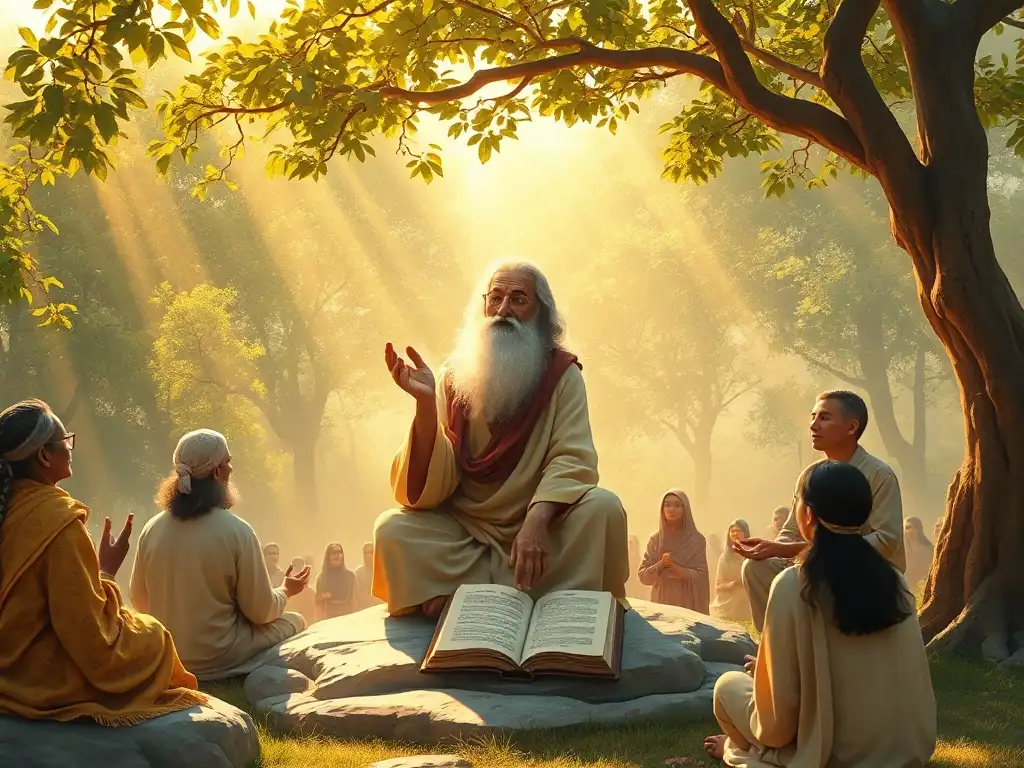
The Upanishads, ancient Indian texts that form the philosophical basis of Hinduism, have significantly influenced various global spiritual movements. Their teachings on the nature of reality, the self, and ultimate liberation have resonated far beyond the borders of India, inspiring thinkers and spiritual seekers across cultures and epochs.
Upanishads and New Age Spirituality
The New Age movement, which emerged in the late 20th century, draws heavily from a multitude of spiritual traditions, and the Upanishads play a crucial role in this eclectic blend. Central to New Age spirituality is the idea of personal transformation and the pursuit of a higher consciousness, concepts that align closely with the teachings of the Upanishads.
- Core Concepts:
- Atman and Brahman: The Upanishads emphasize the unity of Atman (the individual soul) and Brahman (the universal spirit), a concept that has captivated New Age practitioners. This notion encourages individuals to seek their true selves and understand their connection to the cosmos.
- Meditation and Self-Realization: Many New Age practices emphasize meditation as a path to enlightenment, mirroring the Upanishadic teachings that stress the importance of introspection and self-discovery.
- Influence on Practices:
- Yoga and Mindfulness: The incorporation of yoga and mindfulness practices in New Age spirituality can be traced back to the Upanishadic texts, which advocate for disciplines that promote self-awareness and inner peace.
- Holistic Healing: The Upanishads’ view of the interconnectedness of all life has influenced contemporary holistic healing practices, where mind, body, and spirit are seen as a unified entity.
The Upanishads' teachings have inspired many to explore their spiritual paths, encouraging a shift away from rigid dogmas towards a more personal and experiential understanding of spirituality.
The Intersection of Upanishadic Thought and Western Philosophy
The dialogue between Upanishadic thought and Western philosophy has created a rich tapestry of ideas that continue to shape modern intellectual discourse. Thinkers such as Arthur Schopenhauer and Friedrich Nietzsche have drawn from the Upanishads, recognizing their profound insights into existence and consciousness.
- Key Philosophical Themes:
- Existential Inquiry: The Upanishads tackle fundamental questions about existence, suffering, and the nature of reality, paralleling existential inquiries found in Western philosophy.
- Transcendentalism: The core tenets of transcendentalism, which emphasize the inherent goodness of people and nature, echo the Upanishadic belief in the divine essence of all beings.
- Notable Philosophers:
- Ralph Waldo Emerson: An American philosopher and poet, Emerson was deeply influenced by the Upanishads. He viewed them as a source of wisdom that transcended cultural and temporal boundaries, advocating for an intuitive understanding of the universe.
- Aldous Huxley: In "The Perennial Philosophy," Huxley explores the spiritual truths found in various traditions, including the Upanishads, showcasing their relevance in the quest for universal understanding.
The intersection of Upanishadic thought and Western philosophy has fostered a greater appreciation for Eastern spirituality in the West, emphasizing the universal quest for knowledge and self-discovery.
The Upanishads serve as a bridge between ancient wisdom and modern spirituality, offering timeless lessons that continue to inspire and guide individuals on their spiritual journeys. Their influence on global spiritual movements, particularly New Age spirituality, and their intersection with Western philosophical thought highlight their enduring relevance in today's world.
Integrating Upanishadic Wisdom into Daily Life
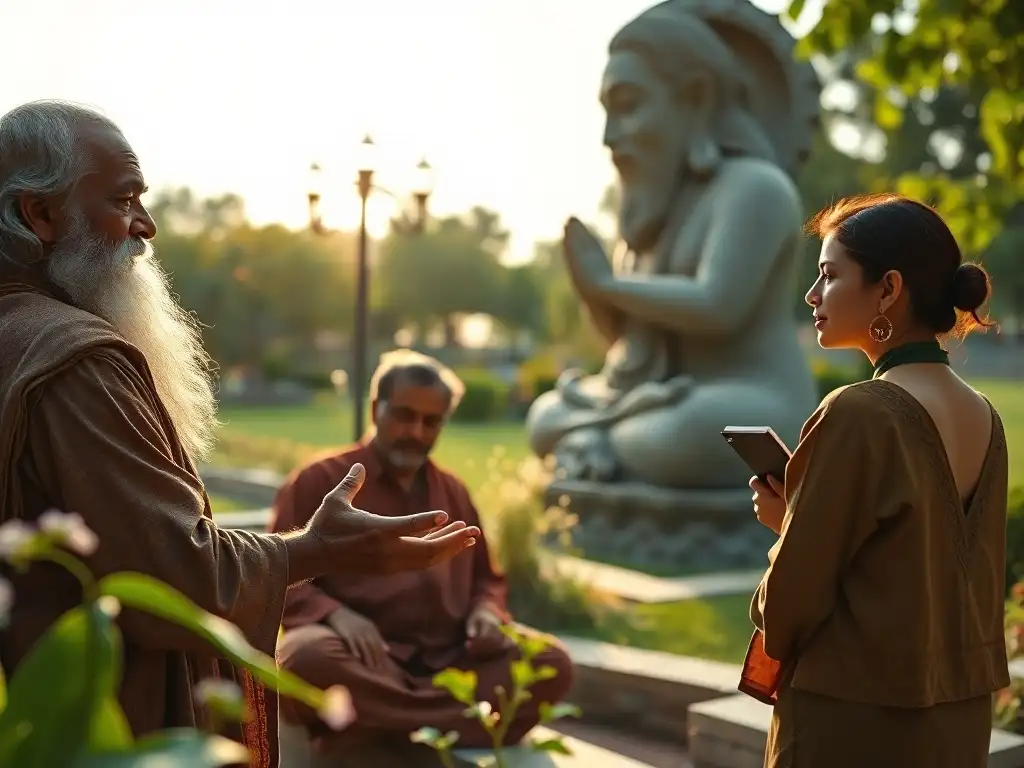
The Upanishads, ancient texts that form the philosophical backbone of Hinduism, offer profound insights that can significantly enhance modern spiritual practices. Integrating their wisdom into daily life involves understanding their teachings and applying them in a contemporary context. This integration fosters a deeper connection with oneself and the universe, encouraging mindfulness and spiritual growth.
Practical Applications of Upanishadic Teachings
The teachings of the Upanishads can be distilled into several practical applications that resonate with modern spirituality:
- Self-Inquiry and Reflection: The Upanishads emphasize the importance of self-inquiry, often summarized in the phrase "Tat Tvam Asi" (That Thou Art). This principle encourages individuals to explore their true nature through contemplation and meditation. Practicing daily self-reflection can lead to greater self-awareness and understanding, which are essential for personal growth.
- Mindfulness and Presence: Many Upanishadic texts advocate for being present and aware in each moment. Techniques such as mindfulness meditation help individuals cultivate a state of awareness, allowing them to connect with their inner selves and the world around them. This practice aligns with the Upanishadic view of the interconnectedness of all life.
- Detachment and Non-Attachment: The concept of Samsara (the cycle of birth and rebirth) is central to the Upanishads. By understanding the transient nature of life, practitioners can embrace non-attachment to material possessions and outcomes. This detachment fosters inner peace and reduces suffering, leading to a more fulfilling spiritual journey.
- Compassion and Service: The Upanishads teach the importance of Dharma (righteous duty) and compassion towards others. Engaging in acts of service and kindness not only fulfills one's duty but also enhances the collective spiritual evolution of society. This aligns with the idea that individual actions contribute to the greater good.
- Yoga and Meditation: The practices of yoga and meditation, often derived from Upanishadic teachings, are vital for achieving spiritual realization. Regular practice can lead to physical, mental, and spiritual well-being, helping individuals connect with their inner essence and experience the divine.
Rituals and Practices Inspired by the Upanishads
The Upanishads have significantly influenced various rituals and practices that enhance modern spirituality. Here are some notable examples:
- Daily Meditation: Many practitioners incorporate meditation into their daily routines, drawing inspiration from the Upanishadic teachings on stillness and introspection. This practice can vary from guided meditations focusing on specific Upanishadic concepts to silent sitting that encourages deep contemplation.
- Mantra Chanting: The use of sacred sounds, or mantras, is prevalent in Upanishadic practices. Chanting mantras such as Om, which symbolizes the essence of the universe, can invoke a sense of peace and connection during spiritual practices.
- Ritual Offerings: Inspired by the Upanishads, some individuals create personal rituals that include offerings to nature or symbols representing the divine. These acts can deepen the connection to the spiritual realm and foster gratitude.
- Satsang (Spiritual Gathering): Engaging in Satsang with like-minded individuals can cultivate community and support. Discussing the teachings of the Upanishads in a group setting allows for shared insights and collective growth, reinforcing the teachings in a practical manner.
- Pilgrimage: Undertaking journeys to sacred sites, often mentioned in the Upanishads, can serve as a powerful spiritual practice. These pilgrimages encourage introspection and a deeper understanding of one’s purpose in life.
The integration of Upanishadic wisdom into daily life can significantly enrich modern spirituality. By applying these teachings through practical actions and inspired rituals, individuals can cultivate a more profound spiritual experience, drawing upon the rich heritage of ancient Indian philosophy.
Conclusion: Embracing Upanishads as a Guide to Modern Spirituality
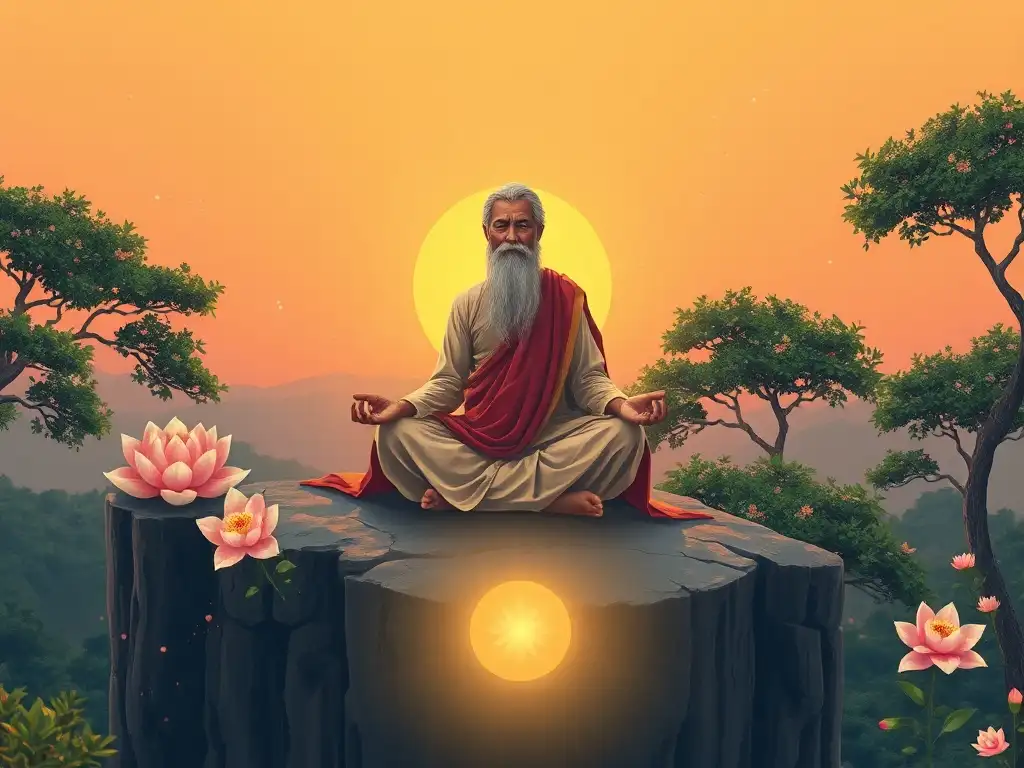
The Upanishads represent a profound component of ancient Indian philosophy, serving as a bridge between the spiritual insights of the past and the contemporary quest for meaning. Their teachings, steeped in metaphysical inquiry and ethical consideration, resonate deeply with the challenges of modern life. By embracing the wisdom of the Upanishads, individuals can cultivate a more profound understanding of themselves and their place in the universe, fostering a sense of interconnectedness and spiritual depth.
The Timeless Nature of Upanishadic Wisdom
The essence of the Upanishads lies in their exploration of the fundamental questions of existence, consciousness, and reality. These sacred texts delve into the nature of the self (Atman) and its relationship to the ultimate reality (Brahman), articulating concepts that transcend time and culture.
- Interconnectedness of Life:
- The Upanishads emphasize the unity of all existence, teaching that the individual self is not separate from the universal spirit. This perspective encourages modern practitioners to view life through a holistic lens, understanding their actions and thoughts as interconnected with the larger fabric of existence.
- Self-Inquiry and Meditation:
- Central to Upanishadic philosophy is the practice of self-inquiry (Atma Vichara) and meditation (Dhyana). These practices are not merely ancient rituals; they are tools for self-discovery that remain relevant today. Engaging in regular meditation can help individuals navigate the complexities of modern life, fostering clarity and inner peace.
- Ethical Living and Dharma:
- The Upanishads advocate for living in accordance with Dharma, or righteousness. This ethical framework provides guidance for contemporary society, promoting values such as truthfulness, compassion, and integrity. In a world often fraught with moral dilemmas, the teachings of the Upanishads offer a pathway to ethical living.
- Philosophical Inquiry:
- The Upanishads invite individuals to question the nature of reality and their own beliefs. This spirit of inquiry encourages critical thinking and personal exploration, essential components of modern spirituality. By engaging with these texts, readers can develop a deeper understanding of their own spiritual paths.
Incorporating these timeless lessons from the Upanishads into daily life can lead to profound transformations, nurturing both personal growth and collective well-being.
Encouraging Further Exploration of Upanishadic Texts
For those seeking to deepen their understanding of the Upanishads and their relevance to modern spirituality, there are several avenues for exploration:
- Reading and Study Groups:
- Joining a study group or book club focused on the Upanishads can foster a community of like-minded individuals, encouraging dialogue and shared insights.
- Online Resources and Lectures:
- Numerous online platforms offer lectures, courses, and discussions on the Upanishads, making this wisdom accessible to a global audience. Engaging with these resources can provide diverse interpretations and applications of the texts.
- Retreats and Workshops:
- Participating in spiritual retreats or workshops that focus on Upanishadic teachings can provide immersive experiences, allowing individuals to practice meditation and self-inquiry in a supportive environment.
- Personal Reflection and Practice:
- Setting aside time for personal reflection on the teachings of the Upanishads can be invaluable. Journaling thoughts, meditating on specific verses, or contemplating their implications can lead to deeper insights.
The Upanishads not only offer a rich tapestry of spiritual wisdom but also serve as a guide for modern seekers. By delving into these ancient texts, individuals can unlock profound insights that enhance their spiritual journeys, fostering a deeper connection to themselves and the world around them.
Frequently Asked Questions
What are the Upanishads?
The Upanishads are ancient Indian texts that form the philosophical basis of Hinduism, exploring concepts of spirituality, reality, and the self.
How do the Upanishads influence modern spirituality?
The Upanishads offer timeless teachings on self-realization and meditation, which resonate strongly with contemporary spiritual practices and philosophies.
What are some key concepts found in the Upanishads?
Key concepts include Brahman (the ultimate reality), Atman (the individual soul), and the relationship between the two, emphasizing unity and interconnectedness.
Can teachings from the Upanishads be applied today?
Yes, the principles and insights from the Upanishads can be applied to modern life, guiding individuals towards inner peace, self-awareness, and a deeper understanding of existence.
How do the Upanishads compare to other spiritual texts?
While many spiritual texts focus on rituals and dogma, the Upanishads delve into metaphysical inquiries and personal spiritual experiences, making them unique in their approach to spirituality.
Final Reflection: Embracing Ancient Wisdom for Modern Spirituality
In a world increasingly characterized by chaos and distraction, the teachings of the Upanishads resonate with profound relevance today. These ancient texts offer timeless insights into the nature of existence, consciousness, and the self, reminding us that the quest for meaning transcends time and culture. As we navigate the complexities of modern life, the wisdom of the Upanishads serves as a guiding light, urging us to reconnect with our inner selves and explore the deeper dimensions of our spirituality.
The influence of the Upanishads on contemporary thought is undeniable, shaping not only spiritual practices but also cultural narratives around self-awareness and mindfulness. Their teachings encourage us to look beyond the superficial and engage with the essence of who we are. As the philosopher Aldous Huxley once said, The Upanishads are the most important and influential books in the history of mankind.
This sentiment underscores the enduring impact of these texts, inviting us to integrate their lessons into our daily lives and fostering a deeper understanding of our place in the universe.
As we reflect on the teachings of the Upanishads, I invite you to embark on your own journey of exploration and self-discovery. Consider how the principles of unity, self-realization, and the pursuit of truth can enrich your spiritual practice and daily interactions. Let the ancient wisdom of the Upanishads inspire you to cultivate a more profound connection with yourself and the world around you, ultimately leading to a more meaningful and fulfilling life. Embrace this opportunity to learn from the past and shape a brighter, more spiritually aware future.
Embrace Timeless Wisdom: Transform Your Spiritual Journey!
Thank you for taking the time to explore the profound insights of the Upanishads with us. You’ve uncovered the essence of ancient teachings that can significantly enrich modern spirituality. Now, it’s time to put that wisdom into action!
Here are a few powerful steps you can take to deepen your spiritual journey:
- Engage in a daily meditation practice inspired by the Upanishads. Dedicate just 10 minutes each day to reflect on a verse that resonates with you.
- Join a local or online discussion group that focuses on ancient texts. Sharing insights and perspectives with others can enhance your understanding and inspire new interpretations.
- Explore diverse interpretations of the Upanishads through various media such as books, podcasts, or lectures; this can further enrich your spiritual exploration.
Which insight from the Upanishads do you believe holds the key to a more fulfilling life today? We invite you to share your thoughts in the comments below!