
The Relevance of Sankhya Philosophy in Today's World: A Modern Perspective

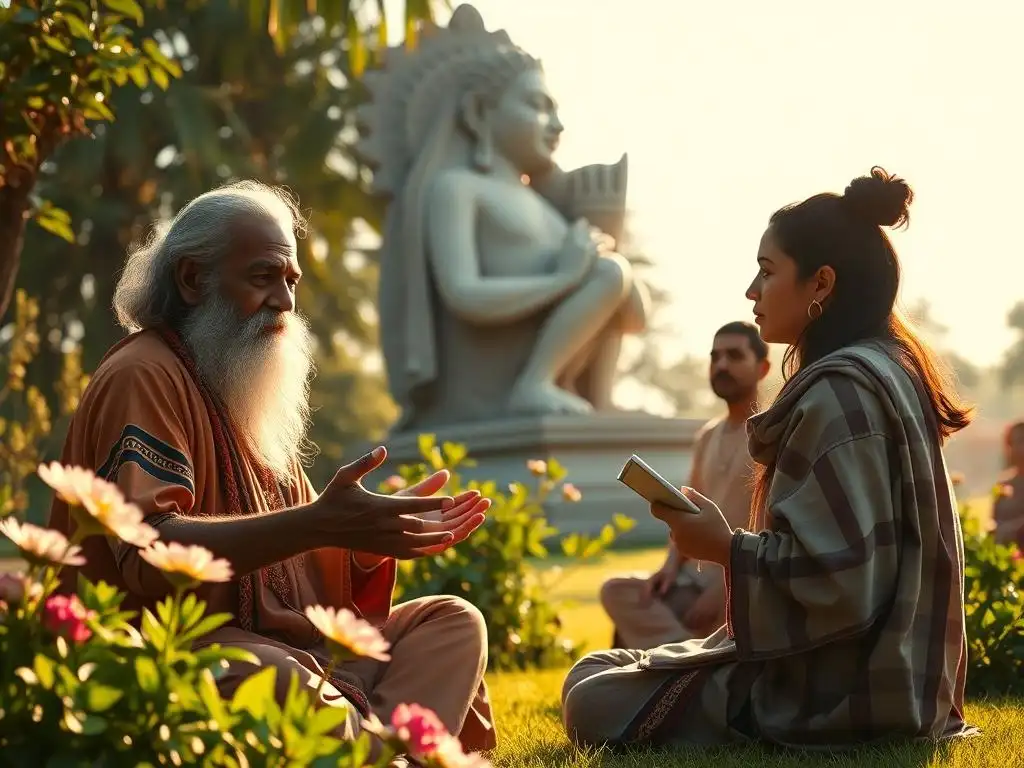
Welcome to Ancient India History, where we invite you to embark on a fascinating journey through the rich tapestry of ancient Indian civilizations. From the awe-inspiring achievements of the Indus Valley to the intellectual flourishing of the Gupta Empire, our exploration uncovers the diverse culture and profound contributions that continue to resonate today. In our featured article, “The Relevance of Sankhya Philosophy in Today's World: A Modern Perspective,” we delve into how this ancient philosophical framework informs contemporary thought and practice.
Prepare to discover insights that bridge the past and present, igniting your curiosity and inspiring a deeper understanding of our shared heritage. Dive in and unlock the timeless wisdom that awaits!
- Introduction to Sankhya Philosophy
- The Relevance of Sankhya Philosophy Today
- Key Principles of Sankhya Philosophy and Their Modern Applications
- Sankhya Philosophy and Personal Development
- Comparing Sankhya Philosophy with Other Philosophical Schools
- Challenges and Critiques of Sankhya Philosophy in the Modern Era
- Conclusion: The Enduring Legacy of Sankhya Philosophy
- Frequently Asked Questions
- Final Reflection: The Enduring Relevance of Sankhya Philosophy in Our Modern Lives
- Unveil the Wisdom of Sankhya Philosophy Today!
Introduction to Sankhya Philosophy
The relevance of Sankhya philosophy in today's world is a topic that resonates deeply within both academic and spiritual circles. This ancient Indian philosophical system, one of the six orthodox schools of Indian philosophy, offers profound insights that can be applied to contemporary life and thought. By exploring the core tenets of Sankhya, we can uncover its significance not only in the historical context of ancient India but also in the realm of modern philosophical discourse.
The dualistic nature of Sankhya, which distinguishes between consciousness (Purusha) and matter (Prakriti), provides a framework that prompts us to reflect on our own existence and the nature of reality. As we delve into this rich philosophical tradition, we will explore its historical background, key concepts, and the ways in which it remains relevant to contemporary issues such as mental health, personal growth, and holistic living.
Overview of Sankhya Philosophy
Sankhya philosophy is one of the oldest philosophical systems in India, attributed to the sage Kapila. It is fundamentally a dualistic approach that categorizes reality into two primary principles: Purusha, the observer or consciousness, and Prakriti, the material world. This division allows for a comprehensive understanding of existence, providing insights into the nature of the self and the universe.
Key features of Sankhya philosophy include:
- Dualism: The distinction between the material and the spiritual.
- Twenty-Four Tattvas: The elements that compose the universe according to Sankhya, which include the five great elements, mind, intellect, and ego, among others.
- Evolution of Prakriti: The process by which the unmanifest evolves into the manifest, allowing for the diversity of life and experience.
By examining these principles, we can better appreciate how Sankhya philosophy serves as a foundational pillar for various spiritual and philosophical traditions, including Yoga and Vedanta.
Historical Context of Sankhya in Ancient India
Sankhya philosophy emerged during a time of significant intellectual development in ancient India, roughly around the 6th century BCE. This period saw the rise of several philosophical movements, including Buddhism and Jainism, which engaged with the ideas of metaphysics, ethics, and epistemology in profound ways.
The historical context of Sankhya includes:
- Influence on Other Philosophies: Sankhya's concepts have influenced various schools of thought, including Yoga, which integrates Sankhya's metaphysical framework into its practice of self-realization and discipline.
- Textual Foundations: The primary text associated with Sankhya is the Sankhya Karika, written by Ishvara Krishna, which systematically outlines the principles and theories of this philosophy.
- Cultural Impact: Sankhya's teachings permeated various aspects of ancient Indian culture, including art, literature, and science, contributing to a holistic understanding of human existence.
Understanding this historical backdrop allows us to recognize the depth of Sankhya’s contributions to Indian philosophy and its ongoing relevance in contemporary discussions.
Key Concepts of Sankhya Philosophy
At the heart of Sankhya philosophy lie several key concepts that shape its understanding of the universe and human experience. These concepts not only define the philosophical framework of Sankhya but also offer practical insights that can be applied in daily life.
- Purusha (Consciousness): The eternal, unchanging observer that is distinct from the material world. It represents the true self, which transcends physical existence.
- Prakriti (Nature): The dynamic, ever-changing material world that encompasses all phenomena. It is through Prakriti that the diversity of life emerges.
- Gunās (Qualities): The three fundamental qualities of Prakriti— Sattva (purity, harmony), Rajas (activity, passion), and Tamas (inertia, darkness)—which influence our thoughts, behavior, and experiences.
- Karma (Action): The law of cause and effect that governs the universe. Sankhya emphasizes that understanding our actions and their consequences is crucial for personal development.
- Moksha (Liberation): The ultimate goal of Sankhya philosophy, representing the liberation of the soul from the cycles of birth and death through self-realization and knowledge.
Through these concepts, Sankhya philosophy provides a comprehensive framework for understanding the self, the universe, and the interconnections between them, making it a relevant guide for navigating the complexities of modern life.
The Relevance of Sankhya Philosophy Today

Understanding the Modern Implications of Sankhya
Sankhya philosophy, one of the six orthodox schools of Indian philosophy, lays a foundation for understanding the duality of existence through its categorization of reality into two primary components: Purusha (consciousness) and Prakriti (matter). In today's context, this distinction has profound implications for various fields, including psychology, environmental studies, and holistic health.
- Consciousness vs. Matter: The Sankhya framework encourages a deeper exploration of the relationship between mind and body. In modern discussions about mental health, recognizing the distinction between psychological states (Purusha) and physical conditions (Prakriti) can lead to more effective therapeutic approaches. This dualism resonates with contemporary debates surrounding mind-body interactions, emphasizing the importance of addressing both aspects for holistic healing.
- Detachment and Objectivity: Sankhya promotes the idea of Vairagya (detachment) as a means of achieving clarity and objectivity. In today's fast-paced world, where emotional responses can cloud judgment, adopting a Sankhya-inspired perspective can foster a more analytical approach to decision-making. This principle encourages individuals to observe their thoughts and behaviors without attachment, promoting mental resilience.
- Ethical Living: The Sankhya philosophy also underscores the significance of ethical living through the pursuit of Dharma (righteousness). In an era marked by ethical dilemmas in business, technology, and environmental sustainability, the Sankhya emphasis on a balanced and responsible approach to life remains relevant. It invites individuals and organizations to reflect on their actions and their impact on society and the environment.
How Sankhya Philosophy Influences Contemporary Thought
Sankhya philosophy's impact extends beyond individual introspection; it has significantly influenced various contemporary schools of thought, including:
- Psychology: Many modern psychological practices incorporate principles derived from Sankhya. The emphasis on understanding the layers of consciousness aligns with therapeutic modalities like mindfulness and cognitive-behavioral therapy (CBT), which advocate for awareness and introspection as tools for overcoming psychological distress.
- Environmentalism: The Sankhya understanding of Prakriti as a dynamic, interconnected system resonates deeply with contemporary ecological perspectives. The notion that matter is not merely a resource but a living entity suggests a need for sustainable practices that honor the balance of nature. This view can enrich discussions on environmental ethics and sustainability.
- Quantum Physics: Interestingly, the dualism presented in Sankhya finds parallels in modern physics, particularly in the study of quantum mechanics. The separation of observer and observed in quantum theory echoes the Sankhya division of Purusha and Prakriti, prompting philosophical inquiries into the nature of reality.
The Role of Sankhya in Modern Psychological Practices
In the realm of psychology, Sankhya philosophy offers valuable insights that can enhance therapeutic practices.
- Holistic Approaches: Integrating Sankhya principles into modern psychology encourages a holistic view of individuals. Therapists who acknowledge the interplay between the mind (Purusha) and body (Prakriti) can develop more comprehensive treatment plans that address both psychological and physical health.
- Mindfulness and Self-awareness: Techniques rooted in Sankhya, such as meditation and self-inquiry, are now widely adopted in various psychological frameworks. These practices foster greater self-awareness, allowing individuals to observe their thoughts and emotions without judgment, leading to improved mental clarity and emotional regulation.
- Cognitive Behavioral Integration: The Sankhya emphasis on understanding the nature of suffering (Duhkha) can enhance cognitive-behavioral approaches. By recognizing the root causes of distress through a Sankhya lens, practitioners can help clients navigate their challenges more effectively, promoting a sense of empowerment and agency.
The relevance of Sankhya philosophy today is multifaceted, offering insights that resonate across various disciplines. Its principles encourage a deeper understanding of existence, ethical living, and effective psychological practices, affirming its enduring significance in contemporary society.
Key Principles of Sankhya Philosophy and Their Modern Applications

Sankhya philosophy, one of the six orthodox schools of Indian philosophy, is notable for its systematic approach to understanding the nature of reality. At its core, it provides a dualistic framework that distinguishes between two fundamental principles: Purusha (consciousness) and Prakriti (matter). The relevance of Sankhya philosophy today lies not only in its historical significance but also in its capacity to inform contemporary debates in philosophy, psychology, and even science.
Dualism in Sankhya and Its Impact on Current Philosophical Debates
The dualistic nature of Sankhya philosophy posits that reality consists of two distinct entities - Purusha and Prakriti. This differentiation has profound implications for contemporary philosophical discussions, particularly concerning the mind-body problem.
- Mind-Body Distinction: The Sankhya perspective asserts that consciousness (Purusha) and the material world (Prakriti) are fundamentally different. This viewpoint resonates with modern philosophical inquiries into the nature of consciousness, especially in the fields of cognitive science and artificial intelligence.
- Influence on Western Thought: Many Western philosophers, such as Descartes, have grappled with similar dualistic concepts. The Sankhya framework provides a rich philosophical foundation for re-examining these debates in a modern context, offering insights into how consciousness interacts with the physical realm.
- Ethical Considerations: The dualism in Sankhya also informs ethical discussions, particularly regarding the autonomy of the mind. By understanding the separation of consciousness from physical existence, contemporary thinkers can explore moral responsibility and the essence of human experience in a more nuanced manner.
The Concept of Purusha and Prakriti in Today's Context
Sankhya's distinction between Purusha and Prakriti not only sheds light on metaphysical discussions but also permeates practical aspects of daily life and personal well-being.
- Self-Realization and Personal Growth: The understanding of Purusha as the true self encourages individuals to explore their consciousness beyond material pursuits. This aspect of Sankhya philosophy aligns with modern psychological practices that emphasize mindfulness and self-awareness, contributing to personal development and emotional health.
- Holistic Wellness: In the context of holistic health, the balance between Purusha and Prakriti highlights the importance of integrating mental and physical well-being. This perspective is increasingly relevant in the fields of yoga, meditation, and alternative therapies, where the goal is to harmonize the mind and body for overall wellness.
- Environmental Awareness: The relationship between Prakriti (nature) and Purusha (humanity) also speaks to current ecological concerns. Recognizing the interconnectedness of all things can inspire sustainable practices and a deeper respect for the environment, fostering a sense of responsibility towards nature.
The Relevance of Sankhya's Epistemology in Modern Science
Sankhya philosophy presents a sophisticated epistemological framework that can enrich contemporary scientific discourse.
- Classification of Knowledge: Sankhya categorizes knowledge into different types, which can be paralleled with modern scientific methodologies. The emphasis on empirical observation and rational analysis in Sankhya aligns with the scientific method, fostering a dialogue between ancient philosophical principles and modern empirical research.
- Reductionism vs. Holism: The Sankhya approach challenges reductionist views by asserting that understanding consciousness requires more than merely dissecting physical components. This holistic perspective encourages scientists and philosophers alike to consider the broader implications of their findings, especially in fields such as neuroscience and psychology.
- Interdisciplinary Insights: The synthesis of Sankhya’s epistemology with contemporary science invites interdisciplinary collaboration. By examining the intersections of philosophy, psychology, and natural sciences, researchers can explore new paradigms of understanding that benefit both theoretical and applied domains.
The key principles of Sankhya philosophy—particularly its dualistic nature, the concepts of Purusha and Prakriti, and its epistemological framework—offer vital insights and applications relevant to today's world. By exploring these ancient ideas, we can foster a deeper understanding of consciousness, well-being, and the nature of reality itself, highlighting the enduring significance of Sankhya philosophy in contemporary discourse.
Sankhya Philosophy and Personal Development
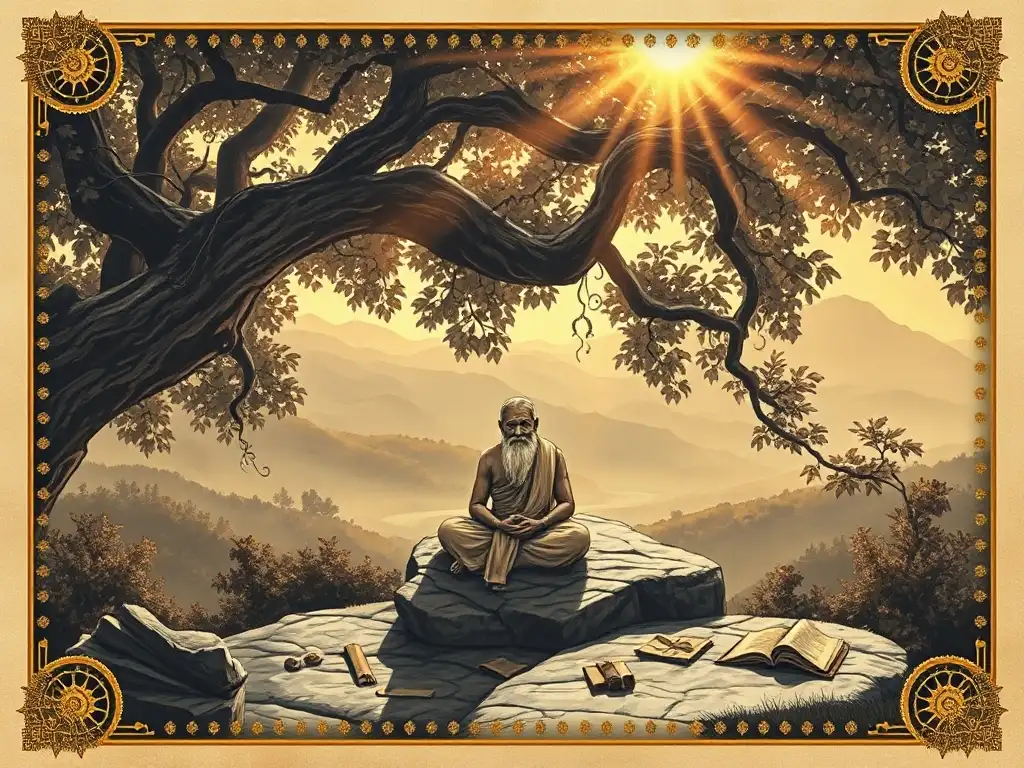
In the context of personal development, Sankhya philosophy offers profound insights and techniques that can enhance self-awareness and foster personal growth. Rooted in the ancient texts of Indian philosophy, Sankhya emphasizes the duality of purusha (consciousness) and prakriti (matter), which can serve as a framework for understanding the self and one's place in the universe. By exploring these ideas, individuals can develop a deeper understanding of their own nature, motivations, and aspirations, leading to more fulfilling lives.
Techniques Derived from Sankhya for Self-Realization
Sankhya philosophy provides various techniques that can be applied to the journey of self-realization. These techniques emphasize introspection, analysis, and the cultivation of awareness. Some key practices include:
- Viveka (Discrimination)
- Concept: Viveka is the ability to discern between the eternal (purusha) and the transient (prakriti).
- Practice: Engaging in self-inquiry to differentiate between one’s true self and the fluctuations of the mind and body can lead to greater clarity about one's identity and purpose.
- Dhyana (Meditation)
- Concept: Dhyana is a state of focused concentration that allows individuals to quiet the mind and connect with their inner self.
- Practice: Regular meditation sessions can help practitioners cultivate a sense of inner peace, enhance concentration, and promote emotional stability.
- Sankhya Yoga (The Path of Knowledge)
- Concept: This involves the systematic study of self and reality through observation and contemplation.
- Practice: Engaging with the texts of Sankhya and reflecting on the principles can deepen one’s understanding of existence and personal experiences.
- Pranayama (Breath Control)
- Concept: Pranayama is the regulation of breath, which is essential for controlling the mind and emotions.
- Practice: Techniques such as alternate nostril breathing can help stabilize the mind and enhance clarity, making it easier to engage in self-reflection.
By incorporating these techniques into daily life, individuals can utilize Sankhya philosophy as a roadmap for personal development, leading to greater self-awareness and fulfillment.
The Influence of Sankhya on Mindfulness and Meditation Practices
Sankhya philosophy has played a significant role in shaping contemporary mindfulness and meditation practices. Its emphasis on understanding the nature of reality and the self resonates with modern approaches aimed at cultivating presence and awareness. Here’s how Sankhya influences these practices:
- Understanding of Duality: The Sankhya framework of purusha and prakriti offers a dualistic perspective that is mirrored in mindfulness practices. By recognizing the distinction between thought patterns (prakriti) and the observing self (purusha), individuals can create a sense of detachment from their thoughts, leading to a more profound state of mindfulness.
- Focus on Knowledge and Awareness: Sankhya encourages the pursuit of knowledge and awareness as tools for transformation. Modern mindfulness practices adopt this principle by promoting awareness of thoughts, emotions, and physical sensations, allowing practitioners to engage more fully with the present moment.
- Integration of Meditation Techniques: Many meditation techniques today draw from ancient Indian philosophies, including Sankhya. Practices such as focused attention and open monitoring in meditation are akin to the Sankhya approach of observing the interplay between consciousness and material existence.
- Holistic Approach to Well-being: Sankhya philosophy supports a holistic approach to personal development, which is echoed in mindfulness practices that seek to balance mental, emotional, and physical health. This integrative view allows individuals to cultivate a deeper understanding of themselves and their interactions with the world.
The relevance of Sankhya philosophy today lies in its ability to inform and enhance personal development and mindfulness practices. By embracing its teachings, individuals can embark on a journey toward self-realization and holistic well-being, fostering a deeper connection with themselves and the world around them.
Comparing Sankhya Philosophy with Other Philosophical Schools

Sankhya vs. Nyaya: Differences in Approach to Knowledge
Sankhya and Nyaya are two prominent philosophical schools in ancient Indian thought, each offering distinct methodologies for acquiring knowledge.
- Epistemology:
- Sankhya employs a dualistic framework, asserting that knowledge arises from the interaction between Purusha (consciousness) and Prakriti (matter). It emphasizes direct perception (pratyaksha) and inference (anumana) as primary means of knowledge acquisition. Sankhya posits that understanding the interplay of these two elements is crucial for achieving liberation (moksha).
- Nyaya, on the other hand, is more analytical in its approach. It categorizes knowledge into four sources: perception, inference, comparison (upamana), and testimony (shabda). Nyaya places significant importance on logical reasoning and debate, often utilizing syllogisms to dissect arguments and establish truths.
- Methodology:
- Sankhya is introspective, focusing on inner experiences and the essential distinction between the observer and the observed. It views the mind as a crucial element for understanding reality, often intertwining philosophical inquiry with meditative practices.
- Nyaya is pragmatic and systematic, emphasizing the importance of rigorous debate and logical consistency. It aims to provide a clear framework for discerning valid knowledge from falsehood through a structured methodology.
While Sankhya leans towards an introspective and dualistic understanding of knowledge, Nyaya champions a more empirical and logical approach, making each school unique in its pursuit of truth.
Sankhya vs. Vaisheshika: Perspectives on Reality and Existence
The Sankhya and Vaisheshika schools offer contrasting views on the nature of reality and existence, shaping their philosophical discourse.
- Metaphysical Foundations:
- Sankhya is fundamentally dualistic, positing that reality consists of two eternal principles: Purusha and Prakriti. It argues that the material world is an expression of Prakriti, while Purusha represents the true self, which is distinct and unchanging. This distinction is crucial for understanding the path to liberation.
- Vaisheshika, attributed to the philosopher Kanada, adopts a more pluralistic view of reality. It posits that the universe is made up of eternal atoms (dravya), each possessing distinct qualities (guna) that combine to form the material world. Vaisheshika emphasizes the role of these atoms in understanding the physical existence, thus focusing on a more materialistic perspective.
- Understanding Existence:
- In Sankhya, existence is perceived through the lens of change and transformation, where the interplay of Purusha and Prakriti leads to the manifestation of the physical world. Liberation is achieved through the realization of one's true nature as Purusha, transcending the illusions of material existence.
- Conversely, Vaisheshika emphasizes categorization and the identification of objects in the material realm. It seeks to understand existence through classification and analysis of the inherent properties and interactions of substances. Vaisheshika philosophy is more focused on empirical observation and scientific inquiry.
In essence, while Sankhya provides a philosophical framework centered on dualism and liberation, Vaisheshika presents a detailed ontology of the material world, offering a more concrete understanding of reality rooted in empirical observations. Together, these schools contribute to the rich tapestry of ancient Indian philosophy, each with its unique approach to understanding existence.
Challenges and Critiques of Sankhya Philosophy in the Modern Era

Sankhya philosophy, one of the six orthodox schools of Indian philosophy, has faced numerous challenges and critiques in the modern era. While its foundational principles have significantly influenced various aspects of Indian thought, its application and interpretation in contemporary society can often lead to misunderstandings.
The primary challenge lies in the misalignment between ancient texts and modern scientific thought. Many critics argue that Sankhya's dualistic cosmology, which delineates between purusha (consciousness) and prakriti (matter), may not resonate with the empirical approaches prevalent in today's scientific discourse. This dualism, while providing a rich framework for understanding existence, can be perceived as obsolete in a world increasingly dominated by materialism and scientific rationalism.
Furthermore, the complexity of Sankhya's metaphysical constructs can lead to misinterpretation. The intricate terminology and abstract ideas often result in oversimplifications or distortions when discussed outside academic circles. This can undermine the philosophy's relevance, as its profound insights into the nature of reality and consciousness may be overlooked or misrepresented.
Additionally, there are critiques regarding Sankhya's practical applicability in addressing contemporary societal issues, such as mental health, environmental crises, and ethical dilemmas. Critics question whether ancient philosophical frameworks can provide viable solutions to modern problems, suggesting that the philosophy may need adaptation or reinterpretation to align with current realities.
Misinterpretations of Sankhya Philosophy Today
The misinterpretation of Sankhya philosophy today primarily stems from a lack of contextual understanding. Many modern interpretations reduce the complexity of Sankhya to mere concepts of dualism and determinism, often ignoring its nuanced perspectives on consciousness and the nature of reality. This reductionist viewpoint can lead to misconceptions that undermine the richness of Sankhya’s insights.
- Overemphasis on Dualism: Critics often focus on the dualistic nature of Sankhya, neglecting its holistic perspective. The relationship between purusha and prakriti is not merely about separation, but about interaction and interdependence, a concept that resonates with modern systems thinking.
- Neglect of Practical Applications: Many interpretations overlook the philosophical implications of Sankhya for personal development and mental well-being. The emphasis on self-realization and understanding the nature of suffering is particularly relevant in discussions of modern psychology and mindfulness practices.
- Cultural Context Ignorance: The socio-cultural context in which Sankhya was developed is frequently ignored. Modern audiences may fail to appreciate how historical circumstances shaped its principles, leading to anachronistic applications that do not align with contemporary values and experiences.
In light of these misinterpretations, it is crucial to revisit the original texts and concepts of Sankhya, ensuring a more faithful and nuanced understanding. Engaging with scholars and practitioners who specialize in this philosophy can provide deeper insights and a more accurate representation of its relevance today.
Addressing Critiques: The Viability of Sankhya in Contemporary Society
Addressing critiques of Sankhya philosophy requires a multi-faceted approach that emphasizes its adaptability and relevance in contemporary society.
- Integration with Modern Psychology: One of the most promising avenues for Sankhya’s relevance today lies in its integration with modern psychological practices. Concepts such as self-awareness, the nature of suffering, and the pursuit of happiness align closely with therapeutic approaches that emphasize mindfulness and self-realization. By framing Sankhya's insights within the context of contemporary mental health discourse, we can showcase its applicability to current challenges.
- Ecological Perspectives: Sankhya's understanding of the interconnectedness of purusha and prakriti can contribute to modern ecological perspectives. In an era marked by environmental crises, reinterpreting Sankhya's dualism can foster a deeper appreciation for the relationship between consciousness and nature. This perspective encourages sustainable living and a recognition of our responsibility towards the environment.
- Philosophical Dialogue: Engaging in philosophical dialogues that juxtapose Sankhya with other modern philosophies can enhance its relevance. For instance, comparing Sankhya with Western philosophical traditions highlights shared themes of existence, consciousness, and ethics. Such dialogues can stimulate interest and foster a more inclusive understanding of philosophical inquiry.
- Educational Initiatives: Promoting educational initiatives that focus on the study and discussion of Sankhya philosophy can help bridge the gap between ancient wisdom and modern thought. Workshops, seminars, and courses that explore its principles in relation to contemporary issues can cultivate a new generation of thinkers who appreciate the depth and relevance of Sankhya.
While challenges and critiques of Sankhya philosophy exist in the modern era, addressing these issues through thoughtful reinterpretation and integration can reaffirm its significance today. By engaging with its principles in a contemporary context, we can uncover the timeless wisdom embedded within Sankhya and its potential contributions to modern society.
Conclusion: The Enduring Legacy of Sankhya Philosophy
Sankhya philosophy, one of the six orthodox schools of Indian philosophy, has made significant contributions to the understanding of reality, consciousness, and the nature of existence. Its dualistic framework, distinguishing between Purusha (consciousness) and Prakriti (matter), offers profound insights into the human experience that remain relevant today. As we navigate the complexities of modern life, the principles of Sankhya can serve as a guiding light, encouraging introspection and a deeper understanding of our inner selves.
In the contemporary context, the relevance of Sankhya philosophy is particularly pronounced in discussions surrounding mental health, wellness, and the pursuit of happiness. By emphasizing the importance of self-awareness and the separation of the self from external influences, Sankhya encourages individuals to cultivate mental clarity and emotional resilience. This philosophy has the potential to inform modern therapeutic practices, blending ancient wisdom with contemporary psychological frameworks.
Furthermore, Sankhya's analytical approach fosters critical thinking and rational inquiry, skills that are indispensable in today's information-driven society. By reviving and integrating these ancient philosophical concepts, we can create a more holistic understanding of human existence, paving the way for a more balanced and fulfilling life.
The Importance of Reviving Ancient Philosophical Wisdom
Reviving ancient philosophical wisdom like Sankhya is crucial for several reasons:
- Cultural Heritage: Ancient philosophies are a vital part of our cultural heritage. They provide insights into the values, beliefs, and practices that have shaped societies over centuries. By understanding these philosophies, we can appreciate the roots of our cultural identity.
- Mental Well-being: In an age defined by fast-paced living and unprecedented stress levels, the teachings of Sankhya can offer tools for mental well-being. Emphasizing mindfulness and self-inquiry, Sankhya encourages us to reflect on our thoughts and emotions, leading to improved mental health outcomes.
- Ethical Frameworks: Ancient philosophies often provide ethical guidelines that can inform modern decision-making. The dualistic nature of Sankhya invites us to consider the implications of our actions on both a personal and collective level, fostering a sense of responsibility and accountability.
- Interdisciplinary Connections: The revival of Sankhya philosophy opens doors to interdisciplinary dialogue, connecting philosophy with psychology, science, and spirituality. This interplay can lead to innovative approaches in various fields, enriching our understanding of complex issues.
Future Directions for Sankhya Philosophy in a Global Context
As we look to the future, there are several promising directions for the application and integration of Sankhya philosophy in a global context:
- Educational Curricula: Incorporating Sankhya philosophy into educational programs can provide students with valuable tools for critical thinking and self-reflection. Courses that explore ancient philosophies alongside modern disciplines can foster a well-rounded intellectual foundation.
- Mental Health Practices: Integrating Sankhya principles into therapeutic practices can enhance mental health interventions, particularly in mindfulness and cognitive behavioral therapy. Therapists can draw on Sankhya's insights to help clients navigate their internal landscapes.
- Global Discourse: Promoting Sankhya philosophy in global dialogues about spirituality, ethics, and well-being can enrich discussions and foster cross-cultural understanding. By framing these ancient ideas within contemporary issues, we can create a shared platform for exploring universal human experiences.
- Research and Scholarship: Continued research into the applications of Sankhya philosophy in various fields can yield valuable insights. Scholars can investigate its relevance in environmental ethics, cognitive science, and social justice, bridging ancient wisdom with modern challenges.
The enduring legacy of Sankhya philosophy speaks to its adaptability and relevance in today's world. By reviving its teachings and integrating them into contemporary discourse, we can cultivate a richer understanding of ourselves and our place in the universe. The potential for Sankhya philosophy to inform modern practices and promote holistic well-being is immense, making it a valuable resource for individuals and societies alike.
Frequently Asked Questions
What is Sankhya philosophy?
Sankhya philosophy is one of the six classical schools of Indian philosophy, focusing on the dualism of purusha (consciousness) and prakriti (matter). It emphasizes understanding the nature of reality through knowledge and introspection.
How does Sankhya philosophy influence modern thought?
Sankhya philosophy's ideas on mind-body dualism and self-awareness have influenced modern psychology and metaphysics. Its emphasis on knowledge as a means to liberation is also relevant to contemporary self-help and wellness practices.
In what ways is Sankhya philosophy applicable to today's challenges?
Sankhya's teachings promote self-awareness and mental clarity, which can aid in addressing mental health issues and personal development. Its concepts encourage individuals to detach from material concerns, fostering a more balanced lifestyle.
Are there any contemporary movements that draw from Sankhya philosophy?
Yes, various yoga and meditation practices today incorporate principles from Sankhya philosophy, emphasizing the importance of inner peace and self-realization. These practices are increasingly popular for promoting mental well-being.
Why is it important to study Sankhya philosophy today?
Studying Sankhya philosophy today can provide valuable insights into consciousness, existence, and the nature of reality. Its teachings encourage individuals to explore their inner selves, fostering a deeper understanding of life and personal growth.
Final Reflection: The Enduring Relevance of Sankhya Philosophy in Our Modern Lives
In an era dominated by rapid technological advancements and a constant quest for meaning, the principles of Sankhya philosophy resonate profoundly with our contemporary struggles. This ancient system of thought not only offers a framework for understanding the dualities of existence but also provides insights into the nature of consciousness and the self. As we navigate the complexities of modern life, the relevance of Sankhya philosophy today becomes increasingly apparent, urging us to seek balance amidst chaos.
Sankhya philosophy has significantly shaped our cultural and social landscapes, encouraging a deeper exploration of self-awareness and mindfulness. Its teachings invite us to reflect on the nature of reality and our place within it, fostering a sense of interconnectedness that is often overlooked in our fast-paced lives. The greatest discovery of my generation is that a human being can alter his life by altering his attitude.
– William James. This quote encapsulates the essence of Sankhya, reminding us that our perceptions and attitudes play a crucial role in shaping our experiences.
As we conclude this exploration of Sankhya philosophy, I invite you to reflect on its teachings and consider how they can be integrated into your daily life. Take a moment to pause, breathe, and connect with your inner self. Embrace the wisdom of Sankhya as a guiding light in your journey toward self-discovery and fulfillment. By applying these timeless principles, we can cultivate a more harmonious existence, not only for ourselves but for the world around us.
Unveil the Wisdom of Sankhya Philosophy Today!
Thank you for diving into the fascinating world of Sankhya philosophy with us! We hope this exploration has illuminated its relevance and provided you with valuable insights. Now, it's time to take action and integrate this ancient wisdom into your modern life.
Here are some steps you can take:
- Reflect on Your Life: Identify areas where you can apply the principles of harmony and discernment found in Sankhya philosophy.
- Join the Conversation: Share your thoughts and insights about Sankhya philosophy with friends or in online communities.
- Explore Further: Dive deeper into other philosophical systems, such as Yoga or Vedanta, to enhance your understanding of Sankhya.
As you consider these actions, remember: How can embracing the principles of Sankhya philosophy transform your perspective on contemporary challenges? We invite you to share your thoughts in the comments!