
Jaipur's Hawa Mahal: The Palace of Winds and Its Unique Design

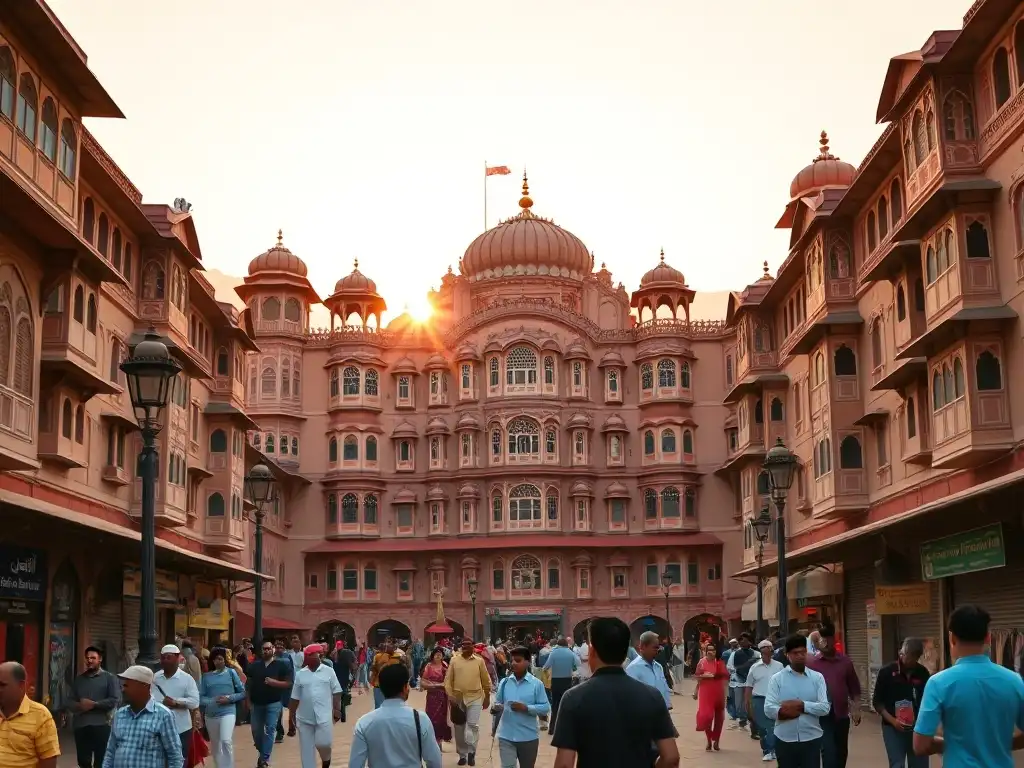
Welcome to Ancient India History, where we journey through the vibrant tapestry of India’s past! Today, we invite you to uncover the architectural significance of the Hawa Mahal, also known as the Palace of Winds. This stunning marvel stands as a testament to the ingenuity of ancient Indian design, blending both beauty and functionality.
What secrets lie within its intricately carved façade? Join us as we explore not only the unique features of this iconic structure but also its role in the rich cultural narrative of Jaipur and beyond. Prepare to be captivated by the stories and philosophies that shaped an era!
- Introduction to Hawa Mahal: The Palace of Winds
- Hawa Mahal Architectural Significance
- The Symbolism Behind Hawa Mahal's Structure
- Construction Techniques and Materials Used
- Hawa Mahal in Contemporary Context
- Conclusion: Legacy of Hawa Mahal in Indian Architecture
- Frequently Asked Questions
- Final Reflection: The Timeless Architectural Significance of Hawa Mahal
- Experience the Magic of Hawa Mahal Today!
Introduction to Hawa Mahal: The Palace of Winds
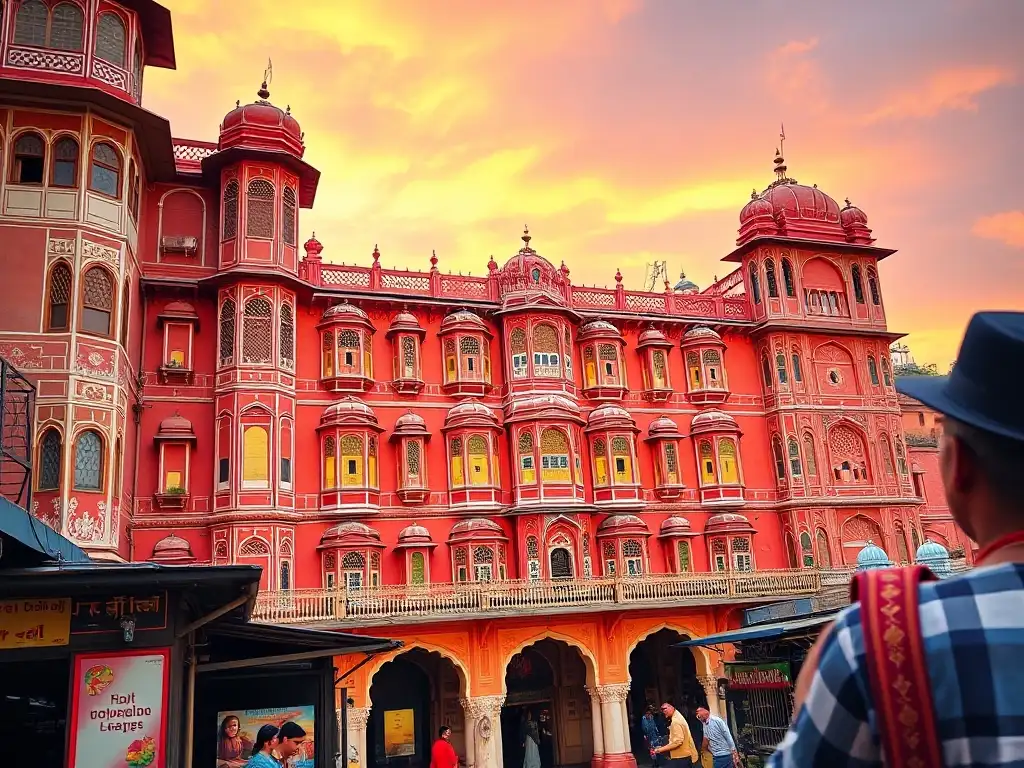
The Hawa Mahal, also known as the Palace of Winds, stands as one of Jaipur's most iconic landmarks, exemplifying the architectural prowess of ancient Indian civilization. Built in 1799 by Maharaja Sawai Jai Singh II, this stunning structure is not only a testament to the artistry of the Rajput architecture but also serves as a remarkable symbol of the cultural richness that defines Jaipur.
With its intricate latticework and unique façade, Hawa Mahal was designed to allow royal women to observe the street festivities without being seen, thus embodying the interplay of privacy and visibility in royal life. This article will delve into the architectural significance of Hawa Mahal, exploring its historical context and its vital role in the heritage of Jaipur.
Overview of Hawa Mahal's Historical Context
Hawa Mahal's construction coincided with a period of significant cultural and architectural development in Rajasthan. Built during the reign of Maharaja Sawai Jai Singh II, the palace reflects the blending of Persian and Indian architectural styles, showcasing the influences that shaped this era. The structure features 953 small windows, known as jharokhas, adorned with intricate latticework, allowing cool breezes to flow through the palace and providing a respite from the scorching heat of Rajasthan.
The architectural design of Hawa Mahal was not merely aesthetic; it served practical purposes as well. The palace was designed to facilitate the daily lives of the royal women, enabling them to partake in the vibrancy of street life without compromising their privacy. This aspect highlights the unique social dynamics of the time and the architectural innovations that catered to these needs.
Importance of Hawa Mahal in Jaipur's Heritage
Hawa Mahal holds a pivotal place in Jaipur's heritage, serving as a symbol of the city's rich history and architectural ingenuity. As a prominent tourist attraction, it draws visitors from around the globe, eager to marvel at its stunning façade and learn about its historical significance. The palace is not just an architectural marvel; it represents the confluence of art, culture, and tradition that defines Jaipur.
Furthermore, Hawa Mahal's unique design has inspired numerous architects and designers, making it a subject of study in architectural schools and research. Its influence extends beyond its immediate surroundings, impacting the broader narrative of Indian architecture and heritage. The palace stands as a reminder of the innovative spirit of ancient Indian civilization and continues to be celebrated for its aesthetic beauty and historical importance.
Through this exploration of Hawa Mahal, we will uncover the layers of meaning embedded within its walls, emphasizing its architectural significance and its role in the cultural tapestry of Jaipur.
Hawa Mahal Architectural Significance
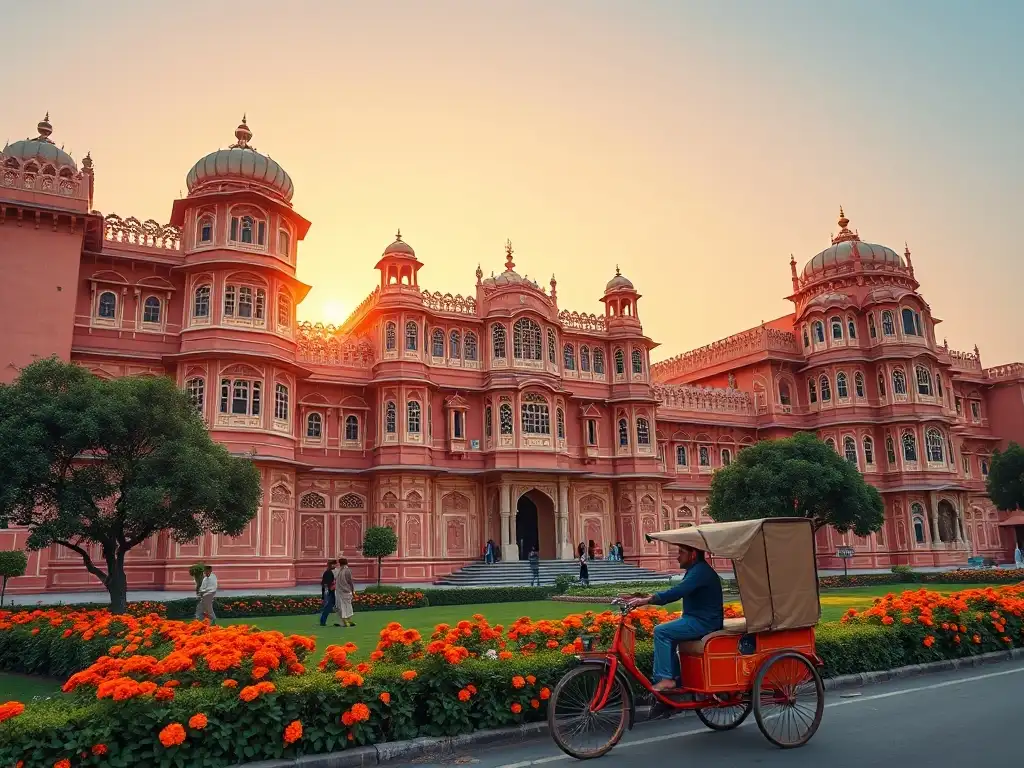
The Hawa Mahal, or "Palace of Winds," is a remarkable architectural marvel located in Jaipur, India. Built in 1799 by Maharaja Sawai Jai Singh II, this stunning structure exemplifies the intricate and innovative design principles of ancient Indian architecture. Its unique design and engineering showcase a perfect blend of aesthetics and functionality, making it a significant landmark in the study of architectural significance in ancient Indian civilization.
Unique Features of Hawa Mahal's Design
One of the most striking aspects of Hawa Mahal is its façade, characterized by its honeycomb structure with 953 small windows (jharokhas) adorned with intricate latticework. This design not only enhances the palace's visual appeal but also serves practical purposes. Here are some of the unique features:
- Layered Structure: The five-story building rises to a height of 50 feet and is constructed in a pyramidal shape, which is both visually captivating and structurally sound.
- Decorative Elements: The use of pink sandstone and elaborate carvings reflects the artistic prowess of the artisans of that era, integrating floral motifs and geometric patterns.
- Open Air Hallways: The corridors are designed to provide a sense of openness, allowing natural light and air to flow through, adding to the palace's charm.
These features not only underscore the artistic skills of the builders but also highlight the palace's role as a royal retreat where the women of the royal household could observe street festivities without being seen.
The Blend of Rajput and Mughal Architecture
Hawa Mahal is an exemplary fusion of Rajput and Mughal architectural styles, representing the cultural syncretism of the period. This architectural blend can be observed through several elements:
- Rajput Elements:
- Chhatris (Crown-like domes): These decorative canopies are a hallmark of Rajput architecture and adorn the top of Hawa Mahal, symbolizing royalty and grandeur.
- Intricate Carvings: The detailed stone work reflects the craftsmanship and artistic traditions of the Rajput kings.
- Mughal Influence:
- Jali Screens: The latticework is reminiscent of Mughal architecture, which often utilized similar screens to control light and airflow while maintaining privacy.
- Symmetry and Proportion: The harmonious proportions and symmetrical layout of the façade are indicative of Mughal design principles.
This blend not only enhances the aesthetic appeal but also represents the socio-political dynamics of the time, where two distinct cultures coexisted and influenced one another.
Role of Ventilation and Airflow in Hawa Mahal's Design
The name "Palace of Winds" is a testament to the exceptional emphasis on ventilation and airflow in Hawa Mahal's design. The architectural layout incorporates several innovative ideas to optimize comfort:
- Airflow Optimization: The numerous windows and jharokhas are strategically placed to capture cool breezes, making the interior comfortable during the intense heat of Rajasthan.
- Temperature Regulation: The thick walls of pink sandstone provide insulation, keeping the interiors cool while the hot desert sun beats down outside.
- Natural Ventilation: The design allows for cross-ventilation, enhancing air circulation throughout the palace, which is crucial in a region with extreme temperatures.
This clever architectural planning not only demonstrates the advanced understanding of climate control by ancient Indian architects but also highlights the cultural importance placed on comfort and livability in royal residences.
The Hawa Mahal is not merely a beautiful edifice; it is a significant example of ancient Indian architectural innovation, showcasing a unique blend of styles, intricate design elements, and practical considerations for comfort and airflow. Its architectural significance continues to inspire and attract scholars and tourists alike, making it a vital part of India's cultural heritage.
The Symbolism Behind Hawa Mahal's Structure
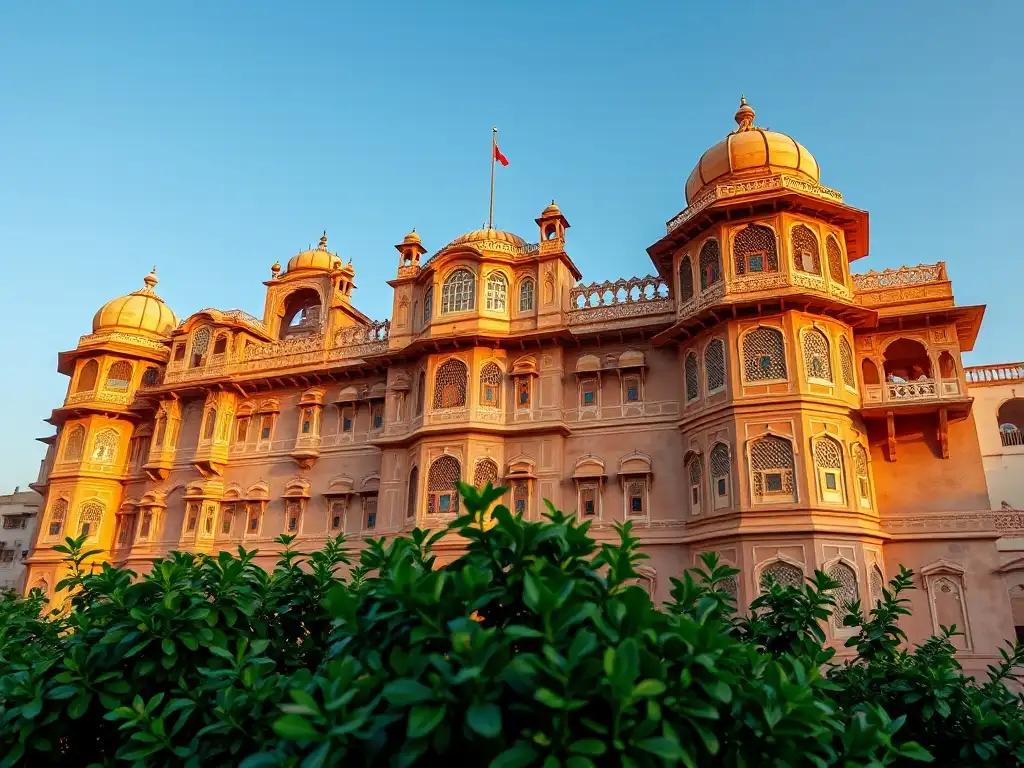
The architectural significance of Hawa Mahal extends beyond its stunning façade and intricate design; it embodies profound symbolism that reflects the cultural and historical ethos of Rajasthan. The palace's unique structure, characterized by its honeycomb-like appearance, consists of 953 small windows or jharokhas, which play a crucial role in its symbolism.
Cultural Significance of the Number 953
The choice of the number 953 in Hawa Mahal's design is not arbitrary. This number holds significant cultural and spiritual implications within Hinduism. In many traditions, numbers carry symbolic meanings, and 9 and 5 are often seen as auspicious. The number 9 is associated with completion and fulfillment, while 5 signifies the five elements: earth, water, fire, air, and ether. Together, they symbolize a harmonious balance between the earthly and the spiritual realms.
In architectural terms, the use of 953 jharokhas allows for optimal ventilation and light within the structure, reflecting the advanced understanding of climate control by ancient Indian architects. Moreover, the windows serve as a metaphor for the connection between the royal women inside and the outside world, emphasizing their elevated status while maintaining their seclusion.
The Purpose of the Jharokhas (Windows)
The jharokhas are not only aesthetically pleasing but also serve multiple practical purposes. Primarily, they were designed to allow the royal women, who lived in Hawa Mahal, to observe daily life and festivities on the streets below without being seen. This architectural feature enabled them to maintain their privacy while still being part of the vibrant social fabric of Jaipur.
Furthermore, the jharokhas facilitate air circulation, providing a natural cooling system that is particularly beneficial in the hot climate of Rajasthan. The arrangement of these windows allows for cross-ventilation, ensuring the interiors remain comfortable during the sweltering summer months. The intricate latticework on the jharokhas adds an artistic touch while serving a functional role by diffusing sunlight and creating beautiful patterns on the interiors.
Hawa Mahal as a Representation of Royalty
Hawa Mahal stands as a testament to the opulence and artistic sensibilities of the Rajput royalty. Its architectural design reflects not only aesthetic beauty but also the socio-political context of its time. The palace was commissioned by Maharaja Sawai Jai Singh II in 1799, and its grandiosity symbolizes the authority and status of the royal family.
The façade, adorned with intricate carvings and delicate motifs, showcases the skilled craftsmanship of artisans who dedicated their talents to creating a structure that would befit royalty. The sheer scale of Hawa Mahal, combined with its unique design, elevates it above mere residential architecture, positioning it as a monumental representation of power and prestige.
Additionally, Hawa Mahal's design mirrors the ideals of Rajput valor and chivalry, embodying the spirit of the warriors who ruled the region. The palace serves as a reminder of the rich heritage and cultural legacy of Rajasthan, making it an architectural marvel that continues to inspire awe in visitors from around the world.
The architectural significance of Hawa Mahal lies not just in its physical structure but in the deep-rooted symbolism and cultural meanings it embodies. Each element, from the number of jharokhas to the purpose they serve, contributes to the palace's status as an enduring symbol of Rajasthan's royal history.
Construction Techniques and Materials Used
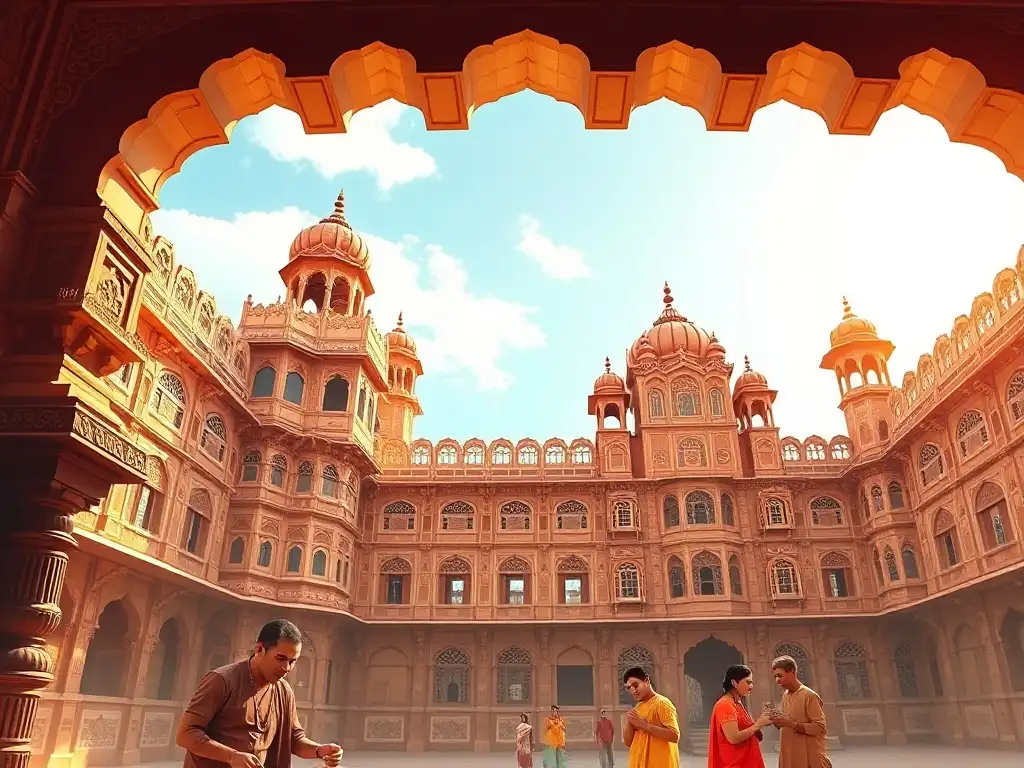
The construction of Hawa Mahal is an exemplary demonstration of the architectural ingenuity and resourcefulness of 18th-century Indian builders. Situated in the heart of Jaipur, this iconic structure showcases not only aesthetic beauty but also the sophisticated techniques and local materials utilized during its construction. Understanding these elements provides deeper insight into the Hawa Mahal architectural significance and its enduring legacy.
Local Materials in Hawa Mahal's Construction
Hawa Mahal, known as the "Palace of Winds," was primarily constructed using local sandstone, which is abundant in the region. This material was favored for its availability and durability. The unique pink hue of the sandstone is a defining characteristic of Jaipur's architecture, often referred to as the "Pink City."
- Sandstone: The primary building material, chosen for its ease of carving and thermal properties.
- Marble: Used for specific decorative elements and flooring, enhancing the palace's opulence.
- Lime Mortar: This was employed in the bonding of stones, which allowed for flexibility in the structure, accommodating the region's seismic activity.
The use of these materials not only reflects the local resources but also the cultural significance attached to them, as the pink color symbolizes hospitality and warmth in Indian tradition.
Innovative Techniques of the 18th Century
During the 18th century, the architectural techniques employed in the construction of Hawa Mahal were quite advanced for their time. The palace features several innovative design elements:
- Ventilation: The palace's most notable feature is its numerous jharokhas (balconies), which facilitate air circulation, creating a cooling effect. This was essential in the hot climate of Rajasthan.
- Layered Facade: The façade of Hawa Mahal is designed with a series of small windows, enhancing both aesthetics and functionality. This design allows for natural light while maintaining privacy for the royal women.
- Geometric Patterns: The intricate lattice work and geometric patterns not only serve decorative purposes but also reflect the mathematical prowess of the architects. These patterns were crafted to maximize air flow and minimize heat absorption.
These techniques underscore the innovative spirit of the time, demonstrating how functionality and beauty were harmoniously integrated.
Sustainability in Hawa Mahal's Architecture
Sustainability is a defining aspect of Hawa Mahal's design, reflecting the principles of environmental adaptation and resource efficiency:
- Natural Cooling: The strategic placement of windows and vents allows for natural ventilation, reducing the need for artificial cooling. The palace remains cool even in the scorching summer months.
- Use of Local Materials: By utilizing locally sourced sandstone and lime, the builders minimized transportation emissions and supported local economies.
- Passive Solar Design: The orientation of the building and its thick walls help in regulating indoor temperatures, making it energy efficient without relying on modern technology.
The sustainable practices evident in Hawa Mahal's architecture highlight the wisdom of ancient builders, who designed structures that were not only beautiful but also attuned to their environment. This aspect of Hawa Mahal reinforces its architectural significance, making it a timeless example of eco-friendly design principles.
Hawa Mahal in Contemporary Context
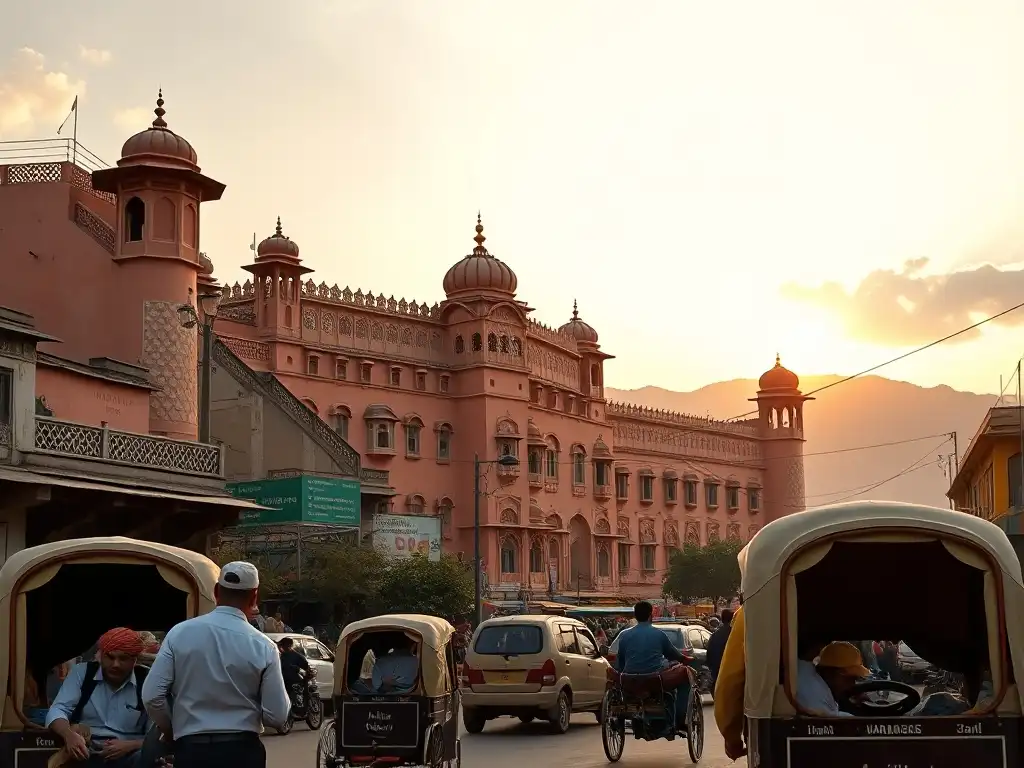
The Hawa Mahal, or "Palace of Winds," stands not only as a historical monument but also as a vibrant symbol of Jaipur’s cultural identity. This magnificent structure, built in 1799, continues to captivate visitors with its unique architectural features and historical significance. In the contemporary context, Hawa Mahal plays a crucial role in various aspects, including preservation, influence on modern architecture, and tourism.
Preservation Efforts for Hawa Mahal
Preserving the Hawa Mahal is essential to maintain its structural integrity and historical authenticity. Several initiatives have been undertaken to ensure its conservation:
- Government Initiatives: The Archaeological Survey of India (ASI) has implemented a series of restoration projects aimed at repairing weathered stonework and maintaining the intricate lattice windows, which are essential to the palace's design.
- Community Involvement: Local communities are encouraged to participate in awareness programs that emphasize the importance of preserving cultural heritage. Educational workshops are often held to inform residents and tourists about the significance of Hawa Mahal.
- Sustainability Practices: Contemporary preservation efforts also focus on sustainable practices. For instance, the use of eco-friendly materials in restoration work is becoming a standard to minimize environmental impact while ensuring the palace remains a key historical site.
Hawa Mahal is not just a monument; it's a testament to the architectural ingenuity of its time.
Hawa Mahal's Influence on Modern Architecture
The architectural significance of Hawa Mahal extends beyond its historical context, influencing modern architectural practices:
- Ventilation Techniques: The innovative design of Hawa Mahal, characterized by its numerous windows and ventilated facades, serves as a case study in passive cooling techniques. Architects today look to this structure for inspiration on how to create energy-efficient buildings.
- Cultural Integration: Modern architects often draw inspiration from Hawa Mahal’s aesthetic, integrating traditional Indian elements into contemporary designs. The use of jali (lattice) work and colorful facades can be seen in various urban developments across India.
- Tourist-Centric Design: In an age where tourism plays a pivotal role in urban planning, the layout and accessibility of Hawa Mahal serve as a model for creating visitor-friendly spaces that balance heritage conservation with modern amenities.
| Architectural Feature | Influence on Modern Design |
|---|---|
| Lattice Windows (Jalis) | Passive cooling and aesthetics in modern buildings |
| Courtyards | Creating community spaces in urban architecture |
| Colorful Facades | Use of vibrant colors in contemporary designs |
Tourism Impact on Hawa Mahal and Jaipur
Hawa Mahal is a significant driver of tourism in Jaipur, contributing to both the local economy and cultural exchange:
- Visitor Numbers: The palace attracts millions of tourists annually, making it one of the most photographed monuments in India. This influx of visitors supports local businesses, from handicraft stalls to hotels and restaurants.
- Cultural Exchange: Hawa Mahal serves as a platform for cultural exchange, where international visitors gain insights into Rajasthani history and architecture. Guided tours often highlight the stories and traditions associated with the palace, enriching the visitor experience.
- Sustainable Tourism Initiatives: In response to the growing number of visitors, there are ongoing discussions about implementing sustainable tourism practices. This includes limiting visitor numbers during peak times and promoting eco-friendly transportation options to and from the site.
Tourism not only boosts the local economy but also fosters a deeper appreciation for our rich heritage.
The Hawa Mahal's architectural significance continues to resonate in contemporary society, influencing preservation efforts, modern architectural practices, and the tourism landscape of Jaipur. Its legacy as an architectural marvel remains firmly rooted in both history and modernity.
Conclusion: Legacy of Hawa Mahal in Indian Architecture
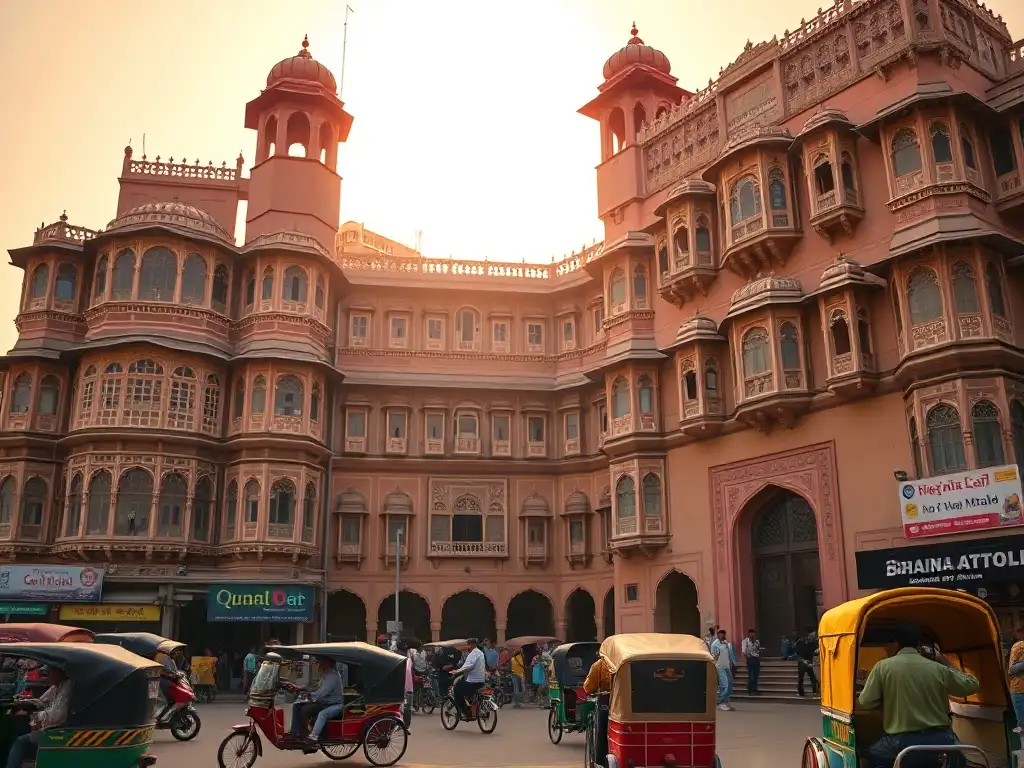
The Hawa Mahal, also known as the Palace of Winds, stands as a remarkable testament to the ingenuity and creativity of ancient Indian architecture. Its unique design not only showcases the aesthetic sensibilities of the time but also reflects the socio-cultural and environmental considerations intrinsic to its construction. Throughout history, this iconic structure has influenced various architectural trends and continues to be a source of inspiration for modern architects.
Hawa Mahal's Role in Shaping Architectural Trends
Hawa Mahal's architectural significance is multifaceted, impacting both contemporary and traditional styles across India. The following aspects highlight its role in shaping architectural trends:
- Ventilation and Climate Adaptation: The Hawa Mahal's intricate latticework and numerous windows were designed to promote airflow, showcasing an early understanding of passive cooling techniques. This concept has inspired modern sustainable architecture, where ventilation plays a crucial role in energy efficiency.
- Ornate Facade: The palace's pink sandstone facade, adorned with delicate carvings and jali work, set a precedent for decorative elements in Rajput architecture. This emphasis on ornamental design can be seen in various palaces and forts built afterward, establishing a unique identity for Rajasthani architecture.
- Integration of Cultural Elements: Hawa Mahal serves as a blending point of various architectural influences, including Mughal and Rajput styles. This synthesis encouraged a more diverse approach to design, leading to the emergence of hybrid architectural forms throughout India.
- Symbol of Royalty and Status: The palace's design, which prioritizes aesthetics alongside functionality, has influenced how subsequent structures were conceptualized to represent power and prestige. This is particularly evident in the design of other royal residences across India.
Future of Hawa Mahal and Its Architectural Significance
As we look to the future, the Hawa Mahal's architectural significance remains relevant, both as a cultural heritage site and as a blueprint for innovative design. Key considerations for its future include:
- Preservation Efforts: Ongoing conservation initiatives aim to maintain the structural integrity and cultural relevance of Hawa Mahal. These efforts are essential to ensure that future generations can appreciate its architectural brilliance.
- Adaptation and Innovation: Modern architects are increasingly drawing inspiration from Hawa Mahal’s design principles. The emphasis on natural light, ventilation, and aesthetic beauty in contemporary buildings echoes the palace's original intent, showcasing its lasting impact.
- Tourism and Education: Hawa Mahal continues to attract millions of visitors, serving as an educational resource about ancient Indian architecture. Future initiatives could focus on enhancing visitor experiences while promoting awareness of its architectural significance.
- Architectural Research: The study of Hawa Mahal offers insights into sustainable design practices and the integration of cultural elements in architecture. Future research may further explore these aspects, contributing to the broader discourse on architectural innovation.
The Hawa Mahal's architectural significance transcends its physical structure, influencing generations of architects and designers while preserving the rich cultural heritage of India. Its legacy continues to inspire, reminding us of the brilliance of ancient Indian civilization.
Frequently Asked Questions
What is the architectural significance of Hawa Mahal?
Hawa Mahal is renowned for its unique facade featuring 953 small windows or jharokhas, which allowed royal women to observe street festivities while remaining unseen. This design reflects innovative ventilation and aesthetic beauty.
Who designed the Hawa Mahal?
The Hawa Mahal was designed by Lal Chand Ustad in 1799 during the reign of Maharaja Sawai Pratap Singh. Its design is inspired by the lotus flower, symbolizing the connection between art and nature.
Why is it called the Palace of Winds?
Hawa Mahal is called the Palace of Winds due to its ventilation system that allows cool breezes to flow through the palace, making it comfortable during the hot summer months in Jaipur.
What materials were used in the construction of Hawa Mahal?
The Hawa Mahal is primarily made of red and pink sandstone, which is abundant in the region. This material not only contributes to its stunning aesthetic but also reflects the local building traditions.
How does Hawa Mahal reflect the culture of ancient India?
Hawa Mahal embodies the cultural values of privacy and modesty in royal women's lives. Its intricate design and craftsmanship showcase the artistic skills and architectural advancements of ancient Indian civilizations.
Final Reflection: The Timeless Architectural Significance of Hawa Mahal
The architectural significance of Hawa Mahal is not just a testament to the ingenuity of its design but also a reflection of the cultural and historical narratives that continue to resonate today. As we explore the intricate latticework and the purpose behind its many windows, we realize that this iconic structure serves as a bridge between the past and the present, inviting us to appreciate the artistry that defines Jaipur's skyline. The Hawa Mahal stands as a striking reminder of how architecture can embody the spirit of a place and its people.
Hawa Mahal has profoundly influenced the cultural landscape of India, inspiring countless architects and artists with its unique design and purpose. Its ability to blend functionality with beauty has made it a symbol of Rajasthan's rich heritage. As we walk through its corridors, we are reminded of the words of architect Louis Kahn: A great building must begin with the unmeasurable, must go through measurable means when it is being designed and in the end must be unmeasurable.
This sentiment encapsulates the essence of Hawa Mahal, where every detail tells a story, and every breeze carries whispers of history.
As we reflect on the lessons embedded in the walls of Hawa Mahal, let us take a moment to consider how we can incorporate such thoughtful design and cultural appreciation into our own lives. I invite you to explore the spaces around you with a new perspective—recognizing the beauty in their design and the stories they tell. Whether you are an architect, an artist, or simply a lover of culture, let the spirit of Hawa Mahal inspire you to create, appreciate, and preserve the architectural significance that shapes our world.
Experience the Magic of Hawa Mahal Today!
Thank you for exploring the enchanting story of Jaipur's Hawa Mahal with us! We hope you gained a deeper appreciation for its stunning architecture and rich history. Now it’s time to bring that inspiration to life!
Take a moment to immerse yourself in the beauty of Hawa Mahal and its cultural significance with these actionable suggestions:
- Plan your visit: If you’re nearby or have upcoming travel plans, add Hawa Mahal to your itinerary and witness its grandeur in person.
- Engage with history: Share your thoughts or photos of Hawa Mahal on social media to inspire others to discover this architectural marvel!
- Dive deeper: Explore more about other fascinating historical sites in Jaipur, such as the City Palace or Amber Fort, to expand your knowledge.
As you journey through the wonders of Jaipur, we’d love to hear from you: What aspect of Hawa Mahal’s design captivates you the most?