
The Legacy of Ancient Indian Poets: Weaving Cultural Narratives Through Art

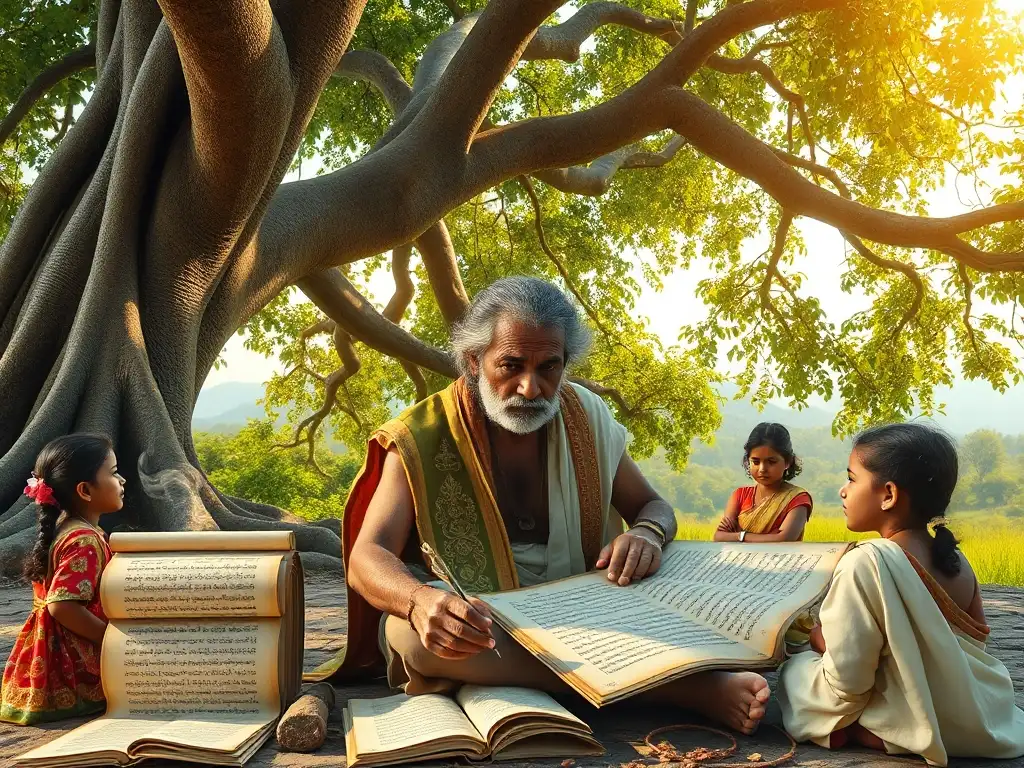
Welcome to Ancient India History, where we embark on a captivating journey through the rich tapestry of ancient Indian civilizations. Today, we delve into the remarkable contributions of ancient Indian poets, who not only shaped literary traditions but also wove intricate cultural narratives that resonate through time. Discover how these literary luminaries influenced art, philosophy, and society, and explore the profound legacy they left behind.
Prepare to be intrigued as we unravel the stories and insights that can only be found in the verses of these remarkable poets. Join us as we explore the profound impact of cultural exchanges and the enduring influence of their artistry!
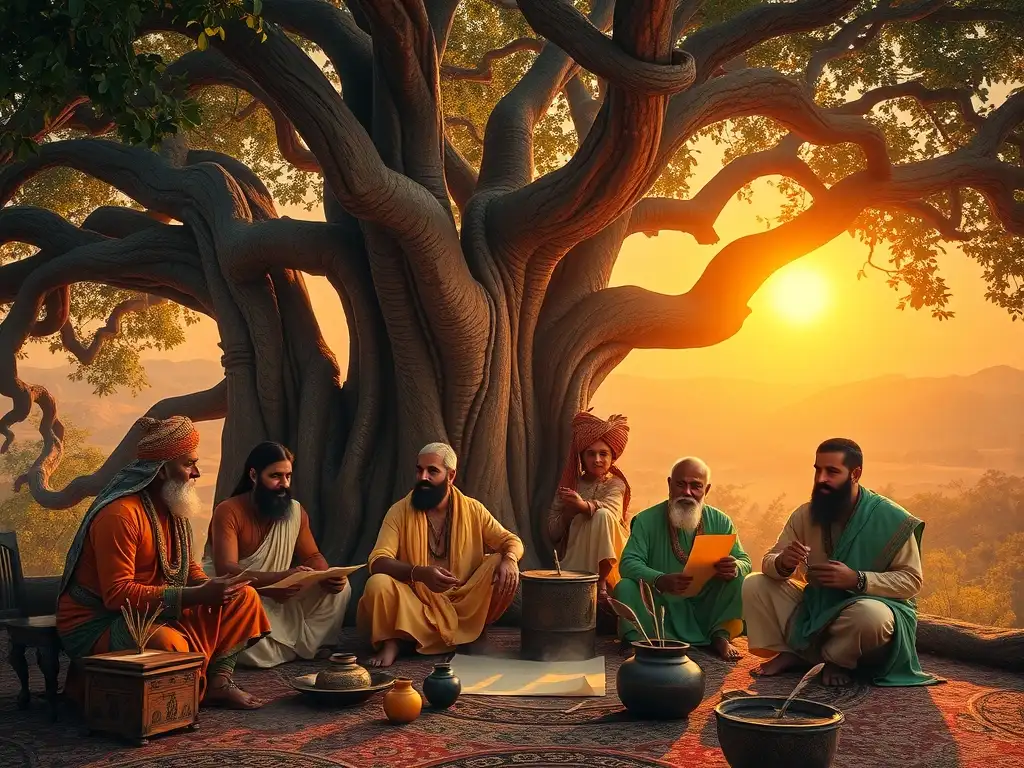
Introduction to Ancient Indian Poets and Their Contributions
The landscape of ancient Indian literature is profoundly enriched by the contributions of poets whose works resonate with the ethos of their time. From the mellifluous verses of the Rigveda to the intricate narratives woven by Kalidasa, ancient Indian poets played a pivotal role in shaping not only literary traditions but also the cultural and philosophical discourses of their society. These poets, through their artistry, articulated complex human emotions and societal values, thereby serving as crucial vessels of cultural heritage and identity.
Their poems often reflected the diverse tapestry of life in ancient India, encapsulating themes of love, nature, spirituality, and morality, while also providing insights into the social and political milieu of their eras. As we delve into the legacy of these ancient poets, we uncover the profound impact of their contributions on the cultural narratives that continue to influence contemporary Indian society.
Overview of Ancient Indian Poetry
Ancient Indian poetry spans a vast timeline, beginning with the Vedic texts around 1500 BCE and extending through various dynasties, including the Maurya and Gupta empires. This poetry is characterized by its diverse forms, themes, and styles, which evolved in response to the changing socio-political landscapes.
Notable works include the Mahabharata and Ramayana, epic poems that not only serve as literary masterpieces but also as repositories of moral and ethical teachings. The poetic tradition also witnessed the emergence of various regional dialects and forms, such as Sanskrit, Prakrit, and Tamil, each contributing uniquely to the overarching narrative of Indian literature.
Importance of Poetry in Cultural Narratives
Poetry in ancient India was more than just a form of artistic expression; it served as a vital instrument for cultural transmission. Poets were regarded as custodians of collective memory, using their verses to convey historical events, moral lessons, and spiritual teachings. The rhythmic and lyrical qualities of poetry made it an effective medium for oral transmission, allowing stories and cultural values to be passed down through generations. Moreover, poetry acted as a unifying force, bridging diverse cultural and linguistic groups, and fostering a sense of shared identity among the peoples of ancient India.
The Historical Context of Ancient Indian Poetry
Understanding the contributions of ancient Indian poets necessitates a look at the historical context in which they created their works. The evolution of poetry was deeply intertwined with the political, religious, and social developments of the time, reflecting the dynamic nature of Indian civilization.
The Evolution of Poetry in Ancient India
The evolution of ancient Indian poetry can be traced through various stages. Initially rooted in oral traditions, poetry began to take on more structured forms with the advent of written scripts. The Vedic hymns, composed in early Sanskrit, exemplify this transition, blending spiritual reverence with artistic expression. As time progressed, poets began experimenting with different genres and styles, such as lyrical poetry, philosophical discourses, and narrative epics. The classical period saw the emergence of renowned poets like Kalidasa and Bhasa, whose works exemplify the sophistication and depth of ancient Indian poetic traditions.
Major Periods Influencing Poetic Works
Several key periods significantly influenced the trajectory of ancient Indian poetry:
- Vedic Period (1500-500 BCE): Characterized by the creation of hymns and philosophical texts that laid the foundation for later poetic forms.
- Epic Age (500 BCE - 200 CE): Marked by the composition of the Mahabharata and Ramayana, which blended myth and history.
- Classical Period (200 CE - 1200 CE): A flourishing of literary arts, with poets like Kalidasa, who wrote plays and lyrical poetry that explored human emotions and nature.
- Bhakti Movement (7th - 17th century CE): A significant shift towards devotional poetry, emphasizing personal spirituality and connecting with the divine through vernacular languages.
Through these periods, ancient Indian poetry evolved, reflecting the complexities and diversities of the civilizations that produced it, thus leaving an indelible mark on the cultural heritage of India.
Key Ancient Indian Poets and Their Contributions
Ancient Indian poets played a pivotal role in shaping the cultural and literary landscape of the subcontinent. Their works not only reflect the linguistic richness of their times but also encapsulate the spiritual, philosophical, and social mores of ancient Indian civilization. Through their artistry, these poets contributed significantly to the understanding of human emotions, ethics, and the divine. Below, we explore some of the most influential poets and their lasting legacies.
Valmiki: The Father of Indian Poetry
Valmiki, often revered as the "Adi Kavi" or the first poet, is best known for composing the epic Ramayana. His narrative style weaves together moral dilemmas, heroic deeds, and the complexities of dharma (righteousness). The Ramayana not only serves as a spiritual guide but also presents deep insights into the human condition, illustrating themes of love, sacrifice, and devotion.
Valmiki's use of meter and rhythm set a precedent for Sanskrit poetry, influencing generations of poets to come. His contributions transcended literature, impacting Indian art forms, theater, and even religious practices, as the Ramayana continues to inspire retellings and adaptations across various mediums.
Kalidasa: Master of Classical Sanskrit Literature
Kalidasa is celebrated as one of the greatest poets and dramatists in classical Sanskrit literature. His works, such as "Shakuntala" and "Meghaduta," showcase his exceptional command of language and profound understanding of human emotions. Kalidasa's poetry often explores themes of love, nature, and the interplay between the divine and the earthly. His vivid imagery and expressive metaphors have left an indelible mark on Indian literature, serving as a benchmark for poetic excellence. The influence of Kalidasa's works extends beyond literature, inspiring numerous art forms, including classical dance and music, thereby enriching the cultural tapestry of ancient India.
Tulsidas: The Poet of the Ramayana
Tulsidas, a 16th-century poet, is best known for his Hindi version of the Ramayana, titled "Ramcharitmanas." His work democratized access to the epic by presenting it in a language that was more relatable to the common people. Tulsidas's writing is characterized by its lyrical beauty and devotional fervor, encapsulating the essence of bhakti (devotion) towards Lord Rama.
His contributions were significant in promoting the ideals of devotion and moral living, making the Ramayana accessible to a broader audience. Tulsidas's impact is felt in the realms of spirituality and culture, as his verses continue to be recited in homes and temples across India.
Other Notable Poets and Their Impact
In addition to Valmiki, Kalidasa, and Tulsidas, ancient India was home to many other notable poets who contributed to its rich literary heritage. For instance, Bhamaha and Dandin were influential in developing poetic theory, while poets like Bhavabhuti and Jayadeva enriched the narrative and lyrical traditions. Each of these poets brought unique perspectives and styles to their works, helping to shape the evolution of Indian poetry. Their contributions not only enhanced literary forms but also influenced cultural practices, rituals, and the arts, ensuring that the legacy of ancient Indian poetry endures.
Themes and Styles in Ancient Indian Poetry
Ancient Indian poetry is characterized by a rich tapestry of themes and styles that reflect the diverse cultural and philosophical landscape of the time. The exploration of spiritual, philosophical, and natural themes provides insight into the values and beliefs of ancient Indian society. This section delves into the prominent themes and stylistic elements that define the poetic works of ancient Indian poets.
Exploration of Spiritual and Philosophical Themes
Many ancient Indian poets infused their works with profound spiritual and philosophical themes, often reflecting the quest for truth and understanding. Concepts such as karma, dharma, and moksha (liberation) are prevalent, inviting readers to ponder their existence and purpose. The poetry often serves as a medium for exploring the relationship between the individual and the divine, exemplified by the bhakti movement that emphasized personal devotion. The spiritual dimensions of these verses resonate with readers, fostering a sense of connection to the eternal and the divine, and offering guidance on moral and ethical living.
Use of Nature and Imagery in Poetic Expression
Nature plays a pivotal role in ancient Indian poetry, serving as both a backdrop and a source of inspiration. Poets frequently employed vivid imagery and metaphors drawn from the natural world to convey emotions and ideas. The changing seasons, celestial bodies, and the beauty of flora and fauna are utilized to symbolize various human experiences ranging from love and longing to sorrow and joy. This deep connection to nature not only enhances the aesthetic appeal of the poetry but also reflects the ancient Indian belief in the interconnectedness of all life.
The Role of Mythology in Ancient Indian Poetry
Mythology is a cornerstone of ancient Indian poetry, providing a rich source of narratives and archetypes. Poets often drew from mythological tales to explore universal themes such as heroism, sacrifice, and the eternal struggle between good and evil. These stories served to convey moral lessons and cultural values, embedding the poets' messages within a familiar framework for their audiences. The interplay between mythology and poetry allowed for a dynamic form of storytelling that resonated with the social and spiritual fabric of ancient Indian life, ensuring that these narratives remain integral to the cultural identity of the region.
The Cultural Significance of Ancient Indian Poets
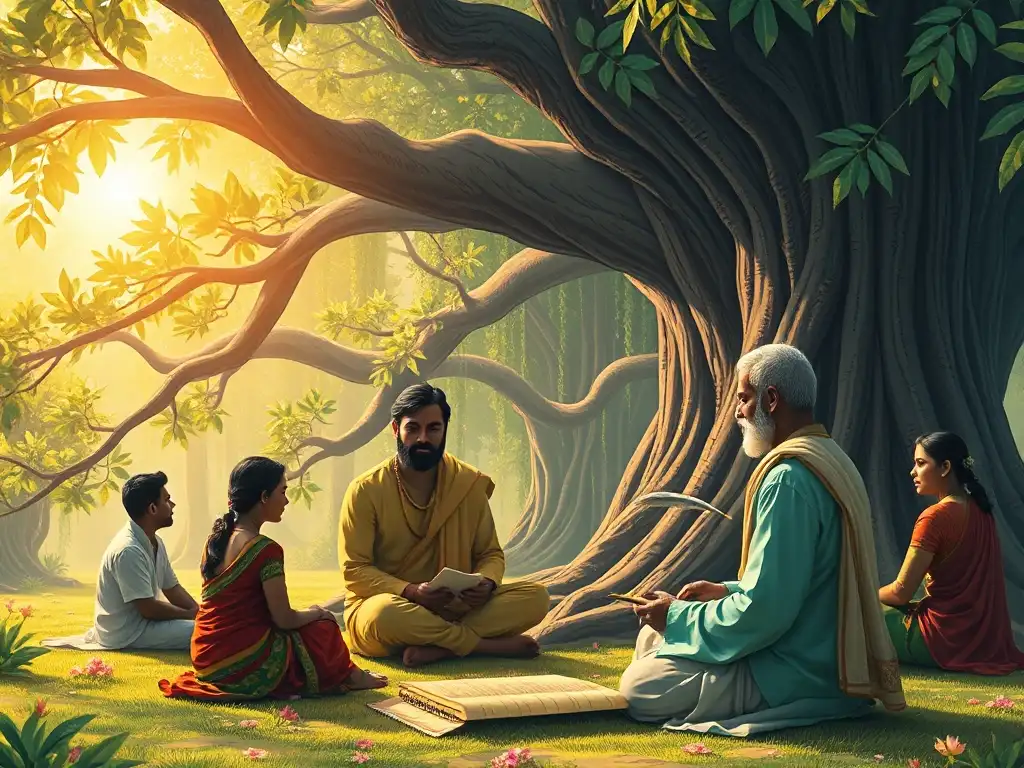
Ancient Indian poets played a pivotal role in shaping the cultural landscape of India. Their works transcended mere artistic expression; they were profound reflections of the social, religious, and philosophical ethos of their time. Through their verses, these poets not only entertained but also educated, instilling values and morals that resonated with the populace. Their poetry often served as a vehicle for disseminating ideas, beliefs, and traditions that defined various cultural identities across the Indian subcontinent.
The poets of ancient India, such as Kalidasa, Bhasa, and Bharavi, are celebrated not just for their literary genius but also for their contributions to the collective consciousness of society. They utilized various forms and genres, including epic poetry, lyrical poetry, and dramatic literature, to convey themes of love, valor, spirituality, and morality. This versatility allowed them to engage with a diverse audience, ensuring that their messages were accessible to people from various walks of life.
Influence on Indian Society and Values
The impact of ancient Indian poets on society and values is profound. Their works often explored ethical dilemmas, moral questions, and the human experience, encouraging readers to reflect on their actions and beliefs. For instance, the writings of Valmiki and Vyasa not only narrate epic tales but also impart lessons about dharma (righteousness) and the complexities of human relationships.
Poets served as social commentators, addressing contemporary issues such as caste, gender, and justice, thus fostering a sense of social awareness and responsibility among their audience. Through their poetry, they inspired movements and philosophies that shaped societal norms and values, reinforcing the idea that literature is a powerful tool for social change.
Contributions to Language and Literary Traditions
The contributions of ancient Indian poets to language and literary traditions are immense. They enriched Sanskrit and regional languages with new vocabulary, idiomatic expressions, and stylistic devices, laying the groundwork for future literary developments. Their innovative use of metaphor, simile, and allegory not only enhanced the aesthetic quality of poetry but also deepened its meaning, making it a multi-layered form of expression.
The works of poets like Jayadeva and Bhamaha introduced new genres such as the Geet Govinda and Kavya, which influenced the evolution of Indian literature for centuries. The rigorous standards set by these poets in terms of meter, rhyme, and structure can still be observed in contemporary Indian poetry, illustrating their lasting legacy.
Preservation of Ancient Indian Culture through Poetry
Ancient poetry played a crucial role in the preservation of Indian culture, history, and mythology. Many poets chronicled historical events, religious beliefs, and cultural practices, ensuring that these narratives were passed down through generations. The Mahabharata and Ramayana, two of the most revered texts, not only narrate epic tales but also encapsulate the cultural ethos, rituals, and values of ancient India.
Furthermore, the oral tradition of reciting poetry helped maintain cultural continuity, as poets often performed their works in public gatherings, festivals, and religious ceremonies. This practice kept the stories and teachings alive, allowing them to resonate with audiences across time and space.
The Legacy of Ancient Indian Poets in Contemporary Literature
The legacy of ancient Indian poets continues to thrive in contemporary literature, influencing modern writers and poets in profound ways. Their themes, styles, and techniques have permeated various literary forms, resulting in a rich tapestry of modern Indian literature that draws inspiration from its ancient roots.
Influence on Modern Indian Poets and Writers
Many modern Indian poets and writers acknowledge the influence of their ancient predecessors. Poets like A.K. Ramanujan and Kamala Das have often cited the impact of classical poetry on their work, incorporating traditional themes and styles into their contemporary verses. The exploration of identity, love, and existential questions in their poetry echoes the concerns of ancient poets, showcasing a continuity of thought and expression.
Moreover, the revival of interest in ancient texts and poetic forms has led to a resurgence of traditional storytelling methods in modern literature. Contemporary writers are increasingly looking to ancient narratives for inspiration, weaving them into modern contexts and exploring their relevance in today’s society.
Continuation of Poetic Traditions in Modern India
The poetic traditions established by ancient Indian poets have been preserved and adapted in modern India. Festivals, literary gatherings, and cultural events celebrate poetry, fostering a vibrant literary culture that honors its historical roots. The rise of spoken word poetry and performance art reflects a return to the oral traditions that characterized ancient poetry, reinforcing the communal aspect of poetic expression.
Additionally, educational institutions and literary organizations are increasingly emphasizing the study of ancient Indian literature, ensuring that the contributions of these poets are recognized and appreciated by future generations. This commitment to preserving poetic traditions serves as a testament to the enduring significance of ancient Indian poets in shaping literary discourse.
Cross-Cultural Impact of Ancient Indian Poetry
The influence of ancient Indian poetry extends beyond the borders of India, impacting global literary landscapes. Translations of ancient texts have introduced international audiences to Indian philosophies, aesthetics, and narratives, fostering cross-cultural dialogues. The themes of love, duty, and the quest for knowledge found in ancient poetry resonate universally, allowing them to connect with diverse cultures.
Moreover, ancient Indian poetic forms and styles have inspired poets across the globe, contributing to the rich tapestry of world literature. The rhythmic structures, lyrical qualities, and profound themes have been embraced and reinterpreted by poets from various backgrounds, thereby enriching the global poetic heritage. This cross-cultural exchange underscores the timeless and universal nature of the messages conveyed by ancient Indian poets, ensuring their place in the broader context of world literature.
Conclusion: The Enduring Influence of Ancient Indian Poets
The contributions of ancient Indian poets extend far beyond the confines of their time, resonating through centuries of cultural development and artistic expression. These poets not only crafted exquisite verses but also played a pivotal role in shaping social values, spiritual beliefs, and the artistic landscape of India. Their works, rich in narrative and emotion, serve as a bridge connecting the past with the present, offering insights into the life, philosophy, and environment of ancient India.
The legacy of these poets is reflected in the continued relevance of their themes—love, nature, morality, and divinity—across various artistic mediums today. By weaving cultural narratives through their art, these poets have left an indelible mark on the literary heritage of India, influencing generations of writers, artists, and thinkers. Their ability to capture the essence of human experience in a nuanced manner ensures that their words remain timeless, inspiring new interpretations and adaptations in the modern context.
Summary of Their Contributions to Cultural Narratives
Ancient Indian poets were instrumental in narrating the complexities of human experiences through their artistic works. They contributed not only to the literary canon but also to the broader cultural narratives in several ways:
- Mythology and Spirituality: Poets like Valmiki and Vyasa immortalized the epics of Ramayana and Mahabharata, respectively. These texts not only depict heroic tales but also encapsulate moral dilemmas, philosophical discourses, and spiritual quests that continue to be relevant in contemporary society.
- Regional Diversity: Poets such as Kabir and Mirabai brought forth the voices of various regional traditions, highlighting the rich tapestry of Indian culture. They addressed issues of caste, gender, and devotion, thereby fostering a spirit of inclusivity and unity amidst diversity.
- Cultural Syncretism: The blending of various cultural influences in their works illustrates the syncretic nature of ancient Indian society. Through their poetry, they absorbed ideas from different traditions, creating a unique cultural identity that celebrates pluralism.
- Language and Linguistic Development: Ancient poets contributed significantly to the evolution of languages like Sanskrit, Prakrit, and Tamil. Their innovative use of language and poetic forms laid the groundwork for future literary movements and linguistic development in the region.
The Future of Ancient Indian Poetry in Artistic Expression
The future of ancient Indian poetry in artistic expression appears promising as contemporary artists and scholars continue to explore and reinterpret these timeless works. The following trends indicate a vibrant future:
- Modern Adaptations: Many contemporary writers and poets are drawing inspiration from ancient texts, reimagining them for modern audiences. This includes adaptations in various formats, such as plays, films, and visual arts, which help breathe new life into these ancient narratives.
- Interdisciplinary Studies: The intersection of literature with other fields, such as history, performance studies, and cultural studies, encourages a multifaceted exploration of ancient poetry. This approach not only enriches understanding but also enhances appreciation of the cultural context in which these poets operated.
- Digital Platforms: The rise of digital media has made ancient poetry more accessible to a global audience. Online platforms and social media allow for the dissemination of poetic works, discussions, and collaborations that can spark renewed interest and innovative interpretations of these ancient texts.
- Educational Initiatives: Institutions are increasingly incorporating ancient Indian poetry into their curricula, fostering a new generation of scholars and artists who appreciate the depth and complexity of these contributions. Workshops, seminars, and literary festivals dedicated to ancient poetry further encourage engagement with these works.
References and Further Reading
Suggested Texts on Ancient Indian Poetry
- "The Ramayana" by Valmiki: A foundational epic that explores the themes of duty, righteousness, and devotion.
- "The Mahabharata" by Vyasa: A comprehensive narrative that examines the moral and ethical dilemmas faced by its characters.
- "Songs of Kabir" translated by Rabindranath Tagore: A collection of mystical poems that reflect the spiritual quest of the renowned poet-saint.
- "Mystic Poems of Mirabai" translated by various authors: A selection of devotional poetry expressing the poetess's love for Lord Krishna.
Additional Resources for Exploring Poetic Contributions
- Online Archives: Websites dedicated to ancient Indian literature often feature translations, analyses, and commentaries on various poets and their works.
- Documentaries: Several documentaries explore the lives and legacies of ancient Indian poets, providing visual and narrative context to their contributions.
- Literary Journals: Academic journals focused on South Asian studies frequently publish articles and research on the impact of ancient poetry on contemporary literature and culture.
By delving into these resources, readers can gain a deeper understanding of the vibrant legacy left by ancient Indian poets and their enduring influence on cultural narratives through art.
- Introduction to Ancient Indian Poets and Their Contributions
- The Historical Context of Ancient Indian Poetry
- Key Ancient Indian Poets and Their Contributions
- Themes and Styles in Ancient Indian Poetry
- The Cultural Significance of Ancient Indian Poets
- The Legacy of Ancient Indian Poets in Contemporary Literature
- Conclusion: The Enduring Influence of Ancient Indian Poets
- References and Further Reading
- What are the main contributions of ancient Indian poets?
- How did ancient Indian poets influence cultural narratives?
- Can you name some notable ancient Indian poets?
- What themes are prevalent in the works of ancient Indian poets?
- How did the Gupta Empire contribute to the legacy of ancient Indian poets?
Frequently Asked Questions
What are the main contributions of ancient Indian poets?
Ancient Indian poets contributed significantly to literature, philosophy, and spirituality, weaving profound cultural narratives through their works, which reflected the values and beliefs of their time.
How did ancient Indian poets influence cultural narratives?
These poets shaped cultural narratives by using their art to express the complexities of life, love, and morality, thereby influencing social norms and ethical teachings within their societies.
Can you name some notable ancient Indian poets?
Notable poets include Kalidasa, renowned for his plays and poetry, and Bhartrihari, known for his philosophical verses, both of whom left a lasting impact on Indian literature.
What themes are prevalent in the works of ancient Indian poets?
Themes such as nature, love, spirituality, and human experience are prevalent in their works, often reflecting the harmonious relationship between humanity and the universe.
How did the Gupta Empire contribute to the legacy of ancient Indian poets?
The Gupta Empire is often referred to as the Golden Age of India, where poetry flourished, leading to increased patronage for poets and the establishment of literary traditions that influenced future generations.
Final Reflection: The Enduring Impact of Ancient Indian Poets' Contributions
The contributions of ancient Indian poets resonate profoundly in today's cultural landscape, reminding us of the timeless power of storytelling and artistic expression. Their ability to weave intricate narratives that reflect societal values, spiritual beliefs, and human emotions continues to inspire contemporary writers and artists alike. In a world increasingly driven by technology and rapid change, the essence of these poetic legacies serves as a vital reminder of our shared humanity and the importance of preserving cultural heritage.
The influence of ancient Indian poets transcends time, shaping not only literature but also the very fabric of our social consciousness. Their works invite us to explore the depths of our own experiences and emotions, fostering a sense of connection across generations. As poet Rabindranath Tagore once said, The highest education is that which does not merely give us information but makes our life in harmony with all existence.
This sentiment encapsulates the profound impact that these poets have had on our understanding of life, urging us to seek harmony within ourselves and our communities.
As we reflect on the legacies of these remarkable figures, I encourage you to embrace the lessons embedded in their art. Consider how the themes of love, nature, and spirituality found in their poetry can inspire your own creative endeavors and personal growth. Let the wisdom of ancient Indian poets guide you in weaving your own narrative, fostering a deeper connection with your culture and the world around you. In doing so, we not only honor their contributions but also ensure that their voices continue to echo through time, enriching our lives and shaping future generations.
Unleash the Power of Ancient Poetry Today!
Thank you for diving into the rich tapestry of storytelling woven by ancient Indian poets. Their art not only reflects cultural narratives but also inspires us to connect with our roots. Now, let’s transform that inspiration into action!
- Join a local or online poetry group to share your thoughts on ancient texts and create your own poetic interpretations.
- Explore themed events or workshops that celebrate the beauty of ancient Indian poetry.
- Share your newfound knowledge with friends or on social media to spark conversations about our cultural heritage.
What stories do you imagine ancient poets would tell in today's world, and how can you play a role in preserving that rich legacy?