
The Rituals of Birth and Marriage Celebrations in Ancient Indian Culture

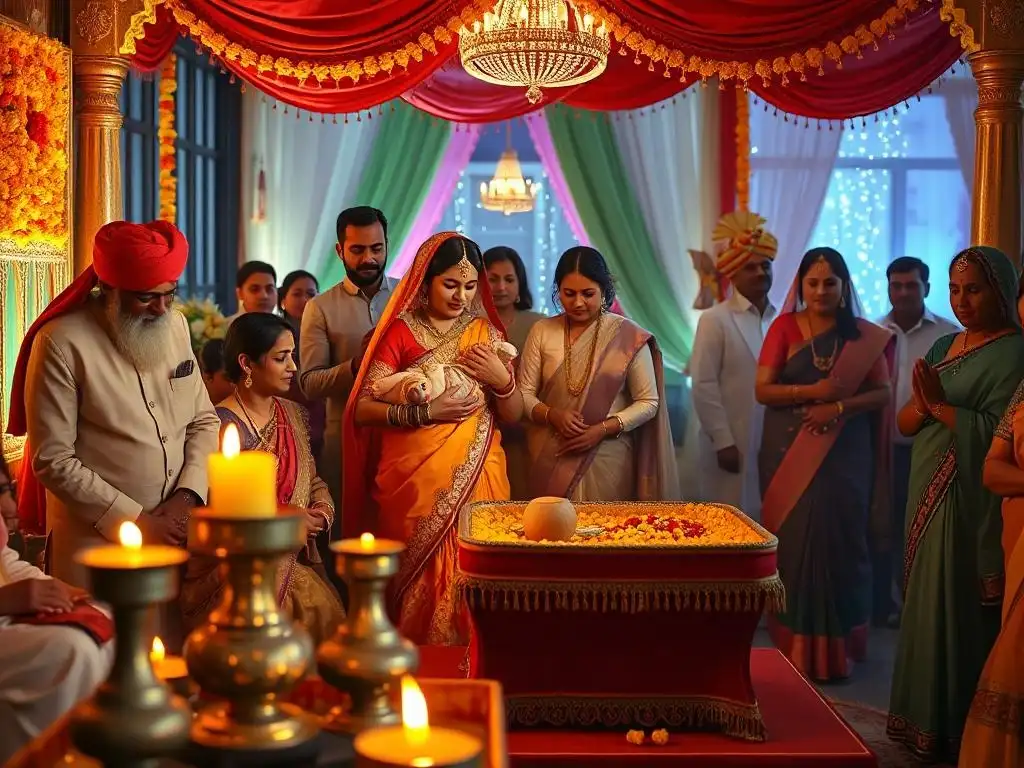
Welcome to Ancient India History, where we embark on an enlightening journey through the rich tapestry of ancient Indian civilizations. Discover the fascinating birth and marriage rituals that not only shaped the lives of individuals but also forged the cultural identity of a nation. In our latest article, "The Rituals of Birth and Marriage Celebrations in Ancient Indian Culture," we delve into the vibrant traditions that have transcended time, inviting you to explore the profound significance behind each ceremony.
Curious about how these age-old practices have evolved? Join us as we unlock the secrets of a heritage that continues to inspire and resonate today.
Introduction to Ancient Indian Birth and Marriage Rituals
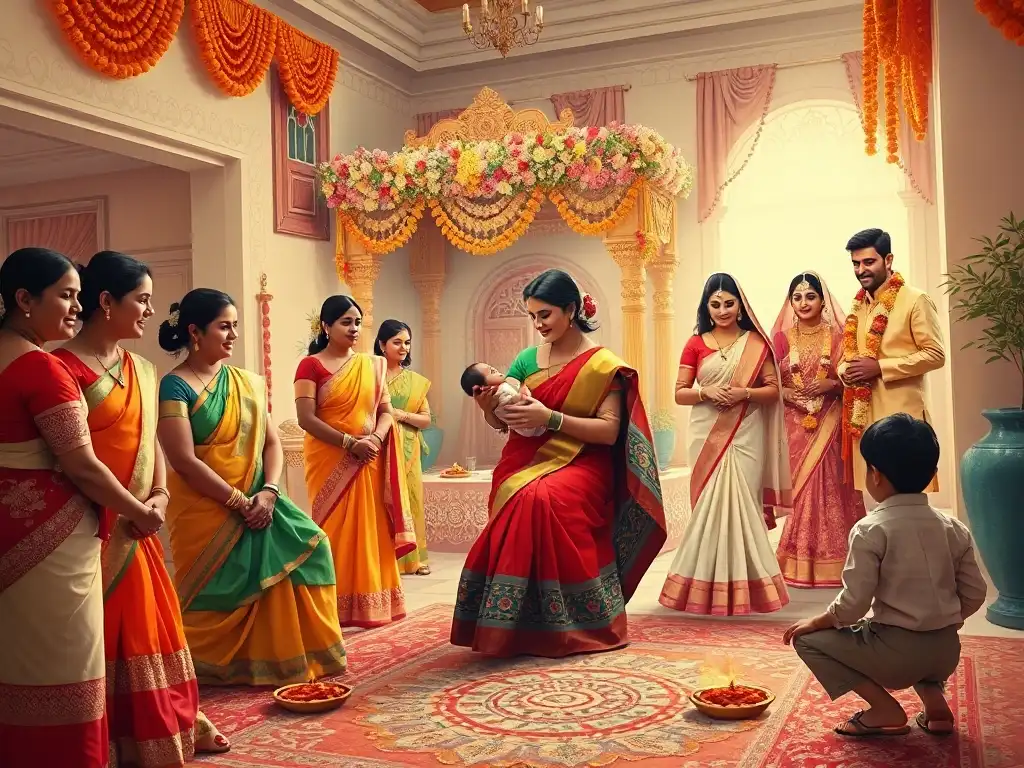
The rich tapestry of ancient Indian culture is woven with intricate rituals and ceremonies that encapsulate the essence of human life, particularly the significant milestones of birth and marriage. These rituals, deeply embedded in the social fabric of ancient Indian society, reflect a profound understanding of life, relationships, and communal bonds.
Ancient Indian birth and marriage rituals were not merely ceremonial but served as vital components in the cultural, spiritual, and social realms. Through the lens of these celebrations, we gain insight into the values, beliefs, and traditions that governed the lives of ancient Indians, highlighting their reverence for familial ties and societal continuity.
Importance of Birth and Marriage in Ancient Indian Society
In ancient India, birth and marriage were regarded as pivotal events, marking the transition of individuals into new phases of life. Birth was celebrated as a divine blessing, symbolizing the continuation of family lineage and the arrival of new potential within the community. Similarly, marriage was not just a union of two individuals; it was a sacred bond that reinforced familial alliances, social structures, and cultural heritage.
- Symbol of Continuity: Both rituals emphasized the importance of progeny and the perpetuation of family legacies.
- Community Engagement: The communal aspect of these celebrations fostered social cohesion, as family and friends came together to honor these significant life events.
- Spiritual Significance: These rituals often included spiritual elements, reflecting the belief in divine intervention and blessings in the processes of birth and marriage.
Overview of Cultural Significance in Ancient India
The cultural significance of birth and marriage rituals in ancient India extends beyond mere celebration; they were steeped in symbolism and tradition, representing the values and beliefs of society. These rituals were often accompanied by specific customs, ceremonies, and chants that invoked blessings from deities, ensuring a prosperous and harmonious life for the newly born and married individuals.
- Ritualistic Practices: Various rites and ceremonies were performed, such as samskaras (sacraments) that marked important life stages.
- Artistic Expressions: These celebrations were often adorned with music, dance, and art, showcasing the rich cultural heritage of the time.
- Social Hierarchies: The nature of the rituals could vary significantly across different communities and social strata, reflecting the complexities of ancient Indian society.
Birth Rituals in Ancient Indian Culture
Birth rituals in ancient Indian culture were elaborate and varied, often characterized by specific customs that were believed to invoke divine blessings and ensure the well-being of both the mother and the child.
Pre-Natal Rituals: Customs and Beliefs
Before the birth of a child, a series of pre-natal rituals were performed to ensure the health and prosperity of the baby and mother. These rituals often included:
- Pumsavana: A ceremony aimed at ensuring a male child, often involving prayers and offerings to deities.
- Simantonnyana: A rite performed in the seventh month of pregnancy, celebrating the impending birth and invoking blessings for a safe delivery.
- Dietary Restrictions: Expectant mothers were often advised to follow specific dietary practices, believed to influence the child's physical and mental attributes.
Post-Natal Rituals: Celebrations and Practices
Once the child was born, various post-natal rituals were conducted to welcome the newborn into the family and community. These included:
- Jatakarma: The first rite performed after birth, which involved the father formally acknowledging the child and performing rituals to ensure a prosperous life.
- Namakarana: The naming ceremony, where the child's name was chosen, often based on astrological considerations.
- Annaprashana: The ceremonial first feeding of solid food, typically conducted in the sixth month, symbolizing the child's growth and development.
Symbolism of Birth Rituals in Ancient Indian Society
The birth rituals in ancient India were rich in symbolism, representing various aspects of life, fertility, and continuity. Each ritual held profound meanings:
- Life and Continuity: Birth rituals emphasized the cycle of life, portraying the connection between generations.
- Divine Blessings: Many rituals included invocations to deities, symbolizing the belief in divine protection and guidance.
- Cultural Heritage: These customs served to transmit cultural values and beliefs from one generation to the next, ensuring the preservation of ancient Indian traditions.
Marriage Rituals in Ancient Indian Culture
Marriage in ancient Indian culture was not merely a union of two individuals but a sacred alliance between families, deeply rooted in tradition and spiritual significance. The practices associated with marriage rituals varied significantly across regions and communities, reflecting a rich tapestry of cultural diversity. The rituals often involved elaborate customs, each imbued with symbolic meanings aimed at ensuring a prosperous and harmonious life for the couple.
Pre-Wedding Customs and Preparations
The pre-wedding phase in ancient Indian marriages was marked by a series of customs and rituals that laid the groundwork for the impending union. One of the most significant pre-wedding rituals was the engagement ceremony, known as Sangeet, where family members gathered to celebrate the upcoming marriage. This event typically included music, dance, and feasting, symbolizing the joy surrounding the union.
Another essential custom was the Mehendi ceremony, where intricate henna designs were applied to the bride's hands and feet. This ritual was not only an artistic expression but also believed to bring good luck and prosperity to the couple. The application of Mehendi often involved the participation of female relatives and friends, enhancing the sense of community and support for the bride.
Preparation for the marriage also included the selection of auspicious dates ( muhurat) based on astrological calculations, emphasizing the belief that the timing of the union played a crucial role in its success. Families would often consult astrologers to determine the most favorable time for the wedding rituals.
The Marriage Ceremony: Steps and Traditions
The marriage ceremony itself was a multi-step event, rich in symbolic acts. The Kanyadaan ritual involved the bride’s father giving her away to the groom, signifying the transfer of responsibility and guardianship. This act underscored the importance of familial ties and the sacredness of the union.
Another pivotal moment was the Saptapadi, or seven steps, where the couple would take seven vows together, each accompanied by a specific promise aimed at nurturing their relationship. These vows often included commitments to support each other, uphold family values, and ensure mutual respect.
The Sindoor and Mangal Sutra rituals were also vital components of the marriage ceremony. The groom would apply vermilion (sindoor) on the bride’s forehead, signifying her marital status, while the Mangal Sutra, a sacred thread, would be tied around her neck, symbolizing her new role as a married woman.
Post-Wedding Celebrations and Customs
Post-wedding celebrations in ancient Indian culture were equally significant, marked by various rituals and festivities that reinforced the bonds of marriage. One of the key customs was the Griha Pravesh, where the bride was ceremoniously welcomed into her new home. This ritual often involved her kicking a pot filled with rice, symbolizing the abundance and prosperity she would bring into her husband’s home.
Another important aspect was the Reception, a festive gathering that brought together family members and friends to celebrate the newlywed couple. This event was characterized by feasting, music, and dance, emphasizing the joy of the union and the support of the community.
Additionally, during the first few days following the wedding, rituals such as Chauthi were performed, where the bride would visit her parental home, allowing her family to reaffirm their connection with her and the new family she has joined.
Comparative Analysis of Birth and Marriage Rituals
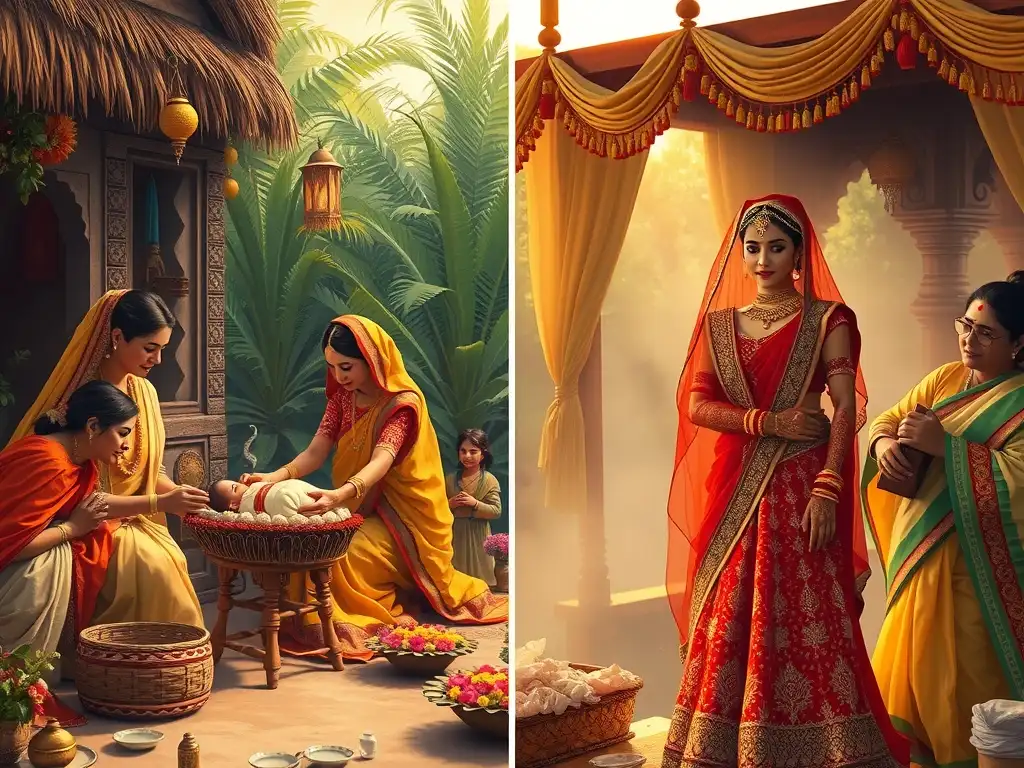
The rituals surrounding birth and marriage in ancient Indian culture, while distinct in their specific practices, share numerous similarities and differences that reflect the values and beliefs of the society.
Similarities in Ritual Practices
Both birth and marriage rituals in ancient India were steeped in religious significance and communal participation. They were often marked by elaborate ceremonies aimed at invoking blessings from deities.
- Ritual Offerings: In both cases, offerings were made to gods and ancestors, seeking their blessings for the well-being and prosperity of the individuals involved.
- Community Involvement: These celebrations were typically communal affairs, bringing together family and friends to participate in the rituals, reinforcing social bonds and community ties.
- Ceremonial Significance: Both rituals emphasized the transition of individuals into new roles—birth into life and marriage into partnership—signifying important milestones in the human experience.
Differences in Rituals and Symbolism
Despite their similarities, birth and marriage rituals also exhibit notable differences in their focus and symbolism.
- Focus on Life Stages: Birth rituals celebrate the arrival of new life and the continuation of lineage, while marriage rituals emphasize the union of two families and the establishment of new social bonds.
- Ritual Specifics: Birth rituals often include naming ceremonies (like Namakarana) and first feeding rituals, which are not present in marriage ceremonies. Conversely, marriage rituals involve complex ceremonies like the Saptapadi and Kanyadaan, which have no parallel in birth customs.
- Symbolism of Roles: Birth rituals highlight the nurturing aspect of life, portraying the mother as a pivotal figure, while marriage rituals often focus on the roles of both partners, stressing equality and joint responsibility.
Ancient Indian birth and marriage rituals, while distinct, collectively reflect the cultural heritage and societal values that have shaped the rich tapestry of Indian civilization.
Conclusion: The Legacy of Ancient Indian Birth and Marriage Rituals
The rituals surrounding birth and marriage in ancient Indian culture have left a profound legacy that continues to influence contemporary practices. These rituals were not merely ceremonial; they encapsulated social values, familial bonds, and spiritual beliefs that defined ancient Indian society. The significance of rites like Namakarana (naming ceremony) and Vivaha (marriage) extends beyond the act itself, serving as vital cultural touchstones that link individuals to their lineage and community.
As we examine the nuances of these rituals, we find that they were deeply intertwined with the social fabric, reinforcing roles and responsibilities within the family unit. The symbolism inherent in these ceremonies often reflected cosmological beliefs and societal norms, fostering a sense of identity and belonging. Thus, the legacy of these ancient practices is not just historical; it is a living tradition that continues to resonate in modern India, shaping how families celebrate new beginnings and significant life transitions.
Continued Relevance in Contemporary Society
In today's society, the ancient Indian birth and marriage rituals still hold significant relevance and are celebrated with great enthusiasm. Many families adhere to traditional customs such as Jatakarma (a rite performed at the birth of a child) and Saat Phere (the seven circles taken around a sacred fire during marriage), which not only honor their ancestors but also serve as a means of cultural preservation. These rituals create a sense of continuity and connection to past generations, enriching the cultural landscape of modern India.
Moreover, as globalization continues to influence lifestyle choices, many individuals find themselves rediscovering these ancient rituals, often integrating them into contemporary celebrations. This blend of tradition and modernity showcases the adaptability of ancient practices, ensuring that they remain relevant and cherished in a rapidly changing world.
Preserving Traditions: The Importance of Cultural Heritage
Preserving ancient Indian birth and marriage rituals is crucial for maintaining cultural heritage and identity. These rituals embody the values, beliefs, and artistry of past societies, offering insights into their worldview. By safeguarding these traditions, communities not only celebrate their history but also foster a sense of pride and belonging among newer generations.
Cultural heritage is a vital link to understanding one’s roots. Engaging with these rituals allows individuals to connect with their ancestry and the rich tapestry of stories that accompany their family histories. Festivals and ceremonies rooted in ancient practices provide a platform for intergenerational dialogue, where elders can impart wisdom and traditions to younger family members, thus ensuring their survival and relevance.
References and Further Reading on Ancient Indian Rituals
Suggested Literature on Birth and Marriage Practices
- "The Hindu Marriage Act" by S. C. Tripathi - This book provides insights into the legal aspects of marriage in Hindu culture and references ancient practices.
- "Rituals of Birth and Marriage in India" by R. S. Sharma - A comprehensive examination of the rituals associated with birth and marriage, highlighting their historical significance.
- "Cultural Heritage of India" by R. K. Sharma - This work discusses the broader cultural practices in India, including the importance of rituals in societal structure.
Online Resources for Understanding Ancient Indian Culture
- Digital Library of India: A vast repository of texts and manuscripts that delve into various aspects of Indian culture, including rituals and celebrations.
- Indian Culture Portal: This website offers articles and resources on the diverse cultural practices of India, focusing on traditional rituals.
- National Museum of India: Their online resources provide access to information on artifacts and exhibitions related to ancient Indian cultural practices, including birth and marriage rituals.
These resources aim to deepen the understanding of ancient Indian birth and marriage rituals, highlighting their significance and evolution throughout history.
- Introduction to Ancient Indian Birth and Marriage Rituals
- Birth Rituals in Ancient Indian Culture
- Marriage Rituals in Ancient Indian Culture
- Comparative Analysis of Birth and Marriage Rituals
- Conclusion: The Legacy of Ancient Indian Birth and Marriage Rituals
- References and Further Reading on Ancient Indian Rituals
- What are the main birth rituals in ancient Indian culture?
- How did marriage rituals vary across different regions of ancient India?
- What was the significance of rituals in ancient Indian marriages?
- Were there any symbolic items used in ancient Indian birth and marriage ceremonies?
- How did ancient Indian rituals contribute to social structure?
Frequently Asked Questions
What are the main birth rituals in ancient Indian culture?
Birth rituals in ancient India included ceremonial practices such as Jatakarma, where the newborn was welcomed with prayers, and Namakarana, the naming ceremony performed on the 11th day after birth.
How did marriage rituals vary across different regions of ancient India?
Marriage rituals in ancient India varied significantly, reflecting regional customs and traditions. For instance, the Hindu wedding typically involved the Saptapadi, a ritual where couples take seven steps together, symbolizing their commitment.
What was the significance of rituals in ancient Indian marriages?
Rituals in ancient Indian marriages were believed to ensure blessings and prosperity for the couple. They often involved invoking deities to bless the union and promote harmony and fertility in the household.
Were there any symbolic items used in ancient Indian birth and marriage ceremonies?
Yes, various symbolic items were utilized, such as the homa fire in marriage rituals, representing purification, and jasmine flowers in birth ceremonies, symbolizing new beginnings and prosperity.
Ancient Indian rituals played a crucial role in maintaining social cohesion and hierarchy. Birth and marriage practices often reinforced caste divisions and familial alliances, shaping community dynamics throughout history.
Final Reflection: The Enduring Legacy of Ancient Indian Birth and Marriage Rituals
The rituals surrounding birth and marriage in ancient Indian culture are not merely historical artifacts; they are vibrant threads woven into the fabric of contemporary society. Today, as we navigate a rapidly changing world, the significance of these rituals remains profound, reminding us of our roots and the values that shape our identities. The way we celebrate these milestones reflects our collective memory and cultural heritage, emphasizing the importance of community and continuity in a fast-paced modern life.
The influence of ancient Indian birth and marriage rituals extends far beyond their historical context; they continue to shape our cultural and social landscapes. These rituals foster a sense of belonging and identity, bridging generations and connecting individuals to their ancestry. As we witness the resurgence of interest in traditional practices, it becomes clear that these rituals are not relics of the past but living traditions that enrich our present. Tradition is not the worship of ashes, but the preservation of fire.
This quote resonates deeply as we recognize that the essence of these rituals lies in their ability to adapt and thrive in contemporary settings.
As we reflect on the lessons embedded in these ancient practices, I invite you to consider how you can incorporate the wisdom of these rituals into your own life. Embrace the values of community, respect, and celebration that they embody. Whether through participating in family traditions or creating new ones, let the spirit of these ancient rituals inspire you to honor your heritage and foster connections with those around you. In doing so, we not only preserve our cultural legacy but also enrich our lives and the lives of future generations.
Embrace the Legacy: Engage with Ancient Celebrations!
Thank you for diving into the fascinating world of birth and marriage rituals in ancient Indian culture! We hope you gained valuable insights into the rich traditions that shaped lives and communities. Now, let’s take the next step to celebrate this legacy together.
- Explore a local cultural festival that reflects these ancient practices. Immerse yourself in the celebrations and experience the joy firsthand!
- Share this article with friends and family to spark conversations about these timeless rituals. Together, we can keep our heritage alive!
- Consider creating a family ritual
What ancient tradition would you like to incorporate into a modern celebration? We invite you to share your thoughts below!