
The Art of Festive Cuisine: Traditional Dishes That Define Indian Celebrations

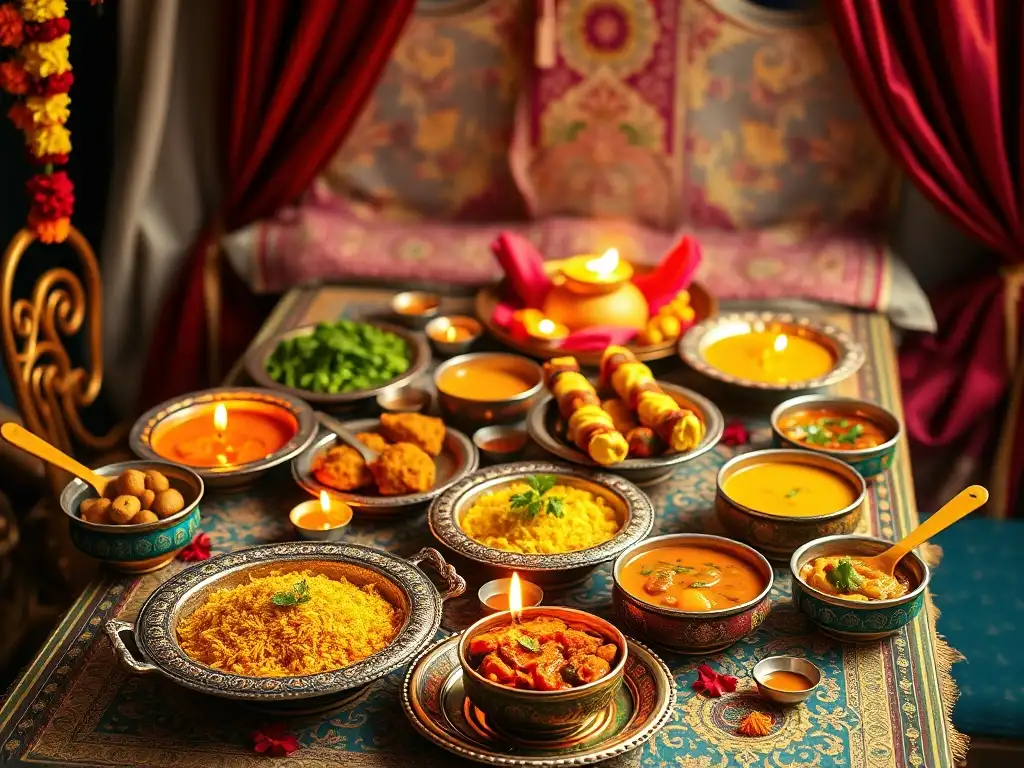
Welcome to Ancient India History, where we embark on a journey through the vibrant tapestry of India's past! Here, you will discover the fascinating stories and rich traditions that have shaped one of the world's oldest civilizations. In our featured article, "The Art of Festive Cuisine: Traditional Dishes That Define Indian Celebrations," we delve into the mouthwatering world of traditional Indian festive dishes that not only tantalize the taste buds but also enrich our cultural heritage.
Join us as we explore how these culinary delights play a pivotal role in the celebrations that unite communities and honor age-old customs. Get ready to savor the flavors of history!
Introduction to Traditional Indian Festive Dishes
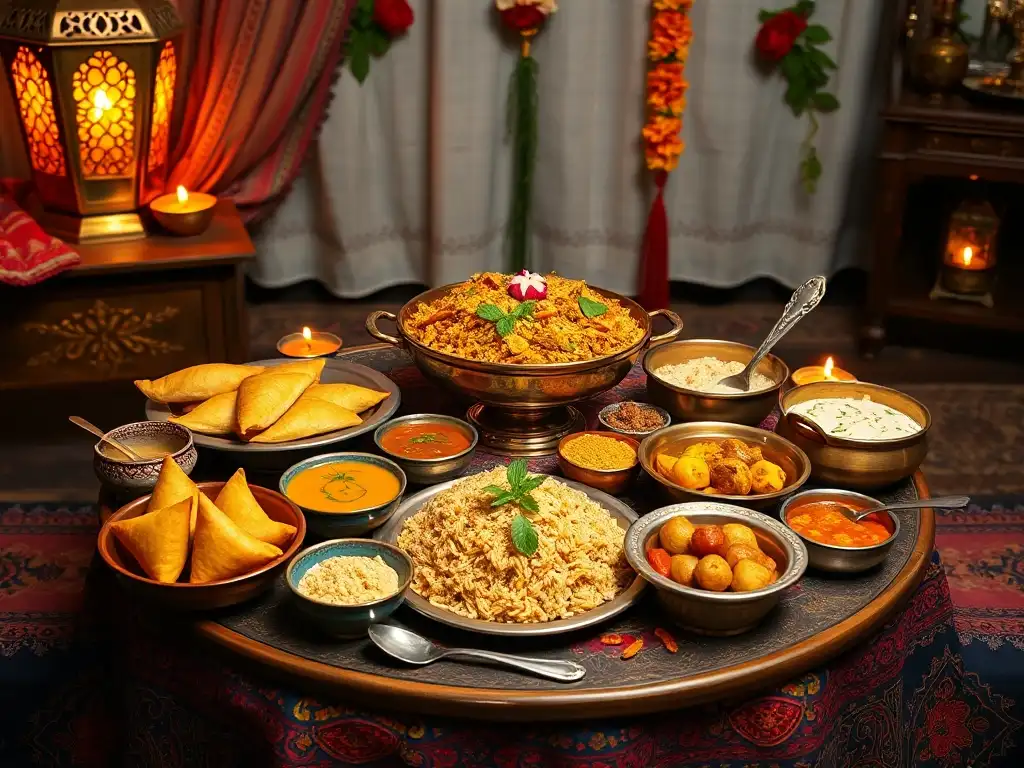
India, a land of diverse cultures and vibrant traditions, is renowned for its rich tapestry of culinary practices that are intricately woven into its festive celebrations. Traditional Indian festive dishes are not just mere food items; they embody the essence of joy, togetherness, and cultural heritage.
From the spicy and sweet flavors of the North to the subtle and aromatic dishes of the South, each region boasts its unique festive cuisine that reflects its traditions and beliefs. Festivals in India serve as a canvas on which the culinary arts flourish, presenting an opportunity for families and communities to come together and celebrate their shared heritage through food.
As we delve into the world of traditional Indian festive dishes, we will explore how these culinary creations define the essence of celebrations across various regions, showcasing their significance and the rich flavors they bring to the table.
The Significance of Cuisine in Indian Celebrations
Cuisine plays a pivotal role in Indian celebrations, acting as a medium through which cultural values and traditions are expressed. Food is often seen as a symbol of hospitality and love, and its preparation is typically a communal affair, bringing families and friends together.
- Cultural Symbolism: Many dishes are prepared with specific ingredients that hold symbolic meanings. For instance, sweets are often made to signify the sweetness of life and the joy of togetherness.
- Ritualistic Importance: Certain dishes are prepared as offerings during religious rituals, highlighting the spiritual connection between food and faith.
- Seasonal Ingredients: Traditional festive cuisine often incorporates seasonal ingredients, showcasing the agricultural bounty of the region and the importance of sustainability.
Overview of Regional Variations in Festive Foods
India's vast landscape is home to a multitude of cultures, each contributing to the rich diversity of festive cuisine. Here’s a brief overview of how different regions celebrate with their unique dishes:
- North India: Known for its rich and heavy gravies, North Indian festive dishes include items like Biryani, Paneer Tikka, and an array of sweets such as Gulab Jamun and Jalebi.
- South India: Celebrations are marked by dishes like Sambar, Rasam, and various rice preparations, often accompanied by Payasam for dessert, showcasing the region's love for rice and lentils.
- East India: Famous for its sweets like Rasgulla and Sandesh, East Indian festive foods often feature fish and rice, reflecting the coastal geography.
- West India: Diverse flavors are evident in dishes like Dhokla, Puran Poli, and Gajar ka Halwa, demonstrating the blend of spices and sweets typical of the region.
Major Festivals Celebrated in India
India's festive calendar is brimming with celebrations, each accompanied by a unique array of traditional dishes that enhance the festive spirit. Here, we explore some of the major festivals and the culinary delights that define them.
Diwali: The Festival of Lights
Diwali, celebrated by millions across the globe, marks the triumph of light over darkness and good over evil. This festival is synonymous with a lavish spread of festive foods, including:
- Sweets: Ladoo, Barfi, and Kaju Katli are essential treats prepared during this time.
- Savories: Samosas, Pakoras, and Chakli add a savory touch to the celebrations.
Holi: The Festival of Colors
Holi, the exuberant festival of colors, is celebrated with a spirit of joy and togetherness. The culinary highlights of this festival include:
- Sweets: Gujiya, a sweet dumpling filled with khoya and nuts, is a must-have.
- Savory Snacks: Dahi Bhalla and Papri Chaat offer a refreshing contrast to the sweets.
Eid: A Celebration of Unity and Feast
Eid is a festival that emphasizes unity and sharing, and the culinary spread reflects this spirit:
- Main Dishes: Biryani, Kebabs, and Nihari are often prepared to celebrate the occasion.
- Sweets: Sheer Khurma, made with vermicelli and milk, is a traditional sweet dish enjoyed on Eid.
Pongal: The Harvest Festival of South India
Pongal, a harvest festival celebrated in South India, is known for its traditional rice dish, also called Pongal, which is made with freshly harvested rice and flavored with ghee and spices. Accompanying dishes include:
- Sweets: Pongal is often served with Chakkara Pongal, a sweet version made with jaggery and coconut.
- Savory Dishes: Ven Pongal, a savory variant, is typically served with coconut chutney and sambar.
Through these celebrations, traditional Indian festive dishes not only tantalize the taste buds but also strengthen bonds of love and community, making every festival a memorable culinary journey.
Key Ingredients in Traditional Indian Festive Dishes
Traditional Indian festive dishes are renowned for their vibrant flavors, intricate preparations, and the use of diverse ingredients. The hallmark of these dishes lies not only in their taste but also in the symbolic meanings associated with the ingredients used. Key ingredients often include:
- Grains and Pulses: Staples such as rice, wheat, and lentils form the foundation of many festive meals. They are often prepared in unique ways that reflect regional traditions.
- Vegetables: Seasonal vegetables play a crucial role in adding freshness and nutrition to festive dishes. Commonly used vegetables include potatoes, carrots, peas, and gourds.
- Dairy Products: Ghee (clarified butter), paneer (cottage cheese), and yogurt are frequently used to enrich flavors and add creaminess to various preparations.
- Nuts and Dried Fruits: Almonds, cashews, and raisins not only enhance the taste but also symbolize prosperity and abundance during celebrations.
Spices That Define Indian Cuisine
Spices are the soul of Indian cuisine, especially in festive dishes. Their aromatic profiles and health benefits contribute significantly to the overall experience. Some essential spices include:
- Cumin: A staple that adds a warm, earthy flavor. It is often used in tempering and as a seasoning.
- Coriander: Both fresh leaves and ground seeds are used, offering a citrusy note that brightens dishes.
- Turmeric: Known for its vibrant yellow color and health properties, turmeric is a common ingredient in many festive preparations.
- Garam Masala: A blend of spices that varies by region, garam masala is typically added at the end of cooking to enhance the dish's aroma and flavor.
- Cardamom and Cloves: These spices add a sweet, aromatic touch, commonly used in sweets and savory dishes alike.
Common Ingredients Across Regional Festive Dishes
While the diversity of Indian cuisine is vast, certain ingredients are ubiquitous across various regional festive dishes. These include:
- Rice: From biryanis in the north to pongal in the south, rice is a central component of many celebrations.
- Lentils: Dishes like dal are integral to festive meals, symbolizing health and prosperity.
- Tamarind: Used for its tangy flavor, tamarind is a common ingredient in chutneys and gravies.
- Coconut: Particularly in southern and coastal regions, coconut adds richness and flavor to both sweet and savory dishes.
- Seasonal Fruits: Fruits like mango, jackfruit, and banana are often used in festive dishes, signifying abundance and fertility.
The Role of Sweets in Indian Festivals
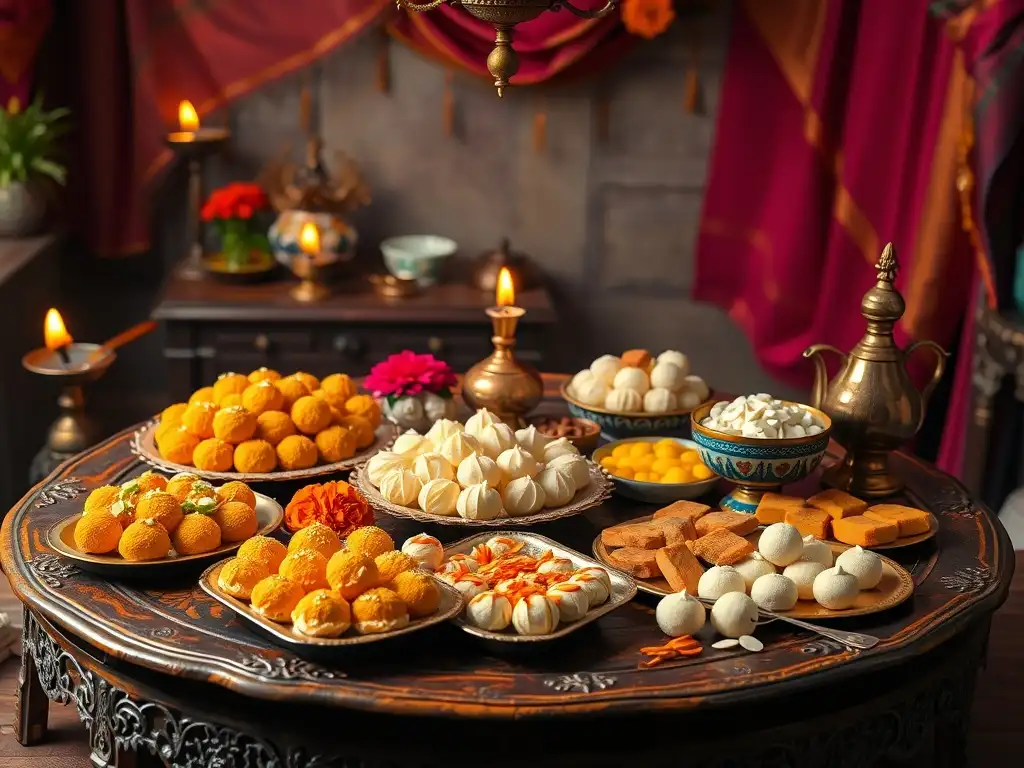
Sweets hold a special place in Indian festivals, symbolizing joy, prosperity, and the sweetness of life. They are often made with meticulous care and presented as offerings to deities during celebrations. The preparation and sharing of sweets serve as an expression of love and goodwill among family and friends.
Sweets are not just desserts; they are an integral part of the cultural fabric that binds communities together during festive occasions. Each festival has its signature sweets, making them an exciting aspect of celebratory meals.
Popular Indian Sweets for Celebrations
Indian festivals are incomplete without an array of sweets that tantalize the taste buds. Some popular sweets include:
- Gulab Jamun: Soft, round balls made from milk solids, deep-fried, and soaked in a sugary syrup, this sweet is a favorite during many festivals.
- Jalebi: Crisp and syrupy spirals made from fermented batter, jalebi is often enjoyed during celebrations for its irresistible sweetness.
- Ladoo: These round sweets come in various forms, such as besan ladoo (made from chickpea flour) and motichoor ladoo (made from tiny gram flour pearls).
- Barfi: A fudge-like sweet made from condensed milk, sugar, and various flavorings, barfi comes in different varieties, including kaju barfi (cashew) and coconut barfi.
- Rasgulla: Spongy, syrup-soaked balls made from chhena (fresh cheese), rasgulla is particularly popular in Bengali festivities.
The Tradition of Giving and Sharing Sweets
The act of giving and sharing sweets during festivals is deeply ingrained in Indian culture. This tradition serves multiple purposes:
- Symbol of Goodwill: Sharing sweets is a gesture of friendship, goodwill, and community bonding. It fosters relationships and strengthens ties among family and friends.
- Cultural Significance: Many festivals are associated with specific sweets that reflect the historical and cultural significance of the occasion. For example, during Diwali, exchanging sweets signifies the victory of light over darkness.
- Religious Offering: Sweets are often prepared as offerings to deities during pujas (prayer ceremonies), symbolizing devotion and gratitude.
- Celebration of Life: The sharing of sweets signifies the joy of life and the celebration of important milestones such as births, weddings, and festivals, creating a sense of belonging and communal harmony.
Cooking Techniques for Traditional Indian Festive Dishes
Traditional Indian festive dishes are steeped in history and are prepared using a variety of cooking techniques that have been passed down through generations. Each method not only enhances the flavor and texture of the food but also reflects the cultural significance of the occasion. From slow cooking to intricate frying techniques, these methods contribute to the unique culinary landscape of India.
The use of spices plays a crucial role in traditional cooking techniques. Techniques such as tempering (tadka) involve heating oil and adding spices to release their essential oils, which infuses the dish with rich flavors. Similarly, slow cooking methods like dum allow the ingredients to meld together, creating a harmonious blend of tastes that is characteristic of many festive dishes.
Traditional Methods of Preparation
Traditional methods of preparation vary across regions, reflecting local customs and available ingredients. Some notable techniques include:
- Dum Cooking: A slow-cooking method where food is sealed in a pot and cooked over low heat, allowing flavors to develop deeply. Popular dishes like Biryani are often prepared using this technique.
- Tandoori Cooking: Utilizing a clay oven (tandoor), this method imparts a distinct smoky flavor to dishes like Tandoori Chicken and Naan, making it a favorite during celebrations.
- Steaming: Common in South Indian cuisine, many festive dishes like Idli and Modak are steamed, preserving their nutrients while ensuring a soft texture.
- Grilling and Roasting: These methods are often employed for meats and vegetables, enhancing their flavors and giving them a charred, aromatic touch.
These traditional methods are not just about cooking; they embody the essence of Indian culture, where food is often viewed as a means of bringing together families and communities during festivals.
Modern Adaptations of Age-Old Recipes
With the influence of globalization and changing lifestyles, modern adaptations of traditional recipes have emerged. While many families still adhere to age-old techniques, the introduction of contemporary cooking appliances and ingredients has led to innovative approaches.
- Pressure Cooking: This method has become popular for its efficiency, allowing traditional recipes to be prepared in a fraction of the time while maintaining flavor. Dishes like Khichdi can now be made quickly without sacrificing authenticity.
- Fusion Cuisine: Chefs and home cooks alike are experimenting with traditional festive dishes by incorporating international flavors and techniques. For instance, traditional Paneer Tikka might be served in a taco, blending Indian and Mexican cuisines.
- Health Conscious Versions: As dietary preferences evolve, many festive dishes are being reimagined using healthier ingredients. For example, traditional sweets are often made with natural sweeteners like jaggery or dates instead of refined sugar.
While these modern adaptations may differ from their traditional counterparts, they continue to celebrate the essence of festive cooking, making them relevant for contemporary celebrations.
Conclusion: The Legacy of Traditional Indian Festive Dishes
The legacy of traditional Indian festive dishes is a testament to the rich cultural tapestry of India. These dishes not only satiate hunger but also nourish the soul, encapsulating stories of heritage, family, and celebration. Each festive occasion, be it Diwali, Eid, or Pongal, is incomplete without the signature dishes that evoke nostalgia and create lasting memories.
Preserving Culinary Heritage Through Generations
Preserving culinary heritage is vital in maintaining the identity and diversity of Indian culture. Families often pass down recipes and cooking techniques through storytelling, ensuring that each generation understands the significance of these festive dishes. Community gatherings during festivals further reinforce this practice, as families come together to cook and share their traditional recipes, fostering a sense of belonging and continuity.
Efforts are also being made through culinary schools and workshops to document and teach traditional cooking methods, ensuring that they are not lost to time. By engaging younger generations in the cooking process, the essence of traditional Indian festive cuisine can be preserved and celebrated.
The Future of Traditional Indian Cuisine in Festivities
As India continues to evolve, so does its culinary landscape. The future of traditional Indian cuisine during festivities lies in striking a balance between time-honored practices and modern influences. While the essence of traditional dishes will always hold a place in cultural celebrations, the adaptability of these recipes will ensure their relevance in contemporary society.
With the rise of social media, there is a renewed interest in showcasing traditional cooking techniques and festive dishes. This not only promotes awareness but also encourages people to experiment with and appreciate the rich culinary traditions of India. As long as the passion for food and celebration persists, traditional Indian festive dishes will continue to thrive and evolve, telling the story of a vibrant and diverse culture.
- Introduction to Traditional Indian Festive Dishes
- Major Festivals Celebrated in India
- Key Ingredients in Traditional Indian Festive Dishes
- The Role of Sweets in Indian Festivals
- Cooking Techniques for Traditional Indian Festive Dishes
- Conclusion: The Legacy of Traditional Indian Festive Dishes
Frequently Asked Questions
What are some examples of traditional Indian festive dishes?
Traditional Indian festive dishes include Biryani, Samosas, Ladoo, and Puran Poli. Each dish has its own cultural significance and is often prepared during celebrations.
Why are festive dishes important in Indian culture?
Festive dishes play a crucial role in Indian culture as they symbolize celebration, community, and tradition. Sharing these dishes fosters a sense of togetherness during festivals.
How do regional variations affect traditional festive dishes?
Regional variations lead to diverse flavors and ingredients used in traditional festive dishes. For example, Pongal in the South differs significantly from Khichdi in the North, showcasing regional culinary identities.
Are there specific dishes for particular Indian festivals?
Yes, certain dishes are often associated with specific festivals. For instance, Gulab Jamun is popular during Diwali, while Modak is traditionally prepared during Ganesh Chaturthi.
How can one learn to prepare these traditional festive dishes?
One can learn to prepare these dishes through cooking classes, family recipes, or online tutorials. Engaging with local chefs or exploring cookbooks dedicated to Indian cuisine is also beneficial.
Final Reflection: Celebrating Tradition Through Festive Cuisine
The essence of Indian culture is intricately woven into its traditional festive dishes, making them not just food, but a celebration of heritage and identity. In a world that often prioritizes speed and convenience, these culinary traditions remind us of the importance of taking the time to honor our roots and the stories behind each dish. The flavors, aromas, and rituals associated with festive cuisine serve as a bridge connecting generations, ensuring that our rich cultural tapestry remains vibrant and alive.
The impact of traditional Indian festive dishes extends far beyond the dining table; it shapes our social fabric and strengthens community bonds. Each celebration, marked by the preparation and sharing of these dishes, fosters a sense of belonging and continuity. As we gather with loved ones, we not only savor the food but also the memories and traditions that accompany it. Food is not just what we eat; it is a reflection of who we are.
This perspective highlights how our culinary practices are a vital part of our identity, influencing how we connect with one another and our cultural heritage.
As you reflect on the significance of traditional Indian festive dishes, consider how you can incorporate these culinary traditions into your own celebrations. Embrace the opportunity to cook, share, and learn about these dishes, not only to savor their flavors but also to honor the stories they tell. Let each meal be a reminder of the rich history and culture that shapes our lives, inspiring you to cherish and pass on these traditions to future generations. In doing so, you contribute to the preservation of a vibrant cultural legacy that transcends time and place.
Savor the Flavors: Bring Indian Festive Cuisine to Your Table!
Thank you for diving into the rich and vibrant world of Indian festive cuisine! We hope you found inspiration in the traditional dishes that truly define our celebrations. Now, it's time to bring that same joy and flavor into your own home!
Here’s how you can get started:
- Try cooking your favorite festive dish this week: Select a recipe that resonates with you and experience the traditional tastes right in your kitchen.
- Share your culinary creations on social media: Tag us and connect with others who are also exploring the delightful world of Indian cuisine!
- Join a local cooking class or workshop: Immerse yourself in the art of Indian cooking and celebrate the culture in every dish you create.
What festive dish are you most excited to prepare, and what memories does it evoke for you?