
The Significance of Fire in Indian Festivals: Purification and Celebration

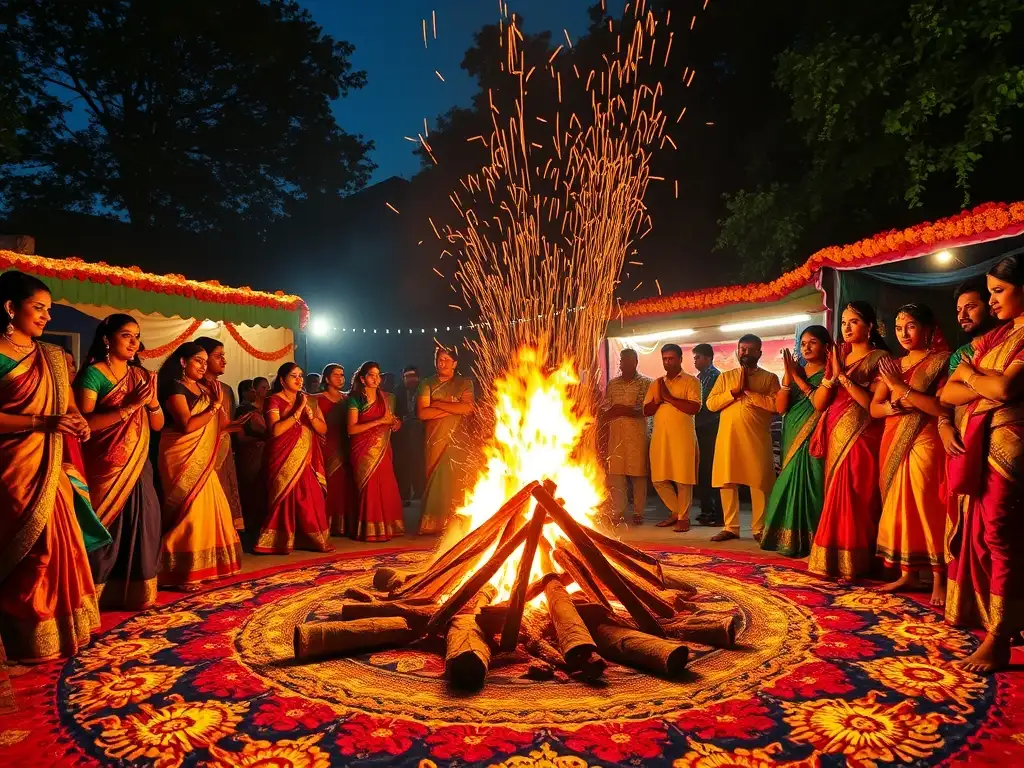
Welcome to Ancient India History, where we embark on a captivating journey through the rich tapestry of ancient Indian civilizations. Today, we delve into the illuminating significance of fire in Indian festivals—a symbol of purification and celebration that ignites the spirit of tradition. As we explore the deep-rooted cultural practices that have shaped India's vibrant heritage, you'll uncover the fascinating roles that fire plays in rituals, festivities, and communal bonds. Ready to kindle your curiosity? Join us as we illuminate the profound connections between fire and the festivals that have stood the test of time!
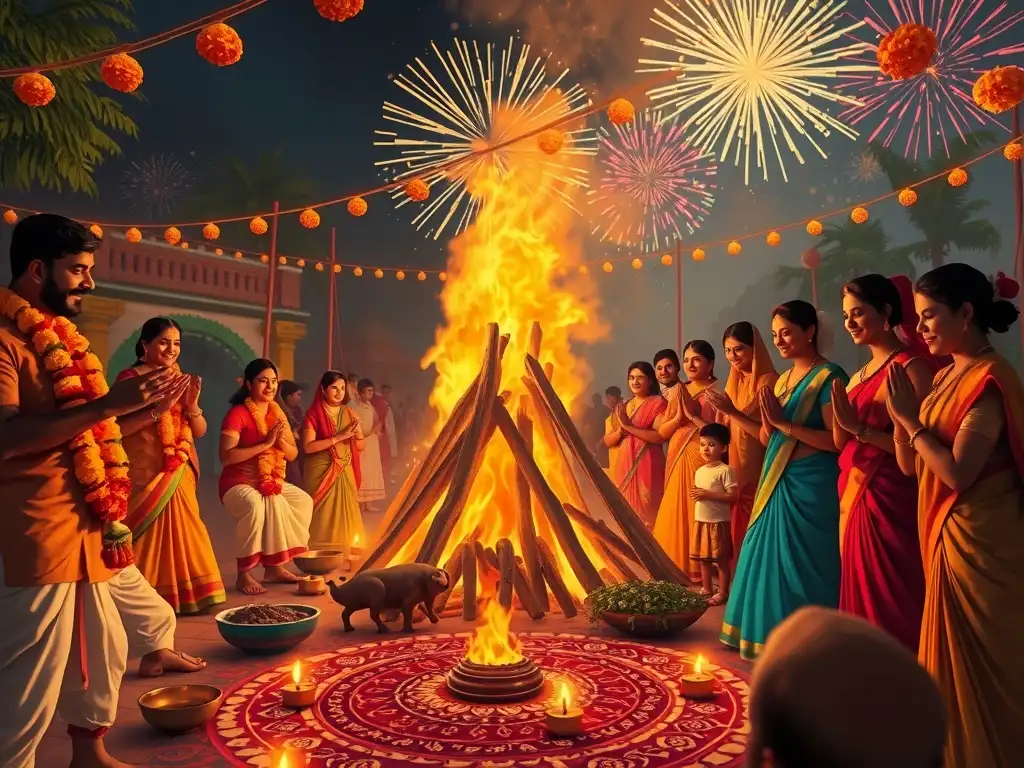
Fire has held a profound significance in Indian culture and traditions for centuries, serving as a symbol of purification, transformation, and celebration. From the flickering flames of the hearth to the grand bonfires of festivals, fire represents not only a physical element but also an embodiment of spiritual and cultural values.
In India, where festivals are deeply interwoven with religious beliefs and social customs, the presence of fire—whether in rituals, offerings, or celebrations—plays a central role in enhancing the festive spirit and fostering community bonds. This article delves into the multifaceted significance of fire in Indian festivals, exploring its historical context, cultural practices, and the myriad ways it symbolizes both purification and celebration.
Introduction to Fire in Indian Festivals
Fire is more than just a source of light and warmth; it is a sacred element that signifies life and energy across various cultures. In India, fire is often personified as Agni, the fire god, revered in ancient texts and rituals. Its presence in festivals symbolizes the removal of negativity, the ushering in of prosperity, and the celebration of life itself. During various festivities, fire is used in numerous forms—be it in the form of lamps, bonfires, or sacred flames in rituals—each representing a unique aspect of cultural heritage.
Understanding the Role of Fire in Cultural Practices
The role of fire in Indian cultural practices is deeply rooted in the philosophy that associates fire with purity and sanctity. It is believed that fire has the ability to cleanse and transform, making it an essential element in rituals. Some key aspects include:
- Purification: Fire is often used in purification rituals, where it symbolizes the removal of impurities from both the physical and spiritual realms.
- Offerings: Many festivals involve making offerings to the fire, which is seen as a mediator between humans and the divine.
- Celebration: The lighting of lamps or bonfires signifies joy, unity, and the celebration of abundance and prosperity.
These cultural practices highlight the reverence for fire not just as a physical element, but as a powerful symbol of life, spirituality, and communal harmony.
Overview of Indian Festivals Celebrating Fire
Several Indian festivals prominently feature fire as a central theme. Some notable festivals include:
- Diwali: Known as the Festival of Lights, Diwali involves the lighting of oil lamps to symbolize the victory of light over darkness.
- Holi: The festival of colors begins with the lighting of bonfires, signifying the destruction of evil and the arrival of spring.
- Makar Sankranti: Celebrated with kite flying, this festival also involves lighting bonfires to mark the end of winter and the beginning of harvest season.
These festivals not only celebrate the significance of fire but also bring communities together, fostering a sense of belonging and shared heritage.
Historical Context of Fire in Indian Traditions
To fully understand the significance of fire in Indian festivals, it is essential to explore its historical context. Ancient texts and archaeological findings reveal the central role that fire has played throughout Indian history, particularly in spiritual and cultural practices.
Ancient Texts and References to Fire in Rituals
Fire has been mentioned extensively in ancient Indian scriptures, such as the Vedas and Upanishads. These texts highlight fire's role in various rituals and sacrifices (yajnas) where offerings are made to the divine.
- Vedic Rituals: The Rigveda contains hymns dedicated to Agni, emphasizing his importance in rituals aimed at ensuring prosperity and protection.
- Philosophical Significance: In many texts, fire is not only a physical element but also a metaphor for knowledge and enlightenment.
These ancient references underscore the enduring significance of fire in Indian traditions and its evolution over time.
The Evolution of Fire Rituals in Indian Festivals
The rituals associated with fire have evolved significantly, reflecting changes in societal norms, religious beliefs, and cultural practices. As society progressed, so did the understanding and representation of fire in festivals:
- Integration of Local Traditions: Various regional festivals have incorporated fire rituals, blending ancient practices with local customs.
- Modern Interpretations: Contemporary celebrations often reinterpret traditional fire rituals, adapting them to modern values while retaining their core significance.
This evolution illustrates the dynamic nature of Indian culture, where the ancient practice of fire worship continues to adapt and thrive in modern celebrations.
The significance of fire in Indian festivals is a rich tapestry that intertwines purification, celebration, and cultural heritage, offering insights into the values and beliefs that have shaped Indian civilization for millennia.
Purification through Fire in Indian Festivals
Fire holds a profound significance in Indian festivals, particularly relating to the concept of purification. Rooted deeply in the ancient beliefs and spiritual practices of Indian culture, fire is seen as a powerful element that has the ability to cleanse and renew. This association stems from its ability to transform substances and is often likened to the transformative processes inherent in life itself. Festivals such as Diwali, Holi, and Makar Sankranti prominently feature fire rituals that embody this purifying aspect, serving as a reminder of the need to discard negativity and welcome positivity into one’s life.
Symbolism of Fire as a Purifying Element
In various Indian traditions, fire symbolizes purity and is viewed as a divine entity. It is believed that fire possesses the power to purify not just the physical realm but also the emotional and spiritual aspects of life. The belief is that as offerings are made into the flames, impurities from the past are consumed, allowing for renewal and rebirth.
During rituals, the sacred fire, or "Agni," is invoked to act as a mediator between humans and the divine, reinforcing the connection with the spiritual world. This symbolism is particularly evident during the ritual of "homa," where offerings are made to the fire, signifying a plea for blessings, prosperity, and protection from negativity.
Fire Rituals for Cleansing and Renewal
Fire rituals are integral to many Indian festivals, serving as acts of cleansing and renewal. For instance, during Diwali, the Festival of Lights, households perform "Lakshmi Puja" where diyas (oil lamps) are lit, symbolizing the dispelling of darkness and ignorance. This ritual is accompanied by the lighting of bonfires in some regions, marking the victory of light over darkness.
Similarly, during Makar Sankranti, people take holy dips in rivers and light bonfires to signify the end of winter and the welcoming of longer days. These rituals not only cleanse the environment but also foster a sense of communal harmony as families and communities gather to partake in the celebrations together.
Celebratory Aspects of Fire in Indian Festivals
Beyond its purifying qualities, fire plays a significant role in the celebratory aspects of Indian festivals. It serves as a focal point for gatherings, ceremonies, and expressions of joy. The vibrant flames and glowing embers create an atmosphere of warmth and togetherness, enhancing the festive spirit. Festivals like Holi and Diwali highlight how fire is interwoven into the celebrations, symbolizing not just purification but also the exuberance of life.
Fire as a Symbol of Joy and Community
Fire symbolizes joy and community in Indian festivals, acting as a unifying force that brings people together. During celebrations, families and friends gather around bonfires, sharing stories, laughter, and food, strengthening their bonds. The act of lighting a fire is often accompanied by prayers and songs that call for happiness and prosperity. For instance, during Lohri, a festival celebrated in Punjab, people dance around the bonfire, celebrating the harvest season and expressing gratitude for abundance. This communal aspect of fire fosters a sense of belonging and reinforces cultural identity.
Traditional Fire Dances and Performances in Festivals
Traditional fire dances and performances are an integral part of many Indian festivals, showcasing the cultural significance of fire in artistic expressions. These performances often involve intricate choreography and storytelling, where performers dance around flames, enhancing the visual spectacle of the celebrations. For example, the "Koli" dance in Maharashtra is performed around bonfires during festivals, celebrating the fishing community's connection with nature and the elements.
Such performances not only entertain but also serve as a means of passing down cultural traditions, keeping the spirit of the festivals alive for future generations. The vibrant atmosphere created by these fire-related performances enriches the festival experience, making it a memorable occasion for all participants.
Major Indian Festivals Featuring Fire
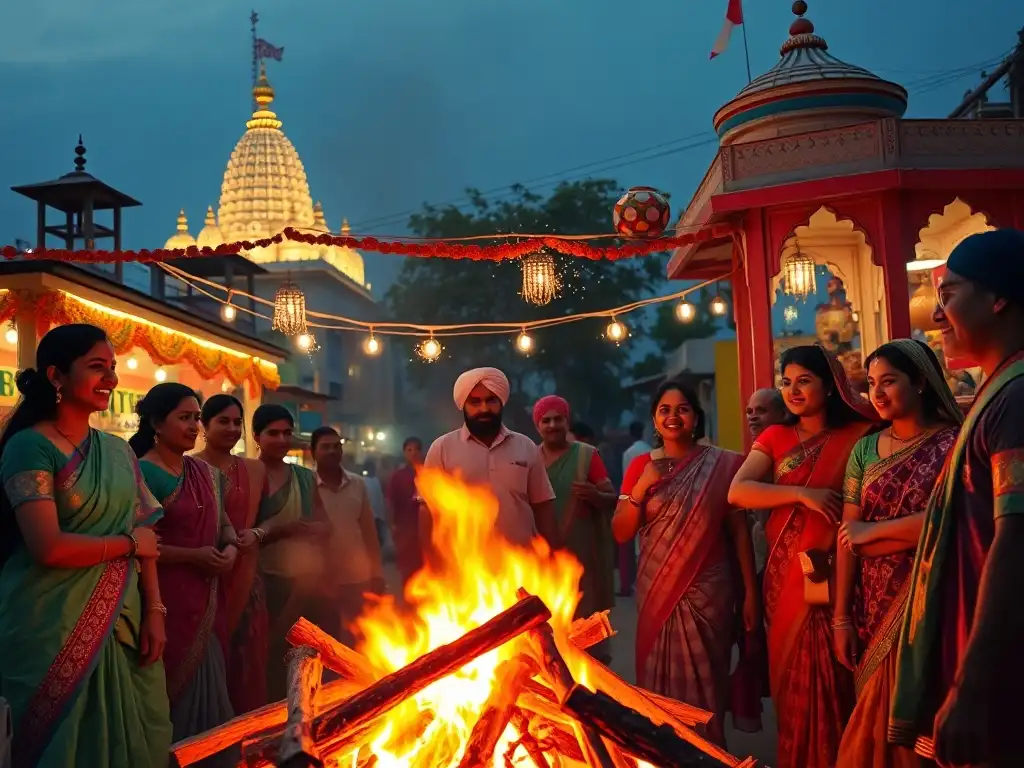
Fire plays a pivotal role in various Indian festivals, symbolizing purification, energy, and the triumph of good over evil. This element is not only a tool for celebration but also a means of connecting with the divine and acknowledging the cyclical nature of life. Let’s explore some of the major festivals in India where fire takes center stage.
Diwali: The Festival of Lights and Fire
Diwali, also known as Deepavali, is one of the most celebrated festivals in India, renowned for its vibrant display of lights and fireworks. The festival marks the victory of Lord Rama over the demon king Ravana, symbolizing the triumph of light over darkness.
During Diwali, households illuminate their homes with oil lamps (diyas) and candles, creating a breathtaking sight. Fireworks burst in the night sky, representing joy and celebration. Additionally, the ritual of performing Lakshmi Puja involves lighting a sacred fire to invite the goddess of wealth and prosperity into homes. This fire acts as a purifying force, dispelling negative energies and ushering in a new beginning.
Holi: The Celebration of Colors and Fire
Holi, the festival of colors, is celebrated with exuberance across India, marking the arrival of spring and the victory of good over evil. One of the most significant rituals associated with Holi is the Holika Dahan, where a bonfire is lit on the eve of the festival.
This bonfire symbolizes the burning of evil, representing the story of Prahlada and Holika. People gather around the fire to sing, dance, and celebrate, reinforcing community bonds. The ashes from the fire are often used as a symbol of purification, aligning the festival with the theme of renewal and rebirth.
Makar Sankranti: Harvest Festival and Fire Traditions
Makar Sankranti is a harvest festival celebrated in various parts of India, marking the transition of the sun into the zodiac sign of Capricorn. This festival is celebrated with great enthusiasm, and bonfires play a crucial role in the festivities.
On the night before Makar Sankranti, people light bonfires, symbolizing the end of winter and the welcoming of longer days. The fire is often accompanied by the chanting of mantras and offerings of sweets and grains, emphasizing gratitude for the harvest. The flames are believed to purify and bless participants, reinforcing the connection between agricultural practices and spiritual beliefs.
Other Notable Festivals Involving Fire Rituals
In addition to the aforementioned festivals, several other Indian celebrations incorporate fire rituals.
- Navratri: This nine-night festival involves the lighting of lamps and creation of sacred fires to honor the goddess Durga.
- Pongal: Celebrated in Tamil Nadu, this harvest festival includes the cooking of rice in a pot over an open flame, symbolizing abundance and gratitude.
- Baisakhi: Marking the Punjabi New Year and the harvest season, Baisakhi features fire rituals to celebrate the earth's bounty.
These festivals highlight the integral role of fire in not only celebrating but also purifying and connecting communities during significant life events.
The Spiritual Significance of Fire in Indian Festivals
Fire holds profound spiritual significance in Indian traditions, serving as a bridge between the earthly and the divine. It symbolizes transformation, energy, and the life force that sustains and purifies.
Fire as a Connector to the Divine
In many Indian spiritual practices, fire (Agni) is revered as a divine entity. It is often referred to as a messenger between humans and the gods. This connection is particularly evident in Vedic rituals, where offerings are made into the sacred fire, believed to carry prayers and intentions to the deities.
The act of lighting a fire during festivals signifies the invocation of divine presence, creating a sacred space for worship. The flames are seen as a purifying force, capable of burning away impurities and elevating the spiritual atmosphere, thus enhancing the overall experience of devotion and connection with the divine.
Ritual Offerings and Agni in Worship
Ritual offerings involving fire are a fundamental aspect of many Indian festivals. The practice of performing Homas or Yajnas—a fire ritual where offerings are made into the fire—serves as a means of expressing gratitude and seeking blessings.
During these rituals, participants offer grains, ghee, and herbs, which are believed to be absorbed by the fire and transformed into spiritual energy. This transformation underscores the belief in fire as a purifying element that not only cleanses but also elevates the offerings, making them acceptable to the divine.
Fire's significance in Indian festivals extends beyond mere celebration; it embodies purification, spiritual connection, and community bonding, making it an essential element of cultural practices and traditions.
Regional Variations in the Use of Fire in Celebrations
The use of fire in Indian festivals varies significantly across regions, each with its unique traditions and rituals. This diversity reflects the rich cultural tapestry of India, where fire serves as a powerful symbol of purification, prosperity, and celebration. Understanding these regional variations provides insight into how fire influences community bonding, spiritual practices, and the overall festive spirit throughout the country.
North Indian Fire Rituals and Festivals
In North India, fire rituals are prominently featured in various festivals, with Holi and Diwali being two of the most significant. During Holi, the festival of colors, bonfires known as Holika Dahan are lit to symbolize the victory of good over evil, commemorating the legend of Prahlada and Holika. This ritual not only serves a purification purpose but also fosters communal harmony as people gather around the fire, singing and dancing.
Diwali, the festival of lights, incorporates the lighting of diyas (oil lamps) and candles, which are often placed around the household. The final night of Diwali features the Lakshmi Puja, where families light firecrackers as a way to ward off evil spirits and invite prosperity. These practices highlight the significance of fire as a source of light in darkness, representing hope and renewal.
South Indian Fire Traditions and Celebrations
In South India, fire plays a crucial role in festivals such as Pongal and Navaratri. During Pongal, which is a harvest festival, new rice is cooked in a pot over an open flame, symbolizing gratitude to the Sun God and the earth for a bountiful harvest. The first boiled rice is often offered to the fire, showcasing the connection between sustenance and the divine.
Navaratri, a festival dedicated to the worship of the goddess Durga, includes the ritual of Homa, where offerings are made to the sacred fire. This ritual is believed to purify the surroundings and invoke the blessings of the goddess. The fire serves as a medium for communication with the divine, emphasizing its spiritual significance in South Indian celebrations.
Eastern and Western Indian Practices Involving Fire
In Eastern India, particularly in West Bengal, the festival of Durga Puja features the immersion of the idol of Goddess Durga in water, accompanied by the ritual of lighting fire to signify the end of the festival. The flames symbolize the farewell to the goddess, marking a transition and renewal within the community.
In Western India, the festival of Makar Sankranti involves the lighting of bonfires to mark the harvest season. People gather around these fires to celebrate the sun's return to the northern hemisphere, which is viewed as a time of new beginnings. The celebration includes traditional sweets made from sesame seeds and jaggery, which are often offered to the fire as part of the rituals, reinforcing the themes of gratitude and abundance.
Conclusion: The Enduring Significance of Fire in Indian Festivals
The role of fire in Indian festivals transcends mere symbolism; it embodies deep-rooted cultural values and practices that have been passed down through generations. Fire represents both a physical and metaphysical force that connects the past with the present, serving as a focal point for rituals and celebrations.
Summary of Fire's Role in Purification and Celebration
Throughout India, fire is intricately linked to purification and celebration. It acts as a medium for offering prayers, signaling the end of negativity, and inviting positivity into the lives of individuals and communities. Whether it is through the lighting of diyas, bonfires, or sacred fires during rituals, the presence of fire marks significant moments of joy and reverence.
The Lasting Impact of Fire Rituals on Indian Culture and Heritage
The enduring impact of fire rituals on Indian culture is profound. These practices have fostered a sense of identity and continuity within communities, binding generations together through shared traditions. The significance of fire in Indian festivals not only highlights its role in spiritual and communal life but also showcases the rich cultural heritage that continues to thrive in modern India. Through the lens of fire, one can appreciate the intricate connections between celebration, purification, and the reverence for nature and the divine that characterize Indian festivals.
- Introduction to Fire in Indian Festivals
- Historical Context of Fire in Indian Traditions
- Purification through Fire in Indian Festivals
- Celebratory Aspects of Fire in Indian Festivals
- Major Indian Festivals Featuring Fire
- The Spiritual Significance of Fire in Indian Festivals
- Regional Variations in the Use of Fire in Celebrations
- Conclusion: The Enduring Significance of Fire in Indian Festivals
- What is the significance of fire in Indian festivals?
- How does fire relate to purification in Indian culture?
- Can you give examples of festivals where fire plays a central role?
- What are the cultural implications of fire in these festivals?
- How does the significance of fire differ across various Indian festivals?
Frequently Asked Questions
What is the significance of fire in Indian festivals?
Fire holds deep symbolic meaning in Indian festivals, representing purification, transformation, and the victory of light over darkness. It is often used in rituals to invoke blessings and create a sacred atmosphere.
How does fire relate to purification in Indian culture?
In many Indian traditions, fire is considered a purifying element. Rituals involving fire, such as homa or yajna, are believed to cleanse the environment and the participants, facilitating a connection to the divine.
Can you give examples of festivals where fire plays a central role?
Festivals like Diwali, Makar Sankranti, and Holi prominently feature fire. For instance, during Diwali, diyas (oil lamps) are lit, symbolizing the triumph of good over evil, while Holi includes the burning of holika to celebrate the arrival of spring.
What are the cultural implications of fire in these festivals?
Fire symbolizes community bonding and celebration in Indian festivals. Gathering around a fire enhances social ties and shared experiences, making it an essential part of festive traditions.
How does the significance of fire differ across various Indian festivals?
While fire generally represents purification and celebration, its specific meanings can vary. For example, in Pongal, fire signifies the harvest celebration, while in Navaratri, it represents the worship of the goddess Durga through the sacred flame.
Final Reflection: The Enduring Significance of Fire in Indian Festivals
The role of fire in Indian festivals transcends mere symbolism; it embodies the essence of purification and celebration that resonates deeply within contemporary society. As we navigate through a world increasingly disconnected from its roots, the rituals surrounding fire remind us of our shared humanity and the cultural heritage that binds us. The flames that flicker during Diwali, Holi, and other festivals serve not only as a source of light but also as a beacon of hope and renewal in our lives.
The significance of fire in these celebrations continues to shape our cultural landscape, influencing not just traditions but also our personal connections to them. Each festival, marked by the warmth of fire, fosters a sense of community and belonging that is vital in today's fast-paced world. As noted by cultural anthropologist Dr. Aditi Sharma, Fire is the heart of our festivals; it ignites our spirits and connects us to our ancestors.
This ongoing influence encourages us to reflect on our identities and the values we hold dear, reminding us that these traditions are not relics of the past but living practices that enrich our present.
As you reflect on the themes presented in this article, I invite you to embrace the lessons of fire in your own life. Consider how you can incorporate the principles of purification and celebration into your daily routine, fostering connections with family, friends, and your community. Let the warmth of fire inspire you to ignite your passions and celebrate the moments that matter, ensuring that the significance of fire in Indian festivals continues to illuminate your path forward.
Ignite Your Passion for Indian Festivals!
Thank you for diving into the vibrant world of Indian festivals and exploring the profound significance of fire in these celebrations. Your interest in this rich cultural aspect not only enriches your understanding but also honors the traditions that connect us all. Now, it's time to take your newfound knowledge a step further!
Here's how you can celebrate and embrace the essence of fire in Indian festivals:
- Attend a Local Festival: Seek out an Indian festival in your community and experience the energy of fire rituals firsthand. Feel the warmth of connection as you join in the celebration!
- Share Your Learning: Discuss the significance of fire in festivals with friends and family. Spread the word by sharing this article on social media to inspire others to appreciate these meaningful traditions.
- Try Your Hand at a DIY Ritual: Gather some friends and create your own mini festival at home! Light candles, offer food to the flames, and share stories that highlight the values celebrated during these moments.
As you reflect on these actions, consider this: How can you incorporate the spirit of these traditions into your life, beyond just the festivals? We’d love to hear your thoughts!