
The Influence of Ancient Texts on Modern Indian Celebrations

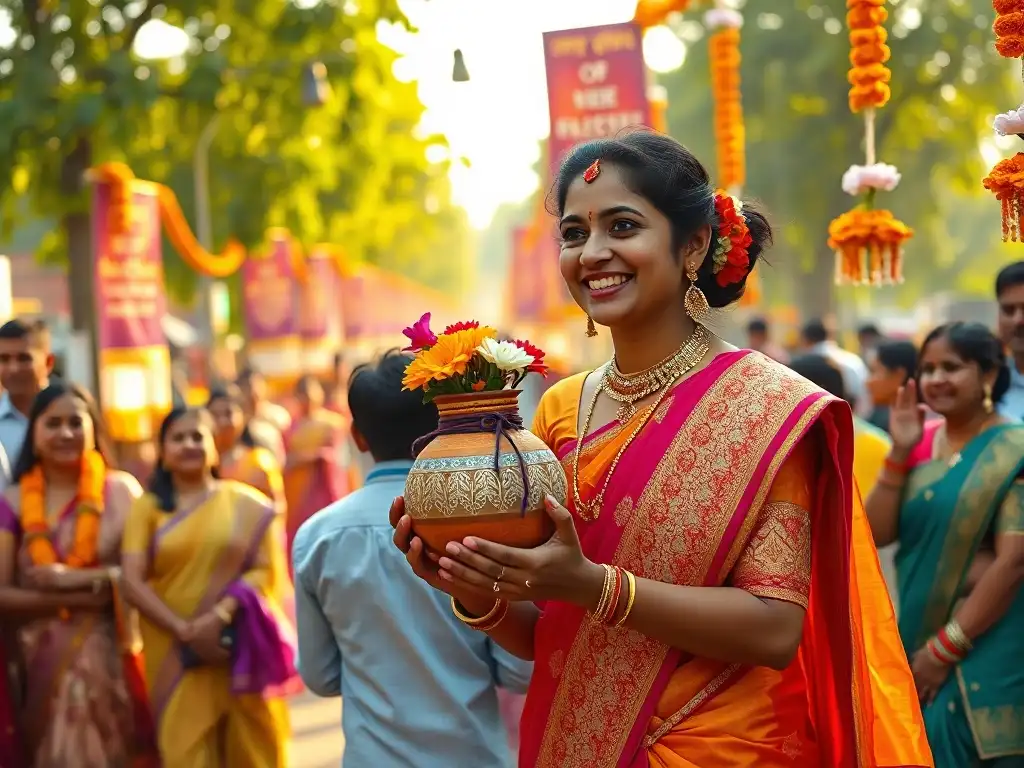
Welcome to Ancient India History, where we embark on a captivating journey through the rich tapestry of India's past! Here, you will uncover the profound influence of ancient texts on modern Indian celebrations, revealing how age-old traditions continue to shape contemporary festivities. As you delve into our featured article, you'll discover the fascinating links between historical scriptures and the vibrant celebrations that color the Indian landscape today. Get ready to explore how the echoes of the past resonate in today's joyous occasions, sparking curiosity and inviting you to celebrate the enduring legacy of ancient civilizations!
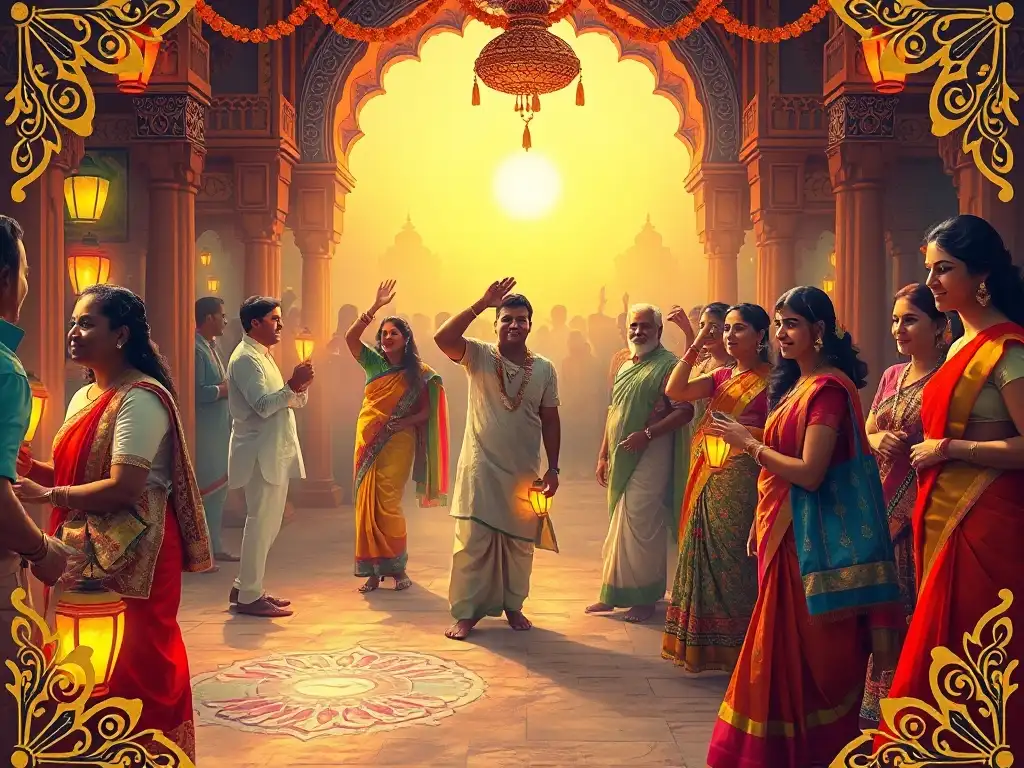
Exploring the rich tapestry of India’s cultural heritage reveals a profound relationship between ancient texts and modern celebrations. The wisdom enshrined in these texts has not only shaped religious beliefs and practices but also significantly influenced the way contemporary festivals are observed across the country.
From the sacred verses of the Vedas to the epic narratives found in the Mahabharata and Ramayana, these ancient writings provide a foundation for the rituals, traditions, and values that characterize modern Indian celebrations. This article delves into the intricate connections between these ancient texts and the vibrant festivals that continue to thrive in India today, underscoring their enduring relevance and impact on contemporary society.
Understanding Ancient Texts and Their Significance
Definition of Ancient Texts in Indian Culture
Ancient texts in Indian culture encompass a wide range of scriptures, philosophical treatises, and literary works that have been pivotal in shaping the spiritual and cultural landscape of the region. These include:
- Vedic texts: Comprising the four Vedas (Rigveda, Samaveda, Yajurveda, Atharvaveda), these texts form the core of Hindu rituals and spirituality.
- Epics: The Mahabharata and Ramayana, which narrate moral dilemmas and dharma (duty), serve as both entertainment and ethical guidance.
- Puranas: Collections of myths and legends that provide insights into cosmology, mythology, and cultural practices.
- Dharmashastras: Texts that outline the laws and ethical guidelines governing societal conduct.
These texts collectively offer a window into the philosophical, religious, and social frameworks that continue to influence Indian society today.
Historical Context of Ancient Texts
The historical context of ancient texts is crucial for understanding their significance. Many of these texts were composed during the Vedic period (approximately 1500–500 BCE) and later eras, reflecting the socio-political dynamics of their time. They were transmitted orally for centuries before being inscribed, emphasizing their importance in preserving cultural knowledge. Significant historical milestones include the:
- Rise of Hinduism: The codification of rituals and practices within these texts laid the foundation for the development of Hinduism as a major world religion.
- Influence of Buddhism and Jainism: These religions emerged in the same cultural milieu, leading to a rich dialogue between various philosophical schools and texts.
- Integration of local customs: The synthesis of diverse regional practices and beliefs into the broader framework of ancient texts helped create a cohesive cultural identity.
Key Ancient Texts Influencing Celebrations
Several key ancient texts have left an indelible mark on modern Indian celebrations. Among them are:
- The Vedas: Rituals and hymns from the Vedas are often recited during various ceremonies, including weddings and religious festivals.
- The Mahabharata: The narratives and characters inspire numerous festivals, such as Dussehra, which celebrates the victory of good over evil.
- The Ramayana: The story of Lord Rama is central to the celebration of Diwali, symbolizing the triumph of light over darkness.
- Puranas: They provide mythological backstories for festivals, enriching the rituals with deeper meanings.
Ancient Texts and Their Role in Shaping Modern Indian Festivals
Overview of Major Modern Indian Celebrations
Modern India is home to a multitude of festivals, each reflecting the diverse cultural, religious, and regional identities within the country. Some of the most prominent celebrations include:
- Diwali: The festival of lights, celebrated by Hindus, Jains, and Sikhs, symbolizes the victory of light over darkness.
- Holi: Known as the festival of colors, it marks the arrival of spring and celebrates love and the triumph of good over evil.
- Navratri: A nine-night festival dedicated to the goddess Durga, showcasing vibrant dances and rituals.
- Eid and Christmas: These festivals, celebrated by Muslims and Christians respectively, highlight the cultural diversity of India.
These celebrations not only reflect religious beliefs but also embody the rich traditions passed down through generations.
The Connection Between Ancient Texts and Festival Practices
The connection between ancient texts and festival practices is profound, as they provide the philosophical and ritualistic underpinnings for modern celebrations. For instance:
- Rituals and Recitations: Many modern festivals incorporate hymns and verses from ancient texts, reinforcing their spiritual significance.
- Symbolism and Mythology: The narratives from texts like the Ramayana and Mahabharata are often reenacted during festivals, allowing participants to engage with their cultural heritage.
- Cultural Identity: Ancient texts help maintain a sense of identity and continuity, as communities celebrate their shared history and values through these festivals.
In essence, the influence of ancient texts on modern Indian celebrations is a testament to the enduring power of cultural heritage in shaping contemporary practices and beliefs. The interplay between the past and present enriches the festive spirit, allowing generations to connect with their roots while celebrating the vibrancy of Indian culture.
Case Studies of Celebrations Influenced by Ancient Texts
The influence of ancient texts on modern Indian celebrations is profound and multifaceted. By tracing the origins of various festivals, we can see how ancient literature has shaped the rituals, customs, and significance of these celebrations in contemporary society. Below, we explore two prominent festivals: Diwali and Holi, illustrating their connections to ancient narratives and texts.
Diwali: The Festival of Lights and Its Ancient Roots
Diwali, known as the Festival of Lights, is perhaps one of the most significant celebrations in India, celebrated by millions across the world. Its roots can be traced back to several ancient texts, most notably the Ramayana. The epic recounts the story of Lord Rama's return to Ayodhya after defeating the demon king Ravana, which is symbolically represented by the lighting of lamps and candles to welcome him home.
The significance of Diwali is not limited to a single story; it also embodies various interpretations found in ancient scriptures such as the Puranas. For instance, in the Jain tradition, Diwali marks the attainment of moksha (liberation) by Lord Mahavira, while Sikhs celebrate Bandi Chhor Divas, commemorating Guru Hargobind Ji’s release from imprisonment. These diverse ancient narratives showcase how Diwali has evolved to incorporate various cultural interpretations, enriching its significance in modern celebrations.
Holi: The Festival of Colors Through Ancient Narratives
Holi, the vibrant Festival of Colors, has deep historical roots that intertwine with numerous ancient texts. The celebration is often linked to the legend of Prahlada and Holika, as narrated in the Bhagavata Purana. This tale emphasizes the victory of good over evil, as Prahlada, a devotee of Lord Vishnu, survives the fire while Holika, who attempted to harm him, perishes.
Moreover, Holi also draws inspiration from the love story of Radha and Krishna, which is celebrated in various texts, including the Gitagovinda by Jayadeva. Their playful interactions and the joyous spirit of their love have become central themes of Holi, where people engage in color throwing and singing traditional songs. This melding of ancient stories with contemporary practices highlights how Holi serves as a cultural bridge connecting past and present.
The Symbolism of Ancient Texts in Contemporary Celebrations
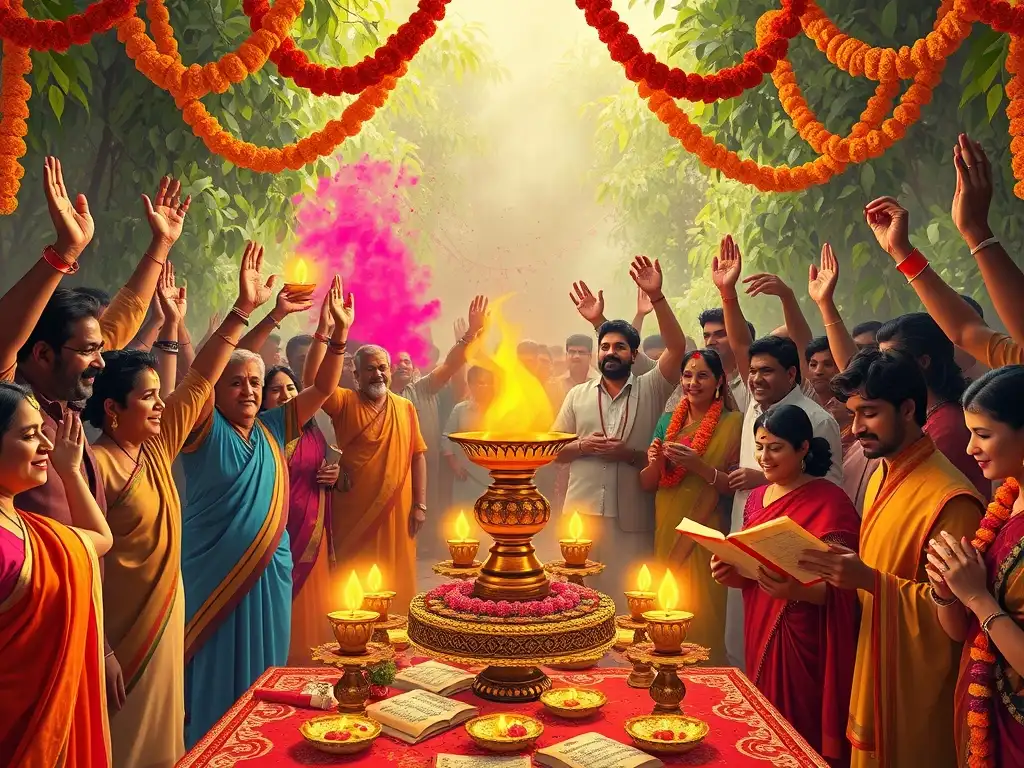
The symbolism derived from ancient texts plays a crucial role in shaping modern Indian celebrations. From the values enshrined in these texts to the rituals practiced, the essence of ancient wisdom continues to resonate in today’s festivities. The following sections delve into specific aspects of this symbolism.
Rituals and Customs Derived from Ancient Literature
Many rituals and customs observed during modern celebrations are deeply rooted in ancient literature. For instance, during Diwali, the practice of performing puja (worship) to Goddess Lakshmi is derived from the ancient texts, which emphasize prosperity and well-being. The chanting of mantras and the use of specific offerings such as sweets and flowers are grounded in Vedic traditions, reflecting the importance of ritual purity and devotion.
Similarly, during Holi, the custom of lighting a bonfire, known as Holika Dahan, is a practice steeped in ancient lore that signifies the destruction of evil. The act of throwing colors during the celebration symbolizes the arrival of spring and the vibrancy of life, concepts echoed in ancient texts that highlight the cyclical nature of life and renewal.
The Role of Mythology in Modern Indian Celebrations
Mythology serves as a powerful underpinning for modern Indian celebrations, weaving together narratives that inform and inspire contemporary practices. The stories of deities and heroes found in ancient texts not only provide a backdrop for festivals but also convey moral and ethical lessons that resonate with modern audiences.
For example, the valor of Lord Rama during Diwali is not just a historical account but a narrative that encourages righteousness and the triumph of good over evil. This theme is prevalent in many modern celebrations, reinforcing societal values and fostering a sense of community and shared identity. Similarly, Holi's association with love and unity, as depicted in the tales of Radha and Krishna, highlights the importance of harmony and togetherness, reflecting the aspirations of modern society.
The interplay between ancient texts and modern Indian celebrations is a testament to the enduring legacy of India's rich cultural heritage. By embracing these ancient narratives, contemporary society continues to find meaning and joy in its celebrations, ensuring that the wisdom of the past remains alive in the present.
The Evolution of Celebrations: From Ancient Texts to Present Day
The evolution of celebrations in India is deeply intertwined with its ancient texts, which have laid the foundational principles for many modern festivities. Texts such as the Vedas, Upanishads, Puranas, and epics like the Mahabharata and Ramayana have not only provided narratives and myths that define the essence of these celebrations but have also established rituals, moral teachings, and cultural values that continue to resonate today.
As society has progressed, many of these ancient celebrations have adapted to reflect contemporary values and lifestyles while still maintaining their core significance. For instance, festivals like Diwali, which originates from ancient texts, have transformed in their observance. While traditional practices focused on spiritual and familial bonding, modern interpretations often emphasize community engagement and secular festivities, showcasing the adaptability of these ancient traditions.
Changes in Rituals Over Time
Over the centuries, many rituals associated with ancient celebrations have undergone significant transformations. Initially, these rituals were strictly performed by priests and were laden with intricate guidelines derived from ancient texts. However, with the passage of time, the accessibility of these rituals has broadened.
- Inclusivity: Modern celebrations often encourage participation from all sections of society, moving away from the exclusivity of ancient practices.
- Simplicity: Many rituals have become simpler and more accessible, focusing on the spirit of the celebration rather than the complexity of the rituals.
- Regional Variations: Different regions in India have adapted ancient texts to reflect local customs and beliefs, leading to a rich tapestry of celebrations that may share common roots but vary widely in practice.
These changes signify not just a shift in practices but also an evolution in the understanding and interpretation of the ancient texts that inspired them.
The Impact of Modernization on Traditional Celebrations
Modernization has significantly influenced traditional celebrations in India, often leading to a blend of ancient customs with contemporary practices. Urbanization, globalization, and technology have introduced new elements into these age-old traditions.
- Technological Integration: The use of technology in modern celebrations, such as social media and digital platforms, has transformed how people engage with festivals. For instance, virtual celebrations have become prominent, allowing families separated by distance to connect during festivals.
- Commercialization: Many ancient celebrations have been commercialized, with businesses capitalizing on the festive spirit through marketing and sales. This commercialization can sometimes overshadow the spiritual aspects of these traditions.
- Cultural Exchange: Exposure to global cultures has led to an amalgamation of customs, where traditional Indian celebrations incorporate elements from various cultures, creating a more diverse and vibrant celebration landscape.
Despite these changes, the essence of the ancient texts continues to serve as a guiding framework, reminding us of the foundational values and significance behind these celebrations.
Conclusion: The Enduring Legacy of Ancient Texts in Modern Indian Celebrations
The legacy of ancient texts in shaping modern Indian celebrations is profound and enduring. These texts not only provide historical and cultural context but also serve as a source of inspiration and moral guidance for contemporary society. As celebrations continue to evolve, they remain rooted in the values and teachings of ancient literature.
Summary of Key Points
- Ancient texts form the cornerstone of many modern Indian celebrations, influencing their themes, rituals, and moral teachings.
- Changes in rituals over time have led to more inclusive and simplified practices that reflect contemporary society while preserving ancient significance.
- Modernization has introduced new elements into traditional celebrations, blending ancient customs with contemporary practices, yet the core values from ancient texts persist.
The Importance of Preserving Ancient Influences in Contemporary Culture
Preserving the ancient influences in modern celebrations is crucial for several reasons:
- Cultural Identity: It fosters a sense of belonging and cultural identity among individuals, connecting them to their heritage.
- Moral Framework: Ancient texts provide timeless moral teachings that can guide modern society in ethical dilemmas and communal living.
- Continuity of Tradition: Maintaining these influences ensures that the rich tapestry of India's cultural heritage is passed down to future generations, allowing them to appreciate their roots while embracing the future.
The interplay between ancient texts and modern Indian celebrations highlights the dynamic nature of culture, where the past continually informs and enriches the present and future.
- Understanding Ancient Texts and Their Significance
- Ancient Texts and Their Role in Shaping Modern Indian Festivals
- Case Studies of Celebrations Influenced by Ancient Texts
- The Symbolism of Ancient Texts in Contemporary Celebrations
- The Evolution of Celebrations: From Ancient Texts to Present Day
- Conclusion: The Enduring Legacy of Ancient Texts in Modern Indian Celebrations
- What are ancient texts in the context of Indian culture?
- How do ancient texts impact modern Indian celebrations?
- Can you give examples of celebrations influenced by ancient texts?
- Why is it important to study these ancient texts?
- How do modern interpretations of ancient texts differ from their original meanings?
Frequently Asked Questions
What are ancient texts in the context of Indian culture?
Ancient texts, such as the Vedas, Upanishads, and Puranas, are foundational scriptures that influence various aspects of Indian life, including religion, philosophy, and rituals.
How do ancient texts impact modern Indian celebrations?
Many modern Indian celebrations are rooted in rituals and festivals described in ancient texts, guiding practices and beliefs that shape cultural identity today.
Can you give examples of celebrations influenced by ancient texts?
Festivals like Diwali and Holi have their origins in ancient narratives, with myths and legends chronicled in texts that explain their significance and rituals.
Why is it important to study these ancient texts?
Studying these texts helps us understand the historical context of celebrations and their evolution, highlighting the continuity of traditions through the ages.
How do modern interpretations of ancient texts differ from their original meanings?
Modern interpretations may adapt ancient texts to fit contemporary values and practices, sometimes altering their original intent while still celebrating the essence of cultural heritage.
Final Reflection: The Timeless Echo of Ancient Texts in Modern Indian Celebrations
The profound connection between ancient texts and modern Indian celebrations is more relevant today than ever. As we navigate a rapidly changing world, the wisdom and traditions embedded in these texts serve as a guiding light, reminding us of our roots and the cultural narratives that shape our identities. The enduring practices derived from these ancient scriptures not only enrich our celebrations but also foster a sense of community and belonging in an increasingly fragmented society.
The influence of ancient texts on our current cultural landscape is both profound and transformative. These texts are not mere relics of the past; they continue to inspire and inform our rituals, festivals, and communal gatherings. As we engage with these traditions, we find ourselves in a continuous dialogue with our ancestors, weaving their teachings into the fabric of our modern lives. Tradition is not the worship of ashes, but the preservation of fire.
This quote encapsulates the essence of how ancient wisdom fuels our contemporary celebrations, igniting a passion for cultural continuity and innovation.
As you reflect on the insights shared in this article, consider how you can incorporate the lessons of ancient texts into your own life and celebrations. Embrace the richness of your heritage and let it inspire you to create meaningful experiences that honor both the past and the present. Whether through participating in traditional festivities or exploring the stories behind them, you have the power to keep these ancient teachings alive, ensuring they resonate for generations to come.
Embrace the Wisdom of the Ancients!
Thank you for diving into the rich tapestry of ancient texts and their profound influence on modern Indian celebrations! Your journey through history not only enriches your understanding but also connects you to the vibrant cultural heritage of India. Now, let’s take those insights and put them into action!
Here’s how you can further engage with this enlightening topic:
- Celebrate Life with Tradition: Incorporate elements from ancient texts into your next celebration. Share stories or rituals that reflect timeless wisdom to create a meaningful experience.
- Explore Further: Dive deeper into a specific ancient work—choose one that resonates with you and discover how its teachings can inform your daily life or upcoming festivities.
- Share the Knowledge: Discuss what you've learned with friends or family, or even start a small online group to exchange insights about how these texts continue to shape our celebrations today.
What ancient work has inspired you the most, and how will you bring its lessons into your next celebration?