
The Significance of Landscape in Sangam Poetry: More Than Just a Backdrop

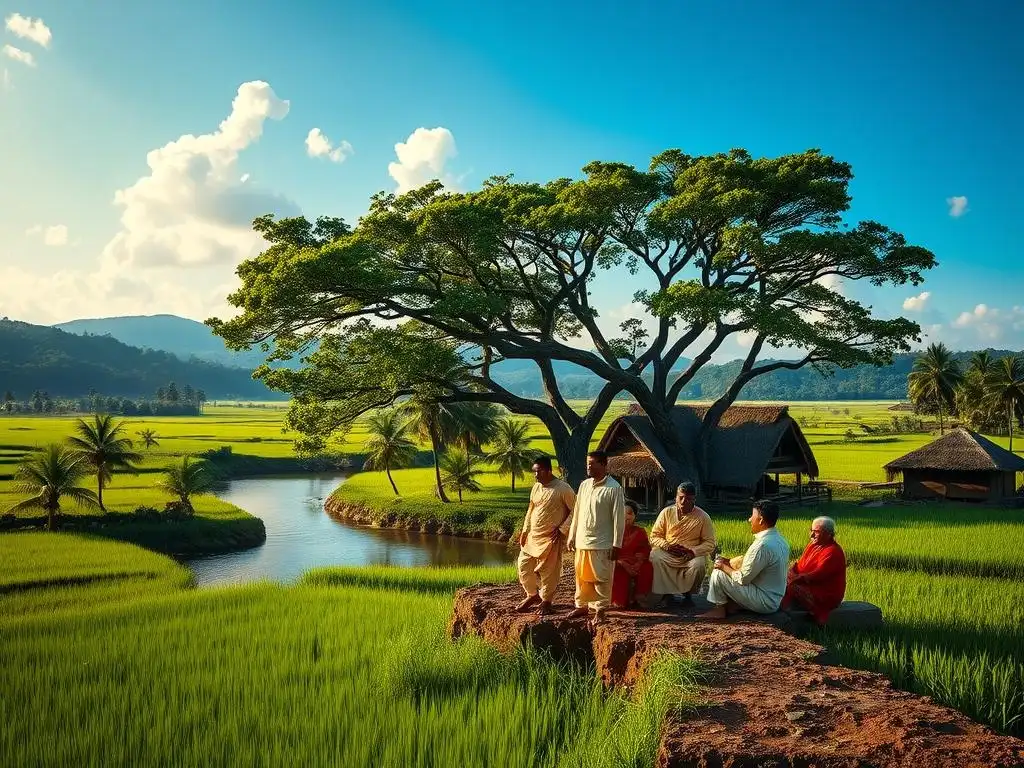
Welcome to Ancient India History, where we embark on a journey through the rich and diverse tapestry of India's past! Today, we delve into the fascinating world of Sangam poetry, exploring its profound landscape significance that transcends mere scenery to become a vital character in these ancient verses. As you immerse yourself in this exploration, prepare to uncover how the natural world shapes emotions, narratives, and cultural identity in Sangam literature. Join us as we unravel the intricate connections between nature and poetry, and discover why this landscape is far more than just a backdrop!
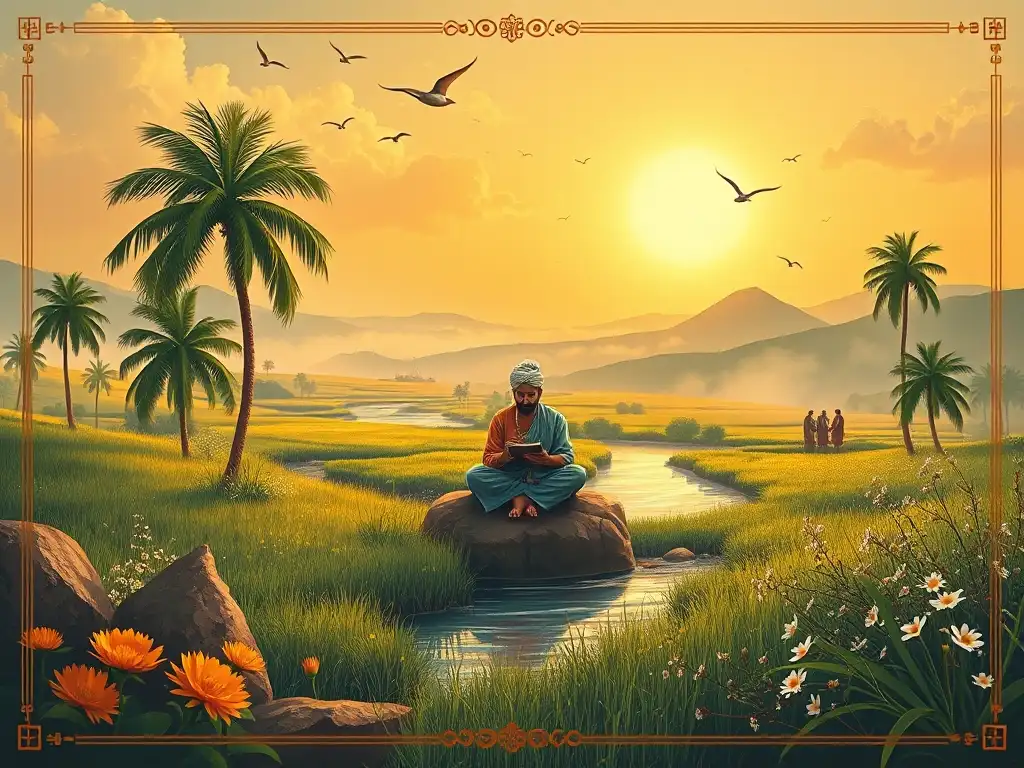
Sangam poetry, a cornerstone of ancient Tamil literature, offers profound insights into the cultural, emotional, and social fabric of early Tamil civilization. This rich collection of poems, composed between approximately 300 BCE and 300 CE, transcends mere artistic expression; it serves as a vital historical document reflecting the values and experiences of its time.
One of the most compelling aspects of Sangam poetry is the significance of landscape, which operates not simply as a backdrop but as a pivotal element that shapes the themes, emotions, and narratives within these works. By exploring the interplay between landscape and poetry, we gain a deeper understanding of how nature influenced the thoughts and feelings of the poets, revealing a profound connection between the people and their environment.
Introduction to Sangam Poetry
Sangam poetry represents a unique literary tradition that flourished in ancient Tamil Nadu, characterized by its diverse themes and rich imagery. This body of work is named after the "Sangam," or assembly, of poets who gathered to compose and share their verses. It encompasses a variety of poetic forms, including elegies, odes, and love songs, each reflecting different aspects of life, from personal emotions to social concerns. The poems are often categorized into two main types: Aham (inner) and Puram (outer), with the former focusing on love and personal relationships, while the latter addresses heroic deeds and societal values.
Definition and Historical Context of Sangam Literature
Sangam literature is defined by its poetic depth and sociocultural relevance, originating during a period marked by significant political and economic developments in South India. The Tamil region was home to several powerful kingdoms, including the Cholas, Pandyas, and Cheras, which provided a fertile ground for artistic expression. The poems not only celebrate the beauty of nature and human emotions but also document historical events, social structures, and the daily lives of the people. This literature serves as a crucial link to understanding the ancient Tamil ethos, encapsulating the interwoven threads of history, culture, and artistry.
Overview of Themes in Sangam Poetry
The themes in Sangam poetry are remarkably diverse, ranging from love and heroism to nature and philosophy. Poets often employed rich metaphors and vivid imagery to convey complex emotions, illustrating the intimate relationship between humans and their environment. Key themes found in Sangam poetry include:
- Love and Longing: Celebrating romantic relationships and the pangs of separation.
- Heroism and Valor: Narratives of warriors and their exploits in battle.
- Nature and Landscape: The depiction of various landscapes, such as mountains, forests, and rivers, which symbolize different emotional states.
These themes highlight the multifaceted nature of human experiences, emphasizing the significance of both personal and communal identities.
The Role of Landscape in Sangam Poetry
In Sangam poetry, landscape is not merely a setting; it is an integral part of the narrative that influences the emotional tone and meaning of the poems. The poets’ descriptions of geographical features serve to evoke specific feelings and reflections about life, love, and loss. The portrayal of landscapes often aligns with the emotional states of the characters, creating a deep resonance that enriches the reader's experience.
Importance of Nature in Ancient Tamil Culture
Nature held a sacred place in ancient Tamil culture, deeply intertwined with spiritual and daily life. The poets of the Sangam era viewed nature as a living entity, imbuing landscapes with personality and emotion. Elements such as rivers, hills, and forests were personified, reflecting the sentiments of love, longing, and sorrow. This reverence for nature is evident in the way poets depict the landscape as an active participant in human experiences, emphasizing the interconnectedness of humanity and the environment.
How Landscape Shapes the Emotional Tone of Poems
The emotional tone of Sangam poetry is intricately shaped by the landscape depicted within the verses. Different geographical features evoke distinct feelings; for instance, lush forests may symbolize love and fertility, while barren landscapes might express desolation and grief. This connection between landscape and emotion allows for a layered reading of the poems, where the physical setting enhances the understanding of the poet's intentions and the emotional depth of the narrative. By analyzing these relationships, readers can appreciate the richness of Sangam poetry and the significant role that landscape plays in conveying complex human emotions.
Types of Landscapes in Sangam Poetry
Sangam poetry, a remarkable literary tradition from ancient Tamil Nadu, intricately weaves various landscapes into its verses, effectively reflecting the cultural, emotional, and social dynamics of the time. Each type of landscape serves as a canvas that enhances the thematic depth of the poetry, allowing poets to express complex human experiences and sentiments. The landscapes can be broadly categorized into four types: agricultural, coastal, mountainous, and urban.
Agricultural Landscapes: Fields and Fertility
Agricultural landscapes play a pivotal role in Sangam poetry, symbolizing prosperity, fertility, and the sustenance of life. Fields, crops, and the agricultural cycle are often depicted to illustrate the relationship between the land and its people. Poets frequently celebrate the bounty of the earth, invoking the image of lush green fields filled with paddy and other crops. This emphasis on agriculture not only highlights the importance of farming in ancient Tamil society but also reflects the deep-rooted connection between the community and nature.
Moreover, the agricultural landscape serves as a backdrop for love stories and social interactions, where the seasonal changes in the fields echo the emotional states of the characters. For instance, the blooming of flowers in spring is often associated with new love and hope, while the harvest season signifies abundance and joy. In this way, agricultural landscapes become symbolic of life's cycles, mirroring the joys and challenges faced by individuals.
Coastal Landscapes: The Sea and Maritime Imagery
The coastal landscapes depicted in Sangam poetry evoke a sense of vastness and adventure, as well as the profound relationship between humans and the sea. Poets often use maritime imagery to convey themes of longing, separation, and the perils of seafaring. The sea serves not only as a physical boundary but also as a metaphorical space that reflects the emotional distances between lovers or families.
Additionally, the coastal landscapes highlight the rich maritime culture of ancient Tamil Nadu, where trade and fishing were integral to the economy. Poets celebrate the beauty of the coastline, the rhythmic waves, and the vibrant marine life, intertwining these elements with human experiences. The sea's unpredictable nature is often portrayed as a source of challenges, symbolizing the trials faced by individuals in their personal journeys.
Mountainous Landscapes: Symbolism of Heights and Challenges
Mountainous landscapes in Sangam poetry represent not only physical beauty but also the challenges and aspirations of human life. The heights of mountains symbolize spiritual elevation, strength, and the pursuit of ideals. Poets often draw upon the majestic imagery of mountains to illustrate the struggles and triumphs faced by characters on their journeys.
Moreover, the mountains serve as a metaphor for obstacles that must be overcome, reflecting the resilience and determination of individuals. The imagery of climbing mountains resonates with the idea of personal growth and enlightenment, as poets depict the arduous path toward achieving one's goals. This interplay between physical landscapes and human aspirations enriches the emotional resonance of the poetry.
Urban Landscapes: City Life and Its Reflections
Urban landscapes in Sangam poetry reflect the complexities of city life, capturing the vibrancy, chaos, and cultural richness of ancient Tamil urban centers. Poets often depict bustling marketplaces, crowded streets, and the social interactions that occur within these spaces. The urban environment serves as a backdrop for various human experiences, including love, ambition, and conflict.
In these urban settings, poets explore themes of community, social hierarchy, and the nuances of relationships. The city is portrayed as a place of opportunity and challenge, where individuals navigate their desires amidst societal expectations. Urban landscapes also highlight the contrast between rural simplicity and urban sophistication, offering insights into the evolving dynamics of Tamil society.
Landscape as a Symbol in Sangam Poetry
In Sangam poetry, landscapes transcend their physical form and become powerful symbols that articulate the emotional and philosophical dimensions of human existence. The interplay between nature and human emotions is a recurring theme, as poets skillfully use landscapes to convey complex feelings and ideas.
Nature as a Reflection of Human Emotions
Nature in Sangam poetry is intricately linked to human emotions, serving as a mirror that reflects the inner states of individuals. Poets often employ vivid descriptions of landscapes to evoke specific feelings, such as joy, sorrow, longing, or nostalgia. For instance, the blooming of flowers might symbolize love and happiness, while a stormy sea may represent turmoil and despair.
This deep connection between nature and emotion allows readers to engage with the poetry on a personal level, as the landscapes become conduits for understanding the human experience. By portraying emotions through the lens of the natural world, poets create a rich tapestry of feelings that resonate across time and space.
The Use of Landscape in Metaphor and Allegory
Landscapes in Sangam poetry are frequently utilized as metaphors and allegories, enhancing the depth of the poets' messages. Poets draw parallels between the characteristics of landscapes and human qualities, using these comparisons to convey deeper philosophical insights. For example, a serene lake may symbolize tranquility and peace, while a rugged terrain might reflect the challenges of life.
This technique allows poets to explore complex themes such as love, mortality, and the search for meaning. By embedding landscapes within their metaphors, poets encourage readers to contemplate the broader implications of their experiences and to find connections between the natural world and the human condition.
Seasonal Changes and Their Significance in Poetry
Seasonal changes hold significant importance in Sangam poetry, as they are intricately tied to the rhythms of life and the emotional landscape of the characters. Each season is associated with distinct experiences and sentiments, allowing poets to convey the passage of time and its impact on human emotions.
For instance, the arrival of spring is often linked to rejuvenation, love, and hope, while the monsoon season may evoke feelings of longing and nostalgia. The cyclical nature of the seasons reflects the perpetual flow of life, highlighting themes of growth, decay, and renewal. Through the depiction of seasonal landscapes, poets invite readers to reflect on their own experiences and the transient nature of existence.
Case Studies of Landscape in Notable Sangam Poems
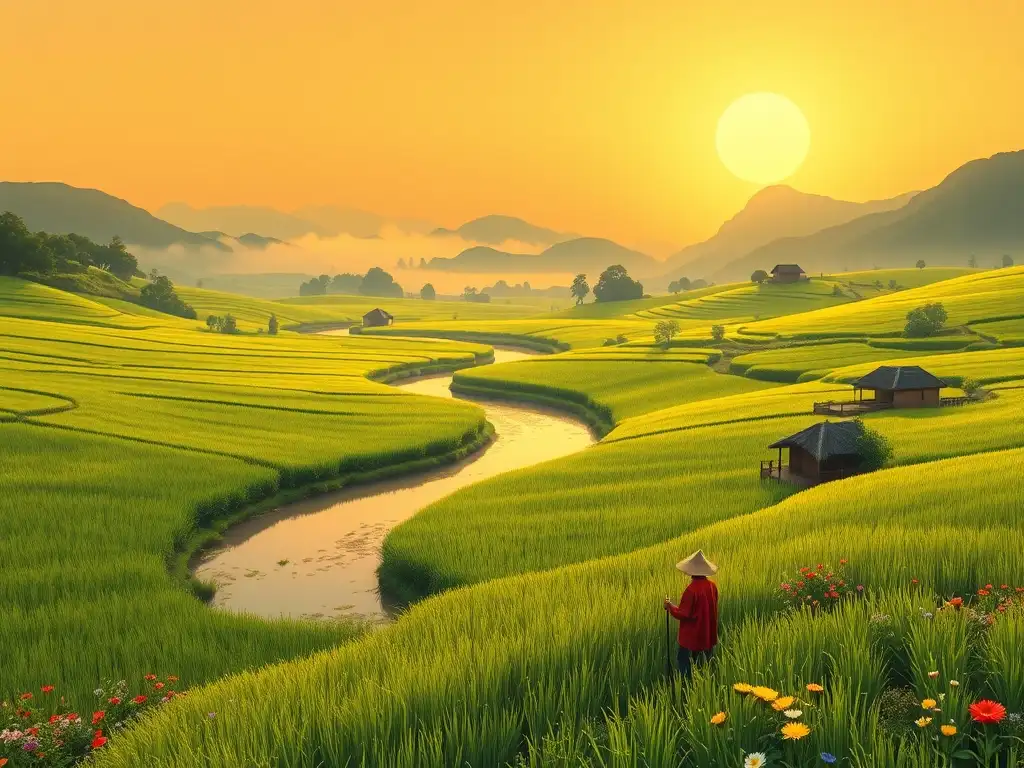
Sangam poetry is rich with vivid imagery and references to the natural world, reflecting the landscape's integral role in the emotional and thematic depth of the verses. Among the notable poems, "Kalayam" and "Akananuru" stand out for their intricate portrayal of landscapes. In "Kalayam," the poet beautifully describes the lush greenery of the forests and the serene rivers, using these elements to evoke feelings of love and longing. Each landscape feature is meticulously detailed, inviting the reader to not only visualize but also to feel the essence of the surroundings.
Similarly, in "Akananuru," the poets utilize the backdrop of the mountains and valleys to symbolize the tumultuous emotions experienced by lovers. The shifting landscapes mirror the highs and lows of human relationships, showcasing how deeply intertwined the physical environment is with emotional states. These poems serve as clear case studies that illustrate the multifaceted significance of landscape in Sangam poetry, transcending mere description to become a vital component of the narrative.
Analysis of Specific Poems Featuring Landscape Elements
The use of landscape in Sangam poetry can be analyzed through specific poems that highlight geographic features as central motifs. For instance, "Purananuru" features descriptions of coastal regions, where the crashing waves and sandy shores reflect the tumult of war and conflict. This connection between landscape and human experience emphasizes the harsh realities of life in ancient Tamil society, where nature often served as both a witness and an active participant in human affairs.
Another exemplary poem is "Kurunthokai," which focuses on the pastoral landscape. Here, the imagery of fields laden with crops and the sounds of cattle grazing evoke a sense of abundance and peace. This setting not only reinforces the themes of love and harmony but also celebrates the agrarian lifestyle of the Tamil populace. By contrasting different landscapes, the poets convey a spectrum of emotions, from joy to sorrow, demonstrating how the landscape is a powerful narrative tool in their storytelling.
How Poets Utilize Landscape to Convey Deeper Meanings
In Sangam poetry, poets skillfully employ landscape elements to convey deeper meanings and emotions. The use of natural imagery serves not just as a backdrop but as a catalyst for expressing human sentiments. For example, the depiction of monsoon rains in various poems symbolizes rejuvenation and hope, while arid landscapes often reflect despair and longing. This duality highlights the poets' profound understanding of the relationship between nature and human psychology.
Furthermore, the strategic placement of specific landscapes enhances the thematic richness of the poems. By invoking mountains during moments of introspection or rivers during expressions of love, poets create a layered reading experience that invites readers to explore the nuances of emotion. This technique allows the landscape to resonate with the human experience, making it an essential element in the emotional depth of Sangam poetry.
The Interrelation of Landscape and Identity in Sangam Poetry
The interrelation between landscape and identity in Sangam poetry is a compelling exploration of how the environment shapes cultural and individual identities. The lush and diverse landscapes of ancient Tamil Nadu are not merely physical settings; they are intrinsic to the identity of the people and their collective consciousness. The poets capture this essence, illustrating how the landscape influences social values, traditions, and even personal relationships.
Landscape and Cultural Identity in Ancient Tamil Society
In ancient Tamil society, landscape played a crucial role in shaping cultural identity. The distinct geographical features of the region, such as the fertile plains, dense forests, and rugged mountains, fostered a unique way of life that was deeply tied to the land. This connection is evident in Sangam poetry, where the celebration of local flora, fauna, and geographical peculiarities reflects the pride and attachment of the Tamil people to their homeland.
Moreover, the categorization of landscapes into different poetic terrains— "muthal," "marudham," "neithal," "palai," and "kurinji"—demonstrates how specific environments correspond to various emotional states and social themes. Each terrain carries its own cultural significance and is associated with particular aspects of identity, such as love, valor, or sorrow. This rich tapestry of landscape and identity emphasizes the profound link between the environment and the cultural consciousness of the ancient Tamils.
The Influence of Geographic Features on Poetic Expression
Geographic features significantly influenced poetic expression in Sangam literature. The poets drew inspiration from their surroundings, using landscapes as metaphors to articulate complex emotions and themes. For instance, the portrayal of the Western Ghats often symbolizes strength and resilience, while the Kaveri River is frequently depicted as a life-giving force, representing fertility and abundance.
The interaction between geographic features and poetic expression is also evident in the way specific landscapes evoke particular moods. The tranquil imagery of the countryside can soothe the heart, while the fierce depiction of storms might signify conflict or turmoil. This dynamic interplay between landscape and emotion illustrates how the poets of the Sangam era utilized their environment not only as a source of inspiration but also as a means of communicating profound human experiences.
Conclusion: The Enduring Importance of Landscape in Sangam Poetry
Sangam poetry is not merely a collection of verses; it is a profound reflection of the landscape that shaped the lives and emotions of the ancient Tamil people. The intricate relationship between the landscape and the themes of love, war, and nature in Sangam poetry illuminates the cultural and spiritual ethos of the time. The poets employed various landscapes—be it the lush shores, arid deserts, or mountainous terrains—as significant symbols that enhanced their narrative and emotional depth, creating a complex tapestry where the environment is integral to the human experience.
This enduring significance of landscape in Sangam poetry invites readers to appreciate the broader implications of their surroundings, showcasing how nature influences human emotions and societal dynamics. As we explore these poetic expressions, we uncover a timeless dialogue between humanity and nature that resonates even in contemporary contexts.
Summary of Key Points on Landscape Significance
- Integral Symbolism: Landscapes in Sangam poetry serve as vital symbols that reflect the emotional states and societal contexts of the characters within the poems. Each terrain evokes specific sentiments, influencing the narrative arc.
- Cultural Reflection: The poetry encapsulates the cultural practices, belief systems, and lifestyles of the ancient Tamil people, offering insights into how their landscapes shaped their worldviews.
- Emotional Resonance: The vivid descriptions of various landscapes enhance the emotional impact of the poetry, allowing readers to connect deeply with the themes of love, longing, and nature.
- Ecological Insight: Through the lens of Sangam poetry, readers gain a historical understanding of the ecological diversity present in ancient Tamil Nadu, providing a window into the environmental consciousness of the time.
The Lasting Impact of Sangam Poetry on Contemporary Literature
The influence of Sangam poetry extends beyond its historical context, permeating contemporary literature and artistic expressions. Modern writers and poets often draw inspiration from the themes and forms of Sangam literature, reinterpreting its rich imagery and emotional depth within new narratives. The emphasis on nature and landscape continues to resonate in today’s literary works, highlighting an ongoing dialogue between past and present.
Moreover, the exploration of human emotions in relation to the environment found in Sangam poetry has prompted contemporary discussions on ecological awareness and the human condition. This legacy reflects a timeless understanding of the interconnectedness of life and landscape, making Sangam poetry a vital reference point for contemporary literature and cultural discourse.
Further Readings and Resources on Sangam Poetry
Recommended Texts and Anthologies
- "The Sangam Poems" - A collection that includes various translations and interpretations of key Sangam works, providing insights into the themes and landscapes depicted in the poetry.
- "Tamil Sangam Literature" by A. K. Ramanujan - This book offers a comprehensive overview of Sangam literature, exploring its cultural and historical significance, alongside selected translations.
- "The Tamil Epic: Silappatikaram": - While primarily a narrative poem, this epic draws heavily from the landscape themes prevalent in Sangam poetry, providing a rich context for understanding its significance.
- "Sangam Literature: A Historical and Cultural Study": - This scholarly work delves into the historical context of Sangam poetry, examining how landscapes influenced poetic expression.
Online Resources for Exploring Sangam Literature
- Project Madurai: An online initiative that offers free access to classical Tamil literature, including Sangam poetry, with translations and commentaries.
- Tamil Virtual Academy: Provides resources and educational materials on Tamil literature, including courses focused on Sangam poetry and its significance.
- Digital Library of India: A vast repository of texts where readers can find works related to Sangam literature and the broader cultural context of ancient Tamil Nadu.
- Academia.edu: A platform where scholars share research papers and articles on Sangam poetry, providing insights into its themes, significance, and contemporary relevance.
- Introduction to Sangam Poetry
- The Role of Landscape in Sangam Poetry
- Types of Landscapes in Sangam Poetry
- Landscape as a Symbol in Sangam Poetry
- Case Studies of Landscape in Notable Sangam Poems
- The Interrelation of Landscape and Identity in Sangam Poetry
- Conclusion: The Enduring Importance of Landscape in Sangam Poetry
- Further Readings and Resources on Sangam Poetry
Frequently Asked Questions
What is Sangam poetry?
Sangam poetry refers to an extensive body of Tamil literature produced between 300 BCE and 300 CE, characterized by its lyrical beauty and themes of love, valor, and nature.
How does the landscape feature in Sangam poetry?
The landscape in Sangam poetry serves as more than a mere backdrop; it reflects the emotional states of characters, symbolizing their inner experiences and the cultural context of the time.
What are the different types of landscapes depicted in Sangam poetry?
Sangam poetry highlights five distinct landscapes: marutham (fertile land), kurinji (mountains), neithal (coastal), palai (desert), and mullai (forests), each representing different emotional and thematic elements.
Why is the significance of landscape important in understanding Sangam poetry?
The significance of landscape is crucial as it provides insights into social, cultural, and emotional dynamics, allowing readers to appreciate the interconnection between environment and human experience.
How can one study the landscape significance in Sangam poetry?
To study the landscape significance, one can analyze key poems, explore literary themes, and understand the historical context of the Tamil regions described, enhancing appreciation for their cultural heritage.
Final Reflection: The Profound Significance of Landscape in Sangam Poetry
The exploration of landscape in Sangam poetry is not merely an aesthetic choice; it is a vital thread that weaves together the emotional and cultural fabric of the texts. Today, as we navigate a world increasingly disconnected from nature, the landscapes depicted in Sangam poetry remind us of the intrinsic bond between humanity and the environment. This connection serves as a powerful reminder of how our surroundings shape our identities, emotions, and experiences, urging us to reconsider our relationship with the natural world.
Cultural landscapes are not static; they evolve and influence our social narratives. The vivid imagery and intricate descriptions found in Sangam poetry continue to resonate, reflecting the timeless human experience of love, loss, and longing. The landscapes serve as more than mere backdrops; they embody the emotions and stories of the people, illustrating how nature can mirror our inner lives. As poet K. N. Darshan aptly states, In every leaf and river, the heart finds its voice.
This enduring connection between landscape and emotion underscores the significance of these poetic works in understanding our own lives and the world around us.
As we reflect on the lessons drawn from Sangam poetry, let us invite ourselves to engage more deeply with our surroundings. Consider how the landscapes in your life shape your experiences and emotions. Whether it’s a bustling city, a serene forest, or a tranquil beach, take a moment to appreciate the stories they tell and the feelings they evoke. By embracing the significance of landscape, we can cultivate a richer understanding of ourselves and our place in the world, fostering a deeper appreciation for the beauty that surrounds us.
Unveil the Rich Tapestry of Sangam Poetry!
Thank you for exploring the profound significance of landscape in Sangam poetry with us! You’ve gained insight into how nature serves as more than a mere backdrop, influencing emotions and themes within this treasured literature. Now, it's time to dive deeper and harness this knowledge.
Here are some exciting actions you can take:
- Reflect and Write: Create your own poem inspired by the landscapes you cherish. Whether it’s a mountain, river, or cityscape, let your feelings flow onto the page!
- Share Your Discoveries: Engage in discussions about Sangam poetry with friends or on social media. Use the insights you’ve gained to spark meaningful conversations about the intersection of nature and art.
- Explore Further: Dive into other literary traditions that intertwine with nature. Expand your understanding and appreciation of how different cultures express their identities through the natural world.
What landscape inspires you the most in your daily life, and how would you express that in your own poetry? We invite you to share your thoughts in the comments below!