
The Language of Sangam Literature: Exploring Tolkāppiyam and Its Significance

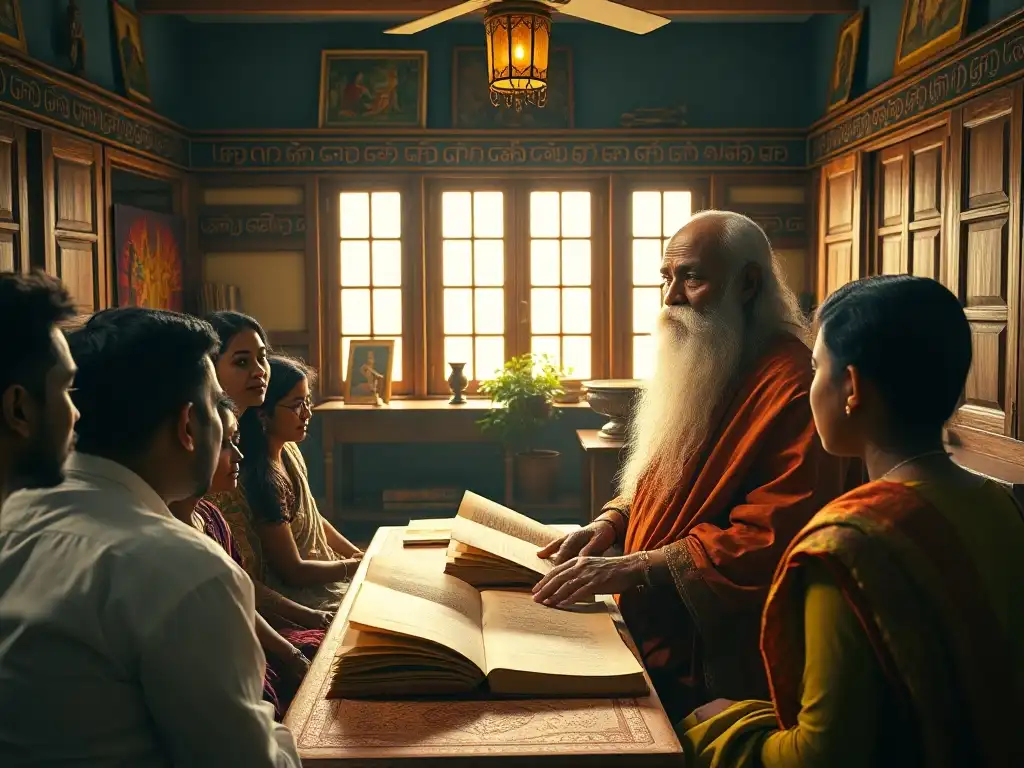
Welcome to Ancient India History, where we embark on a fascinating journey through the rich tapestry of ancient Indian civilizations. In our featured article, "The Language of Sangam Literature: Exploring Tolkāppiyam and Its Significance," we delve into the profound impact of Sangam literature and its linguistic heritage.
Discover how this remarkable body of work not only reflects the cultural ethos of its time but also continues to influence modern literary thought. Join us as we uncover the intricate connections between language and culture in ancient India, and prepare to be captivated by the wisdom of the past that still resonates today.
- Introduction to Sangam Literature and Its Language
- Historical Context of Sangam Literature
- Tolkāppiyam: The Linguistic Foundation
- Significance of Sangam Literature Language
- Themes Explored in Sangam Literature
- Influence of Sangam Literature Language on Later Works
- Contemporary Relevance of Sangam Literature
- Conclusion
- Frequently Asked Questions
- Final Reflection: The Enduring Significance of Sangam Literature's Language
- Dive Deeper into Sangam Literature!
Introduction to Sangam Literature and Its Language
Sangam literature represents a remarkable chapter in the literary history of ancient India, particularly within the Tamil-speaking regions. This body of work, composed between approximately 300 BCE and 300 CE, encompasses a rich tapestry of poetry that not only reflects the cultural and social dynamics of its time but also serves as a pivotal medium for understanding the linguistic evolution of the Tamil language.
At the heart of this literary tradition lies the Tolkāppiyam, an ancient text that outlines the grammar and structure of Tamil, offering insights into the intricate relationship between language and literature. The significance of Sangam literature extends beyond mere artistic expression; it provides invaluable context for the socio-political milieu of ancient South India, making the study of its language imperative for appreciating its contributions to Indian heritage.
Overview of Sangam Literature
Sangam literature is celebrated for its diverse genres, ranging from love poems to heroic ballads, encapsulating the essence of human emotions and experiences. The term "Sangam" refers to the assemblies of Tamil poets and scholars who gathered to compose and critique literary works. The Sangam period is characterized by a flourishing of artistic creativity that produced over 2,000 poems across several anthologies, such as the Ettuthokai and Pattupattu.
These texts not only highlight the linguistic richness of Tamil but also provide insights into the lives, customs, and values of ancient Tamil society. Notably, the themes explored in Sangam literature often reflect the profound connection between nature and human life, illustrating the aesthetics of the time through metaphors and vivid imagery.
Importance of Language in Sangam Literature
The language of Sangam literature, primarily Tamil, is a critical aspect that underscores its significance. The Tolkāppiyam serves as a foundational text that codifies the rules of Tamil grammar and eloquence, establishing a framework for both poets and scholars. This work is not merely a linguistic manual; it is a philosophical treatise that reflects the cultural ethos of the period.
The language used in Sangam poetry is marked by its intricate use of metaphors, alliteration, and various poetic devices, which enrich the text and enhance its emotional depth. Understanding the language of Sangam literature is essential for appreciating the nuanced expressions of identity, love, valor, and nature that permeate these ancient works.
Objectives of the Article
This article aims to delve deeply into the language of Sangam literature, particularly focusing on the Tolkāppiyam and its broader significance within the context of Tamil literary heritage. By exploring the linguistic features and historical context of Sangam literature, we hope to achieve the following objectives:
- Analyze the structure and style of the Tolkāppiyam and its influence on subsequent Tamil literature.
- Examine the cultural and historical relevance of the themes presented in Sangam poetry.
- Highlight the contributions of Sangam literature to the understanding of ancient Indian languages and their evolution.
Through this exploration, we aspire to illuminate the profound impact of Sangam literature on the linguistic, cultural, and literary landscape of ancient India, thereby reinforcing its significance in the study of historical narratives.
Historical Context of Sangam Literature
Origin and Development of Sangam Literature
Sangam literature, a significant body of ancient Tamil literature, emerged in the southern region of India, particularly in Tamil Nadu, between approximately 300 BCE and 300 CE. The term "Sangam" refers to an assembly or gathering, and in this context, it signifies the confluence of poets and scholars who contributed to the literary tradition during this period. The earliest works of Sangam literature were composed in a rich poetic form known as Tamil, a language that has a history spanning over two millennia.
The origins of Sangam literature can be traced back to the Tamil dynasties that flourished during this period, particularly the Chola, Pandya, and Cheran kingdoms. These dynasties not only patronized literature but also facilitated the exchange of ideas and culture through trade and diplomacy with other regions. The texts produced during this era are categorized into two main types: Aham (inner) and Puram (outer), reflecting themes of love and valor, respectively.
The development of Sangam literature is marked by its unique linguistic features, including the use of metaphors, similes, and alliteration, which were employed to convey complex emotions and ideas. The language of Sangam poetry is characterized by its rich vocabulary and grammatical structure, setting a precedent for Tamil literature that continues to influence modern Tamil writing.
Key Periods in Sangam Era
The Sangam era can be divided into three distinct periods, each contributing uniquely to the evolution of Tamil literature:
- Early Sangam (300 BCE - 100 CE):
- This period is marked by the creation of foundational texts such as the Ettuthokai and Pattupattu, which consist of poems celebrating the various aspects of life, including love, nature, and warfare.
- Poets like Kapilar and Nakkirar emerged during this time, emphasizing the relationship between humans and the natural world.
- Middle Sangam (100 CE - 250 CE):
- This phase witnessed a refinement in poetic techniques and themes. The literary output became more sophisticated, with increased emphasis on emotional depth and social commentary.
- The Tolkāppiyam, a seminal work on Tamil grammar and poetics, was composed during this period, establishing guidelines for literary expression.
- Later Sangam (250 CE - 300 CE):
- The final phase saw the consolidation of themes and motifs introduced in earlier periods, with a focus on heroic narratives and the celebration of kingship.
- Notable texts include the Silappadikaram, which, while post-Sangam, reflects the influence of earlier Sangam works.
This tripartite division highlights the dynamic nature of Sangam literature and its adaptability to changing cultural contexts.
Major Contributors to Sangam Literature
The Sangam period is renowned for its prolific poets and scholars who made significant contributions to Tamil literature. Some of the most notable figures include:
- Tolkāppiyar: The author of the Tolkāppiyam, he is considered the first grammarian of the Tamil language. His work laid the foundation for Tamil grammar and poetics, influencing countless generations of poets.
- Kapilar: A prominent poet known for his deep insights into nature and human emotions. His verses often reflect the socio-political realities of his time, making him an essential figure in Sangam literature.
- Nakkirar: Renowned for his philosophical approach to poetry, Nakkirar’s works often explored themes of love and spirituality, providing a nuanced understanding of human relationships.
- Avvaiyar: A celebrated female poet whose contributions emphasize wisdom and morality. Her poems are characterized by their didactic nature, aimed at imparting ethical teachings.
- Kabilar: Another significant poet whose works are marked by their lyrical beauty and emotional resonance, Kabilar's contributions reflect the cultural richness of the Sangam era.
The collective contributions of these poets and scholars underscore the socio-cultural significance of Sangam literature, not only as a literary form but also as a reflection of the values, beliefs, and practices of ancient Tamil society.
The Sangam literature language significance lies in its profound impact on Tamil culture and its enduring legacy within the broader context of Indian literary traditions.
Tolkāppiyam: The Linguistic Foundation
Overview of Tolkāppiyam
Tolkāppiyam, attributed to the ancient Tamil scholar Tolkāppiyar, is one of the oldest extant works on Tamil grammar and poetics. It is believed to have been composed around the 3rd century BCE to the 1st century CE, serving as a foundational text for understanding the language and literature of the Tamil-speaking regions. Tolkāppiyam is not merely a grammatical treatise; it encapsulates the linguistic, cultural, and aesthetic dimensions of the Tamil language, reflecting the ethos of the Sangam period.
The text is divided into three primary sections: Ezhuthu (letters), Porul (meaning), and Yappu (style). Each section addresses different aspects of language, offering insights into phonetics, syntax, semantics, and stylistic conventions. This comprehensive approach illustrates how language serves as a medium for cultural expression and social identity within the context of Sangam literature.
Structure and Features of Tolkāppiyam
The structure of Tolkāppiyam is unique in its systematic organization, allowing for a clear understanding of the complexities of the Tamil language. Here are the main features of its structure:
- Ezhuthu (Letters): This section details the phonetics and phonology of the Tamil language, including the classification of letters into vowels and consonants, as well as their combinations and usage. Tolkāppiyam introduces the concept of muthal (primary) and thunai (secondary) letters, emphasizing the importance of sound in Tamil poetry.
- Porul (Meaning): In this segment, the text explores the semantics of words, categorizing them into different types based on their meanings and uses. It discusses the significance of context in interpreting language, which is crucial for understanding the nuances of Sangam literature.
- Yappu (Style): This portion focuses on the stylistic elements of Tamil poetry, including the use of metaphors, similes, and other literary devices. Tolkāppiyam provides guidelines on how to achieve aesthetic beauty in poetry, reflecting the cultural values of the Tamil people.
The text employs a didactic approach, making it accessible for learners and practitioners of Tamil literature. Its verses are concise yet rich in meaning, often employing alliteration and rhythm to enhance memorability and recitation.
Language and Grammar in Tolkāppiyam
The language of Tolkāppiyam is characterized by its precision and clarity, making it a vital resource for scholars and poets alike. The grammar presented within the text is comprehensive, covering various aspects:
- Nouns and Pronouns: Tolkāppiyam categorizes nouns based on their characteristics, including gender, number, and case, providing a framework for their proper usage in sentences.
- Verbs: The text outlines the conjugation of verbs, including their tense and aspect, which is essential for constructing meaningful sentences. The distinction between transitive and intransitive verbs is also addressed, contributing to a deeper understanding of Tamil syntax.
- Sentence Structure: Tolkāppiyam emphasizes the importance of word order and its impact on meaning, guiding readers in crafting coherent and expressive sentences. The rules for constructing simple and compound sentences are detailed, showcasing the flexibility of Tamil as a language.
The significance of Tolkāppiyam lies not only in its linguistic contributions but also in its reflection of the cultural identity of ancient Tamil society. By establishing a linguistic foundation, Tolkāppiyam plays a crucial role in the preservation and evolution of Tamil literature, influencing generations of poets and scholars in the realm of Sangam literature.
Tolkāppiyam stands as a monumental work that highlights the richness of the Tamil language and its literary tradition, marking its significance in the broader context of ancient Indian cultural history.
Significance of Sangam Literature Language
Literary Techniques and Stylistic Features
Sangam literature, which flourished between 300 BCE and 300 CE in ancient Tamil Nadu, is renowned for its rich linguistic heritage and literary techniques. The language of Sangam literature is primarily Tamil, characterized by a distinct phonetic structure and a vast lexicon that reflects the cultural nuances of the time.
One of the most notable literary techniques employed in Sangam poetry is aku (emotion) and puṟam (external themes) dichotomy. This division allows poets to explore personal emotions and societal themes in a structured manner. For instance, aku poetry often delves into themes of love, longing, and intimacy, while puṟam poetry addresses valor, ethics, and the community.
Key stylistic features include:
- Alliteration: The use of repetitive consonant sounds enhances the musical quality of the verses.
- Metaphor and Simile: Rich imagery is created through comparisons, making emotions more relatable.
- Imagery: Vivid descriptions of nature, love, and war evoke strong visual images in the reader's mind.
Moreover, Sangam poets utilized toll (types of poems), such as ēṉṉam (the love song) and kāṇi (the elegy), to express a range of human experiences, establishing a diverse literary corpus that resonates even today.
Cultural Reflections in Sangam Language
The language of Sangam literature is a reflection of the socio-cultural landscape of ancient Tamil society. It encapsulates the values, beliefs, and traditions of the people, providing insights into their daily lives and interactions.
Sangam poetry frequently references the tinai (the five landscapes) concept, which categorizes various aspects of life according to geographical and emotional contexts. Each tinai corresponds to specific themes and settings, such as:
- Kurinji (mountainous regions) - associated with love and romance.
- Mullai (forested areas) - reflects pastoral life and tranquility.
- Marudham (agricultural land) - represents fertility and community.
- Neṭunīl (coastal regions) - symbolizes trade and adventure.
- Pālai (desert areas) - evokes themes of separation and desolation.
These geographical categories not only highlight the relationship between the people and their environment but also serve as metaphors for human emotions and societal roles. The language used in Sangam literature thus becomes a medium for cultural expression, allowing readers to connect with the ancient Tamil psyche.
The language of Sangam literature also plays a crucial role in reflecting the social and political dynamics of ancient India. It is a vehicle for documenting the achievements and challenges faced by various kingdoms and their rulers.
The use of Tamil as a literary language during this period was a statement of cultural pride and identity. It fostered a sense of unity among the Tamil-speaking populace, distinguishing them from neighboring linguistic groups. Furthermore, the incorporation of political themes in Sangam poetry, such as warfare, diplomacy, and governance, provides insights into the complexities of ancient Tamil politics.
Key aspects include:
- Patronage: Many poems were composed under the patronage of kings and chieftains, highlighting the relationship between rulers and poets.
- Social Hierarchies: The language reflects societal structures, including the roles of warriors, poets, and common people, often elevating the status of the poet in society.
- Historical Documentation: Through narratives and tales, Sangam literature serves as a historical record, shedding light on the political alliances and conflicts of the time.
The language of Sangam literature is significant not only for its artistic merit but also for its ability to capture the essence of ancient Tamil culture, society, and politics. Its enduring legacy continues to influence Tamil literature and identity today, making it a crucial area of study for understanding the cultural heritage of India.
Themes Explored in Sangam Literature
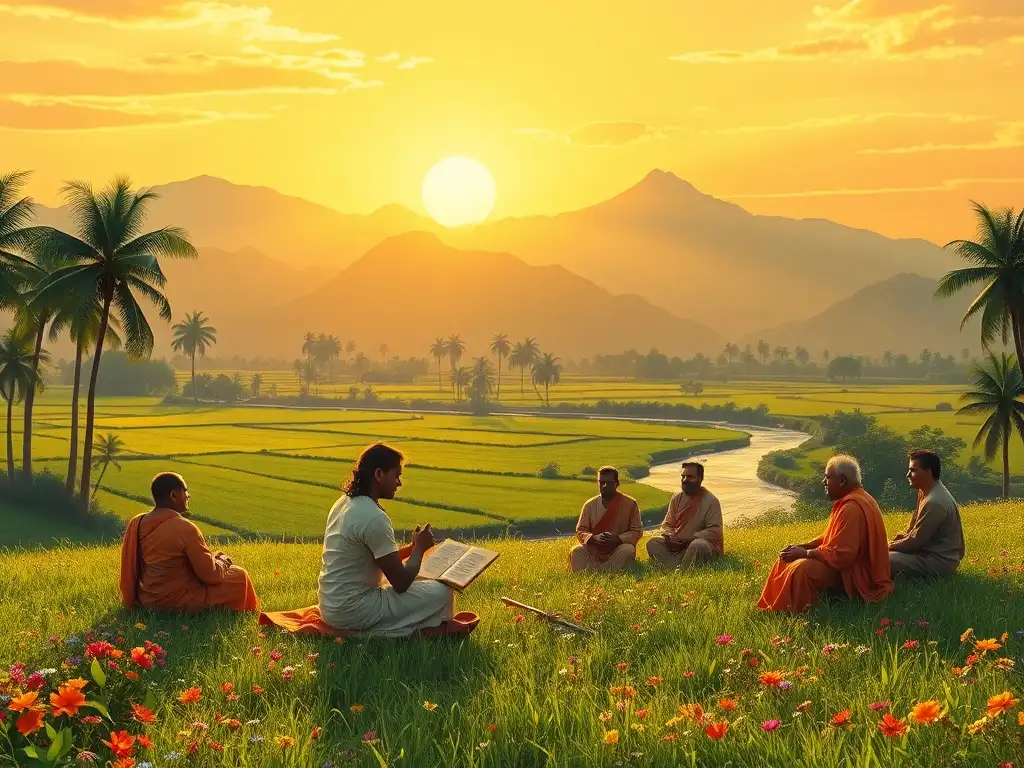
Sangam literature, a treasure trove of ancient Tamil poetry, encapsulates a myriad of themes that reflect the socio-cultural ethos of its time. The thematic exploration in Sangam literature is not merely a reflection of personal experiences but also serves as a broader commentary on the societal norms, values, and the intricate relationship between humans and their environment. These themes are vividly illustrated through poetic expressions, which are categorized into various genres based on their subject matter.
Love and Relationships in Sangam Poetry
One of the most prominent themes in Sangam literature is love, often depicted through the lens of various relationships. The poems intricately weave the emotions associated with love, ranging from the bliss of union to the pangs of separation.
- Types of Love: The poetry categorizes love into different types, such as:
- Kurunthogai: Celebrating the joy of love between lovers.
- Aham: Referring to the inner world, focusing on personal emotions and relationships.
- Puram: Highlighting the external world, often dealing with heroic love and relationships in a broader context.
- Imagery and Symbolism: The poets utilize rich imagery and symbolism to convey complex emotions. For instance, the use of nature as a metaphor for love is prevalent, where flowers, seasons, and landscapes reflect the feelings of longing and affection.
- Cultural Significance: These poetic expressions serve not only as artistic endeavors but also as cultural documents that provide insights into the values and expectations surrounding love and relationships in ancient Tamil society.
Nature and Environment in Sangam Texts
The relationship between humanity and nature is another critical theme explored in Sangam literature. The poets exhibit a profound appreciation for the natural world, which is often depicted as a character in itself.
- Symbolism of Nature: Nature is portrayed with a sense of divinity and is intricately linked to the emotional states of the characters. For example:
- Rivers: Often symbolize the flow of life and emotions.
- Mountains and Forests: Serve as backdrops for love stories, symbolizing both tranquility and challenges.
- Ecological Awareness: The texts reflect an early awareness of ecological balance, showcasing the importance of living in harmony with nature. The poets emphasize the beauty of the landscape, urging respect and stewardship of the environment.
- Cultural Practices: Various natural elements described in Sangam poetry also signify agricultural practices, seasonal changes, and their impacts on society, illustrating the interconnectedness of life and the environment.
War and Valor in Sangam Narratives
The theme of war and valor is another striking aspect of Sangam literature that showcases the martial spirit of the ancient Tamils. The narratives surrounding heroism and conflict are rich in detail and cultural significance.
- Heroic Tales: The literature celebrates legendary warriors and their exploits, often depicting battles in vivid detail. Key features include:
- Valiant Deeds: Poets recount the bravery of heroes and their strategic prowess in warfare.
- Moral Values: The narratives often convey moral lessons about honor, loyalty, and duty.
- Societal Impact: The glorification of war and valor reflects the societal norms of the time, where bravery was highly esteemed. It also highlights the role of warfare in the establishment of kingdoms and social order.
- Integration with Other Themes: War is often juxtaposed with love and nature, illustrating how these themes coexist and influence one another. For example, the longing experienced by lovers is emphasized amidst the backdrop of ongoing conflicts, underscoring the complexities of human emotions in times of strife.
The themes explored in Sangam literature offer a rich tapestry of human experience, reflecting the intricate interplay of love, nature, and valor that shaped ancient Tamil society. Each theme contributes to our understanding of the cultural and historical significance of this remarkable literary tradition, reinforcing the importance of Sangam literature in the broader context of ancient Indian history.
Influence of Sangam Literature Language on Later Works
Legacy of Sangam Language in Tamil Literature
The Sangam literature, composed between 300 BCE to 300 CE, is foundational to Tamil literature and has left an indelible mark on its evolution. The language of Sangam works, characterized by its poetic forms, rich vocabulary, and nuanced expressions, established a high standard for subsequent Tamil literature. Tolkāppiyam, an ancient Tamil grammar text, not only codified the Tamil language but also provided a framework that influenced later poets and writers.
The themes and stylistic elements of Sangam poetry, such as emotion (ābhāsa), nature (puḻar), and heroic deeds (vēṭṭi), became integral to Tamil literature. For instance, the use of alankāras (figurative language) in Sangam poetry laid the groundwork for future poets to explore complex emotions and intricate imagery. The legacy of this early literary tradition is evident in the works of later poets like Kambar and Auvaiyar, who drew inspiration from the themes and language of Sangam literature.
Additionally, the structure and form of poetry established during the Sangam period, such as venba and kanni, continue to influence modern Tamil poetry, showcasing the enduring significance of the Sangam language.
Impact on Modern Literary Traditions
The influence of Sangam literature extends beyond classical Tamil works and into modern literary traditions. The rich linguistic heritage and thematic depth of Sangam texts have inspired contemporary writers to revisit and reinterpret these ancient narratives. For example, modern Tamil novels often incorporate elements of Sangam poetry, reflecting the same emotional resonance and connection to nature.
In addition, the Sangam language's emphasis on local dialects and vernacular speech has encouraged modern authors to embrace regional identities in their writing. This shift has not only revitalized interest in Tamil culture but has also promoted linguistic diversity within modern literature.
Moreover, the resurgence of interest in Sangam literature has led to various adaptations in theater and film, where the dialogue and storytelling techniques reflect the stylistic nuances of the original texts. This ongoing dialogue between ancient and modern forms highlights the timeless relevance of Sangam literature in shaping Tamil identity and expression.
Comparative Analysis with Other Ancient Literatures
When examining the significance of Sangam literature language, a comparative analysis with other ancient literatures reveals both unique characteristics and shared traits. For instance, like the Vedic literature of ancient India, Sangam poetry exhibits a profound connection to nature and the human experience. Both traditions utilize metaphor and symbolism to convey complex ideas and emotions.
However, Sangam literature stands apart in its regional specificity and emphasis on personal and communal life, often celebrating the nuances of everyday existence. In contrast, works from the Greek and Roman traditions, such as those of Homer and Virgil, often focus on grand narratives of heroism and mythology.
Additionally, the language used in Sangam literature is notable for its accessibility and musicality, which contrasts with the more formalized structures found in other ancient literary traditions. This accessibility has contributed to the enduring popularity of Sangam texts among Tamil speakers, allowing them to resonate across generations.
The language of Sangam literature not only laid the foundation for Tamil literary traditions but also offers valuable insights when compared to other ancient literatures, highlighting its unique significance in the broader context of world literature.
Contemporary Relevance of Sangam Literature
The Revival of Interest in Sangam Texts
In recent decades, there has been a notable resurgence of interest in Sangam literature, particularly among scholars, students, and the general public. This revival can be attributed to several factors:
- Cultural Renaissance: The Tamil Nadu government and various organizations have initiated programs aimed at promoting Tamil language and literature. This has fueled a renewed appreciation for Sangam texts, which are viewed as foundational works of Tamil culture.
- Academic Research: Universities and research institutions are increasingly focusing on Sangam literature as a field of study. This has led to the publication of numerous academic papers, books, and translations, making these ancient texts more accessible to a broader audience.
- Digital Archiving: The digitization of Sangam texts has played a crucial role in their revival. Online platforms and e-books allow individuals from around the world to access and study these works, promoting global interest.
- Cultural Festivals: Events celebrating Tamil culture often feature recitations and discussions of Sangam literature, further embedding its significance in contemporary society.
As a result, the revival of interest in Sangam texts not only enriches the understanding of Tamil heritage but also reinforces the language's relevance in modern discourse.
Educational Importance of Sangam Literature Language
Sangam literature serves as a critical component of education in Tamil Nadu and among Tamil-speaking populations. Its language, characterized by rich poetic devices and intricate grammatical structures, offers valuable insights into ancient Tamil society and culture. The educational significance can be summarized as follows:
- Linguistic Mastery: Studying Sangam literature enhances linguistic skills. The texts introduce students to classical Tamil, which is essential for understanding the evolution of the language and its contemporary forms.
- Cultural Literacy: As a part of the curriculum, Sangam literature educates students about the socio-political, economic, and cultural contexts of ancient Tamil civilization, fostering a deeper connection to their heritage.
- Critical Thinking: Analyzing the themes, motifs, and literary techniques in Sangam poetry encourages critical thinking and analytical skills among students, equipping them for broader literary studies.
- Interdisciplinary Approach: The study of Sangam literature intersects with history, anthropology, and sociology, allowing for a comprehensive educational experience that transcends traditional subject boundaries.
Incorporating Sangam literature into educational frameworks cultivates a generation of learners who are not only proficient in the language but also enriched by the cultural narratives embedded in these ancient texts.
Cultural Significance in Present-Day Tamil Society
The cultural significance of Sangam literature in contemporary Tamil society is profound and multifaceted. It continues to influence various aspects of life, including:
- Identity and Heritage: For many Tamils, Sangam literature is a source of pride and identity. It embodies the rich cultural heritage that connects them to their ancestors, serving as a reminder of a glorious past.
- Art and Performance: Elements of Sangam poetry are often integrated into traditional art forms, such as dance, music, and theatre. The themes of love, valor, and nature resonate deeply within these performances, keeping the literature alive in the cultural imagination.
- Social Commentary: Contemporary writers and poets draw inspiration from Sangam literature to address modern issues. By intertwining ancient themes with current societal challenges, they create a dialogue between the past and present.
- Festivals and Celebrations: Festivals often highlight the contributions of Sangam literature. Events such as Tamil New Year include recitations and discussions of Sangam texts, reinforcing their relevance in community celebrations.
Sangam literature remains a vital part of Tamil culture, influencing contemporary social norms, artistic expressions, and collective identity. Its enduring legacy underscores the importance of preserving and promoting this ancient treasure for future generations.
Conclusion
Recap of Sangam Literature Language Significance
The significance of the language used in Sangam literature cannot be overstated. Sangam literature, primarily composed in Tamil, showcases a rich linguistic tradition that reflects the socio-cultural fabric of ancient Tamilakam. The texts are a testament to the linguistic diversity and poetic sophistication that characterized the period.
- Linguistic Features:
- Tamil Lexicon: Sangam literature employs a vast vocabulary, including native Tamil words and loanwords from Sanskrit, reflecting its historical interactions.
- Poetic Devices: The use of alliteration, metaphors, and similes enhances the emotional and aesthetic appeal of the poems.
- Cultural Significance:
- The language of Sangam literature is deeply intertwined with the prevailing cultural norms, social practices, and the philosophical outlook of the time.
- Themes of love, valor, and nature are articulated in a manner that resonates with the lived experiences of the people, making the literature not just a historical document but a mirror of society.
- Influence on Modern Tamil:
- The linguistic structures and idiomatic expressions found in Sangam texts have significantly influenced contemporary Tamil, shaping its literary and colloquial forms.
Final Thoughts on Tolkāppiyam and Its Impact on Ancient Indian Literature
Tolkāppiyam, often regarded as the oldest Tamil grammar text, plays a pivotal role in understanding the linguistic framework of Sangam literature. This ancient text serves as a foundational reference for the study of Tamil language and literature. Its systematic approach to grammar, syntax, and poetics facilitates a deeper comprehension of the intricate nuances of Sangam poetry.
- Grammatical Framework:
- Tolkāppiyam outlines the rules of Tamil grammar in a structured manner, making it an essential resource for scholars and linguists alike.
- Cultural Preservation:
- By codifying the language, Tolkāppiyam aids in the preservation of Tamil heritage and provides insights into the cultural ethos of the time.
- Influence on Literature:
- The principles laid out in Tolkāppiyam continue to influence Tamil literature and education, contributing to the ongoing evolution of the language.
The Sangam literature language significance is profound, not only in its historical context but also in its enduring impact on Tamil culture and identity. The study of Tolkāppiyam and its literary contributions enhances our understanding of the rich tapestry of ancient Indian literature, affirming its place in the broader narrative of human expression.
Frequently Asked Questions
What is Sangam literature?
Sangam literature refers to a collection of ancient Tamil texts composed during the Sangam period (approximately 300 BCE to 300 CE), highlighting the cultural and literary richness of Tamil Nadu.
What is Tolkāppiyam?
Tolkāppiyam is an ancient Tamil grammar text that serves as the foundational work for understanding the structure and usage of the Tamil language. It is significant for both linguistic and cultural studies.
Why is the language of Sangam literature important?
The language of Sangam literature is crucial for understanding historical contexts, as it provides insights into the social, political, and cultural dynamics of ancient South India.
How does Tolkāppiyam contribute to our understanding of Sangam literature?
Tolkāppiyam establishes the rules and norms of Tamil, which are essential for interpreting Sangam texts. It enables scholars to analyze the stylistic and thematic elements present in these works.
What is the significance of Sangam literature in modern times?
Sangam literature holds cultural significance as it reflects the heritage and identity of Tamil-speaking populations. It continues to influence literature, arts, and education in contemporary society.
Final Reflection: The Enduring Significance of Sangam Literature's Language
The exploration of Sangam literature and its linguistic intricacies reveals a profound connection to our contemporary world. As we delve into the significance of Tolkāppiyam, we uncover not just a historical artifact but a living testament to the richness of Tamil culture and its linguistic heritage. The language of Sangam literature continues to resonate today, reminding us of the power of words to shape identities and foster connections across generations.
Sangam literature has profoundly influenced the cultural and social landscape of Tamil Nadu and beyond. The intricate interplay of language, poetry, and philosophy in works like Tolkāppiyam serves as a bridge between the past and present, shaping our understanding of identity, love, and nature. As noted by renowned Tamil scholar K. K. S. S. R. Anjaneyulu, The beauty of Sangam literature lies not just in its verses but in its ability to speak to the human experience across time.
This ongoing influence invites us to reflect on how language can encapsulate the essence of our shared humanity.
As we conclude this exploration, I invite you to reflect on the lessons embedded in Sangam literature and consider how they can enrich your own life. Engage with the language, embrace its significance, and allow it to inspire your thoughts and actions. Whether through poetry, storytelling, or everyday conversation, let the legacy of Tolkāppiyam guide you in celebrating the beauty of language and its power to connect us all.
Dive Deeper into Sangam Literature!
Thank you for taking the time to explore the rich tapestry of Sangam literature and the significance of the Tolkāppiyam. Your interest in this vibrant cultural heritage provides you with a profound understanding of ancient Tamil traditions and their contributions to literature. Now, let’s take this journey further!
Here are some engaging ways to enhance your exploration of Sangam literature:
- Join a discussion group focused on Sangam texts to share insights and gain new perspectives.
- Create a blog post reflecting on your favorite verse from the Tolkāppiyam and its relevance in today's context.
- Explore related texts within the vast field of Tamil literature to expand your knowledge and understanding.
What aspect of Sangam literature resonates with you the most, and how has it influenced your understanding of ancient cultures?