
The Gupta Empire's Contributions to Metallurgy: A Golden Age of Innovation

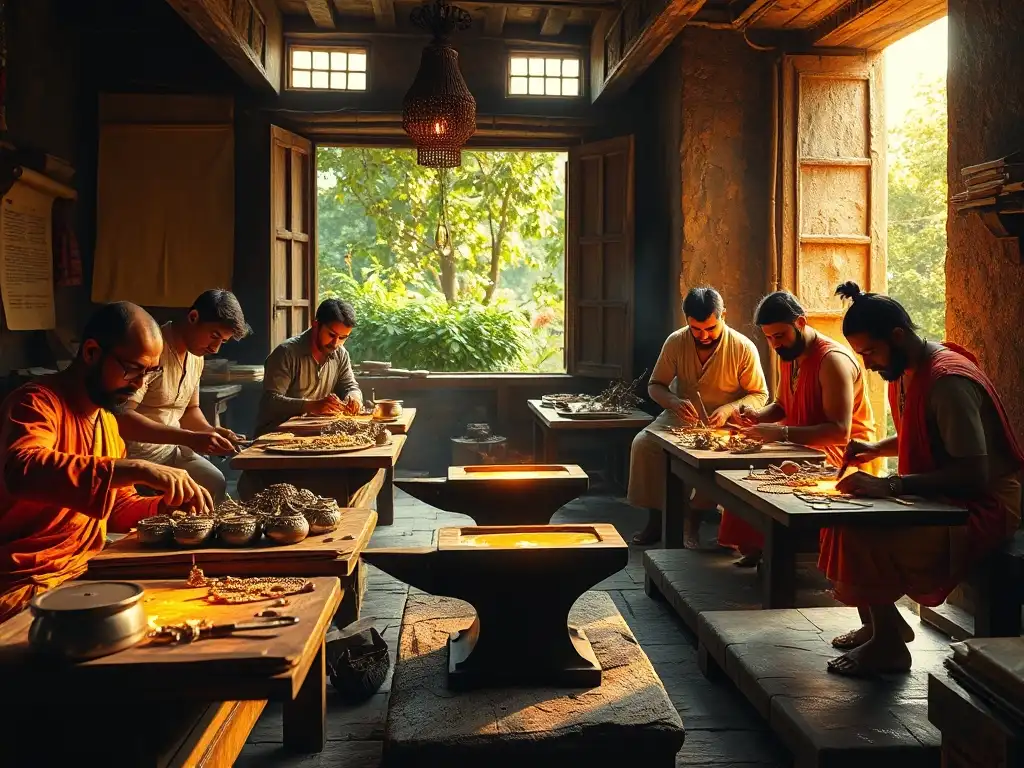
Welcome to Ancient India History, where we embark on a fascinating journey through the rich tapestry of India's past! Delve into the remarkable contributions of ancient Indian civilizations, as we shine a light on the Gupta Empire's metallurgy innovations—a pivotal chapter in the annals of technology and innovation. Discover how this golden age not only transformed the art of metalworking but also laid the groundwork for advancements that resonate even today. Curious about the techniques and materials that defined this era? Read on to uncover the secrets of a civilization that shaped the course of history!
Introduction to Gupta Empire Metallurgy Innovations
The Gupta Empire, which flourished from approximately 320 to 550 CE, is often heralded as a golden age of innovation in various fields, including science, mathematics, and metallurgy. This era witnessed remarkable advancements that laid the groundwork for future technological developments in India and beyond.
The metallurgical innovations during this period not only showcased the sophisticated skills of Indian artisans but also significantly contributed to the economy and military prowess of the empire. Understanding the Gupta Empire's metallurgy innovations is essential to appreciate the profound impact these advancements had on ancient Indian civilization and their lasting legacy in material science.
Overview of the Gupta Empire and its Historical Context
The Gupta Empire, founded by Maharaja Sri Gupta, emerged in a period marked by political stability and cultural flourishing following the decline of the Maurya Empire. Under the rule of notable emperors such as Chandragupta I, Samudragupta, and Chandragupta II, the empire expanded its territory across the Indian subcontinent. This expansion facilitated increased trade and interaction with various cultures, leading to a vibrant exchange of ideas and technologies.
Metallurgy played a crucial role during this time, as it enabled the production of high-quality weapons, tools, and artistic artifacts. The Gupta period is characterized by its emphasis on craftsmanship and artistic expression, which were often reflected in the intricate metalwork produced by artisans. The advancements in metallurgy during this era not only served practical purposes but also had significant cultural and religious implications, manifesting in the creation of idols and ceremonial objects.
Importance of Metallurgy in Ancient Indian Civilization
Metallurgy was a cornerstone of ancient Indian civilization, driving economic growth and technological progress. The ability to extract and manipulate metals was pivotal for various industries, including agriculture, construction, and warfare. The Gupta Empire's metallurgical innovations provided the foundation for several key developments:
- Military Strength: Advanced metallurgy allowed for the production of superior weapons, enhancing the military capabilities of the Gupta rulers.
- Trade Expansion: High-quality metal goods became sought-after commodities in trade, contributing to the empire's economic prosperity.
- Cultural Significance: The artistic expression found in metalwork reflected the cultural richness of the Gupta Empire, influencing art and architecture for generations.
Key Metallurgical Innovations of the Gupta Empire
The Gupta Empire's contributions to metallurgy were transformative, marked by several key innovations that set new standards in the field.
Development of High-Quality Iron
One of the most significant achievements of Gupta metallurgy was the production of high-quality iron. Artisans developed advanced techniques for smelting and forging iron, resulting in stronger and more durable products. The famous Iron Pillar of Delhi, crafted during this period, exemplifies this innovation.
- Corrosion Resistance: The pillar's remarkable resistance to corrosion is attributed to the unique composition of iron and the expertise of Gupta metallurgists.
- Cultural Symbol: The Iron Pillar not only served a practical purpose but also stood as a testament to the artistic and scientific accomplishments of the Gupta Empire.
Advances in Copper and Bronze Metallurgy
In addition to iron, the Gupta Empire made notable advancements in copper and bronze metallurgy. These developments had far-reaching implications for both everyday life and ceremonial practices.
- Copper Alloys: The Gupta artisans mastered the art of creating high-quality copper alloys, which were used to produce coins, utensils, and tools.
- Bronze Sculptures: The period is renowned for its exquisite bronze sculptures, which showcased the intricate craftsmanship and artistic flair of Gupta artisans. These artifacts not only served decorative purposes but also played a role in religious rites and cultural expressions.
The Gupta Empire's metallurgy innovations were instrumental in shaping the technological landscape of ancient India, influencing various aspects of life during and after this remarkable period.
The Role of Science and Technology in Gupta Metallurgy
The Gupta Empire, flourishing from approximately 320 to 550 CE, is celebrated not only for its cultural and artistic achievements but also for its remarkable advancements in metallurgy. The period marked a golden age of innovation where science and technology played pivotal roles in developing various metallurgical techniques. Scholars and artisans in the Gupta Empire combined traditional knowledge with practical experimentation, leading to significant breakthroughs in metalworking.
One of the core aspects of Gupta metallurgy was the understanding of alloy composition. Artisans skillfully experimented with different metal mixtures, optimizing properties for specific applications. This led to the production of high-quality iron, copper, and bronze items, which were not only functional but also aesthetically pleasing. Furthermore, the techniques developed during this era laid the groundwork for future metallurgical practices, influencing generations of metallurgists.
The Gupta period also saw the establishment of specialized workshops and centers of learning, where artisans could collaborate and share knowledge. This collaborative environment fostered innovation, resulting in advanced techniques such as casting, forging, and tempering. The technological prowess of the time is exemplified in artifacts such as the famous iron pillar of Delhi, which showcases the Gupta mastery of metallurgy with its resistance to corrosion and structural integrity.
Influence of Ancient Texts and Scholars
The Gupta Empire's metallurgical innovations were profoundly influenced by ancient texts and the profound scholarship of the time. Texts such as the Arthashastra by Kautilya and the Sushruta Samhita provided foundational knowledge not only in governance and medicine but also in materials science and metallurgy. Scholars like Varahamihira contributed to the understanding of metals and their properties, documenting techniques that would guide artisans in their practices.
The integration of knowledge from previous civilizations, including the Vedic texts, played a significant role in shaping Gupta metallurgy. These ancient writings contained valuable insights into the extraction and processing of metals, which Gupta metallurgists built upon. By translating and interpreting these texts, scholars ensured that knowledge was preserved and expanded, enabling further innovations in the field.
Moreover, the emphasis on education during the Gupta period facilitated the transmission of metallurgical knowledge. Universities such as Nalanda attracted students and scholars from across the region, creating a vibrant intellectual environment. This exchange of ideas and techniques contributed significantly to the advancements in metallurgy, marking the Gupta Empire as a beacon of scientific achievement.
Integration of Chemistry and Metallurgy
The Gupta Empire's metallurgical innovations exemplified an early understanding of chemistry, particularly in the manipulation of metal properties through chemical processes. Metallurgists of this era utilized various chemical reactions to enhance the quality and durability of metals. Techniques such as carburization, where carbon was introduced to iron, produced steel with superior strength, a notable advancement that set Gupta metallurgy apart from previous practices.
Additionally, the Gupta artisans were adept at using fluxes and additives during metal smelting and alloying processes. These materials facilitated the removal of impurities, resulting in purer metals with enhanced characteristics. The knowledge of chemical reactions was not merely practical; it was grounded in a theoretical framework that included principles of alchemy and the transformation of substances.
The synthesis of chemistry and metallurgy during the Gupta period marked a significant evolutionary step in material science. This integration allowed for the production of specialized alloys and the refinement of existing techniques, leading to innovations such as high-carbon steel and brass. Such advancements not only improved the functional properties of metal artifacts but also elevated their aesthetic appeal, showcasing the Gupta mastery of science in the realm of metallurgy.
Cultural Significance of Metallurgical Innovations
The metallurgical innovations of the Gupta Empire had profound cultural significance, impacting various aspects of daily life, art, and architecture. The ability to produce high-quality metalwork not only enhanced the functionality of tools and weapons but also played a vital role in the empire's artistic expression. Metal became a medium for intricate craftsmanship, allowing artisans to create beautiful sculptures, coins, and decorative items that reflected the cultural values of the time.
Metallurgy in Gupta Art and Architecture
Metallurgy profoundly influenced Gupta art and architecture, with metalwork serving as a key element in the embellishment of structures and religious artifacts. Temples, for instance, often featured intricate bronze sculptures and copper reliefs, showcasing the skill and creativity of Gupta artisans. The use of metals in decorative motifs was not just ornamental; it held symbolic significance, representing divine qualities and the richness of the empire.
Additionally, the Gupta period saw the development of advanced casting techniques, such as lost-wax casting, which enabled artists to create detailed and expressive metal figures. Notable examples include the bronze statues of deities, which were not only worshipped but also served as important cultural icons. These metallurgical innovations allowed for a fusion of artistry and spirituality, enriching the cultural landscape of the Gupta Empire.
Moreover, the technological advancements in metallurgy directly influenced architectural design. Structures were reinforced with metal fittings, enhancing their durability and structural integrity. The use of iron beams and brackets in construction enabled the development of larger and more complex architectural forms, reflecting the empire's aesthetic and engineering capabilities.
Economic Impact of Metallurgical Advancements
The advancements in metallurgy during the Gupta Empire had a significant economic impact, contributing to trade, agriculture, and overall prosperity. The production of high-quality metal goods, including tools and weapons, bolstered agricultural productivity, allowing for more efficient farming practices. This increase in agricultural output supported the growing population and contributed to the economic stability of the empire.
Furthermore, the Gupta Empire became a hub for trade, both regionally and internationally. The demand for metal goods spurred economic activities, leading to the establishment of trade routes that connected various markets. Gupta artisans produced a variety of metal products, from everyday tools to luxury items, which were highly sought after in domestic and foreign markets. The exchange of goods facilitated cultural interactions and strengthened the empire's influence across Asia.
The economic impact of Gupta metallurgy extended to currency production as well. The introduction of coins made from high-quality metals simplified trade and standardized economic transactions, promoting commerce. The robust metal currency system strengthened the Gupta economy, making it one of the most prosperous in ancient India.
The Gupta Empire's metallurgical innovations played a crucial role in shaping its cultural identity and economic landscape, marking a golden age of ingenuity that resonated through history.
Comparison with Other Ancient Civilizations
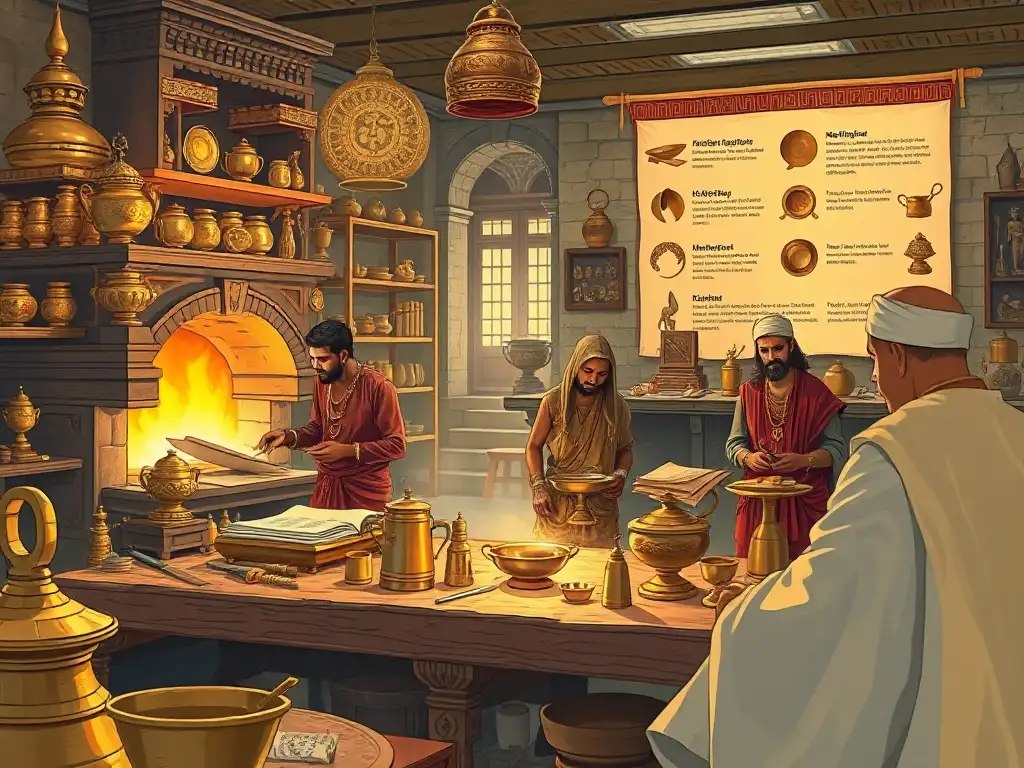
The Gupta Empire, often regarded as a golden age of Indian civilization, made significant advancements in metallurgy that set it apart from other ancient civilizations. By comparing Gupta metallurgy innovations with those of the Romans and the Chinese, we can gain a deeper understanding of their unique contributions to the field.
Gupta Empire vs. Roman Metallurgy Innovations
The Roman Empire is well-known for its sophisticated engineering and metallurgy, particularly in the production of alloys such as bronze and the use of lead in plumbing. However, the Gupta Empire distinguished itself through the development of high-quality steel, particularly Wootz steel, which was famed for its hardness and ability to be honed to a sharp edge.
- Wootz Steel: The Gupta metallurgists perfected the process of producing Wootz steel, which involved the careful selection of iron ore, controlled heating, and the addition of specific carbon content. This resulted in a steel that was not only durable but also had a distinctive pattern, often referred to as "Damascus steel."
- Tools and Weapons: The Gupta Empire's advancements in metallurgy allowed for the creation of superior weaponry and tools, enhancing their military prowess and agricultural productivity. In contrast, Roman metallurgy focused more on mass production and utility rather than the intricate craftsmanship seen in Gupta artifacts.
While both civilizations made strides in metallurgy, the Gupta innovations in high-carbon steel and their artistic approach to metalworking created a legacy that would influence future generations.
Gupta Empire vs. Chinese Metallurgy Innovations
China has a rich history of metallurgy, particularly known for its innovations in cast iron and bronze. The Gupta Empire, however, excelled in different areas that showcased their unique skills and technologies.
- Iron Smelting Techniques: The Gupta metallurgists utilized advanced techniques for smelting iron, which resulted in the production of high-quality iron products, including the famous iron pillar of Delhi. This pillar, made of wrought iron, has stood the test of time and is resistant to corrosion, showcasing the advanced knowledge of metallurgy during the Gupta period.
- Cultural Integration: Unlike the Chinese, whose innovations were often state-controlled and focused on military applications, Gupta metallurgy was deeply intertwined with the culture and aesthetics of the time. This cultural aspect led to the creation of beautifully crafted artifacts, which were both functional and artistic.
The comparative analysis reveals that while the Chinese focused on large-scale production and utility, the Gupta Empire's metallurgy innovations leaned more towards quality, craftsmanship, and aesthetic value.
Conclusion: The Lasting Legacy of Gupta Empire Metallurgy
The Gupta Empire's contributions to metallurgy not only reflect a period of remarkable innovation but also laid the groundwork for future technological advancements. Their unique approach and techniques have resonated through the ages, influencing both regional and global practices.
Summary of Key Contributions and Innovations
The Gupta Empire can be credited with several key contributions to metallurgy, including:
- Wootz Steel: Development of high-quality steel that was superior in strength and sharpness.
- Iron Pillar of Delhi: An engineering marvel that has resisted corrosion for centuries, exemplifying advanced ironworking techniques.
- Artistic Metalwork: Integration of aesthetics in metallurgy, creating items of both beauty and functionality.
These innovations not only enhanced the quality of life during the Gupta period but also inspired later metallurgical practices in various cultures.
Influence on Future Generations and Modern Metallurgy
The legacy of Gupta metallurgy extends beyond its time, influencing various metallurgical practices in subsequent civilizations. The techniques used to produce Wootz steel have been studied and replicated in modern metallurgical research, highlighting the enduring impact of Gupta innovations.
- Modern Applications: The principles of alloying and the understanding of material properties developed during the Gupta period laid the foundation for modern metallurgy. Innovations in high-carbon steel production can trace their roots back to Gupta practices.
- Cultural Reverberations: The artistic metalwork of the Gupta Empire continues to inspire contemporary artisans and metallurgists, illustrating how ancient techniques can inform modern practices.
The Gupta Empire's metallurgy innovations not only represent a significant chapter in ancient Indian history but also continue to resonate in today's world, showcasing a remarkable legacy of ingenuity and craftsmanship.
References and Further Reading
The Gupta Empire, flourishing from approximately 320 to 550 CE, represents a pinnacle of cultural and scientific advancement in ancient India. Its contributions to metallurgy are particularly noteworthy, reflecting a period of remarkable innovation. For those interested in delving deeper into this topic, the following resources provide valuable insights into Gupta metallurgy and its broader implications in the history of technology.
Suggested Books and Articles on Gupta Metallurgy
-
"Metallurgy in Ancient India" by A. K. Sharma
This comprehensive text explores the various metallurgical techniques employed in ancient India, with a special focus on the Gupta period. Sharma provides an in-depth analysis of metal extraction, alloying processes, and the significance of these innovations in trade and industry.
-
"The Gupta Empire: A Study in the History of India" by R. S. Sharma
This book offers a broader context of the Gupta Empire, highlighting its socio-economic and technological advancements, including detailed discussions on metallurgy.
-
"Iron and Steel in Ancient India" by R. P. Tripathi
Tripathi’s work examines the production and use of iron and steel during the Gupta period, detailing the methods and technologies that led to the high-quality production of these materials.
-
"The Science of Metals in Ancient India: A Historical Perspective" by S. K. Gupta
This article provides a scholarly overview of the scientific principles behind ancient Indian metallurgy, emphasizing the Gupta period's innovations and their lasting impact.
-
"Ancient Indian Metallurgy: The Gupta Contribution" in the Journal of Historical Metallurgy
This peer-reviewed article presents research findings on the advancements in metallurgical practices during the Gupta Empire, shedding light on the techniques and materials used.
Online Resources for Ancient Indian Metallurgy Research
-
Ancient India Metallurgy Database
This online repository offers a wealth of information on various aspects of ancient Indian metallurgy, including research papers, articles, and bibliographies related to the Gupta Empire.
-
World History Encyclopedia
A comprehensive resource that features articles and entries related to the Gupta Empire, including its metallurgical innovations and their historical significance.
-
India’s Ancient Crafts and Technologies: An Interactive Platform
This website provides interactive content, including videos and articles, focusing on ancient Indian crafts and technologies, with specific sections dedicated to metallurgy during the Gupta period.
-
Google Scholar
A valuable tool for academic research, Google Scholar allows users to search for scholarly articles, theses, and books on Gupta metallurgy. Utilizing specific keywords such as "Gupta Empire metallurgy" can yield fruitful results.
-
METAL: The Journal of Metallurgy and Materials Science
This journal features research articles and reviews on various aspects of metallurgy, including historical studies on ancient practices, with occasional references to Gupta innovations.
These resources will provide a comprehensive understanding of the Gupta Empire's contributions to metallurgy, highlighting its role in the broader narrative of technological advancements in ancient India.
- Introduction to Gupta Empire Metallurgy Innovations
- Key Metallurgical Innovations of the Gupta Empire
- The Role of Science and Technology in Gupta Metallurgy
- Cultural Significance of Metallurgical Innovations
- Comparison with Other Ancient Civilizations
- Conclusion: The Lasting Legacy of Gupta Empire Metallurgy
- References and Further Reading
- What were the key metallurgy innovations during the Gupta Empire?
- How did the Gupta Empire contribute to metalworking techniques?
- What materials were primarily used in Gupta metallurgy?
- How did the innovations in metallurgy influence ancient Indian society?
- What legacy did the Gupta Empire's metallurgy innovations leave behind?
Frequently Asked Questions
What were the key metallurgy innovations during the Gupta Empire?
The Gupta Empire metallurgy innovations included advancements in iron smelting, the production of high-quality steel, and the creation of intricate metal sculptures. These innovations significantly impacted tools, weapons, and art.
How did the Gupta Empire contribute to metalworking techniques?
The Gupta Empire refined casting techniques and introduced alloying processes that improved the durability and quality of metal products. This led to enhanced tool performance and artistic expression.
What materials were primarily used in Gupta metallurgy?
The primary materials used in Gupta metallurgy included iron, copper, and bronze. These metals were essential for creating a variety of items such as weapons, coins, and decorative artifacts.
How did the innovations in metallurgy influence ancient Indian society?
The advancements in metallurgy during the Gupta Empire contributed to economic growth, improved agricultural tools, and enhanced military capabilities. This ultimately led to a prosperous society and cultural flourishing.
What legacy did the Gupta Empire's metallurgy innovations leave behind?
The innovations in metallurgy during the Gupta Empire laid the foundation for future metalworking practices in India and influenced global metallurgy. Their techniques are considered a significant part of India's rich cultural heritage.
Final Reflection: The Enduring Legacy of Gupta Empire Metallurgy Innovations
The Gupta Empire's advancements in metallurgy are not just historical footnotes; they are a testament to human ingenuity that resonates profoundly in today's technological landscape. The innovations of this golden age laid the groundwork for modern metallurgy, influencing everything from construction materials to the tools we use daily. As we navigate an era increasingly defined by technological progress, the Gupta Empire's contributions remind us of the importance of innovation and the lasting impact it can have on society.
The cultural and social implications of Gupta metallurgy innovations extend far beyond their time, shaping the very fabric of industries and craftsmanship that we rely on today. The techniques developed during this period not only enhanced the quality of metalwork but also fostered a spirit of collaboration and knowledge-sharing that is essential in any thriving society. Innovation distinguishes between a leader and a follower.
– Steve Jobs. This quote encapsulates the essence of the Gupta Empire's legacy, urging us to embrace creativity and leadership in our own pursuits.
As we reflect on the remarkable achievements of the Gupta Empire, let us be inspired to cultivate our own innovative spirits. Consider how you can apply the lessons of resourcefulness and collaboration in your life, whether in your career, community, or personal projects. The past offers us a wealth of knowledge; it is up to us to harness that wisdom and forge our own paths of innovation, ensuring that the legacy of the Gupta Empire continues to inspire future generations.
Unveil the Marvels of Gupta Metallurgy Today!
Thank you for journeying through the remarkable contributions of the Gupta Empire in metallurgy. You've uncovered how innovative techniques shaped not just ancient India but the world. Are you ready to take this knowledge further and ignite a passion for the history of innovation?
Here’s how you can make the most of what you’ve learned:
- Dive Deeper: Explore additional resources on ancient metallurgy through documentaries or online courses to broaden your understanding.
- Share the Knowledge: Discuss your insights with friends or join forums to engage with others who appreciate this golden age of innovation.
- Experiment Yourself: Try a simple metalworking project at home or visit a local museum showcasing metal artifacts to experience history firsthand.
Which aspects of Gupta metallurgy spark your curiosity the most, and in what ways do you think it has influenced contemporary techniques? We invite you to share your insights!