
The Technological Advances of the Indus Valley Civilization: Pioneers of Innovation

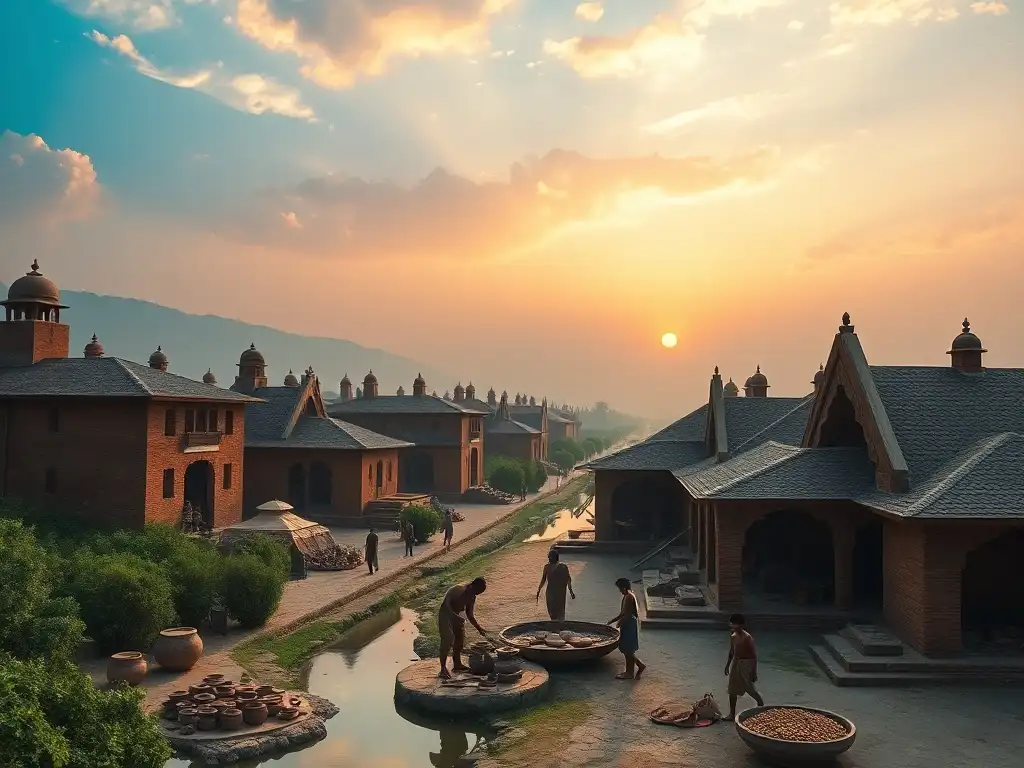
Welcome to Ancient India History, where we embark on a captivating journey through the rich tapestry of ancient Indian civilizations! In this exploration, we delve into the remarkable Indus Valley technological innovations, uncovering the pioneering advancements that shaped not only their society but also laid the groundwork for future generations. What ingenious inventions and groundbreaking techniques emerged from this enigmatic civilization?
Join us as we unveil the secrets of the past and fuel your curiosity about the extraordinary contributions of the Indus Valley to the world of technology and culture. Get ready to dive deep into a history that continues to inspire!
The Indus Valley Civilization (IVC), flourishing around 2500 BCE in the northwestern regions of the Indian subcontinent, stands as one of the earliest and most advanced urban cultures in history. This remarkable civilization, known for its sophisticated city planning, innovative architecture, and efficient agricultural practices, laid the groundwork for numerous technological advances that would influence subsequent cultures and societies. By exploring the Indus Valley technological innovations, we uncover the ingenuity of a people who were not only pioneers in urban development but also in various engineering and scientific domains, from drainage systems to metallurgy.
Understanding these innovations provides valuable insights into the daily life, economy, and social organization of the IVC, highlighting their contributions to human progress. As we delve deeper into the technological marvels of the Indus Valley, we will examine specific areas of innovation and their lasting impact on the ancient world and beyond. This exploration serves not only to appreciate the achievements of the IVC but also to recognize the enduring legacy of ancient Indian civilizations in shaping technological advancement throughout history.
Overview of Indus Valley Technological Innovations
The Indus Valley Civilization showcases a plethora of technological innovations that were far ahead of their time. Key areas of advancement include:
- Urban Planning: The cities of Harappa and Mohenjo-Daro were meticulously planned with grid patterns, sophisticated drainage systems, and standardized bricks.
- Water Management: Advanced techniques for water conservation and management, including wells and reservoirs, were crucial for agricultural sustainability.
- Metallurgy: The IVC was proficient in metalworking, particularly in copper, bronze, and gold, leading to tools and ornaments that were both functional and decorative.
- Weaving and Textiles: The civilization was known for its cotton production and weaving techniques, setting the stage for textile innovations that would last for centuries.
Significance of Innovations in Daily Life
The technological innovations of the Indus Valley Civilization significantly impacted daily life:
- Public Health: The advanced drainage systems contributed to improved sanitation and public health.
- Agricultural Efficiency: Innovations in irrigation and plowing techniques enhanced agricultural productivity, supporting larger populations.
- Trade and Economy: The development of standardized weights and measures facilitated trade, both within the IVC and with neighboring regions.
Each of these innovations not only reflects the ingenuity of the IVC but also their ability to adapt to and manipulate their environment to meet their needs effectively. As we continue to explore these advancements, it becomes evident that the Indus Valley Civilization was a beacon of innovation in ancient times, deserving of recognition and study.
- What are some key technological innovations of the Indus Valley Civilization?
- How did the Indus Valley influence later civilizations?
- What role did trade play in Indus Valley technological development?
- Can you name a few architectural achievements of the Indus Valley Civilization?
- How do current archaeological findings enhance our understanding of Indus Valley innovations?
Introduction to the Indus Valley Civilization
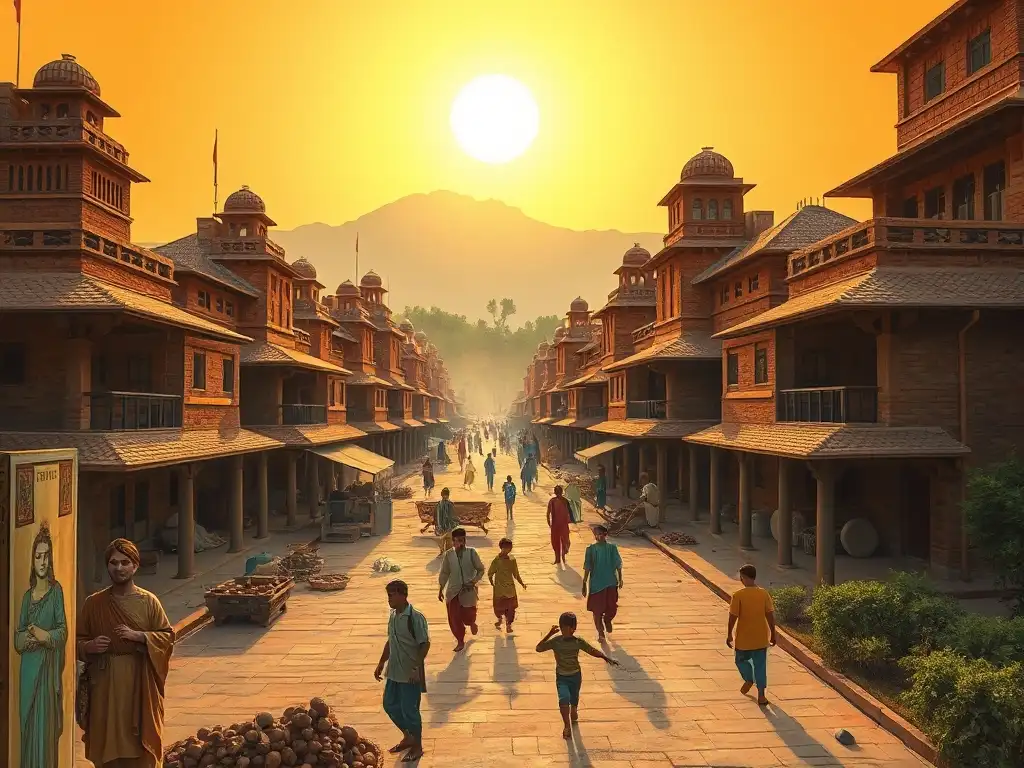
The Indus Valley Civilization (IVC), one of the world's earliest urban cultures, flourished around 2500 BCE in what is now Pakistan and northwest India. Renowned for its advanced city planning, architecture, and socio-economic structures, the IVC stands as a testament to the ingenuity of ancient societies. The civilization was characterized by its well-laid cities, sophisticated drainage systems, and standardized weights and measures, all of which underscore the significance of its technological innovations.
Overview of the Indus Valley Civilization
The Indus Valley Civilization extended across a vast geographical area, encompassing major sites like Harappa and Mohenjo-Daro. This civilization thrived along the fertile banks of the Indus River, benefiting from regular flooding that enriched the soil. The IVC is notably recognized for its:
- Urban Planning: The cities were meticulously planned with grid patterns, residential areas, and public spaces. Streets were often lined with houses constructed from uniform baked bricks, illustrating advanced engineering skills.
- Water Management: A remarkable feature of the IVC was its sophisticated drainage system. Most homes were equipped with toilets connected to a central drainage system, showcasing the civilization's commitment to hygiene and public health.
- Trade Networks: The IVC engaged in extensive trade with neighboring regions, including Mesopotamia. Artifacts such as seals and weights found at the sites indicate a complex economy that relied on trade goods such as jewelry, textiles, and agricultural products.
- Writing System: Although still undeciphered, the Indus script found on seals and pottery suggests a form of written communication, indicating a level of intellectual and administrative complexity.
These features collectively highlight the Indus Valley technological innovations that not only facilitated daily life but also contributed to the civilization's longevity and influence.
Significance of Technological Innovations in Ancient Civilizations
The technological innovations of the Indus Valley Civilization were pivotal not only within their context but also set precedents for future civilizations. The significance of these advancements can be analyzed through the following lenses:
- Urban Sustainability: The IVC's urban planning and water management systems laid foundational principles for sustainable living in urban environments. Their ability to manage water resources effectively can be seen as a precursor to modern urban infrastructure.
- Economic Development: The standardization of weights and measures facilitated trade, which is a cornerstone of economic development. This level of organization helped establish a robust economy that could support large populations.
- Cultural Exchange: The innovations of the IVC allowed for interactions with other ancient cultures, enriching their own practices and technologies. The exchange of goods and ideas contributed to a more interconnected ancient world.
- Foundation for Future Civilizations: Many aspects of IVC technology, particularly in urban planning and sanitation, influenced subsequent civilizations in the Indian subcontinent, setting a high standard for future developments in architecture and infrastructure.
The Indus Valley technological innovations not only underscore the sophistication of the civilization itself but also provide insights into the technological trajectory of human development. These advancements marked a critical point in the evolution of urban societies, illustrating the importance of innovation in the context of social, economic, and cultural progress.
Key Indus Valley Technological Innovations
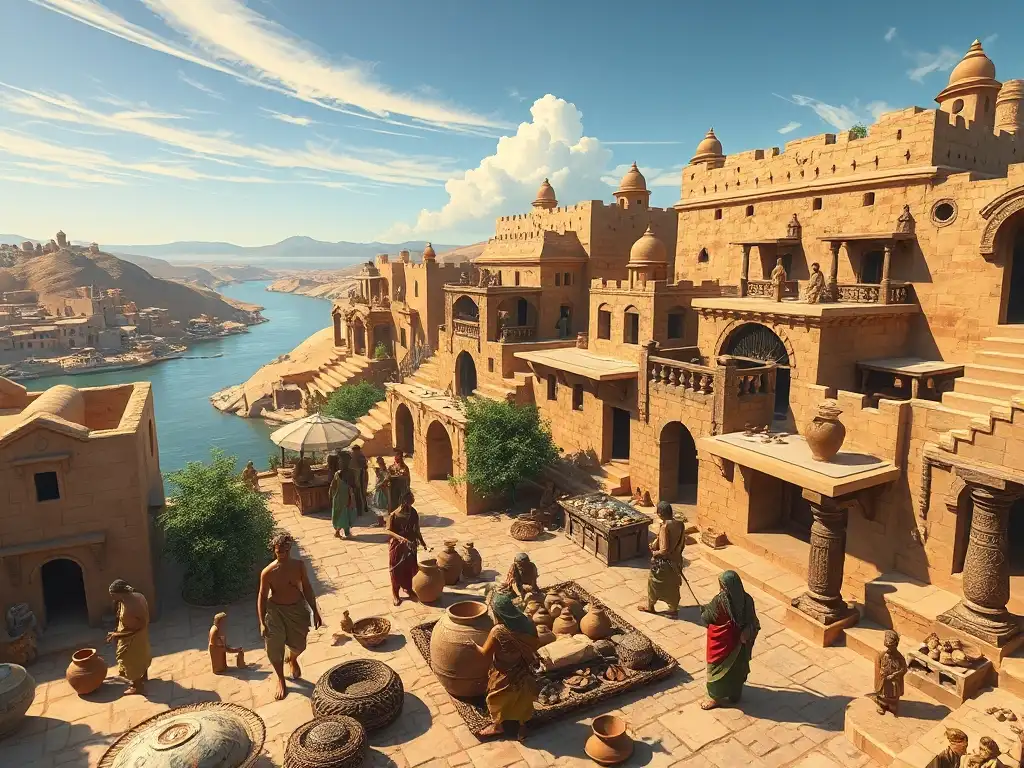
The Indus Valley Civilization (IVC), flourishing around 2500 BCE, is renowned for its remarkable technological innovations that laid the foundation for future urban societies. The advancements in urban planning, architecture, water management, and agricultural practices showcase the ingenuity and resourcefulness of its inhabitants. This section delves into the key technological innovations that characterized this ancient civilization.
Urban Planning and Architecture
Advanced City Layouts: Grid Patterns and Drainage Systems
The cities of the Indus Valley, such as Harappa and Mohenjo-Daro, exemplify sophisticated urban planning. The grid pattern of these cities reflects meticulous planning, with streets laid out in straight lines, intersecting at right angles. This systematic approach not only facilitated efficient movement but also optimized land use.
- Key Features:
- Width of Streets: Streets typically measured between 1.5 to 3 meters, allowing for easy transportation of goods and people.
- Drainage Systems: One of the most remarkable aspects of urban planning in the IVC was its advanced drainage system. Houses were equipped with bathrooms connected to a sophisticated network of drains, which directed wastewater to covered drains that lined the streets. This innovation highlighted the emphasis on hygiene and public health.
"The Indus Valley Civilization's urban planning is a testament to their foresight and understanding of city life."
Innovations in Building Materials: Brick and Mortar Techniques
The Indus Valley people were pioneers in the use of standardized baked bricks, which were made from clay and fired in kilns. This innovation allowed for the construction of durable structures that could withstand the test of time.
- Building Techniques:
- Standardization: The bricks were typically 40 x 20 x 10 cm, promoting uniformity in construction.
- Mortar Use: The use of mortar in joining bricks provided additional strength to structures, enabling the construction of multi-story buildings, warehouses, and public baths.
The architectural prowess of the IVC is evident in the remains of granaries, assembly halls, and residential complexes, showcasing their ability to combine functionality with aesthetics.
Water Management Systems
The Importance of Wells and Reservoirs
Water management was crucial for the sustainability of the Indus Valley Civilization, given its semi-arid climate. The construction of wells and reservoirs played a vital role in supporting daily life and agriculture.
- Key Features:
- Wells: Many homes had their own wells, with some wells reaching depths of over 20 meters, ensuring a consistent water supply.
- Reservoirs: Large reservoirs, such as the one found in Dholavira, were engineered to collect and store rainwater, demonstrating advanced planning for water conservation.
The presence of these water management systems illustrates the inhabitants’ understanding of hydrology and their commitment to community welfare.
Irrigation Techniques: Agriculture and Sustainability
Agriculture was the backbone of the IVC economy, and innovative irrigation techniques significantly enhanced agricultural productivity.
- Techniques Employed:
- Canal Systems: The civilization developed an intricate network of canals to channel water from rivers to fields, facilitating irrigation even during dry seasons.
- Crop Diversification: Archaeological evidence suggests that the Indus Valley people cultivated various crops, including wheat, barley, and cotton, utilizing their irrigation techniques for sustainable agriculture.
The successful integration of these irrigation methods contributed to surplus agricultural production, which in turn supported urban growth and trade.
The Indus Valley Civilization's technological innovations not only highlight their advanced understanding of urban planning and resource management but also underscore their pivotal role in shaping the trajectory of future civilizations.
Craftsmanship and Trade
The Indus Valley Civilization (IVC) is renowned for its remarkable craftsmanship and trade practices, which played a crucial role in its economic and cultural development. Artisans in the IVC showcased their skills in various forms of craft, including pottery, bead-making, and metallurgy, which not only fulfilled local needs but also facilitated extensive trade networks. Evidence suggests that the IVC engaged in commerce with neighboring regions, including Mesopotamia and Persia, indicating that their goods were highly sought after.
The cities of Harappa and Mohenjo-Daro served as major trade hubs, where merchants exchanged goods such as textiles, metals, and agricultural products. The use of standardized weights and measures further exemplifies the sophistication of their trade practices. Additionally, the discovery of seals and inscriptions points to a complex system of record-keeping, likely used for trade transactions and to denote ownership. This advanced system of craftsmanship and trade contributed significantly to the prosperity and sustainability of the Indus Valley Civilization.
Metallurgy: Advances in Copper and Bronze Tools
The Indus Valley Civilization made significant strides in metallurgy, particularly in the production of copper and bronze tools. By around 3000 BCE, the inhabitants had mastered the techniques of smelting and alloying, allowing them to create durable tools and weapons that enhanced daily life and agricultural practices. The use of copper tools enabled more efficient farming, which likely contributed to their ability to support large urban populations.
Bronze, an alloy of copper and tin, was utilized to produce a variety of objects, including tools, ceremonial items, and weapons. The ability to craft bronze tools marked a pivotal point in technological advancement, as these tools were stronger and more resilient compared to their stone counterparts. Archaeological sites have revealed an array of bronze artifacts, such as axes, chisels, and decorative items, showcasing the artisans’ skill and the civilization's technological prowess.
The advances in metallurgy not only facilitated everyday tasks but also reflected the IVC's significant contributions to the development of technology in ancient societies. These innovations laid the groundwork for future metallurgical practices in the region and beyond.
Textile Production: Weaving Techniques and Dyeing Methods
Textile production was another area of innovation in the Indus Valley Civilization, characterized by sophisticated weaving techniques and advanced dyeing methods. Archaeological findings have uncovered evidence of cotton cultivation, indicating that the IVC was among the first civilizations to domesticate this important fiber. The ability to produce cotton textiles allowed them to create garments that were both comfortable and durable.
The weaving techniques employed by Indus Valley artisans were highly advanced. They utilized looms to weave intricate patterns, producing textiles that were not only functional but also aesthetically appealing. The discovery of spindle whorls suggests that spinning was a common practice, allowing for the mass production of yarn to meet the demands of both local and international markets.
Additionally, the IVC's mastery of dyeing methods is evident from the vibrant colors found in preserved textiles. Natural dyes derived from plants and minerals were used to create a wide palette, enhancing the visual appeal of their fabrics. This expertise in textile production not only catered to domestic needs but also positioned the Indus Valley as a significant player in the ancient trade of textiles, further highlighting their technological innovations and cultural sophistication.
Agricultural Technologies of the Indus Valley
Crop Cultivation Techniques
The Indus Valley Civilization, flourishing around 2500 BCE, showcased remarkable advancements in agricultural technologies that laid the groundwork for sustained agricultural practices. The fertile plains of the Indus River provided a conducive environment for farming, allowing the civilization to develop sophisticated crop cultivation techniques.
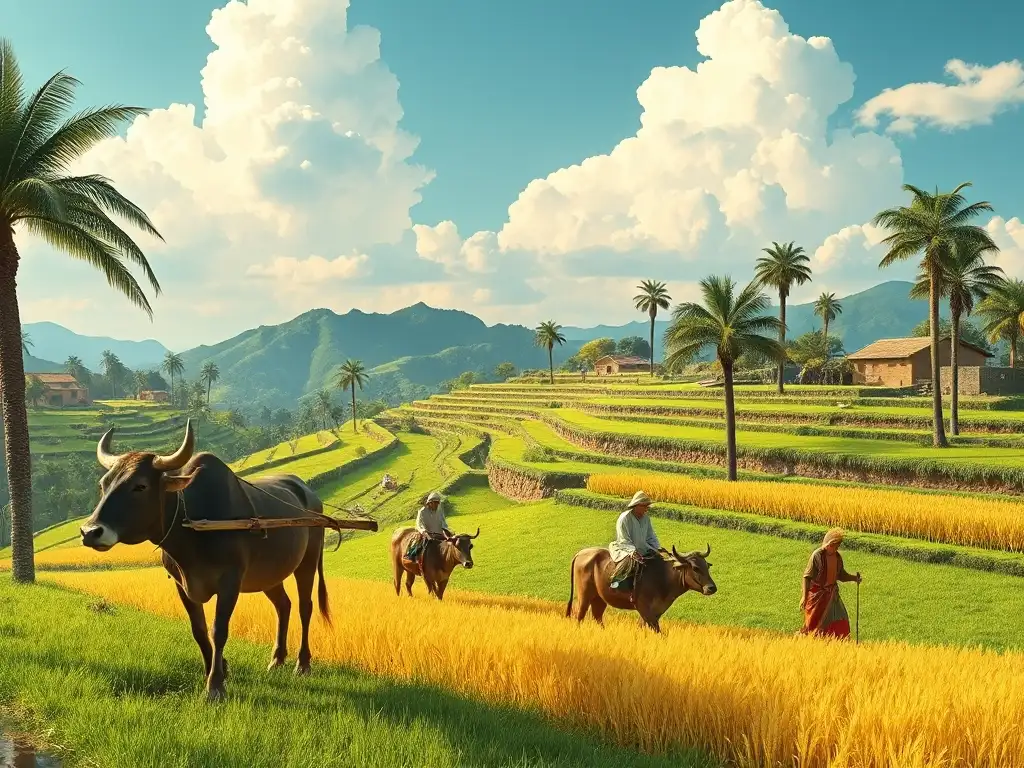
One of the primary techniques utilized was floodplain agriculture, where the annual flooding of the Indus River deposited nutrient-rich silt on the fields. This natural irrigation system enabled farmers to cultivate a variety of crops, including wheat, barley, peas, and cotton. The cultivation of cotton, in particular, highlights the ingenuity of the Indus Valley people as they were among the first to domesticate this fiber crop, which later became a significant trade item.
Additionally, the use of plows is evidenced by archaeological findings, suggesting that the Indus Valley farmers employed wooden plows to till the soil effectively. This innovation not only improved efficiency but also increased the productivity of the fields.
Moreover, the civilization practiced crop rotation, a technique aimed at maintaining soil fertility and preventing the depletion of nutrients. By alternating different crops, farmers could enhance agricultural yields and ensure a stable food supply for their growing population.
Domestication of Animals and Its Impact on Society
The domestication of animals played a crucial role in the agricultural practices of the Indus Valley Civilization. Key livestock such as cattle, sheep, goats, and pigs were domesticated, providing not only sustenance but also essential labor for farming.
Cattle, in particular, served multiple purposes: they were used for plowing fields, transporting goods, and as a source of milk. The introduction of animal husbandry allowed for a diversified diet, contributing to the overall health and stability of the society.
The presence of sheep and goats facilitated the production of wool, which was essential for clothing and trade. The woolen textiles produced in the Indus Valley were highly sought after, indicating that animal domestication had a significant economic impact.
Additionally, the domestication of animals contributed to the social structure of the Indus Valley society. The management of livestock required organization and strategy, leading to the development of more complex social hierarchies and trade networks.
Thus, the technological innovations in agriculture, including advanced crop cultivation and animal domestication, not only sustained the population of the Indus Valley Civilization but also fostered economic prosperity and social complexity that characterized this ancient society.
The Role of Technology in Daily Life
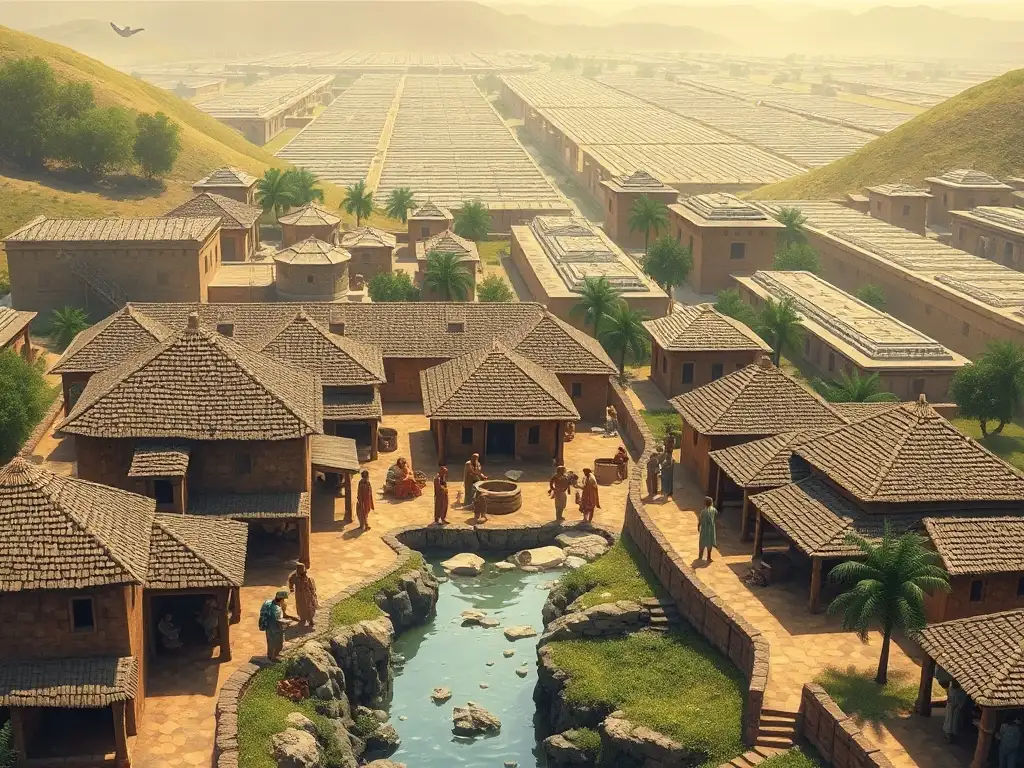
The Indus Valley Civilization, one of the world's oldest urban cultures, showcased remarkable technological innovations that played a pivotal role in the daily lives of its inhabitants. These advancements facilitated various aspects of life, ranging from agriculture to urban planning, and significantly influenced the overall development of this ancient society. By examining the tools and implements used by the Indus Valley people, we gain insight into how technology shaped their daily routines and interactions.
Tools and Implements Used by the Indus Valley People
The people of the Indus Valley Civilization were known for their exceptional craftsmanship and ingenuity in creating a variety of tools and implements. These tools were primarily made from materials such as bronze, copper, stone, and terracotta, reflecting the technological prowess of the civilization.
- Agricultural Tools:
- Plows: The introduction of the plow revolutionized farming practices. Made from wood or metal, these plows allowed for more efficient tilling of the land, leading to increased agricultural productivity.
- Sickles: Used for harvesting crops, sickles were crafted with a curved blade, making the process of cutting wheat and barley much easier.
- Weaving and Textile Production:
- Spindles: The existence of spindle whorls suggests a thriving textile industry. These tools enabled the spinning of cotton and wool into yarn, which was then woven into fabrics.
- Looms: Evidence of looms indicates that the Indus Valley people had developed sophisticated techniques for weaving, contributing to their economy through trade in textiles.
- Pottery and Storage:
- Kilns: The use of kilns for firing pottery showcases advanced knowledge of ceramics. The Indus Valley people produced a wide range of pottery, including cooking pots, storage jars, and decorative items.
- Sealed Storage Containers: Terracotta seals and containers highlight the importance of storage solutions in managing agricultural surpluses and trade goods.
- Urban Infrastructure:
- Drainage Systems: The sophisticated drainage systems in cities like Mohenjo-Daro demonstrate the engineering capabilities of the Indus Valley people. These systems included covered drains and brick-lined sewers, promoting sanitation and public health.
- Weights and Measures: Standardized weights and measures were crucial for trade, as they ensured fairness in transactions and facilitated economic growth.
The technological innovations of the Indus Valley Civilization significantly influenced its social structure and organization. As advancements in technology emerged, they led to changes in social dynamics and economic interactions among the population.
- Economic Specialization:
- The development of various tools and trade goods allowed for specialization among artisans and laborers. As a result, certain individuals became skilled in specific crafts, such as metalworking or pottery, fostering a class of artisans who contributed to the economy.
- This specialization likely led to the emergence of a more complex economic structure, with varying levels of wealth and status among individuals based on their skills and contributions.
- Urbanization and Social Hierarchy:
- The construction of advanced urban infrastructure, including well-planned cities and public works, indicates a stratified society. The presence of larger, more elaborate homes and public buildings suggests that some individuals held higher social status and influence.
- The organization of labor for large-scale projects, such as drainage systems and granaries, implies the existence of a governing body or leadership that coordinated these efforts, further solidifying social hierarchies.
- Trade Networks:
- The technological innovations in transportation and storage facilitated the establishment of extensive trade networks with neighboring regions. This interaction not only contributed to economic prosperity but also encouraged cultural exchanges, enriching the social fabric of the civilization.
- Traders and merchants likely gained prominence within society, creating a new social class that played a vital role in the economic and cultural interchange.
- Cultural Identity:
- The advancements in technology also fostered a sense of cultural identity among the Indus Valley people. Shared practices in agriculture, crafts, and urban living contributed to community cohesion and a collective identity that distinguished them from neighboring cultures.
The technological innovations of the Indus Valley Civilization were instrumental in shaping daily life and social structure. By advancing agricultural practices, enhancing craftsmanship, and promoting urbanization, these technologies laid the groundwork for a complex society that thrived for centuries. The legacy of these innovations continues to influence our understanding of ancient civilizations and their contributions to human progress.
Comparisons with Contemporary Civilizations
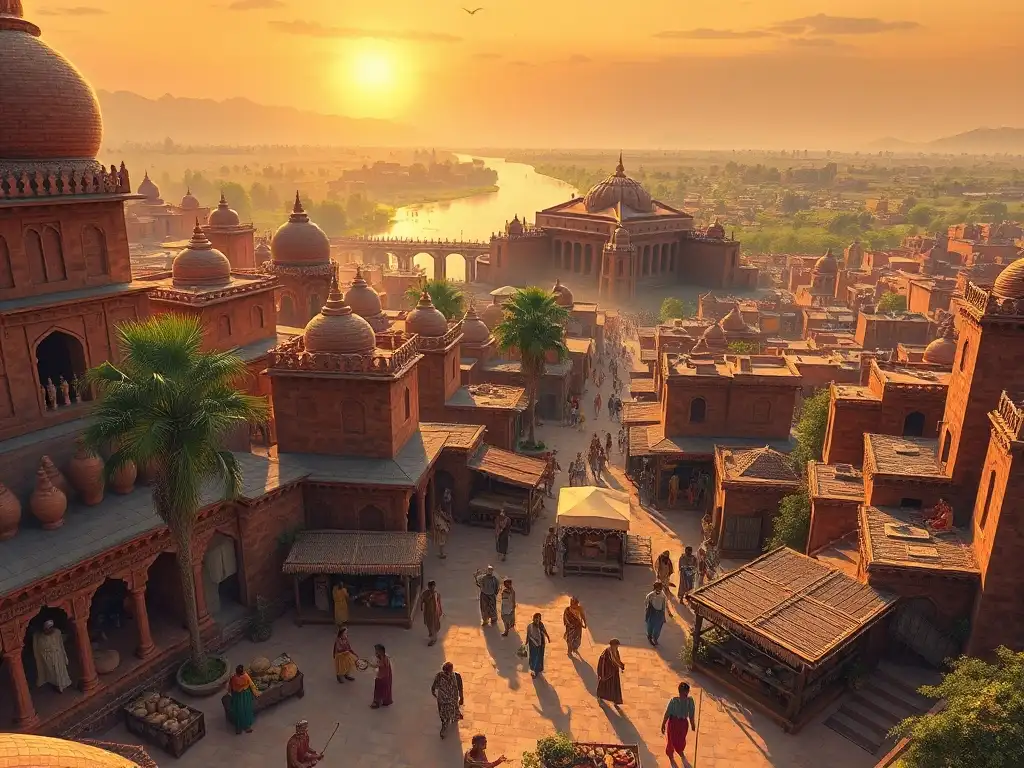
Technological Innovations of the Indus Valley vs. Mesopotamia
The Indus Valley Civilization (IVC) and Mesopotamia, often viewed as contemporaries, each developed unique technological innovations that reflect their environmental contexts and societal needs. While Mesopotamia is renowned for its advancements in writing and monumental architecture, the IVC made notable strides in urban planning, sanitation, and metallurgy.
- Urban Planning:
- The cities of the IVC, such as Mohenjo-Daro and Harappa, were meticulously planned with a grid layout, featuring streets laid out at right angles. In contrast, Mesopotamian cities often grew organically, leading to irregular street patterns.
- Drainage Systems: The IVC is particularly known for its sophisticated drainage systems. Homes often had private bathrooms connected to a central drainage system, showcasing an advanced understanding of sanitation that was not paralleled in Mesopotamia at the time.
- Weights and Measures:
- The Indus Valley civilization implemented a standardized system of weights and measures, essential for trade and construction. This system was more advanced compared to Mesopotamia's, which varied significantly across regions.
- Metallurgy:
- Both civilizations utilized metals, but the IVC displayed advanced techniques in metallurgy, particularly in the production of bronze tools and ornaments. Evidence suggests that they may have had a better grasp of alloying metals for optimal strength and functionality.
The Unique Features of Indus Valley Technology Compared to Ancient Egypt
While both the Indus Valley Civilization and Ancient Egypt exhibited remarkable technological innovations, their approaches and applications were distinctive, shaped by their unique environmental and cultural contexts.
- Water Management:
- The Indus Valley Civilization excelled in water management techniques, evidenced by their sophisticated drainage systems and the construction of large reservoirs. In contrast, Ancient Egypt primarily relied on the Nile River for irrigation but lacked the extensive urban drainage systems seen in the IVC.
- The IVC's use of wells for water supply was advanced, with numerous wells found in urban areas, indicating a focus on hygiene and water conservation.
- Construction Techniques:
- The construction methods of the IVC, such as the use of baked bricks and uniformity in size, demonstrate a high level of standardization and engineering prowess. This contrasts with Egyptian construction, which primarily utilized limestone and sandstone for monumental architecture, often with less emphasis on urban planning.
- Trade and Economy:
- The IVC had a thriving trade network that included seals used for commerce, showcasing an understanding of branding and identity in trade. Although Ancient Egypt also engaged in trade, their focus was more on resource acquisition rather than the development of a complex trade identity.
- The presence of dockyards in cities like Lothal highlights the IVC’s advancements in maritime trade, suggesting a level of economic sophistication that was distinct from Egypt's river-based economy.
The technological innovations of the Indus Valley Civilization reveal a society that was not only advanced in urban planning and sanitation but also unique in its approach to engineering and economic systems. These innovations set the IVC apart from its contemporary civilizations, including Mesopotamia and Ancient Egypt, showcasing a diverse and rich heritage of ingenuity.
Legacy of Indus Valley Technological Innovations
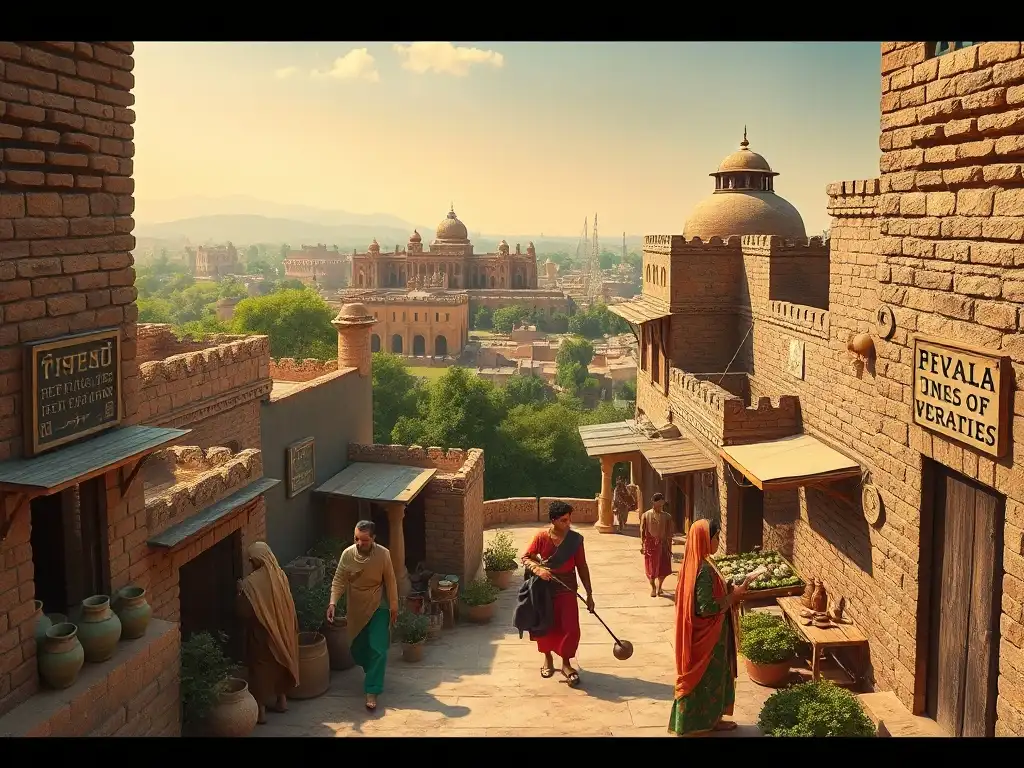
The Indus Valley Civilization (IVC), flourishing around 2600 to 1900 BCE, left an indelible mark on the technological landscape of ancient India. Renowned for its sophisticated urban planning, advanced drainage systems, and impressive architectural feats, the legacy of these innovations continues to resonate through subsequent Indian civilizations.
Influence on Subsequent Indian Civilizations
The technological advances of the Indus Valley served as a foundation for later Indian societies, influencing their urban development, trade practices, and cultural practices.
- Urban Planning and Architecture: The grid-like city layouts of Harappa and Mohenjo-Daro established principles of urban planning that can be seen in later cities such as Pataliputra and Varanasi. The use of baked bricks, standardized weights, and sophisticated drainage systems reflected a commitment to public health and civic order. These practices were emulated and evolved in future urban settlements, showcasing the indelible influence of IVC design principles.
- Agricultural Techniques: The introduction of advanced agricultural practices, including irrigation techniques and crop rotation, laid the groundwork for agrarian societies that followed. The IVC's ability to cultivate wheat, barley, and cotton not only sustained its population but also influenced the agricultural methodologies of later civilizations, such as the Mauryan Empire.
- Trade and Commerce: The extensive trade networks established by the IVC, which reached as far as Mesopotamia, set a precedent for commerce in ancient India. The use of standardized weights and measures facilitated trade, and this practice persisted in subsequent civilizations, fostering economic growth and cultural exchange.
- Craftsmanship and Artistry: The high levels of craftsmanship seen in IVC seals, pottery, and bead-making influenced later artistic traditions. The techniques and styles developed during this period can be traced through subsequent Indian art forms, reflecting a continuity of cultural expression.
The technological innovations of the Indus Valley Civilization not only catered to its immediate urban needs but also created a framework that influenced the societal structures, economic practices, and cultural expressions of later Indian civilizations, such as the Mauryan and Gupta Empires.
Relevance of Indus Innovations in Modern Times
The legacy of Indus Valley technological innovations extends beyond historical significance; it holds relevance in contemporary society as well.
- Urban Infrastructure: Modern urban planners can draw lessons from the advanced drainage systems and town layouts of the IVC. The emphasis on sanitation and public health mirrors current urban development challenges. Cities today face similar issues of waste management and infrastructure planning, and studying the IVC's methods can inspire sustainable solutions.
- Sustainable Agriculture: The agricultural techniques used by the Indus Valley, particularly in irrigation, are pertinent as modern agriculture seeks to address issues of water scarcity and soil degradation. Innovations such as rainwater harvesting, which have historical roots in ancient practices, are gaining prominence in sustainable agricultural strategies today.
- Trade and Economy: The IVC's trade practices highlight the importance of economic systems based on standardization and efficiency. In a globalized world, where trade agreements and economic cooperation are vital, understanding the historical context of commerce can inform modern trade policies.
- Cultural Heritage and Identity: The artistic and technological achievements of the Indus Valley contribute to India's rich cultural heritage. They serve as a reminder of the innovative spirit and creativity inherent in Indian civilization, fostering a sense of identity and continuity in a rapidly changing world.
The technological innovations of the Indus Valley Civilization not only laid the groundwork for future Indian societies but also continue to resonate in contemporary practices, offering valuable insights for modern challenges in urban planning, agriculture, trade, and cultural preservation.
Conclusion: The Indus Valley as a Beacon of Technological Advancement
The Indus Valley Civilization (IVC) stands as a remarkable testament to early human ingenuity and technological advancement. Flourishing around 2500 BCE in what is now modern-day Pakistan and northwest India, this civilization exhibited an impressive range of innovations that laid the groundwork for future societies. Their technological achievements were not only practical but also reflected a sophisticated understanding of their environment and resources.
The advances in urban planning, sanitation, and craftsmanship underscore the IVC's role as a beacon of innovation. The cities of Harappa and Mohenjo-Daro, with their grid layouts, advanced drainage systems, and standardized weights and measures, demonstrate a level of planning and execution that was unprecedented at the time. These innovations reveal a society that prioritized public health, commerce, and the welfare of its citizens, setting a high standard for future civilizations.
Reflection on the Pioneering Nature of Indus Valley Innovations
The Indus Valley technological innovations were pioneering in several critical areas, including:
- Urban Planning: The cities featured remarkably organized layouts, with streets laid out in a grid pattern and houses constructed with uniform baked bricks. This planning facilitated not only traffic flow but also efficient land use.
- Water Management: The civilization is renowned for its advanced drainage and sewage systems. Homes were equipped with private toilets connected to a sophisticated underground drainage system, showcasing their understanding of hygiene and public health.
- Metallurgy: Indus Valley artisans were skilled in metallurgy, producing tools and ornaments made from copper, bronze, and gold. Their expertise in metalworking contributed to agricultural efficiency and trade.
- Weighing Systems: The use of standardized weights and measures facilitated trade and economic transactions, indicating a complex economic system that relied on both local and long-distance trade networks.
- Craftsmanship: The civilization produced a variety of goods, including pottery, seals, and textiles, often characterized by intricate designs and high-quality materials. This craftsmanship not only served practical purposes but also reflected the cultural identity of the Indus people.
These innovations were not isolated; they were interconnected and contributed to the overall efficiency and functionality of the civilization. The IVC's ability to innovate and adapt to its environment underscores its pioneering spirit, influencing subsequent cultures.
The Lasting Impact of Indus Valley Civilization on Technology and Culture
The technological legacy of the Indus Valley Civilization has left an indelible mark on both the region's history and the broader narrative of human advancement. The principles of urban planning and sanitation that emerged during this period can be seen as precursors to modern city design and infrastructure. Their emphasis on public health through sophisticated drainage systems continues to resonate in contemporary urban planning initiatives.
Moreover, the IVC's innovations in trade and commerce laid the foundations for economic systems that would flourish in subsequent Indian civilizations. The standardization of weights and measures not only facilitated local trade but also established a framework for future economic interactions across regions.
Culturally, the artistic and technological achievements of the Indus Valley have influenced various aspects of Indian heritage, ranging from pottery styles to textile production techniques. The significance of seals, often inscribed with script and motifs, offers insights into the early forms of communication and trade, further emphasizing the civilization's role in cultural continuity.
The Indus Valley Civilization serves as a magnificent chapter in the history of human technological advancement. Its innovations not only addressed the needs of its time but also laid the groundwork for future developments in urban living, craftsmanship, and economic systems. As we explore the rich tapestry of ancient Indian civilizations, the contributions of the Indus Valley remain a vital part of understanding our shared heritage.
Frequently Asked Questions
What are some key technological innovations of the Indus Valley Civilization?
The Indus Valley Civilization is known for its impressive urban planning, advanced drainage systems, and the use of standardized weights and measures in trade.
How did the Indus Valley influence later civilizations?
The innovations in agriculture and craftsmanship laid the groundwork for subsequent cultures in the region, fostering advancements in urbanization and trade networks.
What role did trade play in Indus Valley technological development?
Trade facilitated the exchange of ideas, materials, and technologies, contributing significantly to the sophistication and variety of artifacts produced by the civilization.
Can you name a few architectural achievements of the Indus Valley Civilization?
The civilization is renowned for its well-planned cities, such as Mohenjo-Daro and Harappa, featuring granaries, public baths, and robust brick structures.
How do current archaeological findings enhance our understanding of Indus Valley innovations?
Recent discoveries provide insights into the social organization, economic practices, and technological prowess of the Indus Valley, revealing their role as pioneers of innovation in ancient history.
Final Reflection: The Enduring Legacy of Indus Valley Technological Innovations
The technological innovations of the Indus Valley Civilization are not just relics of the past; they are a testament to human ingenuity that continues to resonate in our modern world. The sophisticated urban planning, advanced drainage systems, and standardized weights and measures developed by this ancient civilization laid the groundwork for many contemporary technologies. As we navigate an era defined by rapid technological change, understanding the roots of these innovations can inspire us to think critically about our own advancements and their implications for society.
Cultural and social landscapes are continually shaped by the innovations of the past, and the Indus Valley Civilization serves as a powerful reminder of this truth. The meticulous craftsmanship and engineering prowess of the Indus people highlight the importance of sustainability and community-oriented design. As we face pressing global challenges, such as climate change and urbanization, we can draw inspiration from their ability to harmonize technology with daily life. Innovation is the ability to see change as an opportunity – not a threat.
This quote encapsulates the spirit of the Indus Valley, urging us to embrace change and innovation as we move forward.
As you reflect on the technological innovations of the Indus Valley Civilization, consider how these lessons can be applied in your own life and community. What can you learn from their approach to innovation? Challenge yourself to think creatively about how you can contribute to a sustainable future, drawing from the wisdom of those who came before us. Let the legacy of the Indus Valley inspire you to become a pioneer of innovation in your own right, fostering a world where technology serves humanity and the environment alike.
Unveil the Innovations of the Indus Valley!
Thank you for delving into the remarkable advancements of the Indus Valley Civilization! Your curiosity has opened the door to understanding the brilliant minds that laid the groundwork for modern innovation. Now, it's time to take the next step and explore these technological marvels further!
Here are some actions you can take to deepen your engagement:
- Research and discover more about specific inventions, such as the sophisticated urban planning and drainage systems of Harappa and Mohenjo-Daro, through documentaries and academic articles.
- Share this article with friends or on social media to foster a discussion about ancient innovation and its impact on contemporary technologies.
- Join history forums or online communities to connect with other enthusiasts and exchange perspectives on how these advances continue to shape our modern civilization.
What aspect of the Indus Valley's technological legacy inspires you the most, and why do you think it remains relevant in today's world?