
The Legacy of the Indus Valley: Preserving Architectural Heritage

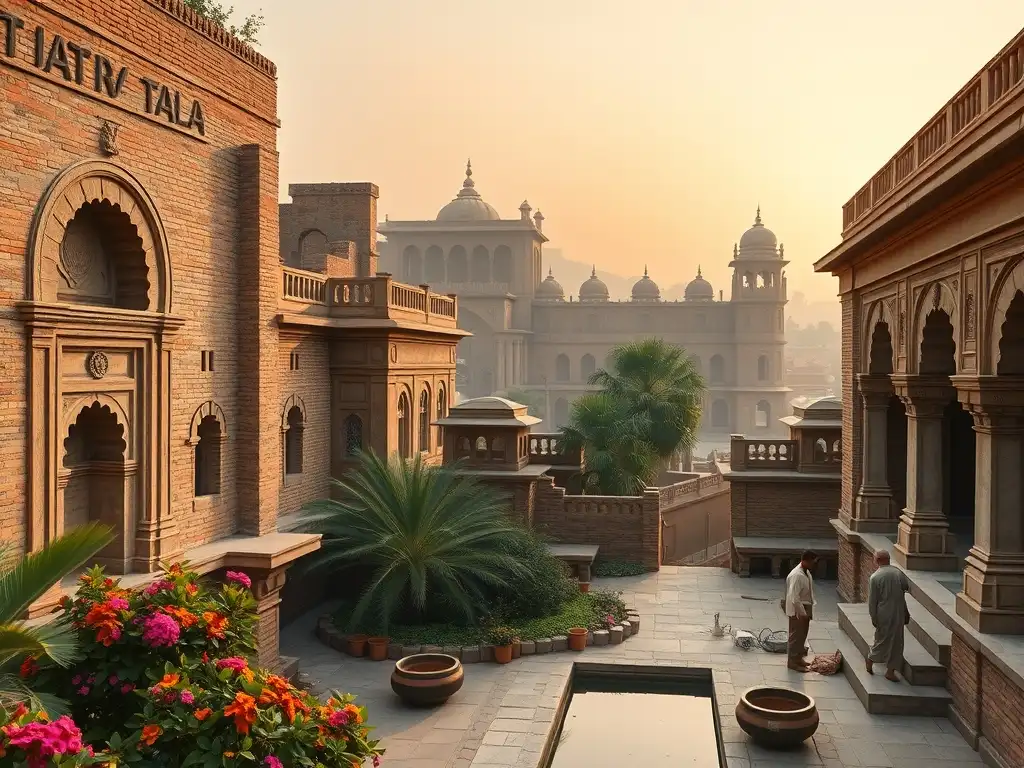
Welcome to Ancient India History, where we embark on a fascinating journey through time to uncover the rich tapestry of ancient Indian civilizations. Dive deep into the Indus Valley architectural heritage, a testament to the ingenuity and artistry of one of the world's earliest urban cultures. As we explore the legacy of the Indus Valley, you'll discover how these remarkable structures not only shaped the landscape of their time but also laid the groundwork for future generations.
Join us as we unravel the stories behind these ancient marvels and uncover the connections that bind our past to the present. Your adventure into the depths of history begins here!
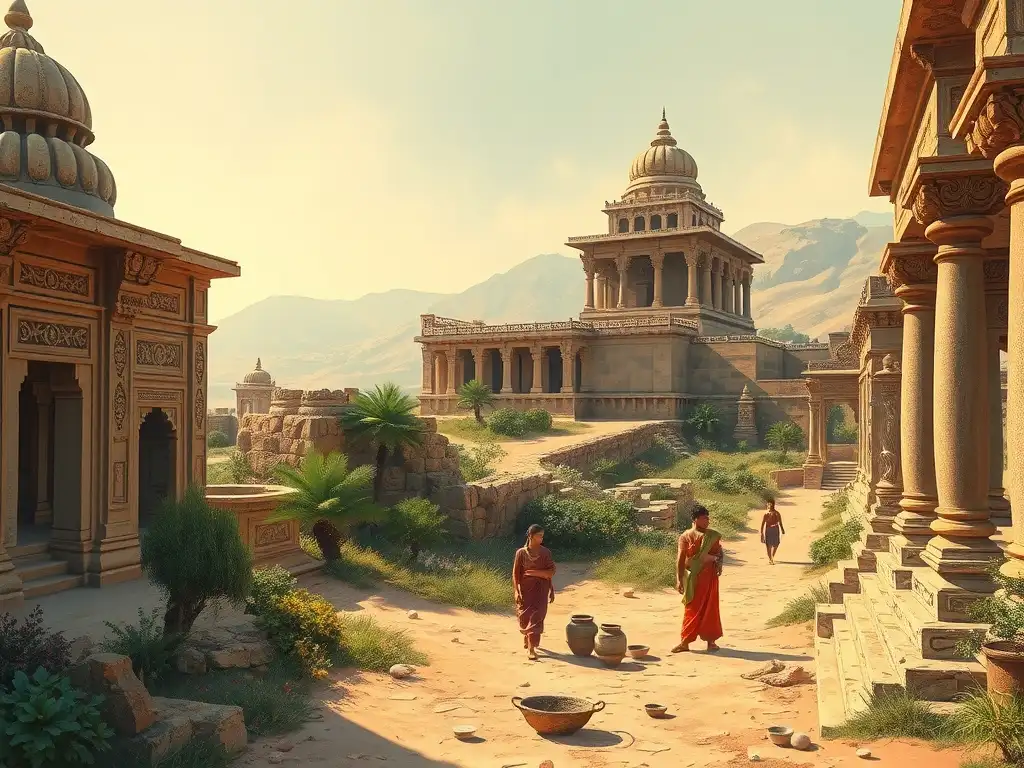
Introduction to Indus Valley Architectural Heritage
The Indus Valley Civilization, one of the world's oldest urban cultures, flourished between 3300 BCE and 1300 BCE in what is now Pakistan and northwest India. This ancient civilization is renowned for its sophisticated urban planning, innovative architecture, and rich cultural practices.
The architectural heritage of the Indus Valley not only reflects the technological advancements of its time but also provides invaluable insights into the social, economic, and religious life of its people. As we explore the legacy of this remarkable civilization, we uncover the importance of preserving its architectural heritage, which serves as a testament to human ingenuity and resilience throughout history.
Overview of the Indus Valley Civilization
The Indus Valley Civilization, often referred to as the Harappan Civilization, was characterized by its well-planned cities such as Harappa and Mohenjo-Daro. These cities exhibited advanced urban planning, including grid patterns and sophisticated drainage systems, showcasing the architectural prowess of their builders. The civilization thrived on trade, agriculture, and craftsmanship, which facilitated the development of a complex society. The legacy left behind by the Indus Valley Civilization continues to influence contemporary architecture and urban planning, making it essential to study and preserve their remarkable achievements.
Significance of Architectural Contributions
The architectural contributions of the Indus Valley are significant for several reasons:
- Technological Innovations: The use of standardized baked bricks, advanced drainage systems, and water supply networks demonstrate the technical knowledge of the Indus Valley architects.
- Cultural Insights: The design of public baths, granaries, and marketplaces reveals the social structure and daily life of the inhabitants.
- Influence on Future Generations: Elements of Indus Valley architecture can be seen in subsequent Indian civilizations, highlighting its lasting impact on architectural practices.
Key Features of Indus Valley Architecture
Indus Valley architecture is marked by several distinctive features that reflect its advanced state of development. Understanding these characteristics is crucial to appreciating the ingenuity of this ancient civilization.
Urban Planning and City Layout
Central to the architectural heritage of the Indus Valley is its impressive urban planning. Cities were meticulously designed with:
- Grid Patterns: Streets were laid out in a grid format, facilitating organized movement and trade.
- Zoning: Distinct areas were designated for residential, commercial, and administrative purposes, indicating a high level of societal organization.
- Drainage Systems: Advanced drainage systems, often with covered drains, underscored the importance placed on sanitation and public health.
Use of Materials and Construction Techniques
The Indus Valley builders employed a variety of materials and techniques, contributing to the durability and functionality of their structures:
- Baked Bricks: The standardization of brick sizes allowed for uniform construction and stability.
- Mud and Timber: Local materials were ingeniously utilized in combination with baked bricks for walls and roofs.
- Water Management: Structures were designed to manage water effectively, including wells and cisterns, reflecting their understanding of hydraulic engineering.
Notable Structures and Monuments
Several structures stand out as iconic representations of Indus Valley architecture:
- The Great Bath of Mohenjo-Daro: A monumental structure believed to have been used for ritual bathing, showcasing advanced water management.
- Granaries: Large storage facilities indicate a sophisticated understanding of agriculture and resource management.
- Public Buildings: The presence of large public assemblies suggests a complex social and political structure.
The architectural heritage of the Indus Valley Civilization offers a glimpse into a society marked by innovation, planning, and cultural richness. Preserving this legacy is vital for understanding the foundations of urban civilization in ancient India and its ongoing influence on modern architecture.
The Cultural Significance of Indus Valley Architecture
The architecture of the Indus Valley Civilization (IVC) stands as a testament to the ingenuity and sophistication of its people. Dating back to around 2500 BCE, the urban planning and construction techniques employed by the Indus Valley inhabitants reveal a deep understanding of both functionality and aesthetics. Cities like Harappa and Mohenjo-Daro were meticulously designed with grid layouts, advanced drainage systems, and standardized baked bricks, showcasing a remarkable level of civic organization and engineering prowess.
Indus Valley architecture not only served practical purposes but also reflected the cultural and social values of the civilization. The use of public spaces, such as the Great Bath in Mohenjo-Daro, underscores the importance of communal activities, possibly linked to religious or ritual practices. Furthermore, the architectural style, with its emphasis on symmetry and harmony, indicates a philosophical outlook that valued balance in both the physical and spiritual realms.
Symbolism in Architectural Design
The architectural elements of the Indus Valley often carried symbolic meanings that transcended their functional roles. For instance, the layout of cities was not just about efficient space utilization; it also mirrored the cosmic order and socio-political structures of the time. The presence of large public structures suggests a centralized authority that governed not only the physical realm but also the cultural life of the community.
Moreover, the materials used and the decorative motifs found in various structures provide insights into the spiritual beliefs of the Indus Valley people. The frequent use of seals depicting animals, deities, and geometric patterns indicates a rich tapestry of mythology and symbolism that likely informed both residential and religious architecture. This interplay of architecture and symbolism contributes to our understanding of how the Indus Valley civilization viewed their world and their place within it.
Influence on Subsequent Indian Architectural Styles
The architectural legacy of the Indus Valley Civilization has profoundly influenced subsequent architectural developments in India. Elements such as urban planning, drainage systems, and the use of baked bricks laid the groundwork for later Indian cities. The meticulous attention to detail and functionality seen in Indus Valley architecture can be traced through various historical periods, including the Maurya and Gupta empires, which adopted and adapted many features from their predecessors.
Additionally, the integration of religious and cultural motifs in later architecture can be linked back to the symbolic practices of the Indus Valley. Temples and palaces built in subsequent eras often reflect the same principles of symmetry and alignment with natural elements, hinting at a continuity of thought that started during the IVC period. This enduring influence highlights how the architectural heritage of the Indus Valley remains a cornerstone in the evolution of Indian architecture.
Role of Architecture in Social and Ritual Practices
Architecture in the Indus Valley served as a canvas for social interaction and ritualistic practices. The construction of large communal structures, such as the Great Bath, suggests that these spaces were not merely utilitarian but also held significant social and religious value. They likely facilitated community gatherings, religious ceremonies, and rites of passage, emphasizing the collective identity of the Indus people.
Moreover, residential architecture reveals insights into the social stratification of the civilization. The size and complexity of homes varied significantly, indicating a hierarchy within the society that was reflected in their living arrangements. The architectural choices made by families, from the materials used to the layout of their homes, provided a window into their wealth, status, and social roles. Thus, the architectural heritage of the Indus Valley offers a rich narrative of its societal structures and cultural practices.
Challenges to Preserving Indus Valley Architectural Heritage
Despite its significance, the preservation of Indus Valley architectural heritage faces numerous challenges that threaten the integrity of these ancient sites. The delicate balance between conservation and modern development often leads to conflicts, placing invaluable historical resources at risk. Understanding these challenges is crucial for developing effective strategies to safeguard this rich legacy for future generations.
Environmental Threats to Archaeological Sites
Environmental factors pose a significant threat to the preservation of Indus Valley archaeological sites. Natural elements such as flooding, soil erosion, and climate change have increasingly impacted the integrity of these ancient structures. For instance, the rising water table in certain areas has led to the deterioration of brick structures that were once resilient.
Moreover, the region's seismic activity can further jeopardize the stability of these archaeological remains. It is essential to monitor these environmental challenges and implement sustainable practices that mitigate their impact, ensuring that the architectural heritage of the Indus Valley survives in the face of natural adversities.
Urban Development and Encroachment
Rapid urbanization and developmental pressures continue to encroach upon the remnants of the Indus Valley Civilization. As cities expand, archaeological sites often become targets for construction projects, leading to irreversible damage to these historical treasures. Roads, housing developments, and industrial zones frequently infringe upon protected areas, threatening the very fabric of ancient urban planning and architecture.
This encroachment not only impacts the physical structures but also diminishes the cultural context in which these sites exist. Efforts must be made to balance urban growth with the preservation of heritage, promoting awareness among policymakers and the public about the importance of safeguarding these irreplaceable resources.
Lack of Awareness and Funding for Preservation
A significant barrier to preserving Indus Valley architectural heritage is the lack of awareness and funding dedicated to conservation efforts. Many archaeological sites remain underfunded, with limited resources allocated for maintenance and research. This lack of investment hinders effective preservation strategies and the promotion of public interest in these historical sites.
Moreover, there is often insufficient education regarding the significance of the Indus Valley Civilization and its contributions to world history. Raising awareness through community engagement, educational programs, and media outreach is essential for garnering support for preservation initiatives. Increased funding and resources would enable more comprehensive research and conservation efforts, ensuring that the legacy of the Indus Valley is honored and protected for future generations.
Strategies for Preserving Indus Valley Architectural Heritage
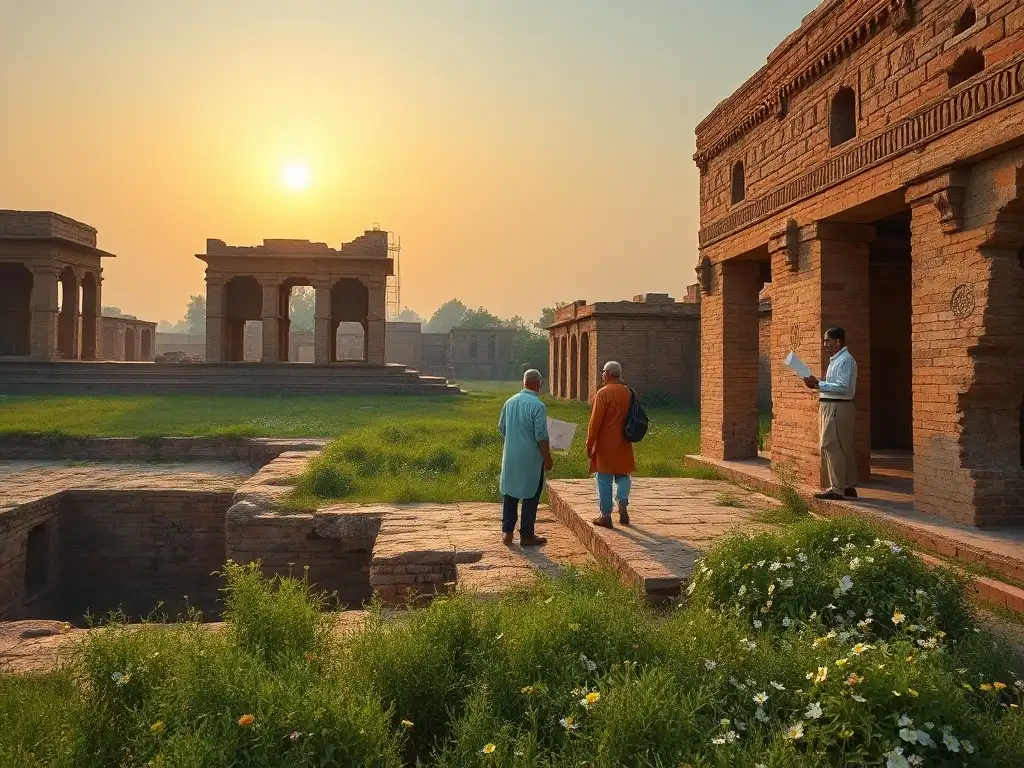
The preservation of the Indus Valley architectural heritage is crucial for understanding the history and culture of one of the world's earliest urban civilizations. Several strategies can be employed to ensure that this invaluable heritage is maintained for future generations. These strategies encompass a holistic approach that includes archaeological conservation techniques, community involvement, and robust policy frameworks aimed at sustainable preservation.
Archaeological Conservation Techniques
Archaeological conservation techniques are foundational to the preservation of sites from the Indus Valley Civilization. These techniques involve scientifically informed methods aimed at stabilizing and protecting structures, artifacts, and the surrounding environment. Some key techniques include:
- Site Management: Effective management of archaeological sites involves regular monitoring and maintenance to protect them from natural erosion and human activities. This can include controlled excavation, environmental monitoring, and the installation of protective barriers.
- Material Conservation: The materials used in Indus Valley architecture, such as mud bricks and fired bricks, require specific conservation techniques. This might involve using compatible materials for repairs and applying protective coatings to prevent moisture damage.
- Documentation and Research: Thorough documentation of archaeological sites is essential. This entails detailed recording of existing conditions, creating 3D models, and conducting research to understand the historical significance and construction techniques used in Indus Valley architecture.
Community Involvement in Heritage Preservation
Community involvement plays a pivotal role in the preservation of architectural heritage. Engaging local communities can foster a sense of ownership and responsibility towards their cultural heritage. Key aspects of community involvement include:
- Education and Awareness Programs: Implementing educational initiatives that inform local communities about the significance of their heritage can encourage active participation in preservation efforts. Workshops, school programs, and public seminars can be effective in raising awareness.
- Volunteer Opportunities: Encouraging community members to participate in preservation activities, such as site clean-ups or restoration projects, can strengthen ties between the community and their cultural heritage. Volunteer programs can also provide hands-on experience in conservation techniques.
- Cultural Events: Organizing cultural festivals and events that celebrate the history of the Indus Valley can engage the community and attract visitors, thereby fostering economic support for preservation efforts.
Policy Recommendations for Sustainable Preservation
Sustainable preservation of the Indus Valley architectural heritage requires comprehensive policy frameworks. Policymakers should consider the following recommendations:
- Legal Protection: Establishing laws that protect archaeological sites from development and exploitation is essential. This can involve designating heritage sites as protected areas and implementing strict enforcement measures against illegal activities.
- Funding and Resources: Allocating government funding and resources for the maintenance and restoration of heritage sites can ensure their longevity. Public-private partnerships can also be explored to leverage additional financial support.
- Cultural Heritage Management Plans: Developing management plans that outline specific strategies for conservation, community involvement, and education can provide a roadmap for preserving Indus Valley architectural heritage in a sustainable manner.
Case Studies of Successful Preservation Efforts
Examining successful case studies of preservation efforts provides insights into effective practices and strategies that can be replicated in other areas.
Mohenjo-Daro Preservation Project
The Mohenjo-Daro Preservation Project is a prime example of successful heritage conservation. Initiated in the 1980s, this project focused on stabilizing the ruins of one of the largest cities of the Indus Valley Civilization. Key achievements of the project include:
- Stabilization Techniques: Engineers and archaeologists employed innovative stabilization techniques to prevent further erosion of the site. This involved using traditional materials combined with modern technology to reinforce structures.
- Visitor Management: The project implemented a visitor management system to control tourist footfall, thereby minimizing wear and tear on the site. Designated pathways and viewing areas were established to protect fragile structures.
- Research and Documentation: Extensive research was conducted to document the site’s history and architecture, contributing to a greater understanding of the Indus Valley Civilization.
Harappa and Its Restoration Journey
The restoration journey of Harappa offers valuable lessons in preserving Indus Valley architectural heritage. This site has undergone various conservation efforts since its discovery in the 1920s. Notable aspects include:
- Interdisciplinary Approach: The restoration efforts involved collaboration between archaeologists, conservators, and local communities. This interdisciplinary approach ensured that all aspects of preservation were addressed.
- Adaptive Reuse: Some structures at Harappa have been repurposed for educational and cultural activities. This adaptive reuse not only preserves the site but also encourages ongoing community engagement.
- Public Awareness Campaigns: The Harappa preservation efforts have included campaigns to raise public awareness about the site's significance, encouraging tourism and support for ongoing conservation initiatives.
Preserving the architectural heritage of the Indus Valley requires a multifaceted approach that includes technological, community, and policy strategies. By learning from successful case studies like Mohenjo-Daro and Harappa, future preservation efforts can be more effective and sustainable.
Future of Indus Valley Architectural Heritage
The future of Indus Valley architectural heritage hinges on a multifaceted approach that emphasizes preservation, education, and sustainable tourism. As the remnants of this ancient civilization continue to inspire awe and intrigue, it is crucial to foster a deeper understanding and appreciation of its architectural brilliance. The challenge lies in balancing the need for conservation with the pressures of modern development and tourism. By implementing robust preservation strategies and engaging various stakeholders, including local communities, governments, and international organizations, we can ensure that the architectural legacy of the Indus Valley endures for future generations.
Importance of Education and Awareness
Education plays a pivotal role in the preservation of Indus Valley architectural heritage. By incorporating the rich history and significance of this civilization into school curricula and public awareness campaigns, we can cultivate a sense of pride and responsibility towards these ancient structures. Workshops, seminars, and cultural exchange programs can further enhance understanding and appreciation, encouraging more individuals to engage with their heritage.
Additionally, leveraging technology, such as virtual reality and interactive apps, can provide immersive educational experiences that bring the architectural feats of the Indus Valley to life. Increased awareness not only fosters local engagement but also attracts global interest, promoting a collective effort towards preservation.
Potential for Tourism and Economic Development
The architectural heritage of the Indus Valley presents a unique opportunity for tourism and economic development. Promoting sites like Mohenjo-Daro and Harappa as cultural heritage destinations can stimulate local economies through increased visitor traffic. Sustainable tourism initiatives can be developed, ensuring that tourism activities do not compromise the integrity of these ancient sites.
By creating visitor centers, guided tours, and cultural exhibitions, stakeholders can enhance the tourist experience while generating revenue for conservation efforts. Furthermore, such initiatives can empower local communities by providing employment opportunities and fostering a sense of ownership over their cultural heritage.
Continuing Research and Exploration
Ongoing research and exploration are vital in further uncovering the architectural practices of the Indus Valley civilization. Archaeological excavations and studies can yield valuable insights into the construction techniques, materials, and urban planning that characterized this ancient society. Collaborations between institutions, researchers, and local communities can facilitate knowledge sharing and innovation in preservation techniques.
Furthermore, interdisciplinary approaches that combine archaeology, architecture, and environmental science can enrich our understanding of how this civilization adapted to its surroundings. Continued exploration not only contributes to academic knowledge but also enhances the significance of Indus Valley architectural heritage in contemporary discourse.
Conclusion
Recap of the Indus Valley's Architectural Legacy
The architectural legacy of the Indus Valley civilization is a testament to human ingenuity and adaptability. From its sophisticated urban planning to the innovative use of materials, this ancient civilization laid the groundwork for future architectural endeavors. Preserving these remarkable structures is essential not only for honoring the past but also for enriching our understanding of the development of human civilization.
Call to Action for Preservation Efforts
To ensure that the Indus Valley architectural heritage is not lost to time, a concerted effort is required from all sectors of society. Individuals, communities, governments, and organizations must come together to advocate for preservation initiatives and raise awareness about the significance of these ancient sites. By engaging in educational outreach, supporting sustainable tourism, and fostering ongoing research, we can safeguard this invaluable legacy for future generations to appreciate and learn from. The time to act is now—let us preserve the architectural wonders of the Indus Valley for the enrichment of our collective heritage.
- Introduction to Indus Valley Architectural Heritage
- Key Features of Indus Valley Architecture
- The Cultural Significance of Indus Valley Architecture
- Challenges to Preserving Indus Valley Architectural Heritage
- Strategies for Preserving Indus Valley Architectural Heritage
- Case Studies of Successful Preservation Efforts
- Future of Indus Valley Architectural Heritage
- Conclusion
- What is the significance of Indus Valley architectural heritage?
- How does the Indus Valley influence modern architecture?
- What are some key features of Indus Valley architecture?
- How can we preserve the architectural heritage of the Indus Valley?
- What role did the Indus Valley civilization play in the history of India?
Frequently Asked Questions
What is the significance of Indus Valley architectural heritage?
The Indus Valley architectural heritage is crucial as it showcases the advanced urban planning, drainage systems, and civil engineering of one of the world's earliest civilizations.
How does the Indus Valley influence modern architecture?
The Indus Valley has influenced modern architecture by inspiring sustainable building practices and innovative urban designs that prioritize functionality and environmental harmony.
What are some key features of Indus Valley architecture?
Key features of Indus Valley architecture include well-planned cities, grid-like street layouts, and public baths, which demonstrate a high level of sophistication and planning.
How can we preserve the architectural heritage of the Indus Valley?
Preservation efforts can include archaeological research, restoration projects, and public awareness campaigns to educate people about the importance of protecting ancient sites.
What role did the Indus Valley civilization play in the history of India?
The Indus Valley civilization laid the foundation for subsequent Indian cultures, contributing to trade, art, and urbanization, influencing the cultural landscape of the region for centuries.
Final Reflection: Embracing the Indus Valley Architectural Heritage for Future Generations
The architectural heritage of the Indus Valley is not just a relic of the past; it is a vital thread in the tapestry of human civilization that continues to resonate in our modern world. As we navigate the complexities of urbanization and globalization, the lessons embedded in the structures of the Indus Valley remind us of the importance of sustainability, community planning, and cultural identity. The enduring beauty and ingenuity of these ancient designs challenge us to rethink our relationship with architecture and the environment, urging us to create spaces that honor both our history and our future.
The influence of the Indus Valley architectural heritage extends far beyond its geographical boundaries, shaping cultural narratives and architectural practices across the globe. In an era where cultural homogenization threatens to erase unique identities, the preservation of such heritage becomes paramount. The intricate urban planning and sophisticated drainage systems of the Indus Valley civilization serve as a testament to human ingenuity and adaptability. As the renowned architect Louis Kahn once said, A great building must begin with the unmeasurable, must go through measurable means when it is being designed and in the end must be unmeasurable.
This quote encapsulates the essence of the Indus Valley's legacy—an unmeasurable impact that continues to inspire architects and urban planners today.
As we reflect on the significance of the Indus Valley architectural heritage, let us take a moment to consider our role in preserving this legacy. How can we integrate the wisdom of the past into our present and future designs? I invite you to explore your own surroundings and recognize the architectural elements that speak to your identity and culture.
By advocating for the preservation of historical sites and incorporating sustainable practices in our own projects, we can ensure that the spirit of the Indus Valley lives on, enriching our lives and the lives of future generations. Together, let us honor this remarkable heritage and commit to a future that values both innovation and tradition.
Preserve and Celebrate Our Architectural Heritage!
Thank you for taking the time to explore the rich legacy of the Indus Valley with us! Your interest not only highlights the importance of preserving our architectural heritage but also serves as a call to action for future generations. Now that you’re inspired, here’s how you can make a difference today:
- Join a local preservation group to advocate for the protection and restoration of historical sites.
- Share your favorite insights from this article on social media to raise awareness about the architectural wonders of the Indus Valley.
- Visit interactive online resources or local museums that showcase Indus Valley artifacts and help educate others about their significance.
What steps will you take today to contribute to the preservation of our history? We would love to hear your thoughts!