
How Ancient India Used Terracing to Enhance Agriculture in Hilly Regions

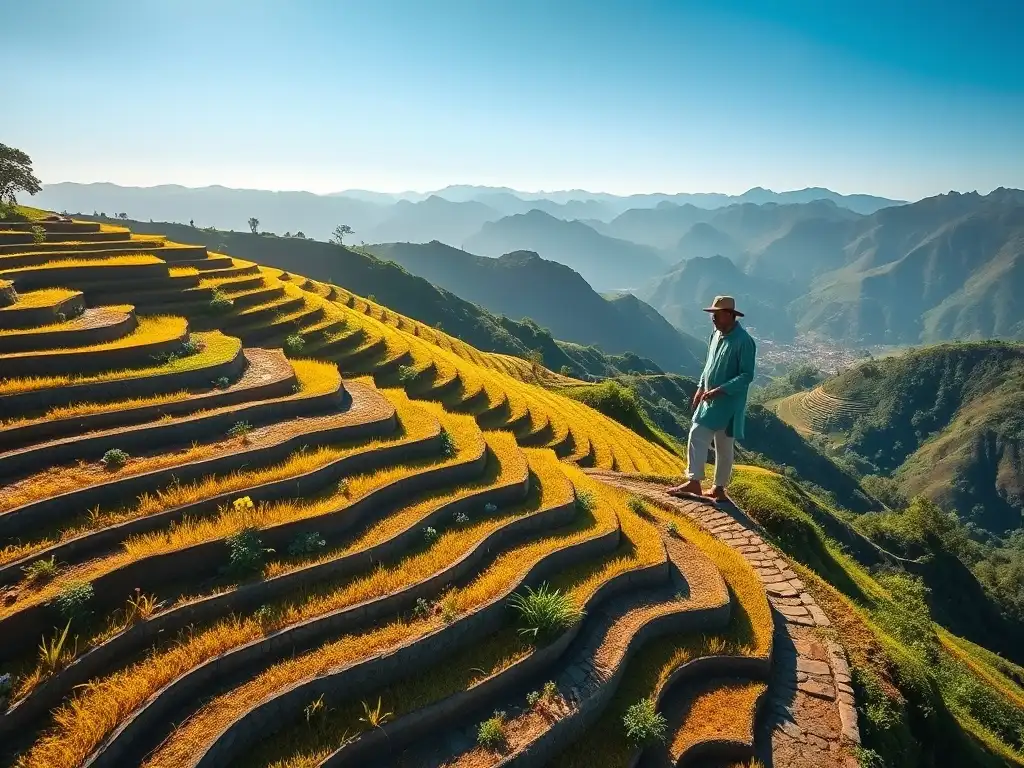
Welcome to Ancient India History, where we embark on a fascinating journey through the rich tapestry of India's past. Here, you'll discover how the ingenious terracing agriculture techniques of ancient India transformed hilly landscapes into thriving agricultural hubs. Dive into the world of innovative farming practices that not only sustained civilizations but also laid the groundwork for modern agricultural techniques. Are you curious about how these methods shaped the economy and culture of ancient Indian societies? Let’s unravel the secrets of the ancients and explore the profound impact of their agricultural wisdom.
- Introduction to Ancient India Terracing Agriculture Techniques
- Historical Context of Terracing in Ancient India
- The Process of Terracing in Ancient India
- Benefits of Terracing Agriculture Techniques in Ancient India
- Case Studies of Terracing in Various Regions
- Agricultural Crops Grown Using Terracing Techniques
- Cultural Significance of Terracing in Ancient India
- Challenges Faced in Ancient Terracing Practices
- Conclusion: Legacy of Terracing Agriculture Techniques in Ancient India
- Frequently Asked Questions
- Final Reflection: The Timeless Wisdom of Ancient India's Terracing Techniques
- Discover How You Can Implement Ancient Techniques Today!
Introduction to Ancient India Terracing Agriculture Techniques
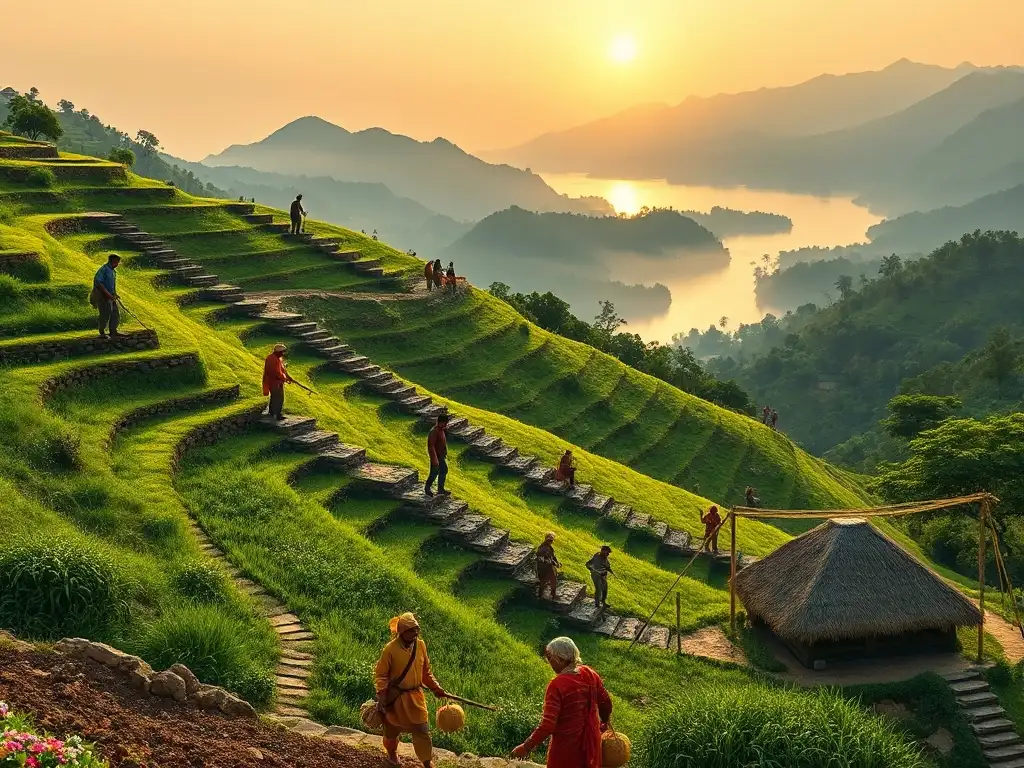
Terracing agriculture is a fascinating technique that has played a significant role in the agricultural practices of ancient civilizations, particularly in hilly regions. In ancient India, the adaptation of terracing methods allowed farmers to maximize arable land, enhance water conservation, and minimize soil erosion. This article delves into the historical context and practical applications of these techniques, showcasing how ancient Indian societies thrived through innovative agricultural practices. By exploring the intricacies of terracing in ancient India, we gain insight into the remarkable ingenuity of these civilizations and their ability to harmonize with their environment.
Overview of Agriculture in Ancient India
Agriculture in ancient India was not merely a means of sustenance; it was the backbone of the economy and a defining feature of societal development. The diverse climatic and geographical landscapes of India facilitated the cultivation of various crops, leading to the establishment of sophisticated agricultural systems. Key features of ancient Indian agriculture include:
- Diversity of Crops: Ancient Indian farmers cultivated a wide array of crops such as rice, wheat, barley, pulses, and millets. This diversity was crucial for food security and nutrition.
- Irrigation Techniques: The development of irrigation systems, including wells, canals, and reservoirs, showcased the advanced understanding of water management. These systems were vital for supporting agriculture in regions with irregular rainfall.
- Use of Fertilizers: Ancient texts reveal the use of organic fertilizers such as cow dung and compost, enhancing soil fertility and crop yields.
The agricultural practices laid the foundation for thriving civilizations, ultimately leading to the emergence of urban centers and trade networks.
Importance of Terracing in Hilly Regions
Terracing emerged as a critical agricultural technique in hilly regions of ancient India, where the steep terrain posed significant challenges for farming. The importance of terracing can be summarized through the following key points:
- Soil Conservation: Terracing minimizes soil erosion by creating flat areas on slopes. This not only preserves valuable topsoil but also enhances water retention, allowing crops to thrive.
- Water Management: By reducing runoff, terraces help in capturing rainwater, which is essential for irrigation in areas with limited water resources. This technique ensured that farmers could sustain their crops even during dry spells.
- Increased Arable Land: The creation of terraces transforms hilly landscapes into productive fields, significantly increasing the area available for agriculture. This innovation allowed ancient Indian farmers to cultivate more crops and support larger populations.
Terracing was a vital agricultural technique in ancient India that contributed to the sustainability and productivity of farming in hilly regions. Understanding these methods not only highlights the ingenuity of ancient Indian civilizations but also emphasizes the importance of adapting agricultural practices to local environmental conditions.
Historical Context of Terracing in Ancient India
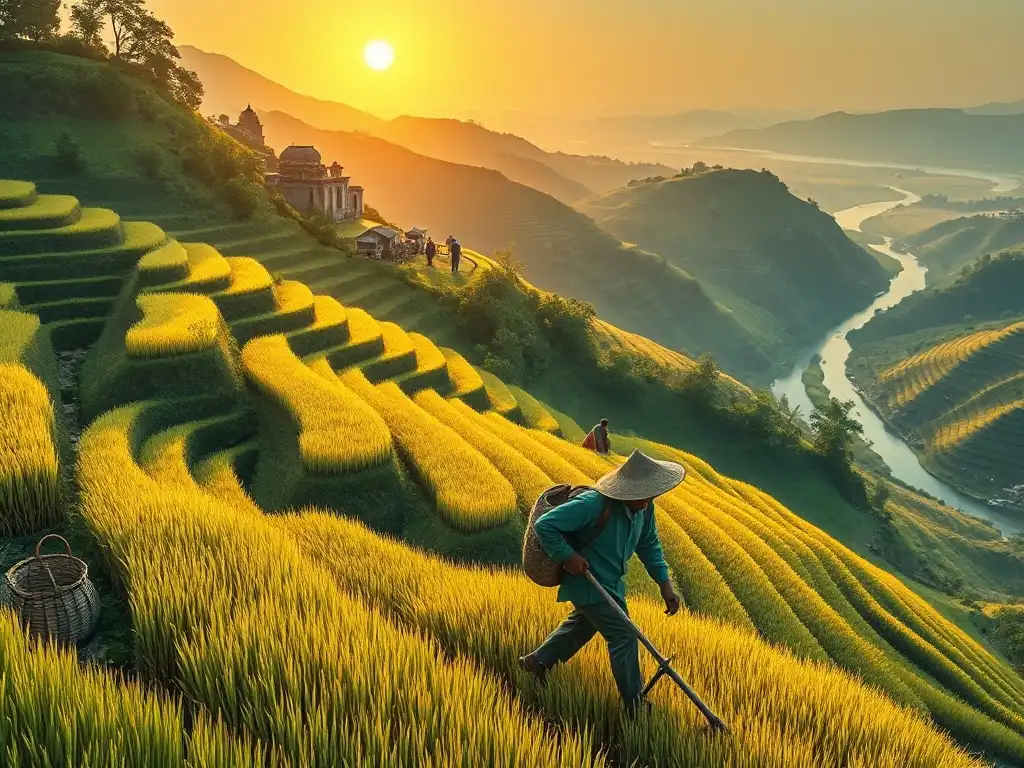
Terracing as an agricultural technique has played a pivotal role in the development of agriculture in the hilly and mountainous regions of ancient India. This method not only optimized land use but also enhanced soil conservation and water management. The historical context of terracing in ancient India reveals a sophisticated understanding of environmental factors and agricultural practices that evolved over centuries.
Origins of Terracing Techniques
The origins of terracing techniques in ancient India can be traced back to the Indus Valley Civilization (c. 3300–1300 BCE), where early agricultural practices laid the groundwork for more advanced methods. Archaeological evidence suggests that the Indus Valley inhabitants utilized simple forms of terracing to cultivate crops on sloped terrains. These initial adaptations were likely driven by the need to manage water runoff and prevent soil erosion.
Later influences from the Aryan migrations (around 1500 BCE) brought new agricultural knowledge and practices. The Rigveda, one of the oldest texts, mentions various farming methods, indicating a transition toward more structured agricultural systems. By the time of the Maurya Empire (c. 322–185 BCE), the use of terracing had become more refined, with techniques being documented in agricultural texts such as Kautilya's Arthashastra, which emphasized effective land management and irrigation strategies.
Cultures and Civilizations That Utilized Terracing
Several ancient Indian cultures and civilizations adopted terracing techniques, each adapting them to their local environments and agricultural needs. Notable examples include:
- The Maurya Empire: This period saw significant advancements in agricultural practices, including terracing. The Mauryan rulers implemented systematic land management, which included terracing in the hilly regions to maximize agricultural output.
- The Gupta Empire: Known as the Golden Age of India (c. 320–550 CE), the Gupta period witnessed further innovations in agriculture. Terracing became a common practice in the hilly areas of Northern India, as it allowed for the cultivation of rice and other staples, improving food security.
- The Himalayan Communities: Various communities in the Himalayan region, such as the Gaddis of Himachal Pradesh, have long employed terracing techniques to farm on steep slopes. These communities developed intricate terrace systems that not only increased arable land but also enhanced the retention of moisture in the soil.
- South Indian Cultures: In the Deccan Plateau, ancient civilizations such as the Cholas and Pandyas utilized terracing for wet rice cultivation. They constructed elaborate irrigation systems that worked in conjunction with terrace farming to optimize water distribution.
Overall, the practice of terracing in ancient India reflects a deep understanding of the environment and the innovative spirit of its civilizations. This technique not only transformed agricultural practices but also contributed to the overall economic prosperity of ancient Indian societies.
The Process of Terracing in Ancient India
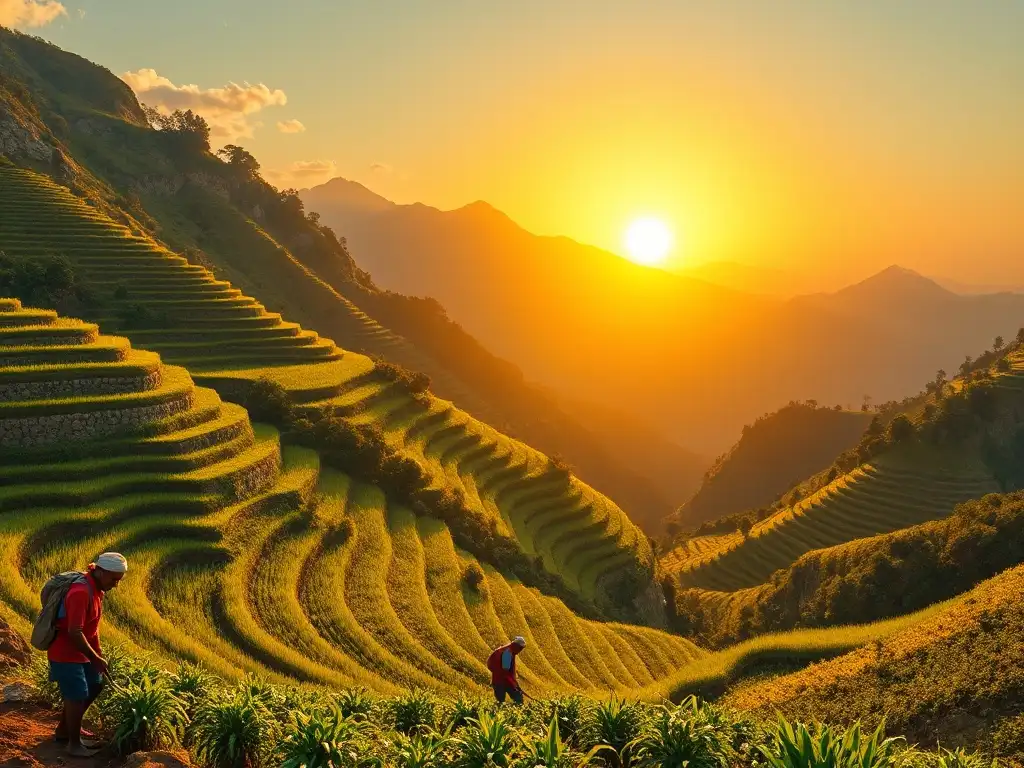
Terracing is an ancient agricultural practice that transformed the hilly terrains of India into arable land. This technique not only enhanced agricultural productivity but also played a significant role in soil conservation and water management. The essence of terracing lies in the creation of flat areas on slopes, allowing farmers to cultivate crops without the risk of soil erosion.
The process typically began with assessing the topography of the land to determine the optimal layout for terraced fields. Once the design was established, farmers would clear the designated area of vegetation and debris. The next step involved digging into the hillside to create a series of level platforms, which were often held in place by supporting walls made of stone, mud, or other materials. This method effectively minimized water runoff and allowed for better moisture retention in the soil.
The terraced fields were generally shaped in a stair-like pattern, where each step or level served as a separate plot for cultivation. This design not only maximized the use of available land but also facilitated irrigation, as water could be channeled systematically from one terrace to another. The strategic alignment of these terraces often followed the contour of the land, significantly reducing the risk of erosion and promoting sustainable agricultural practices.
Design and Construction of Terraced Fields
The design of terraced fields in ancient India was a meticulous process that required a deep understanding of the local environment. Farmers often employed traditional knowledge passed down through generations to create effective terracing systems.
- Site Selection: The initial step involved selecting suitable slopes for terracing. Factors such as soil type, slope angle, and rainfall patterns were critical in determining the viability of the land for agriculture.
- Layout Planning: The layout of the terraces was planned to ensure efficient water flow and optimal sunlight exposure. Farmers would design the terraces in a way that minimized the distance water had to travel, allowing for effective irrigation.
- Construction Techniques:
- Cut and Fill Method: This method involved cutting into the slope to create a flat surface while using the excavated soil to build up the retaining walls.
- Retaining Walls: The walls were constructed using local materials, often stones, mud, or vegetation. These walls not only supported the terraces but also helped in preventing soil erosion.
- Irrigation Systems: A key aspect of terracing was the incorporation of irrigation systems. Farmers devised channels and ditches to direct water from higher elevations down to the lower terraces, ensuring that each level received adequate moisture.
The combination of careful design and construction techniques allowed ancient Indian civilizations to cultivate diverse crops in challenging hilly environments, contributing significantly to their agricultural output.
Materials Used in Ancient Terracing Techniques
The materials used in the construction of terraced fields varied according to the region and the resources available. Here are some of the primary materials that were employed:
- Stones: One of the most common materials, stones were readily available in many hilly regions. They were used to build robust retaining walls that could withstand the pressure of the soil above.
- Soil: The soil that was excavated during the construction of terraces was often repurposed to create flat surfaces and reinforce walls. This method minimized waste and made efficient use of available resources.
- Vegetation and Plant Material: In some cases, farmers used plant material, such as bamboo or logs, to enhance the stability of terraces. Additionally, planting grass or other vegetation along the edges of terraces helped to prevent erosion and maintain soil integrity.
- Mud and Clay: In regions where stones were scarce, mud and clay were utilized to bind the soil and create retaining structures. These materials, while less durable than stone, were effective in areas with lower rainfall and erosion risk.
- Water Channels: Channels made from local materials were crucial for irrigation. These systems were designed to facilitate the flow of water from higher terraces to lower ones, ensuring that all levels received adequate irrigation.
The use of these materials not only reflects the ingenuity of ancient Indian agricultural practices but also highlights the sustainable methods employed to adapt to the diverse topographies of the region. Overall, the ancient India terracing agriculture techniques exemplify a harmonious relationship between people and their environment, fostering agricultural resilience in hilly terrains.
Benefits of Terracing Agriculture Techniques in Ancient India
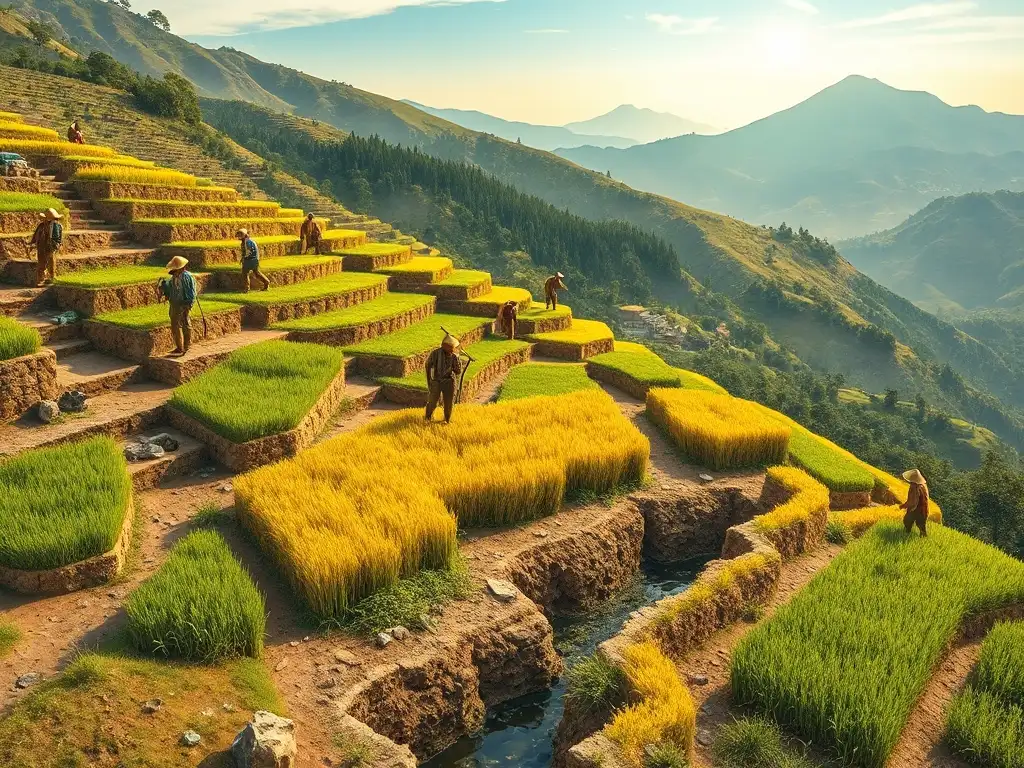
Terracing agriculture techniques played a crucial role in the agricultural practices of ancient India, especially in hilly and mountainous regions. By transforming steep slopes into a series of flat, stepped fields, ancient Indian civilizations were able to maximize arable land while minimizing the risks associated with soil erosion and water runoff. Here, we delve into the various benefits that these techniques provided, highlighting their significance in the development of agriculture in ancient India.
Soil Conservation and Erosion Control
One of the primary benefits of terracing agriculture techniques in ancient India was their effectiveness in conserving soil and controlling erosion. The hilly terrain, which was prone to heavy rainfall and landslides, posed significant challenges for traditional farming methods.
- Reduction of Soil Erosion: Terracing created level surfaces that slowed down water runoff, allowing water to infiltrate the soil rather than washing it away. This was crucial in preventing the loss of fertile topsoil, which is essential for sustaining crop growth.
- Stabilization of Slopes: By constructing stone walls or earthen barriers to hold the soil in place, ancient farmers effectively stabilized the slopes. This not only helped in conserving soil but also reduced the likelihood of landslides, which could devastate entire fields.
- Organic Matter Retention: The terraced fields facilitated the accumulation of organic matter and nutrients, enhancing soil fertility. Farmers could rotate crops and practice fallowing on these terraces, further improving soil health.
Improved Water Management and Irrigation
Ancient Indian terracing techniques also significantly improved water management and irrigation practices, which were critical for successful agriculture in regions with erratic rainfall patterns.
- Efficient Water Distribution: The design of terraced fields allowed for better distribution of water across the landscape. Water could be directed from one terrace to another, ensuring that all levels received adequate moisture without excessive runoff.
- Rainwater Harvesting: Terraces acted as natural reservoirs, capturing rainwater and reducing surface runoff. This technique maximized water availability during dry spells, making irrigation more efficient and reliable.
- Irrigation Channels: Many ancient Indian civilizations developed intricate irrigation systems that integrated with terracing. These channels helped transport water from rivers or streams to the terraces, ensuring a consistent supply for crops.
Enhanced Crop Yield and Diversity
The combination of soil conservation and improved water management through terracing agriculture led to enhanced crop yields and greater agricultural diversity in ancient India.
- Increased Arable Land: By transforming steep slopes into cultivable terraces, farmers could expand the area under cultivation. This expansion allowed for the growth of various crops, contributing to food security.
- Crop Rotation and Diversity: Terraced landscapes supported the practice of crop rotation, enabling farmers to plant different crops in succession. This not only improved soil fertility but also reduced the risk of pest infestations and diseases.
- Sustainable Practices: The sustainable nature of terracing agriculture meant that ancient Indian farmers could maintain productive fields over generations. This long-term approach to agriculture contributed to the stability and resilience of ancient Indian civilizations.
The terracing agriculture techniques employed in ancient India were instrumental in addressing the unique challenges posed by hilly terrains. By conserving soil, managing water efficiently, and enhancing crop yields, these techniques laid the foundation for sustainable agricultural practices that have influenced farming in the region for centuries.
Case Studies of Terracing in Various Regions
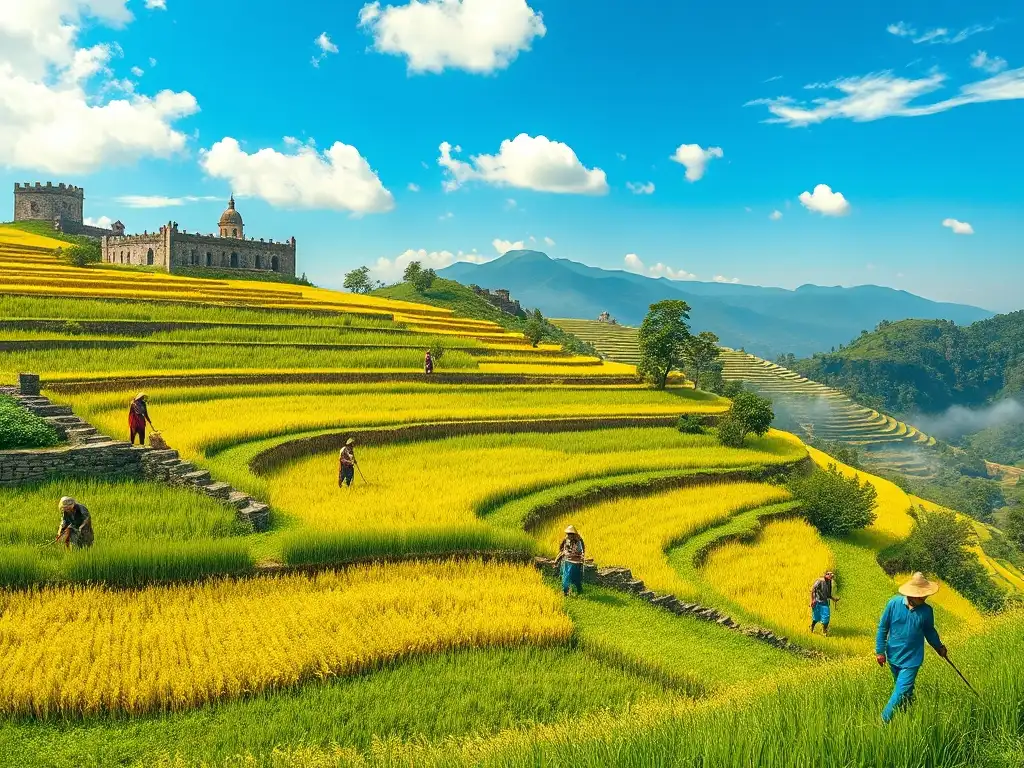
Terracing in the Western Ghats
The Western Ghats, a mountain range that runs parallel to the western coast of India, is renowned for its rich biodiversity and unique agricultural practices. Terracing in this region has been an essential method for enhancing agricultural productivity on steep slopes. The local farmers have ingeniously adapted terracing techniques to combat soil erosion and make the most of the monsoon rains.
- Types of Crops: The terraces in the Western Ghats are primarily used for cultivating a variety of crops, including rice, spices, and fruits. The layered structure of the terraces allows for efficient water management, ensuring that crops receive adequate moisture without the risk of waterlogging.
- Soil Conservation: One of the most significant advantages of terracing in the Western Ghats is its role in soil conservation. The flat surfaces of the terraces reduce the speed of water runoff, allowing rainwater to seep into the soil, which enhances its fertility. This method has helped maintain the soil quality in a region prone to heavy rainfall.
- Cultural Significance: Beyond agricultural benefits, terracing in the Western Ghats is also steeped in cultural practices. Many local festivals and rituals are centered around the agricultural calendar, with terraces serving as a symbol of community resilience and ingenuity.
Terracing Practices in the Himalayan Region
The Himalayan region presents unique challenges for agriculture due to its rugged terrain and extreme weather conditions. Here, terracing is not just a farming technique but a vital survival strategy for the local populations.
- Adaptive Techniques: Farmers in the Himalayas employ various adaptive terracing techniques, such as step farming. This involves creating narrow, flat areas on steep slopes, allowing for the cultivation of crops like barley, millet, and maize. These steps are often reinforced with stone walls to prevent soil erosion.
- Water Management: The terraced fields are strategically designed to capture and channel runoff water from melting glaciers and seasonal rains. This innovative water management system is crucial for sustaining crops during dry periods, enhancing food security in this challenging environment.
- Biodiversity: The terraced landscapes of the Himalayas also promote biodiversity. Farmers often practice mixed cropping on terraces, growing several varieties of crops together. This not only maximizes land use but also helps in pest control and reduces dependency on chemical fertilizers.
Terraced Farming in the Indo-Gangetic Plains
The Indo-Gangetic Plains, known for their fertile alluvial soil, have a different approach to terracing compared to the mountainous regions. While primarily flat, specific areas have implemented terracing as a means to enhance agricultural output.
- Innovative Designs: In certain districts, farmers have developed contour terracing, which follows the natural contours of the land. This design minimizes soil erosion and maximizes water retention, making it suitable for crops like wheat, rice, and pulses.
- Irrigation Techniques: The terraced fields in the Indo-Gangetic Plains are often integrated with advanced irrigation systems. Farmers utilize a combination of traditional methods and modern technologies, such as drip irrigation, to ensure efficient water usage and reduce wastage.
- Economic Impact: The use of terracing in this region has had significant economic implications. By improving crop yields and diversifying agricultural production, farmers have been able to increase their income and improve their livelihoods. This has led to greater community resilience and sustainability within the agricultural sector.
The diverse terracing practices across various regions of ancient India highlight the ingenuity and adaptability of its civilizations in harnessing the land for agricultural productivity. These techniques not only served practical purposes in farming but also fostered community ties and cultural richness that continue to influence agricultural practices today.
Agricultural Crops Grown Using Terracing Techniques
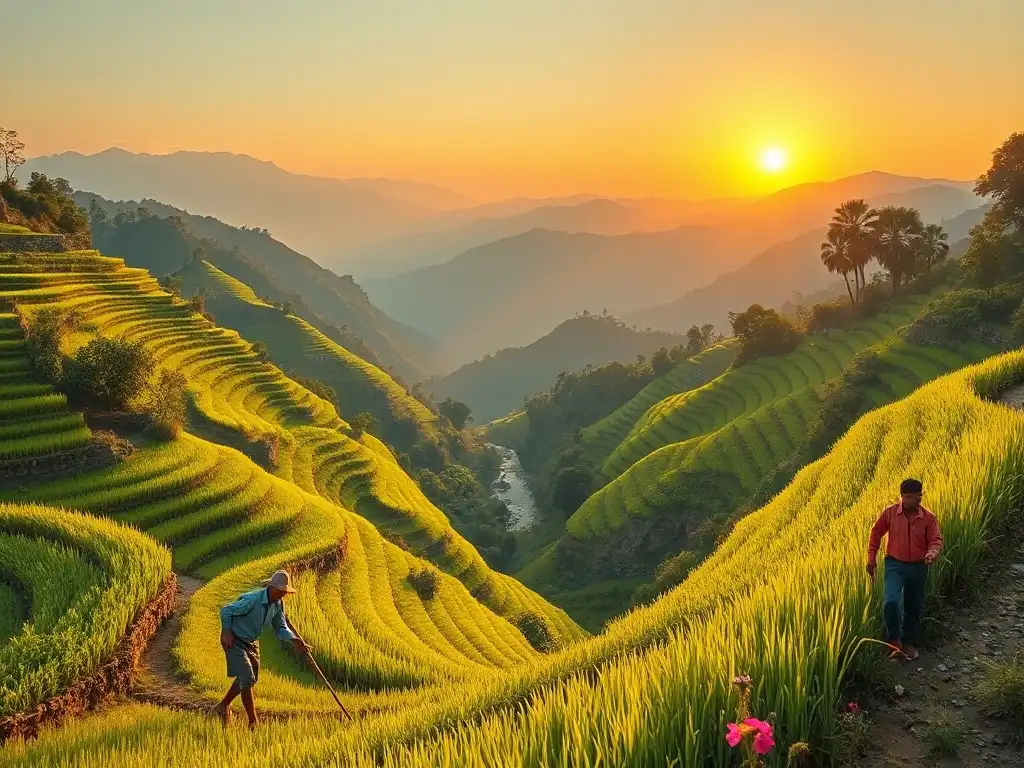
Terracing techniques in ancient India were not just a method of erosion control; they played a crucial role in enhancing agricultural productivity in hilly regions. By transforming steep slopes into a series of flat areas, ancient farmers could cultivate a variety of crops that were otherwise difficult to grow in such challenging environments. The careful design of terraces allowed for better water management and soil conservation, making it possible to sustain agricultural activities over time.
Staple Crops Cultivated on Terraces
The primary focus of ancient Indian terracing agriculture was on staple crops that formed the backbone of the diet. These crops were essential for both sustenance and trade. Some of the key staple crops cultivated on terraced fields included:
- Rice:
- Varieties: Different varieties of rice were cultivated depending on the local climate and soil conditions.
- Irrigation: Terracing facilitated the effective use of irrigation, allowing for the growth of rice in regions that received limited rainfall.
- Wheat:
- Adaptation: Wheat was adapted to the cooler, higher elevations where terraces were constructed, especially in the northern regions.
- Rotation: Crop rotation practices included wheat alongside legumes, enriching the soil through nitrogen fixation.
- Barley:
- Resilience: Barley thrived in harsher climates and served as a food source as well as fodder for livestock.
- Culinary Uses: It was also used in local brewing practices, underscoring its importance in both diet and culture.
Terracing allowed these crops to be grown more efficiently, as the flat surfaces reduced water runoff and allowed for optimal planting arrangements.
Specialty Crops and Their Significance
In addition to staple crops, ancient Indian terracing also supported the cultivation of several specialty crops. These crops not only contributed to local diets but also played significant roles in trade and culture. Notable specialty crops included:
- Spices:
- Examples: Cardamom, black pepper, and turmeric were grown on terraces in regions like Kerala and the Western Ghats.
- Economic Impact: These spices became highly sought after in international trade, establishing ancient India as a key player in the spice trade route.
- Fruits:
- Citrus Varieties: Terraced orchards allowed for the cultivation of citrus fruits, which thrived in the microclimates created by the terraces.
- Cultural Importance: Fruits such as mangoes and pomegranates held significant cultural value and were often associated with festivals and rituals.
- Medicinal Plants:
- Diversity: The cultivation of medicinal herbs and plants on terraced land contributed to traditional medicine practices.
- Sustainable Practices: The careful management of these plants ensured their sustainability and promoted biodiversity in agricultural systems.
Through these specialty crops, ancient Indian farmers were able to diversify their agricultural output, which not only supported local needs but also contributed to the economy through trade. The terracing agriculture techniques thus played a pivotal role in shaping the agricultural landscape of ancient India, fostering both food security and economic prosperity.
Cultural Significance of Terracing in Ancient India
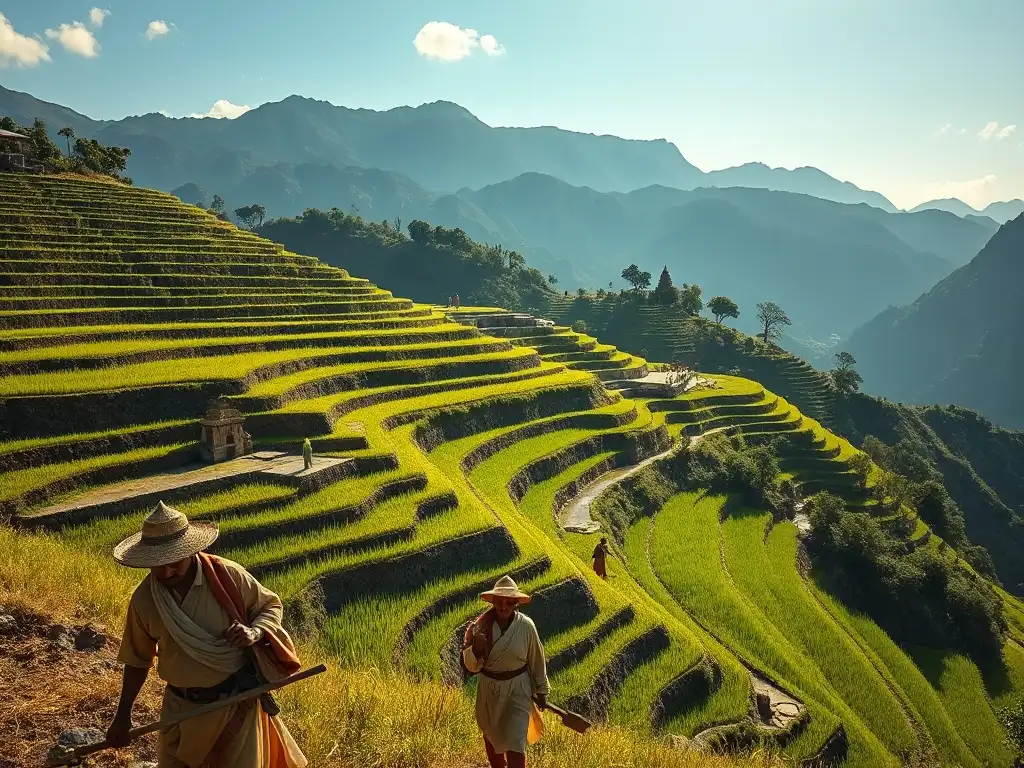
Terracing in ancient India was not just a practical agricultural technique; it also held profound cultural significance. The use of terraces to cultivate hilly terrains reflects the adaptability and ingenuity of ancient Indian civilizations in overcoming geographical challenges. This practice allowed communities to thrive in regions that would otherwise have been inhospitable for agriculture, thus fostering a close relationship between the people and their environment.
Terracing also played a role in the formation of social structures. Communities often came together to construct and maintain terraces, which necessitated cooperation and collective effort. This communal aspect of terracing strengthened social bonds and helped establish shared identities among the inhabitants of the hilly regions.
Moreover, terraced landscapes became integral to local customs and rituals. Many communities celebrated the agricultural calendar with festivals that honored the fertility of the land, showcasing their reliance on terracing techniques. These practices not only ensured food security but also reinforced cultural values and agricultural heritage among the people, thus embedding terracing into the very fabric of their societal identity.
Terracing and Local Traditions
Terracing methods varied across different regions of ancient India, influenced by local traditions and climatic conditions. For instance, in the hilly areas of Uttarakhand, the Kharif and Rabi cropping seasons were marked by specific terrace designs tailored to maximize water retention and soil fertility. The Jhum system, or shifting cultivation, also incorporated terracing techniques to manage the steep slopes effectively.
In regions like the Western Ghats, terraces were often adorned with local flora, reflecting the aesthetic values of the communities. The presence of sacred groves and temples on terraced fields indicated the intertwining of agriculture with spirituality. Farmers would perform rituals and offer prayers before planting crops, believing that divine blessings were essential for a fruitful harvest.
Furthermore, local artisans and craftsmen contributed to the construction of terraces, using traditional tools and methods passed down through generations. This blend of agriculture and craftsmanship highlighted the rich cultural tapestry of ancient Indian societies and their profound respect for the land.
Reflection of Agricultural Knowledge in Ancient Texts
Ancient texts and scriptures provide valuable insights into the agricultural practices of ancient India, including terracing techniques. Texts such as the Arthashastra by Kautilya and the Manasollasa detail various strategies used to enhance agricultural productivity, including references to terracing.
In the Rigveda, there are mentions of plowing and land preparation, which imply an understanding of the importance of managing water and soil in hilly regions. The knowledge of contour farming and water conservation techniques can also be inferred from these ancient writings, indicating a sophisticated understanding of agricultural science.
Additionally, other ancient treatises, such as the Krishi Parashara, elaborate on the types of crops suitable for terraced farming and the methods to maintain soil health. This reflection of agricultural knowledge underscores the significance of terracing in ensuring sustainable farming practices in challenging terrains.
Overall, the agricultural techniques of terracing not only illustrate the resilience of ancient Indian civilizations but also their ability to innovate and adapt, leaving behind a legacy of sustainable practices that continue to influence agriculture in modern India.
Challenges Faced in Ancient Terracing Practices
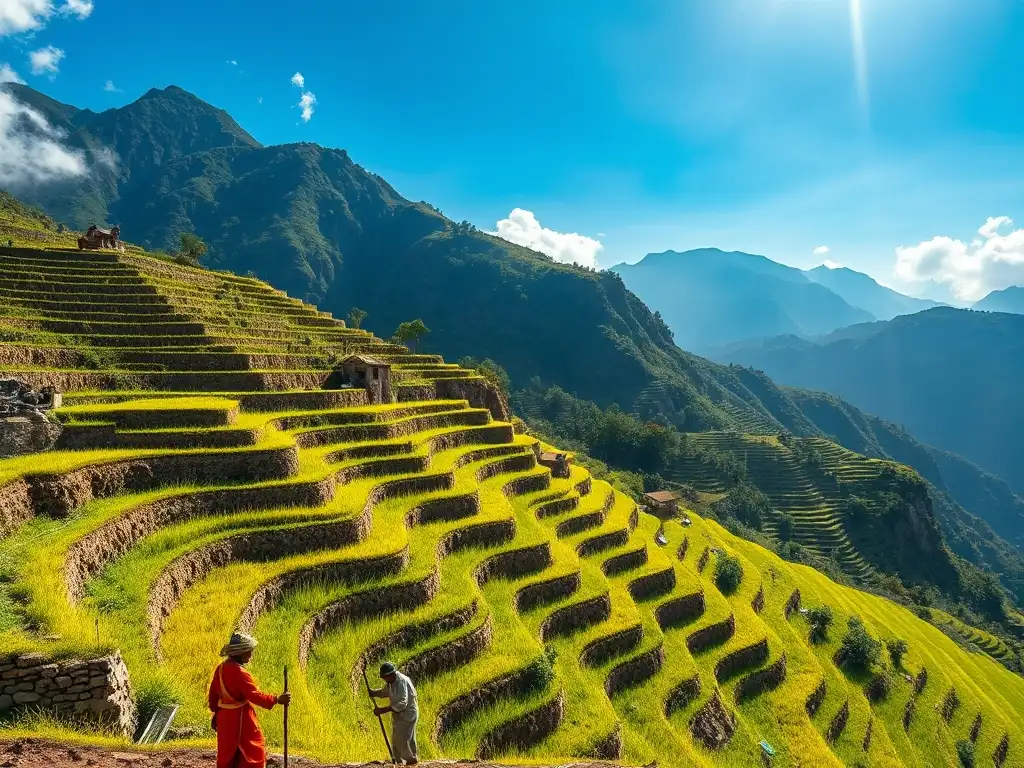
Terracing in ancient India represented a remarkable adaptation to the hilly terrain, allowing for the cultivation of crops in otherwise challenging environments. However, this method was not without its challenges. The effectiveness of terracing as an agricultural technique was influenced by a variety of factors, both environmental and socioeconomic.
Environmental Factors Affecting Terracing
The environmental challenges that ancient Indian civilizations faced in terracing practices were multifaceted. These factors included:
- Soil Erosion: The hilly landscapes of ancient India were susceptible to soil erosion, particularly during the monsoon season. Heavy rains could wash away topsoil, undermining the very structure of terrace walls. Effective management required continuous maintenance to combat erosion.
- Water Availability: Access to water was critical for successful terracing. In some areas, irrigation systems were vital to ensure that terraced fields received adequate water. The reliance on seasonal rainfall made it essential to develop additional water diversion techniques to sustain agriculture during drier periods.
- Topography and Terrain Stability: The steepness of slopes posed a significant challenge for constructing stable terraces. If not accurately assessed, the construction could lead to landslides or terrace collapse. Ancient engineers had to possess advanced knowledge of geology and hydrology to avoid such pitfalls.
- Climate Variability: Changes in climate patterns could significantly affect agricultural productivity. Unpredictable weather events, such as prolonged droughts or excessive rainfall, directly impacted crop yields. Ancient farmers had to adapt to these changes through crop rotation and the selection of resilient crop varieties.
The combination of these environmental factors required ancient Indian civilizations to be innovative and adaptable in their terracing methods.
Socioeconomic Issues and Land Management
In addition to environmental obstacles, socioeconomic factors also played a crucial role in the effectiveness of terracing agriculture in ancient India:
- Land Ownership and Social Hierarchies: The distribution of land among different social classes affected who could engage in terracing practices. Wealthier landowners often had the resources to invest in terracing, while poorer farmers might not have had the means to construct or maintain terraces. This disparity could lead to unequal agricultural productivity.
- Labor Availability: Terracing was labor-intensive, requiring significant manpower for construction and maintenance. During periods of labor shortages, whether due to seasonal migration or warfare, the upkeep of terraces could falter, leading to decreased agricultural output.
- Cultural Practices and Knowledge Transmission: The success of terracing also depended on the transmission of agricultural knowledge across generations. Traditional practices and techniques were vital for effective terracing, but disruptions in social structures or cultural practices could hinder this knowledge transfer.
- Economic Incentives: Economic conditions, such as market demand for crops, influenced the willingness of farmers to invest in terracing. When agricultural products fetched higher prices, farmers were more likely to dedicate resources to improve and expand their terraced fields.
While ancient India exhibited ingenuity in developing terracing agriculture techniques, the challenges posed by environmental factors and socioeconomic issues necessitated a flexible and informed approach to agricultural practices. Understanding these challenges provides valuable insights into the resilience and adaptability of ancient Indian agricultural systems.
Conclusion: Legacy of Terracing Agriculture Techniques in Ancient India
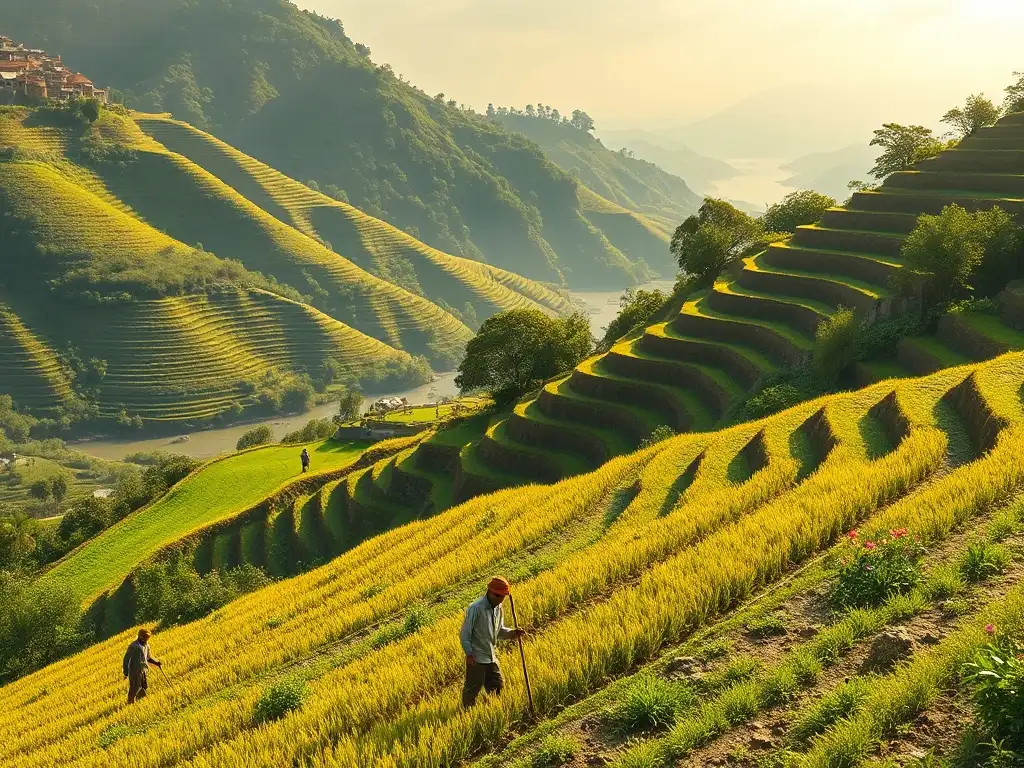
The terracing agriculture techniques developed in ancient India represent a crucial aspect of the region's agricultural legacy. These methods not only allowed for efficient use of hilly terrains but also played a significant role in shaping the agricultural practices that are still relevant today. The ingenuity behind these techniques reflects the deep understanding ancient Indian civilizations had of their environment and resources.
Terracing transformed steep slopes into manageable fields, thus minimizing soil erosion and maximizing arable land. The construction of terraces required considerable labor and knowledge of water management, which speaks to the advanced state of agricultural engineering in ancient India. This practice was particularly prevalent in regions like the Himalayan foothills and the Western Ghats, where the terrain posed significant challenges to traditional farming methods.
Lasting Impact on Modern Agriculture
The influence of ancient India's terracing techniques can be seen in modern agricultural practices, especially in regions characterized by similar geographical challenges. Today, farmers worldwide continue to adopt terracing as a sustainable farming method.
- Soil Conservation: Modern terracing techniques echo ancient methods, focusing on soil conservation to prevent erosion. Studies have shown that terraced fields can reduce soil loss by up to 90% compared to conventional farming on slopes.
- Water Management: The use of terraces enhances water retention, allowing for more efficient irrigation. Ancient Indian farmers used natural contours to direct water flow, a principle that is now being revisited in contemporary water management strategies.
- Biodiversity: Terraced landscapes often support greater biodiversity. Ancient practices encouraged crop diversity on terraced fields, a principle that is vital for ecological balance and resilience against pests and diseases.
The terracing techniques of ancient India not only revolutionized agricultural practices during their time but continue to inspire sustainable farming approaches today.
Lessons from Ancient India for Contemporary Farming Practices
Ancient India's terracing practices provide valuable lessons for today's agricultural challenges, particularly in the face of climate change and food security issues. Here are some key takeaways:
- Adaptability:
- Ancient farmers demonstrated a remarkable ability to adapt to their environment. Contemporary farmers can learn from this adaptability, implementing similar techniques tailored to local conditions.
- Community Collaboration:
- The construction and maintenance of terraces often required community effort. Modern agricultural initiatives can benefit from fostering community engagement and cooperation, leading to shared knowledge and resources.
- Sustainable Practices:
- The emphasis on sustainable land use in ancient India is highly relevant today. As modern agriculture faces pressures from industrialization, the focus on environmentally friendly practices can lead to healthier ecosystems.
- Innovative Water Management:
- The intricate water management systems developed alongside terracing can inform current practices. Techniques such as rainwater harvesting and efficient irrigation systems are essential in addressing water scarcity.
- Cultural Heritage:
- Understanding and preserving the agricultural heritage of ancient civilizations can enhance cultural identity and promote sustainable practices. Incorporating traditional knowledge into modern systems can lead to innovative solutions.
The terracing agriculture techniques of ancient India not only represent historical ingenuity but also serve as a vital resource for contemporary farming practices. By studying these ancient methods, modern agriculture can enhance sustainability, productivity, and resilience in the face of changing climatic conditions.
Frequently Asked Questions
What is terracing agriculture in ancient India?
Terracing agriculture in ancient India involved creating step-like platforms on hilly terrains, allowing for more efficient water management and crop cultivation.
How did terracing benefit ancient Indian farmers?
Terracing helped reduce soil erosion and improved water retention, enabling farmers to cultivate crops effectively in challenging landscapes.
Which regions in ancient India utilized terracing techniques?
Regions such as the Himalayas and parts of the Western Ghats were known for their advanced terracing techniques, adapting to the topographical challenges of the landscape.
What crops were commonly grown using terracing methods?
Farmers primarily grew rice, barley, and millet on terraced fields, as these crops thrived in the controlled water conditions provided by the terraces.
How did terracing impact ancient Indian society?
The implementation of terracing agriculture contributed to food security, supported population growth, and fostered the development of settled communities in hilly areas.
Final Reflection: The Timeless Wisdom of Ancient India's Terracing Techniques
The agricultural techniques of ancient India, particularly terracing, are not just relics of the past; they are a testament to human ingenuity in overcoming environmental challenges. In a world grappling with climate change and food security, the sustainable practices of our ancestors remind us that innovation often lies in nature's embrace. The terracing methods employed in hilly regions of ancient India exemplify how communities adapted to their landscapes, ensuring agricultural productivity while preserving the environment. This historical perspective is increasingly relevant as we seek solutions to modern agricultural dilemmas.
The legacy of terracing in ancient India continues to resonate in today's cultural and social landscapes, highlighting the importance of sustainable practices in agriculture. The techniques developed centuries ago not only enhanced crop yields but also fostered a deep connection between communities and their environment. As we navigate the complexities of modern agriculture, we can draw inspiration from these ancient practices. The earth is what we all have in common.
– Wendell Berry. This quote encapsulates the shared responsibility we have to honor and learn from the agricultural wisdom of the past, ensuring that we cultivate our land with respect and care.
As we reflect on the lessons from ancient India's terracing techniques, I invite you to consider how these principles can be applied in your own life. What sustainable practices can you adopt to contribute to a healthier planet? Whether you are a gardener, a farmer, or simply someone who cares about the environment, embracing the wisdom of our ancestors can guide us toward a more sustainable future. Let us take inspiration from the past and commit to nurturing our land, ensuring that we leave a thriving world for generations to come.
Discover How You Can Implement Ancient Techniques Today!
Thank you for diving into the fascinating world of ancient Indian agricultural practices! By exploring how terracing transformed hilly regions into productive landscapes, you’ve uncovered valuable insights that remain relevant in modern times. Now, it's time to take that knowledge and put it into action.
Here are some ways you can connect with this rich history and apply what you’ve learned:
- Start a community garden using terracing methods, inviting friends to explore sustainable agriculture together.
- Identify local hilly areas that could benefit from terracing, and collaborate with local agricultural clubs or environmental groups to share your ideas.
- Share this article with friends and family to raise awareness about ancient techniques that can inspire innovative solutions in farming.
What innovative methods from the past will you incorporate into your own gardening or community projects? Share your thoughts below!