
Agricultural Innovations: The Use of Irrigation Systems in Ancient India

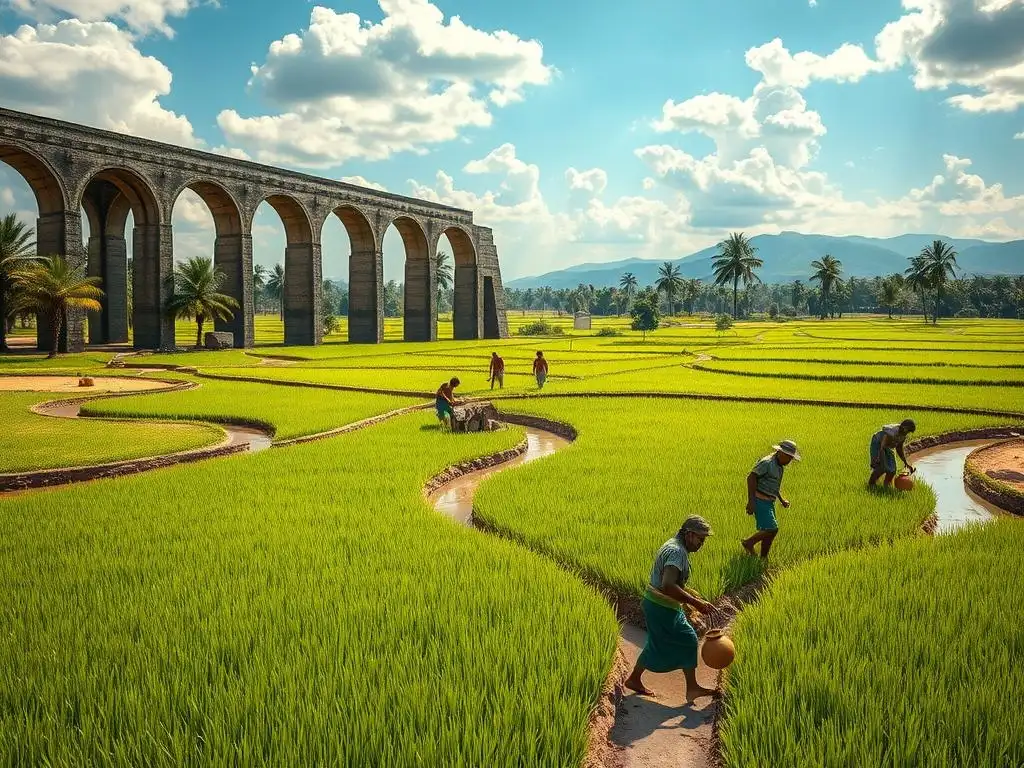
Welcome to Ancient India History, where we embark on a captivating journey through the rich tapestry of India's past. Dive into the fascinating world of ancient Indian irrigation systems, a cornerstone of agricultural innovation that fueled the prosperity of civilizations from the Indus Valley to the Gupta Empire. Discover how these ingenious techniques transformed landscapes, empowered communities, and shaped the very foundation of India's economy.
As you explore our articles, you’ll find yourself unraveling the mysteries of a time when agriculture was not just a means of sustenance, but a vibrant expression of culture and ingenuity. Ready to dig deeper? Let's uncover the secrets of these remarkable irrigation systems together!

Agricultural innovations have played a pivotal role in shaping the civilizations of ancient India, particularly through the development of sophisticated irrigation systems. These systems not only enhanced crop production but also facilitated the sustainable management of water resources in a diverse landscape characterized by varying climates and geographical features.
The ancient Indian irrigation systems, renowned for their ingenuity, reflect the rich agricultural traditions and practices that laid the foundation for future advancements in farming techniques. In this article, we will explore the significance of irrigation in ancient India, delve into the historical context of these systems, and examine how geography and cultural practices influenced irrigation methods across different periods, from the Indus Valley Civilization to the Gupta Empire.
Introduction to Ancient Indian Irrigation Systems
Importance of Irrigation in Ancient India
Irrigation was crucial for agricultural success in ancient India, particularly in regions where monsoon rains were inconsistent or insufficient. The implementation of irrigation systems allowed farmers to:
- Increase Crop Yields: By ensuring a steady water supply, farmers could cultivate multiple crops throughout the year, enhancing food security.
- Support Diverse Agriculture: Irrigation systems enabled the cultivation of various crops, including rice, wheat, and sugarcane, adapting to regional climatic conditions.
- Facilitate Trade: Surplus production from irrigated lands contributed to the growth of trade networks, impacting the economy and cultural exchanges.
Overview of Ancient Indian Agricultural Techniques
The agricultural landscape of ancient India was characterized by a blend of traditional practices and innovative techniques. Key aspects included:
- Crop Rotation: Farmers practiced crop rotation to maintain soil fertility and manage pests.
- Use of Fertilizers: Organic fertilizers, such as animal manure and compost, were employed to enrich the soil.
- Terracing and Bunding: In hilly terrains, farmers used terracing and bunding to prevent soil erosion and manage water flow effectively.
Historical Context of Irrigation Systems in Ancient India
The Development of Irrigation Practices in the Indus Valley Civilization
The Indus Valley Civilization (c. 3300–1300 BCE) is often credited with some of the earliest known irrigation practices. Archaeological evidence suggests:
- Advanced Water Management: The civilization developed intricate drainage systems and reservoirs, indicating a sophisticated understanding of water management.
- Canal Systems: Canals were constructed to divert river water for agricultural use, supporting large-scale farming.
Influence of Geography on Irrigation Techniques in Ancient India
Geography played a significant role in shaping the irrigation techniques employed across ancient India. Key factors included:
- River Systems: Major rivers like the Ganges, Indus, and Brahmaputra provided essential water sources for irrigation.
- Topography: The diverse landscapes, from the fertile plains to arid regions, necessitated different irrigation methods, including surface irrigation and well-based systems.
Key Periods of Innovation: Vedic to Gupta Era
The evolution of irrigation systems continued through various historical periods:
- Vedic Period (c. 1500–500 BCE): Early texts reflect the importance of water management in agriculture, highlighting the use of wells and simple canals.
- Maurya Empire (c. 322–185 BCE): Under Emperor Chandragupta Maurya, irrigation projects were expanded, with state involvement in water management.
- Gupta Empire (c. 320–550 CE): This era witnessed significant advancements in agricultural technology, including improved irrigation methods that further enhanced productivity.
Through these various historical lenses, we can discern the profound impact of ancient Indian irrigation systems on agriculture, economy, and society at large, setting the stage for future agricultural innovations.
Types of Ancient Indian Irrigation Systems
Ancient Indian irrigation systems were diverse and tailored to the geographical and climatic conditions of various regions. These systems played a crucial role in enhancing agricultural productivity, ensuring food security, and supporting the burgeoning population of ancient India. The primary types of irrigation systems included surface irrigation methods, well and tube well systems, tank irrigation, and canal systems. Each method had its unique advantages and was implemented based on the local topography, availability of water resources, and crop requirements.
Surface Irrigation Methods
Surface irrigation methods were among the earliest techniques employed by ancient Indian farmers. This approach involves the direct application of water to the soil surface, allowing it to flow over the field and infiltrate the soil. There are several types of surface irrigation, including furrow, basin, and flood irrigation.
- Furrow Irrigation: In this method, narrow channels or furrows are created between crop rows, allowing water to flow down these channels. This method is efficient for row crops and minimizes water wastage.
- Basin Irrigation: This technique involves creating a basin around the plants, where water is allowed to pond and seep into the soil. It is particularly effective for crops that require a lot of water.
- Flood Irrigation: In flood irrigation, fields are inundated with water. This method is suitable for areas with abundant water supply but can lead to waterlogging if not managed properly.
Overall, surface irrigation methods contributed significantly to the agricultural landscape of ancient India by providing an effective means of managing water resources.
Well and Tube Well Systems
The utilization of wells and tube wells marked a significant advancement in irrigation practices in ancient India. These systems tapped into underground water sources, enabling farmers to cultivate land even in arid regions.
- Wells: Traditional wells were built by digging into the ground to reach groundwater. Farmers would draw water manually or use simple pulley systems. These wells provided a reliable water source, especially during dry seasons.
- Tube Wells: The introduction of tube wells allowed deeper penetration into the aquifer. These wells were constructed using long pipes, which could be driven into the ground to access underground water more efficiently. Tube wells enhanced the ability to irrigate larger areas and provided a consistent water supply.
The adoption of well and tube well systems significantly improved agricultural outputs, especially in regions that were otherwise water-scarce.
Tank Irrigation and Its Significance
Tank irrigation is a method that involves the construction of reservoirs or tanks to store rainwater and surface runoff. These tanks served as critical water sources for irrigation, especially in regions with erratic rainfall patterns.
- Construction: Tanks were often built by damming rivers or creating embankments to hold water. They were strategically located to maximize water collection.
- Significance: Tank irrigation systems not only provided water for irrigation but also played a role in recharging groundwater levels. They supported diverse agricultural practices and were vital for sustaining crops during dry spells.
In ancient India, tank irrigation was crucial for maintaining agricultural productivity, particularly in southern regions where rainfall was unreliable.
Canals and Their Role in Agriculture
Canals were another innovative irrigation method employed in ancient India, particularly in river valley regions where the flow of water could be harnessed for agricultural purposes.
- Construction and Management: Canals were constructed to divert river water to agricultural fields. These systems required careful management to ensure proper flow and prevent siltation.
- Role in Agriculture: Canals facilitated the irrigation of vast areas, increasing the arable land and allowing for the cultivation of a variety of crops. They also helped with flood control and drainage, enhancing soil fertility by depositing nutrient-rich silt.
The establishment of canal systems marked a significant leap in agricultural development, contributing to the prosperity of ancient Indian civilizations.
Technological Innovations in Irrigation
Technological advancements played a crucial role in the evolution of irrigation practices in ancient India. Innovations in tools and techniques not only improved water management but also enhanced agricultural productivity.
Tools and Techniques Used in Ancient Indian Irrigation
Ancient Indian farmers utilized a variety of tools and techniques to optimize irrigation.
- Persian Wheels: One of the most notable innovations was the Persian wheel, which allowed for efficient lifting of water from wells for irrigation purposes. This device made it easier to irrigate larger fields with minimal labor.
- Rope and Pulley Systems: Simple yet effective, these systems were used to draw water from wells and canals. They reduced the labor intensity of irrigation tasks.
- Ploughs and Hoes: Improved agricultural tools, such as iron ploughs and hoes, facilitated better soil preparation and water management, further enhancing crop yields.
These tools and techniques were instrumental in optimizing the use of water resources for agriculture, demonstrating the ingenuity of ancient Indian farmers.
The Impact of Water Management on Crop Yields
Effective water management was critical to the success of ancient Indian agriculture.
- Increased Productivity: Well-managed irrigation systems resulted in higher crop yields. Farmers could cultivate multiple crops per year, significantly boosting food production.
- Drought Resistance: By efficiently utilizing water resources, ancient irrigation systems helped mitigate the effects of drought, ensuring a more stable food supply.
- Sustainability: The implementation of sustainable water management practices allowed ancient Indian civilizations to thrive, supporting growing populations and complex societies.
This careful management of water resources underscored the importance of irrigation in ancient Indian agriculture and its lasting impact on societal development.
Innovations in Irrigation During the Gupta Empire
The Gupta Empire (c. 320-550 CE) is often regarded as a golden age of Indian history, during which significant advancements in various fields, including irrigation, were made.
- Enhanced Irrigation Techniques: The Guptas improved existing irrigation methods and introduced new technologies. They constructed extensive canal systems and improved the design of wells and tanks to maximize water storage and usage.
- Agricultural Policies: The Gupta rulers recognized the importance of agriculture and implemented policies to promote irrigation. They supported the construction of irrigation infrastructure and provided incentives for farmers to adopt advanced techniques.
- Impact on Society: These innovations not only increased agricultural output but also contributed to economic prosperity, trade expansion, and urbanization during the Gupta period.
The advancements in irrigation during the Gupta Empire highlight the significance of agricultural innovations in shaping ancient Indian civilization and its economy.
Case Studies: Successful Irrigation Projects
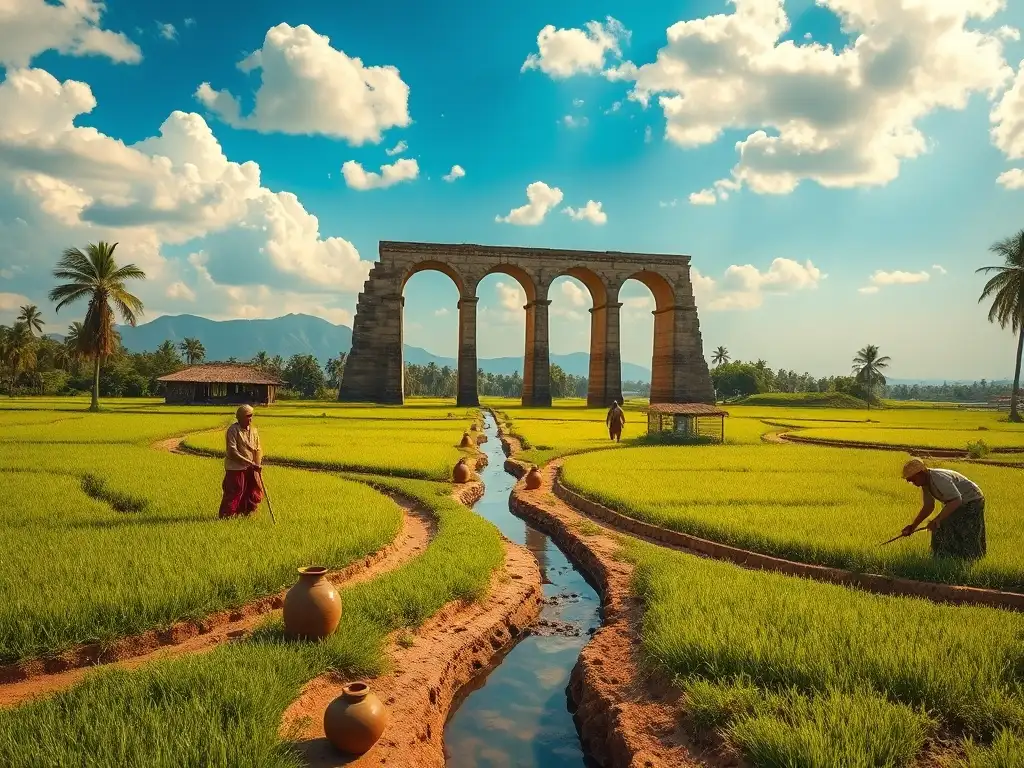
The history of ancient Indian irrigation systems is marked by remarkable engineering feats and innovative practices that played a crucial role in enhancing agricultural productivity. Among these, several case studies stand out, showcasing the ingenuity and adaptability of ancient Indian civilizations in managing water resources effectively.
The Dholavira Water Conservation System
Located in the arid region of the Rann of Kutch, the Dholavira Water Conservation System is one of the most sophisticated ancient irrigation systems known from the Harappan civilization. This site, which dates back to around 4500 years ago, features an intricate network of channels, reservoirs, and check dams designed to collect and conserve rainwater.
The engineers of Dholavira constructed large reservoirs to store water, with an extensive system of stone-lined channels that directed water to agricultural fields. The strategic positioning of these structures allowed for maximum rainfall collection, essential for farming in such a dry environment. The success of this system not only highlights the advanced understanding of hydrology by the Harappans but also their ability to sustain agriculture in challenging conditions.
The Kalinga System of Agriculture and Irrigation
The Kalinga region, corresponding to present-day Odisha, is another exemplary case of ancient irrigation practices. The Kalinga system of agriculture incorporated a variety of methods, including the construction of canals and the utilization of natural water bodies like rivers and lakes for irrigation.
One of the notable features of this system was the use of earthen embankments to create reservoirs that helped manage seasonal floods, ensuring a steady supply of water for crops. The agricultural practices here were not only efficient but also sustainable, promoting crop rotation and diversification. This system played a pivotal role in the prosperity of the Kalinga civilization, enabling it to thrive and engage in extensive trade.
Regional Variations in Irrigation Practices
Ancient India saw diverse regional approaches to irrigation, shaped by geographical and climatic conditions. In the fertile plains of the Indus Valley, the use of river systems was prevalent, with extensive canal networks facilitating the irrigation of large tracts of land.
In contrast, in the southern regions, particularly in Tamil Nadu, the ancient agricultural practices included the creation of intricate tank systems, known as "eri," which captured rainwater and facilitated its distribution to fields. These tanks were often community-managed and reflected a deep understanding of local hydrology.
In the western regions, such as Gujarat, the reliance on wells and underground water sources became common, especially during periods of drought. These regional variations not only highlight the adaptability of ancient Indian irrigation systems but also the socio-cultural contexts that influenced their development.
The Socio-Economic Impact of Irrigation Systems
Irrigation systems in ancient India had profound socio-economic impacts, fundamentally transforming agricultural practices and fostering community development. The efficient management of water resources led to substantial improvements in crop yields, which in turn influenced various aspects of life in ancient Indian societies.
How Irrigation Transformed Ancient Indian Agriculture
The introduction and enhancement of irrigation systems revolutionized agriculture in ancient India. By providing a reliable source of water, these systems allowed for multiple cropping seasons and the cultivation of diverse crops.
Farmers could grow staple crops like rice and wheat, alongside cash crops such as cotton and sugarcane, leading to increased food security and economic stability. The surplus production not only supported growing populations but also facilitated the emergence of trade networks, as surplus goods were exchanged for other resources and commodities.
The Role of Irrigation in Trade and Economy
Irrigation systems also played a critical role in shaping the economy of ancient Indian civilizations. Improved agricultural productivity created a surplus that stimulated trade, both locally and with distant regions.
Major trade routes developed around fertile agricultural zones, enabling the exchange of goods, ideas, and cultures. The prosperity derived from agriculture allowed for the rise of urban centers and marketplaces, which became hubs of economic activity. Furthermore, innovations in irrigation often attracted skilled labor and craftsmen, contributing to the overall growth of the economy.
Community and Social Structures Around Irrigation Systems
The management of irrigation systems fostered complex social structures and community cooperation. In many regions, irrigation was a communal effort, requiring collective decision-making and management of water resources.
Communities developed governance structures to oversee the maintenance and distribution of water, often leading to the establishment of local councils. This communal aspect not only strengthened social ties but also promoted a sense of shared responsibility towards sustainable practices. The social dynamics around these irrigation systems laid the foundation for cooperative farming practices that persisted through centuries, influencing the development of agrarian societies in ancient India.
Conclusion
The ancient Indian irrigation systems played a pivotal role in shaping the agricultural landscape of the subcontinent. These innovations not only allowed for more efficient water management but also contributed significantly to the sustainability and productivity of crops. The meticulous planning and engineering prowess displayed in constructing these irrigation systems underscore the advanced understanding of hydrology that ancient Indian civilizations possessed. The legacy of these systems continues to influence modern agricultural practices, showing the enduring impact of ancient innovations on contemporary farming methods.
Summary of Key Innovations in Ancient Indian Irrigation
Ancient Indian irrigation systems were characterized by several key innovations:
- Canal Systems: Extensive networks of canals were established, especially in regions like Punjab and the Ganges basin, allowing for the efficient diversion of river water to agricultural fields.
- Stepwells and Baolis: These structures not only served as water reservoirs but also as a means to access groundwater, especially in arid and semi-arid regions.
- Tank Irrigation: The construction of tanks and reservoirs was crucial for storing rainwater, which could then be used during dry spells.
- Bamboo and Earthen Dams: These were employed to create barriers that directed water flow and prevented erosion, showcasing the ingenuity in resource management.
These innovations facilitated the cultivation of diverse crops, enhancing food security and enabling trade, which was essential for the economic prosperity of ancient Indian civilizations.
The Legacy of Ancient Indian Irrigation Systems in Modern Agriculture
The principles and techniques of ancient Indian irrigation systems have laid a foundational framework for modern agricultural practices. Today, many contemporary irrigation techniques can trace their roots back to these ancient practices. For instance:
- Sustainable Water Management: The concept of utilizing rainwater harvesting seen in ancient tank systems is increasingly relevant in today's efforts to combat water scarcity.
- Modern Canal Systems: The basic principles of canal irrigation developed in ancient India are mirrored in modern irrigation projects, emphasizing the continued relevance of these age-old methods.
- Cultural Practices: The seasonal agricultural calendars based on weather patterns, established in ancient times, are still observed by farmers today, highlighting the importance of traditional knowledge.
Thus, ancient Indian irrigation systems not only contributed to the agricultural success of their time but also continue to inform and inspire current agricultural practices, emphasizing their lasting legacy.
References
Suggested Readings on Ancient Indian Agriculture
- "The Agricultural History of India" - This book provides an extensive overview of the evolution of agriculture in India, including irrigation practices.
- "Water Management in Ancient India" - A detailed exploration of ancient techniques of water conservation and irrigation systems.
- "The Indus Valley Civilization: A Historical Perspective": - This reading delves into the agricultural practices of one of the earliest urban civilizations in India, highlighting their innovative irrigation methods.
Academic Journals and Articles on Irrigation Techniques
- "Journal of Ancient Indian History" - This academic journal publishes articles on various aspects of ancient Indian civilization, including agricultural techniques and irrigation systems.
- "Water Resources Research" - A journal that often features studies on ancient water management practices, including those from ancient India.
- "Agricultural Systems" - This journal covers historical and modern agricultural practices, with specific articles focusing on the impact of ancient irrigation systems on current methodologies.
These readings and journals serve as valuable resources for anyone interested in the intricate relationship between ancient irrigation systems and agricultural practices in India.
- Introduction to Ancient Indian Irrigation Systems
- Historical Context of Irrigation Systems in Ancient India
- Types of Ancient Indian Irrigation Systems
- Technological Innovations in Irrigation
- Case Studies: Successful Irrigation Projects
- The Socio-Economic Impact of Irrigation Systems
- Conclusion
- References
- What were the main types of ancient Indian irrigation systems?
- How did irrigation systems impact agricultural productivity in ancient India?
- What role did technology play in the development of irrigation in ancient India?
- How did the Indus Valley Civilization contribute to irrigation practices?
- What legacy do ancient Indian irrigation systems leave today?
Frequently Asked Questions
What were the main types of ancient Indian irrigation systems?
Ancient India utilized various irrigation techniques such as canals, wells, and tank systems to efficiently manage water for agriculture. These systems were crucial for sustaining crops in arid regions.
How did irrigation systems impact agricultural productivity in ancient India?
The implementation of irrigation systems significantly enhanced agricultural output, allowing for multiple cropping cycles and improved food security. This advancement supported the growth of civilizations and trade.
What role did technology play in the development of irrigation in ancient India?
Innovative technologies, including water-lifting devices and silt management techniques, were essential for the advancement of irrigation systems. These innovations allowed for more effective water management.
How did the Indus Valley Civilization contribute to irrigation practices?
The Indus Valley Civilization is renowned for its sophisticated drainage and irrigation systems, which included well-planned cities with structured water management. This laid the foundation for future irrigation practices.
What legacy do ancient Indian irrigation systems leave today?
The principles of ancient irrigation systems continue to inform modern agricultural practices in India, emphasizing the importance of sustainable water management. Their influence can be seen in contemporary farming techniques and water conservation efforts.
Final Reflection: The Enduring Legacy of Ancient Indian Irrigation Systems
The innovations of ancient Indian irrigation systems not only revolutionized agriculture in their time but also laid the groundwork for sustainable farming practices that resonate with us today. As we face the challenges of climate change and food security, the ingenuity of these systems reminds us of the importance of adapting our agricultural methods to ensure a thriving future. The lessons learned from ancient practices can guide modern solutions, emphasizing that history is not merely a record of the past but a blueprint for the future.
The influence of ancient Indian irrigation systems extends far beyond their historical context; they have shaped our cultural and social landscapes in profound ways. These systems fostered community cooperation, resource management, and respect for nature, principles that are increasingly relevant in our contemporary society. As we strive for sustainable development, we can draw inspiration from the wisdom of our ancestors. The greatest danger in times of turbulence is not the turbulence; it is to act with yesterday's logic.
– Peter Drucker. This quote encapsulates the need to learn from the past while innovating for the future.
As we reflect on the significance of ancient Indian irrigation systems, I invite you to consider how these lessons can be applied in your own life. What practices can you adopt to promote sustainability and community in your environment? Whether it’s conserving water, supporting local agriculture, or advocating for sustainable practices, each small action contributes to a larger movement. Let us honor the legacy of our ancestors by embracing their wisdom and applying it to the challenges we face today, ensuring that the innovations of the past continue to inspire a sustainable future.
Unveil the Secrets of Ancient Agricultural Wisdom!
Thank you for diving into the rich history of agricultural innovations in ancient India! You've uncovered fascinating insights about how irrigation systems transformed farming practices and shaped civilizations. Now, it's time to bring that knowledge to life!
Here are a few ways you can take action today:
- Explore modern sustainable farming techniques influenced by ancient methods by connecting with local farmers or agricultural organizations.
- Share your newfound knowledge with friends or on social media— which innovations surprised you the most?
- Join a community of history enthusiasts—participate in forums or local meetups to discuss the impact of ancient agriculture on contemporary practices.
Which ancient agricultural innovation do you believe holds the key to addressing today's farming challenges? Share your thoughts below!