
The Intersection of Mythology and Engineering in Ancient Indian Architecture


Welcome to Ancient India History, where we embark on a fascinating journey through the rich tapestry of ancient Indian civilizations! Here, we delve into the intricate relationship between mythology and engineering that shaped remarkable architectural marvels. In our featured article, "The Intersection of Mythology and Engineering in Ancient Indian Architecture," we uncover the secrets behind the stunning structures that stand as a testament to the innovative spirit of the past.
Curious about how ancient beliefs influenced engineering techniques? Join us as we explore these profound connections and reveal the legacy that continues to inspire modern technology and culture. Your adventure into the depths of ancient wisdom awaits!
- Introduction to Ancient Indian Architecture Engineering
- Historical Context of Ancient Indian Architecture
- Key Engineering Techniques in Ancient Indian Architecture
- Mythological Inspirations in Architectural Design
- Case Studies of Iconic Ancient Indian Structures
- Challenges Faced in Ancient Indian Architecture Engineering
- Conclusion: The Legacy of Ancient Indian Architecture Engineering
- References
-
Frequently Asked Questions
- What is the significance of ancient Indian architecture engineering?
- How did mythology influence ancient Indian architecture?
- What are some notable examples of ancient Indian architecture?
- How did the Gupta Empire contribute to architecture and engineering?
- What engineering techniques were utilized in ancient Indian architecture?
- Final Reflection: The Enduring Legacy of Ancient Indian Architecture Engineering
- Unveil the Wonders of Ancient Indian Architecture!
Introduction to Ancient Indian Architecture Engineering
Ancient Indian architecture is a fascinating testament to the ingenuity and creativity of early civilizations, showcasing a rich tapestry of cultural influences, engineering prowess, and artistic expression. From the meticulous urban planning of the Indus Valley Civilization to the monumental temples of the Gupta Empire, the evolution of architecture in ancient India reflects a profound understanding of engineering principles intertwined with intricate mythological narratives.
As we delve into this intersection of mythology and engineering, we uncover how ancient Indian architects skillfully integrated spiritual beliefs into their designs, resulting in structures that were not only functional but also deeply symbolic. This article will explore the intricacies of ancient Indian architecture engineering, emphasizing its significance within the broader context of technological innovations and construction techniques.
Overview of Ancient Indian Architecture
The architectural landscape of ancient India is incredibly diverse, encompassing various styles and forms influenced by regional cultures, religious practices, and historical contexts. Key periods in this evolution include:
- Indus Valley Civilization (c. 3300–1300 BCE): Renowned for its advanced urban planning, drainage systems, and the use of standardized fired bricks, the architecture of this period laid the foundation for future developments in Indian architectural practices.
- Maurya Empire (c. 322–185 BCE): Marked by the construction of stupas, such as the Great Stupa at Sanchi, this era showcased grand structures that were both monumental and symbolic, reflecting Buddhist ideologies.
- Gupta Empire (c. 240–550 CE): Often referred to as the Golden Age of India, this period saw the emergence of intricate temple architecture characterized by elaborate carvings, soaring spires, and innovative structural designs, blending religious significance with engineering excellence.
The interplay between mythology and engineering is evident in these architectural marvels, where each structure tells a story that transcends time, connecting the past with the present.
Importance of Engineering in Ancient Indian Structures
Engineering played a pivotal role in the construction and durability of ancient Indian structures. The architects and builders of these remarkable edifices employed various innovative techniques that not only enhanced their aesthetic appeal but also ensured their longevity. Some key aspects include:
- Material Selection: Ancient builders utilized locally available materials, such as sandstone, granite, and laterite, which were selected based on their strength and suitability for specific types of constructions.
- Structural Techniques: The use of advanced techniques, such as corbel arching and interlocking stone blocks, allowed for the creation of expansive halls and intricate carvings without compromising stability.
- Water Management: Ingenious water management systems, including stepwells and reservoirs, demonstrate the engineering acumen of ancient Indians, ensuring the sustainability of their settlements.
These engineering feats not only reflect technical brilliance but also an intimate connection to the cultural and spiritual ethos of the time.
Purpose of the Article
This article aims to explore the intersection of mythology and engineering within the realm of ancient Indian architecture. By analyzing various architectural styles and techniques, we seek to highlight the innovative engineering solutions employed by ancient builders while uncovering the deep-rooted mythological narratives that inspired their designs.
The discussion will shed light on how these elements coalesce to create structures that are not only architecturally significant but also resonate with the cultural identity of ancient India. Through this exploration, we hope to inspire a deeper appreciation for the rich heritage of ancient Indian architecture engineering and its contributions to the world of construction and design.
Historical Context of Ancient Indian Architecture
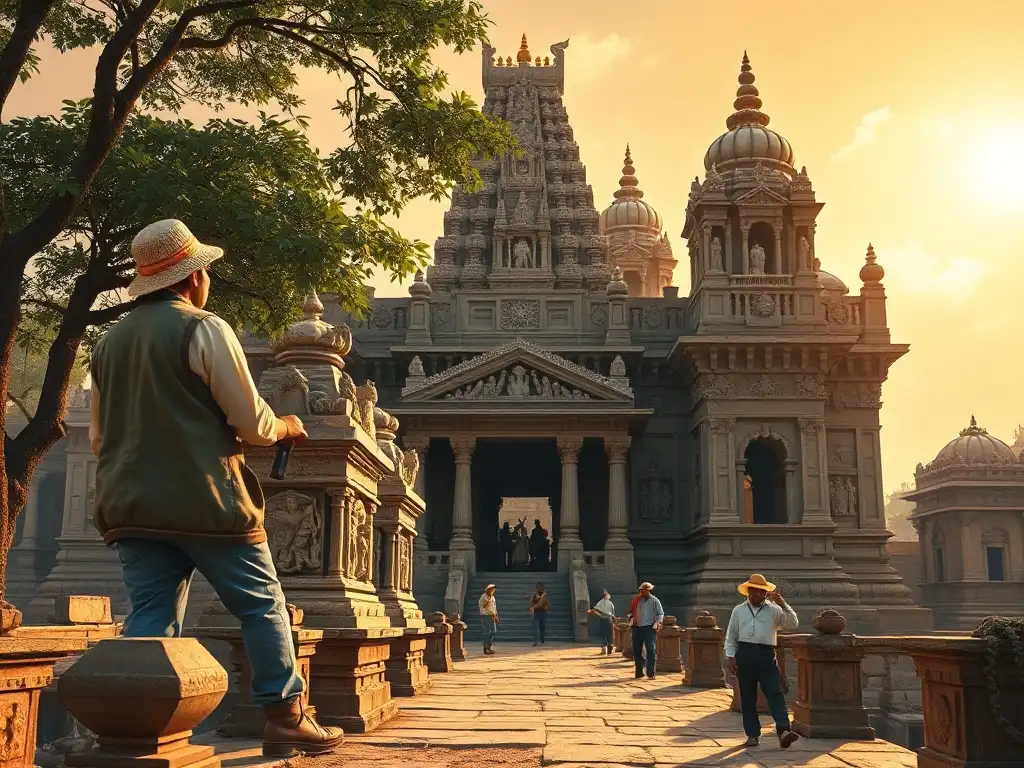
Ancient Indian architecture is a magnificent testament to the engineering prowess and artistic sensibilities of the civilizations that flourished in the subcontinent. Spanning over several millennia, this architecture reflects a blend of functionality, aesthetics, and spiritual significance. The roots of this architectural heritage can be traced back to the early urban settlements of the Indus Valley Civilization, characterized by their advanced urban planning and engineering techniques.
As we delve into the historical context, it's vital to recognize that ancient Indian architecture was not merely about constructing buildings; it was a multifaceted pursuit influenced by various factors, including geography, climate, culture, and, prominently, mythology. The interplay between these elements contributed to a rich tapestry of architectural styles that evolved over time, culminating in some of the most iconic structures seen today.
Influence of Mythology on Architectural Design
The interplay between mythology and architecture in ancient India is profound and complex. Mythology served as a guiding framework for architectural design, inspiring the layout, motifs, and symbolic elements integrated into structures. Temples, in particular, stand as monumental embodiments of this connection.
- Sacred Geometry: Many ancient Indian structures were designed using sacred geometric principles, which were believed to represent cosmic order. For instance, the layout of temples often reflects the mandala concept, symbolizing the universe's creation and structure.
- Iconography and Symbolism: Architectural elements often featured intricate carvings depicting deities, legends, and mythological narratives. These embellishments not only served decorative purposes but also conveyed spiritual meanings, inviting devotees to engage with the divine.
- Alignment with Celestial Events: Some ancient Indian structures were strategically aligned with celestial bodies, reflecting the belief that the cosmos had a direct influence on earthly existence. This alignment was thought to enhance the sanctity of the site, enhancing its spiritual significance.
For example, the famed Brihadeeswarar Temple in Thanjavur showcases how mythology influenced its design, with detailed sculptures narrating stories from Hindu epics, effectively merging art with engineering.
Key Civilizations Contributing to Ancient Indian Architecture
The evolution of ancient Indian architecture can be attributed to several key civilizations, each contributing distinct styles and techniques that reflect their cultural values and technological advancements.
Indus Valley Civilization
The Indus Valley Civilization (c. 3300–1300 BCE) is often regarded as the cradle of urban planning in ancient India. Its cities, such as Harappa and Mohenjo-Daro, exhibited remarkable engineering feats:
- Urban Planning: The cities were meticulously laid out in grid patterns, featuring well-planned streets, drainage systems, and public baths, showcasing an advanced understanding of urban engineering.
- Materials and Techniques: The use of standardized fired bricks, both for residential and public structures, indicates a sophisticated approach to materials and construction techniques.
- Public Structures: The Great Bath of Mohenjo-Daro is a prime example of communal spaces designed for ritualistic purposes, reflecting the civilization's emphasis on social and spiritual life.
Mauryan Empire
The Mauryan Empire (c. 322–185 BCE) marked a significant evolution in ancient Indian architecture, particularly under the reign of Emperor Ashoka. Key contributions include:
- Stupas: The construction of stupas, such as the Sanchi Stupa, represented a monumental shift in architectural design, serving as reliquaries that housed sacred Buddhist relics.
- Rock-cut Architecture: The Mauryan period saw the emergence of rock-cut caves, like those at Barabar, demonstrating advanced techniques in carving and engineering, while also providing spaces for monastic life.
- Pillars of Ashoka: The iconic pillars, adorned with intricate carvings and inscriptions, are prime examples of the blend of artistry and engineering, serving both functional and symbolic purposes.
Gupta Empire
The Gupta Empire (c. 240–550 CE) is often referred to as the "Golden Age" of India, and its influence on architecture is remarkable:
- Temple Architecture: The Gupta period saw the rise of temple architecture characterized by intricate shikhara (spire) designs and elaborate sculptures, as seen in the Dashavatara Temple at Deogarh.
- Innovative Techniques: The use of stone as a primary construction material became prevalent, showcasing advancements in quarrying and masonry techniques.
- Cave Temples: The excavation of cave temples, such as those at Ajanta and Ellora, reflects the artistic and engineering capabilities of the period, with detailed frescoes and sculptures that narrate religious stories.
Ancient Indian architecture engineering represents a remarkable union of mythological inspiration and advanced engineering techniques. Each civilization's contribution has left an indelible mark on the architectural landscape, shaping it into a rich tapestry of history, culture, and spirituality.
Key Engineering Techniques in Ancient Indian Architecture

Ancient Indian architecture is characterized by its intricate designs and innovative engineering techniques that reflect a deep understanding of materials and construction. From the grand temples to the urban planning of ancient cities, the engineering prowess of ancient Indian civilizations is evident in various forms. Below, we explore some of the key engineering techniques that defined ancient Indian architecture.
Stone Carving and Masonry
Stone carving was a hallmark of ancient Indian architecture, showcasing not only artistic expression but also advanced engineering skills. Craftsmen used a variety of techniques to manipulate hard stones like granite, sandstone, and limestone, creating structures that have stood the test of time.
- Tools and Techniques: The use of chisels, hammers, and other tools allowed artisans to achieve remarkable precision. Techniques like pointing, where a template was used to guide the carving, ensured uniformity across structures.
- Intricate Designs: Temples such as the Brihadeeswarar Temple in Thanjavur exhibit detailed carvings depicting deities, mythological scenes, and floral motifs, showcasing not just aesthetic appeal but also structural integrity.
- Interlocking Stones: Many ancient structures employed interlocking stone techniques that enhanced stability without the need for mortar, allowing for flexibility and resilience against seismic activities.
Use of Arches and Vaults
The application of arches and vaults in ancient Indian architecture marked a significant advancement in engineering practices. These elements allowed for large open spaces and supported heavy loads, leading to the creation of magnificent structures.
- Arch Techniques: The corbel arch, commonly used in many ancient Indian buildings, involves stacking stones in such a way that they gradually protrude towards the center until they meet. This technique was prevalent in structures like the Ajanta Caves.
- Vaulting Systems: The use of domes and vaults, such as in the Gol Gumbaz, showcases an understanding of weight distribution and structural support, allowing for expansive interiors.
- Cultural Integration: The incorporation of these techniques reflects the influence of various cultures and the adaptability of Indian architects to blend local traditions with innovative engineering.
Water Management Systems in Architecture
Water management was a crucial aspect of ancient Indian architecture, reflecting the civilization's understanding of hydrology and its importance in urban planning. This foresight not only served practical needs but also played a role in spiritual and cultural practices.
Stepwells and Tanks
Stepwells and tanks were ingeniously designed to store water and serve as social and religious spaces.
- Design Features: Stepwells, such as the Rani Ki Vav in Gujarat, feature intricate staircases leading down to the water level. These structures allowed for easy access to water throughout the year, even during dry seasons.
- Cultural Significance: Many stepwells were adorned with carvings and sculptures, highlighting their importance as places of gathering and worship. They often served as cool retreats in hot climates, combining utility with aesthetics.
- Innovative Engineering: The construction of these wells involved precise calculations to ensure stability and prevent erosion, showcasing advanced engineering methods.
Drainage Systems
Ancient Indian cities like Mohenjo-Daro and Harappa were equipped with sophisticated drainage systems that reflect a high level of urban planning.
- Drainage Layout: Streets were often lined with covered drains, allowing for the efficient disposal of wastewater. The use of baked bricks for drain construction ensured durability.
- Public Health: These systems not only facilitated hygiene but also exemplified an understanding of public health needs, demonstrating how ancient Indian engineering contributed to the well-being of its inhabitants.
- Sustainability Practices: The integration of drainage with the natural topography indicated a sustainable approach to urban development, minimizing flooding and promoting water conservation.
The engineering techniques employed in ancient Indian architecture reveal a rich interplay between mythology, culture, and scientific understanding. From the precision of stone carving to the innovative water management systems, these advancements have left a lasting legacy in the field of ancient Indian architecture engineering.
Mythological Inspirations in Architectural Design
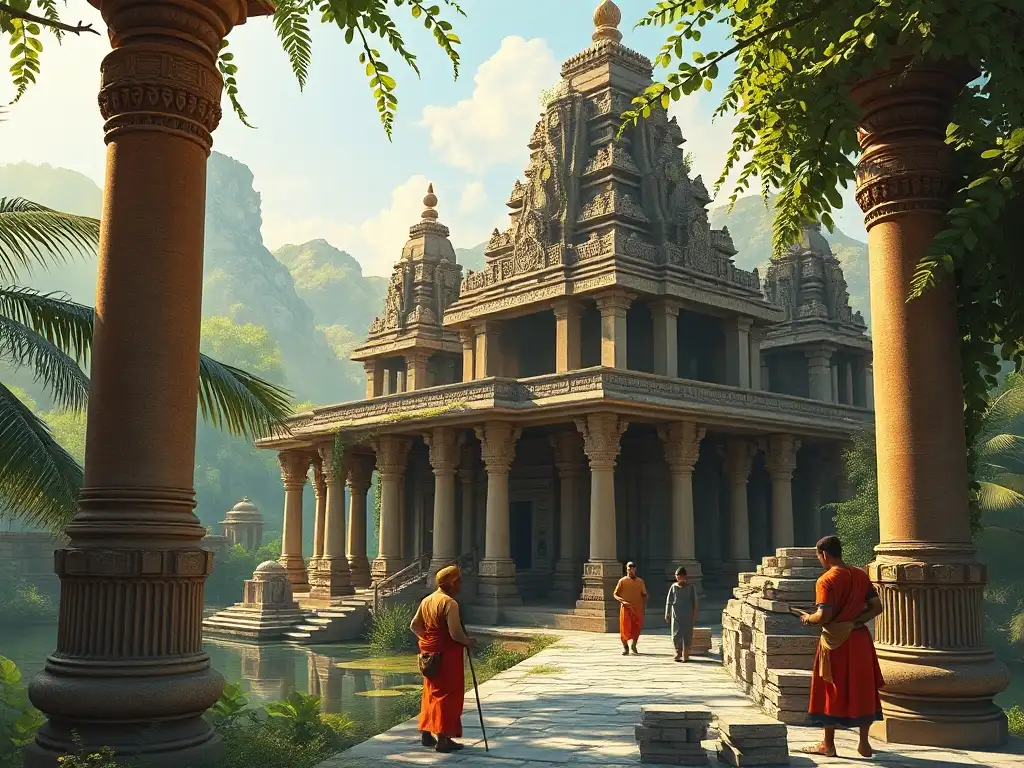
Temples and Their Symbolism
Ancient Indian architecture is deeply rooted in mythology, particularly evident in the design and construction of temples. These structures serve not only as places of worship but also as embodiments of the cosmic order, reflecting the intricate connection between the divine and the earthly realm. Temples often symbolize the universe, with their layouts and features designed to evoke specific mythological themes and narratives.
The Role of Deities in Temple Architecture
In ancient Indian architecture, the choice of deities significantly influences temple design. Each temple is dedicated to a specific deity, and its architecture is meticulously crafted to reflect the attributes and stories associated with that deity. For instance, the Brihadeeswarar Temple in Thanjavur is dedicated to Lord Shiva and incorporates elements that symbolize his cosmic role as the creator and destroyer.
The placement of the sanctum sanctorum (garbhagriha) at the temple's core reflects the divine presence, while the towering shikhara (spire) symbolizes the connection between the earth and the heavens. The intricate carvings and sculptures around the temple often depict scenes from the deity's life, enhancing the spiritual experience for devotees.
Sacred Geometry in Temple Layouts
The use of sacred geometry in temple layouts is another significant aspect of ancient Indian architecture engineering. The design often follows precise mathematical principles to create a harmonious and balanced structure. For example, the Mandala, a geometric design that represents the cosmos, is commonly used in temple layouts.
- Vastu Shastra: This ancient science of architecture emphasizes alignment with cosmic principles, ensuring that temples are situated and oriented according to specific directions to maximize their spiritual efficacy.
- Proportional Systems: Many temples employ ratios and proportions derived from sacred texts, creating a visual harmony that resonates with the divine.
Mythical Narratives Depicted in Architecture
Ancient Indian architecture serves as a canvas for mythical narratives, where stories from epics and folklore are intricately woven into the very fabric of the structures. These narratives not only convey moral and philosophical teachings but also celebrate the cultural heritage of ancient India.
Iconography and Sculpture
The iconography found in ancient Indian temples is rich with symbolism and is integral to understanding the intersection of mythology and architecture. Sculptures and carvings adorn the temple walls, depicting various deities, celestial beings, and mythological creatures.
- Chaturmukha: A common representation in many temples, it symbolizes the four directions and the all-seeing nature of the divine.
- Narrative Panels: These panels often depict significant events from texts like the Mahabharata and Ramayana, allowing visitors to engage with the narratives as they traverse the temple grounds.
Narrative Reliefs on Facades
The facades of many ancient Indian temples feature elaborate reliefs that narrate stories from mythology. These reliefs serve both decorative and educational purposes, inviting worshippers to reflect on the tales they embody.
- Kalinga Mardana: A prominent relief on the Jagannath Temple in Puri showcases Lord Krishna's battle with the serpent Kaliya, illustrating the deity's triumph over evil.
- The Dasavatara: The depiction of Vishnu's ten avatars is a common theme, and these reliefs often serve as a reminder of the divine's role in preserving dharma (cosmic order).
The integration of mythology into ancient Indian architecture engineering is a testament to the civilization's profound understanding of spirituality, geometry, and narrative. Temples not only serve as religious sites but also as monumental expressions of cultural identity and artistic prowess, reflecting the rich tapestry of ancient Indian history.
Case Studies of Iconic Ancient Indian Structures
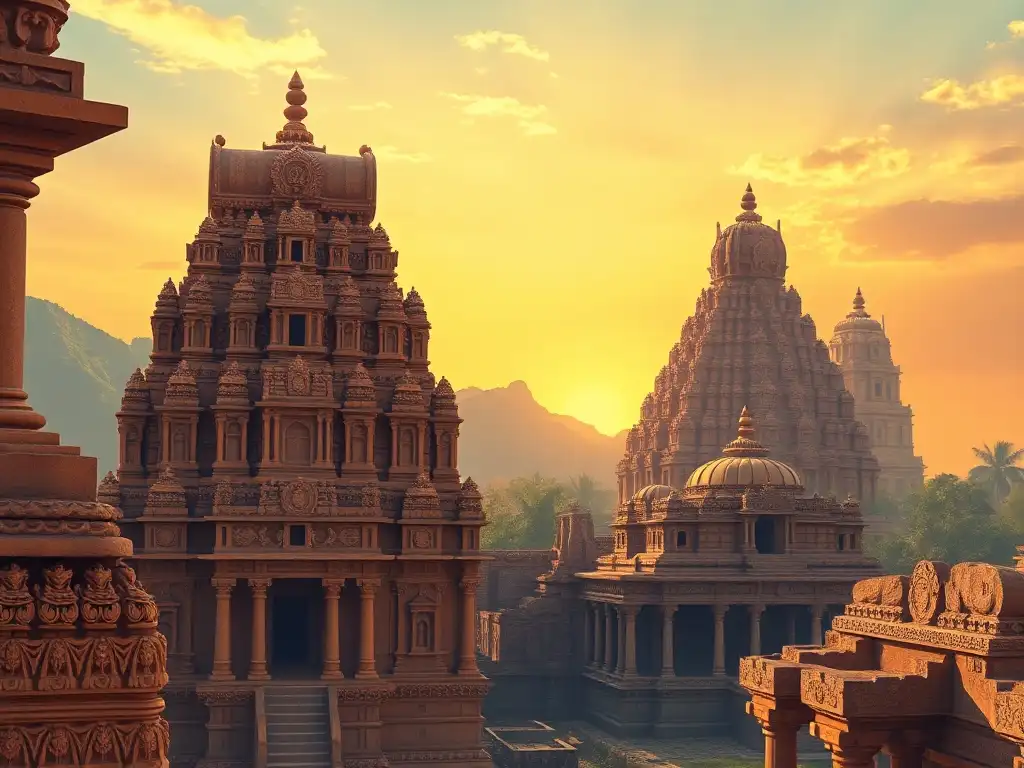
The Brihadeeswarar Temple
The Brihadeeswarar Temple, located in Thanjavur, Tamil Nadu, is a monumental testament to ancient Indian architecture engineering. Constructed during the Chola dynasty in the 11th century, this temple is not only a place of worship but also an architectural marvel that showcases the ingenuity of its creators.
Engineering Marvels in Construction
The engineering techniques employed in the construction of the Brihadeeswarar Temple are exemplary. The temple, which stands at approximately 66 meters tall, was built using granite blocks weighing several tons each. The precision with which these blocks were carved and assembled is remarkable, considering the lack of modern machinery.
- Structural Integrity: The temple's design features a massive vimana (tower) that is both aesthetically pleasing and structurally sound. The ingenious use of a corbel arch technique helped distribute weight effectively, allowing for the construction of the towering structure.
- Water Management: The temple complex includes an intricate system of water management, showcasing advanced hydraulic engineering. The nearby canals facilitated irrigation and supplied water for rituals, demonstrating an understanding of sustainable practices.
Mythological Significance
The Brihadeeswarar Temple is steeped in mythology, with its architecture embodying the rich narratives of Hinduism. Dedicated to Lord Shiva, this temple is designed to represent Mount Meru, the sacred mountain in Hindu cosmology.
- Symbolism in Design: The temple’s layout and carvings depict various deities and mythological scenes, creating a narrative that reflects the beliefs of the time. Each element, from the sculptures to the mandapas (pillared halls), serves a purpose in conveying spiritual stories and teachings.
- Cultural Heritage: As a UNESCO World Heritage site, the temple is not only a marvel of engineering but also a symbol of the cultural and religious ethos of ancient India, bridging the gap between the divine and the earthly.
The Hampi Ruins
The Hampi ruins, a UNESCO World Heritage site in Karnataka, represent one of the most significant archaeological sites in India. Once the capital of the Vijayanagara Empire, Hampi is renowned for its stunning architecture and the interplay between mythology and engineering.
Architectural Innovations
Hampi's architecture is a blend of various styles, showcasing the innovative engineering techniques of the Vijayanagara period. The city is filled with temples, palaces, and market areas, each reflecting advanced design principles.
- Monolithic Structures: The famous monolithic statue of Nandi (the bull) carved out of a single rock is a prime example of Hampi's architectural ingenuity. Such structures required not just skilled craftsmanship but also a deep understanding of rock mechanics.
- Advanced Urban Planning: The layout of Hampi reveals an advanced understanding of urban planning. The city is divided into distinct zones for temples, markets, and residential areas, showcasing an organized approach to city design.
Mythical References in Hampi's Layout
Hampi's architecture is not only characterized by its engineering feats but also by the rich mythology that permeates its layout. Many structures are aligned with celestial bodies, reflecting the significance of astronomy in ancient Indian culture.
- Cosmic Geometry: The positioning of temples and other structures in Hampi is often aligned with astrological significance, embodying the belief that the layout of a city can influence its prosperity and spiritual energy.
- Narrative in Stone: The intricate carvings and inscriptions found throughout Hampi serve as a narrative device, telling stories from Hindu mythology and reinforcing the cultural identity of the Vijayanagara Empire.
The exploration of iconic structures like the Brihadeeswarar Temple and Hampi reveals the profound intersection of mythology and engineering within ancient Indian architecture. Each site is a testament to the skills and beliefs of its creators, leaving an enduring legacy that continues to inspire awe and respect.
Challenges Faced in Ancient Indian Architecture Engineering
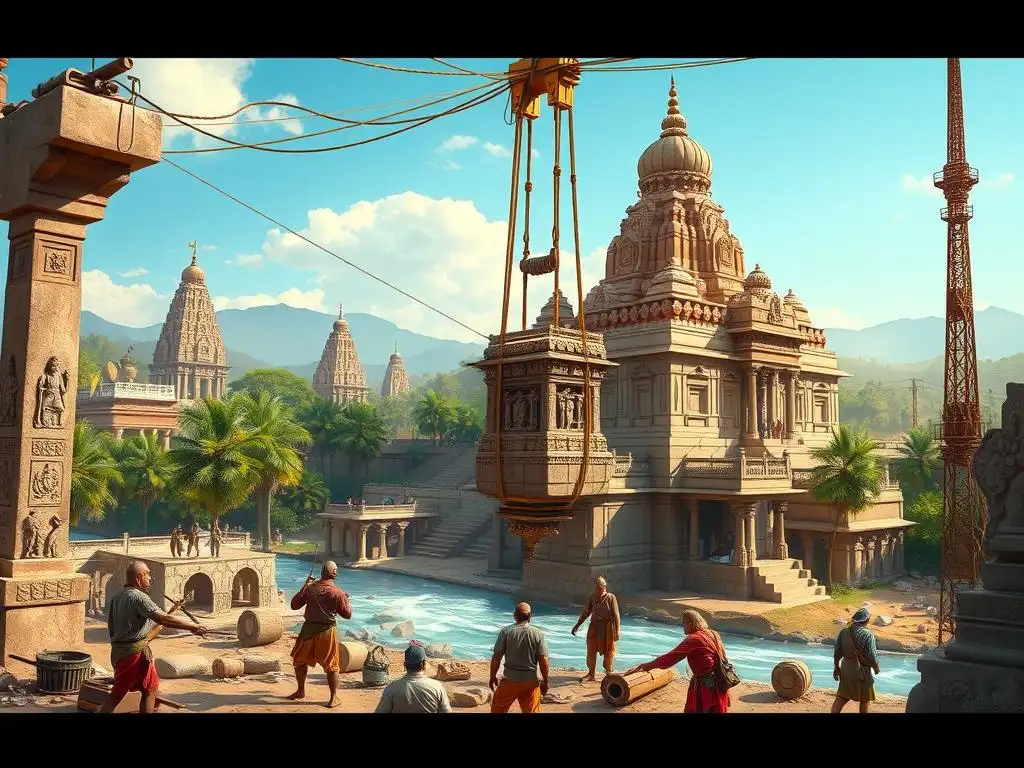
Environmental Factors and Material Limitations
Ancient Indian architecture engineering faced numerous challenges primarily stemming from environmental factors and the availability of materials. The diverse geography of the subcontinent, ranging from the arid deserts of Rajasthan to the lush forests of the Western Ghats, influenced architectural styles and construction techniques.
- Climate Variations:
- Heat: In regions with extreme temperatures, like the Thar Desert, structures had to be designed to minimize heat absorption, leading to thick walls and high ceilings.
- Monsoon: Areas prone to heavy rainfall required sloped roofs and drainage systems to prevent water accumulation, influencing the design of temples and public buildings.
- Material Availability:
- Stone: While many regions had abundant stone, others lacked quality building materials. For instance, the Indus Valley Civilization utilized locally sourced bricks, while temples in southern India were often made from granite.
- Wood: The availability of timber impacted the construction of wooden structures, which were prevalent in the northern and northeastern regions but less common in the southern states.
These environmental and material limitations necessitated innovative engineering solutions and adaptations in design, showcasing the ingenuity of ancient Indian architects.
Preservation of Architectural Heritage
The preservation of architectural heritage in ancient India presents a unique set of challenges, rooted in both natural degradation and human activities. Many ancient structures, such as temples and forts, are not only significant for their historical and cultural value but also for their architectural brilliance.
- Natural Degradation:
- Erosion: Weathering from rain, wind, and temperature changes can erode stone surfaces, leading to structural instability.
- Vegetation Growth: Plants can damage stonework and wooden components, as roots infiltrate and compromise the material integrity.
- Human Impact:
- Urbanization: Rapid development in areas surrounding ancient sites often leads to encroachment and destruction of heritage structures.
- Pollution: Air and water pollution can accelerate the degradation of materials, particularly in urban centers.
To combat these issues, various organizations and government bodies have implemented preservation strategies, including restoration projects, legal protections, and public awareness campaigns. The challenge lies in balancing modernization with the need to protect and preserve these invaluable pieces of history.
Balancing Mythology with Practical Engineering Needs
The intersection of mythology and practical engineering in ancient Indian architecture is a fascinating aspect of the field. Architects and engineers often faced the challenge of integrating mythological elements into their designs while adhering to functional and structural requirements.
- Symbolism in Design:
- Temples were often constructed with specific alignments and proportions based on astrological beliefs and mythological references. For example, the design of the Brihadeeswarar Temple incorporates sacred geometry, which resonates with Hindu cosmology.
- Many structures featured intricate carvings and iconography that conveyed stories from epics like the Mahabharata and Ramayana, illustrating the profound connection between mythology and architecture.
- Engineering Solutions:
- The need for structural integrity often required innovative engineering practices. For instance, the use of cantilever beams in temple construction allowed for expansive roofs without compromising stability.
- Water management systems, such as stepwells and tanks, were ingeniously integrated into the architecture, ensuring that the buildings remained functional despite the demands of their symbolic designs.
The ability to balance mythological significance with practical engineering needs is a hallmark of ancient Indian architecture, showcasing the remarkable skill and creativity of its builders. This interplay not only enriched the aesthetic appeal of structures but also ensured their longevity through thoughtful engineering practices.
Conclusion: The Legacy of Ancient Indian Architecture Engineering

The legacy of ancient Indian architecture engineering is a profound testament to the ingenuity and creativity of ancient civilizations. From the intricate designs of the Indus Valley cities to the monumental temples of the Gupta Empire, these structures not only reflect an advanced understanding of engineering principles but also embody the rich tapestry of mythology that influenced their creation.
The synthesis of functionality and aesthetics in ancient Indian architecture illustrates a sophisticated approach to engineering. Techniques such as precise stone-cutting, advanced water management systems, and earthquake-resistant designs were not mere byproducts of necessity; they were integrated with cultural and spiritual beliefs. The result was a built environment that was both practical and symbolic, serving as a physical manifestation of the values and traditions of the time.
Continuing Influence on Modern Architecture
The influence of ancient Indian architecture engineering is still palpable in contemporary architectural practices. Modern architects often draw inspiration from the principles established by their ancient predecessors. For instance, the use of vaastu shastra, an ancient Indian system of architecture, continues to inform modern building design, guiding the spatial arrangement and orientation of structures to harmonize with natural forces.
| Ancient Technique | Modern Application |
|---|---|
| Water management canals | Sustainable urban drainage systems |
| Load-bearing stone-cut arches | Modern arch construction |
| Symmetry and proportion | Contemporary design aesthetics |
These enduring influences can also be seen in the revival of traditional materials and construction methods, which emphasize sustainability and environmental consciousness. Architects today are increasingly mindful of the ecological footprint of their buildings, echoing ancient practices that prioritized local materials and resource-efficient designs.
The Importance of Mythology in Engineering Practices Today
The intertwining of mythology and engineering practices in ancient India serves as a reminder of the cultural significance embedded in architectural endeavors. Today, the narratives that informed ancient design choices still resonate in modern projects, where storytelling and symbolism are increasingly valued.
The resurgence of interest in mythos within architectural theory highlights the importance of cultural narratives in shaping engineering practices. For example, the symbolic representation of deities in temple architecture not only served a religious purpose but also guided the structural design to create spaces conducive to worship and reflection.
In contemporary architecture, incorporating mythological elements can enhance the emotional and psychological connections that occupants have with their environments. By creating spaces that resonate with cultural stories and values, architects can foster a sense of identity and belonging, much like ancient structures did for their communities.
The legacy of ancient Indian architecture engineering is a rich field that continues to inspire and inform modern practices. By understanding the intersection of mythology and engineering, we can appreciate the depth and complexity of ancient designs and their relevance in today’s architectural discourse.
References
The study of ancient Indian architecture engineering is enriched by a myriad of sources that provide insights into the techniques, innovations, and cultural significance of architectural developments throughout Indian history. Below are some key references that scholars and enthusiasts can consult to deepen their understanding of this fascinating intersection of mythology and engineering.
- Books
- The Hindu Temple: An Introduction to its Meaning and Forms by George Michell
- Indian Architecture: Buddhist and Hindu Periods by James Fergusson
- Architectural Heritage of India by S. P. Gupta
- Journals
- Journal of the Indian Institute of Architects
- Journal of Asian Architecture and Building Engineering
- Indian Journal of History of Science
- Online Resources
- Archaeological Survey of India (ASI) official website
- Digital India initiative for heritage preservation
- Various university archives focusing on South Asian studies
These references encapsulate the technical prowess of ancient Indian architects while also exploring the mythological narratives that influenced their designs.
Suggested Readings on Ancient Indian Architecture and Engineering
To further explore the nuances of ancient Indian architecture engineering, the following readings are recommended:
- Technical Manuals and Treatises
- Vāstu Śāstra – An ancient Indian science of architecture and construction that details various building techniques and principles.
- Manasara – A Sanskrit text that serves as a manual for architecture and town planning.
- Case Studies
- The Iron Pillar of Delhi: An Engineering Marvel – An analysis of the metallurgical techniques used in the construction of this ancient structure.
- The Sun Temple at Konark: A Symbol of Engineering Brilliance – A detailed exploration of the temple's design and construction methods, highlighting the use of solar alignment.
- Cultural Interpretations
- Sacred Architecture in India by Thomas D. L. – This book delves into the spiritual significance of architectural forms and their mythological connections.
These readings provide a comprehensive overview of the engineering principles and cultural contexts that shaped ancient Indian architectural practices.
Notable Scholars in the Field
The exploration of ancient Indian architecture engineering has been advanced by several notable scholars whose contributions have significantly impacted the field:
- James Fergusson - Often considered the father of Indian architecture studies, his works laid the groundwork for understanding the evolution of architectural styles across different periods.
- George Michell - A contemporary scholar known for his extensive research on temple architecture and his efforts to document and preserve India’s architectural heritage.
- Ravi K. S. - An engineer and historian who specializes in the technological aspects of ancient Indian structures, providing insights into the engineering principles underlying their construction.
- V. S. Ramachandran - His studies focus on the intersection of mythology and architectural design, showcasing how cultural narratives influenced engineering techniques.
These scholars have not only contributed to the academic discourse but have also played a crucial role in enhancing public awareness of the significance of ancient Indian architecture engineering.
This structured approach to ancient Indian architecture engineering highlights its rich history and the scholarly work dedicated to unraveling its complexities.
Frequently Asked Questions
What is the significance of ancient Indian architecture engineering?
Ancient Indian architecture engineering showcases the innovative techniques and aesthetic principles of ancient civilizations, reflecting their cultural values and technological advancements.
How did mythology influence ancient Indian architecture?
Mythology played a pivotal role in shaping architectural designs, often inspiring temple structures and carvings that depicted deities and mythical stories, thus intertwining spirituality with engineering.
What are some notable examples of ancient Indian architecture?
Notable examples include the Indus Valley Civilization's urban planning, the rock-cut caves of Ajanta and Ellora, and the temples of Khajuraho, each reflecting unique architectural styles and engineering feats.
How did the Gupta Empire contribute to architecture and engineering?
The Gupta Empire is renowned for its temple architecture, particularly the development of Shikhara-style temples, which combined artistry with engineering to create enduring structures that symbolize spiritual devotion.
What engineering techniques were utilized in ancient Indian architecture?
Ancient Indian architecture employed techniques such as vaulting, intricate stone-cutting, and water management systems, showcasing a sophisticated understanding of materials and environmental adaptation.
Final Reflection: The Enduring Legacy of Ancient Indian Architecture Engineering
The intricate relationship between mythology and engineering in ancient Indian architecture is not just a historical curiosity; it is a profound testament to the ingenuity and cultural richness of a civilization that continues to inspire us today. As we navigate the complexities of modern architecture and engineering, we find ourselves revisiting these ancient practices, recognizing their relevance in our quest for sustainable and meaningful design. The wisdom embedded in these structures serves as a reminder that innovation can coexist harmoniously with tradition.
The influence of ancient Indian architecture engineering extends far beyond its physical structures; it shapes our understanding of space, spirituality, and community. The principles that guided ancient architects resonate in contemporary discussions about design and functionality. As we reflect on this legacy, we are reminded of the words of the renowned architect Charles Correa: Architecture is not just about building; it is about creating a sense of place.
This notion underscores the importance of integrating cultural narratives into our built environments, fostering a deeper connection between people and the spaces they inhabit.
As we look to the future, let us embrace the lessons of ancient Indian architecture engineering in our own lives and practices. Consider how you can weave the stories and values of your own culture into your work, whether in architecture, engineering, or any other field. By honoring the past and drawing inspiration from it, we can create spaces that not only serve functional purposes but also resonate with the human experience, fostering a sense of belonging and continuity. Reflect on this legacy and let it guide your journey toward innovation and creativity.
Unveil the Wonders of Ancient Indian Architecture!
Thank you for exploring the fascinating intersection of mythology and engineering in ancient Indian architecture! You’ve gained insights into how these two worlds beautifully blended to create awe-inspiring structures that stand the test of time. Now, it’s time to dive deeper and connect with this incredible heritage.
- Start a Journey of Discovery: Visit a local museum or history exhibit that features ancient Indian artifacts and architectural models to further appreciate this rich history.
- Share Your Insights: Discuss your newfound knowledge with friends or on social media to ignite a conversation about how mythology influences modern design!
- Join a Community: Participate in online forums or local workshops focused on architecture or history to engage with fellow enthusiasts and uncover hidden gems.
What aspect of ancient Indian architecture inspires you the most—its intricate designs, mythological influences, or engineering marvels? We would love to hear your thoughts!