
Insights into Ancient Indian Road Construction Techniques

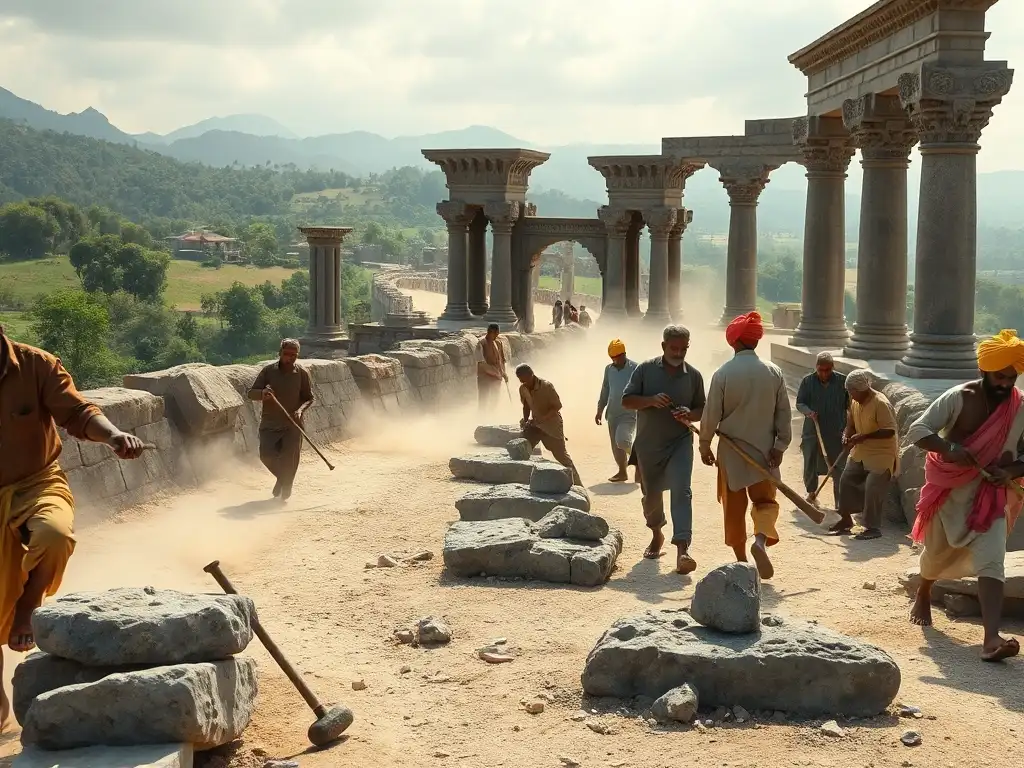
Welcome to Ancient India History, where we embark on a captivating journey through the rich tapestry of India’s past! Delve into the remarkable ancient Indian road construction techniques, a testament to the ingenuity and innovation of our ancestors. How did these early civilizations navigate the challenges of their diverse landscapes? What secrets lie within the ancient paths that connected bustling trade routes and cultural exchanges? Join us as we unearth the fascinating engineering marvels that laid the groundwork for modern infrastructure and discover the profound impact of these techniques on society. Prepare to be intrigued!
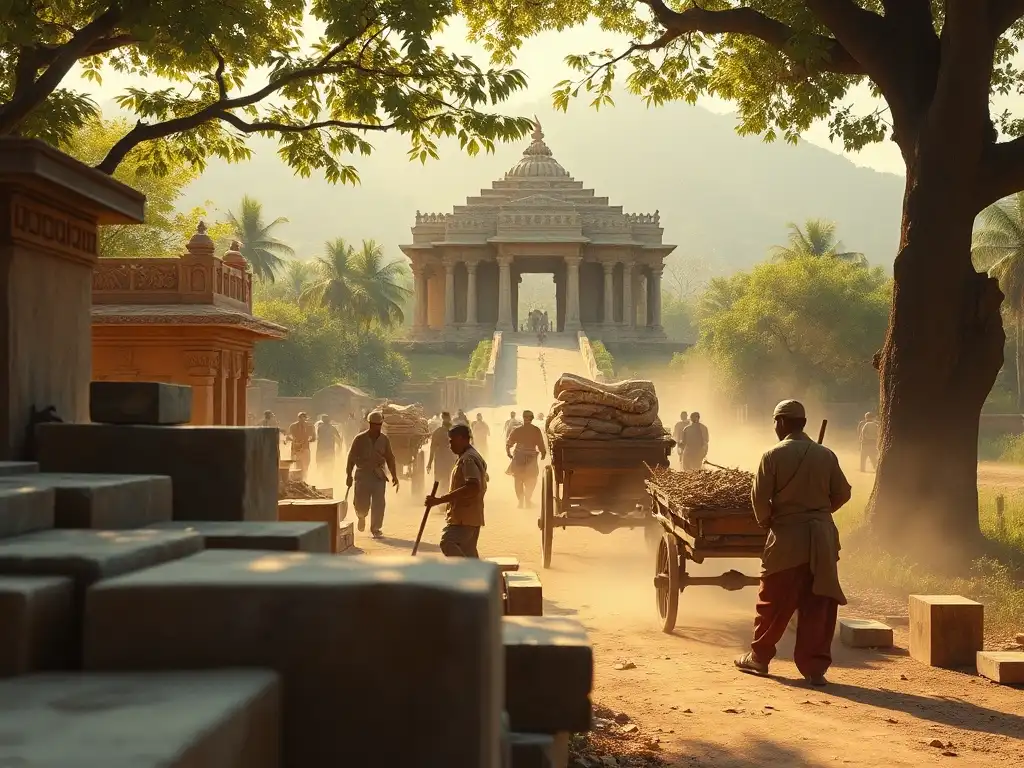
Introduction to Ancient Indian Road Construction
Ancient Indian road construction techniques represent a fascinating intersection of engineering prowess and cultural development that laid the groundwork for connectivity and trade across the subcontinent. From the meticulously planned roads of the Indus Valley Civilization to the extensive network established during the Gupta Empire, these techniques highlight the ingenuity and resourcefulness of ancient Indian societies. This article delves into the various methods employed in road construction, the significance of these roads in uniting different regions, and the historical context that shaped their evolution.
Overview of Road Construction in Ancient India
The art of road construction in ancient India was not merely a means of transportation; it was a reflection of the civilization's priorities and capabilities. Ancient texts and archaeological findings indicate that roads were constructed using locally available materials, such as stones, mud, and later, bricks.
- Key Features of Ancient Roads:
- Alignment and Layout: Roads were often straight, connecting crucial urban centers.
- Drainage Systems: Ingenious drainage methods were employed to manage rainwater.
- Way Stations: Rest areas and way stations were established to support travelers and trade.
The sophistication of these techniques underscores the importance placed on infrastructure by ancient civilizations.
Importance of Roads in Ancient Indian Civilization
Roads played a pivotal role in the development of ancient Indian society, facilitating trade, cultural exchange, and military movements.
- Economic Impact:
- Enabled trade between different regions, enhancing commerce.
- Supported the transport of goods like spices, textiles, and precious metals.
- Cultural Exchange:
- Promoted interactions among diverse cultures, fostering a blend of ideas and traditions.
- Allowed for the spread of religions and philosophies, including Buddhism and Jainism.
- Military Significance:
- Provided strategic routes for armies, crucial for the defense and expansion of empires.
Historical Context of Road Building in India
Road building in ancient India did not occur in isolation; it was influenced by various historical and cultural factors that shaped its evolution.
Evolution of Road Construction Techniques in Ancient India
The evolution of road construction techniques can be traced through various dynasties and periods, each contributing unique advancements.
- Indus Valley Civilization (c. 2600–1900 BCE):
- Known for their grid-patterned cities with well-constructed roads.
- Mauryan Empire (c. 322–185 BCE):
- Developed the Royal Road (Dharma Yatra), enhancing long-distance travel and trade.
- Gupta Empire (c. 240–550 CE):
- Further advancements included improved materials and construction methods, leading to more durable roads.
Major Periods Influencing Road Development
Several key periods in Indian history have had a profound impact on road construction techniques.
- Vedic Period (c. 1500–500 BCE):
- Early forms of roads were documented, focusing primarily on connectivity between settlements.
- Mauryan Era:
- Standardized road widths and the establishment of rest houses transformed travel.
- Medieval Period:
- Increased focus on trade routes and pilgrimage paths, leading to enhanced infrastructure.
- Post-Gupta Period:
- Continued development and maintenance of road networks, reflecting the ongoing importance of connectivity.
The study of ancient Indian road construction techniques reveals a rich tapestry of innovation and cultural significance, underscoring the essential role that roads played in shaping the civilization. As we delve deeper into the specifics of these techniques and their historical context, we unlock a greater understanding of ancient India's contributions to engineering and infrastructure.
Materials Used in Ancient Indian Road Construction
The construction of roads in ancient India was a sophisticated process that utilized a variety of materials, reflecting the region's diverse geography and technological advancements. The choice of materials was influenced by local availability, climatic conditions, and the intended use of the roads.
Common Materials for Road Building
- Stone:
- Stone was the primary material used for road construction. Large granite and basalt blocks were often quarried and used to create durable surfaces. The use of stone provided strength and longevity to the roads, making them resilient against the elements.
- Clay and Mud:
- In areas where stones were scarce, clay and mud were commonly used. These materials were compacted to form a sturdy base layer, especially in rural regions. While less durable than stone, they were more accessible and cost-effective for local populations.
- Timber:
- Timber was also employed, particularly in regions with abundant forest resources. Wooden planks were used in the construction of bridges and to create temporary pathways in marshy or unstable areas.
- Gravel:
- Gravel was often used as a top layer to improve drainage and provide a smooth surface for travel. By mixing gravel with clay, builders could enhance road stability and longevity.
- Bitumen:
- In some regions, bitumen derived from natural sources was utilized for sealing surfaces and binding materials. This contributed to the road's resistance to moisture and wear.
Innovations in Material Use
Ancient Indian engineers demonstrated remarkable innovation in their approach to material use. One noteworthy advancement was the introduction of laminated construction techniques, where different materials were layered to enhance durability. For example, using a combination of stone, gravel, and clay helped create a more resilient roadbed capable of withstanding heavy rainfall and traffic.
Additionally, the use of geological studies enabled builders to select suitable materials based on the specific conditions of the terrain. This practice not only optimized the quality of the roads but also reduced maintenance needs over time. The integration of natural resins and oils with other materials to create weather-resistant surfaces indicates a sophisticated understanding of material properties.
Techniques and Methods in Ancient Indian Road Construction
The construction of roads in ancient India involved a series of well-defined techniques and methods, showcasing the engineering expertise of the time. These practices ensured that roads were not only functional but also sustainable.
Surveying and Planning Roads
Proper surveying and planning were crucial steps in ancient Indian road construction. Engineers employed various surveying techniques, such as using simple tools like ropes and sticks to measure distances and angles.
- Land Assessment:
- Builders assessed the topography of the land to identify the most efficient routes. They considered factors like elevation, river crossings, and natural obstacles to minimize costs and construction time.
- Mapping:
- Early forms of mapping, possibly on palm leaves or clay tablets, were used to document potential routes. This helped in planning the logistics of material transport and labor allocation.
- Community Involvement:
- Local communities often participated in the surveying process, providing valuable insights about the land and its use. This collaborative approach ensured that the roads met the needs of the local populace.
Construction Techniques for Durability
The construction techniques employed in ancient Indian road building were designed to maximize durability and longevity.
- Foundation Construction:
- A solid foundation was paramount. Builders typically excavated deep trenches and filled them with compacted gravel or stones. This base layer helped in distributing the weight of traffic and preventing erosion.
- Layered Building:
- The technique of layering materials was common. Each layer served a specific purpose, with coarse materials at the bottom for drainage and finer materials on top for a smooth surface. This method allowed for flexibility and resilience against natural wear and tear.
- Regular Maintenance:
- Ancient Indian road builders recognized the importance of maintenance. Regular inspections and repairs ensured that roads remained functional over time. This included filling in potholes, clearing debris, and reinforcing weak sections.
The combination of innovative materials and effective techniques in ancient Indian road construction not only facilitated trade and communication but also left a lasting legacy that can still be observed in modern infrastructure.
Case Studies of Notable Ancient Roads

Ancient Indian road construction techniques are exemplified through several notable roads that played crucial roles in trade, communication, and military movement. These roads were not only engineering feats but also vital arteries of commerce and cultural exchange. The examination of these historical routes provides insight into the sophisticated methods employed by ancient Indian engineers.
The Grand Trunk Road: A Historical Overview
The Grand Trunk Road, one of Asia's oldest and longest major roads, stretches over 2,400 kilometers from Chittagong in Bangladesh through India to Kabul in Afghanistan. Originally constructed during the Mauryan Empire, it was later expanded and maintained by various dynasties, including the Mughals.
- Construction Techniques: The road was built using a combination of local materials including stone, clay, and gravel. Its alignment was meticulously planned to connect important cities and trade routes, facilitating the movement of goods and people.
- Cultural Impact: Beyond its practical function, the Grand Trunk Road served as a cultural corridor, spreading ideas, religions, and traditions across regions. It became an essential route for pilgrims, traders, and armies, influencing the socio-economic landscape of the Indian subcontinent.
The Mauryan Road Networks: Engineering Marvels
The Mauryan Empire (c. 322–185 BCE) is often regarded as a pivotal era of road construction in ancient India. Under Emperor Ashoka, a vast network of roads was developed to enhance trade and communication throughout the empire.
- Engineering Features: Mauryan roads were characterized by their wide, straight paths, often lined with trees for shade. They incorporated rest stops, wells, and dharamshalas (rest houses) for travelers, showcasing advanced planning and consideration for user comfort.
- Materials and Techniques: Roads were constructed using a layered approach, with a base of larger stones followed by smaller stones and then compacted earth. This design provided durability against the elements and heavy traffic.
Ancient Trade Routes and Their Construction
Ancient trade routes in India were crucial for economic exchange and cultural interactions. These routes connected the subcontinent with distant lands such as Central Asia, the Middle East, and beyond.
- Silk Road Connections: India was an integral part of the Silk Road, where routes facilitated the exchange of goods like spices, textiles, and precious stones. The construction of these routes involved knowledge of geography, climate, and local materials.
- Engineering Techniques: Builders employed techniques such as embankments and bridges to navigate diverse terrains, including rivers and mountains. The use of stone and brick in certain regions demonstrates the adaptability of ancient Indian engineers to local conditions.
Comparison of Ancient Indian Road Construction Techniques with Other Civilizations
The sophistication of ancient Indian road construction techniques can be compared with those of other civilizations, revealing both unique innovations and shared methodologies.
Road Construction in Ancient Rome vs. Ancient India
Ancient Rome is renowned for its extensive road network, which laid the groundwork for modern infrastructure. When comparing Roman and Indian road construction:
- Materials: Romans primarily used stone and concrete, favoring durability and strength. In contrast, ancient Indian roads often utilized locally sourced materials such as earth, stones, and natural resources adapted to regional needs.
- Design Philosophy: Roman roads were engineered for military efficiency, featuring straight lines and elevated surfaces for drainage. Ancient Indian roads, while also practical, emphasized comfort and accessibility for traders and travelers.
- Cultural Significance: Both road networks served as vital links for trade and military movement; however, Indian roads were more integrated into the social and cultural fabric, facilitating the spread of diverse influences across the subcontinent.
Innovations in Road Engineering: Lessons from the Ancient World
The ancient civilizations of India and Rome provide valuable lessons in road engineering that remain relevant today.
- Sustainable Practices: Ancient Indian techniques emphasized the use of local materials and adaptation to the environment, promoting sustainability. This principle can inform contemporary road construction practices that aim to minimize ecological impact.
- User-Centric Design: The inclusion of amenities such as rest stops and water sources in ancient Indian roads highlights the importance of user experience, a lesson that modern engineering can incorporate to enhance traveler comfort.
- Integration of Culture and Infrastructure: The way roads facilitated not only trade but also cultural exchange in ancient India underscores the need for infrastructure that fosters community and connectivity in modern urban planning.
By studying these ancient road construction techniques, we can appreciate the ingenuity and foresight of our ancestors, drawing inspiration for contemporary engineering challenges.
The Legacy of Ancient Indian Road Construction Techniques
Ancient India is renowned for its sophisticated engineering and construction techniques, particularly in the realm of road construction. The legacy of ancient Indian road construction techniques is evident in the well-planned networks that facilitated trade, cultural exchange, and military movements across vast regions. These roads were not merely pathways; they represented a meticulously organized system that showcased the ingenuity of ancient engineers.
One of the most notable features of ancient Indian roads was their alignment and durability. Builders utilized local materials, including stone, earth, and wood, and employed advanced methods to ensure longevity. For instance, the use of stone slabs for paving along with proper drainage systems prevented water accumulation, which helped preserve the road infrastructure over time. The Grand Trunk Road, which dates back to the Mauryan Empire, is a prime example of this legacy. Initially constructed as a trade route, it has evolved but still serves as a vital artery in modern India.
Moreover, ancient texts, such as the Arthashastra, provide insights into the planning and execution of road construction projects. These documents detail the importance of connectivity and the strategic placement of roads to enhance trade and communication. The emphasis on road construction in ancient India laid the foundation for subsequent innovations and practices in engineering, influencing various civilizations that followed.
Influence on Modern Road Engineering
The ancient Indian road construction techniques have significantly influenced modern road engineering practices. Many principles established by ancient engineers are still relevant today, especially in the fields of materials science and civil engineering. For example, the understanding of soil mechanics and road alignment from ancient practices has been integrated into contemporary road design.
Modern engineers often study ancient roadways to gain insights into sustainable construction practices. The use of locally sourced materials and environmentally friendly construction methods are gaining traction today, mirroring ancient techniques. Furthermore, ancient Indian roads demonstrated the importance of incorporating natural landscapes into the design, which modern engineering seeks to replicate to minimize ecological disruption.
The historical significance of ancient road construction techniques continues to inspire engineers. By analyzing the durability and functionality of ancient roads, modern infrastructure projects can benefit from improved designs that honor the past while addressing contemporary needs. This synergy between ancient wisdom and modern technology underscores the timeless relevance of these historical practices.
Preservation of Ancient Roadways in India Today
Today, the preservation of ancient roadways in India is critical not only for historical understanding but also for cultural heritage. Various initiatives have been launched to protect and restore these ancient routes, recognizing their significance in the broader context of Indian history. For instance, the Archaeological Survey of India has undertaken projects to maintain and document ancient roadways, including the Grand Trunk Road and the Utkal Road.
Local communities are also engaged in efforts to preserve these ancient pathways. They conduct awareness programs to educate the public about the historical value of these roads and their role in sustaining cultural identities. Moreover, some ancient roads have been integrated into modern transportation networks, allowing for a blend of historical significance and contemporary utility.
Preserving these ancient roadways presents challenges, primarily due to urbanization and infrastructure development. However, innovative approaches, such as creating heritage corridors, aim to balance modern needs with the conservation of historical sites. By fostering a sense of respect and responsibility towards these ancient constructions, India can continue to honor its rich engineering heritage.
Conclusion
Summary of Insights into Ancient Indian Road Construction Techniques
Ancient Indian road construction techniques reflect a remarkable understanding of engineering that has left a lasting legacy. The strategic planning, use of local materials, and attention to environmental factors are hallmarks of ancient practices that continue to influence modern engineering. Furthermore, the preservation of these roadways is essential for maintaining cultural heritage and understanding the historical context of ancient Indian civilization.
The Significance of Understanding Historical Engineering Practices
Understanding historical engineering practices, particularly those related to ancient Indian road construction techniques, is vital for several reasons. Firstly, it provides insights into the technological advancements of past civilizations and their approaches to problem-solving. Secondly, it fosters appreciation for cultural heritage, encouraging preservation efforts that enrich our understanding of history. Lastly, the principles derived from ancient practices can inspire sustainable development and innovative engineering solutions in contemporary society, ensuring that we learn from the past as we build for the future.
- Introduction to Ancient Indian Road Construction
- Historical Context of Road Building in India
- Materials Used in Ancient Indian Road Construction
- Techniques and Methods in Ancient Indian Road Construction
- Case Studies of Notable Ancient Roads
- Comparison of Ancient Indian Road Construction Techniques with Other Civilizations
- The Legacy of Ancient Indian Road Construction Techniques
- Conclusion
- What were the key ancient Indian road construction techniques?
- How did the Indus Valley Civilization contribute to road construction?
- What role did trade routes play in ancient Indian road construction?
- Were there any government regulations regarding road construction in ancient India?
- How did the Gupta Empire influence road construction techniques?
Frequently Asked Questions
What were the key ancient Indian road construction techniques?
Ancient Indians utilized innovative methods including layering materials for durability and drainage systems to enhance road quality.
How did the Indus Valley Civilization contribute to road construction?
The Indus Valley Civilization is known for its well-planned urban layouts, which included straight roads and an organized drainage system, indicating advanced construction techniques.
What role did trade routes play in ancient Indian road construction?
Trade routes were essential for commerce and cultural exchange, leading to the development of well-constructed roads that facilitated the movement of goods across the subcontinent.
Were there any government regulations regarding road construction in ancient India?
Yes, ancient Indian texts suggest the presence of regulations and guidelines for road construction, emphasizing safety and accessibility for travelers and traders.
How did the Gupta Empire influence road construction techniques?
The Gupta Empire is known for enhancing road connectivity and establishing a network of well-maintained roads, which improved trade and communication across the empire.
Final Reflection: The Enduring Legacy of Ancient Indian Road Construction Techniques
The exploration of ancient Indian road construction techniques reveals not only the ingenuity of past civilizations but also their profound relevance in today's world. As we navigate the complexities of modern infrastructure, we find ourselves increasingly inspired by the sustainable practices and innovative engineering of our ancestors. The roads they built were not merely pathways; they were lifelines that connected communities, facilitated trade, and fostered cultural exchange. This legacy serves as a powerful reminder of how infrastructure can shape societies and influence the course of history.
The influence of these ancient techniques extends far beyond their historical context; they continue to resonate in contemporary discussions about sustainable development and urban planning. The principles of durability, adaptability, and respect for the environment that characterized ancient Indian road construction are more relevant than ever as we face the challenges of climate change and urbanization. The road to the future is paved with the wisdom of the past.
This quote encapsulates the idea that by looking back at the practices of ancient civilizations, we can glean valuable insights that inform our modern approaches to infrastructure.
As we reflect on the lessons learned from ancient Indian road construction techniques, let us consider how we can apply these insights in our own lives and communities. I invite you to explore the intersections of history and modernity, and to think critically about how we can build a future that honors the wisdom of the past.
Whether through advocating for sustainable practices in your local infrastructure projects or simply appreciating the roads that connect us, each of us has a role to play in continuing this legacy. Together, we can pave the way for a more connected and sustainable world.
Explore the Ancient Pathways to Innovation!
Thank you for delving into the fascinating world of ancient Indian road construction techniques! Your interest not only sheds light on remarkable engineering marvels but also inspires us to recognize the ingenuity of our ancestors. Now, it’s time to take this knowledge further and embrace these ancient practices in our modern lives.
Here’s how you can get involved:
- Immerse yourself in history: Visit local historical sites or museums that showcase ancient engineering techniques. This will help you gain a deeper appreciation for their lasting impact on our infrastructure today.
- Join the conversation: Share your thoughts on social media using the hashtag #AncientIndianEngineering, and connect with others who are passionate about historical innovations.
- Implement changes: Explore sustainable building practices in your own projects, drawing inspiration from the eco-friendly methods utilized by ancient Indian builders.
What ancient technique or lesson are you most excited to apply in your life or community? Let's discuss!