
The Engineering Techniques Behind Ancient Indian Sculpture

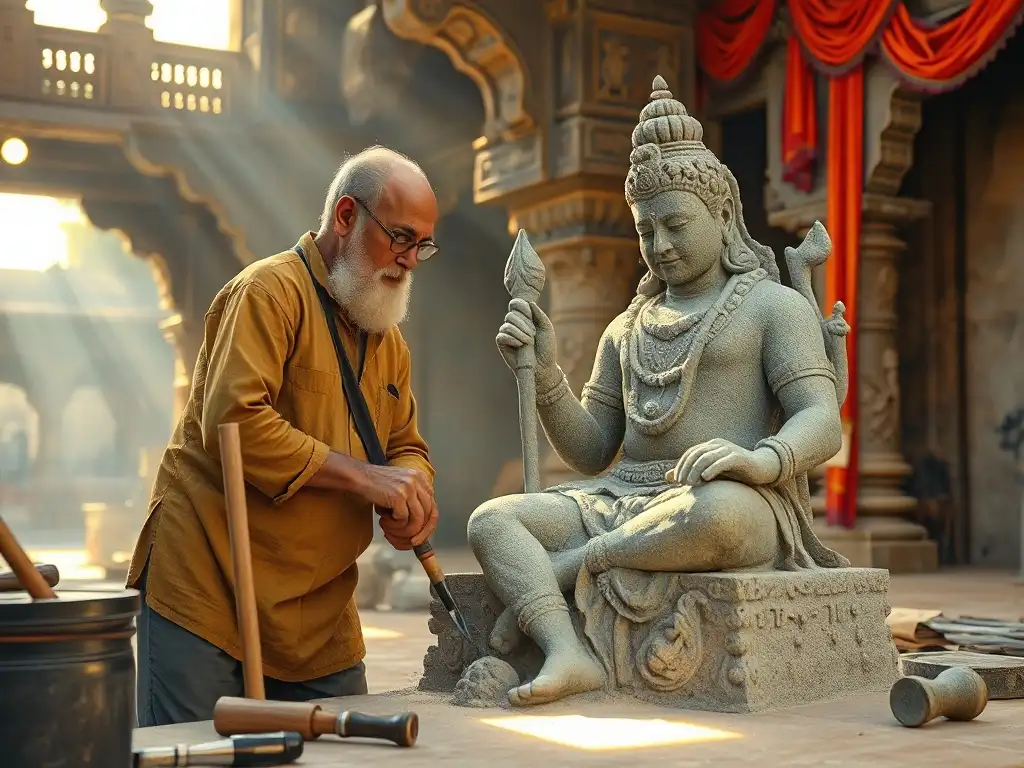
Welcome to Ancient India History, where we embark on a fascinating journey through the rich tapestry of civilizations that shaped the Indian subcontinent. Here, we delve into the intricate world of ancient Indian sculpture techniques, exploring the engineering marvels that brought these stunning artworks to life. From the meticulous craftsmanship of the Indus Valley to the innovative methods of the Gupta Empire, each technique tells a story of creativity and cultural significance. Are you ready to uncover the secrets behind these timeless masterpieces? Let’s dive in and discover how ancient artisans transformed stone into breathtaking expressions of their civilization!
Introduction to Ancient Indian Sculpture Techniques
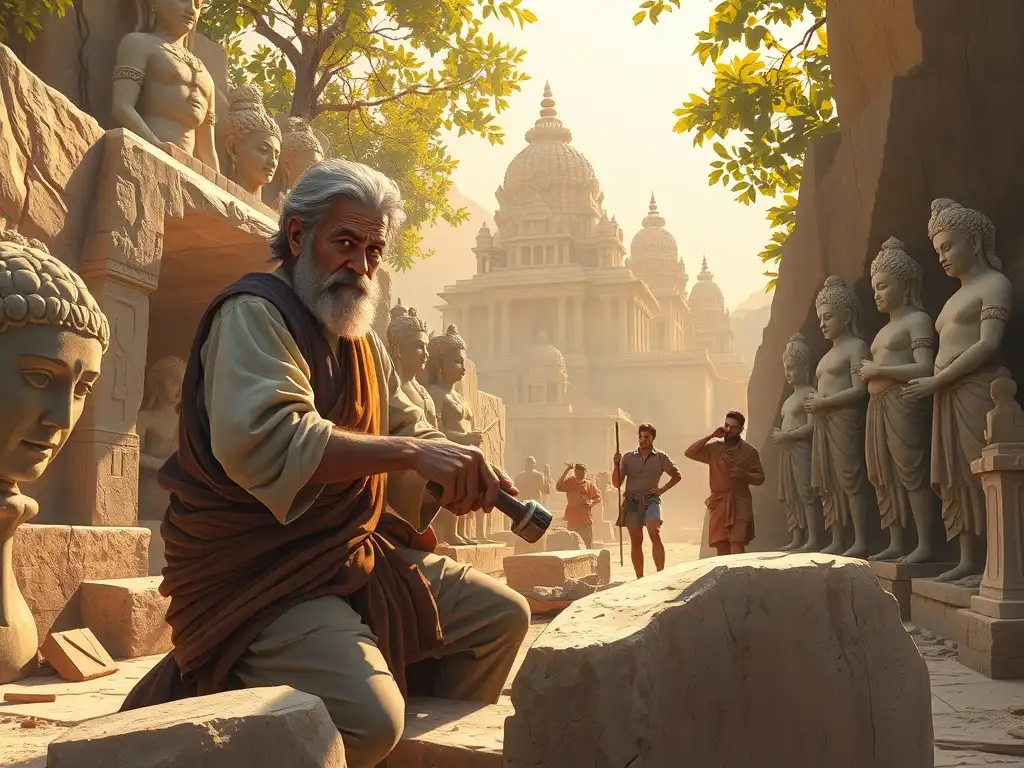
Ancient Indian sculpture is a remarkable testament to the ingenuity and artistry of its creators, showcasing a rich tapestry of cultural, religious, and technological influences that shaped the subcontinent's artistic landscape. The intricate techniques employed in the creation of these sculptures reveal a deep understanding of materials, forms, and engineering principles that were ahead of their time.
From the monumental rock-cut caves of Ajanta and Ellora to the exquisite carvings of the Gupta period, ancient Indian sculpture techniques reflect a harmonious blend of aesthetic beauty and structural integrity. This article delves into the engineering techniques that underpinned these masterpieces, providing insight into how ancient artisans achieved such remarkable feats of craftsmanship.
Overview of Ancient Indian Sculpture
Ancient Indian sculpture encompasses a wide range of styles and forms, evolving over millennia through various dynasties and cultural influences. The early period, marked by the Indus Valley Civilization (c. 3300–1300 BCE), produced small figurines and seals, showcasing the beginning of sculptural artistry. As time progressed, the Mauryan Empire (c. 322–185 BCE) introduced larger, more elaborate sculptures, including the famous Ashoka Pillars adorned with intricate animal motifs.
The subsequent rise of the Gupta Empire (c. 240–550 CE) is often regarded as the golden age of Indian sculpture, characterized by its focus on religious themes, particularly Buddhism and Hinduism. The sculptures from this period displayed remarkable realism and attention to detail, reflecting the spiritual and philosophical ideas of the time.
Importance of Engineering in Sculpture Creation
The creation of ancient Indian sculptures was not merely an artistic endeavor; it involved sophisticated engineering techniques that ensured durability and structural stability. Artisans employed a variety of tools and methods to carve and assemble materials such as stone, wood, and metal. The precision with which these materials were manipulated speaks to the advanced understanding of physics and geometry possessed by ancient sculptors.
Key engineering aspects included:
- Material Selection: The choice of stone (e.g., granite, sandstone) was critical, as it affected the sculpture's longevity and appearance.
- Tool Making: The development of tools such as chisels, hammers, and drills enabled artisans to achieve intricate details and smooth finishes.
- Structural Design: Understanding balance and weight distribution was essential, particularly in larger sculptures, to prevent collapse or damage.
Historical Context of Ancient Indian Sculpture Techniques
Evolution of Sculpture Techniques in Ancient India
The evolution of sculpture techniques in ancient India can be traced through various periods, each marked by advancements in technology and artistic expression. Initially, sculptors focused on small, portable forms, which gradually transitioned to monumental sculptures as societal structures became more complex.
During the Mauryan period, the introduction of polished stone carving techniques allowed for greater detail and refined aesthetics. The use of high relief and low relief techniques became prominent, showcasing the ability to create depth and dimension in the artwork.
By the Gupta period, the techniques had reached new heights, with a greater emphasis on realism and intricate ornamentation. Sculptors began to incorporate aspects of anatomy, portraying figures with lifelike proportions and expressions. This period also saw the use of lost-wax casting for metal sculptures, a technique that allowed for more complex forms and detailed designs.
Cultural Influences on Sculpture Engineering
The engineering techniques behind ancient Indian sculpture were heavily influenced by the diverse cultural and religious landscape of the subcontinent. Different regions contributed unique styles and methodologies, leading to a rich variety of sculptural forms.
- Buddhist Influence: The spread of Buddhism brought new themes and iconography, resulting in the development of stupas and monastic complexes adorned with intricate carvings.
- Hindu Themes: The rise of Hinduism introduced a plethora of deities and mythological narratives, prompting sculptors to explore dynamic poses and elaborate narratives within their work.
- Regional Variations: Local materials and traditions influenced the development of distinct regional styles, from the intricate stone carvings of South India to the bronze sculptures of the West.
The engineering techniques behind ancient Indian sculpture not only reflect the technical prowess of artisans but also serve as a lens through which we can understand the rich cultural heritage of ancient India.
Key Engineering Techniques Used in Ancient Indian Sculpture
Ancient Indian sculpture is a testament to the sophisticated engineering techniques employed by artisans of the time. These techniques not only highlight the creativity and skill of the craftsmen but also reflect a deep understanding of materials and structural integrity. Among the key engineering techniques are:
- Chiseling and Carving: Sculptors utilized chiseling to create intricate designs on stone. This technique involved careful planning and execution, where artisans would first sketch their designs before carving them into the stone surface. The precision of chiseling allowed for detailed features and lifelike representations.
- Lost-Wax Casting: This method was essential for creating bronze sculptures. Artisans would create a model of the sculpture in wax, cover it with clay, and then heat it. The wax would melt away, leaving a mold. Molten metal was then poured into the mold, resulting in finely detailed sculptures.
- Terracotta Shaping: For terracotta sculptures, artisans used coiling and pinching techniques to shape the clay. This method allowed for the creation of various forms, from small figurines to larger statues, highlighting the versatility of terracotta as a medium.
These techniques showcase the innovative spirit of ancient Indian sculptors, enabling them to produce works that have stood the test of time.
Stone Carving Techniques in Ancient India
Stone carving in ancient India was a highly developed art form, characterized by the use of various techniques that allowed for precision and intricacy. The primary techniques included:
- Direct Carving: Artisans would directly carve the stone using tools such as chisels and mallets. This method required immense skill and patience, as it involved removing material gradually to reveal the intended form.
- Pointing Machine Method: This method involved transferring measurements from a smaller model to a larger stone block. Artisans would use a pointing machine to maintain proportions, ensuring accuracy in the final sculpture.
- Polishing Techniques: After the primary carving was complete, sculptures were polished using abrasive materials like sand and water to achieve a smooth finish. This process not only enhanced the visual appeal but also helped in preserving the sculpture.
These techniques exemplify the high level of craftsmanship and attention to detail that defined ancient Indian stone sculptures.
Metalworking Methods for Sculptural Art
Metalworking in ancient India, particularly in the creation of sculptures, involved several intricate methods, with the most prominent being:
- Lost-Wax Casting: As mentioned earlier, this technique was pivotal for producing bronze sculptures. The process allowed for great detail and was widely used for creating religious idols and decorative pieces.
- Repoussé and Chasing: Artisans employed repoussé to create raised designs on metal surfaces. By hammering the metal from the reverse side, they could create intricate patterns and figures. Chasing followed, where details were refined and enhanced on the front side.
- Inlay Work: This method involved embedding different metals or stones into a base metal, creating stunning visual contrasts. Inlay techniques were often used to embellish sculptures, adding to their richness and complexity.
These metalworking methods contributed significantly to the artistic and cultural heritage of ancient India, showcasing the technological prowess of its craftsmen.
Techniques for Creating Terracotta Sculptures
Terracotta, a versatile material, played a significant role in ancient Indian sculpture. The techniques used for creating terracotta sculptures included:
- Hand Building: Artisans often shaped terracotta by hand, using methods such as coiling and pinching. This allowed for flexibility in design and the creation of various forms.
- Molds: Some sculptures were produced using molds, which facilitated the replication of designs. This technique was particularly useful for creating small figurines and decorative elements.
- Firing Techniques: Once shaped, terracotta pieces were fired in kilns to harden them. The firing process varied, with some pieces undergoing low-firing for a softer finish, while others were high-fired for durability.
These techniques highlight the innovative approach of ancient Indian sculptors in utilizing terracotta to create durable and expressive works of art.
Materials Used in Ancient Indian Sculpture
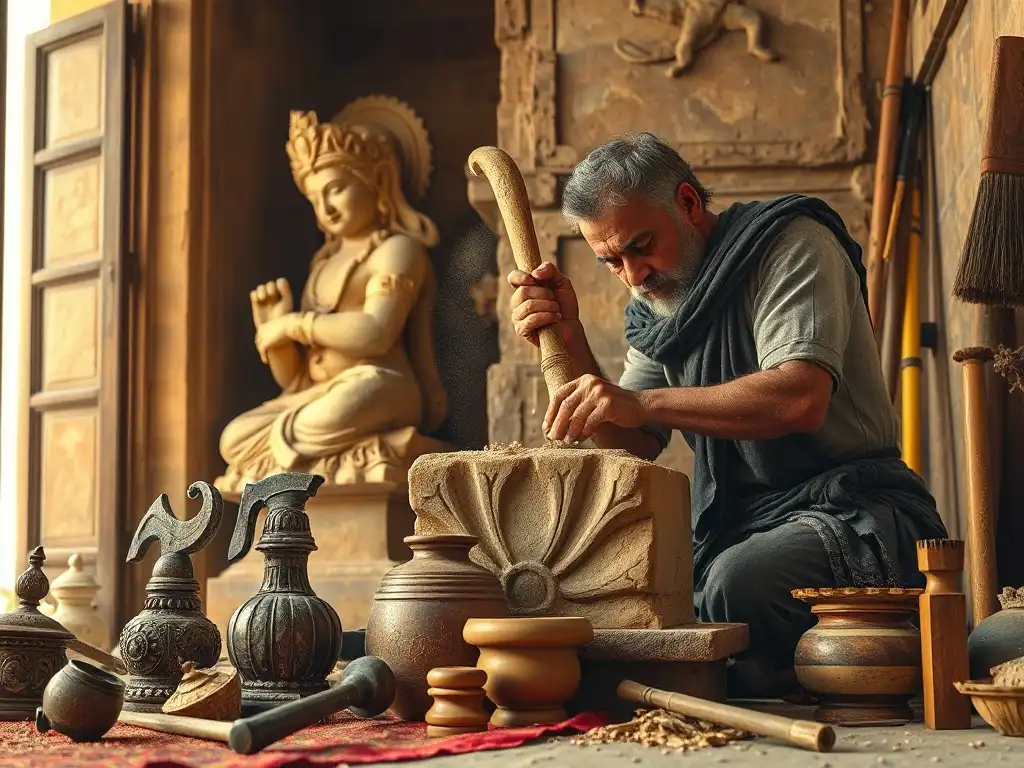
Materials played a crucial role in the creation of ancient Indian sculptures, with artisans carefully selecting them based on desired outcomes and local availability.
Local Stone Varieties and Their Properties
Ancient Indian sculptors primarily used local stone varieties, each chosen for their unique properties:
- Sandstone: Commonly used in temples and other architectural structures, sandstone is easy to carve and can hold fine details. Its availability in regions like Rajasthan made it a popular choice.
- Granite: Known for its durability, granite was used for larger sculptures and monuments. While more challenging to work with, the results were long-lasting and robust.
- Limestone: This softer stone allowed for detailed carvings and was often used for intricate sculptures. Its workability made it a favorite among artisans in various regions.
Understanding the properties of these stones was essential for artisans to create enduring sculptures.
Significance of Metals in Sculpture Making
Metals played a vital role in ancient Indian sculpture, with various types contributing to artistic expression:
- Bronze: This alloy, commonly used in lost-wax casting, was favored for its durability and ability to capture fine details. Bronze sculptures often depicted deities, animals, and mythological figures.
- Copper: Used for smaller sculptures and decorative items, copper allowed for intricate designs and was often combined with other metals for various effects.
- Gold and Silver: While less common, gold and silver were used for embellishments and ceremonial sculptures, highlighting their significance in religious and royal contexts.
The use of metals enriched the sculptural tradition in ancient India, providing a diverse palette for artists.
Use of Organic Materials in Sculpture Creation
In addition to stone and metal, organic materials were also significant in ancient Indian sculpture:
- Wood: Wooden sculptures were prevalent, especially in regions abundant with forests. They were often intricately carved and painted, serving both functional and decorative purposes.
- Clay: Aside from terracotta, raw clay was used for temporary sculptures, particularly in rituals and festivals. These pieces were often not intended for permanence but for symbolic representation.
- Natural Dyes and Pigments: Artisans used organic dyes and pigments to color their sculptures, enhancing their visual impact and allowing for expressive representations.
The incorporation of organic materials demonstrates the versatility and resourcefulness of ancient Indian sculptors in their craft.
Architectural Integration of Sculpture Techniques
The integration of sculpture within architecture is a hallmark of ancient Indian civilization, showcasing a seamless blend of art and structural engineering. This relationship is vividly illustrated in the temples and monuments, where sculptural elements serve not only as decorative features but also as integral components of the architectural design. Sculptures were meticulously planned to enhance the overall aesthetic and spiritual significance of the structures, often depicting deities, mythological narratives, and intricate designs that reflected the cultural values of the time.
In ancient Indian architecture, especially during the periods of the Mauryan, Gupta, and later dynasties, sculptures were strategically placed in various parts of temples, such as entrances, pillars, and sanctums. This careful placement allowed for visual storytelling, guiding worshippers through a spiritual journey as they moved through the sacred space. The harmonious integration of sculpture and architecture exemplifies the advanced engineering skills of ancient Indian craftsmen, who understood how to manipulate space, light, and materials to create profound artistic experiences.
Relationship Between Architecture and Sculpture in Ancient India
The relationship between architecture and sculpture in ancient India is deeply rooted in religious and cultural contexts. Temples were not merely places of worship; they were designed to be microcosms of the universe, embodying spiritual truths. Sculptures played a crucial role in this representation, often depicting divine figures and symbols that conveyed complex philosophical ideas.
Moreover, the architectural styles of different regions, such as the Nagara, Dravidian, and Vesara, influenced the sculptural techniques and themes employed by artisans. For example, in the Dravidian style, intricate carvings on temple towers (shikharas) and walls emphasized the grandeur and majesty of the deities, whereas the Nagara style often featured more abstract forms and geometric patterns.
This synergy between architecture and sculpture also extended to urban planning, where public spaces were adorned with sculptures that celebrated local culture and history. The engineering techniques employed in these sculptures, from the choice of materials to the methods of carving, were essential in realizing the vision of a unified and spiritually resonant architectural environment.
Case Studies: Iconic Temples and Their Sculptural Details
Several iconic temples exemplify the intricate relationship between architecture and sculpture in ancient India.
- Brihadeeswarar Temple, Thanjavur: This UNESCO World Heritage Site is renowned for its towering vimana (temple tower) adorned with exquisite sculptures of deities and ornate motifs. The engineering precision in its construction, along with the detailed carvings, reflects the advanced techniques used by artisans of the Chola dynasty.
- Khajuraho Temples: Famous for their erotic sculptures, the Khajuraho temples demonstrate a remarkable integration of sensuality and spirituality. The sculptures are not only decorative but also serve as narratives that communicate the ideals of love, beauty, and devotion, showcasing the skillful craftsmanship of the artisans.
- Sun Temple, Konark: Designed as a colossal chariot, the Sun Temple features intricately carved wheels and horses, symbolizing the motion of the sun. The engineering behind the temple's structure, combined with the detailed sculptural work, creates a dynamic representation of celestial themes.
These case studies highlight how ancient Indian sculpture techniques were employed to create not just art, but also a deeper connection to spirituality and cultural identity within architectural frameworks.
The Role of Tools and Technology in Sculptural Engineering
The development of ancient Indian sculpture was significantly influenced by the tools and technologies available to sculptors. These innovations allowed for greater precision and creativity in the creation of intricate designs and large-scale sculptures. The evolution of tools over time reflects the changing artistic needs and technological advancements of various periods.
Traditional Tools Used by Ancient Sculptors
Ancient Indian sculptors relied on a variety of traditional tools made from materials like wood, stone, and metal. Some commonly used tools included:
- Chisels: Crafted from iron or bronze, chisels were essential for carving stone. Different shapes and sizes allowed sculptors to create detailed designs and textures.
- Hammers: Used in conjunction with chisels, hammers helped sculptors shape harder materials. The technique of tapping with varying force enabled artisans to control the depth and detail of their carvings.
- Pointing Machines: These devices helped in scaling up sculptures from small models to larger sizes, ensuring accuracy in proportion and detail.
- Polishing Stones: After the sculpting process, artisans used polishing stones to smooth surfaces and enhance the visual appeal of their work.
These traditional tools were fundamental in the creation of the intricate and detailed sculptures that characterize ancient Indian architecture.
Innovations in Tool-making Techniques
Innovation in tool-making techniques played a crucial role in advancing sculptural engineering in ancient India. As artisans experimented with different materials and methods, they developed new tools that enhanced their capabilities. Notable innovations included:
- Alloy Development: The creation of stronger metal alloys allowed for more durable chisels and hammers, enabling sculptors to work with harder stones like granite and basalt.
- Advanced Casting Techniques: Techniques like lost-wax casting were employed to create bronze sculptures, allowing for greater detail and complexity compared to stone carvings.
- Improved Finishing Tools: The development of finer polishing tools enabled artists to achieve smoother finishes, enhancing the visual impact of their work.
These innovations not only expanded the artistic possibilities for sculptors but also reflected the technological advancements of ancient Indian civilization, contributing to the rich tapestry of its cultural heritage.
Preservation of Ancient Indian Sculpture Techniques
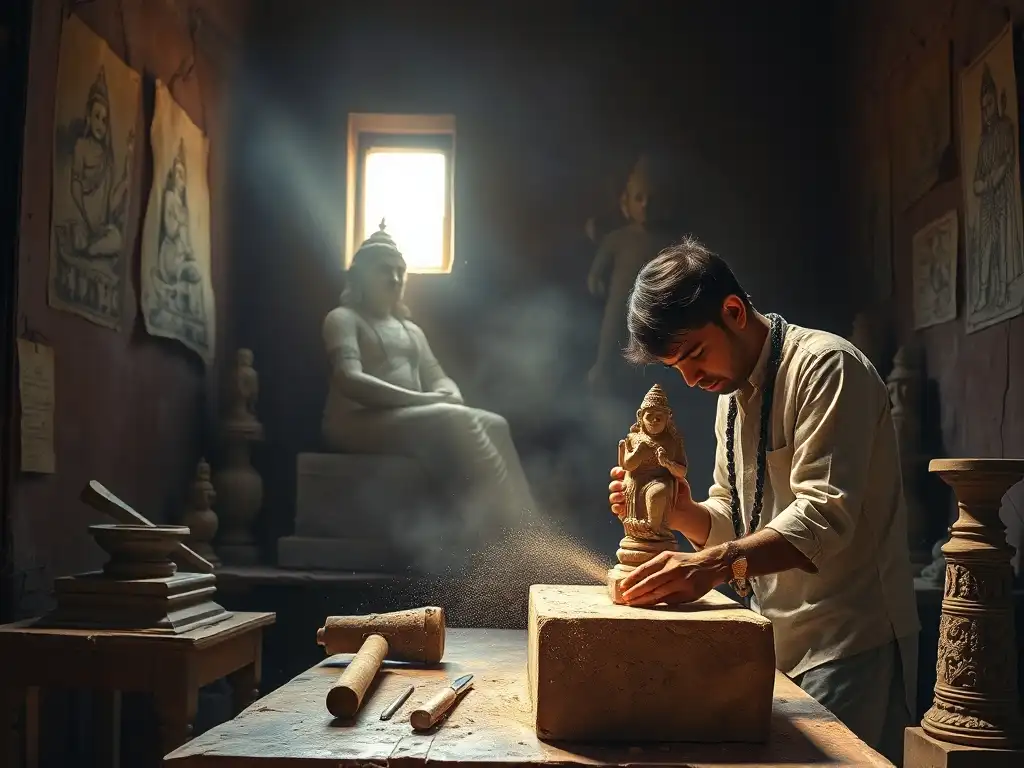
The preservation of ancient Indian sculpture techniques is critical for maintaining the cultural heritage and artistic legacy of India. These techniques not only reflect the artistic expressions of the time but also embody the engineering prowess and innovations that ancient artisans employed to create intricate sculptures. Over the centuries, various factors have led to the deterioration of these traditional methods, making the efforts to preserve them increasingly important.
Preservation efforts encompass a wide range of activities, including documentation, conservation, and education. By documenting the techniques and processes used by ancient sculptors, researchers can create a comprehensive record that can be utilized for future generations. Furthermore, conservation practices ensure that existing sculptures are maintained and protected against environmental and human-induced threats. Educational initiatives play a vital role in revitalizing interest in these techniques among new generations of artisans and enthusiasts.
Challenges in Preserving Ancient Techniques
Despite the importance of preserving these techniques, several challenges impede their conservation. One significant challenge is the lack of written records detailing the methods and materials used by ancient sculptors. Much of what is known has been passed down orally or through practical demonstration, leading to variations and possible losses in the techniques over time.
Another challenge is the environmental degradation that affects stone and metal sculptures. Factors such as pollution, climate change, and natural disasters can deteriorate these artworks, making preservation efforts more complex. Additionally, the rapid urbanization and development of modern infrastructure pose threats to ancient sites where sculptures are located, often leading to their destruction or neglect.
Lastly, the dwindling number of skilled artisans trained in traditional techniques exacerbates the issue. As younger generations gravitate towards modern careers, the knowledge and skills required to create ancient Indian sculptures may fade, making it essential to find ways to engage and involve them in this art form.
Efforts to Revive and Sustain Traditional Sculpture Methods
Efforts to revive and sustain traditional sculpture methods have seen a resurgence in recent years. Various initiatives focus on workshops and training programs that aim to teach the ancient techniques to new artisans. These workshops often invite experienced sculptors to share their knowledge and skills, creating a bridge between the past and the present.
Cultural organizations and government bodies have also played a pivotal role in promoting traditional sculpture. By sponsoring exhibitions, festivals, and competitions centered around ancient techniques, they raise awareness and appreciation for this art form. Furthermore, some institutions have begun to integrate traditional sculpture techniques into their curricula, ensuring that students of art and design receive exposure to these valuable skills.
Collaboration between artists, historians, and conservationists is also essential. By working together, these groups can develop comprehensive strategies for preserving ancient techniques while simultaneously fostering innovation within the craft. Such collaborations can lead to the creation of contemporary works that respect traditional methods while appealing to modern audiences.
Conclusion
Summary of Ancient Indian Sculpture Techniques
Ancient Indian sculpture techniques are a testament to the ingenuity and skill of artisans who have shaped the cultural landscape of the region. From the precise chiseling of stone to the intricate modeling of clay, these techniques reflect a deep understanding of materials and aesthetics. Key methods include the lost-wax casting process for metal sculptures, the use of locally sourced stones, and an emphasis on proportion and symmetry in design.
The craftsmanship involved in ancient Indian sculptures is not just an art but also a sophisticated engineering practice. Techniques such as the use of pulleys and levers for moving large stones showcase the innovative spirit of the time. Understanding these methods provides insight into the technological advancements of ancient Indian civilizations and their impact on the art world.
The Legacy of Engineering in Ancient Indian Art
The legacy of engineering in ancient Indian art is profound and enduring. The techniques and innovations of sculptors have laid a foundation for contemporary artisans, influencing modern sculpture practices both in India and around the world. The engineering principles embedded in these techniques reflect a harmonious blend of art and science, showcasing the sophistication of ancient Indian civilizations.
Moreover, the preservation of these techniques ensures that future generations can appreciate and learn from the rich heritage of ancient Indian sculpture. By valuing and maintaining these engineering practices, society can not only honor the past but also inspire new creative expressions that draw from these time-honored traditions. The legacy of ancient Indian sculpture techniques continues to resonate, reminding us of the importance of ingenuity, craftsmanship, and cultural identity.
Further Reading and Resources
To gain a deeper understanding of the engineering techniques behind ancient Indian sculpture, numerous resources are available that explore the rich history, methodologies, and artistry involved in this fascinating field. Below are some recommended books and online resources that can enhance your exploration of ancient Indian sculpture techniques.
Recommended Books on Ancient Indian Sculpture Techniques
-
"The Art and Architecture of Ancient India" by David W. H. W. Drees
This book provides comprehensive insights into the styles, materials, and techniques used in ancient Indian sculpture. Drees explores the evolution of these techniques throughout various historical periods, making it an essential read for enthusiasts and scholars alike.
-
"Indian Sculpture: The Art and the Artists" by Dr. K. S. Shukla
Dr. Shukla's work delves into the intricacies of sculpture-making in ancient India, highlighting the tools, processes, and artistic philosophies that governed this timeless craft. The book also includes case studies of significant sculptures and their historical contexts.
-
"Sculpture of India: A Historical Overview" by N. R. Sinha
This book examines the historical development of sculpture in India, emphasizing the technical innovations and artistic trends that shaped its evolution. Sinha provides a critical analysis of various sculptures, offering insights into the engineering techniques employed.
-
"Ancient Indian Art and Architecture" by K. T. Shah
Shah’s publication focuses on the interplay of art and engineering in ancient Indian sculptures. It discusses how architects and sculptors collaborated to create monumental works, exploring both aesthetic and structural aspects.
-
"The Iconography of Indian Art" by Shyam Sundar Saha
This book investigates the symbolic meanings behind various sculptures, providing context to the engineering techniques used. Saha offers a unique perspective on how cultural narratives influenced the artistic choices of sculptors.
Online Resources for Exploring Ancient Indian Engineering
-
Archaeological Survey of India (ASI)
The ASI website offers a wealth of information on archaeological sites, including detailed studies and reports on ancient Indian sculptures and the engineering techniques behind them. It's a valuable resource for researchers and history enthusiasts.
-
Digital India Initiative
This initiative provides access to various digital archives, including ancient manuscripts, sculptures, and architectural designs. Users can explore high-resolution images and detailed descriptions that highlight engineering methods.
-
YouTube Channels
Channels like "History of India" and "Ancient Architects" feature documentaries and discussions about ancient Indian engineering and sculpture techniques. These videos often include expert interviews and analyses of significant works.
-
Online Courses on Indian Art and Architecture
Platforms such as Coursera and edX offer courses that cover ancient Indian art, including sculpture techniques. These courses often include lectures from renowned historians and archaeologists, providing structured learning opportunities.
-
Academic Journals
Journals like the Journal of Indian Art History and Indian Journal of History of Science publish research articles that delve into various aspects of ancient Indian sculpture and engineering. These journals are invaluable for those seeking in-depth studies and recent findings in the field.
By diving into these resources, readers can cultivate a more profound understanding of ancient Indian sculpture techniques and the engineering principles that underpinned the creation of these remarkable works of art.
- Introduction to Ancient Indian Sculpture Techniques
- Historical Context of Ancient Indian Sculpture Techniques
- Key Engineering Techniques Used in Ancient Indian Sculpture
- Materials Used in Ancient Indian Sculpture
- Architectural Integration of Sculpture Techniques
- The Role of Tools and Technology in Sculptural Engineering
- Preservation of Ancient Indian Sculpture Techniques
- Conclusion
- Further Reading and Resources
- What are the main sculpture techniques used in ancient Indian art?
- How did the Indus Valley Civilization influence sculpture?
- What materials were commonly used in ancient Indian sculpture?
- How did the Gupta Empire impact sculpture development?
- What role did religion play in ancient Indian sculpture?
Frequently Asked Questions
What are the main sculpture techniques used in ancient Indian art?
Ancient Indian sculpture techniques include carving, casting, and modeling. Each method contributed to the detailed and expressive forms that characterize the artworks of this era.
How did the Indus Valley Civilization influence sculpture?
The Indus Valley Civilization showcased early techniques in sculpture, emphasizing terracotta figures and seals. These artifacts reflect an advanced understanding of form and function in art.
What materials were commonly used in ancient Indian sculpture?
Ancient Indian sculptors utilized materials such as stone, bronze, and terracotta. Each material allowed for unique techniques and contributed to the durability of the sculptures.
How did the Gupta Empire impact sculpture development?
The Gupta Empire marked a golden age in art, with innovations in figurative sculpture and intricate carvings. This period is known for its realism and spiritual themes, influencing later artistic traditions.
What role did religion play in ancient Indian sculpture?
Religion was a central theme in ancient Indian sculpture, with many works depicting deities and mythological scenes. These sculptures served as expressions of faith and played a role in ritual practices.
Final Reflection: The Timeless Legacy of Ancient Indian Sculpture Techniques
The engineering techniques behind ancient Indian sculpture are not just relics of the past; they resonate with profound significance in today's world. As we delve into the intricacies of these techniques, we uncover not only the artistic brilliance of ancient artisans but also their innovative spirit that continues to inspire modern craftsmanship. The meticulous methods employed in ancient Indian sculpture remind us that creativity and engineering are timeless partners, shaping cultural identities and influencing artistic expressions across generations.
The impact of these ancient techniques extends far beyond their historical context; they have woven themselves into the very fabric of our cultural and social landscapes. The precision and skill demonstrated in ancient Indian sculptures serve as a testament to the ingenuity of the human spirit. As we observe the revival of interest in traditional crafts and sustainable practices today, we can see echoes of these ancient methods in contemporary art forms. Art is the most beautiful of all lies.
This quote encapsulates the essence of how art transcends time, allowing us to connect with our heritage while inspiring future generations.
As we reflect on the lessons embedded in the engineering techniques of ancient Indian sculpture, let us invite ourselves to explore our own creative potential. Consider how you can incorporate the principles of craftsmanship, innovation, and cultural appreciation into your life. Whether through art, engineering, or any other field, the legacy of these ancient techniques encourages us to honor our roots while forging new paths. Embrace the challenge of creating something meaningful, and remember that every stroke of creativity contributes to the rich tapestry of human expression.
Unveil the Secrets of Ancient Indian Sculpture!
Thank you for taking the time to explore the fascinating engineering techniques that shaped ancient Indian sculpture! Your journey through this rich history has not only deepened your understanding but also ignited a passion for the incredible craftsmanship of our ancestors. Now, let's take the next step together!
- Explore further by visiting a local museum to witness these magnificent sculptures in person—experience the artistry and engineering up close!
- Share your insights by discussing this topic with friends or on social media to spark interest in ancient craftsmanship.
- Consider trying your hand at sculpting—whether with clay at home or through a local workshop, embrace the creativity that inspired ancient artisans!
What aspect of ancient Indian sculpture captivates you the most, and how do you envision these techniques influencing modern art?