
The Legacy of Ancient Indian Engineering in Modern Infrastructure


Welcome to Ancient India History, where we embark on a captivating journey through the vibrant tapestry of India's past! Here, you'll discover the incredible ingenuity and creativity of ancient Indian civilizations, particularly through the lens of ancient Indian engineering techniques. Our featured article, "The Legacy of Ancient Indian Engineering in Modern Infrastructure," delves into how these remarkable methods have shaped contemporary innovations. Are you ready to uncover the secrets of ancient engineers who laid the groundwork for modern marvels? Join us as we explore this fascinating intersection of history and technology!

Introduction to Ancient Indian Engineering Techniques
The engineering marvels of ancient India hold an esteemed place in the history of human innovation. Ancient Indian engineering techniques not only exemplified the remarkable skills of their creators but also laid the groundwork for numerous modern engineering practices. From intricate water management systems to advanced urban planning, the ingenuity of ancient Indian civilizations continues to influence contemporary infrastructure development. By examining these techniques, we can appreciate their profound impact on both historical and modern contexts, showcasing the legacy that endures in today's engineering solutions.
Overview of Ancient Indian Engineering
Ancient India was a cradle of innovation, where engineering was not merely a practical necessity but also an art form. Civilizations such as the Indus Valley, known for its urban sophistication, employed advanced techniques that reflected a harmonious relationship with the environment. Notable examples include:
- Drainage Systems: The cities of Harappa and Mohenjo-Daro featured extensive drainage systems, showcasing the importance of sanitation and urban planning.
- Road Construction: Ancient texts reveal that well-planned roads facilitated trade and communication, connecting various regions of the subcontinent.
These engineering feats illustrate a deep understanding of materials and environmental factors, a theme that resonates throughout India’s engineering history.
Importance of Engineering in Ancient Indian Civilizations
Engineering played a pivotal role in the development and sustenance of ancient Indian civilizations. It was integral to various aspects of life, including agriculture, trade, and urban living. The focus on practicality and sustainability led to innovations that addressed the unique challenges of the Indian landscape.
- Agricultural Engineering: Techniques such as terracing and irrigation systems were crucial for enhancing agricultural productivity, supporting burgeoning populations.
- Cultural Significance: Many engineering projects, from temples to forts, not only fulfilled functional needs but also served as expressions of cultural identity and religious devotion.
These contributions highlight how engineering was interwoven into the very fabric of ancient Indian society, influencing the way communities thrived and evolved.
Key Ancient Indian Engineering Techniques
Water Management Systems
Water management was a cornerstone of ancient Indian engineering, vital for both agriculture and urban living. The engineering techniques developed to harness and manage water resources included:
- Stepwells: Ingeniously designed to provide access to groundwater, stepwells, such as the famous Rani Ki Vav, showcase sophisticated architectural techniques.
- Canal Systems: Extensive canal networks facilitated irrigation, allowing agriculture to flourish in arid regions.
These systems not only provided essential resources but also reflected a deep understanding of hydrology and resource management.
Urban Planning and Architecture
The urban planning of ancient Indian cities stands as a testament to the foresight and creativity of their builders. Key features included:
- Grid Layouts: Cities like Mohenjo-Daro were meticulously planned with grid layouts, indicating advanced town planning principles.
- Public Spaces: The inclusion of public baths and marketplaces showcased the emphasis on community well-being and social interaction.
These aspects of urban design continue to inspire modern city planners, emphasizing the importance of structured and functional environments.
Construction Materials and Methods
The choice of materials and construction methods in ancient India was driven by local availability and climatic conditions. Notable techniques included:
- Use of Stone and Brick: The construction of impressive structures, such as temples and forts, utilized locally sourced stone and fired brick, ensuring durability and sustainability.
- Advanced Joinery and Masonry: Techniques like interlocking stones and precise masonry allowed for the creation of robust structures that have endured through the ages.
Understanding these methods not only enriches our appreciation for ancient craftsmanship but also informs modern construction practices that prioritize sustainability and resilience.
Influence of Ancient Indian Engineering on Modern Infrastructure
The engineering prowess exhibited by ancient Indian civilizations has left an indelible mark on modern infrastructure. Ancient Indian engineering techniques, such as those utilized in the construction of intricate water management systems, road networks, and architectural marvels, showcase a blend of functionality and aesthetic appeal that continues to inspire contemporary engineers. The precision in measurements, the use of local materials, and the sustainable practices adopted by ancient builders are now being revisited to address modern engineering challenges.
Notable examples include the complex sewer systems of the Indus Valley Civilization, which highlight advanced urban planning and hygiene practices that can inform current infrastructure development. This historical insight prompts modern engineers to reconsider how ancient methodologies can provide solutions to contemporary issues such as urban overcrowding, resource management, and sustainable living.
Adoption of Ancient Techniques in Contemporary Engineering
Modern engineering has increasingly recognized the value of ancient Indian techniques. For instance, the principles of Vastu Shastra, an ancient Indian system of architecture that emphasizes harmony with the environment, are now being integrated into contemporary building designs. Architects are utilizing these principles to create sustainable, energy-efficient structures that are in tune with their surroundings.
Moreover, ancient methods of constructing durable roads, such as the use of stone-paved pathways and drainage systems, are being adapted in modern civil engineering projects. These techniques not only ensure longevity but also reduce maintenance costs, proving that ancient wisdom can enhance current practices. Additionally, the use of traditional materials and techniques in rural construction is gaining popularity as communities aim to preserve cultural heritage while promoting sustainability.
Case Studies of Modern Infrastructure Projects
Several modern infrastructure projects around the world have drawn inspiration from ancient Indian engineering techniques. One notable case is the construction of the Bandra-Worli Sea Link in Mumbai, which employed principles of resilience and structural integrity reminiscent of ancient Indian bridges. Engineers studied historical structures to incorporate effective design elements that withstand environmental stresses.
Another example is the use of ancient water management systems in contemporary urban planning, such as in the city of Chennai, where traditional rainwater harvesting techniques are being revived to combat water scarcity. These initiatives showcase how lessons from ancient engineering can offer practical solutions to current challenges, blending historical knowledge with modern technology.
Continuing Legacy of Ancient Indian Engineering
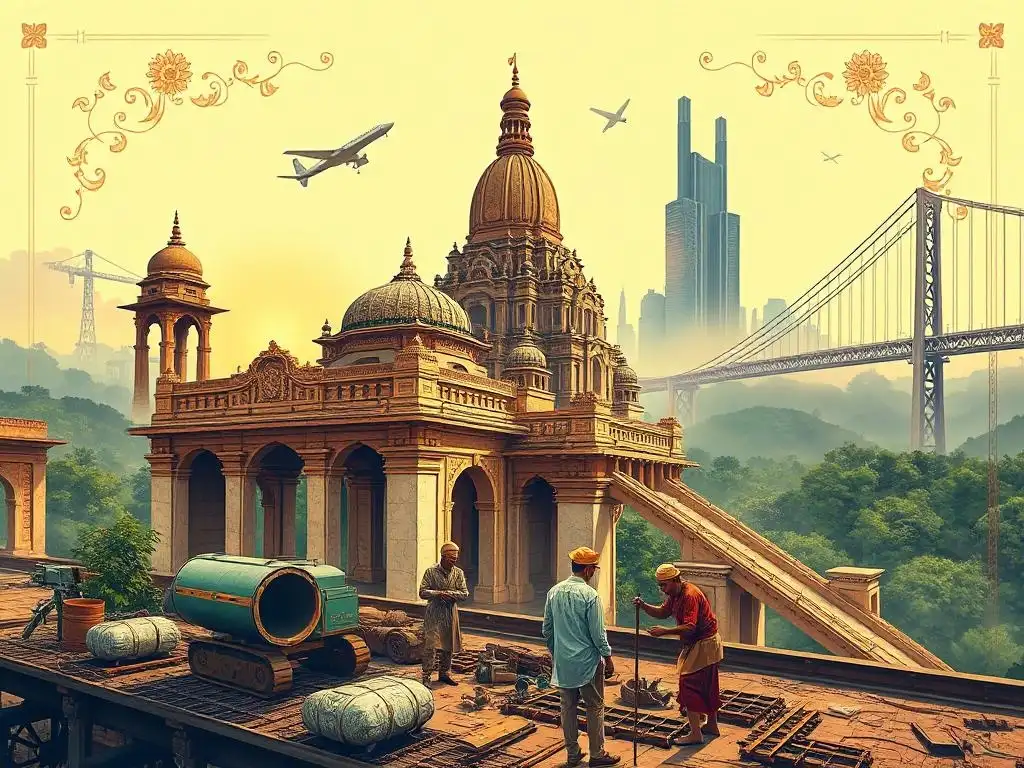
The legacy of ancient Indian engineering is not only preserved in historical structures but also continues to influence modern practices. The knowledge and techniques developed by ancient civilizations are being actively integrated into contemporary engineering education and practice, ensuring that these valuable insights are not lost over time.
Preservation of Ancient Techniques in Modern Practices
Efforts are underway to preserve ancient Indian engineering techniques within modern practices. Initiatives by various organizations focus on documenting traditional methods and promoting their application in current construction projects. This includes workshops and training programs that teach artisans and engineers about ancient craftsmanship and materials, fostering a sense of pride in indigenous knowledge.
Furthermore, heritage conservation projects often employ ancient techniques, ensuring that restorations honor the original methods used in construction. This approach not only maintains the integrity of historical sites but also revives traditional skills that are at risk of being forgotten in the face of modern industrial practices.
Educational Initiatives to Promote Ancient Engineering Knowledge
Educational institutions are increasingly incorporating ancient Indian engineering techniques into their curricula. Universities and technical colleges offer specialized courses that explore the engineering marvels of ancient India, emphasizing their relevance in today’s context. This educational focus aims to cultivate a new generation of engineers who appreciate and utilize historical knowledge in their work.
Collaborations between academia and industry also promote research into ancient techniques, encouraging innovation inspired by traditional practices. Such initiatives help bridge the gap between ancient wisdom and modern engineering, fostering a holistic understanding of the built environment.
Integrating Ancient Wisdom in Sustainable Development
The principles of sustainability inherent in ancient Indian engineering techniques are being recognized as essential in modern development. Concepts such as resource efficiency, local material usage, and climate responsiveness are integral to sustainable practices today. By studying ancient methods, modern engineers can develop infrastructures that are not only efficient but also environmentally friendly.
Incorporating these principles into urban planning and construction can lead to more resilient infrastructures that withstand the test of time. As cities around the world grapple with the challenges of climate change and resource depletion, the integration of ancient wisdom into sustainable development strategies presents a viable path forward, ensuring that the lessons of the past continue to inform the future.
Conclusion: The Enduring Impact of Ancient Indian Engineering
The legacy of ancient Indian engineering techniques is profound and continues to influence modern infrastructure in various ways. From the remarkable urban planning of the Indus Valley Civilization to the intricate architectural marvels of the Gupta Empire, ancient Indian engineers demonstrated an exceptional understanding of materials, environmental adaptations, and spatial design. Their innovations laid the groundwork for contemporary engineering practices, emphasizing sustainability, functionality, and aesthetic value.
The principles established by ancient Indian engineers can still be observed in today’s construction techniques and urban planning strategies. For instance, the use of water management systems, such as stepwells and tanks, highlights a sustainable approach to resource utilization that is increasingly relevant in contemporary discussions on climate change and water scarcity. The enduring influence of ancient Indian engineering serves as a reminder of the ingenuity and expertise of past civilizations, inspiring modern engineers and architects to draw from historical wisdom.
Summary of Key Contributions
Ancient Indian engineering techniques contributed significantly to various domains, including:
- Urban Planning: The cities of the Indus Valley, such as Mohenjo-Daro and Harappa, showcased advanced urban planning with grid layouts, drainage systems, and standardized brick sizes, setting a precedent for modern city design.
- Water Management: Techniques such as stepwells, reservoirs, and aqueducts were integral to managing water resources. These systems not only catered to agricultural needs but also enhanced urban life.
- Architecture: The architectural advancements seen in ancient temples and forts, characterized by intricate carvings and stable structures, reflect a deep understanding of material properties and engineering principles.
- Metallurgy: The production of high-quality iron and steel, particularly in the context of the Iron Pillar of Delhi, illustrates the advanced metallurgical techniques that were developed during ancient times.
- Transportation: Ancient roads and trade routes facilitated commerce and communication, laying the foundation for modern transport infrastructure.
These contributions highlight the sophisticated knowledge and innovative spirit of ancient Indian engineers, which continues to resonate in current engineering practices.
Future Directions for Research in Ancient Engineering Techniques
As we delve deeper into the realm of ancient Indian engineering, several avenues for future research emerge:
- Archaeological Investigations: Continued excavation and study of ancient sites can uncover new findings related to engineering techniques, materials used, and the cultural context in which these innovations occurred.
- Interdisciplinary Studies: Collaborating with fields such as environmental science, architecture, and history can yield a more holistic understanding of ancient engineering practices and their relevance to modern challenges.
- Technological Analysis: Utilizing modern technology, such as 3D modeling and simulation, can provide insights into the construction methods and structural integrity of ancient edifices.
- Cultural Preservation: Research focused on the preservation of ancient engineering sites can not only protect cultural heritage but also inspire contemporary sustainable practices.
- Comparative Studies: Analyzing ancient Indian engineering techniques in comparison with other ancient civilizations can highlight unique approaches and shared knowledge across cultures.
These research directions will enrich our understanding of ancient Indian engineering techniques and their lasting impact on modern infrastructure, ultimately emphasizing the importance of learning from our historical legacies.
- Introduction to Ancient Indian Engineering Techniques
- Key Ancient Indian Engineering Techniques
- Influence of Ancient Indian Engineering on Modern Infrastructure
- Continuing Legacy of Ancient Indian Engineering
- Conclusion: The Enduring Impact of Ancient Indian Engineering
- What were some key ancient Indian engineering techniques?
- How did ancient Indian engineering influence modern infrastructure?
- What role did the Indus Valley Civilization play in engineering?
- Can you name some ancient Indian texts that discuss engineering techniques?
- Are there any modern structures inspired by ancient Indian engineering?
Frequently Asked Questions
What were some key ancient Indian engineering techniques?
Ancient Indian engineers utilized advanced techniques such as water management systems, urban planning, and temple architecture, which laid the foundation for modern infrastructure.
How did ancient Indian engineering influence modern infrastructure?
The principles and methods developed during ancient times, particularly in civil engineering and architecture, have significantly influenced contemporary urban planning and construction practices.
What role did the Indus Valley Civilization play in engineering?
The Indus Valley Civilization is renowned for its grid-patterned cities, sophisticated drainage systems, and water supply networks, showcasing their advanced engineering capabilities.
Can you name some ancient Indian texts that discuss engineering techniques?
Ancient texts such as the Arthashastra and Manasara provide insights into engineering principles, including construction techniques and urban planning strategies utilized in ancient India.
Are there any modern structures inspired by ancient Indian engineering?
Yes, many modern structures, particularly in temple architecture and waterworks, draw inspiration from ancient Indian engineering techniques, reflecting their enduring legacy in today's world.
Final Reflection: The Enduring Legacy of Ancient Indian Engineering Techniques
The remarkable ingenuity of ancient Indian engineering techniques continues to resonate in our modern infrastructure, illustrating that the wisdom of the past is not merely historical but profoundly relevant today. As we navigate the complexities of contemporary urbanization and sustainability, we find ourselves drawing inspiration from the innovative methods and practices that shaped ancient Indian civilization. The architectural marvels and engineering feats of this era serve as a testament to human creativity and resilience, reminding us that the foundations of our modern world are built upon the shoulders of those who came before us.
The influence of ancient Indian engineering techniques is not just a relic of history; it is a vibrant thread woven into the fabric of our cultural and social landscape. From the intricate water management systems of the Indus Valley Civilization to the awe-inspiring temples and forts that dot the Indian subcontinent, these engineering marvels reflect a deep understanding of the environment and community needs. As we strive for sustainable development, we can learn from the past to create solutions that honor both tradition and innovation. The best way to predict the future is to create it.
– Peter Drucker. This quote encapsulates the essence of how we can harness ancient wisdom to forge a path toward a sustainable future.
As you reflect on the lessons from ancient Indian engineering, I invite you to consider how these principles can be applied in your own life and community. Embrace the spirit of innovation and sustainability that characterized these ancient techniques, and let it inspire you to think creatively about the challenges we face today.
Whether it's through advocating for sustainable practices, engaging in community projects, or simply fostering a deeper appreciation for our shared heritage, each of us has the power to contribute to a future that honors the legacy of those who paved the way. Let us carry forward the torch of ancient wisdom, illuminating the path to a brighter tomorrow.
Unveil the Powerful Legacy of Ancient Indian Engineering!
Thank you for diving into the remarkable world of ancient Indian engineering with us! You've uncovered insights into how these ingenious innovations continue to influence our modern infrastructure. Now, let’s take meaningful steps to celebrate and engage with this rich heritage.
Here are a few actions you can take:
- Explore local architecture or infrastructure projects that showcase ancient techniques—visit a site and reflect on the engineering marvels that inspired it!
- Share your newfound knowledge with friends and family! Use social media to highlight how ancient Indian engineering has shaped today's world.
- Join our community! Participate in discussions on our forum, share your thoughts, or ask questions about ancient engineering principles and their modern applications.
What ancient engineering innovation fascinates you the most, and how do you think it could inspire future infrastructure projects?