
Decoding the Engineering Techniques Used in Ancient Indian Tombs


Welcome to Ancient India History, where we delve into the intriguing tapestry of civilizations that shaped the Indian subcontinent. Discover the remarkable engineering techniques that not only exemplified ingenuity but also laid the groundwork for future innovations. In our featured article, "Decoding the Engineering Techniques Used in Ancient Indian Tombs," we unravel the secrets behind these architectural marvels and their lasting impact on technology. Join us on this captivating journey through time, as we explore how ancient Indian engineers pushed the boundaries of what was possible, inviting you to uncover the wonders that await within.
- Introduction to Ancient Indian Engineering Techniques
- Historical Context of Ancient Indian Engineering Techniques
- Key Engineering Techniques Used in Ancient Indian Tombs
- Materials Utilized in Ancient Indian Tomb Engineering
- Architectural Styles of Ancient Indian Tombs
- Notable Examples of Ancient Indian Tombs and Their Engineering Marvels
- Challenges Faced in Ancient Indian Tomb Construction
- Legacy of Ancient Indian Engineering Techniques
- Conclusion: The Significance of Ancient Indian Engineering Techniques
-
Frequently Asked Questions
- What were the primary engineering techniques used in ancient Indian tombs?
- How did ancient Indians achieve structural stability in tombs?
- What materials were commonly used in ancient Indian tomb construction?
- How did ancient Indian engineering influence later civilizations?
- Are there any surviving examples of ancient Indian tomb engineering?
- Final Reflection: Unveiling the Legacy of Ancient Indian Engineering Techniques
- Uncover the Secrets of Ancient Engineering!
Introduction to Ancient Indian Engineering Techniques
The engineering techniques employed in ancient India are a testament to the remarkable ingenuity and creativity of its civilizations. From the imposing structures of the Indus Valley Civilization to the intricate designs of the Gupta Empire, ancient Indian tombs showcase a blend of functionality, aesthetics, and advanced engineering principles.
Understanding these techniques not only sheds light on the architectural prowess of the time but also reflects the cultural and spiritual values that guided their construction. This article delves into the various engineering methods used in ancient Indian tombs, exploring how these innovations contributed to the legacy of one of the world's oldest civilizations.
Overview of Ancient Indian Tombs
Ancient Indian tombs were not merely burial sites; they were significant cultural and architectural landmarks that represented the beliefs and values of their respective civilizations. These structures varied widely in design, materials, and construction methods, often influenced by regional resources and cultural practices. Key examples include:
- Mausoleums: Such as the famous Humayun's Tomb, which featured intricate Mughal architecture, blending Persian influences with local styles.
- Rock-cut Caves: The Ajanta and Ellora caves, which showcase elaborate carvings and inscriptions, were both places of worship and burial sites.
- Stupas: Monumental structures, like the Sanchi Stupa, which served as reliquaries and were often surrounded by beautifully landscaped gardens.
The engineering techniques employed in these tombs ranged from sophisticated stone masonry to advanced planning and alignment with celestial bodies. The use of locally sourced materials, such as sandstone, basalt, and limestone, facilitated the construction of durable and majestic structures that have withstood the test of time.
Importance of Engineering in Ancient Indian Civilization
The engineering techniques of ancient India were integral to the development of its civilization. They not only facilitated the construction of monumental structures but also played a crucial role in urban planning, irrigation, and infrastructure development. The significance of these techniques can be highlighted through several key aspects:
- Cultural Significance: Tombs often served as a reflection of the societal values and religious beliefs of the time, showcasing the importance of life after death and the veneration of ancestors.
- Technological Innovation: Ancient Indian engineers employed innovative techniques such as interlocking stones, advanced arch constructions, and hydraulic engineering, which were ahead of their time.
- Urban Development: The engineering expertise reflected in tomb construction also influenced city planning, with structured layouts and effective drainage systems evident in ancient cities like Mohenjo-Daro.
The study of ancient Indian engineering techniques, particularly in the context of tomb construction, reveals a rich tapestry of cultural, technological, and architectural advancements that continue to inspire and inform modern engineering practices.
Historical Context of Ancient Indian Engineering Techniques
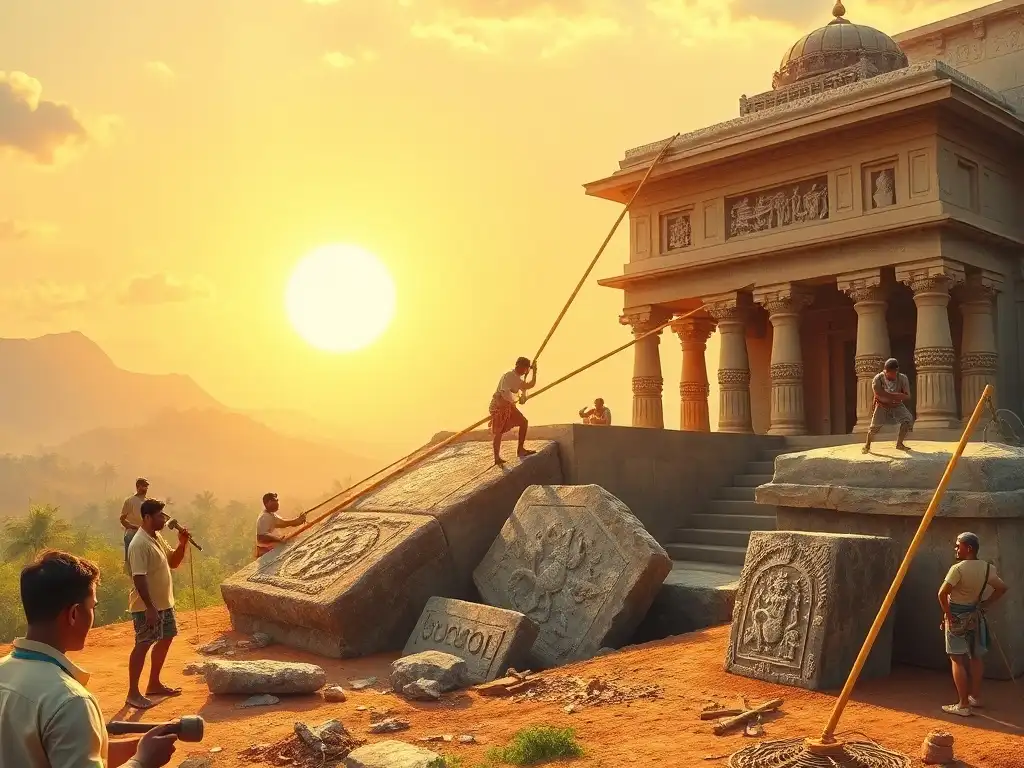
The engineering techniques employed in ancient Indian tombs reflect a profound understanding of materials, design, and environmental factors that influenced construction practices. The historical context of these techniques can be traced back to the early civilizations of the Indus Valley (circa 2500 BCE), where urban planning and sophisticated drainage systems were observed. These foundational skills set the stage for subsequent architectural advancements across various dynasties, culminating in the impressive tombs and memorial structures we see today.
Evolution of Construction Methods in Ancient India
The evolution of construction methods in ancient India can be categorized into several notable phases:
- Indus Valley Civilization (circa 2500-1900 BCE)
- Urban Planning: Cities like Harappa and Mohenjo-Daro exemplified advanced urban planning, featuring grid patterns, uniform brick sizes, and sophisticated drainage systems.
- Materials Used: Primarily baked bricks and mud, which were locally sourced, highlighting an early understanding of resource utilization.
- Maurya and Post-Maurya Periods (circa 322-185 BCE)
- Introduction of Stone: The use of stone became prominent, with structures like the Ashoka Pillars showcasing intricate carvings and inscriptions.
- Stupas: These hemispherical structures served both religious and burial purposes, influencing later architectural designs.
- Gupta Period (circa 320-550 CE)
- Innovative Techniques: The Gupta period saw the introduction of techniques such as vaulted ceilings and decorative stonework. The construction of temples during this time, such as the temples at Khajuraho, highlighted the blend of utility and artistry.
- Integration of Science: Astronomy and geometry began to play a significant role in the layout and orientation of tombs and temples.
- Medieval Period (circa 600-1200 CE)
- Regional Styles: As various dynasties rose, distinct regional styles emerged, such as the Chola and Vijayanagara styles, characterized by intricate sculptures and elaborate ceremonial entrances.
- Use of Local Resources: Craftsmen began to adapt to local materials and conditions, leading to a variety of construction techniques suited to different environments.
Influence of Geography on Engineering Practices
Geography played a crucial role in shaping the engineering practices of ancient India. The diverse landscapes, ranging from the fertile plains of the Ganges to the rocky terrains of the Deccan plateau, dictated the materials and techniques used in construction:
- River Valleys: The Indus and Ganges river valleys provided abundant clay and water sources, facilitating brick-making and the development of advanced drainage systems.
- Mountain Regions: In areas like the Himalayas, stone was the primary material, leading to the construction of sturdy structures capable of withstanding harsh weather conditions.
- Deserts and Arid Areas: In regions such as Rajasthan, ancient builders utilized local stone and mud, creating structures that offered insulation against extreme temperatures.
The geographic distribution of resources influenced not only the choice of materials but also the design and functionality of tombs. For instance, tombs in coastal regions often incorporated materials resistant to saline conditions, while those in mountainous areas focused on stability and durability.
The engineering techniques used in ancient Indian tombs were a reflection of the rich history and evolving practices shaped by geographical factors. The integration of local resources, innovative construction methods, and the influence of various cultural periods underscore the significance of ancient Indian engineering techniques in the broader context of technological advancement.
Key Engineering Techniques Used in Ancient Indian Tombs
Masonry Techniques in Ancient Indian Tomb Construction
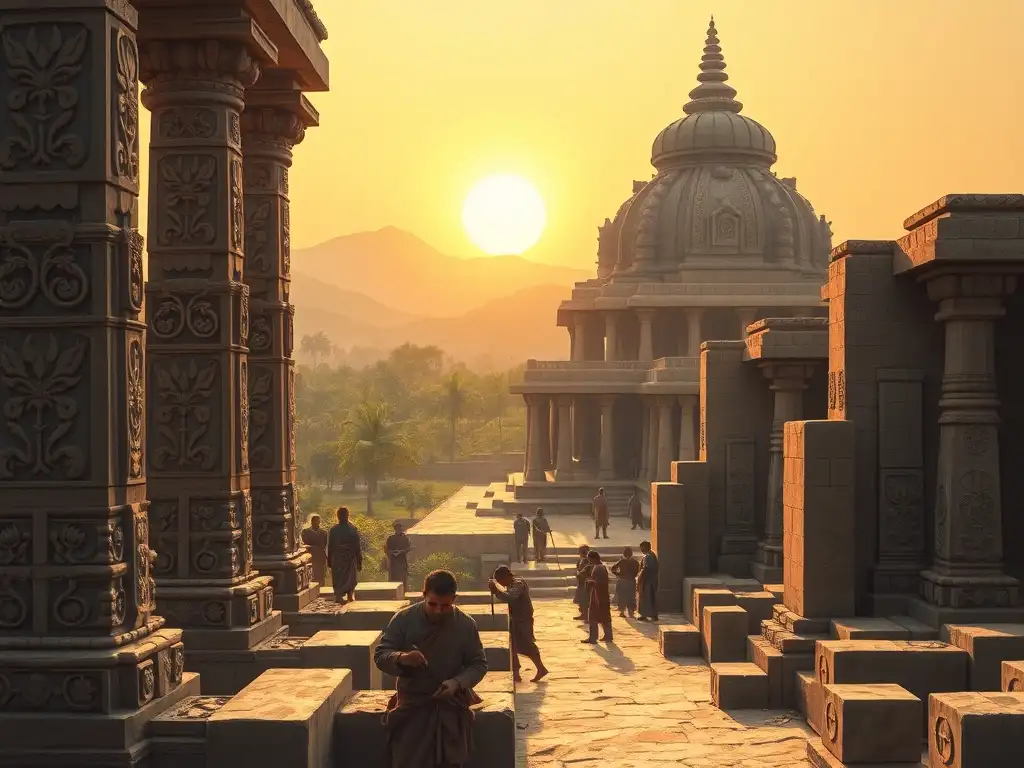
Masonry techniques in ancient Indian tomb construction reveal a sophisticated understanding of structural integrity and aesthetics. The use of locally sourced materials, such as sandstone, limestone, and laterite, played a crucial role in the durability and visual appeal of these structures. Key masonry methods included:
- Dry Stone Construction: This technique involved stacking stones without the use of mortar. The precise cutting and fitting of stones ensured stability, which is evident in many ancient Indian tombs.
- Mortared Masonry: In other cases, builders employed mortar to bind stones together, allowing for more elaborate designs and greater structural strength. This method became prevalent during the Mauryan and Gupta periods.
- Carving and Sculpting: Many tombs featured intricate carvings on stone blocks, showcasing not only the artistic talent of ancient masons but also their knowledge of weight distribution and load-bearing principles.
The greatest example of these techniques can be seen in the Mausoleum of Humayun, where the fusion of Persian influences with local craftsmanship resulted in a majestic tomb that has withstood the test of time.
Use of Arches and Vaults in Tomb Structures
The incorporation of arches and vaults in ancient Indian tombs marked a significant innovation in architectural design, allowing for larger and more stable structures.
- Arches: Ancient Indian engineers creatively used arches, primarily in domes and entrances. The Islamic influence during the medieval period popularized the pointed arch, which distributed weight more effectively compared to traditional flat lintels.
- Vaults: The introduction of various vault types, such as barrel and ribbed vaults, allowed for expansive interior spaces within tombs. The Tomb of I'timād-ud-Daulah showcases ribbed vaults that enhance both acoustics and aesthetics.
These engineering techniques not only provided functional benefits but also contributed to the grand ceremonial atmosphere of the burial sites, making them significant cultural landmarks.
Advanced Water Management Systems in Tombs
Water management was a critical aspect of ancient Indian engineering, particularly in the context of tomb construction. The integration of advanced water management systems ensured the longevity of these structures and enhanced their environmental sustainability.
- Rainwater Harvesting: Many tombs featured systems designed to collect and store rainwater, which was essential in arid regions. This technique demonstrates an early understanding of hydrology and resource management.
- Drainage Systems: Effective drainage systems were implemented to prevent water accumulation around tomb structures. This was particularly vital in areas prone to heavy rainfall, as stagnant water could undermine the foundation.
- Water Gardens: The use of water gardens around tombs, such as those seen in the Mughal architecture, not only served aesthetic purposes but also played a role in cooling the surrounding environment.
Such innovative water management techniques reflect the advanced engineering skills of ancient Indian civilizations, showcasing their ability to harmonize architecture with the natural landscape.
Materials Utilized in Ancient Indian Tomb Engineering
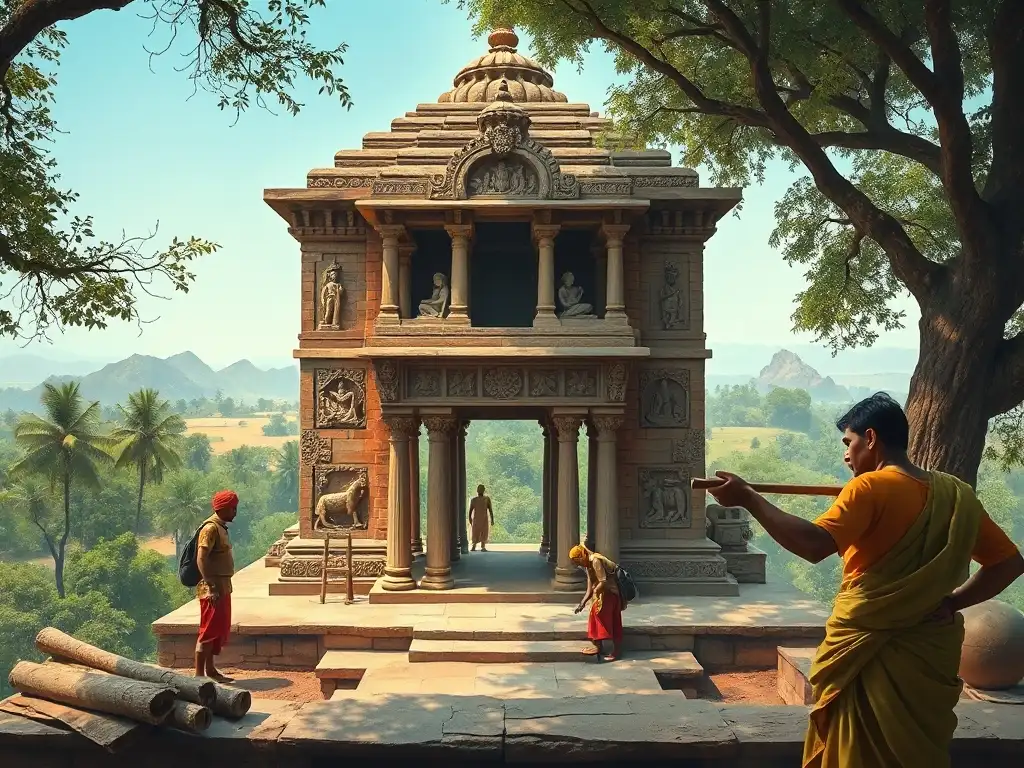
The engineering techniques employed in the construction of ancient Indian tombs are a testament to the ingenuity and resourcefulness of the civilizations that thrived in the Indian subcontinent. This section delves into the primary materials utilized in these structures, particularly focusing on stone and brick, as well as the role of local resources in shaping construction methods.
Stone and Brick: The Primary Building Materials
In ancient India, stone and brick were the cornerstone materials for tomb construction, reflecting both aesthetic considerations and structural integrity.
- Stone: The use of stone in tombs can be traced back to the Harappan civilization, where finely dressed stones were employed to construct enduring structures. The durability of stone made it an ideal choice for tombs, ensuring that they could withstand the test of time. Notably, the Mausoleum of Akbar in Sikandra, built with sandstone and marble, showcases intricate carvings and a blend of architectural styles.
- Brick: Bricks, often made from locally sourced clay, were another fundamental building block. The Indus Valley Civilization is known for its standardized baked bricks, which facilitated uniformity in construction. The Tomb of Iltutmish in Delhi, notable for its red sandstone and brick composition, exemplifies the skillful use of bricks to create intricate arches and domes.
The combination of stone and brick not only provided structural strength but also allowed for ornate designs and symbolic embellishments, enhancing the cultural significance of the tombs.
Role of Local Resources in Construction Techniques
The engineering techniques used in ancient Indian tombs were heavily influenced by the availability of local resources, which varied across regions.
- Regional Variations: Different geographical areas provided distinct materials that shaped construction practices. For example:
- In coastal regions, coral and laterite stone were often utilized, as seen in the tombs of Kerala.
- In the northern plains, limestone and sandstone were prevalent, leading to the magnificent structures of the Mughal Empire.
- Sustainability: The emphasis on local resources not only minimized transportation costs but also ensured that the building techniques were sustainable. Local craftsmen were well-versed in the properties of these materials, allowing them to innovate in their use. For instance, the use of jalis (lattice work) in tombs provided ventilation while showcasing intricate artistry, common in the Indo-Islamic architectural style.
The materials utilized in ancient Indian tomb engineering were a reflection of the natural resources available, and the engineering techniques employed were tailored to enhance both functionality and aesthetics. This relationship between local resources and building practices underscores the sophisticated understanding ancient civilizations had of their environment and how it influenced their architectural legacy.
Architectural Styles of Ancient Indian Tombs
Ancient Indian tombs exhibit a remarkable diversity in architectural styles, reflecting the cultural, religious, and regional influences of their times. These structures, often serving as final resting places for significant figures, showcase the advanced engineering techniques and artistic sensibilities of their builders. The two primary periods that significantly contributed to the evolution of tomb architecture in India are the Mauryan and Gupta periods.
Distinct Features of Mauryan Tomb Architecture
The Mauryan Empire (circa 322–185 BCE) is credited with introducing several innovative architectural features that set the foundation for subsequent tomb designs. The most notable examples of Mauryan tomb architecture include the Great Stupa at Sanchi and the Barabar Caves.
- Stupas:
- Dome Shape: The characteristic dome shape symbolizes the universe.
- Chhatra: The umbrella-like structure at the top signifies royalty and protection.
- Circumambulatory Path: Stupas were built with a path around them for devotees to walk and pay their respects.
- Rock-Cut Architecture:
- Material: The use of locally sourced rock facilitated the creation of intricate carvings and relief sculptures.
- Caves: The Barabar Caves, for example, feature finely polished interiors and detailed carvings, showcasing the skill of Mauryan artisans.
- Emphasis on Symbolism:
- The designs often incorporated symbolic elements representing Buddhist teachings, such as lotus motifs and images of the Buddha.
The engineering techniques employed during the Mauryan period were sophisticated, utilizing advanced methods of stone masonry and planning that ensured the durability and aesthetic appeal of these structures.
Gupta Period Innovations in Tomb Design
The Gupta period (circa 240–550 CE) is often referred to as the Golden Age of India, marked by significant advancements in various fields, including architecture. The tombs from this era exhibit several innovations that reflect the evolving artistic styles and engineering capabilities.
- Integration of Hindu and Buddhist Elements:
- Tombs from this period often merged architectural features from both Hindu and Buddhist traditions, resulting in unique designs that catered to diverse religious practices.
- Example: The Udayagiri Caves, with their intricate carvings and sculptures, demonstrate this blend.
- Use of Arches and Vaults:
- The Gupta architects began incorporating arches and vaults into tomb designs, which allowed for larger and more open interior spaces.
- This innovation not only enhanced the structural integrity but also facilitated more elaborate decorative schemes.
- Emphasis on Ornamentation:
- Gupta tombs often featured exquisite carvings, sculptures, and colorful frescoes that depicted mythological scenes and deities.
- The Dashavatara Temple in Deogarh is a prime example, showcasing intricate relief work that highlights the artistic achievements of the period.
- Innovative Materials:
- The use of brick and stone more prominently allowed for the construction of durable tombs with diverse decorative elements, enhancing both their aesthetic and functional aspects.
These advancements in tomb architecture during the Gupta period not only reflect the engineering prowess of the time but also signify a deeper cultural narrative, showcasing the interplay of religion, art, and technology in ancient India.
The architectural styles of ancient Indian tombs reveal a fascinating evolution of engineering techniques and artistic expression, with each period contributing to the rich tapestry of India's historical landscape.
Notable Examples of Ancient Indian Tombs and Their Engineering Marvels

Ancient Indian tombs are not only significant from a historical perspective but also showcase remarkable engineering techniques that reflect the sophistication of ancient Indian civilizations. These structures served as final resting places for royals and dignitaries, embodying both architectural beauty and intricate engineering. Below are notable examples that highlight these marvels.
The Tomb of Humayun: A Case Study
The Tomb of Humayun, built in the mid-16th century, is an exemplary representation of Mughal architecture and engineering. This UNESCO World Heritage Site is renowned for its grand scale and intricate design, which set the precedent for later structures, including the Taj Mahal.
Engineering Techniques Employed
- Use of Red Sandstone and White Marble: The primary materials used in the construction were red sandstone and white marble. This combination not only enhanced the aesthetic appeal but also contributed to the structural integrity of the tomb.
- Persian Influence on Design: The design incorporates Persian architectural elements, such as the use of large domes and archways, which were engineered to distribute weight effectively. The central dome, rising to 47 meters, was constructed using advanced techniques to ensure stability.
- Water Management Systems: An innovative water management system, including canals and water features, was integrated into the garden surrounding the tomb, highlighting the importance of aesthetics and functionality in Mughal engineering.
- Symmetrical Layout: The tomb is set within a vast garden (charbagh), showcasing a symmetrical layout that is not only visually pleasing but also symbolizes the four rivers of paradise in Islamic tradition.
Structural Innovations
- Dome Construction: The tomb's dome is double-layered, which allows for better thermal regulation and stability. The outer layer is made of marble, while the inner structure consists of brick and mortar, illustrating advanced construction techniques.
- Arched Entrances and Jaalis: The use of arched entrances and intricate jaali (lattice) work demonstrates the fusion of functionality and artistry, allowing natural light to filter into the interior while maintaining privacy.
- Inscriptions and Decorative Arts: The use of calligraphy and intricate inlay work within the tomb showcases the engineering prowess in combining art with architectural techniques, enhancing the tomb's cultural significance.
The Great Stupa at Sanchi: Engineering and Symbolism
The Great Stupa at Sanchi, dating back to the 3rd century BCE, is one of the oldest stone structures in India and a pivotal example of early Buddhist architecture. This stupa not only signifies religious significance but also embodies innovative engineering techniques that have withstood the test of time.
Engineering Techniques Employed
- Masonry Construction: The stupa is constructed using large stone blocks, exemplifying the advanced masonry techniques of the time. The precision in stone cutting and placement reflects a high level of craftsmanship.
- Geometric Design: The circular base of the stupa symbolizes the universe, while the dome represents the sky. The engineering principles applied in its construction ensure a perfect balance, showcasing a deep understanding of geometry and spatial dynamics.
- Use of Thirteen Encircling Fences (harmika): The stupa features a harmika, a square railing at the top that symbolizes the abode of the gods. This architectural innovation not only contributes to the stupa's aesthetic but also serves a symbolic purpose within Buddhist cosmology.
Structural Innovations
- Earth and Brick Fill: The core of the stupa was filled with earth and bricks, which helped in achieving its massive size while also providing stability. This technique demonstrates an understanding of materials and their properties.
- Mound Construction: The stupa's mound is built using a unique technique that allows for the gradual rise of the structure, ensuring that it is both monumental and stable.
- Toranas (Gateway Entrances): The four toranas, adorned with exquisite carvings, serve as both entrances and artistic displays. Their engineering allows for the distribution of weight, while their intricate designs narrate stories from Buddhist teachings.
The Great Stupa at Sanchi stands as a testament to the ancient Indian engineering techniques that not only facilitated construction but also conveyed profound cultural and philosophical meanings. Through such structures, ancient India has left an indelible mark on the world of architecture and engineering.
Challenges Faced in Ancient Indian Tomb Construction
Environmental and Structural Challenges
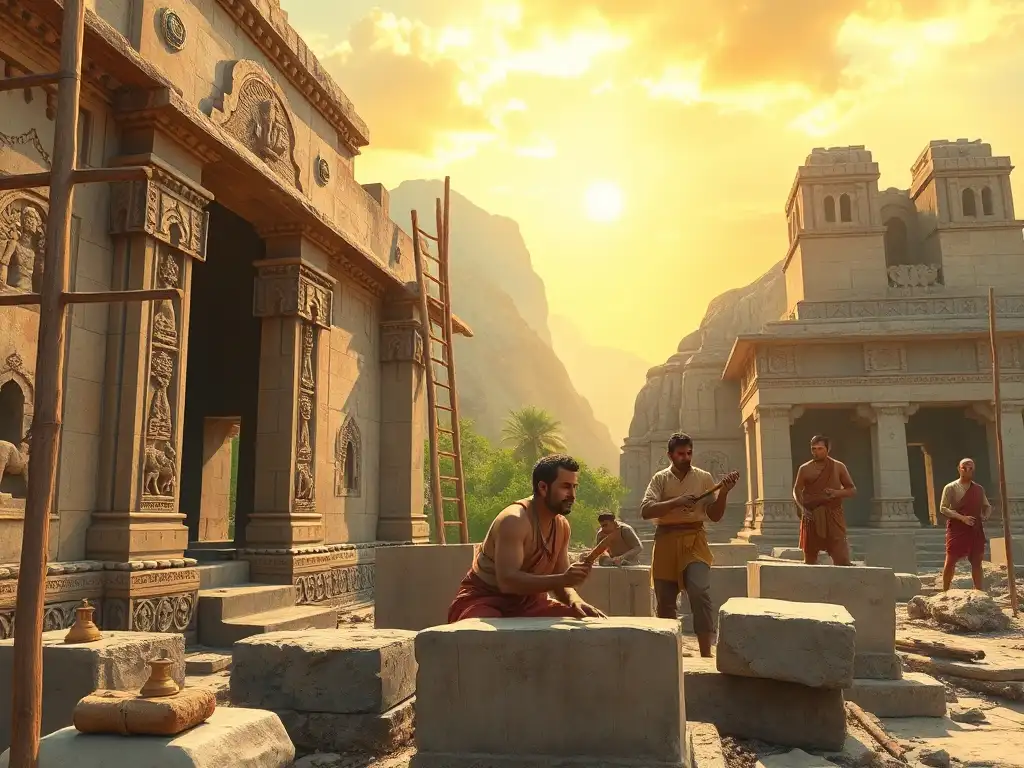
The construction of tombs in ancient India posed various environmental and structural challenges that required innovative engineering techniques. One of the primary environmental challenges was the diverse geographical landscape. Ancient engineers had to navigate through rugged terrains, varying soil types, and climatic conditions that ranged from arid to monsoonal. Such factors significantly influenced the choice of materials and construction methods.
- Soil Variability: Different regions had distinct soil characteristics, which affected the stability and durability of structures. For instance, the alluvial plains of the Indus Valley provided fertile soil but were prone to flooding, necessitating elevated platforms for tombs.
- Climatic Conditions: The harsh weather, particularly during the monsoon season, posed risks of erosion and water damage. Ancient engineers had to ensure that tombs were designed to withstand heavy rains and potential flooding.
- Material Accessibility: The availability of construction materials varied by region. While some areas had abundant stone, others relied on mud bricks or timber, leading to diverse construction techniques and styles.
These environmental factors required meticulous planning and adaptability from ancient engineers, who had to devise solutions to ensure that tombs remained structurally sound and durable over time.
Solutions Implemented by Ancient Engineers
To tackle the myriad challenges of tomb construction, ancient Indian engineers employed several ingenious solutions that showcased their advanced understanding of engineering principles.
- Adaptive Design Techniques:
- Elevated Platforms: In flood-prone areas, tombs were constructed on raised platforms to prevent water ingress. This design not only enhanced stability but also contributed to longevity.
- Curvilinear Structures: The use of curvilinear forms in tomb designs helped distribute weight more evenly, providing structural integrity while also adding aesthetic value.
- Advanced Material Use:
- Stone Masonry: In regions where stone was available, skilled masons utilized interlocking techniques to create robust structures that could withstand both seismic activity and erosion.
- Water-Resistant Materials: Ancient engineers experimented with different mortars and plasters that were more water-resistant, reducing the risk of damage from rainfall and humidity.
- Innovative Drainage Solutions:
- Terracing and Drainage Channels: Engineers incorporated terracing techniques and built drainage systems to manage water flow, thus minimizing the impact of heavy rains on the structures.
- Ventilation Systems: Proper ventilation was designed into the tombs to prevent moisture accumulation, thereby preserving the integrity of the tomb interiors.
- Sustainable Practices:
- Local Resource Utilization: By using locally sourced materials, ancient engineers not only minimized transportation challenges but also ensured that the construction methods were well-suited to the specific environmental conditions of the area.
The combination of these engineering techniques illustrates the remarkable ingenuity of ancient Indian builders. Their ability to adapt to environmental challenges and implement effective solutions is a testament to their advanced knowledge and skills in ancient Indian engineering techniques.
Legacy of Ancient Indian Engineering Techniques

The legacy of ancient Indian engineering techniques is a testament to the ingenuity and advanced understanding of construction methods possessed by civilizations that thrived thousands of years ago. From the meticulously planned urban layouts of the Indus Valley Civilization to the intricate designs of tombs and temples during the Gupta Empire, these engineering feats reflect a profound mastery of materials, geometry, and environmental adaptation.
One of the most notable aspects of ancient Indian engineering is the use of advanced mathematical principles, specifically geometry and trigonometry, in architectural design. The construction of structures such as the Great Bath of Mohenjo-Daro exemplifies this, showcasing sophisticated knowledge of hydraulic engineering through the use of drainage and water storage systems. The ability to manage water resources effectively was not merely functional but also indicative of a deeper understanding of the surrounding environment.
Moreover, ancient Indian engineers employed a range of materials, including baked bricks, stone, and mortar, demonstrating versatility and innovation. For instance, the use of terracotta and later stone-cut techniques in the construction of tombs and temples signifies a transition in material usage that catered to both aesthetic and structural needs.
Influence on Modern Engineering Practices
The influence of ancient Indian engineering techniques is palpable in contemporary engineering practices, particularly in sustainable architecture and urban planning. Modern architects and engineers often look to these historical methods for inspiration, recognizing their effectiveness in creating structures that are not only durable but also harmoniously integrated with their environment.
For example, the concept of using local materials and traditional techniques to minimize environmental impact resonates with today's sustainability goals. The ancient practice of utilizing locally sourced stone and timber not only reduced transportation costs but also ensured that the structures were suited to the local climate. This principle has found renewed emphasis in modern architecture, where eco-friendly designs prioritize sustainability.
Another significant influence can be seen in the principles of vastu shastra, an ancient Indian science of architecture that emphasizes harmony and balance in design. Contemporary architects are increasingly incorporating these principles into their work, leading to spaces that promote well-being and environmental consciousness.
Preservation of Ancient Techniques in Contemporary Architecture
The preservation of ancient Indian engineering techniques in contemporary architecture is crucial for maintaining cultural heritage while adapting to modern needs. Architects and historians are increasingly recognizing the value of these techniques, leading to initiatives aimed at documenting and reviving traditional methods.
One such initiative is the use of traditional craftsmanship in restoration projects. For instance, the restoration of ancient temples often involves skilled artisans who employ ancient techniques to preserve the integrity of the structure. Techniques such as stone carving and traditional masonry are being taught in workshops, ensuring that this knowledge is passed down to future generations.
Additionally, there is a growing trend to incorporate ancient engineering techniques into new constructions. Modern buildings that mimic the ventilated design of ancient structures, which naturally regulated temperature and airflow, demonstrate a revival of these time-tested methods. This blending of ancient and modern techniques not only preserves cultural identity but also enhances the functionality of contemporary architecture.
The legacy of ancient Indian engineering techniques is not merely a relic of the past; it continues to shape modern practices and enrich contemporary architecture. By studying and preserving these techniques, we acknowledge the brilliance of ancient civilizations and ensure that their contributions remain relevant in today’s rapidly evolving world.
Conclusion: The Significance of Ancient Indian Engineering Techniques
The engineering techniques utilized in ancient Indian tombs reflect a sophisticated understanding of architecture and construction that was well ahead of its time. These techniques not only exemplify the ingenuity of ancient Indian engineers but also highlight the cultural and religious significance embedded in these monumental structures.
The ability to create durable and aesthetically pleasing tombs, such as the rock-cut caves of Ajanta and Ellora, demonstrates a profound mastery of materials and design principles. The use of locally sourced stone, intricate carvings, and precise geometric layouts are testaments to the advanced skill sets possessed by craftsmen of that era. Furthermore, ancient Indian engineering techniques often incorporated principles of sustainability, using natural light and ventilation to enhance the living conditions within these tombs.
Reflection on the Technological Advancements of Ancient India
The architectural prowess of ancient India can be traced through various historical periods, from the Indus Valley Civilization's urban planning to the intricate designs of the Gupta Empire. Each era brought forth unique engineering techniques that were influenced by cultural, geographical, and technological factors.
- Indus Valley Civilization: Known for its well-planned cities like Mohenjo-Daro and Harappa, the engineering techniques included:
- Advanced drainage systems
- Grid-patterned street layouts
- Use of standardized baked bricks
- Mauryan and Post-Mauryan Periods: The construction of stupas and temples reflected advancements in:
- Stone masonry
- Sculptural engraving techniques
- Use of large monolithic pillars, such as those seen in Ashoka's edicts
- Gupta Empire: This period witnessed a flourish in temple architecture, characterized by:
- Intricate carvings and relief work
- Innovations in dome construction
- Use of mandapas (pillared halls) which enhanced the structural integrity and aesthetic appeal
These advancements not only underscore the technical skills of ancient Indian engineers but also their ability to blend functionality with artistic expression.
Future Research Directions in Ancient Engineering Studies
As the study of ancient Indian engineering techniques continues to evolve, several avenues for future research emerge:
- Interdisciplinary Studies: Combining archaeology, history, and engineering can yield deeper insights into the methods and materials used in ancient constructions. Collaborations across disciplines can help reconstruct ancient techniques and understand their applications in contemporary contexts.
- Technological Analysis: Employing modern technology such as 3D scanning and modeling can facilitate a better understanding of ancient structures. This can assist in preserving these sites and elucidating the engineering techniques used in their construction.
- Sustainability Practices: Investigating how ancient Indian engineering techniques can inform modern sustainable practices may provide valuable lessons in resource management and ecological design.
- Cultural Influences: Further exploration into how cultural and religious beliefs shaped engineering practices in ancient India could reveal the interplay between technology and society.
- Comparative Studies: Analyzing ancient Indian engineering techniques in comparison with those from other civilizations can highlight unique innovations and shared practices, enriching the global understanding of engineering history.
The ancient Indian engineering techniques not only signify incredible advancements in construction and design but also embody a rich tapestry of cultural significance that continues to inspire modern engineering practices.
Frequently Asked Questions
What were the primary engineering techniques used in ancient Indian tombs?
Ancient Indian engineering techniques included advanced masonry, water management systems, and the use of geometric precision in construction, showcasing remarkable skills in design and execution.
How did ancient Indians achieve structural stability in tombs?
They employed load-bearing techniques and innovative arch designs that distributed weight evenly, ensuring the structural stability of tombs over centuries.
What materials were commonly used in ancient Indian tomb construction?
Stone, brick, and mortar were the primary materials, often sourced locally, showcasing the ingenuity of ancient Indians in utilizing their environment effectively.
How did ancient Indian engineering influence later civilizations?
The engineering techniques developed in ancient India laid the groundwork for future architectural styles and construction practices, influencing both regional and global architecture.
Are there any surviving examples of ancient Indian tomb engineering?
Yes, notable examples include the Mausoleum of Humayun and the Tomb of Akbar, which reflect the sophisticated engineering and artistry of ancient Indian tomb construction.
Final Reflection: Unveiling the Legacy of Ancient Indian Engineering Techniques
The exploration of ancient Indian engineering techniques is not merely an academic pursuit; it is a journey into the heart of a civilization that thrived on innovation and creativity. Today, as we grapple with modern engineering challenges, the wisdom embedded in these ancient practices offers invaluable insights. The techniques used in constructing tombs and monuments reveal a profound understanding of materials, geometry, and environmental adaptation that remains relevant in our quest for sustainable solutions.
The influence of ancient Indian engineering techniques extends far beyond their historical context; they continue to shape our cultural identity and inspire contemporary architecture. The intricate designs and structural ingenuity found in these tombs serve as a testament to the advanced knowledge possessed by our ancestors. As we reflect on this legacy, we are reminded of the words of the great architect Louis Kahn: A great building must begin with the unmeasurable, must go through measurable means when it is being designed and in the end must be unmeasurable.
This encapsulates the essence of ancient Indian engineering, where the unmeasurable beauty of design meets the measurable precision of construction.
As we stand at the crossroads of tradition and modernity, let us take a moment to reflect on the lessons embedded in these ancient techniques. I invite you to explore how the principles of sustainability, innovation, and craftsmanship can be integrated into your own life and work.
Whether you are an engineer, architect, or simply a curious mind, consider how you can honor this rich heritage by applying its lessons to create a future that respects both our past and our planet. Embrace the challenge of decoding these ancient techniques and let them inspire you to build a legacy of your own.
Uncover the Secrets of Ancient Engineering!
Thank you for immersing yourself in the fascinating world of ancient Indian tombs! You've gained insights into the incredible engineering techniques that have withstood the test of time. Now, it’s time to take your interest a step further. Embrace the wonders of ancient engineering and explore how these techniques can inspire modern innovations.
Here are a few actionable steps you can take right now:
- Dive Deeper: Explore additional resources on ancient architecture and engineering techniques. Consider visiting a local museum or searching for documentaries that showcase these marvels of human ingenuity.
- Join the Conversation: Share your thoughts on social media about what fascinated you the most from your readings. Engage with others in the community who are passionate about ancient history and engineering!
- Experiment Creatively: Try replicating some ancient engineering techniques at home or as part of a group project, such as constructing a small model of a tomb using readily available materials.
How might these ancient techniques inspire your perspective on modern engineering challenges? Let’s discuss!