
The Intricate Rituals of Makar Sankranti: A Celebration of Harvest and Change

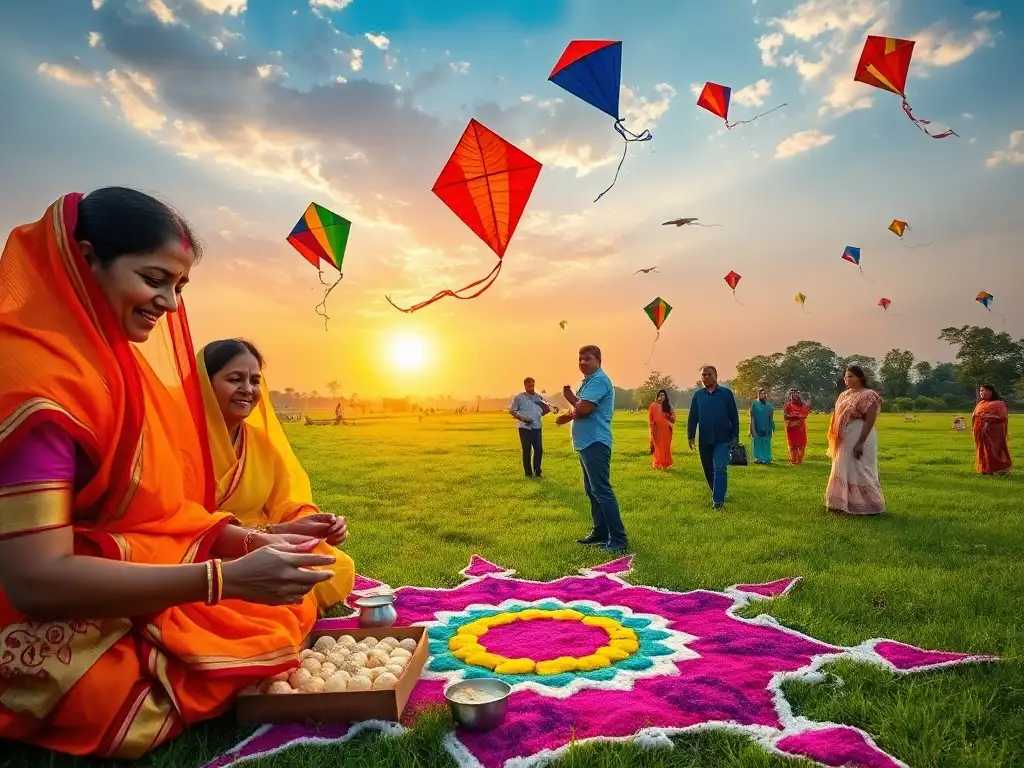
Welcome to Ancient India History, where we embark on a fascinating journey through the rich tapestry of India's past. As we delve into the intricate rituals of Makar Sankranti, you'll discover how this vibrant festival not only celebrates the harvest but also symbolizes the profound changes in nature and culture. From the time-honored traditions to the colorful festivities that mark this occasion, join us in uncovering the layers of meaning behind Makar Sankranti. Prepare to be captivated by the stories and customs that have shaped our heritage—continue reading to explore the depths of this remarkable celebration!
Introduction to Makar Sankranti
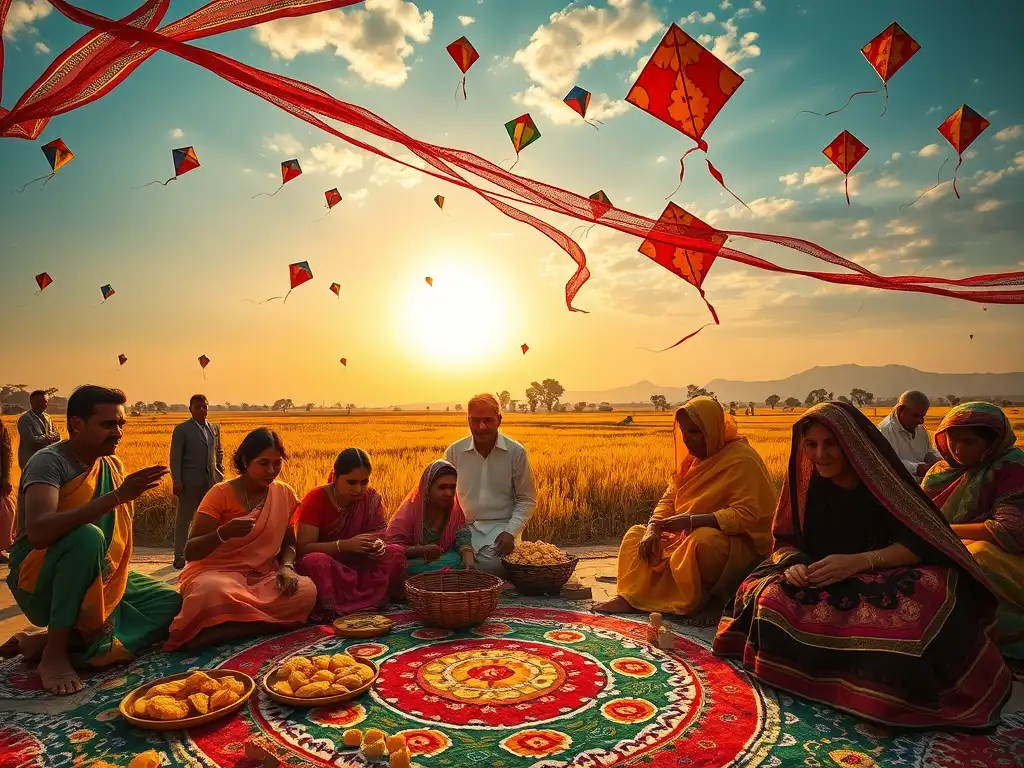
Makar Sankranti is not just a festival; it is a vibrant tapestry of cultural significance, agricultural celebration, and spiritual renewal. Celebrated across India, this festival marks the transition of the sun into the zodiac sign of Capricorn (Makar) and is associated with the harvest season. It is a time when communities come together to honor the Earth’s bounty and to engage in various rituals that reflect the rich cultural heritage of ancient Indian civilizations. The diverse practices observed during Makar Sankranti highlight the unity in diversity that characterizes India’s festivals, making it a significant event in the calendar year.
Overview of Makar Sankranti in India
Makar Sankranti, celebrated in mid-January, is one of the few Indian festivals that follow the solar calendar, unlike many others that are based on the lunar calendar. This festival is known by different names in different regions, including Pongal in Tamil Nadu, Lohri in Punjab, and Uttarayan in Gujarat. Each region has its unique customs, yet the underlying theme remains the same: the celebration of the harvest and the onset of longer days as the sun begins its northward journey.
The festivities typically include kite flying, bonfires, and various traditional dishes made from freshly harvested crops. In many states, people dress in bright colors and participate in rituals that honor the sun god, reflecting the significance of agriculture in Indian society.
Importance of Makar Sankranti in Indian Culture
The importance of Makar Sankranti transcends mere agricultural practices; it embodies a celebration of life, prosperity, and social harmony. This festival teaches the values of gratitude and community bonding as families and friends gather to partake in the festivities. The rituals associated with Makar Sankranti serve as a reminder of the cyclical nature of life and the importance of giving thanks for the harvest.
Moreover, the festival holds a spiritual significance for many, symbolizing the end of winter and the beginning of a new season. It is believed that taking a dip in holy rivers during this time cleanses the soul and brings prosperity. The festival also encourages charitable acts, as people are encouraged to donate food and clothes to those in need, reinforcing the spirit of compassion and community support.
Historical Background of Makar Sankranti
Origins of Makar Sankranti in Ancient India
The origins of Makar Sankranti can be traced back to ancient Indian texts and scriptures, which mention various solar festivals. It is believed that this festival has been celebrated for centuries, possibly dating back to the Vedic period. The alignment of the sun with the zodiac signs was of significant importance to the agrarian society of ancient India, where agriculture was the backbone of the economy.
Archaeological findings suggest that rituals associated with the sun’s movements were prevalent in ancient civilizations, including the Indus Valley Civilization. The reverence for the sun god is reflected in various inscriptions and artifacts, indicating the longstanding cultural significance of this celestial event.
Evolution of Makar Sankranti Celebrations Over Time
Over the centuries, Makar Sankranti has evolved, incorporating various regional customs and practices that reflect the diverse cultural landscape of India. While the core essence of the festival remains unchanged, the ways in which it is celebrated have adapted to regional preferences and agricultural practices.
For instance, the kite flying tradition in Gujarat has become a hallmark of the festival, drawing thousands to the rooftops to engage in friendly competitions. In contrast, the Pongal festival in Tamil Nadu focuses on cooking a special dish made from newly harvested rice, symbolizing abundance and gratitude. Such variations showcase how Makar Sankranti is not only a celebration of the harvest but also a reflection of the unique cultural identities within India.
Through these intricate rituals and evolving practices, Makar Sankranti continues to be a significant cultural event, celebrating the harmony between nature and society.
Key Makar Sankranti Rituals in India
Makar Sankranti is celebrated with a plethora of rituals that vary across different regions of India, yet all embody the spirit of gratitude, renewal, and joy. Key rituals include:
- Kite Flying: One of the most popular activities, especially in states like Gujarat and Rajasthan, where colorful kites fill the sky. This is seen as a way to welcome the longer days as the sun transitions into the zodiac sign of Capricorn (Makar).
- Bonfires: In many regions, people gather around bonfires, known as ‘Makar Sankranti bonfire,’ to celebrate and invoke warmth and positivity. This is particularly prominent in Punjab, where the festival is known as Lohri.
- Puja (Worship): Devotees perform special prayers to the Sun God (Surya) and Goddess Lakshmi, offering sweets made from jaggery and sesame seeds, symbolizing the sweetness of life and prosperity.
- Community Feasts: Families and communities come together to share traditional foods, such as tilgul (sesame and jaggery sweets) and various rice dishes, reinforcing bonds and fostering a sense of togetherness.
Traditional Practices During Makar Sankranti
Traditional practices during Makar Sankranti are deeply rooted in agriculture and spirituality, reflecting the transition into a new harvest season. Some notable practices include:
- Taking Holy Dips: In many parts of India, especially along the Ganges and other sacred rivers, devotees undertake holy dips. It is believed that bathing in these waters during Makar Sankranti cleanses sins and brings good fortune.
- Culinary Preparations: Specific foods are prepared during this festival. For instance, in Maharashtra, people make ‘tilgul’ to distribute among friends and family, with the saying, "Tilgul ghya, goad goad bola," meaning "Take this sweet, and speak sweetly."
- Ritual Offerings: In various households, offerings of rice, lentils, and seasonal vegetables are made to the deities. This practice symbolizes respect for nature’s bounty and the cycle of life.
Regional Variations in Makar Sankranti Rituals
Makar Sankranti rituals exhibit unique regional flavors, showcasing India's cultural diversity. Here are some notable regional variations:
- Pongal in Tamil Nadu: The festival is celebrated as Pongal, where families prepare a special dish called ‘Pongal’ made from newly harvested rice and offer it to the Sun God.
- Bihu in Assam: In Assam, Makar Sankranti aligns with the Bihu festival, where people engage in singing, dancing, and feasting, celebrating the harvest of paddy.
- Uttarayan in Gujarat: Known as Uttarayan, this festival is marked by kite flying contests, where communities gather on rooftops to compete in this vibrant tradition.
- Magh Mela in Uttar Pradesh: In this region, the festival coincides with the Magh Mela, where millions gather at the confluence of the Ganges, Yamuna, and the mythical Saraswati rivers for a holy dip.
Symbolism Behind Makar Sankranti Rituals
The rituals of Makar Sankranti are imbued with rich symbolism, reflecting the deeper meanings associated with the festival.
Harvest Significance of Makar Sankranti
Makar Sankranti heralds the beginning of the harvest season, symbolizing abundance and prosperity. It marks the end of winter and the start of the sun's northward journey (Uttarayana), which is considered auspicious. Farmers express gratitude for the bountiful harvest, and the rituals serve as a means to honor Mother Earth and acknowledge the hard work invested in agriculture.
Spiritual Meaning of Makar Sankranti Celebrations
Beyond its agricultural significance, Makar Sankranti embodies a spiritual journey, celebrating the transition from darkness to light. The rituals encourage individuals to reflect on their lives, seek blessings for peace and prosperity, and renew their spiritual commitments. The act of giving, whether through food, prayer, or community gatherings, reinforces the importance of compassion and unity, making Makar Sankranti a festival of hope and renewal for all.
The Role of Community in Makar Sankranti Celebrations
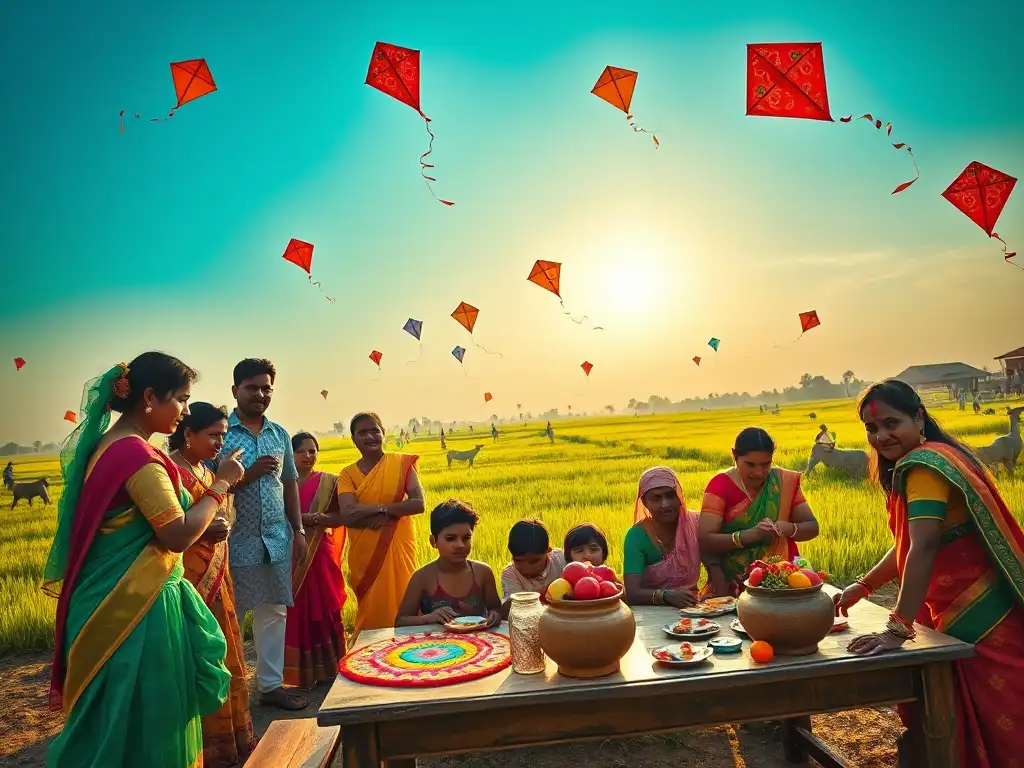
Makar Sankranti is not merely a festival celebrated in isolation; it serves as a vital thread that weaves together communities across India. This harvest festival, marking the transition of the sun into the zodiac sign of Capricorn, symbolizes joy, prosperity, and new beginnings. The communal aspect of Makar Sankranti is evident in various traditions and practices that emphasize togetherness and collective celebration. From kite-flying competitions to community feasts, the festival fosters a sense of unity and shared cultural identity among people, transcending regional and linguistic boundaries.
Family Gatherings and Their Importance
Family gatherings are a cornerstone of Makar Sankranti celebrations. During this time, families come together to partake in rituals, share meals, and strengthen familial bonds. Traditional dishes such as tilgul (sesame and jaggery sweets) are prepared and shared, embodying the spirit of togetherness and goodwill. These gatherings also serve as an opportunity for families to honor their ancestors through rituals and prayers, creating a sense of continuity and respect for heritage. The act of exchanging gifts and sweets reinforces familial ties and encourages the sharing of blessings, further enhancing the familial spirit of the festival.
Community Events and Activities
Community events during Makar Sankranti play a significant role in promoting social cohesion. Local fairs and melas (festivals) are organized, featuring a variety of activities such as traditional dance performances, music, and sports. One of the most popular activities is kite flying, where entire neighborhoods come alive with colorful kites adorning the sky. Competitions are often held, fostering a sense of friendly rivalry and camaraderie. Such events not only allow participants to celebrate the harvest but also provide a platform for individuals to interact, forge new friendships, and strengthen existing ones, making Makar Sankranti a truly collective experience.
Modern-Day Observance of Makar Sankranti
As society evolves, so do the ways in which festivals are observed. Makar Sankranti is no exception; contemporary celebrations reflect both traditional values and modern influences. With urbanization and lifestyle changes, the essence of the festival has adapted while maintaining its core significance.
Changes in Makar Sankranti Rituals in Contemporary Society
In modern times, the rituals associated with Makar Sankranti have seen some transformation. While traditional practices such as preparing specific dishes and engaging in rituals remain, the manner of celebration has evolved. Many people now opt for community gatherings in public spaces rather than private home celebrations, fostering inclusivity.
Additionally, the significance of the harvest aspect has become less pronounced in urban areas, where the festival is often viewed as a cultural celebration rather than strictly an agricultural one. This shift has introduced new elements, such as themed parties and public events, which aim to engage a broader audience in the festivities.
Influence of Technology on Makar Sankranti Celebrations
The advent of technology has significantly influenced how Makar Sankranti is celebrated today. Social media platforms facilitate the sharing of experiences, allowing families and friends to connect even when separated by distance. Live streaming of kite-flying events and celebrations has become common, enabling broader participation and engagement.
Moreover, mobile applications have emerged, providing insights into local events, rituals, and even recipes for traditional sweets, making it easier for individuals to partake in the celebrations. While technology may alter some traditional practices, it also serves to enrich the festival experience, making Makar Sankranti accessible to a global audience and ensuring that its vibrant cultural essence continues to thrive in the modern world.
Conclusion: The Enduring Significance of Makar Sankranti
Makar Sankranti stands as a vibrant testament to the rich cultural tapestry of India, embodying the essence of renewal, gratitude, and communal harmony. Celebrated across various regions, the rituals associated with Makar Sankranti serve as a reminder of the agricultural roots that bind communities together.
From the preparation of traditional sweets to the flying of kites, each practice is steeped in symbolism that reflects the deeper philosophical beliefs of the society. This festival not only marks the transition of the sun into the zodiac sign of Capricorn but also signifies the arrival of longer days, heralding the end of winter and the onset of the harvest season.
The collective observance of Makar Sankranti rituals fosters a sense of unity among people, transcending geographical and linguistic barriers. It is a time when families come together, sharing meals and engaging in community celebrations, reinforcing the values of togetherness and communal joy. As India continues to modernize, the intrinsic significance of Makar Sankranti resonates with the themes of sustainability and respect for nature, making it relevant in contemporary discussions surrounding environmental consciousness.
Reflection on Cultural Heritage and Continuity
The rituals of Makar Sankranti are not merely festive activities; they are deeply embedded in the cultural heritage of India. Each ritual carries forward age-old traditions, connecting generations through shared experiences and collective memory. The significance of these practices can be seen in the way they preserve local customs, languages, and art forms. For instance, the folk songs sung during this festival often narrate stories of harvest and agricultural practices that were prevalent in ancient times.
Moreover, these rituals serve as a medium for cultural transmission, where elders impart knowledge and values to the younger generation. The vibrant colors of rangoli, the sweet aroma of sesame and jaggery dishes, and the competitive spirit of kite flying all play a role in teaching the importance of hard work, joy in sharing, and the celebration of life. Reflecting on these practices encourages a deeper appreciation for the diversity of India's cultural mosaic and the unbroken chain of traditions that continue to thrive today.
The Future of Makar Sankranti Rituals in India
As India evolves, the future of Makar Sankranti rituals appears promising yet challenged. Urbanization and globalization have influenced how traditions are celebrated, with many people moving to cities and adapting rituals to fit modern lifestyles. While some elements may change, the core values of Makar Sankranti—gratitude, community, and the celebration of nature—remain timeless.
Emphasizing sustainability in agricultural practices may lead to new interpretations of Makar Sankranti rituals, focusing on organic farming and environmental awareness. Additionally, the rise of digital platforms provides opportunities for the younger generation to engage with and promote these traditions through social media, virtual celebrations, and online workshops. This blend of tradition and modernity ensures that Makar Sankranti will continue to be celebrated, preserving its essence while adapting to the changing times.
References for Further Reading on Makar Sankranti Rituals in India
Books and Articles
- "The Festivals of India" by A.K. Sharma - This book provides a comprehensive overview of various Indian festivals, including Makar Sankranti, detailing rituals, significance, and regional variations.
- "Rituals and Practices in Hinduism" by Anjali Desai - An insightful exploration of various rituals in Hindu culture with a dedicated section on Makar Sankranti, discussing its historical and cultural significance.
- "Harvest and Celebrations: The Cultural Practices of India": - A scholarly article that examines the agricultural roots and rituals associated with major Indian festivals.
Documentaries and Online Resources
- "Celebrating Makar Sankranti: Traditions Across India": – A documentary that explores the diverse rituals of Makar Sankranti in different states, showcasing local practices and community stories.
- YouTube Channels such as "Festivals of India" offer a variety of videos detailing the significance and rituals of Makar Sankranti, providing visual insights into the celebrations.
- Online platforms like "Cultural India" and "Indian Harvest" provide articles and blogs dedicated to Makar Sankranti, highlighting recipes, rituals, and personal narratives that enrich understanding of this festival.
- Introduction to Makar Sankranti
- Historical Background of Makar Sankranti
- Key Makar Sankranti Rituals in India
- Symbolism Behind Makar Sankranti Rituals
- The Role of Community in Makar Sankranti Celebrations
- Modern-Day Observance of Makar Sankranti
- Conclusion: The Enduring Significance of Makar Sankranti
- References for Further Reading on Makar Sankranti Rituals in India
Frequently Asked Questions
What is Makar Sankranti?
Makar Sankranti is a Hindu festival celebrated to mark the harvest season and the transition of the sun into the zodiac sign of Capricorn (Makar). It typically occurs in mid-January.
What are the main rituals associated with Makar Sankranti?
The main rituals of Makar Sankranti include taking holy dips in rivers, offering prayers, and preparing traditional sweets made from sesame seeds and jaggery. These acts symbolize purification and gratitude.
How do different regions in India celebrate Makar Sankranti?
Different regions have unique customs; for example, in Punjab, it is celebrated as Lohri, while in Maharashtra, people fly kites. Each celebration reflects the cultural diversity of India.
Why is Makar Sankranti considered significant in Indian culture?
Makar Sankranti signifies the end of winter and the beginning of longer days, symbolizing prosperity and renewal. It brings families together for celebrations and reinforces community bonds.
What are some traditional foods associated with Makar Sankranti?
During Makar Sankranti, people prepare various traditional foods like tilgul (sweet sesame balls) and khichdi. These dishes are often shared among friends and family as a symbol of harmony and joy.
Final Reflection: Embracing Change Through Makar Sankranti Rituals
The intricate rituals of Makar Sankranti are not just a celebration of harvest; they symbolize a profound connection to the cycles of nature and the essence of change. In today's fast-paced world, where the significance of traditions can often be overshadowed by modernity, the observance of Makar Sankranti serves as a powerful reminder of our roots and the importance of honoring the rhythms of life. This festival invites us to pause, reflect, and celebrate the bounty of the earth while embracing the inevitable changes that come with each season.
Makar Sankranti rituals in India have a lasting impact on our cultural and social landscape, fostering community bonds and a sense of belonging. The vibrant festivities, from kite flying to the preparation of traditional sweets, create a tapestry of shared experiences that resonate across generations. As we engage in these time-honored practices, we not only preserve our heritage but also cultivate a deeper understanding of our interconnectedness. Tradition is not the worship of ashes, but the preservation of fire.
This quote encapsulates the essence of Makar Sankranti, reminding us that while we honor the past, we must also keep the flame of our culture alive.
As we reflect on the significance of Makar Sankranti, I invite you to consider how you can incorporate the spirit of this festival into your own life. Take a moment to celebrate the changes you face, whether they be personal, professional, or societal. Engage with your community, share your harvest, and embrace the rituals that bring joy and connection. Let the lessons of Makar Sankranti inspire you to honor the cycles of change and to find beauty in the transitions that shape our lives.
Embrace the Spirit of Makar Sankranti Today!
Thank you for exploring the vibrant rituals of Makar Sankranti with us! Your interest in this beautiful celebration highlights the importance of our cultural heritage. Now, let’s bring this experience into your life and deepen your connection to tradition.
Here are a few simple and exciting ways to engage with the essence of Makar Sankranti:
- Participate in a local celebration: Seek out community events in your area where you can join in the festivities. Experience the joy of traditional games, kite flying, and delicious festive treats!
- Try your hand at cooking traditional dishes: Challenge yourself to prepare recipes like tilgul or pongal. Share your culinary creations with friends and family to spread the festive spirit.
- Start a conversation: Share what you’ve learned about Makar Sankranti on social media or in discussions with friends. Encourage them to appreciate cultural diversity and join you in celebrating!
As you reflect on this rich festival, consider what unique traditions or rituals from your own culture you would like to share with others. Your insights could inspire a wonderful discussion!