
From Oral Tradition to Written Word: The Evolution of Sangam Literature


Welcome to Ancient India History, where we embark on a captivating journey through the rich tapestry of India’s past. Here, we unravel the profound historical significance of Sangam literature, a treasure trove that transitioned from oral traditions to the written word, illuminating the cultural vibrancy of ancient Tamil civilization. Curious about how these literary masterpieces shaped societal norms and influenced later generations? Dive deeper into our exploration of "From Oral Tradition to Written Word: The Evolution of Sangam Literature" and uncover the stories that have echoed through time.
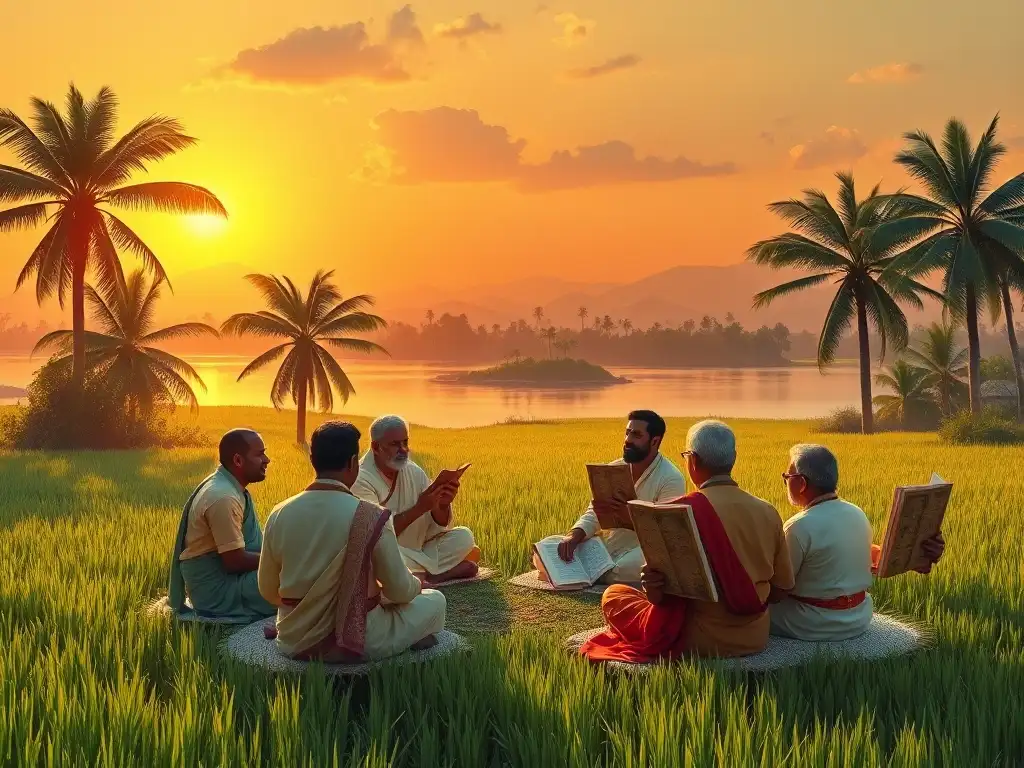
Introduction to Sangam Literature
Sangam literature stands as a cornerstone in the rich tapestry of ancient Indian civilization, offering a profound glimpse into the culture, values, and societal structures of the Tamil people during the early centuries of the Common Era. This body of work, composed between approximately 300 BCE and 300 CE, is not merely a collection of poems but a vibrant testament to the historical significance of Tamil Nadu's early literary traditions.
As we delve into the evolution of Sangam literature from oral traditions to written texts, we uncover its profound impact on subsequent literary forms, its reflections on society, and its contributions to the larger narrative of Indian history.
Overview of Sangam Literature and its Historical Significance
Sangam literature is characterized by its rich poetic expression and thematic diversity, encompassing a range of subjects from love and valor to nature and ethics. It consists of two primary types of poetry: Akam (interior or love poetry) and Puram (exterior or war poetry), which together embody the complexities of human experience.
- Historical Significance:
- It provides insights into the socio-political conditions of the time.
- Reflects the interconnections between various kingdoms and cultural exchanges.
- Serves as a precursor to later Tamil literature, influencing both language and thematic development.
The preservation of these texts has allowed modern scholars to gain invaluable knowledge about ancient social structures, gender roles, and the philosophical inquiries of the Tamil people.
The Role of Oral Tradition in Ancient Indian Culture
Long before the advent of written language, oral tradition played a crucial role in preserving and transmitting cultural narratives. In ancient India, particularly in the Tamil region, oral poetry was the primary means of storytelling, serving both as entertainment and as a vehicle for conveying moral and ethical lessons.
- Key Features of Oral Tradition:
- Memorization and Recitation: Poets would memorize extensive verses, which were recited during gatherings, ensuring the continuity of cultural heritage.
- Community Engagement: Oral performances fostered community bonds, as shared stories reinforced collective identities and values.
- Adaptability: Oral traditions allowed for flexibility in storytelling, enabling poets to adapt narratives according to the audience and context.
This rich oral legacy laid the groundwork for the eventual transition to written forms, culminating in the flourishing of Sangam literature.
The Historical Context of Sangam Literature
Understanding the historical backdrop against which Sangam literature emerged is essential to appreciate its depth and richness. This period was marked by significant political, social, and cultural developments that shaped the landscape of ancient Tamil Nadu.
The Time Period of Sangam Literature: A Brief Timeline
The timeline of Sangam literature can be segmented into three distinct phases:
- Early Sangam (300 BCE - 100 CE):
- Formation of Tamil kingdoms, with poets patronized by local chieftains.
- Emergence of major poetic forms and themes.
- Middle Sangam (100 CE - 200 CE):
- Flourishing of literary activity, with significant contributions from various poets.
- Increased interaction with other cultures through trade and diplomacy.
- Later Sangam (200 CE - 300 CE):
- Consolidation of literary works into anthologies.
- Establishment of literary schools and traditions.
Major Kings and Dynasties Supporting Sangam Literature
The patronage of Sangam literature was predominantly provided by significant dynasties and rulers of the time, such as:
- The Cholas: Known for their contributions to art, architecture, and literature, they played a vital role in promoting the Tamil language and poetry.
- The Pandavas: Their reign marked a peak in literary output, with many poets finding patronage under their rule.
- The Cheras: They fostered a cultural environment that encouraged the growth of Tamil literature, facilitating the exchange of ideas and artistic expressions.
The Geographical Influence on Sangam Poetry
The geographical landscape of Tamil Nadu significantly influenced the themes and styles of Sangam poetry. The region's diverse topography, ranging from coastal plains to mountainous areas, inspired poets to draw upon their natural surroundings.
- Influence of Nature:
- Poets often used metaphors from nature to express human emotions, reflecting a deep connection between the environment and personal experience.
- Regional Variations:
- Different regions gave rise to distinct poetic styles and dialects, enriching the overall tapestry of Sangam literature.
Through this exploration of the historical context, we begin to understand how Sangam literature not only mirrors the society of its time but also continues to resonate with contemporary audiences, highlighting its enduring historical significance.
Characteristics of Sangam Literature
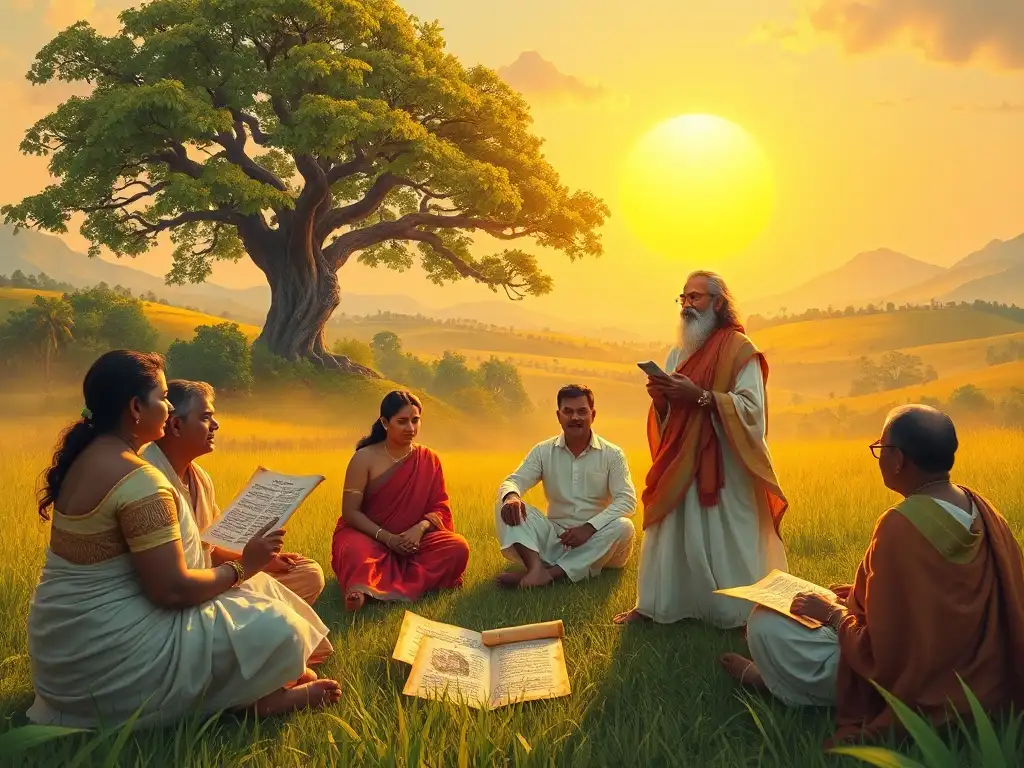
Sangam literature, originating from the Tamil-speaking regions of South India, is characterized by its rich poetic form and profound emotional depth. Spanning several centuries, primarily between 300 BCE and 300 CE, the texts embody the cultural ethos of the time. One of the most notable features is the use of metaphor and imagery, which convey complex emotions and societal values. The poets, known as Sangam poets, masterfully employed similes and vivid descriptions, making their verses both evocative and resonant.
Another defining characteristic is the diversity of genres. Sangam literature includes a variety of poetic forms such as Aham (inner life) and Puram (outer life), which reflect personal emotions and social themes, respectively. Additionally, the literature is marked by its lyrical quality, often composed in a lyrical and rhythmic manner, enhancing its oral recitation.
Moreover, Sangam literature is deeply embedded in the cultural and historical context of ancient Tamil society. It serves as a critical historical document, providing insights into the values, beliefs, and social organization of early Tamil civilizations. The preservation of ancestral heritage and the celebration of nature are also recurrent themes, reinforcing the literature’s connection to the environment and community.
Themes and Subjects in Sangam Poetry
Sangam poetry covers a wide range of themes, reflecting the complexities of human experience. Key subjects include:
- Love and Relationships: The Aham poetry often explores romantic themes, depicting the beauty and challenges of love, longing, and separation. The emotions are expressed through detailed descriptions of the lovers’ experiences, often drawing connections with nature.
- Heroism and Valor: Puram poetry frequently celebrates the valor of warriors and kings, emphasizing ideals of bravery, honor, and loyalty. These poems often recount battles and victories, showcasing the martial culture of the time.
- Nature and Environment: Nature plays a significant role in Sangam literature, with poets drawing parallels between human emotions and the natural world. The landscapes of Tamil Nadu are vividly described, reflecting a deep appreciation for the environment.
- Philosophical and Ethical Reflections: Many poems delve into philosophical themes, contemplating morality, duty, and the transient nature of life. This introspective quality enriches the literature, inviting readers to reflect on their own lives.
These themes not only provide entertainment but also serve as moral and ethical guides, offering insights into the societal norms and values of the time.
Literary Forms and Structures of Sangam Texts
Sangam literature is renowned for its distinctive literary forms and structures, which contribute to its artistic merit. The primary forms include:
- Eighteen Greater Texts (Pathinenmelkanakku): This collection consists of the most esteemed poems, each celebrated for its unique contribution to Tamil literature. The texts are categorized into two main groups: Aham and Puram, as previously mentioned.
- Thirukkural: A notable work within Sangam literature, the Thirukkural is a classic text attributed to the poet Thiruvalluvar, presenting ethical teachings and philosophical insights in couplets, establishing a template for Tamil poetic form.
- Aesthetic Techniques: The use of alliteration, assonance, and rhyme enhances the musicality of the texts. Poets often employ structured meters to create rhythm, making the poems suitable for oral recitation.
- Imagery and Symbolism: The literary structures often incorporate metaphors and symbols, creating layers of meaning. For instance, the use of specific landscapes or seasonal imagery signifies emotional states or social conditions.
These literary forms not only demonstrate the poets' technical skills but also reflect the rich tapestry of Tamil culture and thought.
Language and Style in Sangam Literature
The language of Sangam literature is characterized by its poetic complexity and linguistic richness. The Tamil language during this period was highly developed, showcasing a wide vocabulary and an array of stylistic nuances. Key aspects include:
- Rich Vocabulary: Sangam poets utilized a diverse lexicon that included both everyday language and elevated poetic diction, allowing for both accessibility and literary sophistication.
- Figures of Speech: The frequent use of metaphors, similes, and personification adds depth to the poetry, enabling readers to engage with the text on multiple levels. This stylistic richness enhances the emotional resonance of the verses.
- Regional Dialects: While there is a standard Tamil used in the literature, regional variations and dialects can be observed, reflecting the diverse linguistic landscape of ancient Tamil Nadu.
- Syntax and Structure: The syntax is often complex, with poets experimenting with word order and sentence structure to achieve specific rhythmic and aesthetic effects.
The language and style of Sangam literature not only serve artistic purposes but also play a critical role in the cultural identity of the Tamil people.
The Transition from Oral Tradition to Written Word
The transition from oral tradition to written literature marks a significant evolution in the preservation and dissemination of Sangam poetry. This shift reflects broader changes in society, culture, and technology during ancient India.
The Process of Oral Transmission in Ancient India
Before the advent of written texts, knowledge and literature were primarily transmitted orally. This process involved:
- Memorization Techniques: Poets and scholars employed mnemonic devices, such as rhythm and repetition, to facilitate memorization. This ensured that the verses could be accurately recited across generations.
- Community Participation: Oral transmission was a communal activity, with performances often taking place in public gatherings. This not only helped in preserving the poems but also in enriching them through collective interpretation and adaptation.
- Cultural Significance: Oral tradition played a vital role in maintaining cultural identity. By reciting and sharing poems, communities reinforced their values, beliefs, and historical narratives.
As societies evolved, the limitations of oral transmission prompted the need for written records, leading to the eventual documentation of Sangam literature.
Factors Leading to the Transition to Written Literature
Several factors contributed to the transition from oral traditions to written literature in ancient India, including:
- Advancements in Writing Systems: The development of writing systems enabled the recording of complex ideas and narratives. The Tamil script evolved during this period, allowing for the transcription of oral literature.
- Cultural Exchange and Trade: Increased interaction with other cultures through trade and conquest introduced new ideas and practices, including the importance of written records for administration and commerce.
- Political and Social Changes: The rise of kingdoms and empires necessitated the documentation of laws, treaties, and cultural achievements. Written literature became a means of asserting cultural identity and historical legacy.
These factors collectively fostered a conducive environment for the preservation of Sangam literature in written form.
The Role of Scribal Traditions in Preserving Sangam Texts
Scribal traditions played a crucial role in the preservation and dissemination of Sangam literature. Key elements include:
- Scribes and Manuscript Culture: Professional scribes emerged as key figures in documenting literary works. Their expertise ensured the accuracy and fidelity of the texts, facilitating their survival through time.
- Copying and Circulation: Scribes were responsible for copying texts, which allowed for broader circulation. This process not only preserved the original works but also enabled the emergence of various commentaries and interpretations.
- Cultural Institutions: Temples and educational institutions became centers for the preservation of literary works. They housed libraries and provided a space for the study and performance of Sangam literature, ensuring its continued relevance.
Through these scribal practices, Sangam literature transitioned from an ephemeral oral tradition to a lasting written heritage, solidifying its historical significance in the cultural landscape of ancient India.
The Historical Significance of Sangam Literature
Sangam literature holds a pivotal place in the historical narrative of ancient India, particularly within Tamil Nadu. This body of work, which flourished between approximately 300 BCE and 300 CE, is not merely a collection of poems but a rich tapestry that reflects the socio-political, cultural, and economic landscape of the time. The historical significance of Sangam literature lies in its ability to provide insight into the lives of people, their values, and the institutions they inhabited.
The poems serve as primary sources that document the existence of various kingdoms, their rulers, and the relationships between them. Moreover, Sangam literature captures the ethos of early Tamil society, emphasizing themes such as love, valor, and the natural world, which are critical for understanding the cultural framework of the period. Its existence challenges the notion that written records were nonexistent in early Indian history, thereby highlighting Tamil Nadu's unique contribution to the broader Indian literary landscape.
Contributions of Sangam Literature to Indian Culture and Heritage
Sangam literature significantly contributes to the cultural heritage of India by preserving the linguistic richness and artistic expression of the Tamil language. It encapsulates the oral traditions that preceded it, showcasing how these narratives evolved into written form. The literature is deeply embedded in Tamil culture, influencing festivals, folk traditions, and even contemporary art forms.
Additionally, the themes explored in Sangam literature, such as love (akam) and war (puram), resonate throughout subsequent Indian literary traditions. The influence of these themes can be observed in various forms of storytelling, poetry, and drama across regions and languages in India, reinforcing the interconnectedness of Indian cultural identity. The literature also underscores the importance of nature, spirituality, and human emotions, which continue to be relevant in today's discourse.
Influence of Sangam Literature on Later Literary Works
The influence of Sangam literature extends beyond its own era, impacting later Tamil literature and other Indian literary forms. Its narrative techniques, use of metaphor, and emotional depth laid the groundwork for subsequent poets and playwrights. Works from the medieval period, such as those by Kambar and Avvaiyar, exhibit the stylistic and thematic echoes of Sangam poetry.
Furthermore, the philosophical and ethical inquiries posed in Sangam literature have been pivotal in shaping the intellectual discourse in Tamil Nadu, inspiring later thinkers and writers to explore similar themes through their works. The enduring legacy of Sangam literature is evident in modern Tamil literature, where contemporary writers draw from its rich traditions while addressing current societal issues.
The Impact of Sangam Literature on Modern Understanding of Ancient Tamil Society
Sangam literature has been instrumental in reshaping our understanding of ancient Tamil society. It provides insights into the political structures, social hierarchies, and economic activities of the time. The vivid descriptions of the landscape and everyday life illuminate the relationship between communities and their environment, offering a window into the pastoral and agrarian lifestyles that characterized the era.
Furthermore, the literature highlights the role of women, the significance of patronage in the arts, and the intersection of religion and daily life. Scholars utilize these texts to reconstruct historical narratives and to understand the complexities of caste, class, and gender dynamics in ancient Tamil society. By examining Sangam literature, modern historians and anthropologists gain valuable perspectives on the evolution of Tamil culture and its lasting impact on contemporary society.
Notable Works and Poets of Sangam Literature
Sangam literature is characterized by its vast array of works and the remarkable poets who crafted them. These texts are not just literary masterpieces; they serve as crucial historical documents that encapsulate the spirit of an era.
Key Texts and Their Historical Importance
Among the notable works of Sangam literature, the "Thirukkural" by Thiruvalluvar stands out for its moral teachings and philosophical insights. This text, consisting of couplets, addresses ethics, governance, and love, making it a timeless reference for moral conduct. Another significant work is the "Akananuru," which focuses on love poetry, capturing the emotions and experiences of the human heart.
The "Purananuru," on the other hand, deals with heroism and valor, celebrating the lives of warriors and the ethos of the Tamil kings. These texts are not only essential for literary study but also for understanding the political and social fabric of the time, as they often reference historical events, rulers, and societal norms.
Prominent Poets of the Sangam Era
The Sangam era birthed numerous poets whose contributions remain influential. Kapilar, known for his deep emotional resonance, wrote extensively on love and nature, while Auvaiyar is celebrated for her wisdom and insight, often addressing themes of ethics and morality. Nakkirar, another prominent figure, is recognized for his philosophical depth and engagement with complex themes.
Each poet, through their unique style and perspective, contributed to the rich literary tradition that characterizes Sangam literature. Their works not only reflect personal experiences but also resonate with the collective consciousness of their time, making them timeless figures in Tamil literature.
Analysis of Selected Poems and Their Significance
To appreciate the richness of Sangam literature, one must delve into specific poems that exemplify its themes and styles. For instance, in “Kurunthogai,” the poet evokes vivid imagery of love and longing through metaphors drawn from nature, illustrating the emotional landscape of the lovers. Such poems often serve as cultural touchstones, reflecting the values and aesthetics of Tamil society.
In “Purananuru,” the poet's portrayal of valor and sacrifice in battle not only honors the warriors but also serves as a means of reinforcing social ideals and the importance of honor in ancient Tamil culture. By analyzing these works, one gains a deeper understanding of the poetic form and the thematic concerns that occupied the minds of the poets, further elucidating the historical significance of Sangam literature in shaping Tamil identity and heritage.
Preservation and Rediscovery of Sangam Literature
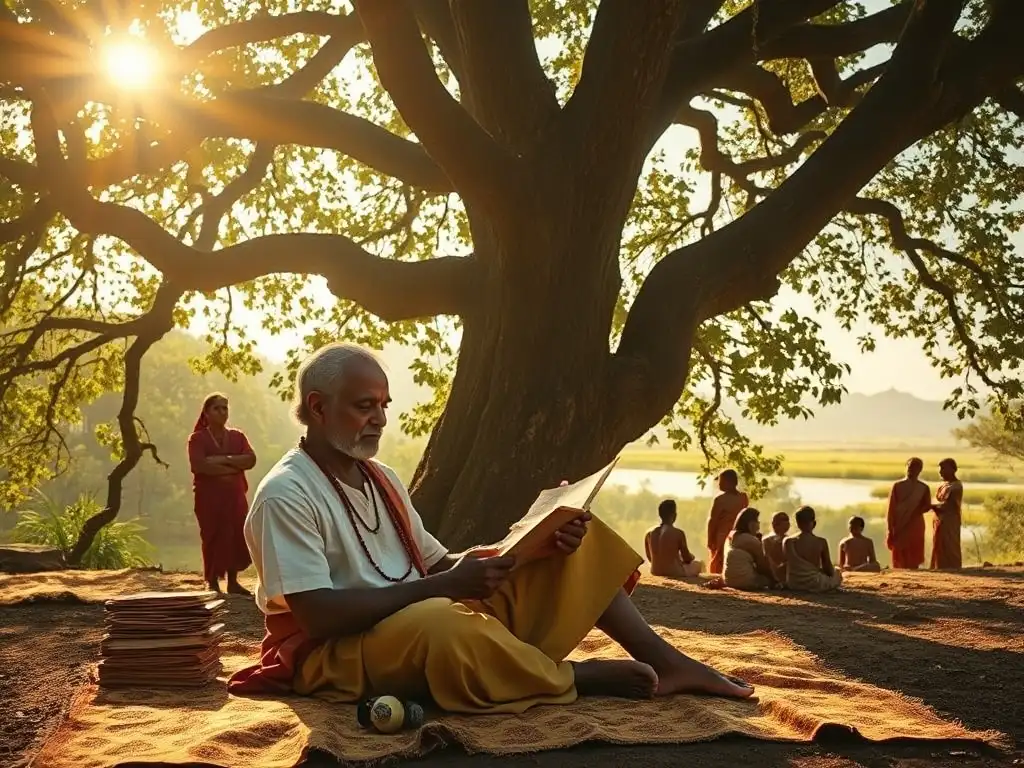
The preservation and rediscovery of Sangam literature is a fascinating journey that highlights the resilience of ancient texts against the ravages of time. Originally composed between 300 BCE and 300 CE, these works were predominantly transmitted orally before being inscribed in written form. The transition from oral to written tradition was critical, as it allowed for the safeguarding of Tamil culture, language, and thought.
The Sangam poems, rich in themes of love, valor, and the beauty of nature, faced the risk of being lost during periods of political upheaval and societal changes in South India. However, the advent of written scripts, such as the Tamil script, provided a medium through which these ancient texts could be documented, thus ensuring their survival. The rediscovery of these texts was not merely an academic pursuit; it became a cultural renaissance that connected modern Tamil-speaking communities with their historical roots.
Archaeological Discoveries Related to Sangam Literature
Archaeological discoveries have played a pivotal role in shedding light on the context and significance of Sangam literature. Excavations in the Tamil Nadu region, particularly in sites like Kanchipuram and Madurai, have unearthed inscriptions and artifacts that reference Sangam poets and their works. These findings have provided valuable insights into the socio-political landscape of the time, illustrating the cultural milieu that influenced the creation of these texts.
For instance, inscriptions on stone and copper plates have revealed the patronage of kings and chieftains who supported poets, indicating a robust literary culture. Additionally, the discovery of burial sites, adorned with objects mentioned in Sangam literature, has corroborated the descriptions found in the poems, further establishing their historical context and authenticity.
Efforts in the Modern Era to Preserve Sangam Texts
In recent years, there has been a concerted effort to preserve Sangam literature through various initiatives. Scholars and institutions have undertaken projects to digitize these ancient texts, making them accessible to a global audience. Digitization not only helps in preserving the original manuscripts but also facilitates research and study by providing easy access to scholars, students, and enthusiasts of Tamil literature.
Moreover, various cultural organizations have organized workshops and seminars to promote awareness about Sangam literature. These events aim to engage younger generations, fostering a sense of pride in Tamil heritage. By integrating Sangam themes into contemporary education and cultural practices, these efforts ensure that the legacy of Sangam literature continues to flourish.
The Role of Scholars in Reviving Sangam Literature
Scholars have been instrumental in the revival of Sangam literature, contributing through research, translations, and critical analyses. Notable figures in this domain have dedicated their lives to unraveling the intricacies of the texts, providing interpretations that resonate with both historical and modern audiences. Their work has not only facilitated a deeper understanding of the literary qualities of Sangam literature but has also highlighted its relevance in contemporary discourse.
Translators have bridged the gap between ancient Tamil and modern languages, allowing non-Tamil speakers to appreciate the beauty of Sangam poetry. Furthermore, academic institutions have introduced courses focusing on Sangam literature, ensuring that new generations are educated about this invaluable part of India's literary heritage.
Conclusion: The Legacy of Sangam Literature
Sangam literature stands as a testament to the rich cultural tapestry of ancient India, encapsulating the values, emotions, and experiences of its time. Its preservation and revival have not only contributed to the understanding of Tamil history but have also enriched the broader narrative of Indian literature.
Reflection on the Historical Significance of Sangam Literature
The historical significance of Sangam literature lies in its multifaceted portrayal of life in ancient Tamil Nadu. It reflects the socio-economic conditions, religious beliefs, and cultural practices of the period, providing a comprehensive view of early Indian civilization. The poems serve as a crucial primary source for historians and researchers, offering insights into the lives of people, their relationships, and their environment.
Furthermore, Sangam literature's emphasis on themes such as love, ethics, and valor resonates with universal human experiences, making it timeless. Its ability to transcend cultural and temporal boundaries reinforces its importance in the study of world literature.
The Enduring Influence of Sangam Literature on Contemporary Culture
The influence of Sangam literature continues to permeate contemporary Tamil culture, evident in various forms of artistic expression, including music, dance, and cinema. Many modern Tamil songs and films draw inspiration from the themes and styles found within Sangam poetry, showcasing its lasting impact on Tamil identity and creativity.
Cultural festivals often celebrate the legacy of Sangam literature, with recitals and performances that keep the ancient verses alive. This enduring influence underscores the significance of Sangam literature as a cornerstone of Tamil heritage, ensuring that its voice resonates in the modern world. Through these cultural manifestations, Sangam literature remains a vibrant and integral part of both historical study and contemporary life in Tamil Nadu.
Additional Resources for Further Reading
Exploring Sangam literature offers a profound insight into the cultural and historical fabric of ancient India. To further enrich your understanding, a variety of resources are available, including recommended texts and online archives that delve into the nuances of this remarkable literary tradition.
Recommended Texts on Sangam Literature and its Historical Context
-
"The Sangam Literature: A Study of the Tamil Anthologies" by A. K. Ramanujan
This essential work provides an in-depth analysis of the Sangam texts, exploring their themes, forms, and historical context. Ramanujan's translation and commentary illuminate the cultural significance of these works in ancient Tamil society.
-
"Sangam Literature: The Tamil Canon" by R. S. V. S. Rajan
This book offers a comprehensive overview of the Sangam period's literary corpus, examining the socio-political conditions that influenced its creation. Rajan's insights into the poetic styles and tropes used in Sangam literature are invaluable for understanding its historical importance.
-
"The Tamil Epic: A Study of the Mahabharata in Tamil" by P. K. Rajan
While focusing on the interplay between Tamil literature and the Mahabharata, this text provides context for the Sangam tradition within the larger Indian literary landscape. Rajan discusses how these epic narratives influenced Sangam poets.
-
"The History of Tamil Literature: From the Earliest Times to the Present Day" by K. M. Ramasamy
This comprehensive history traces the evolution of Tamil literature, placing Sangam literature within its broader timeline. Ramasamy's work is crucial for anyone interested in the development of literary forms in ancient India.
-
"Sangam Poetry: A New Translation" by K. A. Nilakanta Sastri
This translation captures the essence of the original Tamil verses, making them accessible to a wider audience. Sastri's notes provide context and commentary that highlight the literary and historical significance of the poems.
Online Resources and Archives for Sangam Literature Exploration
-
The Digital Library of India
This extensive library provides access to a range of texts related to Sangam literature, including original works and scholarly analyses. Users can explore digitized versions of classic texts and research papers.
-
Internet Archive
A treasure trove of resources, the Internet Archive hosts numerous books and articles on Sangam literature. This platform allows for free access to historical texts, translations, and commentaries that can enhance your research.
-
Tamil Virtual University
This online educational platform offers courses and resources dedicated to Tamil language and literature, including Sangam texts. The university's archives include lectures, essays, and translations that serve as excellent starting points for exploration.
-
Academia.edu
A hub for academic papers, this site features numerous research articles focusing on Sangam literature's historical significance. Scholars share their findings, providing an array of perspectives on the topic.
-
Indian Literature Archive
This archive specializes in preserving and promoting Indian literary heritage. It includes resources on Sangam literature, offering both primary texts and secondary analyses that are crucial for deeper understanding.
By exploring these resources, readers can gain a more comprehensive view of Sangam literature's historical significance, further enriching their appreciation for this pivotal period in ancient Indian literature.
- Introduction to Sangam Literature
- Overview of Sangam Literature and its Historical Significance
- The Role of Oral Tradition in Ancient Indian Culture
- The Historical Context of Sangam Literature
- Characteristics of Sangam Literature
- The Transition from Oral Tradition to Written Word
- The Historical Significance of Sangam Literature
- Notable Works and Poets of Sangam Literature
- Preservation and Rediscovery of Sangam Literature
- Conclusion: The Legacy of Sangam Literature
- Additional Resources for Further Reading
Frequently Asked Questions
What is Sangam literature?
Sangam literature refers to a collection of ancient Tamil texts composed during the Sangam period (approximately 300 BCE to 300 CE) in South India, highlighting the cultural, social, and political contexts of the time.
Why is Sangam literature historically significant?
Sangam literature is historically significant as it provides insight into the life, traditions, and values of ancient Tamil society, showcasing the rich cultural heritage of South India and its contributions to Indian literature.
What themes are prevalent in Sangam literature?
The themes prevalent in Sangam literature include love, valor, nature, and ethics, often depicted through poetic expressions that reflect the complexity of human emotions and the natural world.
How did Sangam literature evolve from oral tradition?
Sangam literature evolved from oral traditions where poets and bards recited stories and verses, eventually being compiled into written form, which allowed for preservation and dissemination of Tamil heritage.
What impact did Sangam literature have on later Indian literature?
Sangam literature laid the foundation for subsequent Tamil literature and influenced various literary traditions in India, establishing a standard for poetic expression and enriching the cultural tapestry of the region.
Final Reflection: The Enduring Legacy of Sangam Literature
Sangam literature serves as a vital bridge between the past and present, illuminating the rich tapestry of Tamil culture and history. In an age where digital communication often overshadows traditional storytelling, the historical significance of Sangam literature reminds us of the power of words to shape identities and foster connections. This ancient body of work not only preserves the voices of our ancestors but also challenges us to reflect on the narratives we create today.
Cultural heritage is not merely a relic of the past; it is a living, breathing entity that continues to influence our social landscape. The themes of love, valor, and nature found in Sangam poetry resonate deeply with contemporary issues, urging us to find meaning in our own experiences. As poet and scholar A.K. Ramanujan once said, A poem is a world, a universe, and a history.
This sentiment encapsulates how Sangam literature transcends time, inviting us to explore the complexities of human emotion and societal values that remain relevant in our modern lives.
As we reflect on the lessons embedded in Sangam literature, let us embrace the call to honor our traditions while forging new paths forward. I invite you to delve into your own stories and share them with the world, for every voice matters in the grand narrative of humanity. By understanding and appreciating the historical significance of Sangam literature, we can cultivate a deeper connection to our roots and inspire future generations to celebrate their own cultural legacies.
Uncover the Rich Tapestry of Sangam Literature Today!
Thank you for diving into the fascinating world of Sangam literature with us! We hope this exploration of its evolution has sparked your interest and highlighted the profound impact of oral traditions on written works.
Now, it's time to take the next step in your journey:
- Immerse yourself in the poetry! Find a Sangam poem online and read it aloud to experience its beauty and rhythm firsthand.
- Share your insights! Discuss what you've learned with fellow literature enthusiasts or on social media—your perspective could inspire others.
- Explore further! Dive deeper into the history of Tamil literature by joining local book clubs or online forums dedicated to ancient Indian texts.
What resonates most with you about the transition from oral to written traditions in Sangam literature? Let's ignite the conversation!