
The Role of Women in Promoting Artistic Syncretism in Ancient India

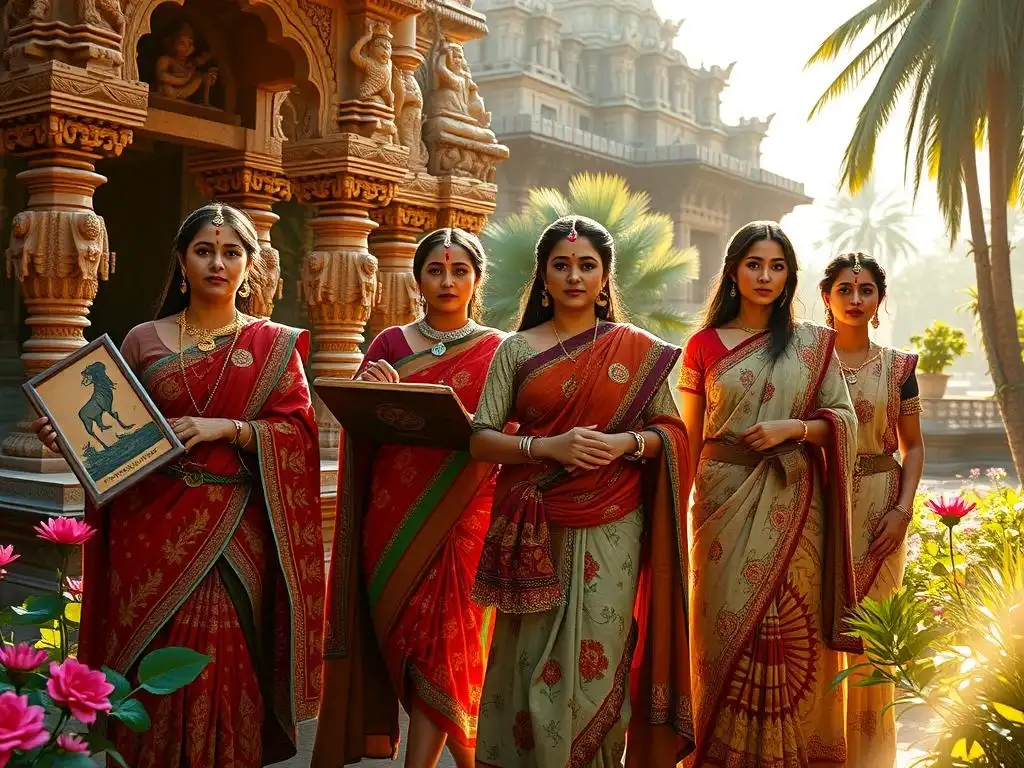
Welcome to Ancient India History, where we embark on a fascinating journey through the vibrant tapestry of ancient Indian civilizations. Here, we delve into the profound impact of women on artistic syncretism, uncovering how their roles shaped not only the art of their time but also the cultural exchanges that defined an era.
As you explore our featured article, “The Role of Women in Promoting Artistic Syncretism in Ancient India,” prepare to be captivated by stories of creativity, resilience, and influence that continue to resonate today. Join us as we unravel the intricate connections that enriched the artistic landscape of ancient India and discover the remarkable narratives waiting to be uncovered!
Introduction to Women in Ancient Indian Art
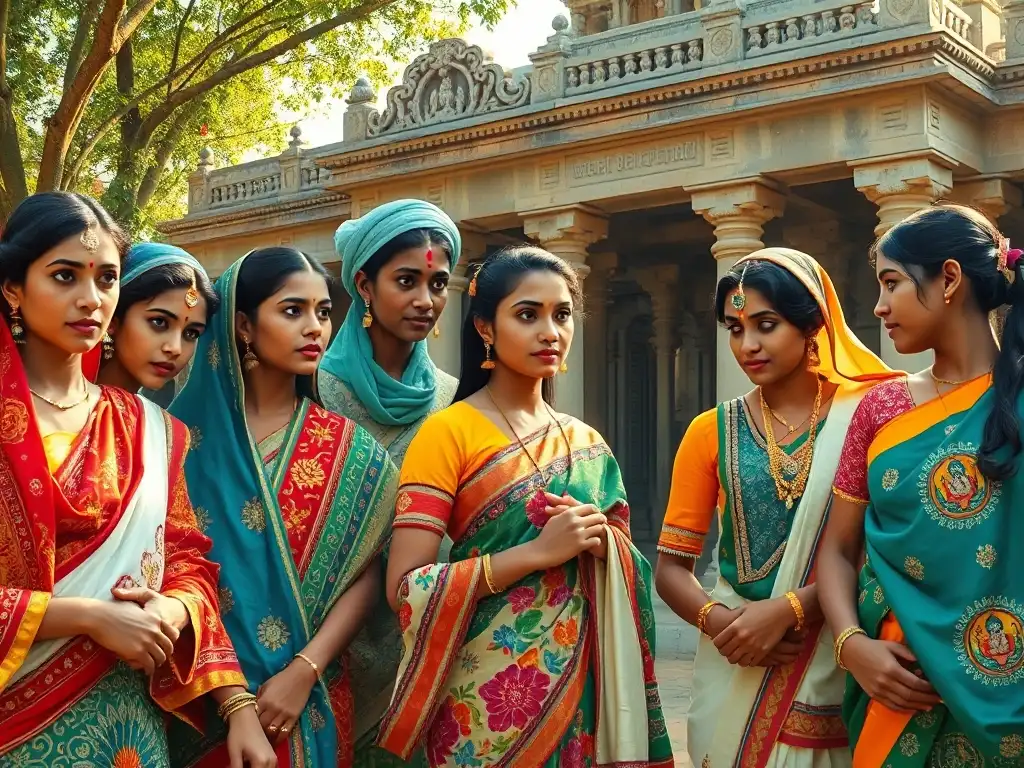
The exploration of artistic syncretism in ancient India reveals a tapestry woven with diverse cultural influences and expressions. Central to this rich narrative is the often-overlooked role of women, whose contributions to art and culture have shaped the evolution of artistic styles and practices throughout the ages.
From the intricate frescoes of the Ajanta Caves to the delicate sculptures adorning temples, women not only participated as creators but also influenced the themes, techniques, and motifs that characterized ancient Indian art. This article delves into the multifaceted roles women played in promoting artistic syncretism, highlighting their significance in the broader context of cultural exchanges within ancient Indian civilizations.
Overview of Artistic Syncretism in Ancient India
Artistic syncretism in ancient India refers to the blending and merging of various artistic traditions and styles, often resulting from cultural interactions across different regions and communities. This phenomenon can be traced back to the Indus Valley Civilization, where diverse cultural influences began to take root. Over the centuries, as various dynasties emerged, such as the Maurya, Gupta, and Chola, the intermingling of ideas from indigenous practices and foreign cultures—including those from Persia, Greece, and Central Asia—fostered a rich artistic milieu.
- Key Features of Artistic Syncretism:
- Integration of diverse artistic styles
- Fusion of religious and cultural themes
- Adaptation of techniques and materials
Women, as active participants and patrons in these artistic traditions, were instrumental in facilitating exchanges that led to this syncretism. Their roles extended beyond mere creation; they were vital in nurturing the cultural landscapes that allowed for artistic innovation and collaboration.
Importance of Women in Cultural Exchanges
The significance of women in cultural exchanges cannot be understated. Historically, they have acted as conduits for the transmission of ideas, beliefs, and artistic practices between different cultures. In ancient India, women not only contributed to the visual arts through their creativity but also engaged in the social and economic networks that enabled cultural dialogues.
- Roles of Women in Cultural Exchanges:
- Artists and artisans who created art reflecting syncretic themes
- Patrons who sponsored art projects and cultural initiatives
- Influencers and leaders in their communities who fostered artistic collaboration
Through these roles, women facilitated the cross-pollination of artistic ideas and styles, enriching the cultural fabric of ancient Indian society.
Historical Context of Women in Ancient Indian Art
To fully appreciate the role of women in ancient Indian art, it is essential to understand the historical context in which they operated. The societal structures, cultural norms, and artistic traditions of various periods played a significant role in shaping women's contributions to art.
Women Artists in Ancient Civilizations
Throughout ancient Indian history, women artists emerged in various capacities, often celebrated for their unique perspectives and skills. Evidence of women engaging in artistic endeavors can be found in inscriptions, literature, and archaeological findings. For instance, some ancient texts reference female sculptors and painters who contributed to temple architecture and frescoes.
- Notable Examples:
- Madhavi: A renowned painter in the Gupta period known for her exquisite frescoes.
- Vishakha: An artist mentioned in ancient texts who specialized in temple sculptures.
These examples illustrate that women were not merely passive participants; they were skilled artisans whose works contributed to the rich artistic legacy of their civilizations.
Societal Roles of Women in Ancient India
The societal roles assigned to women in ancient India varied significantly across different regions and periods. While some women enjoyed relative freedom and influence, others faced restrictions based on prevailing social norms. Nonetheless, their participation in artistic and cultural activities often transcended these limitations.
- Factors Influencing Women's Roles:
- Caste and class distinctions: Higher caste women often had more opportunities for artistic expression.
- Patronage systems: Women from affluent families could provide support for artistic endeavors.
- Cultural practices: Rituals and traditions often included women as key participants in artistic expressions.
Understanding these dynamics provides insight into how women navigated their societal roles to contribute meaningfully to the artistic landscape of ancient India.
Contributions of Women to Artistic Syncretism
Women played a pivotal role in the evolution of artistic syncretism in ancient India, influencing various facets of art and culture. Their contributions can be seen across multiple dimensions, including patronage, participation in rituals, and the creation of artworks that blended diverse cultural elements. Women not only served as creators but also as key figures in the transmission of ideas and techniques, fostering an environment where different artistic traditions could merge. This syncretism was crucial in shaping the rich tapestry of Indian art, reflecting a blend of indigenous and foreign influences that emerged through trade, conquests, and cultural exchanges.
Women as Patrons of the Arts
Women in ancient India often took on the role of patrons, supporting artists and craftsmen in their work. This patronage was not limited to the elite; women from various social strata engaged in artistic sponsorship, whether through funding, commissioning works, or providing the necessary resources for artistic endeavors. Royal women, in particular, wielded considerable influence, commissioning grand sculptures, temple carvings, and paintings that showcased their power and devotion. Their support was instrumental in the flourishing of different art forms, including sculpture, painting, and textiles, which often reflected their tastes and ideals.
For instance, the queens of the Gupta Empire were known for their contributions to temple architecture and sculpture, which often incorporated elements from both local traditions and those introduced through the influence of foreign cultures. This patronage helped create a unique artistic identity that celebrated the syncretic nature of Indian art.
Women in Religious and Ritualistic Art
The involvement of women in religious and ritualistic art is another significant aspect of their contributions to artistic syncretism. In ancient India, women participated actively in religious ceremonies and rituals, and their roles often translated into the creation of sacred art. They were instrumental in the production of devotional items, such as idols, ceremonial paintings, and textiles used in worship.
The artistic expressions found in temple murals and household shrines frequently depicted female deities and mythological figures, reflecting both reverence and the central role of women in the spiritual domain. Moreover, women's interpretations of religious narratives contributed to the rich iconography that characterized various art forms, blending local traditions with influences from other cultures. This syncretic approach not only enriched the visual language of religious art but also reinforced the cultural identity of communities across ancient India.
Influence of Women on Artistic Styles and Techniques
Women significantly influenced artistic styles and techniques through their direct involvement in the creation of art. As skilled artisans, many women were involved in textile production, pottery, and painting, often incorporating innovative techniques that drew from diverse cultural influences. The blending of styles can be seen in the intricate designs of textiles and the detailed workmanship in pottery, where elements from different regions and cultures were harmoniously integrated.
In addition, women's roles as educators and transmitters of knowledge in artistic practices played a crucial part in the continuity and evolution of artistic traditions. They shared techniques and styles with their daughters and apprentices, ensuring that the syncretic nature of art persisted through generations. This transfer of skills and ideas fostered a vibrant artistic community where innovation was encouraged, and traditional practices were continuously reinterpreted.
Notable Women in Ancient Indian Art
The contributions of women in ancient Indian art are exemplified by several notable figures whose influence transcended their time. These women not only participated in artistic creation but also shaped the cultural landscape through their unique perspectives and talents.
Case Study: Vishakha Dasi
One of the most prominent figures in ancient Indian art is Vishakha Dasi, a renowned courtesan and artist during the late medieval period. Vishakha Dasi was celebrated for her exceptional skills in dance, music, and painting, making her a pivotal figure in the artistic milieu of her time. Her performances were not merely entertainment but also served as a medium for cultural expression, showcasing themes of love, devotion, and spirituality.
As a patron of the arts herself, Vishakha Dasi commissioned numerous artworks and performances that blended traditional and contemporary styles, thereby promoting artistic syncretism. Her ability to navigate various cultural influences allowed her to create works that resonated with diverse audiences, bridging gaps between different social and artistic circles.
Impact of Vishakha Dasi on Artistic Syncretism
Vishakha Dasi's impact on artistic syncretism is evident in her innovative approach to blending different art forms. Her contributions to dance and music, particularly in the context of temple performances, helped in the development of classical Indian dance styles that incorporated elements from both local traditions and foreign influences.
Moreover, her interactions with various artists and performers facilitated the exchange of ideas, techniques, and styles, leading to a vibrant artistic environment characterized by diversity and creativity. This cross-pollination of artistic expressions not only enriched the cultural landscape of her time but also left a lasting legacy that influenced future generations of artists.
Other Influential Women in Artistic Practices
In addition to Vishakha Dasi, there were other influential women who shaped the landscape of ancient Indian art. Women like the royal queens of the Maurya and Gupta dynasties, who were patrons of art and architecture, contributed significantly to the development of temple art and sculpture. Their influence extended beyond mere patronage, as they often took an active role in the artistic processes, commissioning works that reflected their cultural values and aspirations.
Furthermore, women artisans, such as potters and textile workers, contributed to the rich diversity of artistic techniques and styles through their craftsmanship. Their works not only showcased their skills but also embodied the syncretic nature of art, reflecting a blend of regional influences and traditional practices.
The collective contributions of these women highlight their integral role in promoting artistic syncretism in ancient India, showcasing how their creativity, patronage, and participation shaped the artistic heritage of the subcontinent. Through their efforts, the art of ancient India flourished, creating a legacy that continues to inspire and influence contemporary artistic practices.
Thematic Exploration of Women's Influence on Art
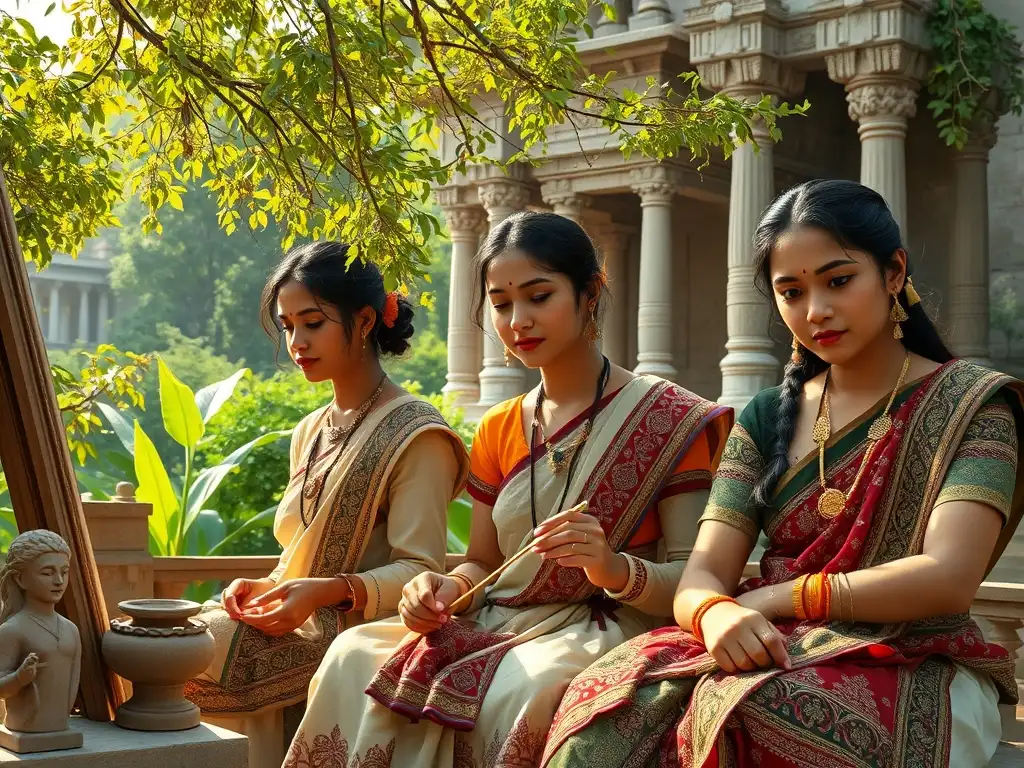
The influence of women on art in ancient India is multifaceted and deeply interwoven with the broader cultural and societal contexts of the time. Women played a crucial role not only as creators but also as patrons and muses, shaping the artistic landscape through their contributions. The thematic exploration of women's influence on art reveals a vibrant tapestry of creativity that reflects both individual expression and communal identity.
In many ancient Indian art forms, particularly in sculpture and painting, women were often depicted in roles that highlighted their significance in society, such as nurturing figures, goddesses, or embodiments of fertility. This representation served to elevate the status of women while simultaneously reinforcing societal norms regarding gender roles. Moreover, women's participation in rituals and religious practices often found expression in the visual arts, leading to a rich interconnection between artistic creation and spiritual significance.
One of the striking themes in ancient Indian art is the portrayal of women in dynamic, active roles, which challenges the traditional narratives of passivity associated with gender. Through depictions of women engaged in various activities, such as dance, music, and craft-making, artists conveyed a sense of agency and vibrancy. This thematic exploration not only underscores women's contributions to art but also reflects a broader cultural appreciation for the feminine divine and the essential role of women in the continuity of artistic traditions.
Gender Perspectives in Ancient Indian Art
Gender perspectives in ancient Indian art reveal a complex interplay of societal values, religious beliefs, and artistic expression. The portrayal of women in various forms of art—from temple sculptures to frescoes—offers insights into how gender roles were constructed and perceived in ancient Indian society.
Women were often depicted in roles that emphasized beauty, grace, and fertility, aligning with the cultural ideals of femininity. For instance, sculptures of goddesses like Durga and Lakshmi highlight attributes associated with strength and prosperity, often serving as symbols of empowerment. However, these portrayals also reflect the duality of women's roles, balancing power with domesticity.
Furthermore, the depiction of women in art provides a lens through which we can examine the broader socio-political dynamics of the time. Women were not merely subjects of art; they were also artists and active participants in cultural production. Historical accounts suggest that women contributed significantly to various artistic traditions, including textile weaving, pottery, and mural painting. Their work often went unrecognized in historical narratives, yet it was instrumental in shaping the artistic heritage of ancient India.
Symbolism and Representation of Women in Art
The symbolism and representation of women in ancient Indian art serve as a reflection of cultural values and societal norms. Women were frequently depicted in a manner that highlighted their connection to nature, fertility, and divinity. These representations often carried symbolic meanings, illustrating the reverence for feminine qualities within the spiritual and social spheres.
In temple sculptures, for instance, women are portrayed in various stages of life—youthful maidens, nurturing mothers, and wise elders—each embodying different virtues. This multifaceted representation signifies the holistic view of women's roles in society, emphasizing their importance in family and community structures.
Moreover, the use of color, posture, and adornments in artistic representations further enhances the symbolism associated with women. Bright colors and intricate jewelry often signify prosperity and beauty, while specific poses can convey grace and strength. The artistic choices made by ancient Indian artists not only highlight the aesthetic appeal but also encapsulate the cultural significance attributed to women.
Cross-Cultural Influences Mediated by Women
Women in ancient India acted as vital conduits for cross-cultural influences, facilitating artistic exchanges that enriched the country's diverse heritage. Their roles as traders, diplomats, and cultural ambassadors enabled them to engage with various civilizations, leading to a syncretism that is evident in the art of the period.
Through marriage alliances, women often bridged cultural divides, bringing together different artistic traditions and practices. For example, the integration of Persian motifs and styles in Indian art during the Mughal era can be partially attributed to the influence of royal women who interacted with both cultures. These exchanges resulted in the creation of hybrid art forms that reflected a blend of aesthetics and techniques.
Additionally, women were instrumental in the preservation and transmission of artistic knowledge. By passing down skills and techniques through generations, they ensured the continuity of artistic traditions while simultaneously adapting them to incorporate new influences. This dynamic process of cultural exchange underscores the significant role women played in shaping the artistic identity of ancient India.
Challenges Faced by Women Artists
Despite their contributions, women artists in ancient India faced a myriad of challenges that limited their visibility and recognition. The societal constraints imposed on women often dictated their roles within the art world, creating barriers to creative expression and professional recognition.
Societal Constraints and Limitations
Societal constraints and limitations significantly impacted the participation of women in the arts. Traditional gender roles often confined women to domestic spaces, restricting their ability to pursue artistic endeavors freely. The expectation to fulfill familial duties often took precedence over individual aspirations, leading to a lack of opportunities for women to engage in public artistic expression.
Furthermore, the patronage system in ancient India was predominantly male-dominated, making it challenging for women to secure commissions or recognition for their work. The absence of formal training institutions for women in the arts further exacerbated the situation, as many talented female artists remained unacknowledged.
Despite these challenges, some women managed to carve out spaces for themselves within the artistic community. The emergence of female artists in royal courts, for example, highlights how some women transcended societal limitations to achieve artistic prominence. However, such cases were exceptions rather than the norm, and most women artists remained largely invisible in historical records.
The Legacy of Women in Ancient Art
The legacy of women in ancient art is both profound and complex. Their contributions, though often overlooked, laid the groundwork for future generations of artists. The artistic expressions and styles that emerged during this period reflect the resilience and creativity of women in the face of societal challenges.
In recent years, there has been a growing recognition of women's roles in ancient Indian art, prompting a re-evaluation of historical narratives. Scholars and art historians are increasingly acknowledging the importance of women as both artists and patrons, contributing to a more nuanced understanding of artistic syncretism.
The legacy of women in ancient art serves as a reminder of the vital role they played in shaping cultural identity and artistic traditions. As contemporary artists and scholars continue to explore this rich history, the contributions of women are being celebrated, ensuring that their stories are woven into the fabric of India's artistic heritage. By recognizing and honoring these legacies, we can appreciate the depth and diversity of women’s influence on art in ancient India.
Conclusion
The role of women in promoting artistic syncretism in ancient India is profound and multifaceted, reflecting their crucial contributions to the cultural heritage of the region. Through various artistic expressions, from textile weaving to sculpture and painting, women not only influenced the aesthetic landscape but also facilitated the blending of diverse cultural elements across different eras. Their involvement in religious and social practices further enriched artistic traditions, leading to a unique synthesis of styles that defined ancient Indian art.
Summary of Women's Impact on Artistic Syncretism
Women in ancient India played a pivotal role in shaping artistic syncretism by acting as both creators and patrons of the arts. Their contributions can be highlighted through several key aspects:
- Artistic Creation: Women were often directly involved in the creation of art forms, especially in crafts such as pottery, textiles, and jewelry. Their intricate designs and techniques incorporated local motifs and influences from various cultures, showcasing an amalgamation of styles.
- Patronage: Many women from royal and affluent families served as patrons of the arts. Their support enabled artists to thrive, facilitating the blending of artistic traditions that might not have otherwise occurred. This patronage was vital in periods of cultural exchange, such as during the Mauryan and Gupta empires.
- Cultural Transmission: Women were crucial in transmitting cultural narratives and traditions through oral storytelling, dance, and music. These practices often merged elements from different communities, fostering a syncretic environment where diverse artistic expressions flourished.
- Religious Influence: As key participants in religious ceremonies, women contributed to the iconography and themes present in sacred art. Their roles in rituals often influenced the portrayal of deities and mythical narratives, blending various regional styles and beliefs.
Through these avenues, women left an indelible mark on the evolution of artistic syncretism in ancient India, ensuring that their contributions are recognized as essential to the broader narrative of Indian art history.
Reflection on the Importance of Recognizing Women in Ancient Indian Art
Recognizing the contributions of women in ancient Indian art is crucial for a comprehensive understanding of the region's artistic heritage. Historically, women's roles have often been marginalized, leading to an incomplete portrayal of the cultural and artistic landscape. Acknowledging their impact allows for a more nuanced appreciation of various art forms and the dynamics of cultural exchange.
- Revising Historical Narratives: By highlighting women's participation, historians and scholars can revise narratives that have traditionally emphasized male contributions. This shift not only honors the efforts of women but also enriches the discourse surrounding ancient Indian art.
- Inspiring Future Generations: Understanding the legacy of women in art can inspire contemporary artists and cultural practitioners. It underscores the importance of inclusivity in the arts and encourages future generations to explore diverse influences and collaborate across cultural boundaries.
- Cultural Identity and Preservation: Recognizing women's roles in artistic syncretism contributes to the preservation of cultural identity. It emphasizes the interconnectedness of communities and underscores the significance of collective contributions in shaping a rich artistic heritage.
The acknowledgment of women in ancient Indian art is not merely an academic exercise; it is a vital step toward appreciating the complexity of historical narratives and celebrating the richness of cultural diversity that defines ancient Indian civilization. Through their artistic endeavors, women helped create a vibrant tapestry of influences that resonate in the art forms we value today.
- Introduction to Women in Ancient Indian Art
- Historical Context of Women in Ancient Indian Art
- Contributions of Women to Artistic Syncretism
- Notable Women in Ancient Indian Art
- Thematic Exploration of Women's Influence on Art
- Challenges Faced by Women Artists
- Conclusion
- What was the role of women in ancient Indian art?
- How did women promote artistic syncretism in ancient India?
- What are some examples of women's contributions to artistic traditions?
- Were women recognized as artists in ancient Indian society?
- How does the study of women in ancient Indian art impact modern understanding?
Frequently Asked Questions
What was the role of women in ancient Indian art?
Women played a significant role in ancient Indian art by influencing artistic styles and contributing to the creation of various forms of art, including sculpture and painting.
How did women promote artistic syncretism in ancient India?
Women were pivotal in the exchange of ideas and techniques between different cultures, helping to blend various artistic traditions and create a unique artistic identity in ancient India.
What are some examples of women's contributions to artistic traditions?
Women contributed to temple architecture, performed in dance and drama, and were often depicted in sculptures, showcasing their influence on artistic narratives.
Were women recognized as artists in ancient Indian society?
Yes, women were recognized as artists and artisans, often celebrated for their creativity and skill, although their contributions may have been underrepresented in historical records.
How does the study of women in ancient Indian art impact modern understanding?
Studying women's roles in ancient Indian art enhances our understanding of gender dynamics, cultural interactions, and the evolution of artistic practices in historical contexts.
Final Reflection: The Enduring Legacy of Women in Ancient Indian Art
The exploration of women's roles in promoting artistic syncretism in ancient India is not just a historical inquiry; it is a testament to the profound impact these women had on the cultural tapestry of their time. Today, as we navigate a world increasingly defined by cultural exchange and collaboration, the contributions of women in ancient Indian art serve as a powerful reminder of the importance of inclusivity and diversity in creative expression. Their influence resonates through centuries, highlighting the need to recognize and celebrate the voices that have shaped our artistic heritage.
The legacy of women in ancient Indian art is woven into the very fabric of our cultural identity, influencing contemporary artistic practices and social narratives. Their ability to blend various artistic traditions and styles has paved the way for a more inclusive understanding of art that transcends boundaries. As we reflect on this influence, we are reminded of the words of art historian Dr. Vidya Dehejia: Art is not just a reflection of society; it is a powerful agent of change, and women have always been at the forefront of this transformation.
This observation underscores the vital role women have played in shaping not only art but also the cultural dialogues that define our societies.
As we conclude this exploration, I invite you to reflect on the lessons learned from the remarkable women of ancient India. Consider how their stories of resilience and creativity can inspire your own journey in the arts or any field you pursue. Embrace the spirit of syncretism they embodied, and seek to foster connections across cultures and disciplines in your own life. By honoring their legacy, we not only pay tribute to their contributions but also empower ourselves to become catalysts for change in our contemporary world.
Embrace the Legacy of Women in Art: Take Action Today!
Thank you for diving into the rich tapestry of ancient Indian history with us! By exploring the pivotal role women played in promoting artistic syncretism, you've uncovered invaluable insights into a remarkable past. Now, it’s time to harness this knowledge and take action.
- Join a local art class or workshop that celebrates traditional Indian art forms, allowing you to engage with and preserve this vibrant heritage.
- Share your insights! Write a blog post or social media update about how women have shaped art across various cultures, sparking meaningful conversations with friends and family.
- Explore further: Visit museums or galleries that showcase Indian art to deepen your understanding and appreciation of these significant contributions.
What aspect of women’s influence on art inspires you the most, and how will you honor that legacy in your own creative journey?