
The Science of Colors: Ancient Indian Art and Its Psychological Impact Today

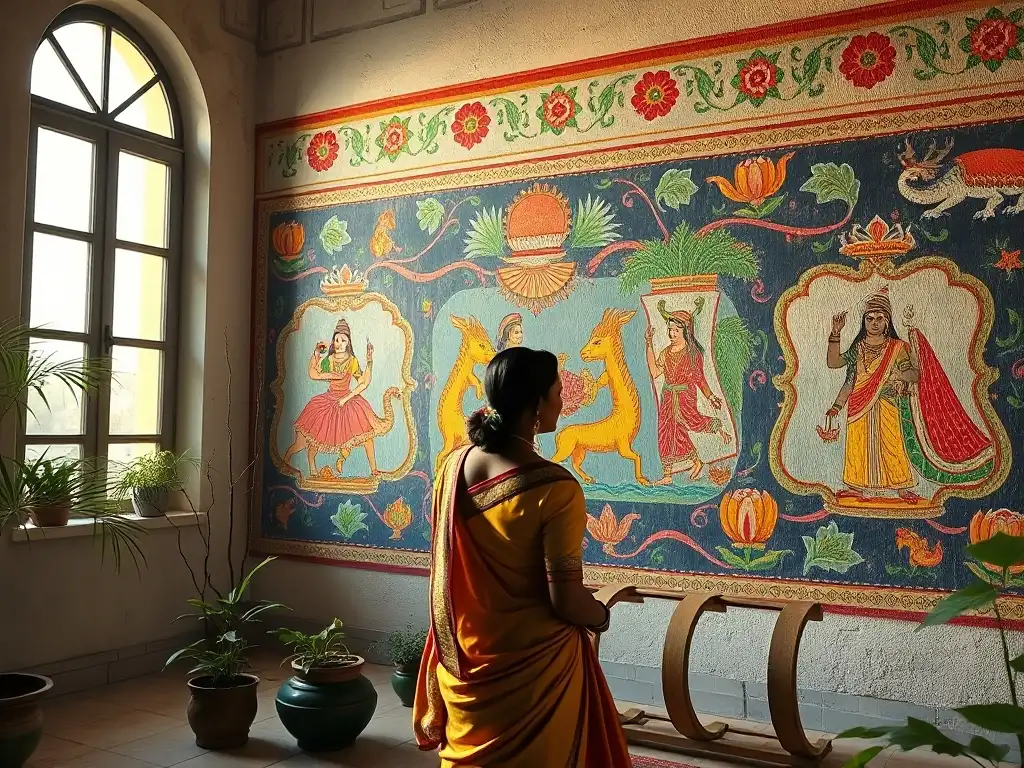
Welcome to Ancient India History, where we delve into the rich tapestry of ancient Indian civilizations that have shaped our world today. In our featured article, "The Science of Colors: Ancient Indian Art and Its Psychological Impact Today," we explore the psychological effects of ancient Indian art, revealing how the vibrant hues and intricate designs continue to influence our emotions and perceptions in the modern age.
Prepare to embark on a fascinating journey that uncovers the hidden connections between art, culture, and psychology—and discover how these ancient masterpieces still resonate with us today. Join us as we unravel the mysteries of a civilization that was far ahead of its time!
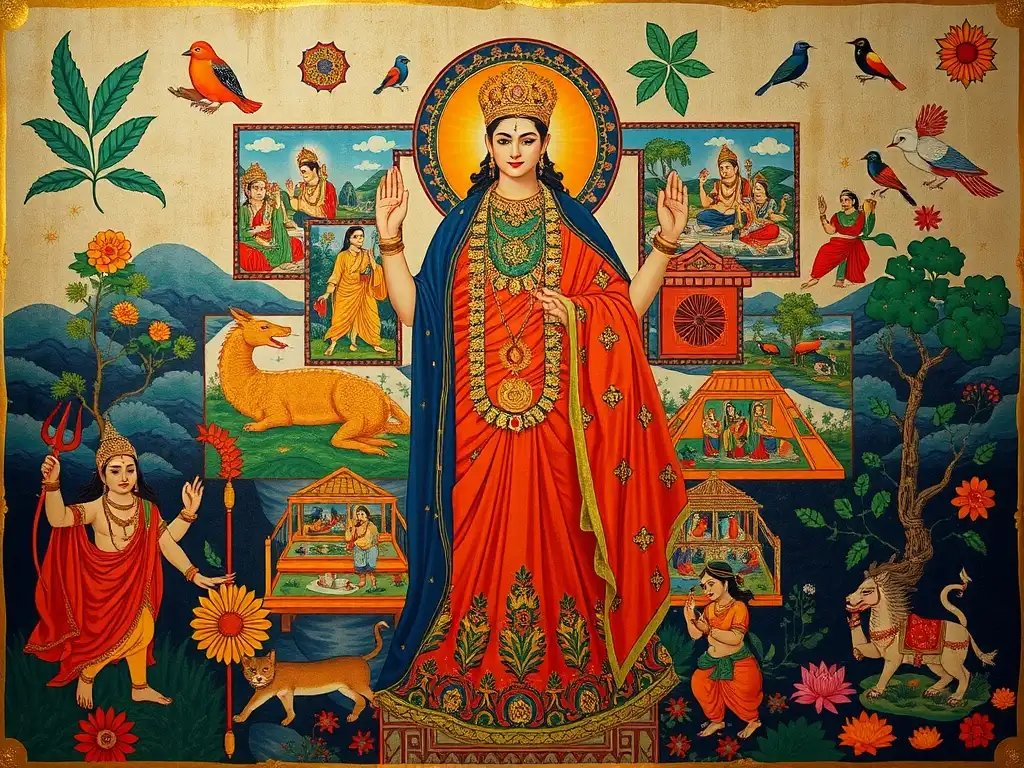
Exploring the intricate relationship between art and psychology unveils a fascinating narrative, especially when we delve into ancient Indian art. This rich tapestry of colors and forms, woven throughout centuries, not only reflects the aesthetic sensibilities of its time but also embodies profound psychological principles that resonate even today.
From the vibrant murals of the Ajanta Caves to the intricate designs of traditional textiles, ancient Indian art is a treasure trove of color, symbolism, and meaning. Understanding the psychological effects of ancient Indian art can illuminate how these artistic expressions influence human emotions, perceptions, and behaviors, providing insights that can be applied in contemporary settings.
As we embark on this journey through the colors and forms of ancient Indian art, we will uncover how these artistic legacies continue to inspire modern applications, enhancing our understanding of psychological well-being and emotional harmony. The exploration will reveal not just the aesthetic values but the underlying scientific principles that connect art, psychology, and culture.
Introduction to the Psychological Effects of Ancient Indian Art
The psychological effects of ancient Indian art are rooted in its ability to evoke emotions and provoke thought through its use of color, form, and symbolism. Colors in Indian art serve not merely as visual elements but as carriers of meaning that can influence the viewer's state of mind. For instance, vibrant reds and yellows often symbolize energy and joy, while blues and greens can evoke tranquility and peace.
- Symbolism of Colors:
- Red: Represents passion, vitality, and auspiciousness.
- Yellow: Associated with knowledge, learning, and happiness.
- Blue: Symbolizes calmness, depth, and the divine.
- Green: Reflects nature, fertility, and renewal.
The use of these colors is not arbitrary; it is deeply intertwined with the cultural and spiritual beliefs of ancient Indian society. This artistic intentionality can have a profound impact on the viewer's psychological state. Research suggests that exposure to certain colors can evoke specific emotions, thereby influencing mood and behavior, an area that has garnered interest in both art therapy and psychological studies.
Moreover, ancient Indian art often incorporates intricate patterns and forms that can engage the viewer's mind, fostering a sense of contemplation and introspection. This interaction may lead to increased mindfulness and a deeper appreciation for the beauty of life, which are critical components of psychological well-being.
In the following sections, we will explore specific examples of ancient Indian art, their historical contexts, and the modern psychological implications derived from their aesthetic and symbolic attributes. By understanding these connections, we can appreciate how ancient art continues to shape our emotional landscapes today.
- What are the primary themes explored in ancient Indian art?
- How did color theory influence ancient Indian art?
- What are the psychological effects of ancient Indian art on viewers?
- How does ancient Indian art relate to modern psychological studies?
- Why is the study of ancient Indian art important for understanding today's culture?
The Historical Context of Ancient Indian Art
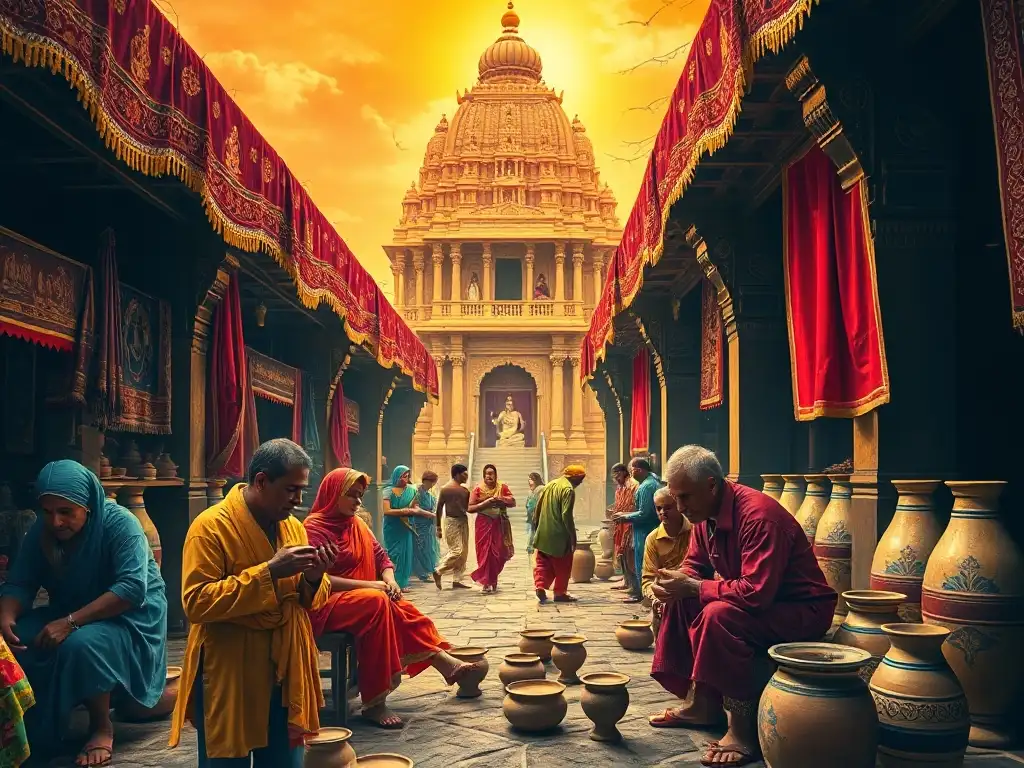
Ancient Indian art is deeply intertwined with the region's rich history, reflecting the evolution of societal values, religious beliefs, and cultural practices. From the early Harappan civilization to the flourishing of the Gupta Empire, art in India has served not only as a means of aesthetic expression but also as a vehicle for psychological and spiritual communication.
The historical context of ancient Indian art can be traced back to the Indus Valley Civilization (circa 2500-1500 BCE), where early forms of artistic expression emerged through intricate pottery, seals, and sculptures. This period laid the foundation for the subsequent artistic developments, influenced by various dynasties and cultural exchanges over centuries.
The Origins of Color in Ancient Indian Civilization
Color in ancient Indian art was not merely a decorative aspect; it held profound symbolic meanings and psychological implications. The origins of color usage can be seen in the vibrant murals of the Ajanta Caves and the intricate frescoes of the Rajput palaces. The application of color was often guided by the principles of Ayurveda, where each hue was believed to correspond to specific emotions and physical states.
-
Symbolic Meaning of Colors:
- Red: Often associated with passion, energy, and power. In Hinduism, it symbolizes the divine feminine energy (Shakti).
- Blue: Representing tranquility and the divine, particularly associated with deities like Krishna and Vishnu.
- Yellow: Symbolizing knowledge and learning, often linked to the goddess Saraswati.
-
Psychological Effects:
The strategic use of color in ancient Indian art has demonstrated a keen understanding of its psychological effects. For instance, warm colors like red and orange can evoke feelings of warmth and excitement, while cool colors such as blue and green promote calmness and introspection.
This understanding of color psychology continues to influence modern applications in art therapy, interior design, and branding, highlighting the timeless relevance of ancient Indian artistic principles.
Key Characteristics of Ancient Indian Art
Ancient Indian art is characterized by its diversity, depth, and the philosophical underpinnings that guide its creation. Several key characteristics define this rich artistic heritage:
- Religious Themes:
- Much of ancient Indian art was dedicated to religious themes, depicting gods, goddesses, and mythological narratives. Temples, sculptures, and manuscripts served as mediums for spiritual expression.
- Intricate Detail:
- The meticulous detail found in sculptures and frescoes showcases the high level of craftsmanship prevalent in ancient India. This attention to detail is evident in the carvings of Khajuraho and the exquisite bronze sculptures of Tamil Nadu.
- Use of Natural Materials:
- Artists utilized locally sourced materials, such as clay, stone, and minerals, to create vibrant pigments. This connection to nature not only enhanced the aesthetic quality of the artwork but also contributed to its psychological impact.
- Cultural Fusion:
- The movement of people, trade, and ideas led to a fusion of artistic styles and techniques. This synthesis is particularly evident in the Indo-Islamic art that emerged during the medieval period, blending Hindu motifs with Islamic artistic elements.
The psychological effects of ancient Indian art can still be felt today, as modern artists and psychologists draw inspiration from these age-old practices to explore the emotional and cognitive responses elicited by color and form. By understanding the historical context and key characteristics of this art form, we gain valuable insights into its enduring legacy and its continued relevance in contemporary society.
Psychological Effects of Ancient Indian Art on Modern Viewers
The Role of Color in Evoking Emotions
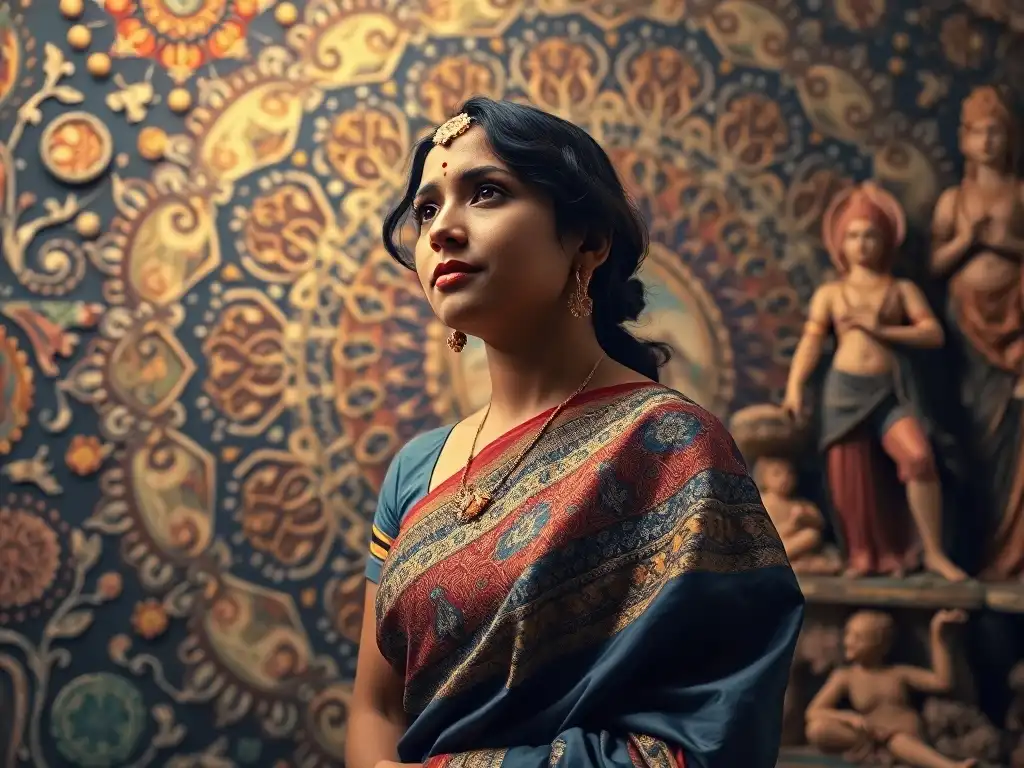
Color plays a crucial role in shaping human emotions and perceptions, and ancient Indian art is a prime example of this phenomenon. The use of color in this art form was not merely decorative; it was deeply intertwined with the spiritual and psychological beliefs of the time. Ancient Indian artists meticulously selected colors to convey specific emotions and to enhance the viewer's experience.
- Warm Colors: Reds, oranges, and yellows are often associated with warmth, energy, and passion. In many ancient Indian paintings, these colors are used to depict love and divinity. For instance, the vibrant reds in depictions of the love story of Radha and Krishna evoke feelings of passion and devotion.
- Cool Colors: Blues, greens, and purples tend to evoke calmness and tranquility. The use of blue in many Hindu deities, like Lord Krishna, symbolizes the infinite and the divine. This color choice can soothe viewers, creating a sense of peace and connection to the spiritual.
- Symbolic Meanings: Different colors also carry symbolic meanings. For example, white represents purity and truth, while black can signify the unknown or the cosmos. This layered meaning allows viewers to experience a complex emotional response as they engage with the artwork.
Research indicates that colors can affect mood, behavior, and even physiological responses. For example, studies have shown that exposure to certain colors can increase heart rates or influence feelings of anxiety and serenity. The psychological effects of ancient Indian art, therefore, can be profound, as the colors chosen by artists were designed to resonate with viewers on multiple levels.
Case Studies: Psychological Impact of Iconic Artworks
To understand the psychological effects of ancient Indian art, we can analyze several iconic artworks that have left a lasting impact on modern viewers. These case studies highlight how color and composition influence emotions and perceptions.
- Ajanta Caves Murals:
- Description: The murals of the Ajanta Caves, dating back to the 2nd century BCE, are renowned for their vivid use of color and intricate detail.
- Psychological Impact: The harmonious color palette, featuring deep reds and earthy browns, creates a warm and inviting atmosphere. Viewers often report feelings of serenity and introspection after observing these artworks, which were intended to inspire meditation and spiritual reflection.
- Madhubani Paintings:
- Description: Originating from the Mithila region of Bihar, Madhubani paintings utilize bold, vibrant colors to depict mythological themes and nature.
- Psychological Impact: The use of bright colors like pink and yellow stimulates joy and happiness. Modern viewers frequently express feelings of positivity and energy when engaging with these artworks, showcasing the effectiveness of color in influencing emotional states.
- Tanjore Paintings:
- Description: Known for their rich colors and gold leaf embellishments, Tanjore paintings depict Hindu deities and scenes from mythology.
- Psychological Impact: The opulence of gold and vibrant hues often evokes feelings of awe and reverence. Many viewers report a heightened sense of spirituality and connection to the divine, illustrating how color and material choices impact psychological responses.
Through these case studies, we see how the psychological effects of ancient Indian art can resonate with modern audiences, enhancing their experience and connection to the cultural heritage. The thoughtful use of color continues to evoke powerful emotions, bridging the gap between the past and the present.
Modern Applications of Ancient Indian Art Principles
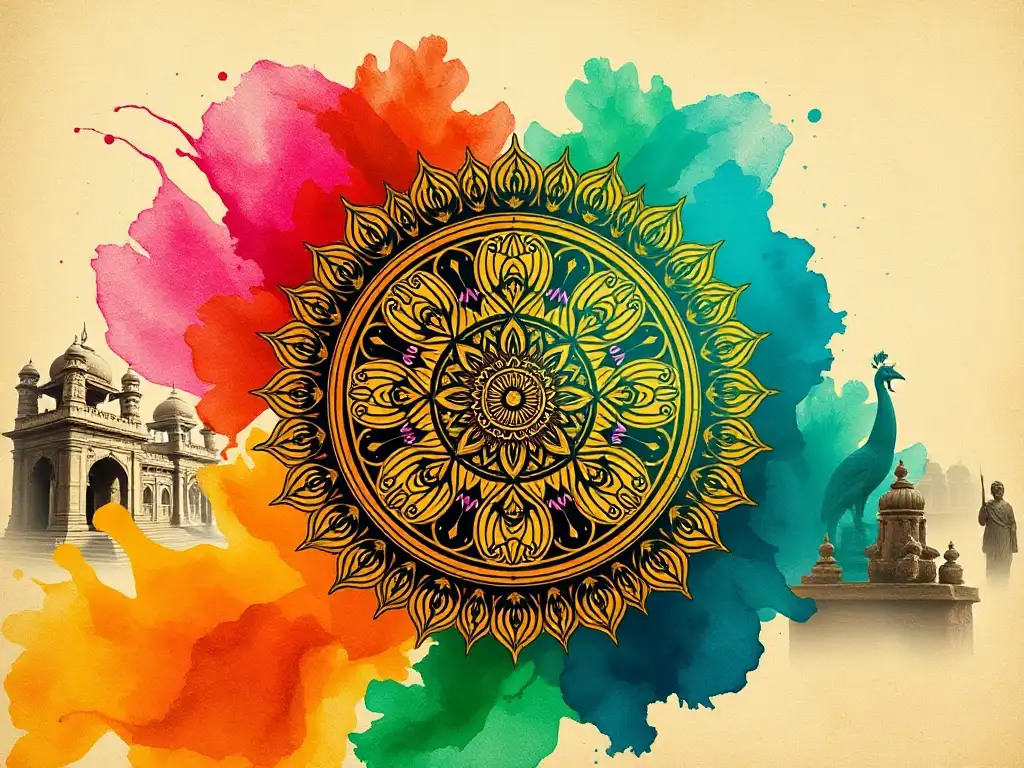
Integrating Ancient Color Psychology into Contemporary Design
The psychological effects of ancient Indian art are deeply rooted in the vibrant use of colors, which were not merely aesthetic choices but held profound meanings and emotional significance. Colors in ancient Indian art were meticulously chosen based on their psychological impacts, influencing feelings, moods, and thoughts.
- Symbolic Color Associations:
- Red: Signifies passion, energy, and auspiciousness. Often used in religious paintings and festivals, it evokes a sense of vitality.
- Blue: Represents calmness and divinity. In Hindu art, deities like Krishna are depicted in blue, conveying serenity and depth.
- Yellow: Associated with knowledge and learning, yellow is prevalent in artworks depicting wisdom and enlightenment, often used in educational contexts.
- Green: Symbolizes nature and fertility, promoting a sense of peace and growth. It is frequently used in landscapes and depictions of rural life.
By integrating these ancient color principles into contemporary design, artists and designers can create spaces and products that resonate emotionally with users. For instance, modern interior designers might utilize blue tones in meditation spaces to foster tranquility, drawing from the historical significance of color in Indian art.
Therapeutic Uses of Ancient Indian Art Techniques
Ancient Indian art techniques, with their rich symbolism and psychological grounding, offer valuable insights for therapeutic practices today. The psychological effects of ancient Indian art can be harnessed in various ways:
- Art Therapy:
- Incorporating ancient motifs and color schemes in art therapy sessions can help individuals express emotions and process trauma. The use of traditional patterns, such as Madhubani or Warli, can evoke cultural identity and promote healing.
- Color Choices: Therapist-guided sessions that emphasize specific colors from ancient Indian art can be tailored to elicit desired emotional responses. For example, using red hues may stimulate energy, while soft greens can calm anxiety.
- Mindfulness and Meditation:
- Ancient paintings often embody serene landscapes and spiritual themes, making them ideal for mindfulness practices. Observing such art can enhance focus and promote relaxation.
- Practitioners can create environments that reflect the principles of ancient Indian art, using color and design to enhance meditative experiences.
- Cultural Reconnection:
- Engaging with ancient art forms can foster a sense of belonging and identity, especially in multicultural settings. This connection can be therapeutic, allowing individuals to explore their heritage and its impact on their mental well-being.
By integrating these ancient art techniques into modern therapeutic practices, we not only preserve the rich cultural heritage of ancient India but also unlock their potential to positively influence mental health and emotional well-being today.
Conclusion: Reviving the Psychological Effects of Ancient Indian Art Today
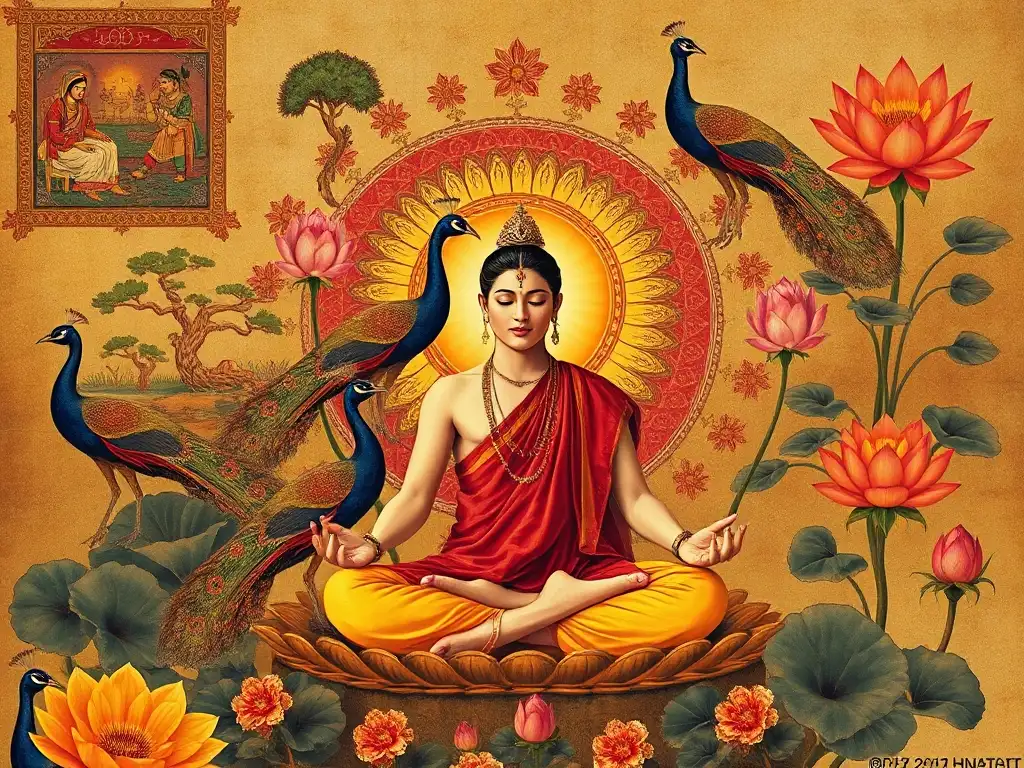
The psychological effects of ancient Indian art are profound and multifaceted, offering a rich tapestry of emotional and cognitive responses that resonate even in contemporary society. As we delve into the depths of this artistic heritage, it becomes evident that the colors, patterns, and motifs employed by ancient Indian artists were not merely decorative but were infused with deeper meanings and psychological significance.
The artistry of ancient India, whether it be the intricate frescoes of Ajanta caves or the vibrant textiles of the Indus Valley, is a testament to the understanding of human perception and emotion. The use of color in these works was deliberate; each hue was chosen for its ability to evoke specific feelings and states of mind.
For instance, the color red, often associated with auspiciousness and vitality, can stimulate the senses, while blue evokes tranquility and introspection. This understanding can be harnessed today in various fields such as therapy, design, and wellness, illustrating the enduring legacy of these ancient practices.
The Continued Relevance of Ancient Indian Art in Modern Society
The psychological effects of ancient Indian art continue to be relevant in various sectors today, including education, mental health, and environmental design.
- Education: Incorporating elements of ancient Indian art in educational settings can enhance learning environments. For example, classrooms adorned with vibrant murals can stimulate creativity and engagement among students, fostering a more conducive atmosphere for learning.
- Mental Health: Art therapy, which draws on the principles of ancient Indian aesthetics, has gained recognition for its effectiveness in treating psychological issues. The calming effects of colors used in ancient artworks can be utilized in therapeutic settings, promoting relaxation and emotional healing.
- Environmental Design: Urban planning and architectural design can also benefit from the psychological insights gleaned from ancient Indian art. Integrating color schemes and designs that reflect traditional Indian aesthetics can create spaces that enhance well-being and community bonding.
The relevance of ancient Indian art in modern society underscores a broader appreciation for cultural heritage and its potential applications in enhancing mental and emotional health.
Call to Action: Engage with Ancient Indian Art
To truly appreciate and harness the psychological effects of ancient Indian art, individuals and communities alike are encouraged to engage with this rich cultural heritage. Here are some actionable steps:
- Explore Local Exhibitions: Visit museums or galleries that showcase ancient Indian art. Immerse yourself in the colors and stories that these artworks convey.
- Participate in Workshops: Join art workshops focusing on ancient Indian techniques, such as Madhubani or Warli painting. These hands-on experiences can deepen your understanding of the psychological impact of colors and forms.
- Incorporate Art in Daily Life: Decorate your living space with replicas or inspired pieces of ancient Indian art. Choose colors and designs that resonate with you personally, allowing the psychological benefits of these artworks to influence your environment.
- Advocate for Art in Education: Encourage educational institutions to incorporate ancient Indian art into their curricula, highlighting its relevance and benefits for students' mental and emotional well-being.
By taking these steps, we can revive the psychological effects of ancient Indian art and integrate its wisdom into our modern lives, fostering a greater appreciation for our cultural heritage while enhancing our emotional and psychological landscapes.
Frequently Asked Questions
What are the primary themes explored in ancient Indian art?
Ancient Indian art encompasses a variety of themes, including religious symbolism, mythology, and daily life, reflecting the rich cultural heritage of the time.
How did color theory influence ancient Indian art?
Color theory in ancient India was deeply tied to spiritual meaning and emotional expression, with specific colors representing different emotions and elements of life.
What are the psychological effects of ancient Indian art on viewers?
The psychological effects of ancient Indian art can evoke feelings of tranquility, awe, and spiritual connection, influencing the viewer's mood and perception.
How does ancient Indian art relate to modern psychological studies?
Modern studies often explore how ancient techniques and color use can impact mental health, drawing connections between historical practices and contemporary therapeutic methods.
Why is the study of ancient Indian art important for understanding today's culture?
Studying ancient Indian art helps us appreciate the cultural foundations of modern society, revealing enduring influences on contemporary artistic expression and psychological well-being.
Final Reflection: The Enduring Power of Color in Ancient Indian Art
The psychological effects of ancient Indian art resonate profoundly in today's world, reminding us of the intricate relationship between color and emotion. As we navigate a society increasingly influenced by visual stimuli, the vibrant hues and symbolic meanings embedded in ancient Indian art serve as a powerful reminder of how colors can shape our perceptions and feelings. The art of the past is not merely a relic; it is a living testament to the profound impact that color can have on our psyche.
The influence of ancient Indian art extends beyond aesthetics; it plays a crucial role in our cultural and social landscape. The colors used in these artworks are not just visually appealing; they evoke feelings of peace, joy, and introspection, fostering a deeper connection to our heritage. As we immerse ourselves in these artistic expressions, we find that they continue to inspire contemporary artists and mental health practitioners alike. Colors, like features, follow the changes of the emotions.
– Pablo Picasso. This quote encapsulates the essence of how color influences our emotional state, a principle that ancient Indian artists understood intuitively.
As you reflect on the themes explored in this article, consider how the lessons from ancient Indian art can be applied in your own life. Embrace the colors around you; let them guide your emotions and enhance your well-being. Whether it's through art, fashion, or your living space, consciously incorporating the psychological effects of color can lead to a more vibrant and fulfilling existence. Take a moment to explore how the hues that surround you affect your mood and creativity, and allow the wisdom of the past to illuminate your present and future.
Unleash the Power of Color!
Thank you for diving into the vibrant world of ancient Indian art and its psychological significance. You've uncovered how colors not only adorn masterpieces but also influence our emotions and thoughts. Now, let's take that knowledge to the next level and make the colors of our lives even more impactful!
Here are some actionable steps you can take today:
- Experiment with Color: Incorporate shades inspired by ancient Indian art into your home décor or creative projects. Play with different hues and observe how they transform your space or ignite your creativity.
- Engage in Rhythmic Practice: Participate in meditation or yoga sessions that focus on visualizing colors. Imagine the shades that resonate with you and explore their personal significance.
- Share and Discuss: Connect with others who appreciate the psychological effects of color. Start conversations on social media or in community forums about how colors influence our well-being.
Which color evokes the strongest emotions in you, and how can you integrate it more meaningfully into your daily life?