
The Indus Valley Civilization: The Birthplace of Urban Technology and Innovation

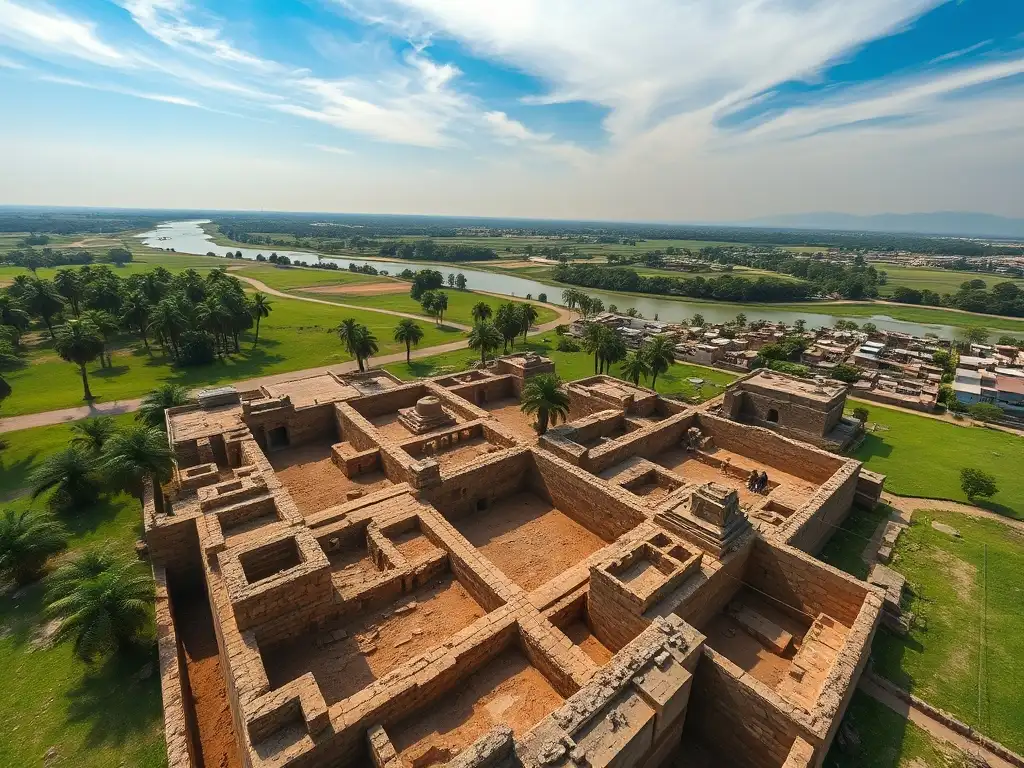
Welcome to Ancient India History, where we embark on a fascinating journey through time to uncover the rich tapestry of ancient Indian civilizations. Have you ever wondered how the Indus Valley Civilization became a beacon of urban technology and innovation? In our featured article, we delve into the groundbreaking advancements that emerged from this remarkable era, revealing the ingenuity and sophistication of one of history's earliest urban societies.
Prepare to be captivated as we explore their exceptional contributions and what they mean for us today. Your adventure into the past starts here—read on to discover the secrets of the Indus Valley!
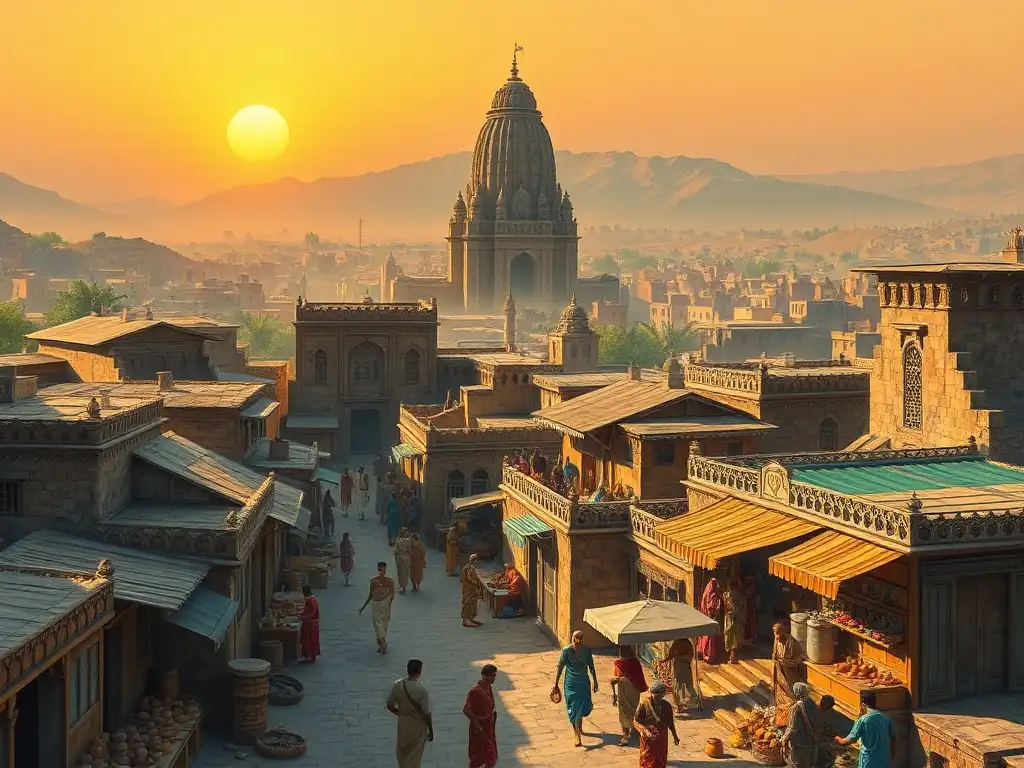
The Indus Valley Civilization (IVC), flourishing around 2500 BCE in what is now modern-day Pakistan and northwest India, stands as a remarkable testament to the ingenuity of early human societies. Often overshadowed by contemporaries like Egypt and Mesopotamia, the IVC is distinguished not only by its sophisticated urban planning but also by its groundbreaking technological advancements. This ancient civilization introduced a multitude of innovations that laid the foundation for urban technology, influencing generations that followed.
From its meticulously designed cities, such as Harappa and Mohenjo-Daro, to its advanced agricultural practices and trade networks, the IVC exemplified a level of complexity that was unparalleled in its time. The legacy of the Indus Valley's urban technology history is a rich tapestry woven from the threads of engineering, craftsmanship, and societal organization, which continues to inspire modern scholars and enthusiasts alike. In this article, we will explore the pivotal contributions of the Indus Valley Civilization, focusing on their urban technology and innovations that marked a significant milestone in human progress.
Introduction to the Indus Valley Civilization
The Indus Valley Civilization emerged as one of the world's earliest urban cultures, thriving in the fertile plains of the Indus River. Covering an area of approximately 1.25 million square kilometers, it was home to millions and featured some of the largest cities of the ancient world. The civilization is characterized by its well-planned cities, advanced drainage systems, and standardized weights and measures, indicating a highly organized society.
Key Features of the Indus Valley Civilization:
- Urban Planning: Grid-like street layouts and fortified citadels.
- Architecture: Use of baked bricks and sophisticated drainage systems.
- Trade and Economy: Extensive trade networks, both internal and external.
- Writing System: A yet undeciphered script that suggests a complex system of communication.
The IVC's society was likely governed by a centralized authority, which facilitated the coordination of large-scale projects, such as the construction of public baths and granaries that catered to the needs of the urban population.
Overview of Indus Valley Urban Technology History
The urban technology history of the Indus Valley Civilization is marked by several groundbreaking innovations that significantly influenced urban living. Unlike other ancient civilizations, the IVC displayed an unparalleled understanding of urban infrastructure and resource management.
Notable Technological Innovations:
- Water Management Systems:
- Drainage: Advanced drainage systems that directed wastewater away from living quarters.
- Wells: Public wells and reservoirs that ensured a reliable water supply.
- Urban Planning:
- Grid Layout: Cities were built on a grid pattern, promoting organized movement and efficient land use.
- Zoning: Areas designated for residential, commercial, and industrial purposes.
- Standardization:
- Weights and Measures: The use of standardized tools for trade, which facilitated commerce and economic stability.
- Craftsmanship:
- Pottery and Textiles: The production of high-quality pottery and textiles, showcasing advanced techniques and aesthetic sensibilities.
The Indus Valley Civilization's contributions to urban technology not only reflect their advanced engineering capabilities but also their understanding of community needs and environmental sustainability. The innovations of the IVC have left a lasting legacy, influencing subsequent civilizations and shaping the course of urban development in the Indian subcontinent and beyond. Through this exploration, we will uncover the intricacies of their urban technology history and its significance in the broader context of ancient Indian civilizations.
The Significance of Urban Planning in the Indus Valley
The Indus Valley Civilization (IVC), which flourished between approximately 3300 BCE and 1300 BCE, is often hailed as one of the earliest examples of urban planning in human history. This civilization, primarily located in present-day Pakistan and northwest India, exhibited remarkable advancements in city design that reflect sophisticated organizational capabilities. The significance of urban planning in the Indus Valley lies in its influence on future urban development and its role in facilitating trade, governance, and community life.
Urban planning in the Indus Valley was characterized by a systematic approach to layout and organization. The cities were meticulously designed with a grid pattern, optimizing space and functionality. This approach not only enhanced the aesthetic appeal of the cities but also improved traffic flow and accessibility. The presence of well-defined residential, commercial, and industrial zones indicates a high level of social organization and economic specialization, laying the groundwork for future urban civilizations.
Moreover, the urban planning of the Indus Valley facilitated advanced drainage and sanitation systems, which were crucial for public health and hygiene. The cities were equipped with sophisticated water management systems, including wells and reservoirs, showcasing the civilization's understanding of water resource management. This planning reflects a communal approach to living, where the needs of the population were prioritized, ensuring that urban environments were sustainable and conducive to growth.
Grid Patterns and City Layout
One of the most striking features of the Indus Valley cities is their grid pattern and precise layout. Archaeological studies reveal that cities like Harappa and Mohenjo-Daro were constructed with streets laid out in a highly organized grid system. The streets typically ran north-south and east-west, forming a rectangular layout that allowed for efficient movement and organization of urban spaces.
This grid system was not only aesthetically pleasing but also functional. The uniformity in street width and alignment facilitated trade and communication among the inhabitants. It is estimated that the width of the main streets was around 9 meters, allowing for easy passage of carts and pedestrians. Additionally, the placement of buildings and public facilities was strategically planned to enhance accessibility.
The layout of the cities also reflected an understanding of topography and environmental conditions. Elevation and drainage considerations were integral in the planning process, ensuring that water runoff would not compromise the integrity of the settlements. This foresight in urban design signifies the advanced engineering capabilities of the Indus Valley people, setting a precedent for urban planning in subsequent civilizations.
Advanced Drainage and Sanitation Systems
The Indus Valley Civilization is particularly renowned for its advanced drainage and sanitation systems, which were unparalleled in the ancient world. The cities featured an intricate network of drains that connected individual homes to larger wastewater channels. These drains were constructed with baked bricks, demonstrating both durability and a sophisticated understanding of hygiene.
Homes in the Indus Valley often had private bathrooms, complete with flush toilets that drained into the public sewer system. This level of sanitation indicates a high priority placed on public health, as the residents recognized the importance of maintaining cleanliness to prevent disease. The sewage systems were designed to ensure that wastewater was efficiently removed from living areas, reflecting an advanced knowledge of urban sanitation.
Additionally, the drainage systems were built with gradients to facilitate the flow of water, preventing blockages and ensuring effective waste management. The integration of drainage systems into the urban landscape illustrates the civilization's commitment to public welfare and urban sustainability, marking a significant achievement in the history of urban technology.
Architectural Innovations of the Indus Valley
The architectural innovations of the Indus Valley Civilization represent a remarkable blend of functionality and artistry. The construction techniques and materials used in building structures demonstrate an advanced understanding of engineering principles and craftsmanship. The notable structures, particularly in cities like Harappa and Mohenjo-Daro, reflect the civilization's ability to create enduring monuments that served various societal purposes.
Construction Techniques and Materials
Indus Valley architects employed advanced construction techniques that included the use of standardized baked bricks, which were uniform in size and shape. This standardization facilitated the efficient assembly of structures and contributed to the durability of buildings. The bricks were often made from a mixture of clay and mud, which were then fired at high temperatures to achieve hardness and resistance to weathering.
The use of mud and clay for walls was complemented by the incorporation of wooden beams, which provided additional structural support. Roofs were typically flat, allowing for the efficient use of space and providing areas for communal activities. This architectural style not only met the immediate needs of the population but also showcased aesthetic appeal through the careful design of building facades.
Moreover, the architectural innovations of the Indus Valley included the development of multi-story buildings, which maximized land use in densely populated urban areas. The design of these structures reflects an understanding of spatial organization and the social dynamics of urban life, indicating that the inhabitants were not only focused on utility but also on creating livable environments.
Notable Structures: Harappa and Mohenjo-Daro
Harappa and Mohenjo-Daro stand out as two of the most significant archaeological sites of the Indus Valley Civilization, showcasing the pinnacle of urban architectural achievements. Harappa, known for its large granaries and fortified walls, exemplifies the civilization's agricultural prowess and defense strategies. The granaries, believed to be used for storing surplus grain, indicate a well-organized economy and a sophisticated approach to food security.
Mohenjo-Daro, on the other hand, is renowned for its remarkable urban features, including the Great Bath—an impressive public water tank that may have served ritualistic or communal purposes. The Great Bath's sophisticated waterproofing techniques and intricate drainage systems highlight the civilization's engineering capabilities. Additionally, the presence of the Citadel, a raised area that likely housed important administrative and ceremonial structures, underscores the social hierarchy and governance within the city.
Both Harappa and Mohenjo-Daro exhibit a level of architectural sophistication that influenced later civilizations. The meticulous planning and innovative designs of these cities not only served the practical needs of their inhabitants but also left a legacy of urban technology that continues to inspire modern urban planning and architectural practices.
Water Management Systems: A Technological Marvel
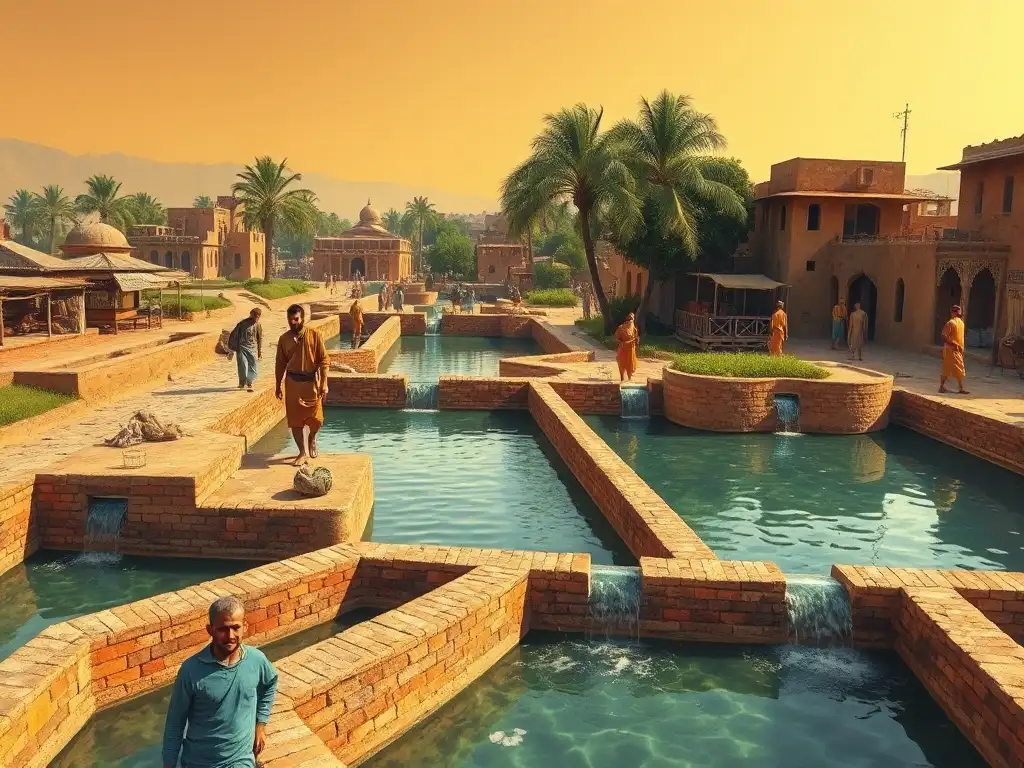
The Indus Valley Civilization (IVC), which flourished around 2500 BCE, is renowned for its advanced urban planning and innovative technologies. Among its most impressive achievements were the sophisticated water management systems that underscore the civilization's understanding of hydraulics. The inhabitants constructed extensive networks of drainage, wells, and reservoirs, showcasing remarkable engineering skills that ensured a steady supply of water for domestic and agricultural use. This focus on water management not only underscores the adaptability of the IVC to its environment but also highlights its role as a precursor to modern urban technology.
Wells and Water Reservoirs
Wells and reservoirs were fundamental components of the IVC's water management system. Archaeological findings reveal a plethora of wells, often constructed with brick and stone, providing residents with access to clean water. Each well was meticulously designed, featuring a circular or square shape to optimize functionality.
- Reservoirs: Large reservoirs, such as the one found in Dholavira, were strategically built to collect rainwater and store it for dry periods. These structures could hold significant volumes of water, ensuring a reliable supply for the population.
- Maintenance: The maintenance of these wells and reservoirs reflects the organizational skills of the society. Regular cleaning and management ensured the sustainability of this vital resource.
The comprehensive system of wells and reservoirs not only catered to daily needs but also served as a backbone for agricultural and economic activities in the Indus Valley.
Irrigation Techniques and Agriculture
The agricultural success of the Indus Valley Civilization was largely due to its innovative irrigation techniques. The region's semi-arid climate necessitated effective management of water resources to support farming.
- Canal Systems: The IVC developed extensive canal systems that diverted water from rivers to agricultural fields. These canals were often lined with bricks, indicating advanced engineering techniques.
- Flood Management: The civilization also implemented flood control measures, which included the construction of embankments and levees. This foresight helped protect crops from seasonal flooding, ensuring food security.
The result of these sophisticated irrigation techniques was a thriving agricultural economy that supported a large population and facilitated trade with neighboring regions. The adoption of crop rotation and the cultivation of various grains, such as wheat and barley, further exemplified their agricultural prowess.
Indus Valley Trade and Economic Structure
The economic framework of the Indus Valley Civilization was intricately tied to its trade practices, which were characterized by a complex network of exchanges both locally and with distant regions. This economic structure was pivotal in fostering urban growth and technological advancement.
Trade Routes and Economic Exchanges
The IVC's trade routes were extensive and well-planned, connecting various cities and regions. The civilization engaged in trade with areas such as Mesopotamia, Egypt, and Persia, showcasing its prominence in ancient commerce.
- Land and Maritime Routes: The civilization utilized both land and maritime routes for trade. The Indus River served as a major artery for transportation, while coastal trade routes facilitated maritime exchanges.
- Goods Traded: A variety of goods were exchanged, including cotton textiles, pottery, semi-precious stones, and metalwork. The standardization of weights and measures, as evidenced by the discovery of uniform weights, indicates a sophisticated approach to trade.
These exchanges not only promoted economic prosperity but also facilitated cultural interactions, leading to a rich tapestry of shared ideas and technologies.
Technological Contributions to Commerce
The Indus Valley Civilization made significant technological contributions that enhanced its commercial activities. Innovations in material culture and engineering played a crucial role in facilitating trade.
- Standardized Weights and Measures: The introduction of standardized weights and measures allowed for fair trade practices and improved economic efficiency. This innovation is a testament to the civilization's advanced understanding of commerce.
- Seals and Inscriptions: The use of seals, often made from steatite, served multiple purposes, including branding and administrative functions. These seals featured intricate designs and inscriptions, which indicate a system of record-keeping and possibly even early forms of currency.
The technological innovations of the Indus Valley Civilization not only laid the groundwork for urban technology in ancient societies but also significantly impacted trade and economic structures, showcasing the civilization's role as a pioneer in commerce.
The Indus Valley Civilization (IVC), thriving between approximately 3300 and 1300 BCE, is a remarkable example of early urban society characterized by advanced social organization and complex urban life. The cities of Harappa and Mohenjo-Daro exemplify the sophistication of this civilization, showcasing well-planned urban layouts, sophisticated drainage systems, and public buildings that indicate a highly structured society.
Socially, the IVC appears to have maintained a relatively egalitarian structure, though evidence suggests the presence of a ruling class, likely comprising wealthy merchants and artisans. Archaeological findings, such as seals and weights, indicate that trade played a crucial role in their economy, enabling the growth of a merchant class that contributed to urban wealth. Residential areas were meticulously organized, with homes built from standardized fired bricks, suggesting a communal approach to construction and urban planning.
Governance and Community Planning
The governance of the Indus Valley Civilization remains a topic of scholarly debate due to the absence of written records. However, the meticulous urban planning evident in major sites implies a centralized authority or a collective governance system. The uniformity of brick sizes and the layout of streets indicate advanced city planning that would require a coordinated effort, likely managed by a council or a group of leaders.
Cities featured public baths, granaries, and assembly halls, suggesting that civic and religious activities were organized in communal spaces. The Great Bath of Mohenjo-Daro, for instance, is thought to have been a site for ritual bathing, indicating the significance of water in their social practices. Furthermore, the presence of sophisticated drainage systems points to a strong emphasis on public health and hygiene, which reflects a progressive understanding of urban governance.
Daily Life and Technological Practices
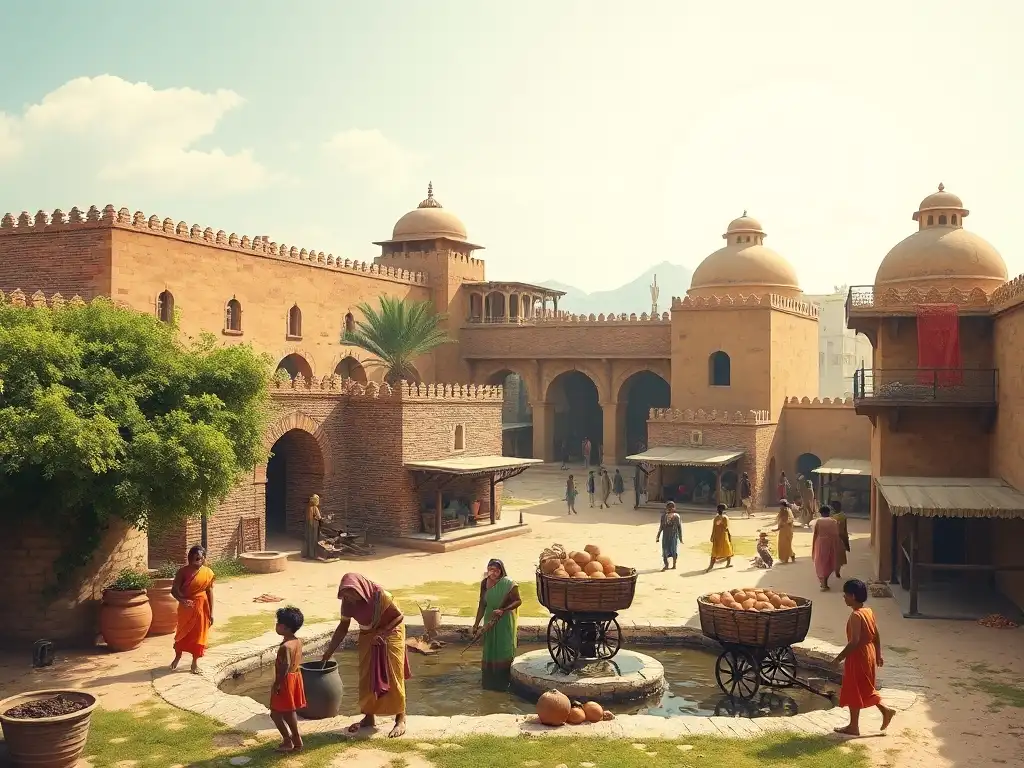
Daily life in the Indus Valley was marked by advancements in technology and craftsmanship. The civilization is renowned for its innovations in urban infrastructure, including indoor plumbing and drainage systems that were unparalleled in the ancient world. These technological practices not only improved sanitation but also contributed to the overall quality of life.
Agriculture thrived due to advanced irrigation techniques, enabling the cultivation of various crops, including wheat, barley, and cotton. The use of standardized weights and measures facilitated trade, and the production of goods such as pottery and textiles reflected a high level of craftsmanship. Additionally, the creation of seals for trade purposes highlights the sophisticated economic practices within the civilization.
The Legacy of Indus Valley Urban Technology
The technological innovations of the Indus Valley Civilization laid the groundwork for urban development in subsequent cultures. Their achievements in urban planning, sanitation, and craftsmanship influenced later Indian civilizations and contributed to the broader narrative of urban technology history.
Influence on Subsequent Civilizations
The legacy of the IVC is evident in later Indian societies, where urban planning principles and technological practices continued to evolve. For instance, the concept of city layouts with organized streets and public spaces can be traced back to Indus urban planning. Additionally, techniques in metallurgy and pottery developed during the IVC informed the craftsmanship of subsequent cultures, including the Mauryan Empire.
The influence of the IVC extended beyond India, as trade networks established during this period facilitated cultural exchanges with Mesopotamia and beyond. This interplay of ideas and technologies enriched the civilizations that followed, creating a lasting impact on urban development across the region.
Preservation and Study of Indus Innovations
The preservation and study of Indus Valley innovations have gained momentum in recent years, with ongoing archaeological excavations revealing new insights into their urban technology history. Institutions and researchers are focused on cataloging artifacts, studying settlement patterns, and understanding the social dynamics of this remarkable civilization.
Efforts to preserve sites like Mohenjo-Daro and Harappa are crucial for future generations to appreciate the complexity of the IVC. Educational programs and archaeological studies aim to disseminate knowledge about the IVC's contributions to technology and urban planning, ensuring that the achievements of this ancient civilization are recognized and celebrated in the broader context of human history.
Conclusion: The Lasting Impact of Indus Valley Civilization's Urban Technology
The Indus Valley Civilization (IVC) stands as a remarkable testament to the ingenuity and advanced urban technology of ancient societies. Its sophisticated urban planning, characterized by grid layouts, advanced drainage systems, and standardized weights and measures, laid the groundwork for future civilizations. The meticulous construction of cities like Harappa and Mohenjo-Daro reflects an understanding of architecture and engineering that was unparalleled for its time.
One of the most significant impacts of IVC's urban technology is its enduring influence on subsequent cultures in the Indian subcontinent. The principles of urban design, sanitation, and public infrastructure established by the IVC can be traced throughout history, influencing medieval and modern city planning. Moreover, the IVC's trade networks and economic systems contributed to a legacy of commerce that would shape regional economies for centuries.
In a broader context, the technologies developed by the Indus Valley people, such as metallurgy, pottery, and textile production, have left an indelible mark on human progress. Their advancements not only reflect a high level of craftsmanship but also demonstrate a deep understanding of materials and processes that would pave the way for future innovations. The study of these technologies continues to inspire researchers and historians, emphasizing the importance of the Indus Valley Civilization in the narrative of human technological advancement.
As we reflect on the rich tapestry of urban technology from the Indus Valley, it is clear that this ancient civilization's contributions are not merely historical footnotes but foundational elements that echo through the ages, informing contemporary urban planning and technological development.
References and Further Reading on Indus Valley Urban Technology History
-
M. A. M. A. H. Khan, "The Indus Valley Civilization: A Comprehensive Overview"
This book offers an in-depth exploration of the IVC, focusing on its urban planning, technology, and cultural practices.
-
R. S. Sharma, "Urbanization in Ancient India"
Sharma examines the processes of urban development in ancient India, highlighting the innovations of the Indus Valley.
-
J. R. S. D. R. Rao, "Indus Valley: The Forgotten Civilization"
This work investigates the technological advancements of the IVC and their relevance to modern urban studies.
-
"The Archaeological Survey of India Reports"
A collection of reports that provide insights into the archaeological findings of the Indus Valley, showcasing its urban infrastructure and technological prowess.
-
P. N. B. K. S. R. Sen, "Ancient Indian Technology: A Historical Perspective"
This text discusses the broader technological landscape of ancient India, with specific chapters dedicated to the innovations of the Indus Valley Civilization.
-
Online resources: "Indus Valley Civilization" entries in academic databases
Websites like JSTOR and Google Scholar provide access to numerous research papers focused on the urban technology and innovations of the Indus Valley.
These references provide a solid foundation for those interested in delving deeper into the urban technology history of the Indus Valley Civilization.
- Introduction to the Indus Valley Civilization
- Overview of Indus Valley Urban Technology History
- The Significance of Urban Planning in the Indus Valley
- Architectural Innovations of the Indus Valley
- Water Management Systems: A Technological Marvel
- Indus Valley Trade and Economic Structure
- Social Organization and Urban Life
- Governance and Community Planning
- Daily Life and Technological Practices
- The Legacy of Indus Valley Urban Technology
- Conclusion: The Lasting Impact of Indus Valley Civilization's Urban Technology
- References and Further Reading on Indus Valley Urban Technology History
- What is the significance of the Indus Valley Civilization in urban technology history?
- How did the Indus Valley contribute to innovations in agriculture?
- What are some notable urban planning features of the Indus Valley cities?
- How did trade influence the Indus Valley Civilization?
- In what ways did the Indus Valley Civilization impact later Indian cultures?
Frequently Asked Questions
What is the significance of the Indus Valley Civilization in urban technology history?
The Indus Valley Civilization is renowned for its advanced urban planning, including grid layouts, drainage systems, and standardized weights and measures, marking it as a pioneer in urban technology.
How did the Indus Valley contribute to innovations in agriculture?
The civilization utilized sophisticated irrigation techniques and crop rotation, which significantly improved agricultural productivity and laid the foundation for future agricultural practices.
What are some notable urban planning features of the Indus Valley cities?
Cities like Mohenjo-Daro and Harappa boasted features such as well-structured streets, public baths, and water management systems, showcasing their expertise in urban planning and technology.
How did trade influence the Indus Valley Civilization?
The Indus Valley Civilization engaged in extensive trade with neighboring regions, which facilitated the exchange of goods, ideas, and technologies, enhancing their urban development and cultural richness.
In what ways did the Indus Valley Civilization impact later Indian cultures?
The innovations and cultural practices established during the Indus Valley Civilization influenced subsequent Indian societies, contributing to a legacy of urban planning, craftsmanship, and trade that lasted through the ages.
Final Reflection: The Indus Valley Civilization – A Timeless Beacon of Urban Innovation
The exploration of the Indus Valley Civilization reveals not only the remarkable achievements of an ancient society but also its enduring relevance in our contemporary world. As we navigate the complexities of modern urban life, the innovative urban technologies and advanced planning of the Indus Valley serve as a profound reminder that the foundations of our cities were laid long ago. Understanding this history is crucial, as it highlights the ingenuity of human civilization and its capacity for innovation, even in the face of challenges.
The legacy of the Indus Valley Civilization continues to shape our cultural and social landscapes today. From sophisticated drainage systems to standardized weights and measures, the innovations of this ancient society have influenced urban planning and technology across millennia. As we grapple with modern urban challenges, such as overcrowding and sustainability, we can draw inspiration from the principles established by the Indus Valley. The past is not dead; it is not even past.
– William Faulkner. This quote encapsulates the idea that the lessons learned from history are not merely relics but are vital in informing our present and future.
As we reflect on the remarkable achievements of the Indus Valley Civilization, I invite you to consider how these lessons can be applied in your own life and community. What aspects of urban technology and innovation can you integrate into your daily practices? Whether it's advocating for sustainable practices, embracing innovative solutions to urban challenges, or simply appreciating the rich tapestry of human history, let the story of the Indus Valley inspire you to contribute to a more thoughtful and innovative future. Together, we can honor the past while paving the way for a brighter tomorrow.
Unearth the Wonders of Ancient Innovation!
Thank you for diving into the fascinating world of the Indus Valley Civilization! You've uncovered how this incredible society laid the groundwork for urban technology and innovation that still inspires us today. Now, it’s time to take that knowledge and turn it into action!
Here are some steps you can take:
- Explore a local museum or historical site to see artifacts and exhibits related to ancient civilizations and connect with the past firsthand!
- Share this article with friends or family who appreciate history; ignite a conversation about how ancient innovations continue to influence modern life.
- Consider starting a blog or journal to document your own discoveries about ancient cultures, inviting others to join you on this enlightening journey!
What insights from the Indus Valley Civilization do you think could influence our future urban technologies? Let's discuss!