
The Fusion of Dance Forms: Kathak and Its Cultural Connections

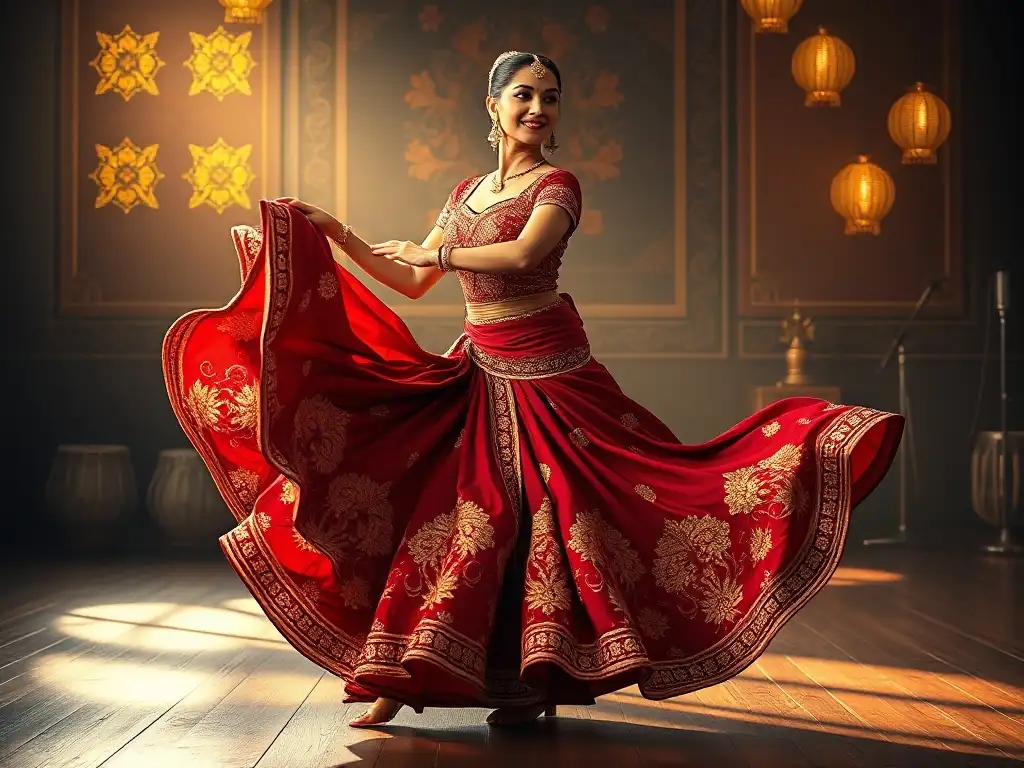
Welcome to Ancient India History, where we embark on an enthralling journey through the rich tapestry of ancient Indian civilizations. From the mystique of the Indus Valley to the brilliance of the Gupta Empire, our exploration unveils the profound cultural exchanges that shaped this vibrant history. In our featured article, "The Fusion of Dance Forms: Kathak and Its Cultural Connections," we delve into the cultural significance of Kathak dance, revealing its intricate ties to the heritage and traditions that have influenced generations.
Prepare to be captivated as we uncover the stories behind this elegant art form and its role in the broader narrative of India's diverse cultural landscape. Discover the dance that transcends time and connects us to the past—your journey awaits!
Introduction to Kathak Dance
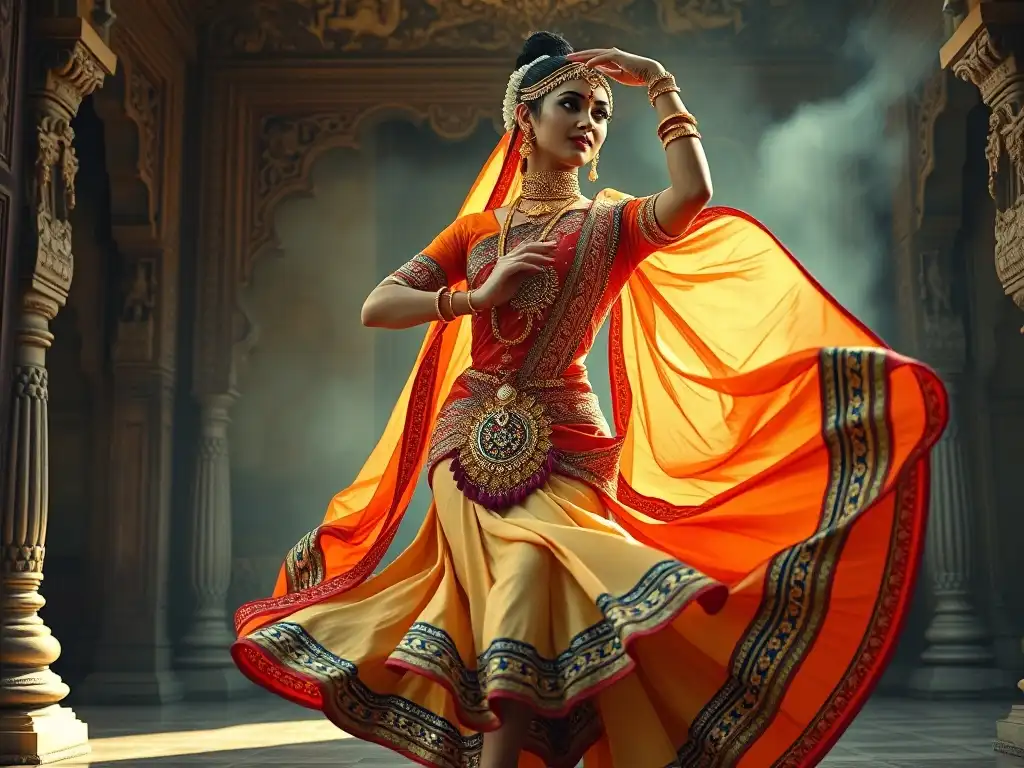
Kathak, one of the classical dance forms of India, is not merely a performance art; it is a vibrant tapestry woven from the threads of history, culture, and spirituality. Rooted in the storytelling traditions of ancient India, Kathak has evolved over centuries, reflecting the rich cultural exchanges that have shaped the subcontinent.
This dance form serves as both an artistic expression and a window into the diverse influences that have contributed to its development. Understanding the cultural significance of Kathak dance allows us to appreciate not only its aesthetic beauty but also its role as a medium of cultural identity and resilience.
Overview of Kathak Dance Cultural Significance
The cultural significance of Kathak dance extends beyond its aesthetic appeal. It embodies the historical narratives, social values, and spiritual beliefs of the communities from which it originates. As a performance art, Kathak communicates stories—often derived from Hindu epics, mythologies, and folklore—through intricate footwork, expressive gestures, and facial expressions.
- Emotional Expression: The dance form serves as a vehicle for emotional expression, allowing dancers to convey a range of feelings from joy to sorrow.
- Cultural Identity: Kathak acts as a marker of cultural identity, particularly among the North Indian communities where it flourished.
- Preservation of History: Through its storytelling, Kathak plays a crucial role in preserving historical narratives and traditions.
Historical Origins of Kathak Dance
The origins of Kathak can be traced back to ancient times, with its roots deeply embedded in the Natya Shastra, an ancient Indian treatise on performing arts attributed to the sage Bharata Muni. Initially, Kathak was performed in temples as a means of narrating religious stories and celebrating deities.
- Devotional Roots: The early forms of Kathak were closely associated with the Bhakti movement, emphasizing devotion to God, primarily through expressive dance and music.
- Transition to Courtly Art: Over the centuries, Kathak transitioned from sacred spaces to the courts of kings, where it became a favored form of entertainment, blending classical and folk elements.
Evolution of Kathak in Ancient India
The evolution of Kathak is marked by significant influences from various dynasties and cultural trends throughout ancient India.
- Influence of the Gupta Empire: During the Gupta period, there was a renaissance in arts and culture, leading to the refinement of dance forms, including Kathak.
- Integration of Musical Elements: The incorporation of musical instruments, such as the tabla and harmonium, enriched the dance's auditory experience, enhancing its overall appeal.
Cultural Influences on Kathak Dance
Kathak's journey through history has been characterized by diverse cultural influences that have shaped its form and style.
The Role of Mughal Influence in Kathak
The Mughal era marked a significant turning point in the evolution of Kathak.
- Fusion of Cultures: The interaction between Hindu and Muslim cultures led to the incorporation of Persian aesthetics, themes, and styles into Kathak.
- Court Patronage: Mughal emperors such as Akbar and Shah Jahan were patrons of the arts, which facilitated the growth of Kathak as a prominent courtly dance form.
Integration of Regional Dance Forms in Kathak
As Kathak spread across different regions, it absorbed elements from local dance forms.
- Folk Influences: Regional folk traditions contributed to the diversity of Kathak, influencing its movements, costumes, and musical accompaniments.
- Local Styles: Variations of Kathak emerged in different states, each reflecting the local culture and artistic traditions.
The Impact of Religion and Spirituality on Kathak
Religion and spirituality have been integral to the development of Kathak dance.
- Spiritual Symbolism: The dance often incorporates themes of divine love and devotion, with many performances dedicated to the worship of Hindu deities.
- Ritualistic Elements: Kathak has retained its ritualistic elements, often performed during religious ceremonies and celebrations, emphasizing its sacred origins.
The cultural significance of Kathak dance is a multifaceted narrative that highlights the intricate connections between dance, history, and spirituality. The influence of various cultures, particularly during the Mughal era, alongside the integration of regional forms, has enriched Kathak, making it a unique and vibrant expression of India's artistic heritage.
The Elements of Kathak Dance
Kathak, one of the classical dance forms of India, is characterized by its intricate footwork, expressive gestures, and storytelling through movement. This dance form has evolved over centuries, influenced by various cultures and traditions, making it a rich tapestry of artistic expression. The fundamental elements of Kathak can be grouped into several key components:
- Footwork (Tatkar): The rhythm of Kathak is primarily established through the dancer's footwork, which involves complex patterns of beats (taals). Dancers use the ghungroo (ankle bells) to accentuate their movements, creating a symphony of sound that complements the music.
- Hand Gestures (Mudras): Kathak employs a variety of hand gestures to convey emotions and narrate stories. Each mudra has a specific meaning, allowing the dancer to communicate effectively with the audience.
- Facial Expressions (Abhinaya): The emotional depth of Kathak is expressed through facial expressions, which play a crucial role in storytelling. Dancers embody various characters and emotions, capturing the essence of the narrative.
- Turns (Chakkar): A hallmark of Kathak is its spinning movements. Dancers perform multiple turns, often executed with grace and precision, which adds to the visual appeal of the performance.
- Postures and Body Language: The dancer's posture and body language are vital in conveying the mood and theme of the performance. The alignment and positioning of the body enhance the overall aesthetic of the dance.
These elements together create a unique language of movement, making Kathak not just a dance but a powerful medium of storytelling and cultural expression.
Key Features of Kathak Dance Techniques
Kathak dance techniques are distinguished by a blend of speed, fluidity, and precision, each contributing to the overall aesthetic of the performance. Some key features include:
- Rhythmic Complexity: Kathak is known for its intricate rhythmic patterns, where dancers execute fast-paced footwork synchronously with the music. This involves a variety of taals (rhythmic cycles), each bringing a different flavor to the performance.
- Narrative Structure: Many Kathak performances are based on stories from Hindu epics, mythology, and folklore. The narrative aspect is enhanced through a combination of dance, music, and spoken word, engaging the audience in a multi-sensory experience.
- Improvisation: While Kathak performances often follow a set choreography, there is a significant element of improvisation involved. Dancers may adapt their movements in response to the music, showcasing their creativity and skill.
- Theatrical Elements: Kathak incorporates theatrical elements, including character portrayal and dramatic expressions, which adds depth to the performance. This theatricality is crucial for effectively communicating the narrative to the audience.
These features make Kathak a dynamic and captivating dance form, allowing it to resonate with diverse audiences and maintain its relevance across generations.
Costumes and Attire in Kathak Performances
Costumes play a vital role in Kathak, enhancing the visual impact of the performance while reflecting cultural traditions. Key aspects of Kathak attire include:
- Traditional Costumes: Female dancers typically wear a lehenga (long skirt) paired with a choli (blouse) and a dupatta (scarf). The vibrant colors and intricate embroidery of the costumes are designed to catch the eye and complement the grace of the dance.
- Jewelry and Accessories: Dancers adorn themselves with traditional jewelry, including earrings, necklaces, and maang tikka (forehead ornament), which add to the overall elegance of the performance. The jewelry often incorporates cultural motifs and symbols.
- Men's Attire: Male dancers usually wear a kurta (long tunic) and churidar (fitted trousers), often accompanied by a safaa (turban). The attire is designed for comfort and ease of movement, allowing the dancer to execute complex footwork effortlessly.
- Footwear: The ghungroo is an essential component of Kathak attire. These ankle bells not only produce sound but also serve as a decorative element, enhancing the visual and auditory experience of the dance.
The costumes in Kathak are not merely functional but are imbued with cultural significance, reflecting the rich heritage of Indian classical arts.
Music and Rhythm: The Soul of Kathak Dance
Music and rhythm are integral to Kathak dance, providing the foundation upon which the dance is built. The relationship between music and dance in Kathak is characterized by:
- Traditional Instruments: Kathak performances are typically accompanied by live music, featuring instruments such as the tabla (drums), harmonium (a keyboard instrument), and sitar (string instrument). Each instrument contributes to creating a rich auditory landscape that enhances the dance.
- Rhythmic Cycles (Taal): The taal forms the backbone of Kathak, dictating the pace and structure of the performance. Dancers must be adept at understanding and interpreting these rhythmic patterns, allowing them to sync their movements with the music seamlessly.
- Vocal Elements: In addition to instrumental music, vocal elements often play a crucial role in Kathak. Vocalists may chant bols (syllables) that correspond to footwork, adding another layer of complexity to the performance.
- Emotional Resonance: The music in Kathak is designed to evoke emotions and set the mood for the dance. The combination of melody and rhythm allows dancers to explore a range of feelings, from joy to sorrow, making each performance unique.
In essence, the music and rhythm of Kathak are not just accompaniment; they are the very soul of the dance, shaping its expression and enhancing its cultural significance.
Kathak's Role in Artistic and Cultural Syncretism
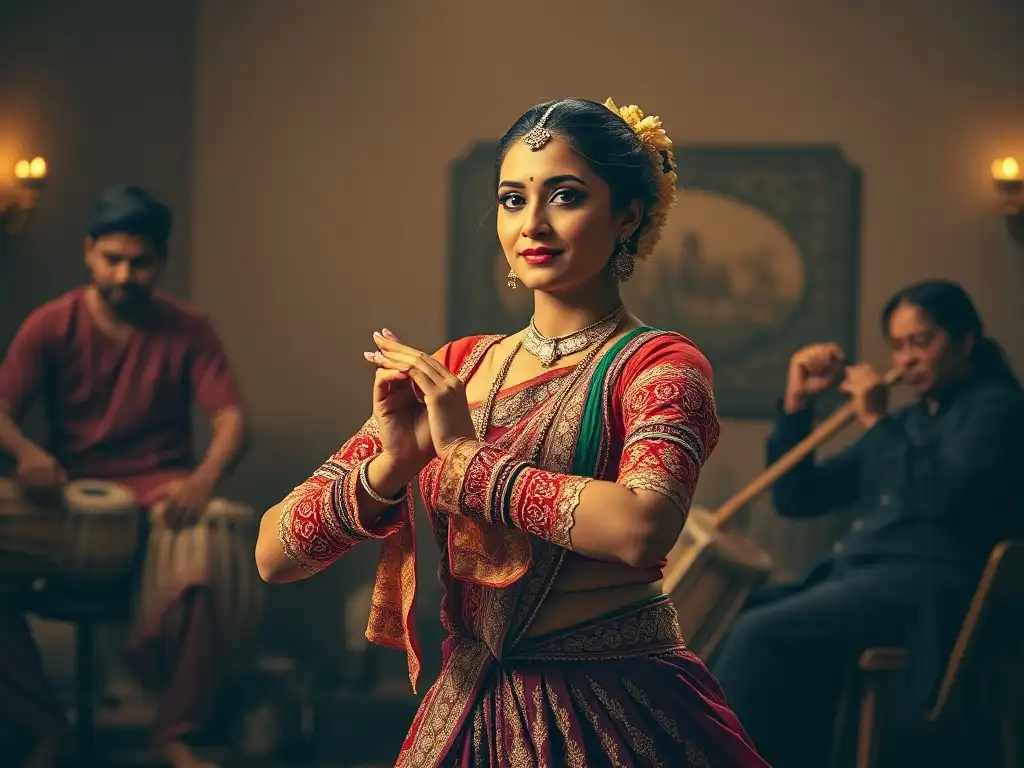
Kathak has played a significant role in artistic and cultural syncretism, embodying the fusion of diverse influences that have shaped Indian culture over the centuries. This dance form is a testament to the interactions between various communities, traditions, and art forms.
How Kathak Represents Cultural Exchange
Kathak emerged as a dance form in North India, influenced by various cultural interactions, including Mughal patronage and Hindu traditions. This fusion is evident in several ways:
- Mughal Influence: The Mughal era brought significant changes to Kathak, introducing new themes, costumes, and music. The incorporation of Persian dance elements and storytelling techniques enriched the dance, creating a unique blend of Indian and Persian artistry.
- Hindu Mythology: Kathak often draws upon themes from Hindu mythology, showcasing stories from epics like the Mahabharata and Ramayana. This integration of spiritual narratives highlights the cultural exchange between religious traditions.
- Regional Variations: As Kathak spread across different regions, it absorbed local styles and traditions, resulting in distinct regional variations that reflect the cultural diversity of India. This adaptability has allowed Kathak to remain relevant and resonant across various communities.
Through these interactions, Kathak serves as a cultural bridge, illustrating how art can transcend boundaries and foster understanding among diverse groups.
Case Studies of Fusion in Kathak Dance
Several notable instances highlight the fusion of influences within Kathak, showcasing its evolution and adaptability:
- Bollywood Influence: The rise of Bollywood has led to the incorporation of Kathak in mainstream Indian cinema. Dancers like Madhuri Dixit and Hrithik Roshan have popularized Kathak-inspired choreography, blending classical and contemporary styles. This fusion not only brings Kathak to a wider audience but also revitalizes traditional elements.
- Collaborations with Other Art Forms: Kathak has seen collaborations with various art forms, including theater, music, and visual arts. For example, performances that combine Kathak with live music from different genres or contemporary dance styles exemplify how fusion can enhance artistic expression.
- International Adaptations: Kathak has gained popularity worldwide, leading to adaptations that incorporate elements from local cultures. Dancers and choreographers outside India have embraced Kathak, creating innovative works that reflect a blend of cultural influences.
These case studies illustrate the dynamic nature of Kathak and its ability to adapt and evolve while maintaining its cultural roots.
The Relationship Between Kathak and Other Dance Forms
Kathak's interactions with other dance forms have enriched its vocabulary and style, creating a vibrant dialogue between different artistic traditions:
- Bharatanatyam and Odissi: While Kathak is distinct in its style, it shares similarities with other classical dance forms like Bharatanatyam and Odissi. Elements such as expressive storytelling and intricate footwork can be found across these forms, highlighting common cultural threads.
- Folk Dance Influences: The incorporation of folk dance elements into Kathak has led to a diverse range of expressions. Regional folk styles have influenced Kathak choreography, introducing new rhythms and movements that enhance its repertoire.
- Contemporary Dance: The fusion of Kathak with contemporary dance styles has opened new avenues for expression. Dancers are increasingly exploring innovative choreographies that blend traditional techniques with modern aesthetics, making Kathak accessible to younger audiences.
Through its interactions with other dance forms, Kathak continues to evolve, demonstrating the fluidity of cultural expression and the ongoing dialogue between tradition and innovation.
Kathak in Contemporary Times
Kathak, one of the eight classical dance forms of India, has evolved significantly over the years, particularly in contemporary times. This evolution reflects not only the changing tastes and preferences of audiences but also the broader socio-cultural shifts occurring within India and beyond. Modern Kathak performances often blend traditional techniques with contemporary themes, storytelling methods, and innovative choreography, making it more accessible and relatable to diverse audiences.
Today, Kathak is not limited to traditional settings; it has found its way into modern theater, fusion performances, and even film. This adaptability has allowed the dance form to thrive and attract new generations of practitioners and enthusiasts. As a result, Kathak continues to play a vital role in expressing cultural narratives and addressing contemporary social issues, all while honoring its rich heritage.
Kathak Dance Cultural Significance in Modern India
The cultural significance of Kathak dance in modern India is multifaceted. Firstly, it serves as a bridge connecting the ancient traditions of India with contemporary expressions of identity. In a rapidly globalizing world, Kathak allows practitioners and audiences to explore and celebrate their roots, fostering a sense of pride in Indian heritage.
Moreover, Kathak has become a medium for social commentary. Many contemporary choreographers use the dance form to address pressing issues such as gender equality, environmental concerns, and cultural preservation. Through its expressive movements and narrative storytelling, Kathak has the power to provoke thought and inspire change, reinforcing its relevance in today's society.
Global Recognition of Kathak and Its Influence
Kathak has gained significant global recognition, making it a prominent ambassador of Indian culture on international stages. Dance festivals, cultural exchanges, and collaborations between Indian and foreign artists have propelled Kathak into the global spotlight.
In countries like the United States, Canada, and the UK, Kathak is taught in universities and cultural institutions, attracting students from diverse backgrounds. This global interest has led to a rich exchange of ideas and techniques, further enriching the dance form. Influences from ballet, jazz, and contemporary dance styles have been integrated into Kathak performances, showcasing its versatility and fostering a cross-cultural dialogue.
Preservation of Kathak Traditions in the 21st Century
As Kathak continues to adapt to contemporary trends, the preservation of its traditional aspects remains paramount. Various organizations, dance schools, and cultural institutions are committed to safeguarding the classical techniques, compositions, and narratives that define Kathak.
Efforts to document and archive traditional performances, along with the promotion of guru-shishya (teacher-student) relationships, play a crucial role in maintaining the authenticity of the dance form. Additionally, festivals and workshops focused on traditional Kathak are organized regularly, ensuring that new generations of dancers are well-versed in the classical repertoire while encouraging innovation.
Conclusion: The Enduring Legacy of Kathak Dance
The enduring legacy of Kathak dance is a testament to its resilience and adaptability throughout history. From its origins in the temples to its contemporary expressions on global platforms, Kathak has maintained its core essence while embracing change. This dynamic dance form not only reflects the rich cultural tapestry of India but also serves as a vehicle for storytelling and emotional expression.
Reflection on Kathak's Cultural Connections
Kathak's cultural connections extend beyond mere performance; they encapsulate the historical exchanges between various communities, religions, and art forms. The dance's ability to incorporate elements from Mughal, Persian, and even Western influences highlights its role as a symbol of India's rich syncretic culture. This interconnectedness is vital in understanding how Kathak has evolved while still honoring its roots.
Future of Kathak Dance in the Global Cultural Landscape
Looking ahead, the future of Kathak dance in the global cultural landscape appears promising. With growing interest in Indian classical arts worldwide, Kathak is likely to continue flourishing, engaging new audiences, and inspiring fresh interpretations. The integration of technology, such as digital performances and online classes, may further expand its reach, ensuring that Kathak remains a vibrant and vital part of both Indian and global cultural heritage.
As Kathak continues to evolve, it will undoubtedly maintain its significance as a cultural treasure, fostering connections across generations and cultures.
- Introduction to Kathak Dance
- Cultural Influences on Kathak Dance
- The Elements of Kathak Dance
- Kathak's Role in Artistic and Cultural Syncretism
- Kathak in Contemporary Times
- Conclusion: The Enduring Legacy of Kathak Dance
Frequently Asked Questions
What is Kathak dance?
Kathak is a classical Indian dance form characterized by its intricate footwork, expressive gestures, and storytelling. It originated from the narrative traditions of ancient India.
How does Kathak relate to ancient Indian culture?
Kathak reflects the rich cultural heritage of India, incorporating elements from Hindu mythology and temple rituals. It serves as a medium for conveying spiritual messages and moral stories.
What are the main influences on Kathak dance?
Kathak has been influenced by various traditions, including Hindu, Mughal, and Persian cultures. This fusion has resulted in a unique style that emphasizes both narrative and musical rhythm.
What is the cultural significance of Kathak in today’s society?
Today, Kathak plays a vital role in preserving Indian heritage and promoting cultural identity. It is celebrated in various festivals and performances, fostering a sense of community and art appreciation.
How can one learn Kathak dance?
There are many options to learn Kathak, including dance schools, online classes, and workshops. Engaging with a qualified instructor is essential for grasping the technical nuances and cultural context of the dance form.
Final Reflection: The Cultural Significance of Kathak Dance in a Modern World
The fusion of dance forms, particularly Kathak, serves as a powerful reminder of the interconnectedness of cultures in today's global society. As we explore the intricate movements and rich narratives of Kathak, we uncover its profound cultural significance that transcends time and geography. This dance form not only preserves the heritage of India but also fosters a dialogue between diverse traditions, emphasizing the importance of cultural exchange in our increasingly interconnected world.
The ongoing influence of Kathak is evident in how it shapes contemporary art and social narratives. By blending traditional elements with modern expressions, Kathak continues to inspire artists and audiences alike, bridging gaps between generations and cultures. As the renowned dancer Pandit Birju Maharaj once said, Dance is the hidden language of the soul,
highlighting how this art form communicates emotions and stories that resonate universally. The cultural significance of Kathak lies not just in its aesthetic beauty but in its ability to foster understanding and appreciation among diverse communities.
As we reflect on the lessons imparted by Kathak and its cultural connections, I invite you to embrace the richness of your own cultural heritage while remaining open to the influences of others. Consider how you can incorporate the spirit of Kathak—its grace, storytelling, and adaptability—into your own life. Whether it’s through dance, art, or simply engaging with different cultures, let us celebrate the beauty of diversity and the shared human experience that binds us all together.
Unveil the Rhythms of Culture Through Dance!
Thank you for exploring the vibrant fusion of Kathak and its cultural connections with us! By delving into this intricate dance form, you’ve taken the first step toward understanding not just artistry, but the rich tapestry of history and emotions it conveys. Now, let’s transform that interest into action and deepen our engagement!
- Experience Kathak firsthand: Seek out local classes or workshops to learn the fundamentals of this expressive dance style in your community.
- Explore the evolution of dance: Discover various dance forms and their cultural intersections by visiting resources that delve into the history and significance of ancient art forms.
- Share your insights: Join our discussion! Spread the word about this article with friends and share your perspective on how dance acts as a bridge between cultures.
How do you believe dance forms like Kathak can influence our understanding of cultural heritage today?