
Ancient Trade Goods: What Did India Export to the World?

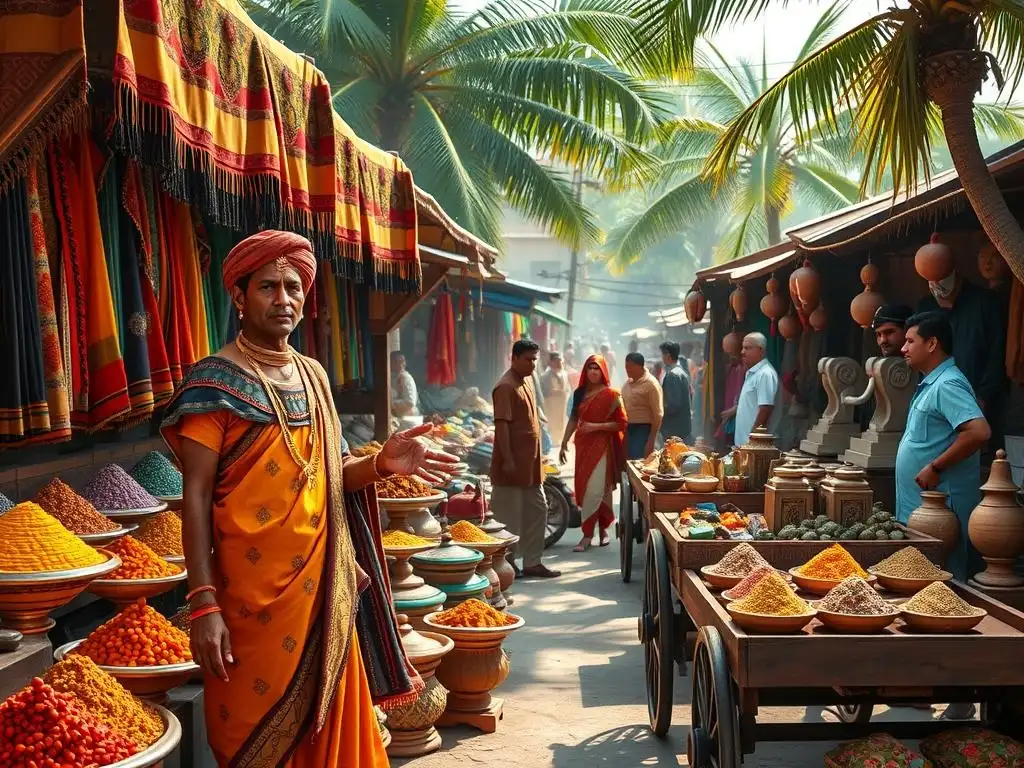
Welcome to Ancient India History, where we embark on a fascinating journey through the rich tapestry of India's past. Have you ever wondered what treasures were exchanged on the bustling trade routes of ancient civilizations? In our featured article, "Ancient Trade Goods: What Did India Export to the World?
", we delve into the intriguing world of ancient Indian trade exports. Discover how spices, textiles, and precious stones shaped not just the economy of the time, but also the cultural exchanges that influenced societies across continents. Join us as we uncover the secrets of ancient commerce and its lasting impact on the world!
- Introduction to Ancient Indian Trade Exports
- Historical Context of Ancient Indian Trade
- Key Ancient Indian Trade Exports
- Trade Mechanisms and Practices in Ancient India
- Impact of Ancient Indian Trade Exports on Global Economy
- Conclusion: Legacy of Ancient Indian Trade Exports
- Frequently Asked Questions
- Final Reflection: The Enduring Legacy of Ancient Indian Trade Exports
- Unveil the Wonders of India's Ancient Trade!
Introduction to Ancient Indian Trade Exports
Ancient India was a thriving hub of commerce and trade, renowned for its rich resources, skilled craftsmanship, and vibrant culture. As civilizations flourished along the banks of the Indus River and later expanded through various dynasties, India emerged as a prominent player in the global trade network. The country’s strategic geographical location, coupled with its diverse array of goods, made it a vital link between East and West. This article delves into the ancient Indian trade exports, shedding light on the valuable commodities that were exchanged and the profound impact of trade on Indian society.
Overview of Ancient Indian Trade
The roots of trade in ancient India can be traced back to the early days of the Indus Valley Civilization (circa 2500–1900 BCE), where evidence of trade routes and exchanges with neighboring regions has been uncovered. Archaeological findings indicate that the people of this civilization engaged in trade with Mesopotamia, exchanging goods such as:
- Cotton textiles: India was famous for its fine cotton, which was woven into textiles that were sought after in foreign markets.
- Spices: Various spices, including black pepper, cardamom, and cinnamon, were harvested and traded, becoming highly prized commodities.
- Metals: Indian artisans were skilled in metalwork, producing intricate jewelry and tools made from gold, silver, and bronze.
As time progressed, the Maurya and Gupta Empires further expanded trade networks, establishing trade links with regions as far as Rome and Southeast Asia. The use of roads, such as the Grand Trunk Road, and maritime routes facilitated the movement of goods, leading to increased cultural and economic exchanges.
Significance of Trade in Ancient Indian Civilizations
Trade played a crucial role in shaping the socio-economic landscape of ancient Indian civilizations. The benefits of trade extended beyond mere economic gains; it fostered:
- Cultural Exchange: Trade routes were conduits for cultural interactions, allowing for the exchange of ideas, art, and religion. This exchange enriched Indian culture and contributed to the spread of Buddhism and Hinduism.
- Economic Prosperity: The influx of wealth from trade led to the flourishing of cities and the establishment of markets, which became centers of economic activity. This prosperity enabled the patronage of arts and sciences, leading to advancements in various fields.
- Diplomatic Relations: Trade established diplomatic ties with other regions, leading to alliances and partnerships that strengthened India’s position on the global stage. These relationships were often cemented through treaties and exchange of gifts.
Ancient Indian trade exports were not merely a means of economic sustenance but a vital force that shaped the trajectory of India's history, culture, and international relationships. The legacy of these ancient trade practices continues to influence modern commerce and cultural exchanges in India today.
Historical Context of Ancient Indian Trade

Ancient Indian trade exports played a crucial role in shaping the economic landscape of the Indian subcontinent and its interactions with the rest of the world. The roots of trade in India can be traced back to the Indus Valley Civilization, where evidence of organized trade practices, including the use of weights and measures, has been discovered. As civilizations evolved, so did trade practices, leading to the establishment of extensive trade networks that connected India with various regions across Asia, Africa, and Europe.
The history of ancient trade in India is characterized by the exchange of a variety of goods, including textiles, spices, metals, and luxury items. These commodities were not only significant for local economies but also attracted traders from distant lands, resulting in a vibrant marketplace that fostered cultural and technological exchanges. The strategic geographic location of India, positioned between major trade routes, further facilitated its emergence as a trading hub.
Early Trade Routes of Ancient India
The early trade routes of ancient India were diverse and spanned both land and sea. These routes were instrumental in connecting Indian merchants with overseas markets and were crucial for the transportation of goods.
Land Routes
- Silk Road:
- The Silk Road was a network of trade routes that connected India with Central Asia, the Middle East, and beyond. Indian merchants traded silk, spices, and precious stones along this route, significantly influencing cultural exchanges between East and West.
- Royal Road:
- This route facilitated trade between India and Persia. It was essential for the movement of goods like textiles and spices, highlighting India's role in broader regional trade.
- Southern Trade Routes:
- The western and eastern coasts of India were linked through a series of land routes that connected to major inland markets. These routes allowed for the transport of goods like pepper, cardamom, and other spices.
Maritime Routes
- Indian Ocean Trade:
- The Indian Ocean served as a major maritime route for trade, connecting India with regions such as East Africa, the Arabian Peninsula, and Southeast Asia. With advancements in navigation and shipbuilding, Indian traders engaged in extensive maritime commerce, exporting spices, textiles, and other valuable goods.
- Monsoon Winds:
- Traders utilized the monsoon winds to facilitate long-distance maritime trade. The predictable seasonal winds allowed merchants to sail to distant markets efficiently, fostering trade relationships with various civilizations.
Major Trading Partners of Ancient India
Ancient Indian trade exports were not limited to regional exchanges; India engaged in extensive trade with several key partners, which shaped its economy and cultural landscape.
- Middle Eastern Civilizations:
- Indian traders established significant trade connections with Mesopotamia and Persia. Goods such as textiles, gems, and spices were highly sought after, while Indian artisans were influenced by Middle Eastern craftsmanship.
- Southeast Asia:
- India played a pivotal role in the trade networks of Southeast Asia, particularly through the Srivijaya and Funan kingdoms. Indian exports of spices and textiles greatly influenced local cultures and economies, leading to the spread of Indian art, religion, and customs.
- China:
- Trade with China primarily involved the exchange of silk and ceramics. The introduction of Buddhism from India to China also occurred during this period, illustrating the interconnectedness of trade and cultural exchange.
- Roman Empire:
- The Roman Empire was one of the most significant partners in ancient Indian trade. Roman demand for Indian spices, silks, and pearls was immense, leading to a flourishing trade relationship. In return, India received gold and silver, which further enhanced its economic standing.
- African Kingdoms:
- Indian traders also established links with the coastal regions of Africa, particularly in the regions around the Swahili Coast. Exports included textiles and spices, while imports often comprised ivory and gold.
The intricate web of trading relationships and the variety of goods exchanged underscore the importance of ancient Indian trade exports in shaping not only India’s economy but also its cultural interactions with the rest of the world. The legacy of these trade practices continues to resonate, highlighting India's enduring influence on global commerce.
Key Ancient Indian Trade Exports
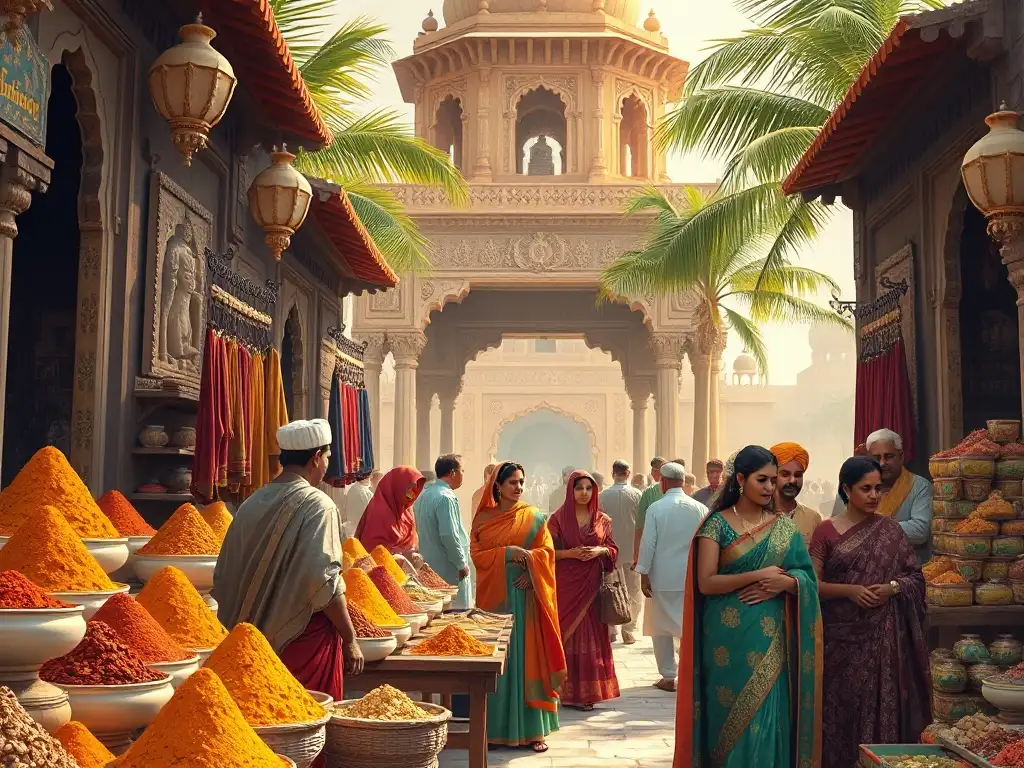
Ancient Indian trade exports played a pivotal role in shaping the economy and culture of the region, influencing trade routes and global commerce. India was known for its diverse range of exports that included not only luxury goods but also essential commodities, which were highly sought after in international markets. The following sections delve into some of the most significant exports that marked India's trade relationships with the world.
Spices: The Crown Jewel of Ancient Indian Exports
Spices were perhaps the most valuable trade export from ancient India, often regarded as the "crown jewel" of its commerce. The demand for spices such as black pepper, cardamom, cinnamon, and turmeric was immense, driving trade routes that connected India to various corners of the world.
Types of Spices Exported
- Black Pepper: Known as "black gold," it was one of the most sought-after spices in ancient times.
- Cardamom: Valued for its unique flavor and medicinal properties, it was exported widely.
- Cinnamon: This aromatic spice was used for culinary and medicinal purposes, making it popular in trade.
- Turmeric: Celebrated for its coloring and healing properties, turmeric was another staple export.
- Cloves: Sourced from the Maluku Islands, they were traded through India, adding to its spice wealth.
The diversity of spices not only enhanced culinary practices globally but also played a significant role in the economic strategies of ancient Indian kingdoms.
Impact of Spices on International Trade
The demand for spices contributed to the establishment of trade networks across Asia, Europe, and Africa. Indian ports, such as those in Calicut and Cochin, became bustling centers of commerce. The spice trade led to the following impacts:
- Cultural Exchange: Spices facilitated cultural interactions between India and other civilizations, leading to the exchange of ideas, art, and traditions.
- Economic Prosperity: The wealth generated from spice exports allowed various kingdoms, such as the Chola and Pandya dynasties, to flourish.
- Maritime Advancements: The quest for spices prompted advancements in maritime navigation and shipbuilding, enhancing trade efficiency.
Textiles: Weaving India's Legacy
Textiles formed another cornerstone of ancient Indian trade exports, showcasing the craftsmanship and creativity of Indian artisans. The vibrant colors, intricate designs, and high-quality fabrics made Indian textiles highly desirable in global markets.
Major Textiles and Fabrics Exported
- Cotton: India was a pioneer in cotton production, exporting textiles that were soft and durable.
- Silk: The production of silk, particularly in regions like Bengal, led to the creation of luxurious garments that were coveted worldwide.
- Wool: While not as predominant as cotton, woolen fabrics were also part of India's textile exports, especially in colder regions.
- Dyes: Natural dyes derived from plants and minerals were used to create vibrant colors, enhancing the appeal of Indian textiles.
The variety and quality of textiles contributed to India's reputation as a textile hub in the ancient world.
Influence of Indian Textiles on Global Markets
The influence of Indian textiles extended beyond mere trade; they shaped fashion trends and textile production techniques across the globe. Some notable influences include:
- Adoption of Techniques: Indian weaving techniques influenced textile production in other cultures, particularly in the Middle East and Europe.
- Fashion Trends: The unique designs and patterns of Indian textiles found their way into the wardrobes of aristocrats and commoners alike across different continents.
- Economic Impact: The trade in textiles contributed significantly to the economy, providing livelihoods for countless artisans and traders.
The ancient Indian trade exports of spices and textiles played a crucial role in establishing India as a significant player in global trade, fostering economic growth and cultural exchange that resonated throughout history.
Precious Stones and Metals: The Glittering Exports
Ancient India was renowned for its exquisite craftsmanship in jewelry and the high quality of its precious stones and metals. The trade of these glittering exports played a significant role in not only the economy but also in establishing India's reputation as a center of luxury and opulence. Indian artisans and traders were highly sought after for their skills, making gemstones and metals one of the most lucrative exports of the ancient period.
The gemstone trade was not merely a business; it was an art form that involved intricate techniques passed down through generations. This trade connected ancient India with various civilizations, including those in the Middle East, Africa, and Europe, highlighting the extensive trade networks that existed long before the modern age.
Types of Gemstones and Metals Exported
The precious stones exported from ancient India included diamonds, rubies, emeralds, sapphires, and pearls. Notably, the diamonds from Golconda were particularly prized for their clarity and brilliance.
- Diamonds: Known for their unmatched hardness and sparkle, Indian diamonds were sought after by royalty and the elite across continents.
- Rubies and Emeralds: These stones were often set in intricate jewelry and were believed to possess mystical properties, enhancing their desirability.
- Sapphires: Valued for their deep blue color, sapphires were also used in royal adornments.
- Pearls: Gathered from the Arabian Sea, Indian pearls were considered the finest and were extensively used in jewelry.
In addition to gemstones, India was also a major exporter of metals such as gold, silver, and copper. Gold, in particular, was used for coinage and jewelry, symbolizing wealth and status.
The Role of Jewel Trade in Ancient Economy
The jewel trade significantly influenced the ancient Indian economy. It not only provided substantial revenue for kingdoms but also facilitated cultural exchanges and diplomatic relations with foreign powers. Wealth derived from the export of gemstones and metals allowed rulers to fund military campaigns and public works, further enhancing their power and influence.
Moreover, the intricate designs and techniques developed by Indian jewelers contributed to the evolution of jewelry-making. This led to the establishment of guilds and trade associations that regulated the quality and standards of jewelry, ensuring that Indian exports remained desirable in global markets.
Trade in Agricultural Products: The Bounty of Ancient India
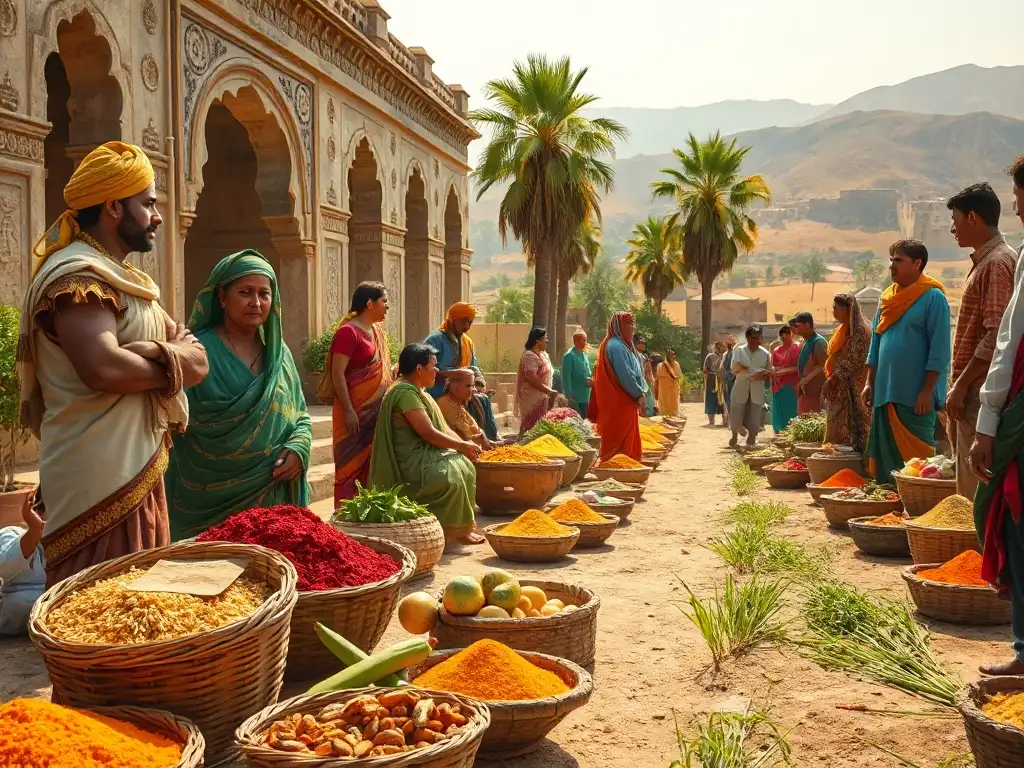
Agricultural products were another cornerstone of ancient Indian trade exports. The rich and diverse agriculture of the subcontinent allowed for the production of a variety of crops and food products that were not only consumed locally but were also exported to distant lands. This trade was vital for sustaining the economy and feeding populations across regions.
The agricultural trade also stimulated advancements in agricultural practices and technologies, which had long-lasting effects on production and commerce.
Crops and Food Products Exported
Ancient India was known for exporting a wide array of agricultural products, including:
- Spices: India was the world's largest producer of spices like black pepper, cardamom, and cinnamon, which were highly sought after in Europe and the Middle East.
- Rice and Grains: Varieties of rice, wheat, and barley were cultivated and exported, contributing to the nutritional needs of various civilizations.
- Sugar: The production of sugar from sugarcane was pioneered in India, making it a valuable export commodity.
- Cotton: India was also famous for its cotton textiles, which were woven into fine fabrics and traded extensively.
These products not only catered to local needs but also created a robust trade network that linked India to various regions, fostering economic interdependence.
Agricultural Innovations Influencing Trade
Ancient Indian agriculture benefited from several innovations that improved productivity and trade capacity. Techniques such as crop rotation, irrigation systems, and the use of fertilizers enhanced yields and allowed for the cultivation of diverse crops.
Additionally, the establishment of trade routes, both overland and maritime, facilitated the movement of agricultural goods across vast distances. The famous Silk Road and maritime routes through the Indian Ocean became conduits for Indian agricultural exports, connecting India with markets in Asia, Africa, and beyond.
Through these innovations and trade practices, ancient India not only sustained its own population but also established itself as a vital player in the global agricultural economy, influencing culinary traditions and agricultural practices across cultures.
Art and Craft: Cultural Exports of Ancient India
Ancient India was renowned for its exquisite art and crafts, which were not only a reflection of the rich cultural heritage of the civilization but also significant trade exports. The artisans of ancient India were skilled in various crafts, producing a diverse range of artifacts that attracted traders from across the globe. These artistic creations were appreciated not just for their aesthetic appeal but also for their cultural significance, often embodying the spiritual and philosophical ideals of the time.
The export of art and crafts played a vital role in cultural exchange, facilitating interactions between different civilizations. Through trade routes, Indian artisans shared techniques and styles, influencing art forms in distant lands, while also absorbing elements from other cultures. This dynamic exchange contributed to the evolution of various artistic traditions, making Indian art a vibrant tapestry of influences.
Types of Artifacts and Crafts Exported
Ancient Indian trade exports encompassed a wide variety of artifacts and crafts, each showcasing the unique skills and traditions of Indian artisans. Some of the most notable types included:
- Textiles: India was famous for its luxurious fabrics, such as silk and cotton. The intricate designs of Indian textiles, including block prints and embroidery, were sought after in markets as far away as Rome and Mesopotamia.
- Jewelry: Craftsmen created stunning jewelry using gold, silver, and precious stones. The intricate designs and craftsmanship made Indian jewelry highly desirable, leading to its export to various regions.
- Pottery: The art of pottery in ancient India produced both functional and decorative items. Terracotta figurines, painted pottery, and exquisite clay vessels were traded widely.
- Sculptures: Indian sculptors carved intricate figures and deities from stone, often depicting religious themes. These sculptures were not only exported for their artistic value but also served as cultural symbols.
- Metalwork: Artisans excelled in metalworking, creating tools, weapons, and decorative items from bronze, iron, and other metals. These items were highly valued in trade.
- Woodcraft: Carvings and furniture made from wood showcased the artisans' skill and creativity. Elaborately carved wooden items were favored in both domestic and international markets.
The Cultural Exchange Through Trade
The trade of art and crafts facilitated significant cultural exchanges between ancient India and other civilizations. As Indian goods made their way along trade routes, they encountered various cultures, leading to a rich interchange of ideas and artistic techniques. Notable impacts of this cultural exchange included:
- Influence of Indian Art: Many nations adopted Indian motifs, styles, and techniques in their own art forms. For example, the influence of Indian sculpture can be seen in Southeast Asian art, particularly in the temple architecture of Cambodia and Indonesia.
- Introduction of New Materials: Trade brought new materials to Indian artisans, such as glass, which influenced local craftsmanship. The introduction of foreign techniques and materials led to innovation in traditional crafts.
- Philosophical and Spiritual Ideas: Alongside material goods, cultural trade also included the exchange of philosophical and spiritual ideas. Indian concepts of art, aesthetics, and spirituality spread to other regions, enriching their cultural landscapes.
- Development of Trade Centers: The bustling trade of art and crafts established significant trade centers, such as those in the Indus Valley, which became melting pots of cultural interaction, fostering creativity and innovation.
The art and crafts of ancient India were not merely commodities in trade but vital components of cultural exchange that shaped the histories of both India and its trading partners. The legacy of these exports continues to influence artistic traditions around the world today.
Trade Mechanisms and Practices in Ancient India
Barter System and Currency Use
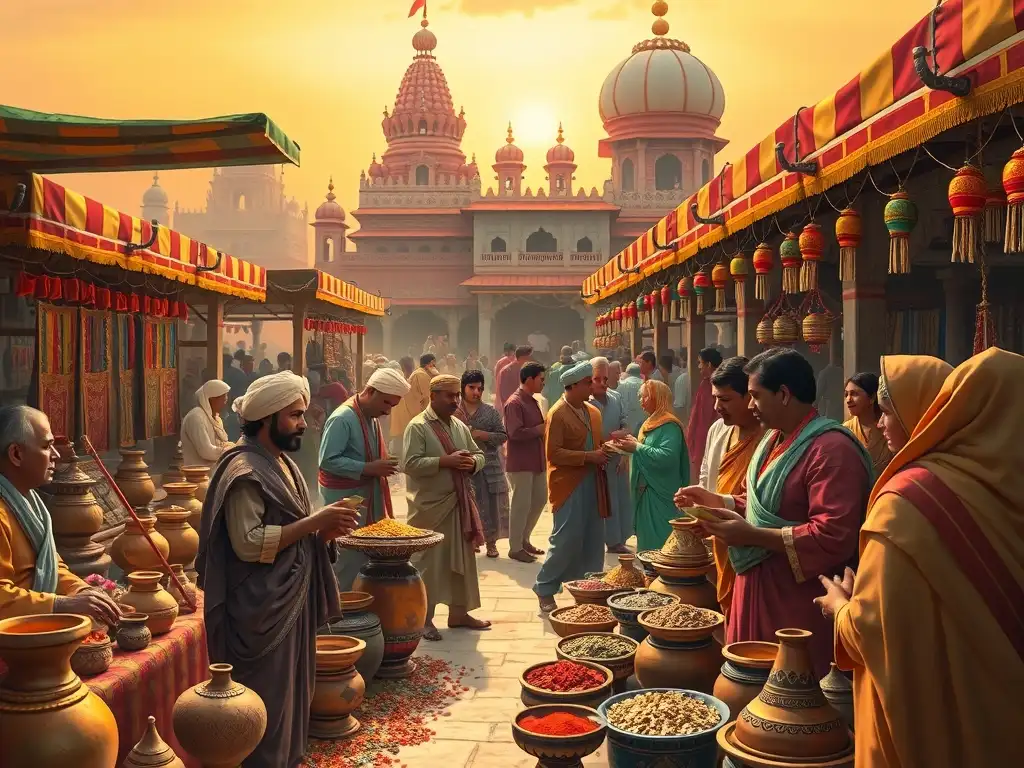
In ancient India, the primary mechanism for trade was the barter system, where goods and services were exchanged directly without the use of money. This system was prevalent in the early stages of civilization, especially during the Indus Valley Civilization (circa 3300–1300 BCE). People would trade items such as textiles, spices, and pottery based on mutual agreement of value.
As societies evolved, the limitations of the barter system became apparent, particularly in terms of the need for a common measure of value. This led to the gradual introduction of currency. The earliest forms of currency in India were metallic coins, which emerged around the 6th century BCE. These coins facilitated trade by providing a standardized medium of exchange, making transactions more efficient.
Key Aspects of Currency Use:
- Materials: The first coins were made from metals such as gold, silver, and copper, often stamped with symbols or images to signify authenticity.
- Standardization: The introduction of coins helped standardize trade practices, allowing for easier pricing and valuation of goods.
- Regional Variations: Different regions developed their own coinage systems, leading to a diverse monetary landscape that reflected local economies.
The transition from barter to currency not only enhanced economic interactions but also laid the groundwork for more complex trade networks that spanned across ancient India and beyond.
Role of Merchants and Traders in Ancient India
Merchants and traders played a pivotal role in the economic framework of ancient Indian societies. Their activities were essential for facilitating internal trade as well as international commerce.
Duties and Responsibilities:
- Trading Networks: Merchants often formed networks that connected various regions, allowing for the exchange of local specialties. For instance, traders from the coastal regions engaged in maritime trade, exporting spices and textiles to distant lands.
- Cultural Exchange: Through trade, merchants acted as cultural ambassadors, introducing foreign goods and ideas to Indian society. This exchange enriched local customs and practices, leading to a more diverse cultural landscape.
- Economic Influence: Successful traders often accumulated significant wealth, which allowed them to influence local politics and society. They frequently participated in the governance of their communities, contributing to the development of infrastructure, such as roads and ports.
Types of Merchants:
- Local Traders: Engaged in regional trade, dealing with everyday goods and necessities.
- Long-Distance Traders: Specialized in exporting luxury items such as silk, spices, and precious stones to foreign markets, including the Roman Empire and Southeast Asia.
- Guilds: Merchants often organized themselves into guilds, which provided mutual support, regulated trade practices, and ensured fair pricing.
The role of merchants and traders in ancient India was not merely economic; they were also key players in the dissemination of knowledge, technology, and cultural practices. Their contributions significantly shaped the ancient Indian trade exports, fostering a vibrant economy that thrived on both local and international scales.
By understanding the mechanisms of trade and the significant roles played by merchants, we can better appreciate the complexities of ancient Indian trade exports and their lasting impact on global commerce.
Impact of Ancient Indian Trade Exports on Global Economy
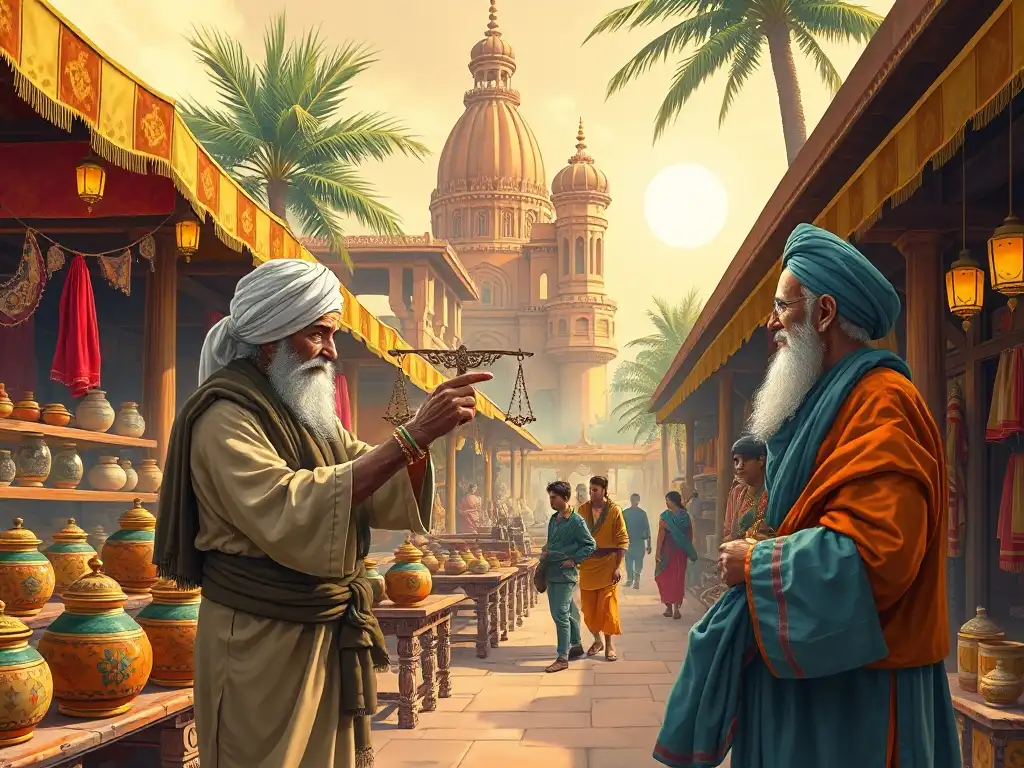
The impact of ancient Indian trade exports on the global economy was profound and multifaceted, influencing not only the economic landscapes of various regions but also shaping cultural and social exchanges across civilizations. India's strategic geographic position, coupled with its rich natural resources, made it a vital hub for trade from as early as the Indus Valley Civilization through to the Gupta Empire.
Contributions to Ancient World Economies
Ancient Indian trade exports significantly contributed to the economies of various regions, establishing India as a critical player in international trade networks. Key exports included:
- Spices: India was renowned for its exotic spices such as black pepper, cardamom, and cinnamon. These spices were highly sought after in markets across the Roman Empire, the Middle East, and beyond, driving trade routes that linked India to distant lands. Historical records indicate that spices accounted for a considerable portion of ancient trade revenues.
- Textiles: Indian textiles, particularly cotton and silk, were prized commodities. The production of intricately woven fabrics, such as muslin and silk, not only catered to domestic needs but also found extensive markets in Persia, China, and Europe. The trade in textiles fostered a thriving industry, contributing to job creation and economic stability within Indian communities.
- Metals and Gems: India was rich in minerals and precious stones, including gold, silver, and diamonds. The export of these materials played a crucial role in the wealth accumulation of various ancient civilizations, as they were used for currency, jewelry, and ornamentation. The trade of these high-value goods facilitated economic exchanges and solidified India's status as a source of luxury items.
- Agricultural Products: Grains, sugar, and other agricultural produce were also significant exports. The surplus of agricultural production allowed ancient Indian civilizations to engage in trade with neighboring regions, leading to food security and economic prosperity.
The flourishing trade networks established during this period not only enhanced India's economy but also contributed to the wealth of partner states, creating a symbiotic relationship that benefited all parties involved.
Cultural Exchanges and Their Significance
The trade routes established through ancient Indian trade exports facilitated extensive cultural exchanges that were instrumental in shaping civilizations. These exchanges were not limited to goods but included ideas, religions, and cultural practices.
- Religious Influence: Buddhism and Hinduism spread across Asia via trade routes. Merchants and travelers carried religious texts and teachings, influencing cultures in regions such as Central Asia, Southeast Asia, and even parts of China. The establishment of trade links allowed for the exchange of philosophical ideas and practices, fostering mutual respect and understanding among diverse cultures.
- Art and Architecture: The movement of artisans and craftsmen along trade routes led to the exchange of artistic techniques and architectural styles. Indian motifs and designs influenced the art and architecture of other cultures, as seen in the adoption of Indian sculptures and temple designs in Southeast Asia. This cross-cultural interaction resulted in unique fusions of styles that enriched the artistic heritage of multiple civilizations.
- Language and Literature: Trade interactions facilitated the sharing of languages and literature. The introduction of Sanskrit and Pali texts into various regions enriched local literary traditions. Similarly, the adoption of Indian numerals and mathematical concepts significantly impacted the development of mathematics globally.
The cultural exchanges resulting from ancient Indian trade exports were pivotal in creating interconnected societies, fostering innovation, and promoting an understanding of diverse cultures. This legacy continues to resonate in contemporary global interactions, highlighting the enduring impact of ancient Indian trade on the world stage.
Conclusion: Legacy of Ancient Indian Trade Exports
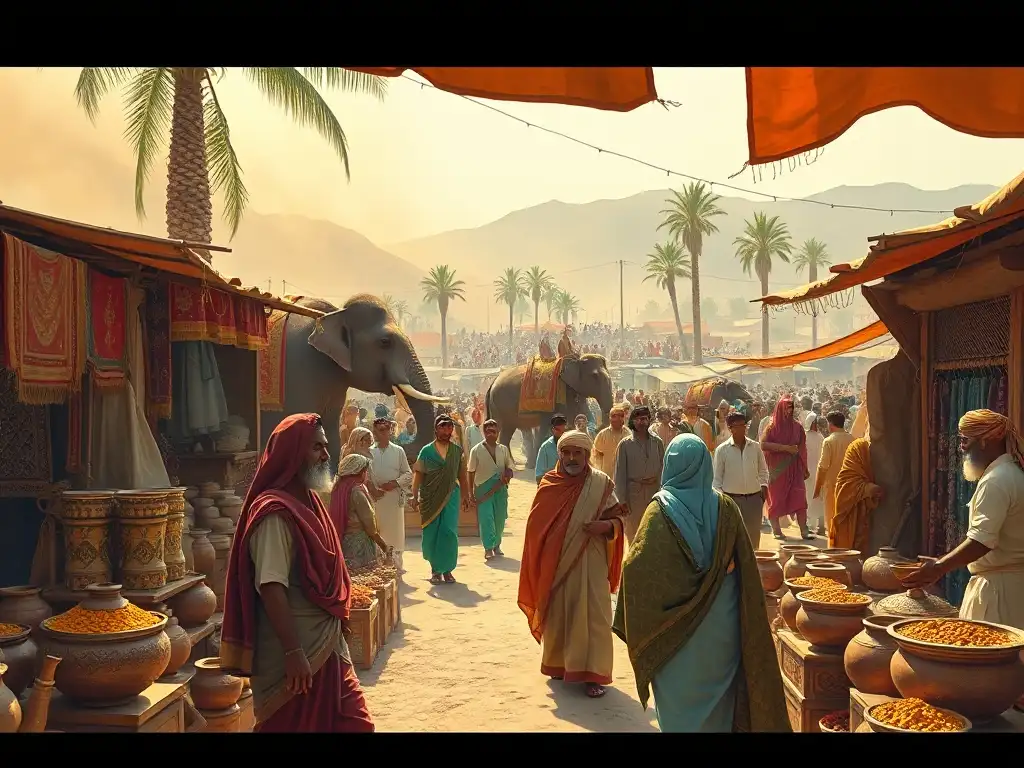
The legacy of ancient Indian trade exports is vast and multifaceted, reflecting the ingenuity and resilience of various Indian civilizations. From the bustling markets of the Indus Valley Civilization to the flourishing trade routes established during the Gupta Empire, ancient India played a pivotal role in shaping global trade dynamics. The diverse range of goods exported, including textiles, spices, and precious stones, not only enriched foreign markets but also fostered cultural exchanges and mutual influences between India and its trading partners.
The intricate network of trade routes, including the Silk Road and maritime pathways, facilitated the movement of goods and ideas across continents. This connectivity laid the groundwork for economic relationships that would endure for centuries, with the impact of Indian exports resonating in the customs and practices of distant lands. As we delve into the lasting influence of these ancient trade practices, it becomes clear that the contributions of Indian civilizations were not merely transactional but also transformative, weaving a rich tapestry of cultural integration.
Lasting Influence on Modern Trade Practices
The practices established during ancient Indian trade exports have left an indelible mark on modern trade systems. Many aspects of contemporary commerce, such as the importance of trade guilds, the use of standardized weights and measures, and the concept of trade fairs, can trace their origins back to ancient India.
- Trade Guilds: The ancient Indian guilds, known as shrenis, served as essential institutions that regulated trade practices, set quality standards, and protected the interests of merchants. This system of organized commerce laid the foundation for modern business associations and chambers of commerce.
- Standardization: The ancient use of weights and measures in trade facilitated fair transactions, a principle that remains crucial in today's global markets. The emphasis on standardization has evolved into international trade agreements and regulations that govern quality and safety.
- Cultural Exchange: The trade routes established by ancient Indian merchants not only facilitated the exchange of goods but also cultural and intellectual ideas. This tradition of cultural exchange is mirrored in modern practices such as international trade fairs and exhibitions, where countries showcase their products and heritage.
The ancient Indian emphasis on ethical trade practices and mutual respect among trading partners continues to resonate in today's business ethics, promoting sustainable and responsible commerce.
Reflections on Ancient India's Role in Global Trade History
Ancient India was not merely a participant in global trade; it was a key player that influenced the economic frameworks of numerous civilizations. The trade exports from India significantly impacted various regions, including the Middle East, Southeast Asia, and even parts of Africa.
- Influence on Other Cultures: Indian textiles, particularly cotton, were highly sought after, leading to the establishment of trade routes that connected India with distant lands. The spread of Indian spices, known for their flavor and medicinal properties, transformed culinary practices across the globe.
- Cultural Syncretism: The interactions fostered by trade led to cultural exchanges that enriched both Indian society and those of its trading partners. For instance, the introduction of Buddhism to Central Asia and beyond was facilitated by trade routes, showcasing how commerce can also be a vehicle for cultural dissemination.
- Historical Significance: Ancient Indian trade exports played a crucial role in the economic prosperity of various ancient empires and kingdoms. The wealth generated through trade allowed for advancements in art, science, and technology, further solidifying India's position as a center of innovation.
Reflecting on ancient India's role in global trade history offers a profound appreciation for its contributions to the world economy. The intricacies of ancient Indian trade exports not only highlight the sophistication of its civilizations but also underscore the enduring legacy that continues to influence global trade practices today.
Frequently Asked Questions
What were the main trade exports of ancient India?
Ancient India was known for its spices, silk, and textiles. These goods were highly sought after in international markets, contributing significantly to the economy.
How did ancient Indian trade influence global commerce?
The trade routes established by ancient Indian civilizations facilitated the exchange of cultural and economic ideas, influencing global commerce and connecting different regions.
What role did the Indus Valley Civilization play in trade?
The Indus Valley Civilization was one of the earliest urban societies engaged in trade, exporting cotton textiles and metals to regions like Mesopotamia and Persia.
How did the Gupta Empire contribute to trade?
The Gupta Empire bolstered trade through the establishment of safe trade routes and the promotion of craftsmanship, which led to increased exports of artifacts and jewelry.
What were the impacts of trade on ancient Indian society?
Trade fostered economic growth, cultural exchange, and the spread of ideas and religions, significantly shaping the social and political structures of ancient Indian societies.
Final Reflection: The Enduring Legacy of Ancient Indian Trade Exports
The exploration of ancient Indian trade exports reveals not only the economic prowess of the subcontinent but also its profound cultural connections with the world. Today, as globalization reshapes our interactions, understanding the historical significance of these trade routes and goods offers invaluable insights into how cultures intertwine and influence one another. The legacy of ancient trade is not merely a relic of the past; it is a testament to the enduring human spirit of exchange and collaboration.
Cultural exchanges facilitated by ancient trade have left an indelible mark on societies across the globe. From spices to textiles, the goods that India exported were not just commodities; they were vessels of culture, ideas, and innovation. As we reflect on this rich history, we can appreciate the words of historian K. N. Chaudhuri: Trade is a bridge between cultures, and the goods exchanged are the stories that connect us.
This observation underscores the importance of recognizing how trade has shaped our collective identity and continues to influence contemporary cultural dynamics.
As we move forward, let us embrace the lessons of ancient trade and apply them to our modern lives. Consider how you can foster connections and exchanges in your own community, drawing inspiration from the vibrant tapestry of history. Reflect on the ways in which you can contribute to a culture of collaboration, understanding, and respect for diversity. In doing so, you not only honor the legacy of ancient Indian trade exports but also become a part of a larger narrative that celebrates our shared humanity.
Unveil the Wonders of India's Ancient Trade!
Thank you for diving into the fascinating journey of ancient trade goods that connected India to the world! You have gained insights into the remarkable exports that shaped economies and cultures across continents. Now, it’s time to take action and explore even further!
Here’s how you can deepen your understanding and keep the conversation going:
- Dive into history: Visit your local museum or library to discover artifacts and documents related to ancient Indian trade. This is a perfect way to experience history firsthand!
- Join the discussion: Share this article with friends or on social media and start a conversation about the impact of trade on modern culture. Your insights can spark curiosity and inspire others!
- Explore more: Look for additional resources on ancient trade routes and goods that captivated various cultures to expand your knowledge even further!
What ancient trade goods resonate most with you, and why do you think they had such a lasting impact on global cultures?