
CrossCultural Mythology: The Syncretic Nature of Indian Folktales and Art

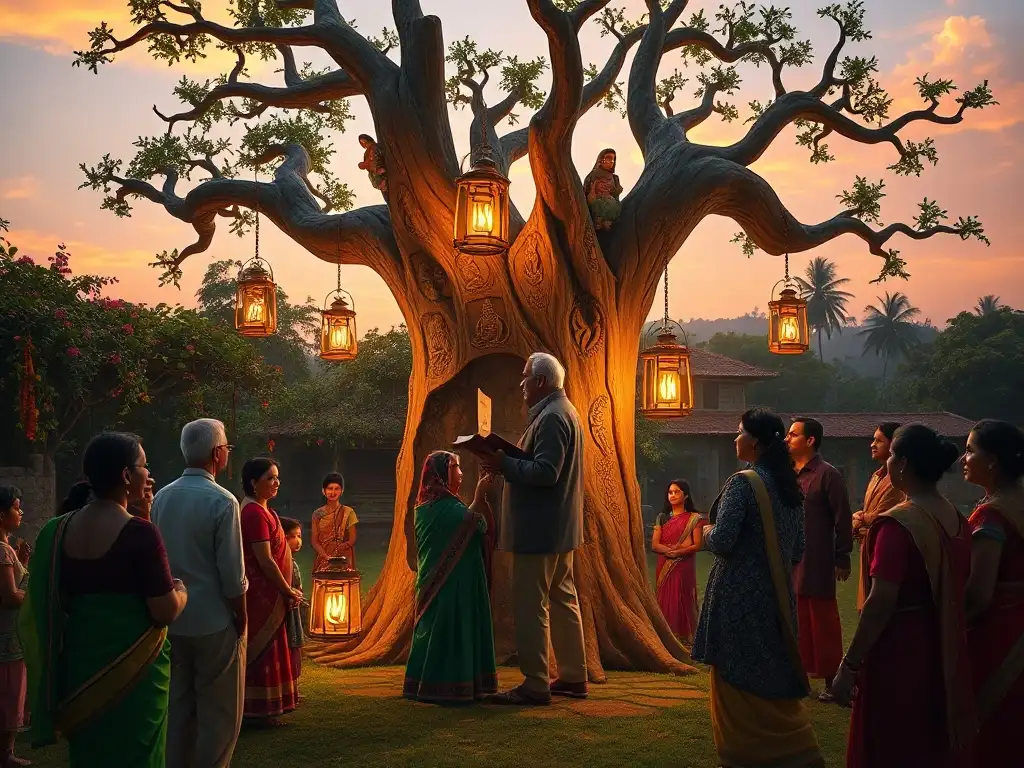
Welcome to Ancient India History, where we embark on a fascinating journey through the rich tapestry of Indian folktales and mythology. Delve into the enchanting world of stories that have transcended time, reflecting the syncretic nature of cultural exchanges from the Indus Valley to the Gupta Empire. As we explore how these narratives have shaped not only Indian art but also the collective consciousness of civilizations, prepare to uncover the profound influence of myth and folklore that continues to resonate in today's society.
Join us as we unravel the layers of meaning behind these timeless tales and discover the intricate connections that bind cultures across the ages. Are you ready to dive deeper?
- Introduction to Indian Folktales and Mythology
- The Origins of Indian Folktales
- Syncretism in Indian Folktales
- Artistic Representations of Folktales
- Cultural Exchanges and Their Impact
- Thematic Analysis of Indian Folktales
- Conclusion: The Legacy of Indian Folktales and Mythology
- Frequently Asked Questions
- Final Reflection: Embracing the Syncretic Nature of Indian Folktales and Mythology
- Unleash Your Imagination Through Indian Folktales!
Introduction to Indian Folktales and Mythology
India's rich tapestry of history and culture is intricately woven with the threads of its folktales and mythology. From the ancient times of the Indus Valley Civilization to the flourishing Gupta Empire, Indian folktales have served as a mirror reflecting the values, beliefs, and traditions of its people. These stories not only entertain but also impart moral lessons, preserve history, and foster a sense of community.
The syncretic nature of Indian mythology, influenced by various cultures and regions, adds depth and complexity to these narratives, making them a vital aspect of India's artistic and cultural heritage. In this article, we will explore the significance of Indian folktales and mythology, examining their role in shaping cultural identity and their enduring impact on art and society.
Overview of Indian Folktales and Their Significance
Indian folktales are a diverse collection of narratives that originate from various regions, languages, and communities across the subcontinent. They encompass a wide range of themes, characters, and moral lessons, often reflecting the local customs and traditions of the people. Some of the most notable collections include:
- Panchatantra: A classic anthology of animal fables that imparts wisdom through clever and often humorous storytelling.
- Jataka Tales: Stories of the Buddha's previous incarnations, emphasizing moral values and ethical behavior.
- Akbar-Birbal Tales: Anecdotes highlighting the wit and wisdom of Emperor Akbar and his advisor Birbal, often illustrating the importance of justice and cleverness.
The significance of Indian folktales lies not only in their entertainment value but also in their role as a vehicle for cultural transmission. These tales encapsulate the collective memory and experiences of communities, providing insights into societal norms and values. They serve as a means of preserving linguistic diversity and fostering regional identities, while also promoting a sense of unity among the diverse cultures of India.
The Role of Mythology in Indian Culture
Mythology occupies a central place in the cultural landscape of India, influencing various aspects of life, including religion, art, and literature. The vast array of deities, legends, and narratives found in Indian mythology not only enriches the spiritual lives of its people but also shapes their worldview.
Key aspects of the role of mythology in Indian culture include:
- Religious Practices: Mythological stories underpin many religious rituals and festivals, serving as a source of inspiration and devotion for millions. The epics, such as the Ramayana and Mahabharata, are not merely texts but are lived experiences that inform the spiritual practices of devotees.
- Artistic Expression: Indian mythology has profoundly influenced visual arts, dance, and theater. Traditional art forms, such as Madhubani and Warli, often depict mythological themes, while classical dance forms like Bharatanatyam and Kathak embody the stories of gods and heroes through intricate movements and expressions.
- Moral and Ethical Framework: The narratives found in Indian mythology provide moral guidance and ethical frameworks for individuals and societies. They explore complex themes such as duty (dharma), righteousness, and the consequences of one's actions, fostering a deep understanding of moral philosophy.
The syncretic nature of Indian folktales and mythology reflects the diverse cultural influences that have shaped India over millennia. Their significance extends beyond mere storytelling; they are crucial in understanding the intricate fabric of Indian society and its artistic expressions. As we delve deeper into this exploration, we'll uncover the rich connections between mythology, folklore, and the artistic traditions that continue to thrive in modern India.
The Origins of Indian Folktales
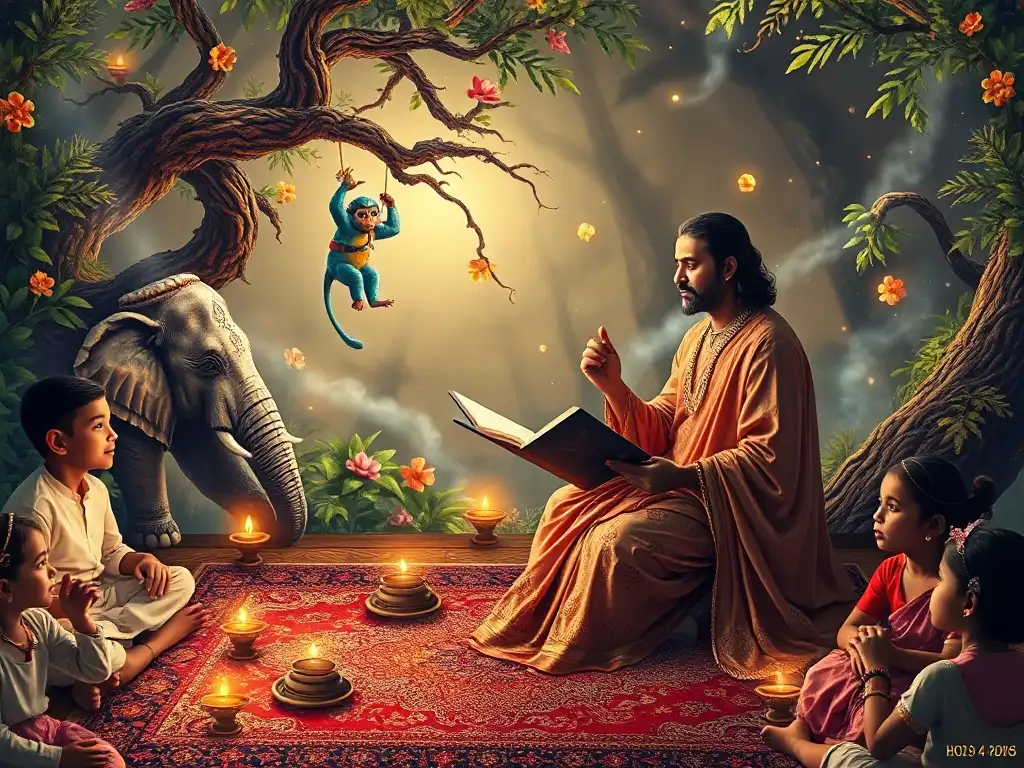
Indian folktales and mythology have their origins deeply rooted in the diverse cultures and traditions of the subcontinent. These stories, passed down through generations, are not merely entertainment; they serve as vehicles for moral lessons, cultural identity, and social values. The rich tapestry of Indian mythology is woven from various historical events, religious beliefs, and regional practices, making it a unique reflection of the civilization's evolution.
Historical Context of Indian Mythology
The historical context of Indian mythology can be traced back to ancient texts such as the Vedas, Puranas, and Mahabharata. These texts encapsulate the philosophical and spiritual essence of early Indian society.
- Vedic Literature: The Vedas, composed around 1500-500 BCE, include hymns and rituals that celebrate the deities and natural phenomena, laying the foundation for many later myths.
- Puranic Tales: The Puranas, written between 300-1500 CE, are a collection of mythological stories that detail the creation of the universe, genealogies of gods, and legends of great heroes, further enriching the narrative landscape of Indian folklore.
- Mahabharata and Ramayana: These epic texts not only narrate grand tales of heroism and morality but also serve as repositories of cultural values, social norms, and philosophical inquiries.
These texts illustrate how Indian folktales are interwoven with historical events and religious beliefs, providing a comprehensive understanding of the society from which they emerged.
Regional Variations in Indian Folktales
Indian folktales exhibit remarkable regional variations, each reflecting the unique customs, languages, and traditions of different communities. The diversity in storytelling techniques and themes enriches the larger narrative of Indian mythology. Here are some notable regional variations:
- North India: In states like Uttar Pradesh and Haryana, folktales often revolve around local heroes, romantic tragedies, and moral dilemmas. The tales of Birbal and Tenali Raman are particularly popular.
- South India: The Tamil and Telugu regions have a wealth of folktales that often feature deities like Ayyappa and Murugan, with narratives focused on devotion and local traditions.
- East India: Folktales from Bengal, such as those featuring Buddhadeb and Maa Durga, highlight themes of resilience and spirituality, often incorporating elements of nature and the supernatural.
- West India: The stories from Gujarat and Maharashtra frequently reflect the importance of commerce and trade, with tales that showcase the cleverness and entrepreneurship of local merchants.
These regional variations not only enrich the overall corpus of Indian folktales but also highlight the syncretic nature of Indian mythology, where local customs and beliefs meld with broader cultural narratives.
Influences from Neighboring Cultures
The syncretic nature of Indian folktales and mythology is further amplified by the influences from neighboring cultures. Throughout history, India has been a melting pot of various civilizations, leading to the exchange of ideas, beliefs, and storytelling traditions.
- Persian Influence: The Mughal era, which saw the rise of Persian culture in India, introduced new narrative styles and themes. Tales from Persian literature, such as those found in One Thousand and One Nights, can be seen in some Indian folktales, incorporating supernatural elements and moral lessons.
- Buddhist and Jain Narratives: The spread of Buddhism and Jainism also contributed significantly to Indian folklore. Many stories emphasize ethical conduct, karma, and reincarnation, reflecting the philosophical underpinnings of these religions.
- Tribal Narratives: Indigenous tribal communities have their own rich traditions of storytelling that have influenced mainstream Indian folktales. These narratives often highlight themes of nature, community, and the spiritual connection to the land.
The interplay between these diverse influences has created a vibrant tapestry of Indian folktales and mythology, showcasing the dynamic nature of cultural exchange in shaping artistic and narrative expressions.
Syncretism in Indian Folktales
Definition of Syncretism in Mythology
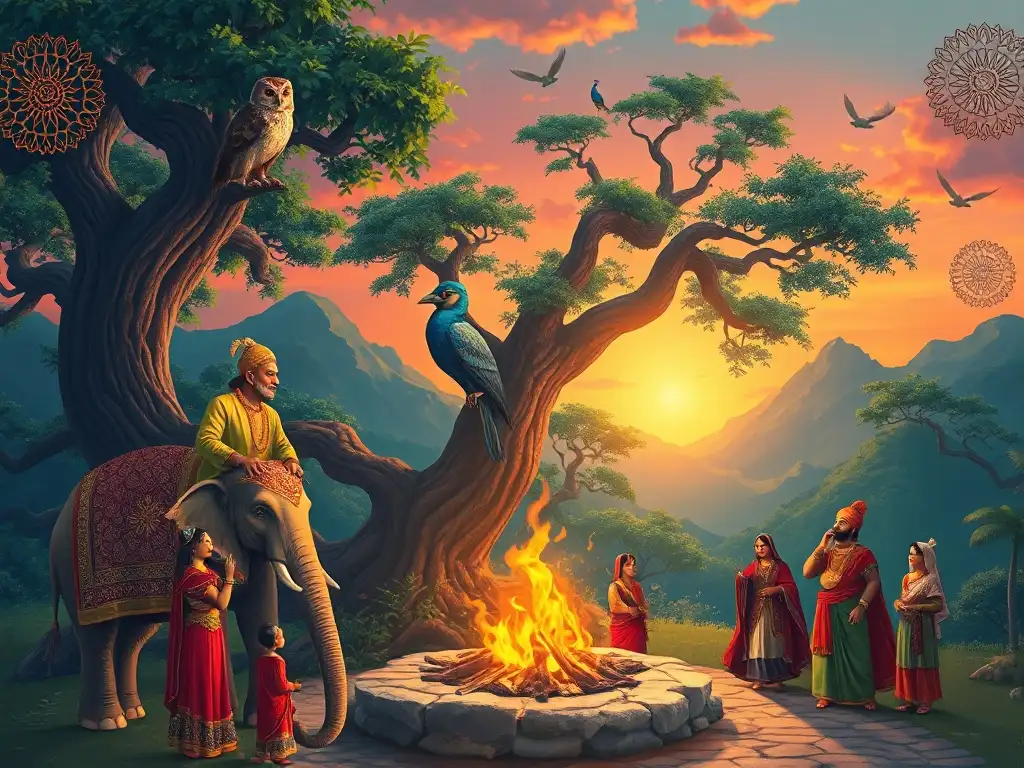
Syncretism in mythology refers to the blending of different religious, cultural, and philosophical beliefs into a cohesive system, often resulting in shared narratives, deities, and symbols. This process is particularly prominent in the context of Indian folktales and mythology, where diverse influences have coalesced over centuries. Indian mythology, enriched by its historical amalgamation of various traditions, serves as a canvas showcasing how distinct cultural narratives can intermingle to form new stories, characters, and moral lessons.
In the realm of Indian folktales, syncretism manifests in the intertwining of indigenous beliefs with those introduced through migration, trade, and cultural exchanges. This blending has resulted in the creation of stories that embody the complexities of societal values, ethical dilemmas, and the human experience, making Indian folktales a treasure trove of cultural wisdom.
Examples of Syncretic Elements in Indian Folktales
The syncretic nature of Indian folktales is illustrated through various examples that highlight the integration of differing cultural motifs and themes. This synthesis is evident in narratives that not only reflect local traditions but also resonate with broader, universal themes found in global mythologies.
Folktales Incorporating Hindu and Buddhist Themes
One of the most prominent examples of syncretism in Indian folktales is the incorporation of both Hindu and Buddhist themes. For instance, tales like the “Panchatantra” and “Jataka Tales” demonstrate a harmonious coexistence of these two religious traditions.
- Panchatantra: This ancient Indian collection of interrelated animal fables is rooted in Hindu philosophy but exhibits Buddhist moral teachings, particularly in the emphasis on wisdom and ethical conduct. The stories often convey practical life lessons through the adventures of anthropomorphized animals, blending Hindu values with Buddhist ethical principles.
- Jataka Tales: These tales narrate the previous lives of the Buddha, revealing his path toward enlightenment. They often include Hindu deities and concepts, showcasing a cross-pollination of ideas between the two faiths, thereby illustrating the shared moral and philosophical foundations that underpin both traditions.
Integration of Local Legends and Global Myths
Indian folktales also exhibit syncretism through the integration of local legends with global myths. This phenomenon is especially significant in regions with a history of cultural exchange due to trade or conquest.
- The Ramayana and Local Variants: The epic Ramayana has numerous local adaptations, each incorporating regional myths and characters. For example, in certain Southeast Asian cultures, the Ramayana is interwoven with local traditions, resulting in unique interpretations that reflect indigenous beliefs while retaining the core narrative.
- The Influence of Persian and Islamic Myths: During the medieval period, the arrival of Persian and Islamic influences led to the incorporation of these elements into Indian folktales. Stories such as "The Tale of the Two Brothers" highlight themes of loyalty and betrayal, common in both Persian and Indian folklore, demonstrating how narratives can evolve through cultural interactions.
Through these examples, the richness of Indian folktales and mythology becomes evident, showcasing a dynamic interplay of ideas and themes that continue to inspire and educate generations. The syncretic nature of these stories not only reflects the historical context of India but also illustrates the universal nature of human experiences and values.
Artistic Representations of Folktales
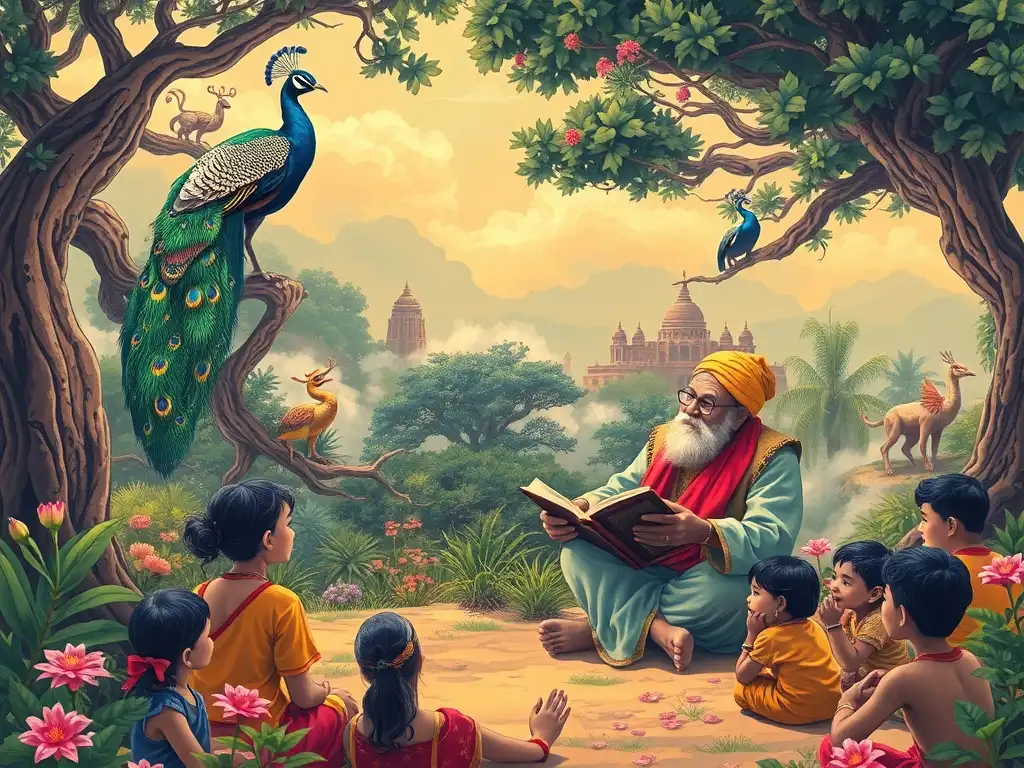
The artistic expressions rooted in Indian folktales and mythology are a fascinating reflection of the syncretic nature of cultural exchanges throughout history. These artistic forms serve as a medium through which stories, beliefs, and values are communicated, evolving over centuries while incorporating various influences. This section explores both traditional and modern artistic representations that encapsulate the essence of Indian folktales and mythology.
Traditional Art Forms Reflecting Indian Mythology
Traditional Indian art forms are deeply intertwined with the narratives found in folktales and mythological texts. These forms include painting, sculpture, and textile arts, each showcasing unique styles that echo the rich tapestry of Indian stories.
Painting Styles: Madhubani and Warli
Madhubani painting, originating from the Mithila region of Bihar, is characterized by intricate patterns and vibrant colors that often depict scenes from Hindu mythology and local folklore. This art form employs natural dyes and pigments, creating a connection to the earth and its narratives. Key features of Madhubani paintings include:
- Nature-inspired motifs: Flora and fauna are often illustrated, symbolizing the harmony of life.
- Religious themes: Deities such as Krishna, Durga, and Ganesha frequently appear, encapsulating the spiritual essence of Indian folklore.
- Symbolism: Each color and pattern carries meaning, making the artwork a narrative in itself.
On the other hand, Warli art, practiced by the Warli tribe in Maharashtra, employs simple geometric shapes to depict daily life and spiritual beliefs. Key aspects of Warli art include:
- Minimalistic style: The use of basic shapes like circles, triangles, and squares reflects a deep connection to nature and community.
- Storytelling through images: Warli paintings often narrate folk tales and agricultural practices, emphasizing the unity between humans and nature.
- Cultural rituals: Scenes of social gatherings and rituals are common, showcasing the cultural practices embedded in Indian folktales.
Sculpture: Temples and Iconography
Sculptural art in ancient India is closely linked to religious narratives and folklore. Temples, often adorned with detailed carvings, serve as a canvas for storytelling through sculptures. Notable features include:
- Iconographic representations: Deities are sculpted in various poses that signify their attributes and stories, such as Shiva's dance or Vishnu's avatars.
- Narrative reliefs: Many temples feature friezes that depict scenes from epics like the Ramayana and Mahabharata, bringing the stories to life in three dimensions.
- Regional variations: Different regions in India showcase distinct styles, such as the intricate carvings of Khajuraho or the elegant sculptures of Hampi, each contributing to the regional folklore narrative.
Modern Interpretations of Folktales in Art
In contemporary times, the influence of Indian folktales and mythology continues to resonate within various artistic mediums. Artists are reinterpreting traditional themes using modern techniques and perspectives, bridging the gap between past and present.
- Fusion art: Contemporary artists often blend traditional motifs with modern styles, creating hybrid forms that speak to today's audience while preserving cultural heritage. For example, artists may incorporate Madhubani patterns into digital art or street murals, fostering a dialogue between ancient and modern narratives.
- Theater and performance art: Modern adaptations of folk tales are increasingly showcased in theater, where storytelling is enhanced by visual art, music, and dance, creating a multi-sensory experience that captivates audiences.
- Film and digital media: The storytelling tradition finds new life in cinema and animation, where rich visual narratives draw from Indian mythology, introducing ancient tales to a global audience and inspiring new interpretations.
The artistic representations of Indian folktales and mythology reflect a dynamic interplay of tradition and modernity. Through various forms of art, these narratives continue to evolve, enriching the cultural landscape of India and beyond, while preserving the essence of its diverse heritage.
Cultural Exchanges and Their Impact
Influence of Trade Routes on Indian Folktales
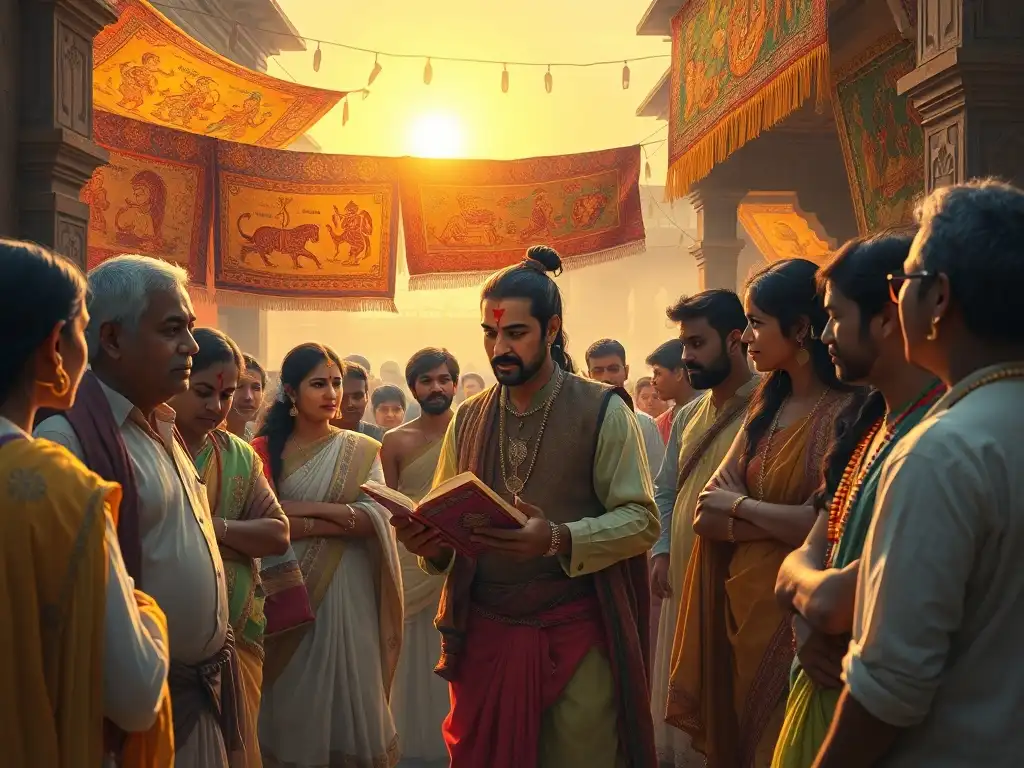
The vast network of trade routes that traversed ancient India played a pivotal role in the dissemination and evolution of Indian folktales and mythology. Key routes, such as the Silk Road and maritime paths connecting the Indian subcontinent to Southeast Asia and beyond, facilitated not just the exchange of goods, but also cultural and narrative exchanges. For instance:
- Cultural Interactions: Merchants and travelers brought with them their own stories, integrating them into local narratives. This fusion resulted in unique folktales that often blended elements from different cultures.
- Language and Storytelling Styles: The interaction between diverse linguistic groups led to the adoption of new storytelling techniques, enriching the oral traditions of Indian folktales.
- Example: The story of the Ramayana has variations across different cultures, including the Indonesian Ramayana performances, illustrating how trade not only spread goods but also ideas and stories.
The impact of these trade routes can be summarized in the following table:
| Trade Route | Influenced Folktales | Cultural Elements Introduced |
|---|---|---|
| Silk Road | Ramayana, Mahabharata variations | Persian and Central Asian motifs |
| Maritime Routes | Panchatantra, Jataka Tales | Southeast Asian folklore influences |
| Overland Trade | Local adaptations of Aesop’s Fables | Greek storytelling techniques |
The cross-pollination of ideas through these routes not only enriched Indian mythology but also helped preserve and propagate the narratives across generations.
The Role of Migration in Shaping Mythology
Migration has been a fundamental factor in shaping the rich tapestry of Indian mythology. The movement of people due to trade, conquest, or exploration brought diverse cultural influences that transformed local myths and legends. Key aspects include:
- Cultural Syncretism: Migrants often blended their own mythological narratives with those of indigenous populations, leading to the emergence of hybrid tales. For example, the incorporation of Buddhist narratives into Hindu mythology reflects this syncretic nature.
- Regional Variations: Migration contributed to the emergence of regional folktales that incorporated local deities and customs. The story of the goddess Durga, for instance, varies greatly in its retelling across different states of India, influenced by local beliefs and practices.
- Example: The arrival of the Aryans brought the Vedic texts, which laid the groundwork for much of Hindu mythology, intertwining with existing indigenous beliefs.
To illustrate the influence of migration on Indian mythology, consider the following points:
- Shared Deities: Many deities worshipped in Indian folklore have parallels in neighboring cultures, such as the goddess Kali, who shares attributes with various goddesses in Southeast Asia.
- Folktale Transmission: Migration also facilitated the transmission of folktales beyond borders, allowing stories like The Tale of the Three Brothers to find resonance in various cultures, evolving into distinct yet interconnected narratives.
Cross-Cultural Exchanges with Ancient Civilizations
The syncretic nature of Indian folktales and mythology is a testament to the rich cultural exchanges that occurred with ancient civilizations. These interactions were characterized by a blend of ideas, beliefs, and artistic expressions that significantly influenced Indian narratives. Key influences include:
- Persian Influence: The Persian Empire's interactions with Indian kingdoms introduced themes of heroism and morality, which are evident in many Indian folktales. The epic tales of Persian poets often found parallels in the narratives of Indian folklore.
- Greek and Hellenistic Cultures: The arrival of Alexander the Great and subsequent Hellenistic influences brought new storytelling techniques and themes, particularly in moral tales and fables. The Panchatantra reflects several Greek fables, showcasing a shared moral framework.
- Buddhist and Jain Narratives: The spread of Buddhism and Jainism across India introduced new philosophical ideas that permeated local mythology, leading to the emergence of tales that highlight moral dilemmas and ethical teachings.
The following points summarize the impact of these cross-cultural exchanges:
- Narrative Structures: The introduction of new narrative structures, such as the frame story, can be traced back to the influence of Persian and Arabic storytelling traditions.
- Artistic Representations: Artistic depictions in sculptures and paintings often reflect a blend of styles from various cultures, showcasing themes and characters from Indian folktales influenced by external sources.
The syncretic nature of Indian folktales and mythology is a vibrant reflection of the cultural exchanges that have shaped the subcontinent through trade, migration, and interactions with ancient civilizations. These elements continue to enrich the narrative landscape of India, making it a unique tapestry of stories that resonates with diverse audiences.
Thematic Analysis of Indian Folktales
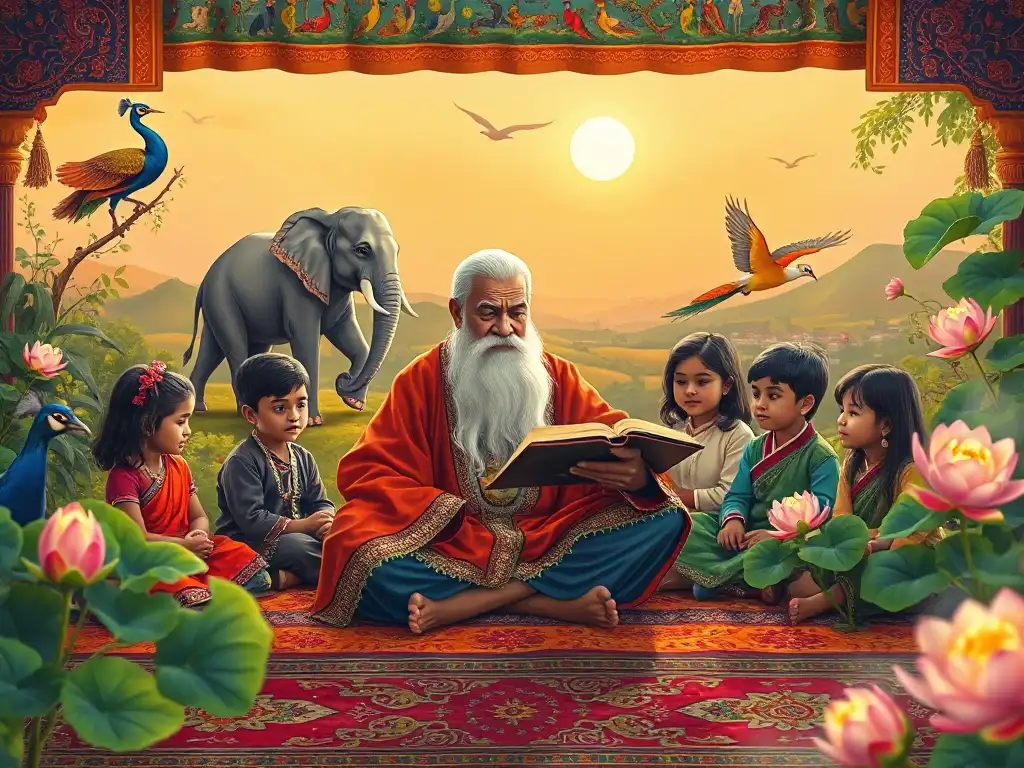
The exploration of Indian folktales and mythology reveals a rich tapestry of themes that reflect the diverse cultural heritage of the subcontinent. These tales, often passed down through generations, serve not only as entertainment but also as vessels of moral and philosophical lessons. By analyzing the thematic elements present in these narratives, we can gain a deeper understanding of the values, beliefs, and societal norms of ancient Indian civilizations.
Common Themes in Indian Mythology
Indian mythology is characterized by a multitude of themes that resonate across various folktales and artistic expressions. These recurring motifs serve as a framework for understanding the complexities of human existence and the natural world.
Good vs. Evil: Morality Tales
One of the most prominent themes in Indian folktales is the dichotomy of good and evil. This moral struggle is often personified in characters who embody virtues or vices, reflecting the ethical dilemmas faced by individuals in society. For example:
- Heroes and Villains: Stories like the Ramayana depict the heroism of Lord Rama against the demon king Ravana, illustrating the ultimate victory of good over evil.
- Moral Lessons: Tales often conclude with a moral, guiding listeners towards virtuous behavior. The Panchatantra, a collection of fables, emphasizes wisdom and morality through its animal characters.
These narratives not only entertain but also instill a sense of righteousness, encouraging adherence to dharma (duty) and ethical conduct.
Nature and the Supernatural
Another significant theme is the interplay between nature and the supernatural. Indian folktales frequently depict the natural world as a living entity, intertwined with the spiritual realm. This theme manifests in various ways:
- Personification of Nature: Elements such as rivers, mountains, and forests are often personified and revered. For instance, the Ganges River is not just a waterway but is considered a goddess, embodying purity and life.
- Mythical Creatures: Folktales are replete with mythical beings such as nagas (serpent deities) and rakshasas (demons), who inhabit the natural world and influence human affairs.
This theme highlights the deep connection between humans and their environment, showcasing a worldview where nature is sacred and imbued with spiritual significance.
Symbolism in Folktales and Art
Symbolism plays a crucial role in enriching the narratives of Indian folktales and the corresponding artistic representations. Through various symbols, these stories convey deeper meanings and cultural values.
- Colors and Motifs: In Indian art, colors often carry specific meanings; for example, red symbolizes passion and power, while blue represents divinity. The use of these colors in visual storytelling enhances the emotional resonance of the tales.
- Imagery: Visual elements within folktales, such as the lotus flower representing purity and enlightenment, are frequently depicted in paintings and sculptures. This symbolism not only beautifies the art but also reinforces the underlying messages of the stories.
By understanding these symbols, we can appreciate the layered meanings that are integral to both Indian folktales and their artistic expressions. The syncretic nature of these narratives demonstrates how cultural exchanges have shaped the rich tapestry of Indian mythology, making it a vibrant and enduring aspect of the civilization's heritage.
Conclusion: The Legacy of Indian Folktales and Mythology
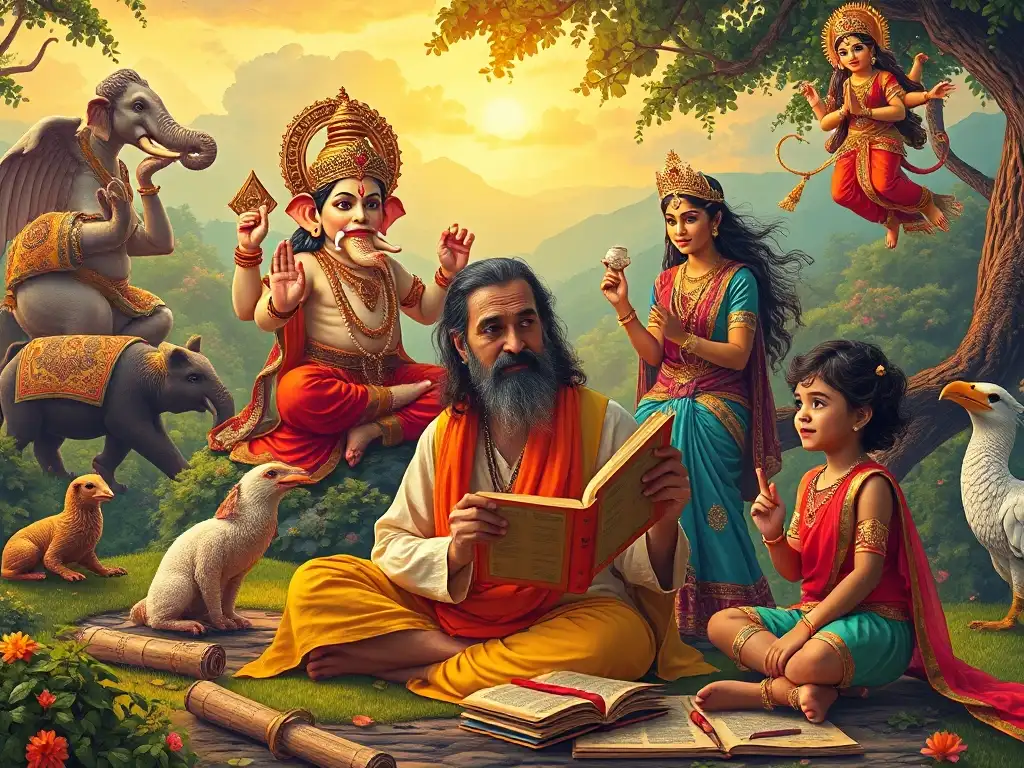
Indian folktales and mythology have profoundly influenced not only the cultural fabric of India but also the artistic expressions that stem from it. These narratives, rich in symbolism and moral lessons, reflect the diverse beliefs and practices that have evolved over millennia. The legacy of Indian folktales is evident in various forms of art, literature, and oral traditions, each embodying the syncretic nature of the civilization they emerge from.
The stories, characters, and themes within Indian mythology often serve as a bridge connecting different cultures and communities. As these tales traverse geographical and temporal boundaries, they adapt and integrate elements from various traditions, creating a vibrant tapestry of narratives that continues to resonate across generations. This intricate blend of influences not only enriches the storytelling tradition but also fosters a sense of unity amidst diversity, highlighting the shared values and experiences among different groups.
The Continuing Relevance of Folktales in Modern India
In contemporary India, the relevance of folktales and mythology endures, shaping cultural identity and influencing modern narratives. These stories are often revisited in various formats, such as theater, cinema, and literature, where they are reinterpreted to address current social issues or to reflect modern values.
- Literary Adaptations: Authors like Devdutt Pattanaik have garnered attention for their retellings of ancient tales, making them accessible to a younger audience. These adaptations often include themes of feminism and social justice, connecting ancient wisdom with contemporary issues.
- Film and Television: Bollywood and regional cinema frequently draw upon Indian mythology, producing films that bring these narratives to life. For instance, movies like "Baahubali" and television series such as "Mahabharat" have garnered immense popularity, showcasing the grandeur of Indian epics while making them relatable to modern viewers.
- Performing Arts: Traditional dance forms, such as Kathak and Bharatanatyam, often incorporate stories from folktales and mythology, preserving the cultural heritage while engaging audiences through vibrant performances.
The adaptability of these narratives demonstrates their enduring appeal, proving that Indian folktales are not merely relics of the past but living, breathing stories that continue to inspire and educate.
Preserving the Syncretic Nature of Indian Cultural Heritage
The preservation of the syncretic nature of Indian cultural heritage is crucial for maintaining the richness of Indian folktales and mythology. Several efforts are underway to safeguard these traditions, ensuring that they remain vibrant and relevant for future generations.
- Documentation and Research: Scholars and organizations are increasingly focused on documenting oral traditions and local folklore, which are often at risk of fading away. By conducting field studies and engaging with local communities, researchers are capturing the essence of these narratives.
- Cultural Festivals: Events dedicated to showcasing Indian folklore, such as the "Kumbh Mela" and "Rath Yatra," celebrate the diversity of regional myths and legends. These festivals not only serve as platforms for storytelling but also help foster a sense of community and cultural pride.
- Educational Initiatives: Schools and cultural institutions are incorporating Indian folktales into their curricula, teaching children about the values and lessons embedded in these stories. This educational approach promotes an appreciation for cultural heritage and encourages the continuation of storytelling traditions.
- Digital Media: The rise of digital platforms provides new avenues for preserving and sharing Indian folktales. Through podcasts, animated series, and social media, these narratives can reach a global audience, ensuring that the syncretic nature of Indian mythology is recognized and celebrated worldwide.
The legacy of Indian folktales and mythology is a testament to the richness of cultural exchanges and artistic syncretism in ancient India. As we continue to explore and preserve these narratives, we not only honor our past but also foster a deeper understanding of the diverse identities that shape our present and future.
Frequently Asked Questions
What are Indian folktales and mythology?
Indian folktales and mythology encompass a vast collection of stories that reflect the cultural values, beliefs, and traditions of ancient Indian civilizations, offering insights into their social structures and spiritual practices.
How do Indian folktales differ from other cultural myths?
Indian folktales often showcase a syncretic nature, blending various cultural influences and regional narratives, making them distinct in their richness and diversity compared to other cultural myths around the world.
What role did art play in Indian mythology?
Art served as a vital medium for expressing mythological themes and folktales, allowing for a visual representation of stories that conveyed moral lessons and spiritual beliefs, thus enhancing their cultural significance.
Can you name some famous Indian folktales?
Famous Indian folktales include stories from the Panchatantra, the Jataka Tales, and Akbar-Birbal stories, each showcasing wisdom, humor, and life lessons that resonate across generations.
How did the Gupta Empire influence Indian mythology?
The Gupta Empire was a golden age for Indian culture, where there was a flourishing of literature, art, and philosophy, leading to the codification of many myths and folktales, cementing their place in Indian heritage.
Final Reflection: Embracing the Syncretic Nature of Indian Folktales and Mythology
**The exploration of Indian folktales and mythology reveals a profound truth about our shared human experience: **the blending of cultures and narratives enriches our understanding of the world. In today’s increasingly interconnected society, the syncretic nature of these tales serves as a reminder of the beauty found in diversity and the importance of preserving our cultural heritage. As we navigate the complexities of modern life, we must recognize that these stories are not just relics of the past, but vibrant threads that continue to weave our collective identity.
The influence of Indian folktales and mythology extends far beyond their origins, shaping contemporary art, literature, and social discourse. These narratives resonate with universal themes of love, conflict, and morality, making them relevant to audiences across cultures. As we engage with these stories, we find reflections of our own lives and values, fostering a sense of empathy and connection. Mythology is not a lie; mythology is a truth that has been told in a different way.
This quote encapsulates the essence of how these tales transcend time and space, inviting us to explore the deeper meanings behind our shared human experiences.
As you reflect on the rich tapestry of Indian folktales and mythology, I encourage you to embrace the lessons they impart. Consider how these narratives can inspire your own life and actions, fostering a greater appreciation for cultural diversity and the stories that shape our world. Let the wisdom of these tales guide you in your journey, encouraging you to seek connections, celebrate differences, and contribute to the ongoing narrative of humanity. Together, we can honor the past while shaping a more inclusive and understanding future.
Unleash Your Imagination Through Indian Folktales!
Thank you for diving into the rich tapestry of Indian folktales and art! We hope you uncovered fascinating insights into how these stories blend cultures and traditions. Now, it’s your turn to step into this vibrant world and let your creativity soar.
Here are a few actions you can take right now:
- Start a storytelling group with friends or family to share and reinterpret your favorite folktales, exploring new angles and cultural connections.
- Visit a local library or bookstore and discover unique books that feature Indian folktales, broadening your perspective on these timeless narratives.
- Share this article on your social media and encourage others to join in the exploration of cultural myths—consider initiating a discussion or book club specifically focused on this theme!
What aspect of Indian folktales intrigues you the most, and how do you think these stories can influence modern art or literature? We would love to hear your thoughts!