
The Art of Indian Jewelry: Craftsmanship Through the Ages

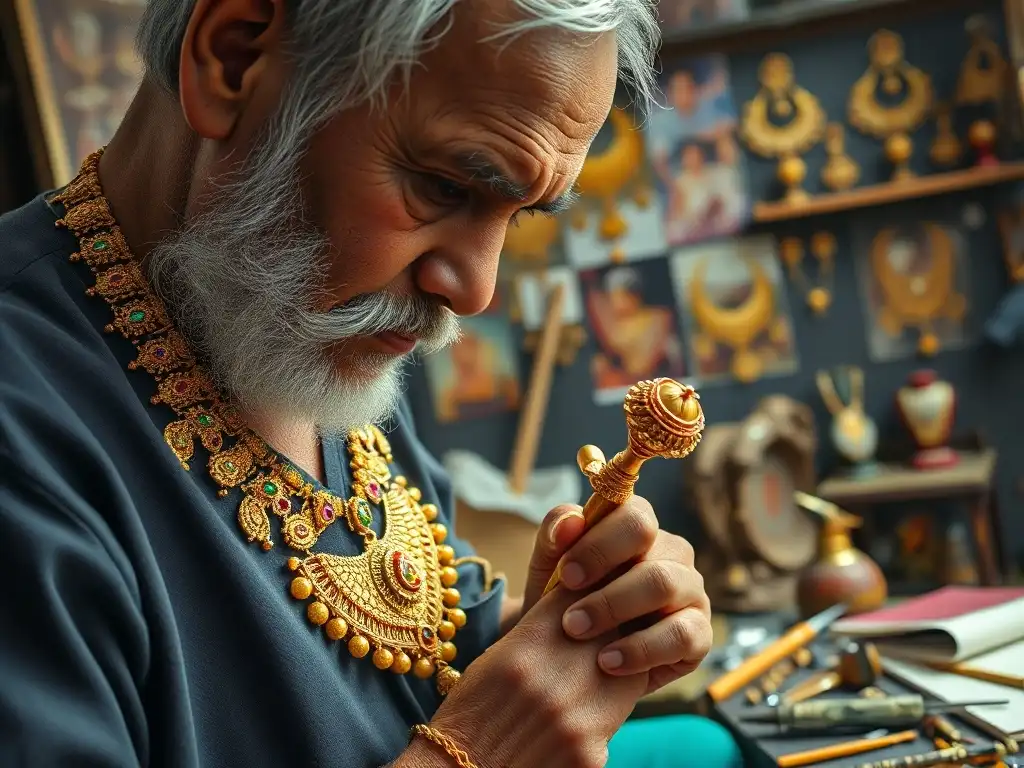
Welcome to Ancient India History, where we embark on a captivating journey through the rich tapestry of India's past. In this exploration, we uncover the fascinating history of Indian jewelry craftsmanship, a testament to the artistry and ingenuity of ancient civilizations. From the intricate designs of the Indus Valley artisans to the opulent creations of the Gupta Empire, each piece of jewelry tells a story of cultural significance and skilled craftsmanship.
Dive deeper with us as we unravel the secrets behind these exquisite adornments and discover how they reflect the soul of a civilization. Your adventure into the world of ancient Indian artistry starts here!
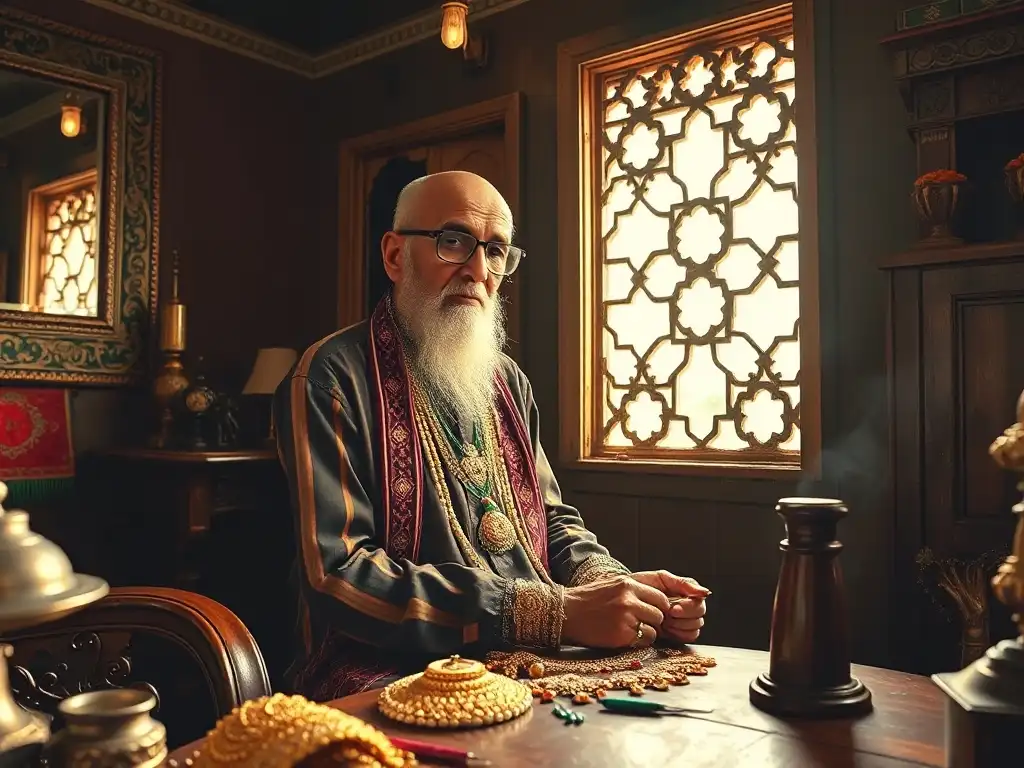
Introduction to Indian Jewelry Craftsmanship History
The history of Indian jewelry craftsmanship is a captivating narrative that intertwines art, culture, and tradition. Spanning thousands of years, this rich heritage reflects not just the aesthetic sensibilities of ancient civilizations but also their social, economic, and spiritual values.
From the intricate designs of the Indus Valley to the opulent creations of the Gupta Empire, Indian jewelry has evolved significantly, showcasing the skilled craftsmanship that has been passed down through generations. This article aims to explore the multifaceted history of Indian jewelry craftsmanship, shedding light on its origins, significance, and the various artistic styles that have emerged throughout the ages.
Overview of Indian Jewelry: A Cultural Reflection
Jewelry in India is not merely an accessory; it serves as a profound cultural symbol, often representing wealth, status, and identity. Each piece of jewelry tells a story, reflecting the traditions and values of the society that created it.
- Materials Used:
- Gold
- Silver
- Precious stones (diamonds, emeralds, rubies)
- Organic materials (pearl, coral, etc.)
- Regional Variations:
- Kundan: Originating from Rajasthan, known for its intricate gem-setting.
- Meenakari: Enamel work that adds vibrant colors to jewelry.
- Temple Jewelry: Traditionally worn in South India, often depicting deities.
Significance of Jewelry in Ancient Indian Society
Jewelry has played a pivotal role in ancient Indian society, serving various purposes that extend beyond mere ornamentation.
- Ritualistic Importance: Many pieces were used in religious ceremonies and rites.
- Social Status: Jewelry often indicated the wealth and status of individuals and families.
- Cultural Identity: Different styles and designs were unique to specific communities, fostering a sense of belonging.
Historical Timeline of Indian Jewelry Craftsmanship
The craftsmanship of Indian jewelry has a rich historical timeline, marked by significant developments and innovations across various eras.
Prehistoric Period: Origins of Jewelry in India
The origins of jewelry in India can be traced back to the prehistoric period, where simple ornaments were crafted from natural materials like shells, bones, and stones. These early artifacts reveal the human inclination towards decoration and self-expression.
Indus Valley Civilization: The Birth of Artisan Techniques
During the Indus Valley Civilization (circa 3300–1300 BCE), jewelry-making evolved into a sophisticated art. The artisans developed advanced techniques in metallurgy and stone cutting, producing exquisite pieces made from gold, silver, and semi-precious stones.
- Key Features:
- Use of beads and intricate motifs.
- Evidence of standardized weights for trade.
Vedic Period: Symbolism and Spiritual Significance in Jewelry
The Vedic period (circa 1500–500 BCE) saw a shift in the symbolism of jewelry, with many pieces designed to hold spiritual significance. Jewelry was often associated with rituals and was believed to bestow protection and prosperity upon the wearer.
- Common Types:
- Necklaces (upavita)
- Earrings (karnika)
- Bracelets (kankana)
Mauryan Empire: Innovations in Goldsmithing
The Mauryan Empire (circa 322–185 BCE) marked a significant advancement in goldsmithing techniques. This era witnessed the introduction of new designs and methods, including the use of granulation and filigree work, which added intricate detail to jewelry pieces.
- Notable Developments:
- Increased use of larger gemstones.
- Introduction of new styles influenced by trade with other cultures.
Gupta Empire: Flourishing of Artistic Jewelry Styles
The Gupta Empire (circa 240–550 CE) is often referred to as a golden age for Indian art, including jewelry craftsmanship. This era saw the flourishing of artistic styles that blended traditional designs with innovative techniques, resulting in jewelry that was not only beautiful but also highly symbolic.
- Characteristics:
- Use of intricate patterns and motifs.
- Emergence of unique regional styles, such as the use of pearls and colored gemstones.
Through the ages, Indian jewelry craftsmanship has not only adorned the people but has also encapsulated the rich cultural tapestry of the civilization. Each era contributed to the evolution of techniques and styles, making Indian jewelry a timeless art form worthy of exploration and appreciation.
Regional Variations in Indian Jewelry Craftsmanship
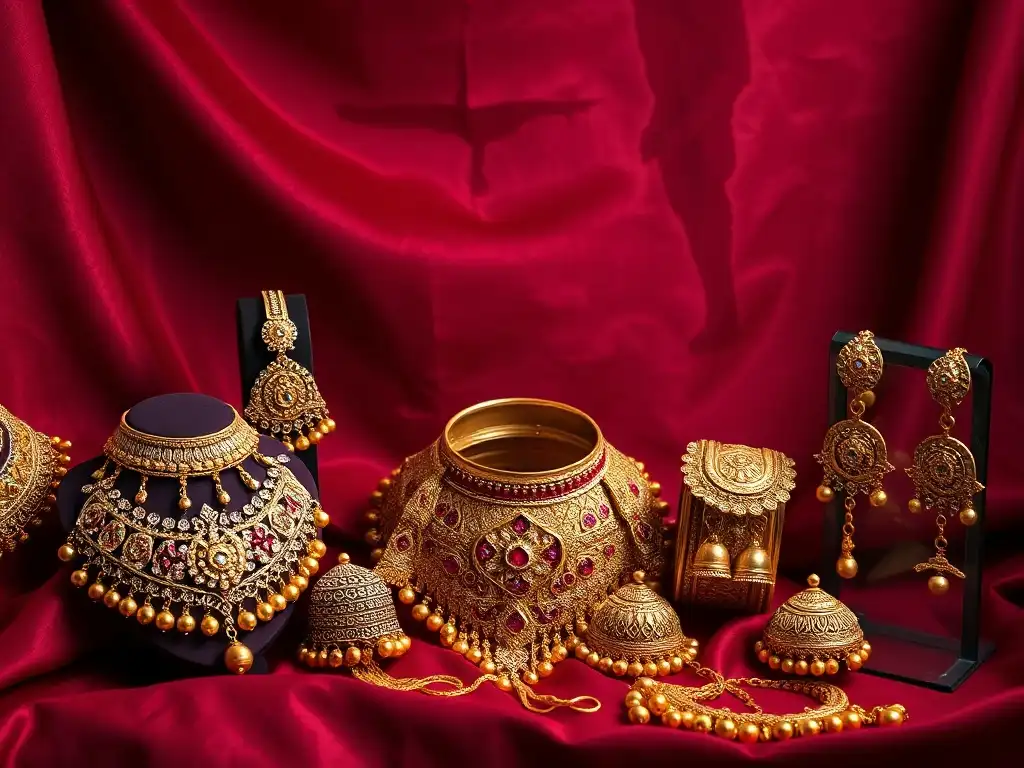
Indian jewelry craftsmanship showcases a rich tapestry of regional styles, influenced by cultural, historical, and geographical factors. Each region of India boasts unique techniques, materials, and designs, reflecting the local traditions and the stories of the people who inhabit those areas. This diversity not only highlights the artistic skills of various communities but also preserves the cultural heritage of the subcontinent.
Understanding the regional variations in Indian jewelry craftsmanship allows us to appreciate the intricate details and meanings embedded in each piece. From the opulent designs of North Indian jewelry to the intricate craftsmanship of South India, every region offers a distinct flavor that contributes to India's overall artistic legacy.
North Indian Jewelry: Styles and Influences
North Indian jewelry is characterized by its opulence and intricate designs, often featuring heavy gold and elaborate motifs. The influence of Mughal aesthetics is particularly notable, with designs that incorporate floral patterns, intricate filigree work, and the use of sumptuous gemstones. The famous Kundan technique, which involves setting stones in gold foil, is a hallmark of North Indian craftsmanship.
In regions like Rajasthan, traditional jewelry such as the "jadau" pieces reflect the royal heritage, showcasing elaborate craftsmanship and the use of semi-precious stones. Additionally, the jewelry often carries cultural symbols, representing various deities and local traditions, making each piece not just an adornment but a storytelling medium.
South Indian Jewelry: Traditional Techniques and Materials
South Indian jewelry is renowned for its distinctive styles and the use of traditional techniques that have been passed down through generations. The craftsmanship often includes the use of gold, particularly in the form of temple jewelry, which is designed to adorn deities during rituals. South Indian artisans are known for their intricate "vaddanam" (waist belts) and "mangalsutra" (sacred threads), which feature detailed carvings and elaborate embellishments.
Materials such as ivory, beads, and semi-precious stones are commonly used, with techniques like the "filigree" that highlights the skill of the artisans in creating delicate patterns. The vibrant colors of gemstones such as rubies and emeralds are often set against the warm tones of gold, creating striking contrasts that are visually captivating.
East Indian Jewelry: Unique Craftsmanship and Designs
East Indian jewelry is a blend of cultural influences, showcasing unique craftsmanship that often incorporates traditional motifs and regional materials. States like West Bengal and Odisha are known for their intricate "shankh" (conch shell) designs, which symbolize purity and prosperity. Jewelry from this region often features intricate beadwork and the use of silver, with designs that reflect local folklore and mythology.
Traditional crafts such as "dokra" (metal casting) are prevalent, where artisans create stunning pieces using ancient techniques. The region's connection to nature is evident in the organic forms and earthy tones of the materials used, which add a distinct allure to East Indian jewelry.
West Indian Jewelry: Cultural Diversity and Artistry
West Indian jewelry showcases a vibrant blend of cultural influences, particularly from the state of Gujarat and Maharashtra. The craftsmanship is heavily influenced by the tribal communities, with designs that often incorporate elements of nature and local symbolism. Jewelry pieces such as "bajuband" (armlets) and "nath" (nose rings) are commonly adorned with intricate mirror work and colorful beads.
The use of materials like silver and brass is prominent, often combined with semi-precious stones to create unique pieces that reflect the region's diverse traditions. West Indian jewelry is not only a reflection of artistic talent but also a representation of the rich cultural heritage of the communities that create it.
Materials and Techniques in Indian Jewelry Craftsmanship
The materials and techniques used in Indian jewelry craftsmanship are as diverse as the regions themselves. From traditional metals to innovative techniques, the artistry involved is a testament to the skill and creativity of Indian artisans. Understanding these elements allows for a deeper appreciation of Indian jewelry as both art and culture.
Traditional Materials Used in Indian Jewelry
Indian jewelry has traditionally relied on a variety of materials, each chosen for its aesthetic qualities and cultural significance. Gold has long been the preferred metal, symbolizing wealth and prosperity. Silver, often used in tribal and rural jewelry, is appreciated for its affordability and versatility.
Other common materials include:
- Gemstones: Rubies, emeralds, sapphires, and pearls are frequently used, each carrying its own symbolism and value.
- Beads and Shells: These are often incorporated into designs, especially in tribal jewelry.
- Ivory and Wood: Used in traditional pieces, these materials reflect the connection to nature and local resources.
The choice of materials not only affects the aesthetic appeal but also the cultural meaning behind the jewelry.
Techniques of Jewelry Making: From Filigree to Enameling
Indian jewelry craftsmanship encompasses a wide range of techniques that have evolved over centuries. Some of the most notable techniques include:
- Kundan: Involves setting gemstones in gold foil, creating a stunning visual effect.
- Meenakari: An enameling technique where colorful designs are painted onto metal surfaces, adding vibrancy to the pieces.
- Filigree: A delicate technique involving intricate metalwork that creates lace-like patterns, often seen in South Indian jewelry.
- Chasing and Repoussé: Techniques used to create raised designs on metal surfaces, showcasing fine artistry.
These techniques are not just about aesthetics; they carry historical significance and reflect the cultural narratives of the regions from which they originate.
The Role of Gemstones in Indian Jewelry Craftsmanship
Gemstones play a pivotal role in Indian jewelry craftsmanship, serving both aesthetic and symbolic purposes. Historically, gemstones have been associated with various beliefs and practices, often believed to possess healing properties or bring good fortune.
In Indian culture, different gemstones are linked to specific meanings:
- Ruby: Symbolizes love and passion.
- Emerald: Associated with wisdom and fertility.
- Sapphire: Represents purity and spiritual enlightenment.
The meticulous selection and setting of gemstones not only enhance the visual appeal of jewelry but also connect the wearer to rich traditions and beliefs. The craftsmanship involved in setting these stones—whether through Kundan or other techniques—demonstrates the skill and artistry that define Indian jewelry craftsmanship.
The Influence of Religion and Mythology on Indian Jewelry
The intricate world of Indian jewelry is deeply interwoven with the country's religious beliefs and mythological narratives. Jewelry in India is not merely an adornment; it serves as a symbol of cultural identity, spiritual significance, and artistic expression that reflects the values and traditions of various communities. This influence manifests in the materials used, the designs created, and the occasions for which jewelry is crafted. From religious ceremonies to personal milestones, the connection between belief systems and jewelry craftsmanship is evident throughout India’s history.
Hinduism and Jewelry: Symbolism and Significance
In Hinduism, jewelry holds profound symbolic meaning and is often associated with specific deities and celestial beings. Each piece of jewelry is designed to reflect the attributes and virtues of these divine entities. For instance, gold is considered a sacred metal, representing purity and wealth, while silver is associated with the moon and is believed to bring peace and harmony. Jewelry designed for weddings and festivals often features motifs such as lotuses, peacocks, and goddesses, which embody fertility, beauty, and prosperity.
Additionally, various ornaments like the maang tikka (forehead ornament), nath (nose ring), and bangles are worn by brides as part of traditional ceremonies, symbolizing auspiciousness and marital bliss. The significance attached to these pieces transcends mere aesthetics; they are imbued with blessings and protective qualities that are believed to safeguard the wearer.
Jewelry in Buddhism and Jainism: Artistic Expressions
Buddhism and Jainism also contribute richly to the tapestry of Indian jewelry craftsmanship. In Buddhist culture, jewelry is often simple and understated, reflecting the principles of minimalism and detachment from material possessions. Beaded necklaces and bracelets, made from natural materials like wood and seeds, are prevalent, serving as reminders of meditation and spiritual practice.
Conversely, Jain jewelry is characterized by its intricate craftsmanship and the use of precious gemstones. Jain rituals often incorporate jewelry as offerings, and it is common for devotees to wear symbolic pieces that reflect their dedication to non-violence and truth. The artistry found in Jain jewelry often features delicate carvings and elaborate designs that celebrate their rich heritage while adhering to strict ethical guidelines regarding materials.
Mythological Themes in Indian Jewelry Designs
Mythology plays a pivotal role in shaping the designs and themes present in Indian jewelry. Many pieces are inspired by tales from ancient texts such as the Ramayana and Mahabharata, with motifs depicting gods and goddesses, legendary creatures, and epic narratives. For example, jewelry that features Lord Krishna often includes designs of flutes, butterflies, or cows, symbolizing his divine playfulness and connection to nature.
Furthermore, the Navaratna (nine gems) jewelry set is a prime example of mythological influence. It represents the nine celestial bodies in Hindu astrology and is believed to bring balance, health, and prosperity to its wearer. The incorporation of these themes not only enhances the aesthetic appeal but also serves to connect the wearer to their cultural and spiritual heritage.
The Evolution of Indian Jewelry Craftsmanship
The craftsmanship of Indian jewelry has evolved significantly over the centuries, shaped by historical events, regional influences, and advancements in techniques. From the ancient goldsmiths of the Indus Valley Civilization to the contemporary artists, the evolution of Indian jewelry reflects changing societal values and artistic trends.
Impact of Trade and Cultural Exchange on Indian Jewelry
Trade routes established during ancient times facilitated the exchange of not only goods but also ideas and skills among different cultures. The arrival of Persian and Central Asian influences significantly affected Indian jewelry design, introducing intricate styles and techniques. For example, the use of enameling and filigree work became popular due to interactions with Persian artisans.
Moreover, the spice trade and maritime routes enabled the influx of rare gemstones like diamonds, rubies, and emeralds, which became integral to Indian jewelry. The fusion of these diverse influences led to the development of unique regional styles, such as the Kundan technique from Rajasthan and the Meenakari style from Gujarat, enriching the art of jewelry making across India.
Colonial Era: Changes in Craftsmanship and Design
The colonial era brought significant transformations to Indian jewelry craftsmanship. British colonial policies introduced mass production techniques that altered traditional practices, leading to a decline in artisanal skills. However, this period also saw the emergence of new jewelry styles that combined Western aesthetics with Indian motifs, resulting in eclectic designs that appealed to both the local elite and colonial patrons.
The introduction of mechanization led to less intricate designs and the use of lower-quality materials, which contrasted sharply with the rich heritage of Indian craftsmanship. Nevertheless, this era laid the groundwork for a renewed interest in traditional techniques and showcased the adaptability of Indian artisans in the face of changing demands.
Contemporary Indian Jewelry: Blending Tradition with Modernity
Today, Indian jewelry craftsmanship is experiencing a renaissance, characterized by a harmonious blend of traditional techniques and modern design sensibilities. Contemporary artisans are revisiting ancient methods, incorporating sustainable practices, and experimenting with innovative designs that appeal to global markets.
The rise of bespoke jewelry services and online platforms has made it easier for consumers to access customized pieces that reflect their personal style while celebrating their cultural heritage. Moreover, the inclusion of contemporary materials like acrylics, fabrics, and recycled metals in jewelry design illustrates a shift towards sustainability without compromising the artistry and significance of traditional Indian jewelry.
The journey of Indian jewelry craftsmanship is a testament to the rich cultural and historical tapestry of the nation, highlighting its ability to evolve while retaining its core values and aesthetics.
Conclusion: The Enduring Legacy of Indian Jewelry Craftsmanship
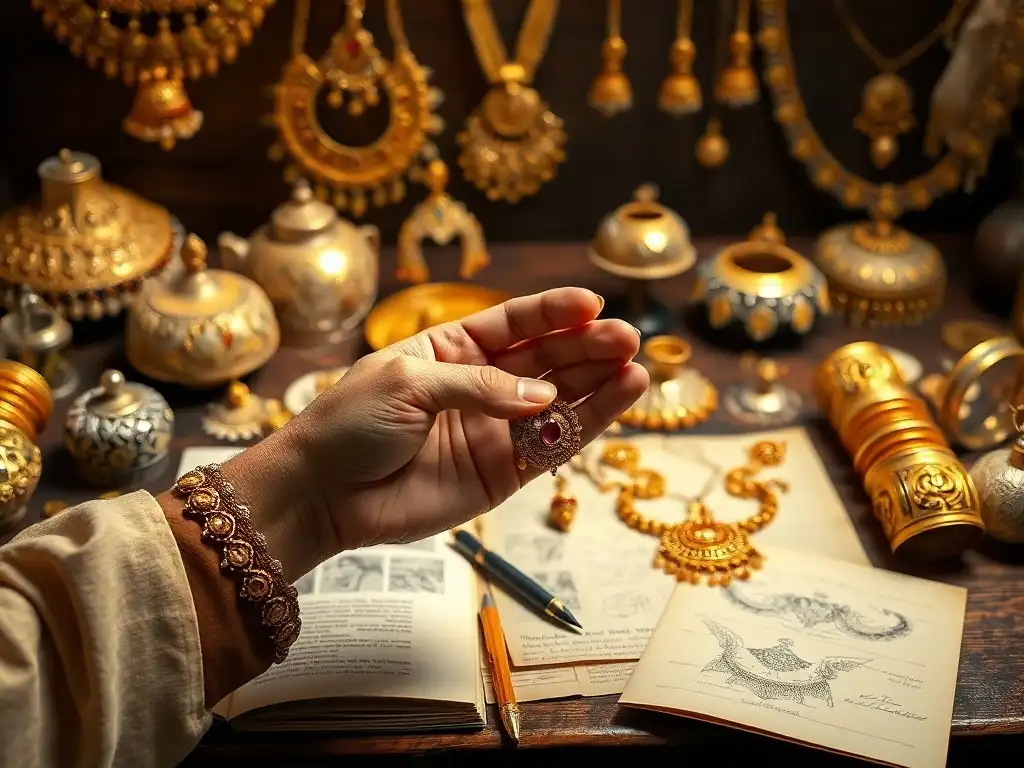
The history of Indian jewelry craftsmanship is not merely a tale of adornment; it is a profound narrative that encapsulates the societal values, cultural nuances, and artistic expressions of ancient civilizations. From the intricate designs of the Indus Valley to the opulent creations of the Mughal era, each piece of jewelry tells a story of heritage and artistry. The meticulous techniques passed down through generations highlight the significance of Indian craftsmanship, showcasing a blend of traditional methods and innovative designs that continue to evolve.
As we reflect on this enduring legacy, it becomes clear that Indian jewelry is more than just an accessory; it is a symbol of identity and a reflection of the dynamic history of India. The craftsmanship involved in creating these exquisite pieces is a testament to the skill and creativity of artisans. This legacy not only enriches the cultural fabric of India but also inspires contemporary designers and artists around the globe.
Preserving Traditional Craftsmanship in the Modern World
In an age where mass production often overshadows traditional methods, preserving the age-old techniques of Indian jewelry craftsmanship has become imperative. Artisans and craftsmen face challenges such as market competition from machine-made products and a declining interest among younger generations. However, various initiatives are underway to ensure that these traditional skills are not lost.
Organizations and NGOs are working tirelessly to promote awareness of the importance of these crafts. Workshops, training programs, and collaborations with designers are being implemented to engage youth and impart traditional skills. Furthermore, the integration of sustainable practices in jewelry-making is gaining traction, attracting environmentally conscious consumers and ensuring that artisans can thrive without compromising their heritage.
The Future of Indian Jewelry: Trends and Innovations
The future of Indian jewelry craftsmanship is poised at an exciting intersection of tradition and innovation. Contemporary designers are reinterpreting traditional motifs and techniques, merging them with modern aesthetics to appeal to a global audience. This fusion creates unique pieces that maintain a connection to heritage while also reflecting current fashion trends.
Emerging technologies, such as 3D printing and digital design, are revolutionizing the way jewelry is conceptualized and produced. These innovations allow for intricate designs that were previously challenging to achieve by hand. Moreover, there is a growing trend towards customization, where consumers seek personalized pieces that tell their own stories, further driving innovation in the field.
Recommendations for Further Exploration
To deepen your understanding of Indian jewelry craftsmanship history, consider exploring the following resources and experiences that offer rich insights into this fascinating art form.
Books and Resources on Indian Jewelry Craftsmanship History
- "Jewels of India: The World of Indian Jewelry" by Aditi K. Khandekar: - This book delves into the historical significance and evolution of jewelry in India, examining various styles and regional variations.
- "The Art of Indian Jewelry" by Jaya Jaitly - A comprehensive guide that highlights traditional craftsmanship and the artisans behind the masterpieces.
- "Ornamenting the World: The Indian Jewelry Tradition" by Ritu Kumar: - This resource provides an overview of the cultural and historical contexts surrounding Indian jewelry.
Museums and Exhibitions Showcasing Indian Jewelry
- National Museum, New Delhi: This museum houses a vast collection of Indian artifacts, including exquisite pieces of jewelry that reflect the craftsmanship of various historical periods.
- The Chhatrapati Shivaji Maharaj Vastu Sangrahalaya, Mumbai: Known for its rich collection of decorative arts, this museum features a variety of jewelry pieces that showcase the intricacies of Indian craftsmanship.
- Exhibitions at the Crafts Museum, New Delhi: Regular exhibitions and workshops dedicated to traditional crafts, including jewelry, help promote awareness and appreciation for these art forms.
These resources provide a gateway into the captivating world of Indian jewelry craftsmanship, offering insights into its rich history and the ongoing efforts to preserve this invaluable heritage.
Call to Action
The art of Indian jewelry is not just about adornment; it is a testament to centuries of craftsmanship, cultural narratives, and regional diversity. As we delve into the rich history of Indian jewelry craftsmanship, we invite you to embrace and celebrate this exquisite art form. Here are some ways you can actively participate:
- Visit Local Exhibitions: Many museums and galleries host exhibitions dedicated to Indian jewelry. Attending these events can provide invaluable insights into the techniques and traditions associated with this art form.
- Support Artisans: Consider purchasing jewelry from local artisans or fair-trade organizations. This not only supports traditional craftsmanship but also helps sustain the livelihoods of skilled artisans.
- Engage in Workshops: Look for workshops or classes in jewelry-making. Hands-on experience can deepen your appreciation for the intricate work and effort that goes into crafting these pieces.
- Share Knowledge: Educate friends and family about the significance of Indian jewelry. Discussing its historical context and cultural importance can foster a greater appreciation for this art form.
By participating in these activities, you not only enhance your understanding of Indian jewelry craftsmanship but also contribute to the preservation of this unique cultural heritage.
Encouraging Appreciation of Indian Jewelry Art Forms
Indian jewelry is a vibrant reflection of the country's diverse cultures, religions, and historical epochs. Each piece tells a story, from the opulent gold ornaments of the Mughal era to the intricate silver work of tribal communities. To cultivate a deeper appreciation for these art forms, consider the following approaches:
- Explore Regional Styles: Indian jewelry varies significantly from region to region. For instance, Kundan and Meenakari reflect the royal heritage of Rajasthan, while the intricate filigree work of Orissa showcases local craftsmanship. Understanding these differences can enhance your appreciation for the artistry involved.
- Learn About Symbolism: Many Indian jewelry pieces are imbued with symbolism. The use of specific gemstones, motifs, and designs often carries cultural significance. For example, the lotus flower represents purity and beauty, while the peacock symbolizes grace. Knowing these meanings adds depth to your appreciation.
- Participate in Cultural Events: Festivals and cultural events often showcase traditional jewelry. Engaging in these celebrations can provide firsthand experience of the role jewelry plays in various rituals and ceremonies, fostering a deeper connection to the art form.
- Read and Research: Delve into books, documentaries, and articles that explore the history of Indian jewelry. Understanding its evolution over the centuries can illuminate the craftsmanship techniques and cultural influences that have shaped this art form.
By actively engaging with Indian jewelry and its history, you can cultivate a lasting appreciation for the craftsmanship that has defined this exquisite art form through the ages.
- Introduction to Indian Jewelry Craftsmanship History
- Overview of Indian Jewelry: A Cultural Reflection
- Significance of Jewelry in Ancient Indian Society
- Historical Timeline of Indian Jewelry Craftsmanship
- Regional Variations in Indian Jewelry Craftsmanship
- Materials and Techniques in Indian Jewelry Craftsmanship
- The Influence of Religion and Mythology on Indian Jewelry
- The Evolution of Indian Jewelry Craftsmanship
- Conclusion: The Enduring Legacy of Indian Jewelry Craftsmanship
- Recommendations for Further Exploration
- Call to Action
- What is the significance of Indian jewelry craftsmanship history?
- How has jewelry design evolved in ancient India?
- What materials were commonly used in ancient Indian jewelry?
- How did the Indus Valley civilization influence Indian jewelry?
- What role did the Gupta Empire play in the development of jewelry?
Frequently Asked Questions
What is the significance of Indian jewelry craftsmanship history?
The Indian jewelry craftsmanship history showcases the artistic skills and cultural values of ancient civilizations, reflecting their traditions and social status.
How has jewelry design evolved in ancient India?
Jewelry design in ancient India evolved through various dynasties, incorporating regional styles and materials, leading to diverse forms and techniques that define its rich cultural heritage.
What materials were commonly used in ancient Indian jewelry?
Ancient Indian jewelry utilized a variety of materials, including gold, silver, gemstones, and glass, each symbolizing wealth, status, and spiritual beliefs.
How did the Indus Valley civilization influence Indian jewelry?
The Indus Valley civilization is known for its intricate beadwork and use of metals, laying the foundation for future craftsmanship and influencing styles in subsequent Indian cultures.
What role did the Gupta Empire play in the development of jewelry?
During the Gupta Empire, jewelry craftsmanship flourished, with artisans creating refined pieces that showcased technical innovations and were often linked to religious and social themes.
Final Reflection: The Timeless Legacy of Indian Jewelry Craftsmanship
The intricate world of Indian jewelry craftsmanship is not just a reflection of artistic skill; it embodies a rich tapestry of cultural heritage that continues to resonate in today's society. The artistry and techniques passed down through generations reveal a profound connection to identity, tradition, and innovation. In a rapidly changing world, the enduring appeal of Indian jewelry serves as a reminder of the beauty that lies in our history and the stories that each piece tells.
Cultural heritage is not merely a relic of the past; it shapes our present and influences our future. The craftsmanship of Indian jewelry has transcended time, influencing global fashion and inspiring artisans worldwide. As we admire the delicate filigree work or the vibrant use of gemstones, we recognize that these creations are not just adornments but symbols of resilience and creativity. Jewelry is like the perfect spice; it always complements what’s already there.
– Diane Von Furstenberg. This quote encapsulates the essence of Indian jewelry, illustrating how it enhances our understanding of beauty and cultural expression.
As we reflect on the significance of Indian jewelry craftsmanship, let us embrace the lessons it imparts about heritage, artistry, and identity. I invite you to explore your own connection to craftsmanship, whether through appreciating the artistry in your surroundings or even trying your hand at creating something unique. By honoring the past and engaging with the present, we can ensure that the legacy of Indian jewelry continues to inspire future generations, fostering a deeper appreciation for the artistry that enriches our lives.
Unveil the Splendor of Indian Jewelry Today!
Thank you for exploring the rich heritage of Indian jewelry craftsmanship with us! The artistry and history you’ve discovered are just the beginning—now it’s time to take action and dive deeper into this beautiful world.
Here are a few steps you can take to deepen your connection with Indian jewelry:
- Explore Local Artisan Markets: Seek out and visit nearby markets or galleries that showcase Indian jewelry. This is a wonderful way to support artisans and gain insights into their unique techniques.
- Share Your Favorite Pieces: Post images of your favorite jewelry or share stories about how you discovered them on social media, inviting friends to join the conversation.
- Join a Jewelry-Making Workshop: Look for local workshops where you can experiment with creating your own pieces inspired by traditional designs.
Which piece of Indian jewelry resonates with you the most, and why? We’d love to hear your thoughts in the comments below!