
The Influence of Ancient Indian Art on Global Artistic Traditions

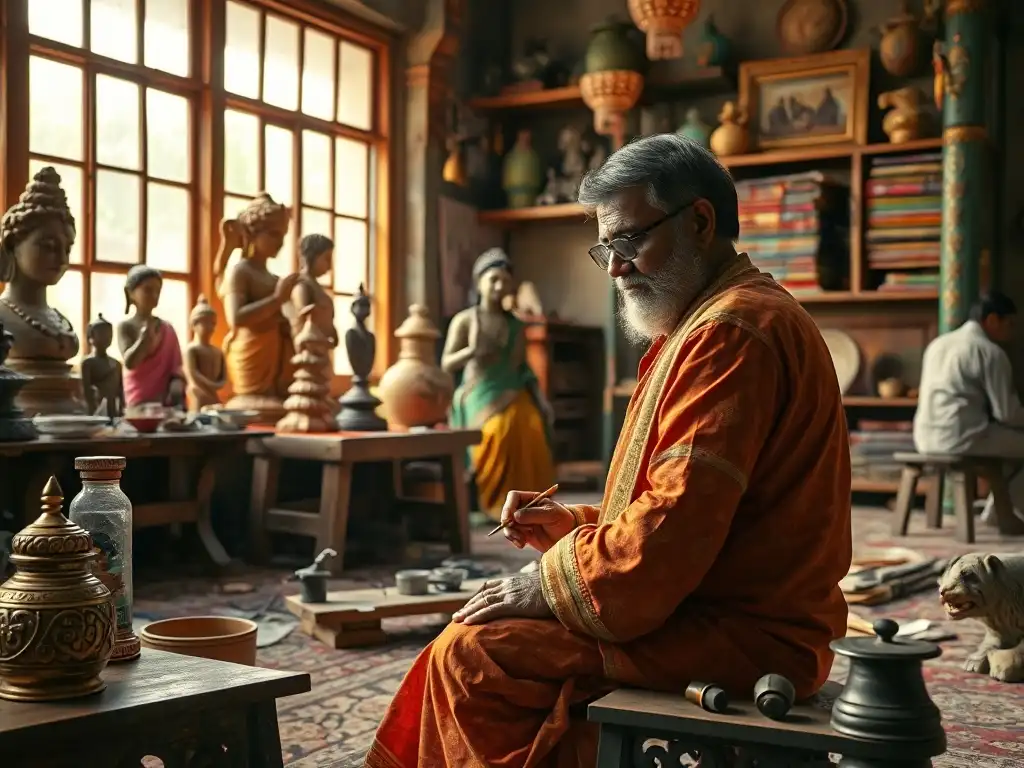
Welcome to Ancient India History, where we embark on a fascinating journey through the rich tapestry of ancient Indian civilizations. From the intricate craftsmanship of the Indus Valley to the profound philosophical contributions during the Gupta Empire, our exploration unveils the myriad ways these cultures have shaped the world. In our featured article, we delve into the influence of ancient Indian art on global artistic traditions, revealing connections that transcend time and geography.
Join us as we uncover the secrets of a vibrant heritage that continues to inspire and resonate across the globe. Are you ready to discover the compelling stories behind the art that changed the world?
Introduction to Ancient Indian Art Influence
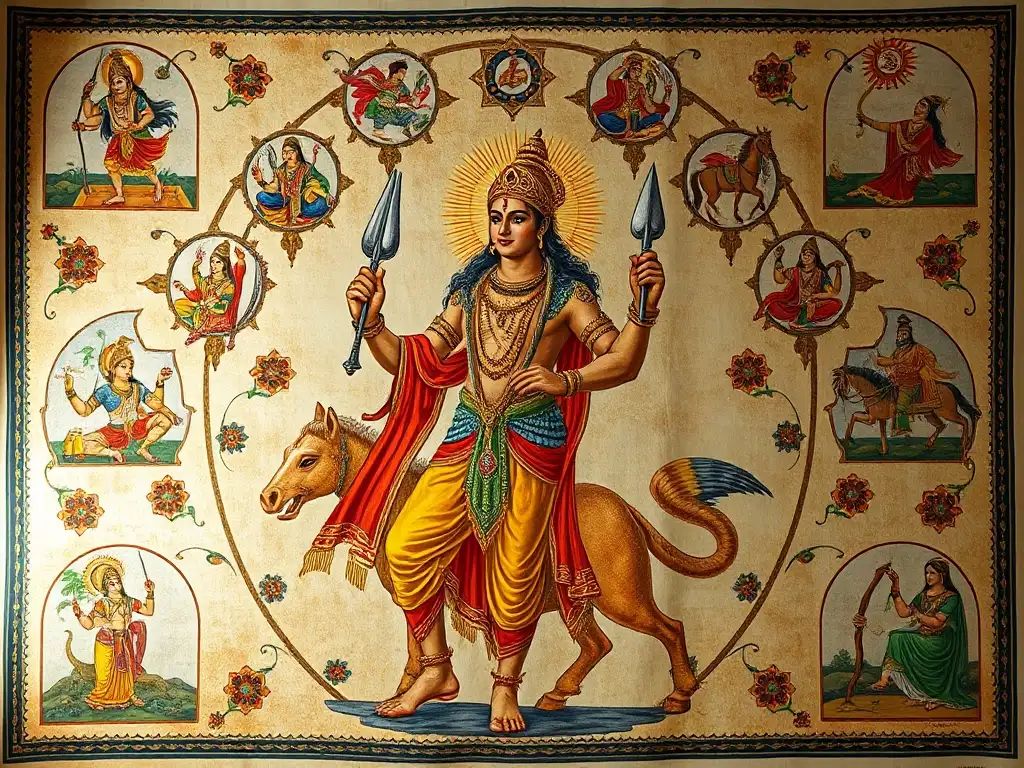
The artistic legacy of ancient India is a testament to the country's rich cultural tapestry, showcasing a blend of creativity, spirituality, and philosophical thought that spans millennia. The influence of ancient Indian art is not confined within the borders of the subcontinent; rather, it has resonated through various cultures and artistic traditions around the world.
From the intricate carvings of temples to the vibrant frescoes of palaces, the nuances of Indian art have inspired countless artists and movements, leaving an indelible mark on global aesthetics. This article delves into the multifaceted influence of ancient Indian art, exploring its forms, significance, and historical context while highlighting the enduring connections between Indian artistic traditions and global art movements.
Overview of Ancient Indian Art Forms
Ancient Indian art encompasses a diverse range of forms and styles, each reflecting the socio-political and religious milieu of its time. Key art forms include:
- Sculpture: Renowned for its intricate details, ancient Indian sculptures often depict deities, mythological stories, and significant historical figures. The stone carvings of Khajuraho and the sculptures of the Ajanta Caves exemplify this artistry.
- Painting: From the vibrant murals of the Ajanta and Ellora caves to the exquisite Pahari and Mughal miniatures, ancient Indian painting is characterized by its vivid colors and intricate patterns.
- Architecture: The design of temples, stupas, and palaces reflects not only aesthetic principles but also deep philosophical and religious values. The grand architecture of the Brihadeeswarar Temple and the intricate designs of the Hampi ruins are notable examples.
- Textiles: The art of weaving and dyeing fabrics has deep roots in ancient India, with techniques such as block printing and ikat influencing textile traditions worldwide.
Significance of Ancient Indian Art in Global Context
The significance of ancient Indian art extends beyond its aesthetic appeal; it serves as a cultural bridge connecting various civilizations. Key aspects of its global influence include:
- Cultural Exchange: Ancient trade routes, such as the Silk Road, facilitated the exchange of artistic ideas and styles between India and other cultures, including Persia, Greece, and Southeast Asia.
- Spiritual Influence: The themes of spirituality and philosophy prevalent in ancient Indian art have influenced numerous global artistic traditions, especially in the portrayal of religious narratives.
- Inspirational Legacy: The techniques and motifs found in ancient Indian art have inspired artists around the world, contributing to movements such as Art Nouveau and modernist abstraction.
Historical Context of Ancient Indian Art
Understanding the historical context of ancient Indian art is crucial to appreciating its influence. This section explores its origins and key periods that shaped its evolution.
Origins of Indian Art: From Prehistoric to Historic Periods
The origins of Indian art can be traced back to prehistoric times, with evidence of cave paintings in Bhimbetka and rock art that depict early human life. As civilizations progressed, distinct artistic styles emerged, influenced by geographical, cultural, and religious factors.
- Indus Valley Civilization: Known for its sophisticated urban planning and artistic craftsmanship, this civilization produced terracotta figurines and seals that reflect both aesthetic values and the socio-economic structure of the time.
- Vedic Period: Art during this period was predominantly oral and ritualistic, focusing on symbolic representations and the spiritual dimensions of life.
Major Periods in Ancient Indian Art History
The history of ancient Indian art can be categorized into several major periods, each marked by unique styles and cultural shifts:
- Mauryan Period (c. 322-185 BCE): Characterized by monumental sculptures and the introduction of stone architecture, this period saw the construction of the famous Ashoka Pillars.
- Gupta Period (c. 320-550 CE): Often referred to as the Golden Age of India, this era produced remarkable advancements in sculpture, painting, and architecture, with the emergence of the iconic Gupta style.
- Post-Gupta Period: Marked by regional variations in art, this period saw the rise of temple architecture and the flourishing of several local art forms across India.
The exploration of ancient Indian art's influence on global traditions reveals a rich historical narrative that continues to inspire and inform contemporary artistic expressions around the world.
Key Characteristics of Ancient Indian Art
Ancient Indian art is characterized by its profound spiritual essence, intricate craftsmanship, and a rich tapestry of symbolism. One of the most prominent features is the deep connection to religious themes, predominantly Hinduism, Buddhism, and Jainism. This connection is evident in the numerous sculptures, paintings, and architectural marvels that depict deities, mythological narratives, and spiritual teachings.
Moreover, ancient Indian art often emphasizes harmony and balance, reflecting the philosophical ideals present in Indian culture. The use of vibrant colors and elaborate patterns showcases not only aesthetic appeal but also the cultural significance of the elements depicted. The artistic expressions range from the monumental rock-cut caves of Ajanta and Ellora to the delicate miniatures found in various manuscripts, each revealing the diversity and intricacy of ancient Indian artistry.
Another key characteristic is the regional variation in styles and techniques, influenced by local traditions, materials, and cultural exchanges. From the bold forms of the Gupta period to the intricate details of Mughal painting, ancient Indian art illustrates a dynamic evolution influenced by historical and social contexts.
Themes and Motifs in Ancient Indian Art
Themes in ancient Indian art often revolve around spirituality, mythology, and nature. The representation of gods and goddesses is a dominant theme, with artworks frequently showcasing divine figures such as Vishnu, Shiva, and Durga. These representations are not merely decorative; they serve an educational purpose, conveying stories from the epics like the Mahabharata and Ramayana.
Motifs such as lotus flowers, elephants, and peacocks are recurrent in ancient Indian art, symbolizing purity, strength, and beauty, respectively. The lotus, in particular, holds deep spiritual significance, often associated with divine birth and enlightenment. Additionally, the intricate use of geometric patterns and floral designs illustrates the connection between the earthly and the divine, reflecting the Indian philosophy of unity in diversity.
Furthermore, the portrayal of everyday life, including agricultural practices, musical performances, and festive celebrations, provides valuable insights into the social and cultural fabric of ancient Indian society. Through these themes and motifs, ancient Indian art narrates the complexities of life, spirituality, and the relationship between humans and the cosmos.
Techniques and Materials Used in Ancient Indian Art
The techniques and materials utilized in ancient Indian art varied widely depending on the region and the period. Sculptural works were often carved from stone, with sandstone, granite, and marble being the most commonly used materials. The artisans employed chiseling and polishing techniques to achieve intricate details and smooth finishes, as seen in the exquisite carvings of the Khajuraho temples.
In painting, ancient Indian artists used natural pigments derived from minerals, plants, and animal sources. These pigments were often mixed with binders like gum or egg to create durable and vibrant colors. Frescoes found in the Ajanta caves exemplify the mastery of these techniques, showcasing a rich palette and elaborate compositions.
Textiles also played a significant role in ancient Indian art. The use of weaving and dyeing techniques resulted in beautifully crafted fabrics adorned with intricate patterns and motifs. Techniques such as block printing and embroidery further contributed to the artistic expression found in textiles, which were often used in religious and ceremonial contexts.
Symbolism in Ancient Indian Art
Symbolism is a crucial aspect of ancient Indian art, as each element often carries deeper meanings beyond its aesthetic value. Deities are typically represented with specific attributes that signify their powers and roles within the cosmic order. For example, Lord Shiva is often depicted with a trident (trishula) and a snake around his neck, symbolizing his dominion over creation and destruction.
Colors also hold significant symbolic meanings; for instance, red may symbolize passion and fertility, while blue often represents the divine and infinite. The use of animals in art, like elephants and horses, conveys various attributes such as strength, wisdom, and nobility.
Moreover, the architectural designs of temples incorporate symbolic elements in their layout and structure. The layout often reflects cosmological beliefs, aligning with cardinal directions and embodying concepts of sacred geometry. By integrating symbolism in various forms, ancient Indian art offers a multifaceted understanding of the spiritual and philosophical underpinnings of its time.
Ancient Indian Art Influence on Asian Art Traditions
The influence of ancient Indian art on various Asian art traditions is profound and far-reaching. As Indian traders and missionaries traveled across Asia, they carried not only goods but also cultural and artistic ideas. This exchange fostered a rich cross-pollination of artistic styles and techniques that would shape the art of neighboring regions.
Influence on Southeast Asian Art
In Southeast Asia, ancient Indian art significantly influenced the architectural and sculptural traditions, particularly during the rise of Hindu and Buddhist kingdoms. The construction of monumental temples, such as Angkor Wat in Cambodia and Borobudur in Indonesia, reflects Indian architectural styles and iconography. These structures often incorporate intricate carvings depicting scenes from Indian epics, showcasing a blend of local and Indian artistic elements.
Sculptures from this region frequently depict Hindu deities and Buddhist figures, indicating the spread of Indian religious beliefs and practices. The Khmer Empire, for instance, adopted Indian artistic techniques, leading to the development of a unique style that merged indigenous elements with those from India. This cultural exchange not only enriched Southeast Asian art but also facilitated the establishment of trade routes that further connected these regions.
Influence on East Asian Art
The impact of ancient Indian art on East Asian art traditions, particularly in China and Japan, is evident in various forms. The introduction of Buddhism to China brought with it Indian artistic techniques and iconography, which influenced Chinese sculpture and painting. The early Buddhist caves in Dunhuang, for example, showcase Indian stylistic elements in their statues and murals.
In Japan, the adaptation of Buddhist art from China, which itself was influenced by Indian traditions, led to the development of a distinct Japanese style. The representation of Buddhist figures in Japanese temples often retains the grace and elegance seen in ancient Indian sculptures, demonstrating the enduring legacy of Indian art across cultures.
Moreover, the themes of spirituality, enlightenment, and the human condition that are prevalent in ancient Indian art resonate throughout East Asian artistic expressions, highlighting the shared philosophical foundations that transcend geographical boundaries. Through these influences, ancient Indian art has left an indelible mark on the artistic traditions of Asia, fostering a rich dialogue among diverse cultures.
Ancient Indian Art Influence on Western Artistic Traditions
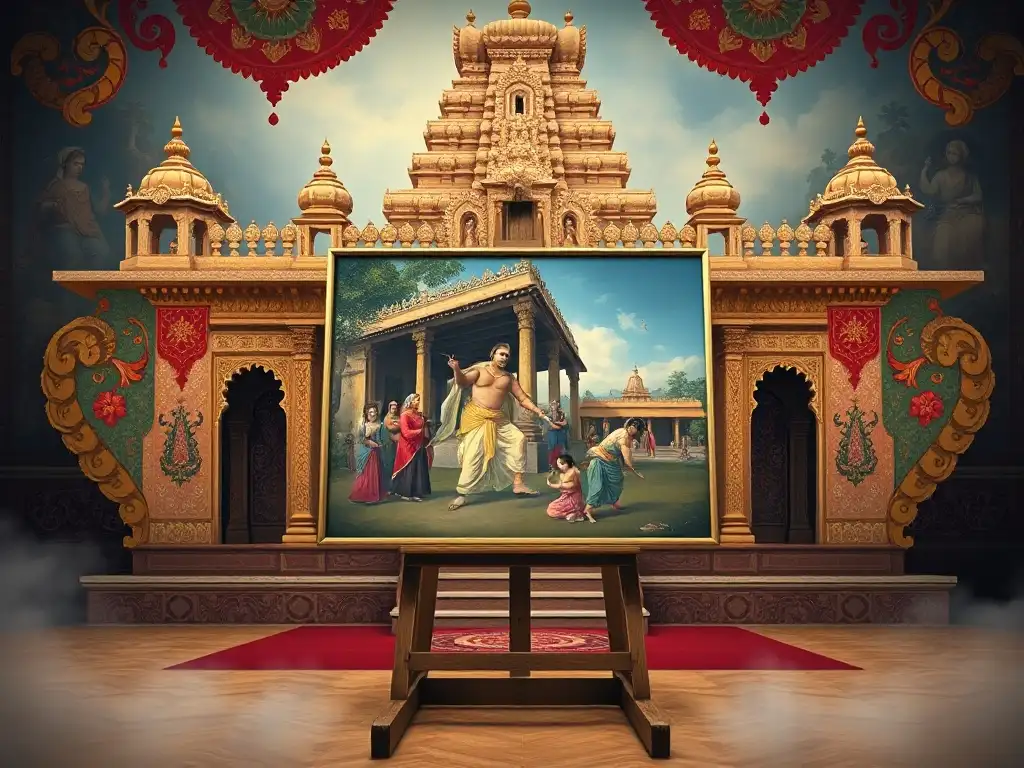
The influence of ancient Indian art on Western artistic traditions is a fascinating subject that highlights the interconnectedness of cultures throughout history. Ancient Indian art, with its rich symbolism, intricate designs, and spiritual themes, has inspired many Western artists and movements. This interaction can be traced back to various periods, particularly during the British colonial era, when Indian art began to gain recognition and appreciation in Europe. The aesthetic principles and philosophical concepts embedded in ancient Indian art have contributed to a broader understanding of art as a universal language that transcends geographical boundaries.
The Introduction of Indian Artistic Elements to Europe
The introduction of Indian artistic elements to Europe primarily occurred during the 18th and 19th centuries, alongside the expansion of trade and colonial endeavors. European artists, scholars, and collectors became increasingly fascinated by Indian textiles, sculpture, and painting, leading to a significant exchange of ideas.
- Textiles and Patterns: Indian textiles, known for their vibrant colors and intricate patterns, began to influence European fashion and interior design. The use of paisley patterns and other motifs in European fabric design can be traced back to Indian origins.
- Sculpture and Architecture: The detailed stone carvings of Indian temples inspired European neoclassical architects, who incorporated similar motifs and themes in their work. The intricate depiction of deities and the use of symbolism in Indian sculptures offered new perspectives on artistic expression.
- Spiritual Themes: European artists were drawn to the spiritual and philosophical aspects of Indian art. The concept of dharma and the representation of various deities sparked interest in exploring themes of spirituality and transcendence in Western art.
Cross-Cultural Exchanges: Indian Art in the Global Arena
Cross-cultural exchanges played a vital role in disseminating ancient Indian art across the globe. The Silk Road and maritime trade routes facilitated the movement of not just goods but also ideas and artistic techniques.
- Influence on the Arts and Crafts Movement: The late 19th-century Arts and Crafts Movement in Europe was significantly influenced by Indian artistry, with artists like William Morris drawing inspiration from Indian designs and craftsmanship. The emphasis on handmade quality and decorative arts reflected a revival of interest in traditional techniques that resonated with ancient Indian practices.
- Exhibitions and Collections: The establishment of museums and exhibitions in Europe, showcasing Indian art, further enhanced its visibility. The display of Indian artifacts, sculptures, and paintings in institutions like the Victoria and Albert Museum in London allowed Western audiences to appreciate the depth and richness of Indian artistic traditions.
- Modern Artistic Movements: The influence of Indian art can be seen in modern artistic movements, such as Surrealism and Abstract Expressionism. Artists like Paul Gauguin and Wassily Kandinsky incorporated elements of Indian aesthetics, such as vivid colors and abstract forms, into their work.
Case Studies of Ancient Indian Art Influence
The influence of ancient Indian art extends beyond mere imitation; it has inspired various styles, techniques, and philosophies across different cultures. Two significant case studies exemplifying this influence are the Ajanta Caves and Indian miniature paintings.
The Ajanta Caves: A Testament to Indian Art's Global Influence
The Ajanta Caves, a UNESCO World Heritage Site, are a remarkable collection of rock-cut Buddhist cave monuments dating back to the 2nd century BCE to the 6th century CE. The intricate frescoes and sculptures found within these caves reflect the depth of ancient Indian artistic expression and its influence on global art.
- Artistic Techniques: The use of natural pigments and the detailed portrayal of figures in the Ajanta Caves inspired later muralists in different parts of the world. The techniques developed here, including the use of chiaroscuro and perspective, were adopted and adapted by artists in various cultures.
- Narrative Art: The storytelling aspect of the Ajanta murals, which depict Jataka tales and scenes from the life of the Buddha, influenced narrative painting in Europe. This emphasis on storytelling through visual art can be seen in the works of Renaissance artists who sought to convey complex narratives through their compositions.
The Role of Indian Miniature Paintings in Art History
Indian miniature paintings, characterized by their meticulous detail and vibrant colors, have played a crucial role in shaping artistic traditions worldwide. Originating during the Mughal era, these paintings reflect a blend of Persian and Indian styles, which later influenced many Western artists.
- Intricate Detail and Symbolism: The use of intricate detail in miniature paintings has inspired techniques in Western art, particularly in the realm of portraiture and narrative scenes. The emphasis on capturing emotion and expression through minute details can be seen in the works of artists like Gustav Klimt.
- Cultural Exchange: During the British Raj, Indian miniature paintings were collected by European patrons and displayed in galleries. This exposure led to a growing appreciation for the art form, influencing movements such as Orientalism, where Western artists sought to depict Eastern themes and aesthetics.
The ancient Indian art influence on global artistic traditions is a testament to the rich cultural heritage of India and its ongoing impact on the world. Through cross-cultural exchanges and the introduction of Indian artistic elements to Europe, ancient Indian art has transcended time and geography, inspiring countless artists and movements across the globe.
Conclusion: The Enduring Legacy of Ancient Indian Art
The influence of ancient Indian art is profound and multi-faceted, manifesting in various forms and mediums that continue to resonate in the contemporary world. From the intricate carvings of temple architecture to the vibrant colors of traditional paintings, ancient Indian art has laid a foundational framework that informs both regional and global artistic practices.
Its themes, philosophies, and techniques have transcended time and geography, inspiring countless artists and movements worldwide. The enduring legacy of ancient Indian art serves not only as a testament to the creativity and spirituality of its time but also as a beacon for future generations of artists seeking to explore the depths of cultural expression.
Summary of Ancient Indian Art Influence
Ancient Indian art has significantly influenced various artistic traditions around the globe, particularly in Southeast Asia, where it laid the groundwork for a rich tapestry of cultural exchange. The dissemination of Buddhist art, for instance, can be traced back to India, with the establishment of stupas and monastic complexes that attracted artists and scholars from neighboring regions.
The stylistic elements of Indian sculpture and painting, such as the use of vivid colors, intricate patterns, and symbolism, found their way into the artistic vocabularies of countries like Thailand, Cambodia, and Indonesia. Moreover, Indian motifs and designs have permeated Islamic art, particularly during the Mughal period, leading to a fusion of styles that enriched both traditions.
The Future of Ancient Indian Art in Modern Artistic Practices
As contemporary artists continue to seek inspiration from various cultural heritages, the relevance of ancient Indian art remains strong. Modern artistic practices are increasingly embracing traditional techniques, combining them with contemporary themes to create innovative works that honor the past while addressing current societal issues. Artists are experimenting with ancient forms such as Madhubani and Warli painting, reinterpreting them in modern contexts to resonate with new audiences.
Furthermore, the global art market has shown a growing interest in ancient Indian art, leading to increased visibility and appreciation for its intrinsic value. As a result, the future of ancient Indian art is poised for a renaissance, where its influence will likely continue to shape and inspire the evolving landscape of global artistic traditions.
References and Further Reading on Ancient Indian Art Influence
Suggested Books and Articles
- "Indian Art" by John Julius Norwich - This comprehensive book provides an in-depth analysis of the various forms and expressions of Indian art throughout history.
- "The Art of Ancient India: Buddhist, Hindu, Jain" by Susan L. Huntington: - A detailed exploration of the religious influences on Indian art and its evolution over centuries.
- "The Influence of Indian Art on Southeast Asia" by R. C. Majumdar - This article examines how Indian art influenced the cultures of Southeast Asia, particularly in the context of Buddhism.
Online Resources and Documentaries
- "The Art of India" - A documentary series available online that explores the rich tapestry of Indian art from its ancient origins to modern practices.
- "India: The Modi Question": - A documentary that touches on India's cultural heritage, including its artistic traditions and their influence globally.
- The Digital South Asia Library - An online repository of resources related to South Asian art, history, and culture that includes digitized versions of ancient texts and artworks.
These resources provide a solid foundation for anyone interested in exploring the vast and intricate legacy of ancient Indian art and its influence on contemporary artistic practices worldwide.
- Introduction to Ancient Indian Art Influence
- Historical Context of Ancient Indian Art
- Key Characteristics of Ancient Indian Art
- Ancient Indian Art Influence on Asian Art Traditions
- Ancient Indian Art Influence on Western Artistic Traditions
- Case Studies of Ancient Indian Art Influence
- Conclusion: The Enduring Legacy of Ancient Indian Art
- References and Further Reading on Ancient Indian Art Influence
- What are the main characteristics of ancient Indian art?
- How did ancient Indian art influence other cultures?
- What role did religion play in ancient Indian art?
- Can you name some notable examples of ancient Indian art?
- How does the study of ancient Indian art contribute to our understanding of history?
Frequently Asked Questions
What are the main characteristics of ancient Indian art?
Ancient Indian art is known for its intricate designs, vibrant colors, and symbolic representations. It encompasses various forms, including sculpture, painting, and architecture, reflecting the diverse cultures and traditions of the time.
How did ancient Indian art influence other cultures?
Ancient Indian art influenced global artistic traditions through the spread of Buddhism and trade routes. Its themes, styles, and techniques were adopted by various cultures, particularly in Southeast Asia and beyond.
What role did religion play in ancient Indian art?
Religion had a significant impact on ancient Indian art, as many works were created for spiritual purposes. Temples, sculptures, and paintings often depicted deities and religious narratives, reflecting the belief systems of the time.
Can you name some notable examples of ancient Indian art?
Some notable examples include the Ajanta and Ellora Caves, which showcase exquisite frescoes and sculptures, and the Buddhist stupas that served both religious and artistic purposes, highlighting the technical mastery of Indian artisans.
How does the study of ancient Indian art contribute to our understanding of history?
Studying ancient Indian art provides insights into the social, political, and cultural contexts of the time. It reveals how art served as a medium for communication, identity, and the preservation of knowledge across generations.
Final Reflection: The Enduring Legacy of Ancient Indian Art Influence
The influence of ancient Indian art transcends time and geography, shaping artistic traditions across the globe. Today, as we witness a resurgence of interest in cultural heritage and diversity, the rich tapestry of ancient Indian art serves as a reminder of the interconnectedness of human creativity. This artistic legacy not only enriches our understanding of history but also inspires contemporary artists to draw from its profound symbolism and intricate aesthetics.
Cultural exchange is a powerful force that continues to shape our world. The impact of ancient Indian art can be seen in various forms, from the intricate designs of textiles to the spiritual motifs in modern architecture. As we explore these influences, we recognize that art is not merely a reflection of its time but a living dialogue that evolves. Art is the most beautiful of all lies.
This quote encapsulates the essence of how ancient Indian art has woven itself into the fabric of global artistic expression, inviting us to appreciate the beauty and depth of diverse cultures.
As you reflect on the themes presented in this article, I invite you to consider how the lessons of ancient Indian art can inspire your own creative journey. Embrace the richness of cultural heritage, and let it inform your perspective and practice. Whether you are an artist, a student, or simply an admirer of art, take a moment to explore how you can incorporate the wisdom of the past into your present. In doing so, you not only honor the legacy of ancient Indian art but also contribute to the ongoing narrative of global artistic traditions.
Unveil the Rich Tapestry of Ancient Indian Art!
Thank you for immersing yourself in the vibrant world of Ancient Indian art and its profound influence on global artistic traditions! You've explored not just stunning creations, but the stories and connections that shape our cultural heritage. Now, let's take these insights a step further!
Here are a few actionable steps you can take:
- Dive Deeper: Research a specific ancient Indian artistic style, such as Madhubani or Tanjore paintings, and experiment with creating your own piece inspired by it.
- Join the Conversation: Share your thoughts and findings in the comments below or connect with like-minded art enthusiasts on our community forum.
- Spread the Knowledge: Share this article with friends or on social media to spark discussions about the rich history of art and its connections around the globe.
How has ancient Indian art inspired your creative expression or perspective on culture? We’d love to hear your stories!