
Why Ayurvedic Products Are Gaining Popularity in Contemporary Health Trends

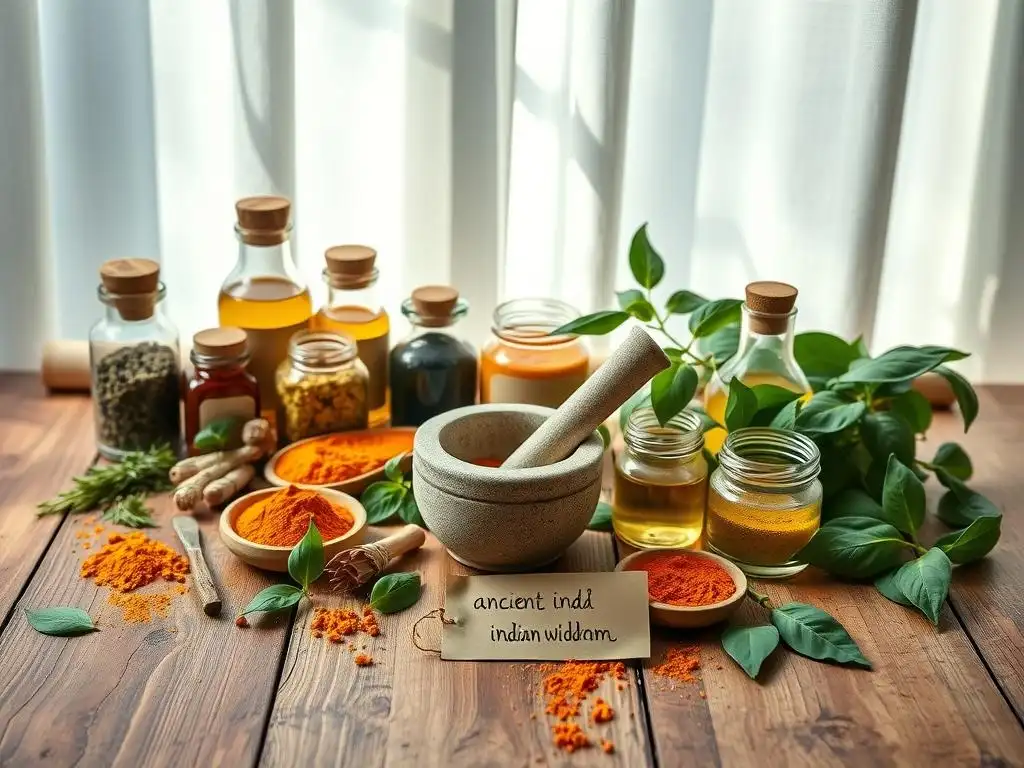
Welcome to Ancient India History, where we delve into the rich tapestry of ancient Indian civilizations, exploring their remarkable contributions to culture, science, and wellness. In this journey, we invite you to discover the fascinating world of ancient Indian Ayurvedic practices—a tradition that is not only surviving but thriving in today's health landscape. As we unravel the reasons behind the growing popularity of Ayurvedic products in contemporary health trends, prepare to be intrigued by how these time-honored practices are inspiring modern innovations. Dive in and uncover the wisdom of the past that continues to shape our present and future!
- Introduction to Ancient Indian Ayurvedic Practices
- The Rise of Ayurvedic Products in Contemporary Health Trends
- Benefits of Ancient Indian Ayurvedic Practices in Modern Health
- Popular Ayurvedic Products: Top Choices for Wellness
- The Science Behind Ancient Indian Ayurvedic Practices
- Challenges and Misconceptions About Ayurvedic Products
- Conclusion: The Future of Ancient Indian Ayurvedic Practices in Health
- Frequently Asked Questions
- Final Reflection: Embracing Ancient Wisdom in Modern Wellness
- Unleash the Power of Ayurveda in Your Life Today!
Introduction to Ancient Indian Ayurvedic Practices
In recent years, there has been a remarkable resurgence in the popularity of Ayurvedic products, as contemporary health trends increasingly embrace holistic approaches to wellness. Rooted in ancient Indian Ayurvedic practices, Ayurveda is a time-honored system of medicine that emphasizes balance and harmony within the body, mind, and spirit. This comprehensive system is not merely a collection of remedies but a profound philosophy of health that has shaped the wellness landscape for thousands of years.
As modern individuals seek natural alternatives to conventional medicine, understanding Ayurveda’s principles and its historical context becomes crucial. This article delves into the essence of Ayurveda, tracing its origins and exploring how these ancient practices are influencing today's health trends.
Understanding Ayurveda: A Brief Overview
Ayurveda, derived from the Sanskrit words "Ayur" (life) and "Veda" (knowledge), translates to "the knowledge of life." This ancient Indian medical system is predicated on the belief that health is a state of balance among three fundamental energies, known as doshas: Vata, Pitta, and Kapha. Each person possesses a unique combination of these doshas, which influences their physical and mental characteristics as well as their susceptibility to various ailments.
The core tenet of Ayurveda is that by understanding our individual dosha and lifestyle, we can tailor our diets, habits, and treatments to promote optimal health. This holistic approach not only addresses the symptoms of diseases but also seeks to identify and rectify the root causes.
Key concepts of Ayurveda include:
- Dietary Recommendations: Emphasizing natural, organic foods tailored to one's dosha.
- Detoxification: Techniques like Panchakarma help cleanse the body of toxins.
- Herbal Remedies: Utilizing plants and natural substances for healing purposes.
- Mind-Body Connection: Practices such as yoga and meditation are integral to maintaining balance.
The Historical Roots of Ayurvedic Medicine in Ancient India
The origins of Ayurvedic medicine can be traced back over 3,000 years to the Vedic texts, which form the foundation of Indian culture and spirituality. The earliest references to Ayurveda appear in the Rigveda, where various herbs and their healing properties are documented. Over centuries, this knowledge evolved and diversified, leading to the compilation of significant texts such as the Sushruta Samhita and the Charaka Samhita.
- Sushruta Samhita: This ancient text is often referred to as the foundation of surgery in Ayurveda, detailing surgical techniques and instruments.
- Charaka Samhita: Focused on internal medicine, this text emphasizes diagnosis and treatment, providing comprehensive guidelines for health care based on individual constitution and lifestyle.
Ayurvedic medicine flourished during the Gupta Empire, a period often referred to as the "Golden Age" of India. It was a time of remarkable advancements in science, art, and philosophy, during which Ayurveda was recognized for its efficacy and began to be systematically practiced. The principles laid out in these ancient texts continue to be relevant, informing modern practices and inspiring a new generation of healthcare solutions that prioritize natural healing and preventive care.
As we explore the resurgence of Ayurvedic products in contemporary health trends, it is essential to appreciate this rich historical backdrop and the wisdom contained within ancient Indian Ayurvedic practices.
The Rise of Ayurvedic Products in Contemporary Health Trends

Ayurvedic products are experiencing a significant resurgence in contemporary health trends, driven by a growing awareness of natural and holistic approaches to wellness. This revival can be attributed to a confluence of factors, including the increasing preference for herbal remedies over synthetic pharmaceuticals, a rising interest in sustainable practices, and the global recognition of ancient Indian Ayurvedic practices that emphasize balance and harmony within the body.
The integration of Ayurvedic principles into modern healthcare is not merely a trend; it reflects a shift towards a more comprehensive understanding of health that encompasses physical, mental, and spiritual well-being. As consumers seek alternatives to conventional medicine, they are turning to Ayurvedic products for their perceived effectiveness and minimal side effects. This grassroot movement has paved the way for a plethora of products ranging from herbal supplements and essential oils to personal care items and dietary aids, all rooted in ancient wisdom.
The Growing Demand for Natural Remedies in Modern Wellness
The demand for natural remedies has surged in recent years, with more individuals seeking alternatives to traditional medicine. According to a survey conducted by the National Center for Complementary and Integrative Health, approximately 38% of adults in the United States use complementary and alternative medicine, with herbal remedies being one of the most popular categories. This trend mirrors a broader global shift towards natural health solutions, driven by several key factors:
- Increased Health Awareness: As people become more informed about the ingredients in their food and products, there is a growing interest in natural, plant-based solutions. Many consumers are concerned about the long-term effects of synthetic chemicals and seek out Ayurvedic products as safer options.
- Cultural Shift Towards Holism: The holistic approach of Ayurveda resonates with modern wellness philosophies that prioritize the interconnectedness of body, mind, and spirit. This alignment has made Ayurvedic practices and products appealing to a diverse audience, including those who may not have previously considered alternative health solutions.
- Influence of Social Media: Platforms like Instagram and TikTok have amplified the visibility of Ayurvedic products, with influencers and health advocates sharing their personal experiences and the benefits of integrating these practices into daily life. This exposure has significantly contributed to the popularity of Ayurvedic remedies among younger demographics.
Key Factors Driving Popularity: Health Consciousness and Sustainability
The popularity of Ayurvedic products can also be attributed to two pivotal factors: health consciousness and sustainability.
- Health Consciousness: The modern consumer is increasingly health-conscious, seeking out products that promote well-being rather than merely alleviating symptoms. Ayurvedic practices, which focus on prevention and balance, align well with this philosophy. Many Ayurvedic products are designed to support immune function, enhance digestion, and promote overall vitality. This preventive approach appeals to those who prioritize long-term health over short-term fixes.
- Sustainability: In an era where environmental concerns are paramount, Ayurvedic products often stand out due to their sustainable sourcing and production methods. Many Ayurvedic brands emphasize the use of organic ingredients, eco-friendly packaging, and ethical harvesting practices. Consumers are drawn to products that not only benefit their health but also contribute positively to the planet. The low environmental impact of Ayurvedic practices, rooted in ancient traditions of harmony with nature, resonates strongly with eco-conscious individuals.
The rise of Ayurvedic products in contemporary health trends signifies a profound shift towards embracing ancient Indian Ayurvedic practices as valuable resources for modern wellness. By addressing the growing demand for natural remedies, and capitalizing on health consciousness and sustainability, Ayurvedic products are poised to continue gaining popularity in the ever-evolving landscape of health and wellness.
Benefits of Ancient Indian Ayurvedic Practices in Modern Health
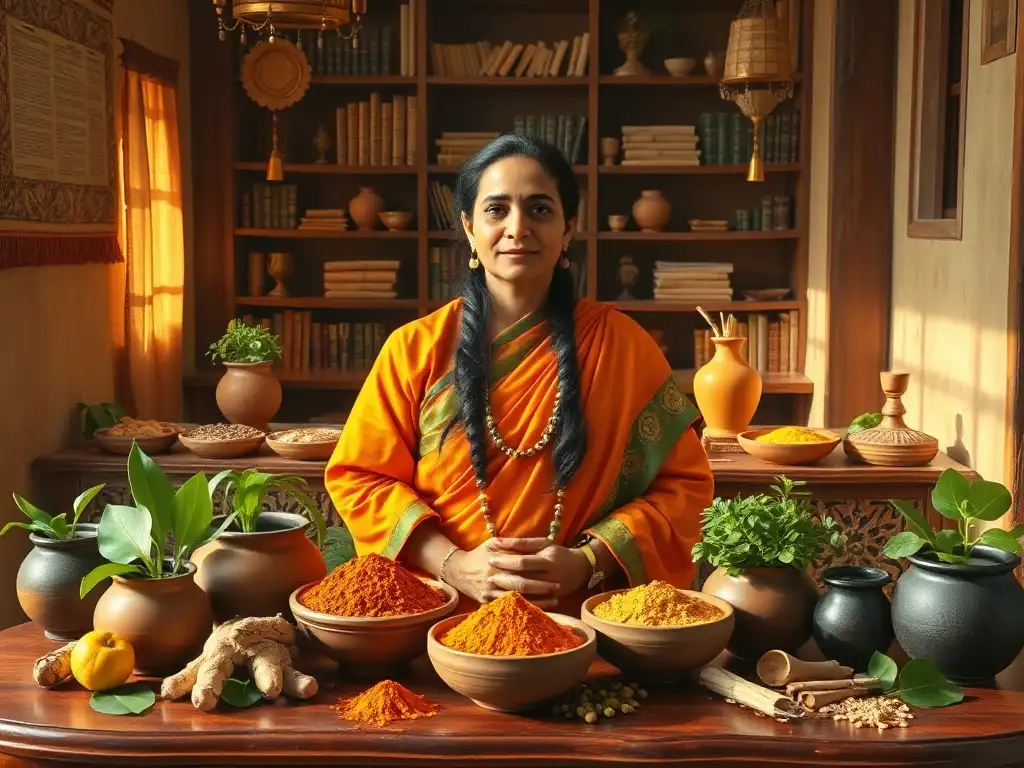
The resurgence of interest in ancient Indian Ayurvedic practices is not merely a trend; it reflects a growing understanding of holistic health approaches that prioritize balance and well-being. As modern healthcare increasingly seeks to integrate alternative and complementary therapies, Ayurveda stands out for its deep-rooted principles and effective practices. Here, we explore the various benefits of ancient Indian Ayurvedic practices and how they are influencing contemporary health trends.
Holistic Approach: Balancing Mind, Body, and Spirit
Ayurveda is founded on the principle of holistic health, which emphasizes the interconnectedness of the mind, body, and spirit. This approach advocates for a personalized treatment plan that considers individual constitution (Prakriti), lifestyle, and emotional health.
- Personalized Treatments: Ayurvedic practitioners assess an individual's unique needs, often employing techniques like pulse diagnosis to tailor remedies.
- Preventive Care: By focusing on maintaining balance, Ayurveda encourages preventive measures that can mitigate the onset of diseases.
- Mindfulness and Meditation: Incorporating practices such as yoga and meditation, Ayurveda promotes emotional well-being, reducing stress and enhancing mental clarity.
This holistic philosophy resonates with those seeking not just relief from symptoms but a comprehensive pathway to wellness.
Natural Ingredients: The Power of Herbal Remedies
One of the hallmarks of Ayurvedic practices is the use of natural ingredients derived from plants, minerals, and animal products. These remedies are believed to work synergistically to promote healing and restore balance.
- Herbal Formulations: Ingredients such as Ashwagandha, Turmeric, and Triphala have been extensively studied for their health benefits, including anti-inflammatory and antioxidant properties.
- Minimal Side Effects: Unlike many synthetic medications, Ayurvedic remedies typically have fewer side effects, making them suitable for long-term use.
- Sustainable Practices: The use of locally sourced, natural ingredients aligns with modern sustainability trends, appealing to eco-conscious consumers.
The efficacy of these natural remedies is supported by a growing body of scientific research, validating ancient knowledge through modern methodologies.
Case Study: Success Stories of Ayurvedic Treatments in Modern Healthcare
Several success stories highlight the effectiveness of integrating ancient Indian Ayurvedic practices into contemporary healthcare settings.
- Chronic Pain Management: A study conducted at a prominent healthcare facility found that patients with chronic pain experienced significant relief through Ayurvedic therapies, including herbal treatments and personalized yoga regimens.
- Mental Health: In a pilot program, individuals suffering from anxiety and depression reported improved mental health outcomes after participating in an Ayurvedic lifestyle program that included dietary changes, meditation, and herbal supplements.
- Diabetes Management: Research indicates that Ayurvedic practices can play a role in managing diabetes, with dietary adjustments and specific herbal formulations helping to regulate blood sugar levels.
These case studies illustrate the practical applications of ancient Indian Ayurvedic practices in addressing modern health issues and underscore their growing acceptance in various healthcare frameworks.
As the interest in ancient Indian Ayurvedic practices continues to expand, it is clear that their holistic, natural, and personalized approaches offer valuable insights and solutions for modern health challenges.
Popular Ayurvedic Products: Top Choices for Wellness

As contemporary society increasingly shifts towards natural and holistic health solutions, Ayurvedic products have surged in popularity. Rooted in ancient Indian Ayurvedic practices, these products offer a range of wellness benefits that cater to both physical and mental health. Below, we explore some of the most sought-after Ayurvedic products that are making a mark in modern healthcare.
1. Herbal Supplements
Herbal supplements form a cornerstone of Ayurvedic practices, leveraging the therapeutic properties of plants to promote health and well-being. Among the most popular is Ashwagandha, known for its adaptogenic qualities.
Features and Benefits of Ashwagandha
- Stress Reduction: Ashwagandha is celebrated for its ability to reduce stress and anxiety levels. Studies have shown that it can lower cortisol levels, a hormone linked to stress.
- Cognitive Improvement: This herb is also known to enhance cognitive function, improving memory and concentration.
- Energy Boost: Regular intake can lead to increased energy levels and stamina, making it a favorite among those with demanding lifestyles.
- Immune Support: Ashwagandha is believed to bolster the immune system, helping the body resist illness.
Pricing and Where to Buy
The price of Ashwagandha supplements can vary significantly based on the brand and formulation. Here’s a quick overview:
| Brand | Formulation | Price Range (USD) | Where to Buy |
|---|---|---|---|
| Organic India | Powder | $10 - $15 | [Online Retailers] |
| Himalaya Herbal | Capsules | $15 - $20 | [Health Stores] |
| Banyan Botanicals | Liquid Extract | $20 - $30 | [Specialty Shops] |
These products can be easily found in health food stores, online retailers, and Ayurvedic pharmacies.
2. Ayurvedic Oils
Ayurvedic oils are integral to traditional practices, often used for therapeutic massages and skincare. One noteworthy oil is Brahmi Oil, which is renowned for its cognitive and calming effects.
How Brahmi Oil Enhances Wellbeing
- Cognitive Clarity: Brahmi oil is known to enhance mental clarity and concentration. Regular use can improve cognitive function and support memory.
- Calming Effects: It has a soothing effect on the nervous system, making it ideal for those suffering from anxiety or stress.
- Hair Health: Brahmi oil is also applied topically to promote hair growth and reduce dandruff, making it a dual-purpose product.
- Skin Nourishment: Its hydrating properties help in maintaining skin health, addressing dryness and irritation.
Price Comparison: Best Options on the Market
When choosing Brahmi oil, it’s essential to consider the quality and purity. Below is a comparison of popular options:
| Brand | Type | Price Range (USD) | Where to Buy |
|---|---|---|---|
| Kama Ayurveda | Pure Brahmi Oil | $15 - $25 | [Online Store] |
| Banyan Botanicals | Organic Brahmi Oil | $20 - $30 | [Health Shops] |
| Organic India | Herbal Infused Oil | $12 - $18 | [Ayurvedic Pharmacies] |
With these products gaining traction, consumers are encouraged to explore the benefits of ancient Indian Ayurvedic practices and integrate them into their wellness routines.
3. Ayurvedic Skin Care Products
Ayurvedic skin care products have gained immense popularity in recent years, thanks to their holistic approach to beauty and wellness. Rooted in ancient Indian Ayurvedic practices, these products emphasize the balance of body, mind, and spirit, using natural ingredients that are gentle yet effective. Unlike conventional skin care solutions that often rely on synthetic chemicals, Ayurvedic skin care products harness the healing properties of herbs, oils, and minerals, promoting a more natural and nurturing way to care for one's skin.
The philosophy behind Ayurvedic skin care is to treat the skin according to individual dosha types—Vata, Pitta, and Kapha. Each dosha represents different physical and emotional characteristics, and Ayurvedic skin care products are formulated to address specific skin concerns based on these doshas. This personalized approach allows users to achieve optimal skin health while simultaneously enhancing their overall well-being.
The Benefits of Kumkumadi Oil
Kumkumadi oil, a prized Ayurvedic formulation, is often hailed as a miracle elixir for skin rejuvenation. This luxurious oil, made from a blend of saffron and various herbs, is known for its multitude of benefits:
- Brightening Complexion: Kumkumadi oil is renowned for its ability to brighten the skin and reduce pigmentation. Saffron, the key ingredient, has natural skin-lightening properties that help achieve a radiant glow.
- Anti-Aging Properties: Loaded with antioxidants, Kumkumadi oil helps combat signs of aging, such as fine lines and wrinkles. Regular use can promote skin elasticity and firmness, giving a youthful appearance.
- Moisturizing Effect: The oil deeply nourishes and hydrates the skin, making it particularly beneficial for dry and dehydrated skin types. Its emollient properties help lock in moisture, leaving the skin soft and supple.
- Soothing Inflammation: Known for its anti-inflammatory effects, Kumkumadi oil can soothe irritated skin and reduce redness, making it an excellent choice for those with sensitive skin conditions.
- Improving Skin Texture: By promoting cell regeneration, Kumkumadi oil helps improve overall skin texture, leading to a smoother and more even complexion.
User Reviews and Recommendations
The popularity of Kumkumadi oil is reflected in the numerous positive user reviews and recommendations that highlight its efficacy. Many users have shared their transformative experiences, noting significant improvements in their skin's appearance and health after incorporating this oil into their daily routine.
- Positive Testimonials: Users often praise Kumkumadi oil for its quick absorption and non-greasy feel. Many have reported noticeable changes within just a few weeks, including reduced pigmentation and a more luminous complexion.
- Suitable for All Skin Types: Feedback indicates that Kumkumadi oil is suitable for various skin types, including oily, dry, and combination skin. Its lightweight formulation allows it to cater to different needs without causing breakouts or clogging pores.
- Daily Use Recommendations: Many users recommend applying Kumkumadi oil as part of a nightly skincare routine. A few drops massaged into the skin before bedtime can enhance its rejuvenating effects, allowing the oil to work its magic overnight.
- Combination with Other Products: Some users also suggest combining Kumkumadi oil with other Ayurvedic products, such as herbal face packs or cleansers, to maximize benefits and achieve comprehensive skin care results.
Ayurvedic skin care products like Kumkumadi oil are not only rooted in ancient Indian Ayurvedic practices but also resonate well with contemporary health trends, making them a favored choice for those seeking natural and effective skin care solutions.
The Science Behind Ancient Indian Ayurvedic Practices

Research Supporting Ayurvedic Efficacy in Health
The resurgence of interest in Ayurvedic practices is increasingly supported by scientific research that validates its principles and applications in health. Ayurveda, a traditional system of medicine that dates back over 3,000 years, emphasizes a holistic approach to health, focusing on balancing the body's energies (doshas), diet, lifestyle, and mental well-being.
Numerous studies have explored the efficacy of Ayurvedic herbs and treatments. For instance, Turmeric (Curcuma longa), a cornerstone of Ayurveda, contains curcumin, which has been extensively studied for its anti-inflammatory and antioxidant properties. Research has shown that curcumin can help manage conditions such as arthritis and metabolic syndrome. Similarly, Ashwagandha (Withania somnifera), known for its adaptogenic effects, has been shown in clinical trials to reduce stress and improve cognitive function.
Moreover, a systematic review published in the Journal of Alternative and Complementary Medicine found that Ayurvedic treatments can be effective for managing chronic diseases such as diabetes and cardiovascular disorders. This evidence reinforces the idea that ancient Indian Ayurvedic practices are not merely traditional remedies but are backed by scientific validation.
Integrating Ayurveda with Modern Medicine: A Growing Trend
The integration of Ayurvedic practices with modern medicine is gaining traction in contemporary healthcare settings. This trend is characterized by a collaborative approach where practitioners from both fields work together to provide comprehensive care tailored to individual patient needs.
- Holistic Treatment Plans: Modern healthcare increasingly recognizes the value of treating the patient as a whole rather than focusing solely on symptoms. Ayurvedic practices, with their emphasis on body-mind balance, offer methodologies that can complement conventional treatments. For example, mindfulness and meditation techniques derived from Ayurveda are being incorporated into mental health therapies.
- Personalized Medicine: Ayurveda’s focus on individualized treatment aligns well with the growing trend of personalized medicine in modern healthcare. By considering a person's unique constitution (prakriti) and lifestyle, Ayurvedic practitioners can create tailored health plans that include dietary recommendations, herbal supplements, and lifestyle adjustments.
- Research Collaborations: There are ongoing collaborations between Ayurvedic researchers and modern medical institutions to conduct clinical trials that assess the effectiveness of Ayurvedic treatments. These collaborative efforts aim to bridge the gap between ancient wisdom and contemporary scientific inquiry, fostering an environment where both practices can inform and enhance each other.
- Increased Consumer Awareness: As public awareness of wellness and holistic health grows, more individuals are seeking Ayurvedic products and therapies. The demand for herbal supplements, organic foods, and wellness retreats based on Ayurvedic principles reflects a significant shift towards integrating ancient practices into modern lifestyles.
The synthesis of ancient Indian Ayurvedic practices with contemporary health trends not only highlights the relevance of these time-tested approaches but also underscores their potential to enrich modern medical paradigms. As research continues to unveil the benefits of Ayurveda, its role in health and wellness will likely expand, paving the way for a more holistic approach to health care.
Challenges and Misconceptions About Ayurvedic Products

The rise in popularity of Ayurvedic products has not been without its challenges. As more people turn to these ancient Indian practices for health and wellness solutions, a variety of misconceptions and regulatory issues have surfaced. Understanding these challenges is crucial for both consumers and practitioners to foster a more informed and effective use of Ayurvedic products in contemporary healthcare.
Common Myths Surrounding Ayurveda
Despite its long-standing history and established principles, several myths about Ayurvedic practices continue to persist:
- Ayurveda is Just Herbal Medicine: Many people equate Ayurveda solely with herbal remedies. While herbs are a significant component, Ayurveda encompasses a holistic approach that includes diet, lifestyle, and mind-body balance.
- All Ayurvedic Products Are Safe: Not all Ayurvedic products are created equal. Some may contain heavy metals or contaminants due to poor manufacturing practices. It's essential to choose products from reputable sources that adhere to safety standards.
- Ayurveda is Ineffective Compared to Modern Medicine: Critics often dismiss Ayurveda as unscientific. However, numerous studies have demonstrated the efficacy of certain Ayurvedic practices and formulations, particularly in chronic disease management and preventive care.
- Ayurvedic Treatments Take Too Long to Work: While some Ayurvedic treatments may require a longer duration for noticeable effects, they often promote sustainable health improvements rather than quick fixes associated with some modern pharmaceuticals.
- Only for Specific Cultures: Ayurveda is often perceived as a practice exclusive to Indian culture. In reality, its principles can be adapted and utilized by individuals of all backgrounds seeking holistic health solutions.
Addressing these myths is essential for enhancing the credibility of Ayurvedic products and practices, allowing them to be viewed as a valuable complement to modern healthcare.
Addressing Concerns: Safety and Regulation of Ayurvedic Products
The safety and regulation of Ayurvedic products is a critical issue that requires attention. Here are some key points regarding this topic:
- Lack of Standardized Regulations: Unlike pharmaceuticals, Ayurvedic products often lack comprehensive regulatory oversight. This can lead to variability in product quality and safety. In India, the Drugs and Cosmetics Act regulates Ayurvedic products, but enforcement can be inconsistent.
- Quality Control Measures: To combat safety concerns, reputable Ayurvedic manufacturers implement rigorous quality control measures, including:
- Sourcing Quality Ingredients: Ensuring raw materials are obtained from trusted suppliers.
- Testing for Contaminants: Conducting laboratory tests to check for heavy metals, pesticides, and other harmful substances.
- Certification and Compliance: Seeking certifications from recognized authorities to validate product safety.
- Consumer Education: It is vital for consumers to educate themselves on Ayurvedic practices and products. Knowledge about reputable brands, ingredients, and potential side effects can empower individuals to make informed choices.
- Research and Clinical Trials: Increasingly, scientific studies are being conducted to evaluate the efficacy and safety of Ayurvedic products. This research can help bridge the gap between ancient practices and modern scientific validation, enhancing trust in Ayurveda.
- Consultation with Professionals: Individuals interested in incorporating Ayurvedic products into their healthcare routine should consult qualified practitioners. Personalized guidance can ensure that treatments align with individual health needs and conditions.
While the popularity of Ayurvedic products continues to rise, addressing the challenges and misconceptions surrounding them is essential for their integration into contemporary health trends. By promoting accurate information and ensuring safety and regulation, Ayurveda can be embraced as a valuable asset in holistic health practices.
Conclusion: The Future of Ancient Indian Ayurvedic Practices in Health

Embracing the Wisdom of Ancient India in Modern Times
The resurgence of interest in ancient Indian Ayurvedic practices is transforming how contemporary society perceives health and wellness. As people increasingly seek holistic approaches to health, Ayurveda’s principles of balance, natural remedies, and personalized treatments resonate strongly with modern values. This ancient system of medicine, which dates back over 3,000 years, emphasizes the connection between body, mind, and spirit, offering a comprehensive view of health that is often lacking in conventional medicine.
In today's fast-paced world, individuals are gravitating towards Ayurvedic products that promote overall well-being rather than merely addressing symptoms. This trend is evident in the growing demand for herbal supplements, oils, and dietary practices rooted in Ayurvedic tradition. For example:
- Herbal Supplements: Products like Ashwagandha and Turmeric are becoming staples in health routines for their adaptogenic properties and anti-inflammatory effects, respectively.
- Oil-Based Treatments: Ayurvedic oils, such as sesame and coconut oil, are being used for their nourishing qualities in both cooking and skincare.
- Dietary Practices: The emphasis on Sattvic foods—pure, wholesome, and nourishing—aligns with the modern-day shift towards plant-based diets.
As more individuals seek alternatives to pharmaceuticals, the integration of Ayurvedic principles into daily life signifies a broader acceptance of ancient wisdom in contemporary health paradigms.
Final Thoughts and Recommendations for Ayurvedic Products
To navigate the vast array of Ayurvedic products flooding the market, consumers should consider several key factors to ensure efficacy and authenticity:
- Quality and Sourcing: Look for products that are sourced from reputable companies committed to sustainable practices. Organic certification and fair trade sourcing can indicate higher quality and ethical production methods.
- Expert Guidance: Consulting with qualified Ayurvedic practitioners can provide personalized recommendations based on individual health needs and body constitution ( Prakriti). This tailored approach maximizes the benefits of Ayurvedic treatments.
- Research and Reviews: Before incorporating any Ayurvedic product into your routine, conduct thorough research. User reviews and clinical studies can offer insight into potential benefits and side effects.
- Integration into Lifestyle: Embrace Ayurveda not merely as a series of products but as a lifestyle. Incorporating daily practices such as yoga, meditation, and dinacharya (daily routines) can enhance the effectiveness of Ayurvedic treatments.
As the popularity of ancient Indian Ayurvedic practices continues to rise, maintaining an informed and mindful approach will ensure that individuals can reap the full benefits of this ancient wisdom while navigating the complexities of modern health trends. Embracing Ayurveda holistically offers a pathway to not only health but also harmony and balance in life.
Frequently Asked Questions
What are Ayurvedic products?
Ayurvedic products are natural remedies and treatments based on ancient Indian Ayurveda, a holistic system of medicine that emphasizes balance among body, mind, and spirit.
How do ancient Indian Ayurvedic practices influence modern health trends?
Ancient Indian Ayurvedic practices emphasize prevention and wellness, which aligns with contemporary health trends that prioritize natural and holistic approaches to health and wellness.
What are the main principles of Ayurveda?
The main principles of Ayurveda include the balance of the three doshas (Vata, Pitta, Kapha), the importance of diet, and the use of herbal remedies to promote overall well-being.
Why is there a growing interest in Ayurvedic medicine today?
There is a growing interest in Ayurvedic medicine today due to its focus on natural ingredients, personalized treatments, and a holistic approach that appeals to those seeking alternatives to conventional medicine.
How can one incorporate Ayurvedic practices into their daily life?
One can incorporate Ayurvedic practices by following a balanced diet based on their dosha, engaging in regular yoga and meditation, and using herbal supplements to support overall health.
Final Reflection: Embracing Ancient Wisdom in Modern Wellness
The resurgence of ancient Indian Ayurvedic practices in contemporary health trends underscores a profound shift in how we perceive wellness today. As more individuals seek holistic approaches to health, the principles of Ayurveda resonate deeply with our collective yearning for balance and well-being. This growing interest is not merely a trend; it signifies a transformative movement towards integrating time-tested wisdom into our fast-paced lives.
The influence of Ayurveda extends beyond individual health; it is reshaping our cultural and social landscape. As we embrace these ancient practices, we cultivate a deeper connection to our bodies, minds, and the environment around us. The wisdom of Ayurveda encourages us to honor our unique constitutions and promotes a lifestyle that prioritizes harmony. In the midst of movement and chaos, keep stillness inside of you.
— Deepak Chopra. This quote encapsulates the essence of Ayurveda, reminding us to find stillness and balance amid the noise of modern life.
As you reflect on the insights shared in this article, consider how you can incorporate Ayurvedic principles into your daily routine. What small changes can you make to align your lifestyle with these ancient practices? Whether it’s adopting a new dietary habit, exploring herbal remedies, or simply taking time for mindfulness, each step you take can lead to a more balanced and fulfilling life. Embrace the wisdom of Ayurveda and allow it to guide you on your journey toward holistic health and well-being.
Unleash the Power of Ayurveda in Your Life Today!
Thank you for diving into the fascinating world of Ayurvedic products with us! You've gained valuable insights into why these ancient remedies are becoming essential in modern health trends. Now, it's time to take action and explore the incredible benefits of Ayurveda for your well-being!
Here are some ways you can start your journey:
- Try an Ayurvedic product: Select a natural Ayurvedic remedy that aligns with your health goals, whether it's herbal supplements, skincare, or essential oils. Experience the positive changes it can bring!
- Join a local Ayurveda workshop or class: Seek out community events or online sessions that provide a deeper understanding of Ayurvedic practices—connect with passionate practitioners and enhance your knowledge.
- Share your experience: Tell your friends or share on social media about your journey with Ayurveda to inspire others to discover its health benefits!
What aspect of Ayurveda are you most eager to incorporate into your daily routine? Let's start the conversation!